SeaDays cruise blog
Cruise tips, ship and port guides published by SeaDays to help you plan before you book.
Featured

Luxury vs Budget Cruises: Is the Price Difference Worth It in 2026?
Sticker shock is easy; value is harder. This breakdown compares what budget and luxury cruises include, where hidden costs flip the math, and how to decide whether premium fares buy time, space, and peace—or just prettier brochures.

Caribbean vs Mediterranean Cruise: Which Should You Choose for Your First Trip?
First-time cruisers often narrow the world to two iconic regions—the warm, beach-forward Caribbean or the culture-dense Mediterranean. Neither is “better”; they solve different travel appetites. This comparison covers climate, costs, crowds, excursions, flight logistics, and who thrives in each region so you can book with confidence.
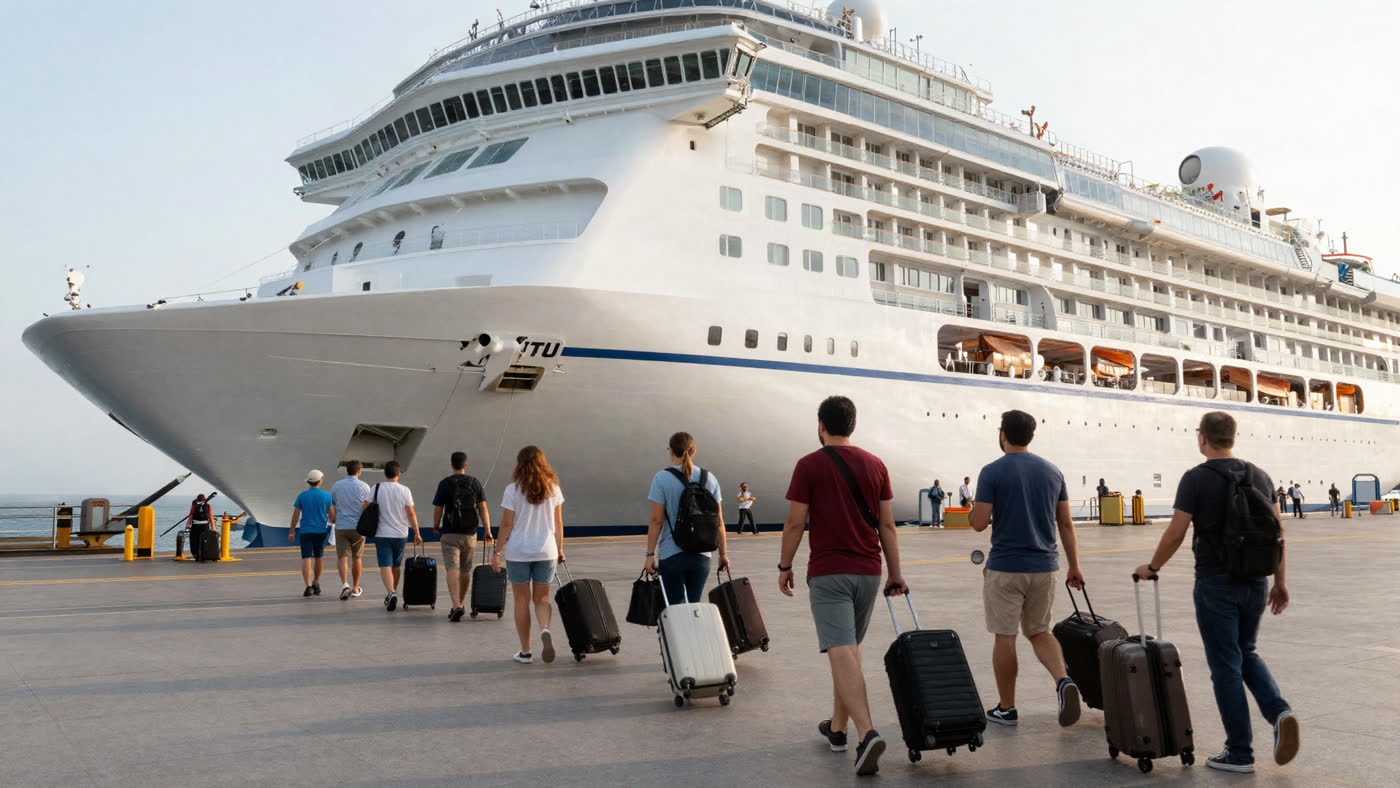
Embarkation Day Timeline: What Actually Happens From Terminal to Cabin
From cruise terminal to cabin on embarkation day: boarding windows, carry-on essentials, check-in flow, and first-hour moves that keep first-timers calm.
Why the SeaDays cruise blog is different
Independent cruise tips, ship guides, and port planning—written for real itineraries, not brochures.
Looking for trustworthy cruise tips, first-time cruise help, Mediterranean cruise and Caribbean cruise ideas, or honest answers on cruise cabins, drink packages, and sea days? This hub connects planning advice with our cruise ships directory and cruise ports guides so you can compare lines, shore time, and onboard rhythm before you book.
Why the SeaDays cruise blog is different
Independent cruise tips, ship guides, and port planning—written for real itineraries, not brochures.
Looking for trustworthy cruise tips, first-time cruise help, Mediterranean cruise and Caribbean cruise ideas, or honest answers on cruise cabins, drink packages, and sea days? This hub connects planning advice with our cruise ships directory and cruise ports guides so you can compare lines, shore time, and onboard rhythm before you book.
Plan smarter cruises with expert guides
This blog is written for people who want more than a brochure: honest trade-offs between cabin types, realistic sea-day routines, drink-package math, embarkation-day pacing, and what actually happens if you miss the ship in port. Every article is designed to be useful before you book, while you pack, and on the morning of sailing when small decisions compound.
We connect ideas across topics. When you read about cruise ships and major lines, you can cross-check itineraries against our ports and destinations hub to see whether your sailing favors short port calls, overnight stays, or scenic sea days. That pairing—ship plus geography—is how experienced cruisers avoid feeling rushed on land or bored at sea.
Topics we cover (and how to use the filters)
Use the topic pills above the article grid to narrow first-time cruise basics, budget cruise trade-offs, luxury cruise value questions, cruise packing lists, balcony vs inside cabins, shore excursions and port days, Wi‑Fi and remote work at sea, family cruises, and beverage package math. Posts mix short explainers with deeper guides so you can skim for decisions or read end-to-end.
SeaDays tools behind the articles
SeaDays is a cruise companion app with live-friendly features for tracking trips, exploring ships, and browsing ports. The blog highlights concepts you will also find inside the product, but nothing here sits behind a paywall: the goal is search-quality guidance that stands alone in your browser.
If you are new to cruising, start with first-timer explainers and packing lists below. If you are comparing lines for a family, filter by cabins, dining, and kid-friendly tips—then validate against your target region on the ports page. Cruisers comparing European cruises, Alaska cruises, or river vs ocean routes can use the same hub to stress-test marketing claims against itinerary shape and time ashore.
Embarkation Day Timeline: What Actually Happens From Terminal to Cabin
From cruise terminal to cabin on embarkation day: boarding windows, carry-on essentials, check-in flow, and first-hour moves that keep first-timers calm.
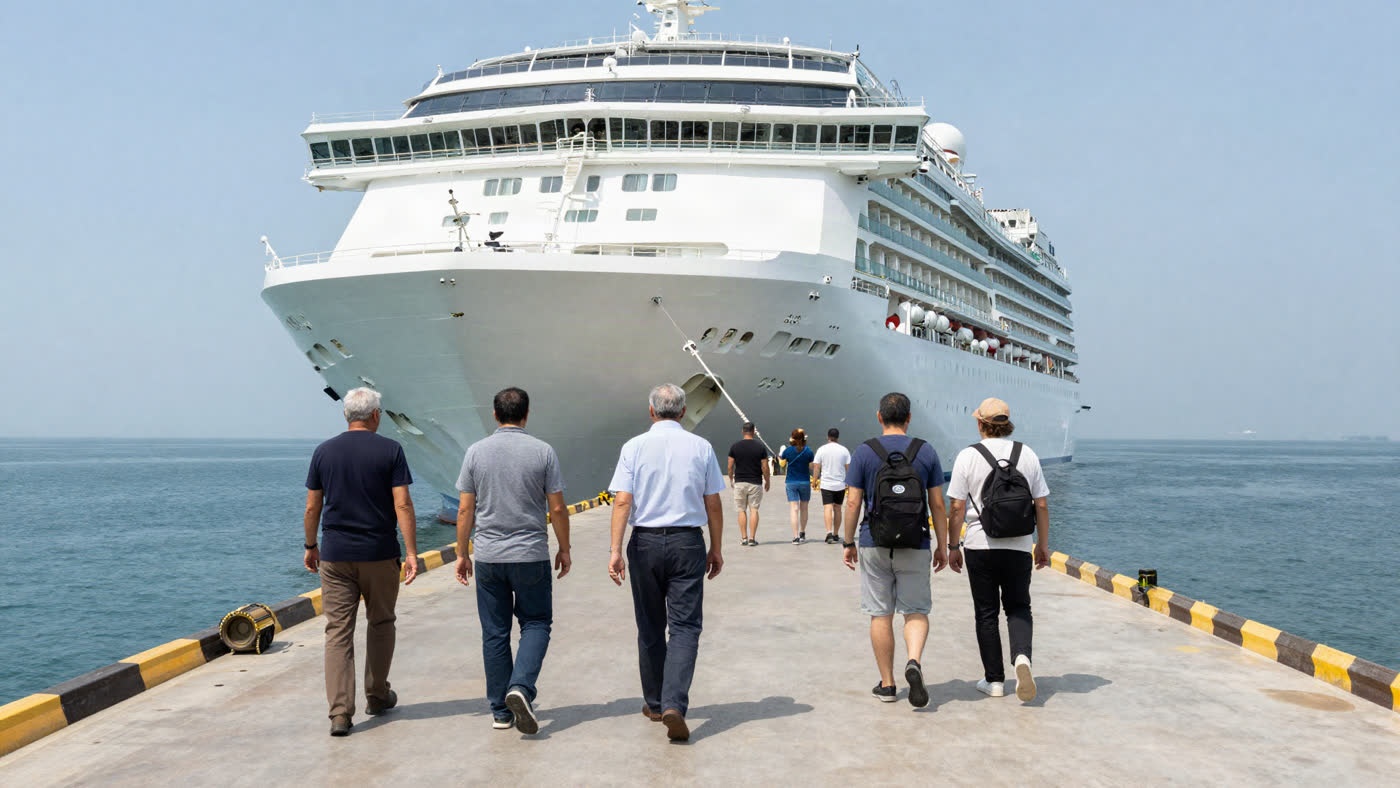
Missed the Ship? All-Aboard Buffers That Keep First-Timers Safe
First cruise and worried about missing the ship? Pier vs tender buffers, hard return times, a named timekeeper, and FAQ to keep all-aboard stress low.

Pre-Cruise vs Onboard Spending: Where the Folio Actually Blows Up
Your final folio is not your vacation cost. See when money locks (pre-cruise), drips (onboard), and swings (port days)—plus a simple split rule and common timing mistakes.
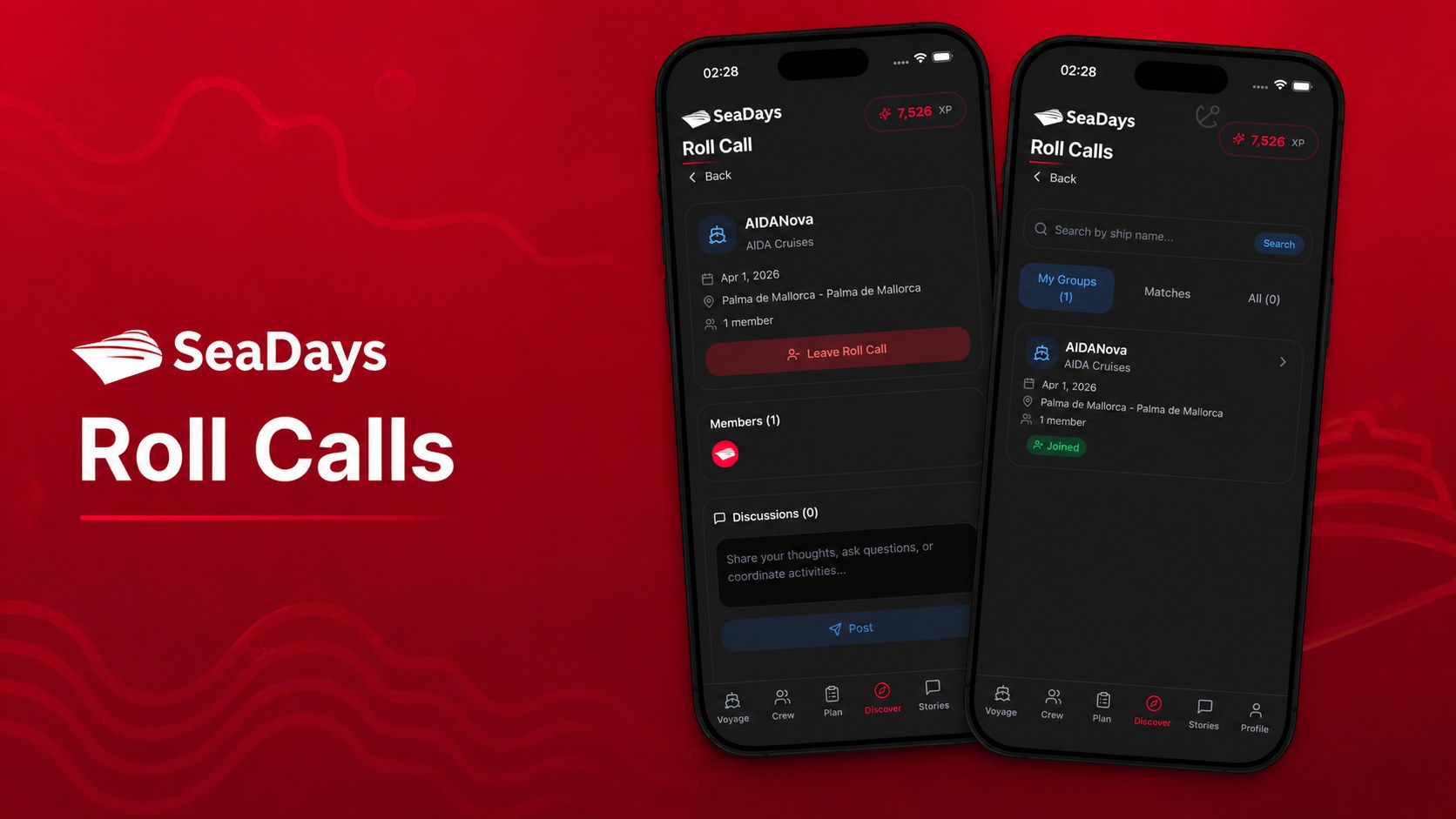
What to Post in a Cruise Roll Call First (Besides Hi)
Skip the silent 'hi everyone.' Five first-post templates that make replies easier in your sailing roll call—plus what to leave out, timing tips, and privacy norms.

Complete Guide to Budget Cruise Vs Luxury Cruise
If budget cruise vs luxury cruise is what you are trying to plan around, treat it as a bundle of decisions—cabin, route timing, and port-day realism—rather than a single “best list” answer. It matters most for families when you are choosing a

How Cruise Roll Calls Help You Meet People Before Embarkation Day
Cruise roll calls connect you with passengers sailing on the exact same ship and departure date. Here is how to find your group, what to post, and why SeaDays keeps voyage conversations organized instead of buried inside massive cruise forums.
Cruise Budget Planner: The Categories Most Spreadsheets Forget
Cruise fares are only part of the total vacation cost. Gratuities, Wi-Fi, excursions, transportation, and small onboard purchases add up quickly. This guide covers the budget categories SeaDays Voyage Analytics is designed to track before and during your sailing.

Cruise Drink Calculator: When the Beverage Package Actually Loses Money
Cruise drink packages are designed to sound like easy savings at embarkation, but the math often tells a different story. Calculate the real break-even point for your sailing, drinking habits, and cruise line before paying for unlimited beverages you may never fully use.

Cruise Packing List: What to Assign Before Anyone Buys a Second Power Strip
Group cruises often end with duplicate chargers, forgotten formal shoes, and four people packing the same “essential” item. A shared packing list inside SeaDays Plan helps travel groups organize gear before embarkation day instead of discovering problems inside the cabin.

How to Meet People on a Cruise Without Forcing Friendships at the Buffet
Cruises naturally create opportunities to meet new people, but the best connections rarely happen through awkward random introductions. Roll calls, shared activities, and smaller meetup groups make socializing onboard feel far more natural and enjoyable.
Cruise Planning Tips: A 90-Day Timeline That Reduces Embarkation Stress
Cruise vacations feel far smoother when the important decisions happen before embarkation week. Flights, excursions, dining reservations, and packing plans can become stressful quickly when left until the last minute. A simple 90-day cruise planning timeline helps passengers stay organized before the countdown reaches zero.

First-Time Cruise Mistakes That Cost Money (and How to Avoid Them)
First cruises often come with avoidable mistakes that quietly increase stress and spending. Flight timing, surprise onboard charges, missed planning opportunities, and poor preparation catch many new passengers off guard. These are the mistakes experienced cruisers learn to avoid early.

Royal Caribbean Cruise Planning: Ships, Crowds, and Budget Reality
Royal Caribbean cruises are designed around scale, entertainment, and nonstop activity, but bigger ships also create bigger planning decisions. Understanding ship classes, onboard spending, and crowd flow before sailing helps passengers avoid stress and budget surprises once onboard.
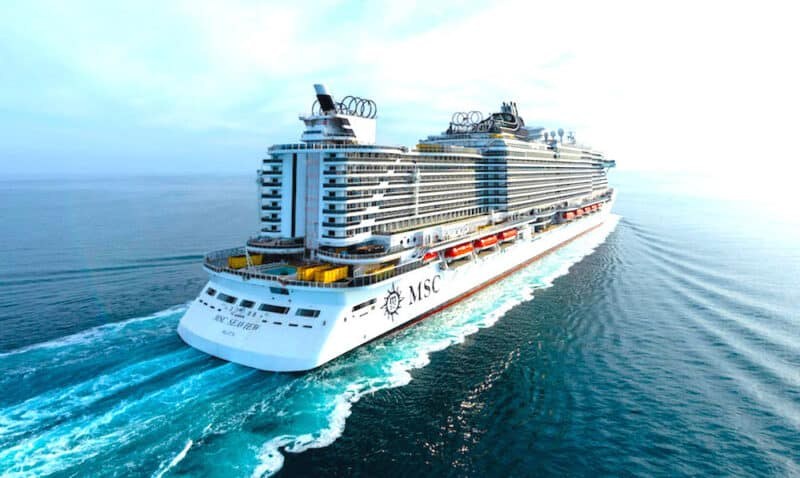
MSC Cruises Planning Guide for European and Caribbean Sailings
MSC Cruises combines European cruise traditions with rapidly expanding Caribbean itineraries, creating a different onboard experience compared to many American cruise lines. Understanding fare inclusions, dining culture, embarkation differences, and multilingual passenger dynamics helps travelers plan more confidently before sailing.
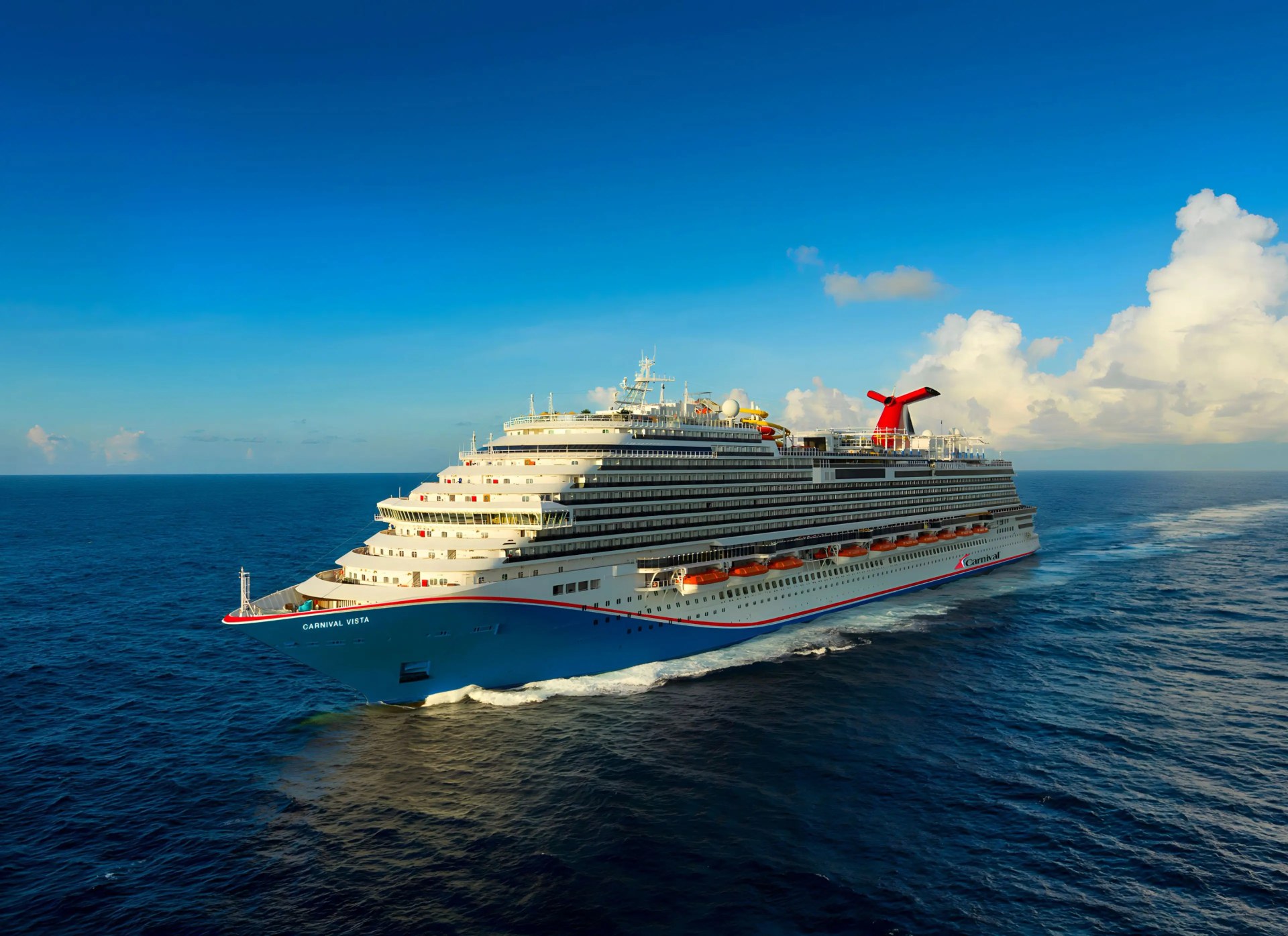
Carnival Cruise Planning: Fun Ships, Value Fares, and Smart Spending
Carnival cruises are popular because they combine energetic onboard entertainment with relatively affordable fares, but the real value depends on how well passengers plan spending before embarkation day. Understanding fare types, beverage costs, port timing, and onboard extras helps travelers avoid budget surprises once the cruise begins.
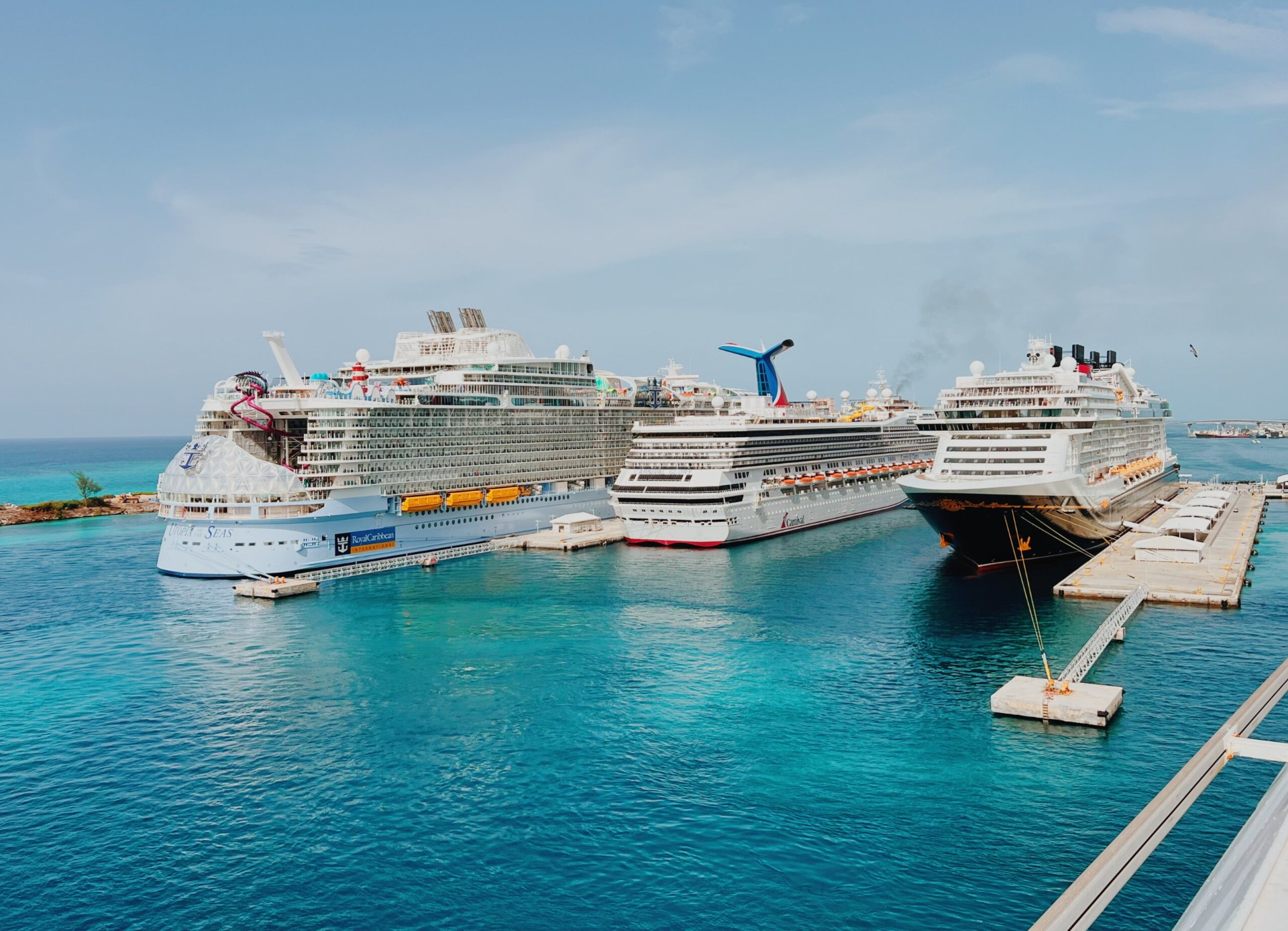
Disney Cruise Line vs Royal Caribbean: Best for Families
Disney Cruise Line vs Royal Caribbean: Best for Families: detailed comparison of Royal Caribbean and Disney Cruise Line covering amenities, dining, cabins, and total value. Real analysis for cruise travelers choosing between these lines.
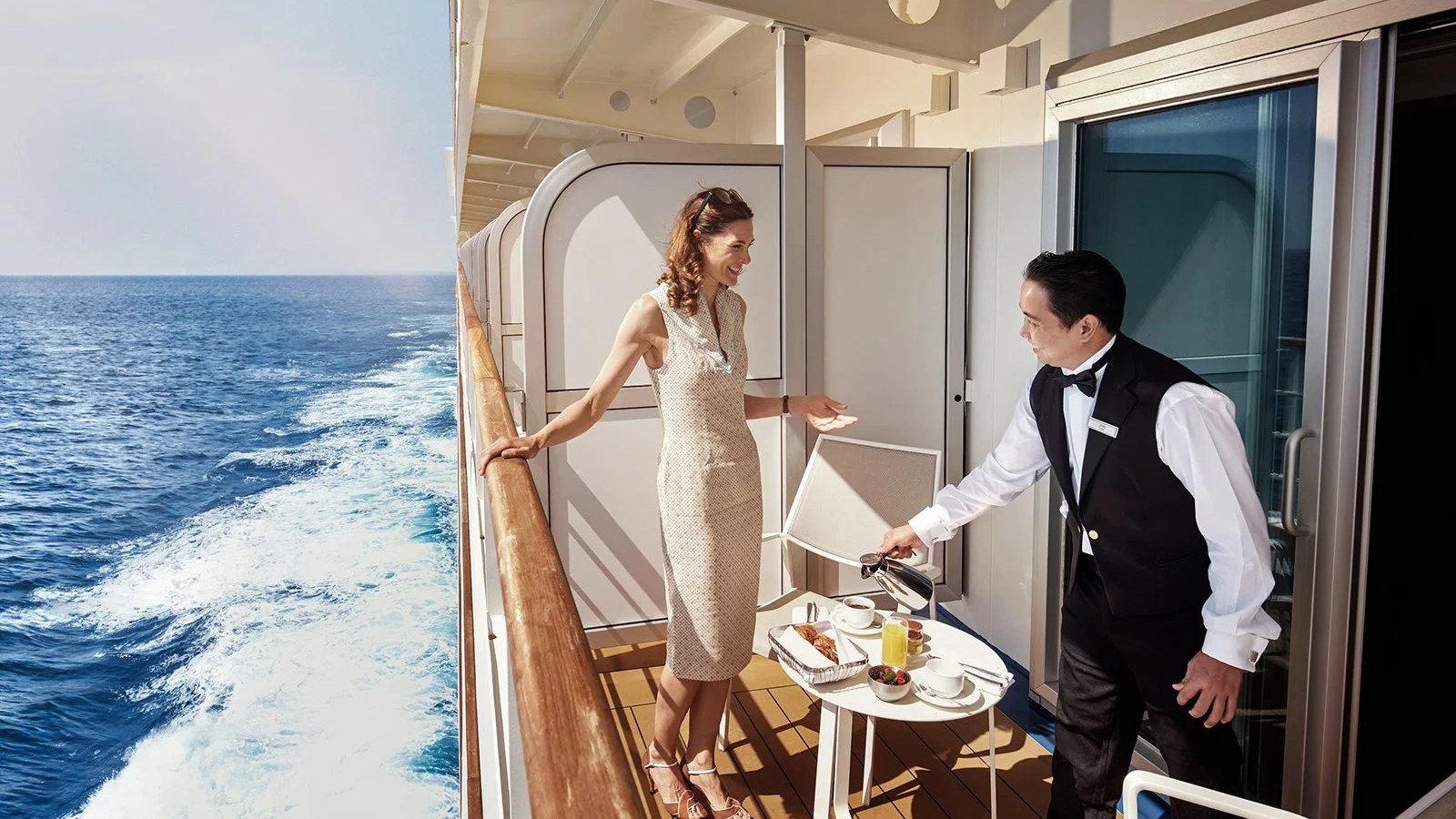
Why Balcony Cabins Sell Out First
Why Balcony Cabins Sell Out First: practical cruise advice covering Montego Bay, the Caribbean, and real scenarios. Written for travelers who want useful details, not generic tips.
Best Honeymoon Cruises and Romantic Sailings for 2026
Best Honeymoon Cruises and Romantic Sailings for 2026: practical cruise advice covering Cartagena, the Norwegian fjords, and real scenarios. Written for travelers who want useful details, not generic tips.

Cruising Alone: Is It Worth It or Awkward?
Solo cruising splits the room: some travelers call it the most liberating way to see the world; others picture silent dinners and couples-only trivia. This guide unpacks the real social dynamics, money math, and planning moves that decide whether cruising alone feels empowering—or socially expensive.

How to Save Money on Shore Excursions Without Missing Out
How to Save Money on Shore Excursions Without Missing Out
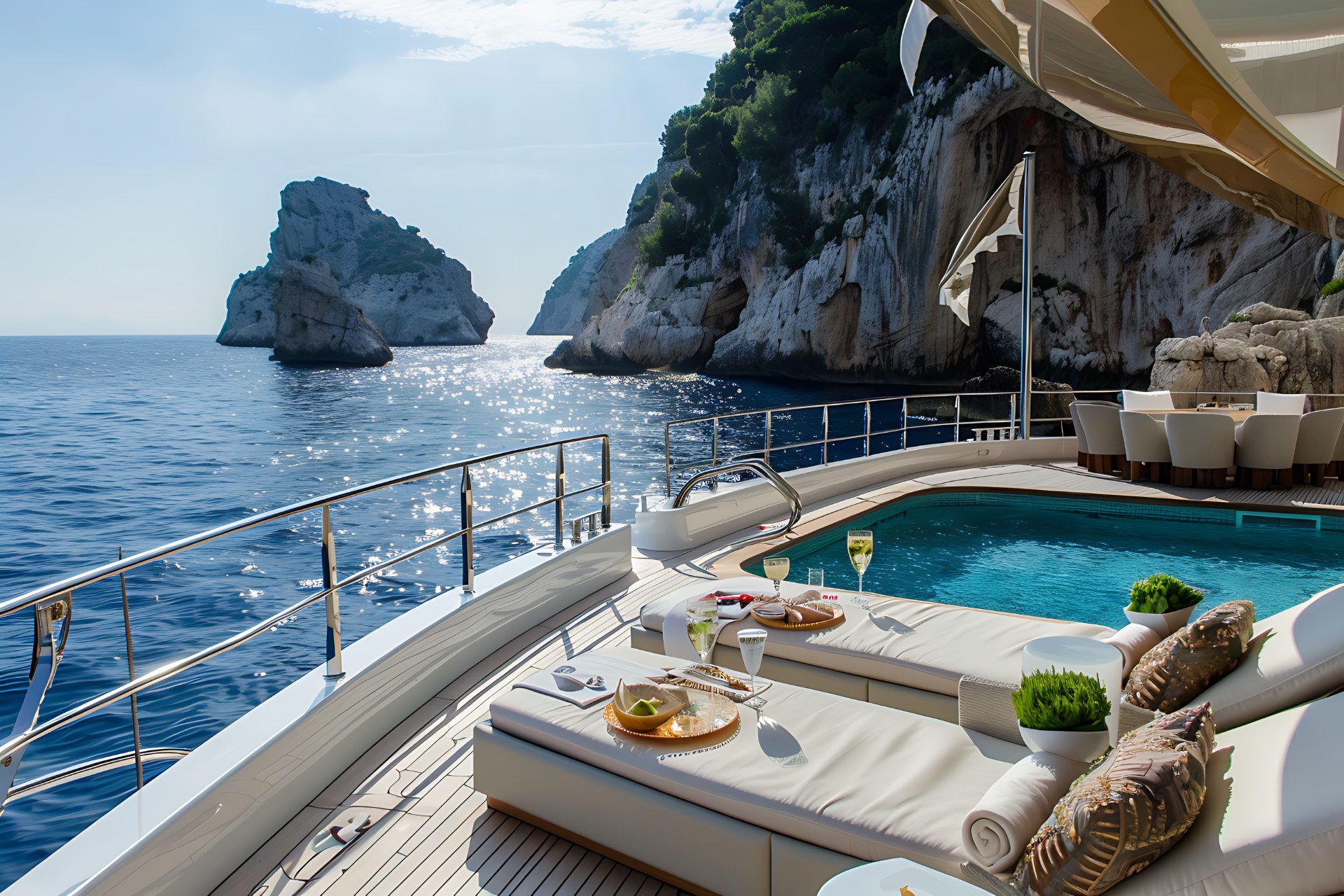
Best Mediterranean Cruise Ports: What to Do in Each Stop
The Mediterranean rewards travelers who mix iconic sights with local rhythm. From Barcelona’s architecture to Santorini’s caldera, Dubrovnik’s walls, and Rome via Civitavecchia, this guide outlines what to prioritize in each port—without turning your cruise into a sprint.
Budget Cruise Vs Luxury Cruise: What to Choose
If budget cruise vs luxury cruise is what you are trying to plan around, treat it as a bundle of decisions—cabin, route timing, and port-day realism—rather than a single “best list” answer. It matters most for families when you are choosing a
Cruise Tips Vs Cruise Hacks: What to Choose
If cruise tips vs cruise hacks is what you are trying to plan around, treat it as a bundle of decisions—cabin, route timing, and port-day realism—rather than a single “best list” answer. It matters most for first time cruisers when you are
Complete Guide to Solo Cruise Vs Group Cruise
If solo cruise vs group cruise is what you are trying to plan around, treat it as a bundle of decisions—cabin, route timing, and port-day realism—rather than a single “best list” answer. It matters most for solo travelers when you are choosing
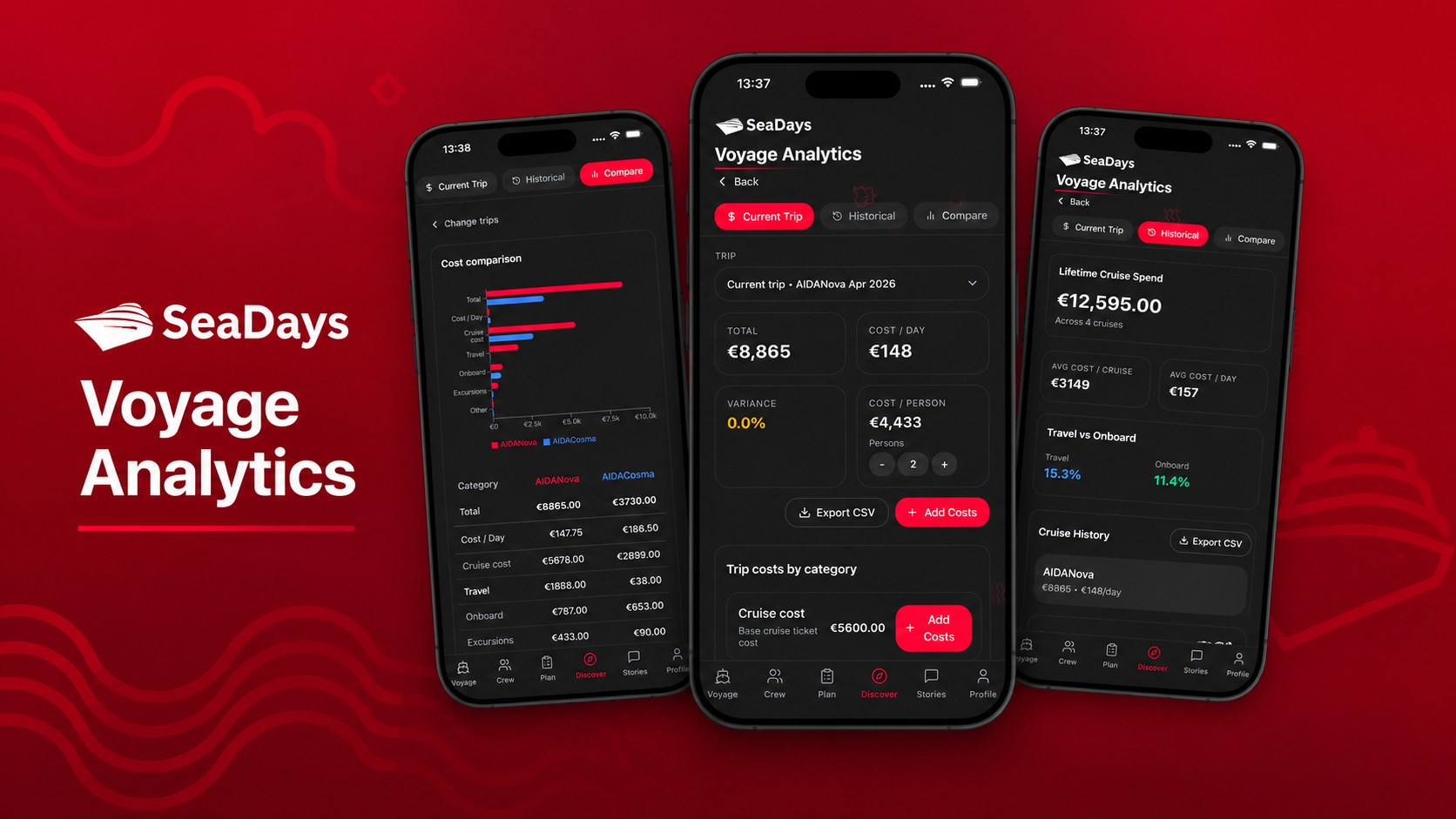
Trip Cost Analytics in SeaDays: Where Cruisers Actually Leak $300–$800 Per Voyage
Your final folio will say $1,248 in onboard charges and leave it at that. SeaDays Trip Cost Analytics breaks the same week into excursions, dining, drinks, and gear — and once you see the chart, the leak pattern is obvious. Typical recovery: $300–$800 per voyage.
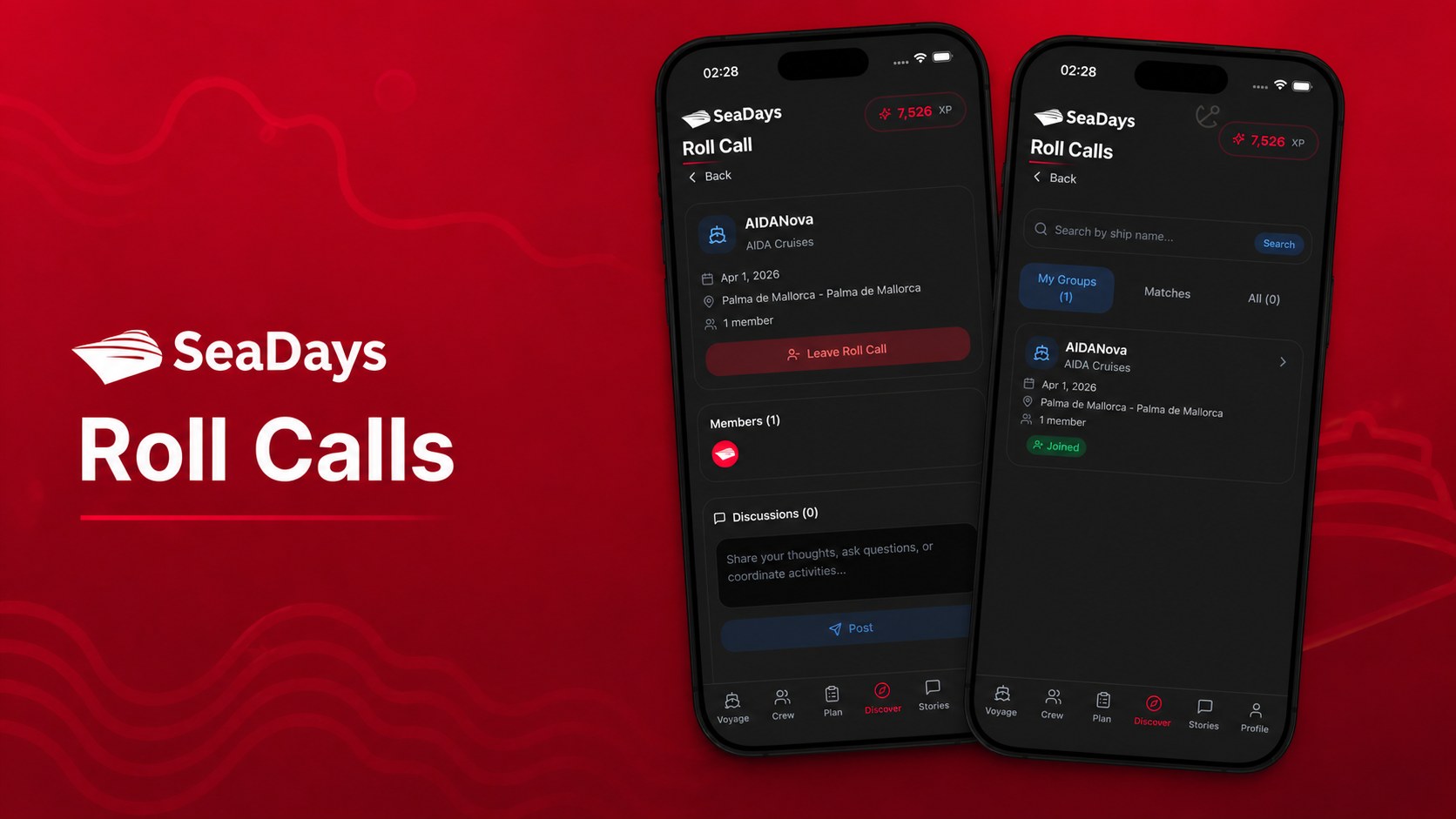
Why Joining a Roll Call in SeaDays Changes How You Book Shore Excursions on Day One
A $119 cruise-line excursion and a $52 private-group version are usually the exact same bus with a different sign on it. Roll Calls in SeaDays are the coordination tool that lets 4–8 passengers on the same sailing split private operators for half the price — if you join them before embarkation, not after.
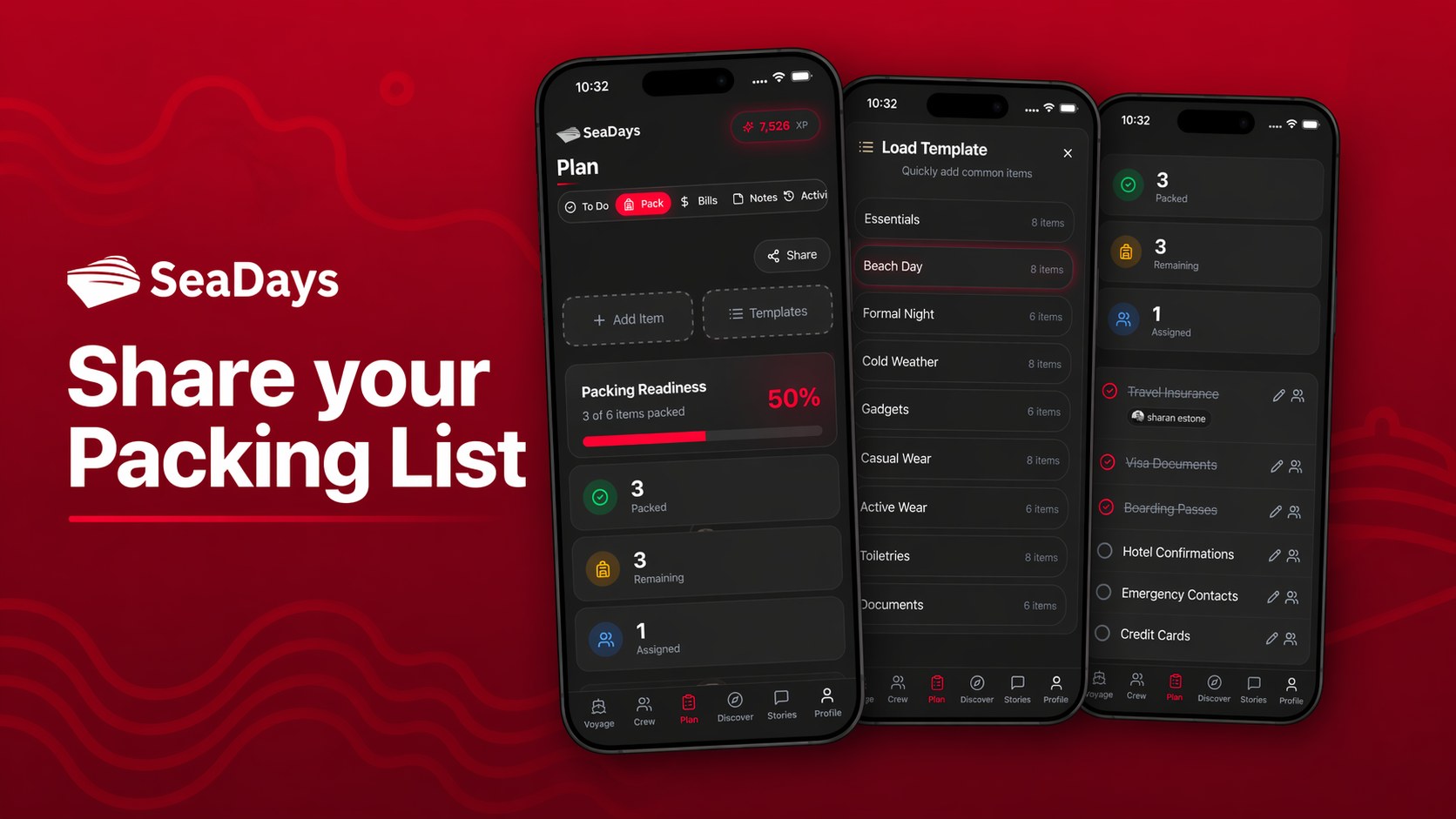
How to Build a Shared Packing List in SeaDays Plan That Ends Duplicate Suitcases for Good
Group cruises produce four power strips, three portable chargers, and zero formal shoes that actually fit the dress code. The Plan tab in SeaDays replaces four mental lists with one shared workspace — templates, assignments, and real-time checks — so nobody forgets and nothing gets bought twice.
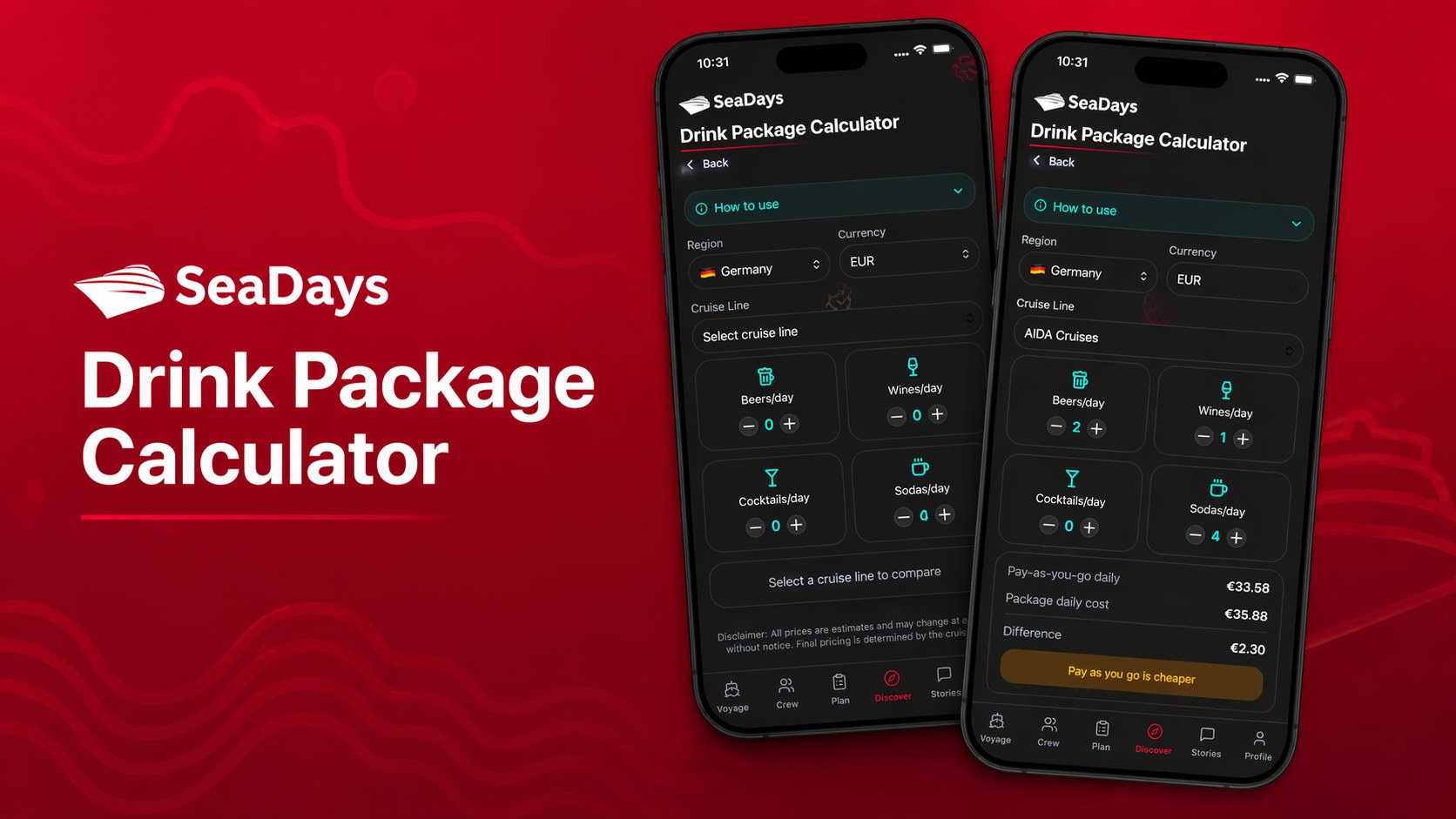
The SeaDays Drink Package Calculator Math That Tells You When to Skip the Package Entirely
The embarkation drink-package upsell costs between $420 and $1,260 per person per week, and most cruisers decide in ninety seconds. The SeaDays Drink Package Calculator replaces the guess with real math per cruise line, region, and drink mix — and the break-even number often flips the "obvious" choice.

The Hidden Costs of Not Using a Cruise Planning App
The Hidden Costs of Not Using a Cruise Planning App: practical cruise advice covering Hamburg, the Panama Canal route, and real scenarios. Written for travelers who want useful details, not generic tips.

How Better Planning Reduces Cruise Expenses Instantly
How Better Planning Reduces Cruise Expenses Instantly: practical cruise advice covering Cabo San Lucas, the Norwegian fjords, and real scenarios. Written for travelers who want useful details, not generic tips.
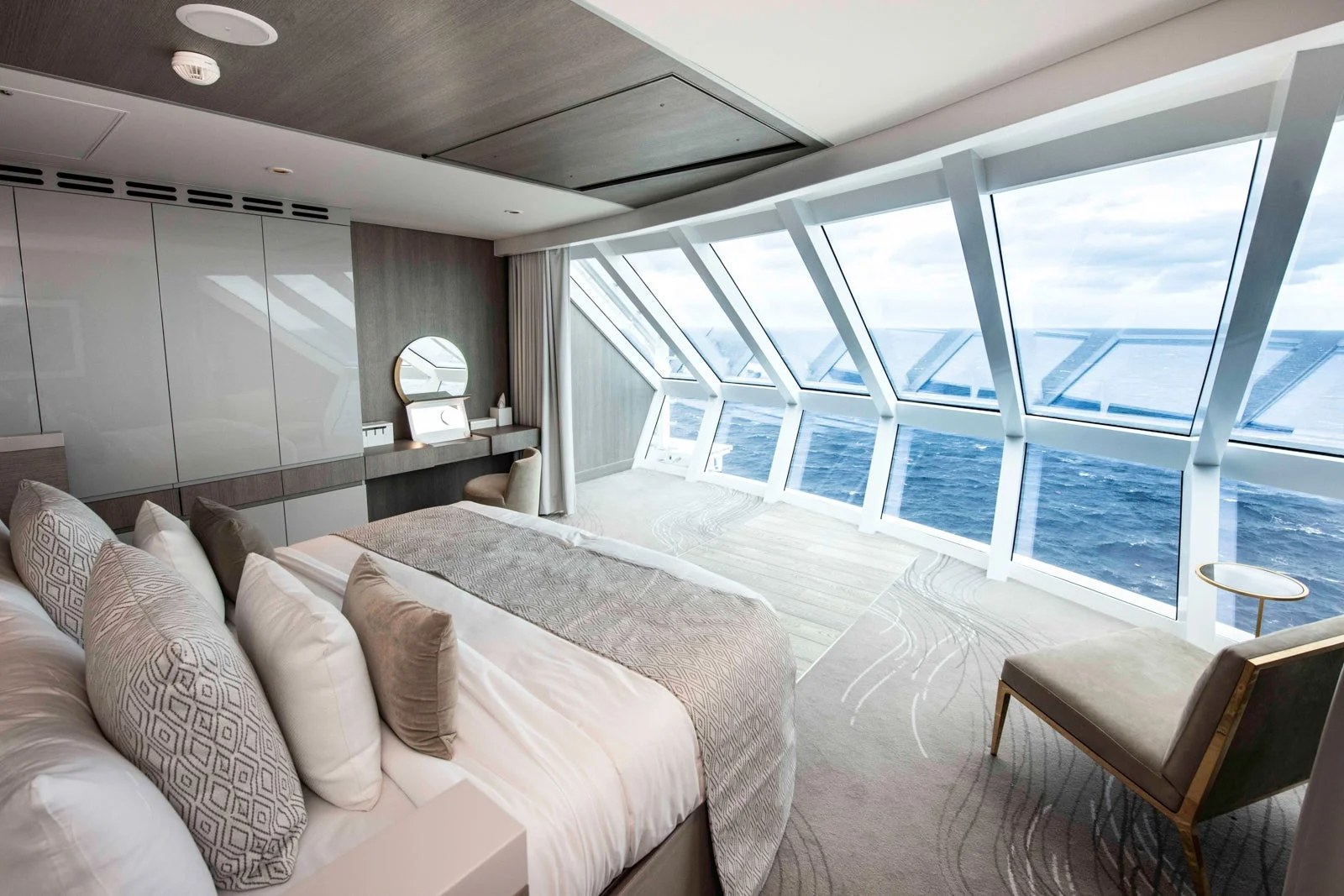
How to Get the Best Cruise Cabin Location on Any Ship
How to Get the Best Cruise Cabin Location on Any Ship: practical cruise advice covering Mykonos, Alaska, and real scenarios. Written for travelers who want useful details, not generic tips.

Why Last-Minute Cruise Decisions Cost More Money
Why Last-Minute Cruise Decisions Cost More Money: practical cruise advice covering Skagway, the Canary Islands, and real scenarios. Written for travelers who want useful details, not generic tips.

Cruise Port Days: How to Make the Most of Your Time Ashore
Port days can be the highlight of a cruise, but they go fast. With the right plan, you can see more, stress less, and still make it back to the ship with time to spare.

Luxury Cruise Cost Guide Mistakes to Avoid
If luxury cruise cost guide is what you are trying to plan around, treat it as a bundle of decisions—cabin, route timing, and port-day realism—rather than a single “best list” answer. It matters most for older travelers when you are choosing a
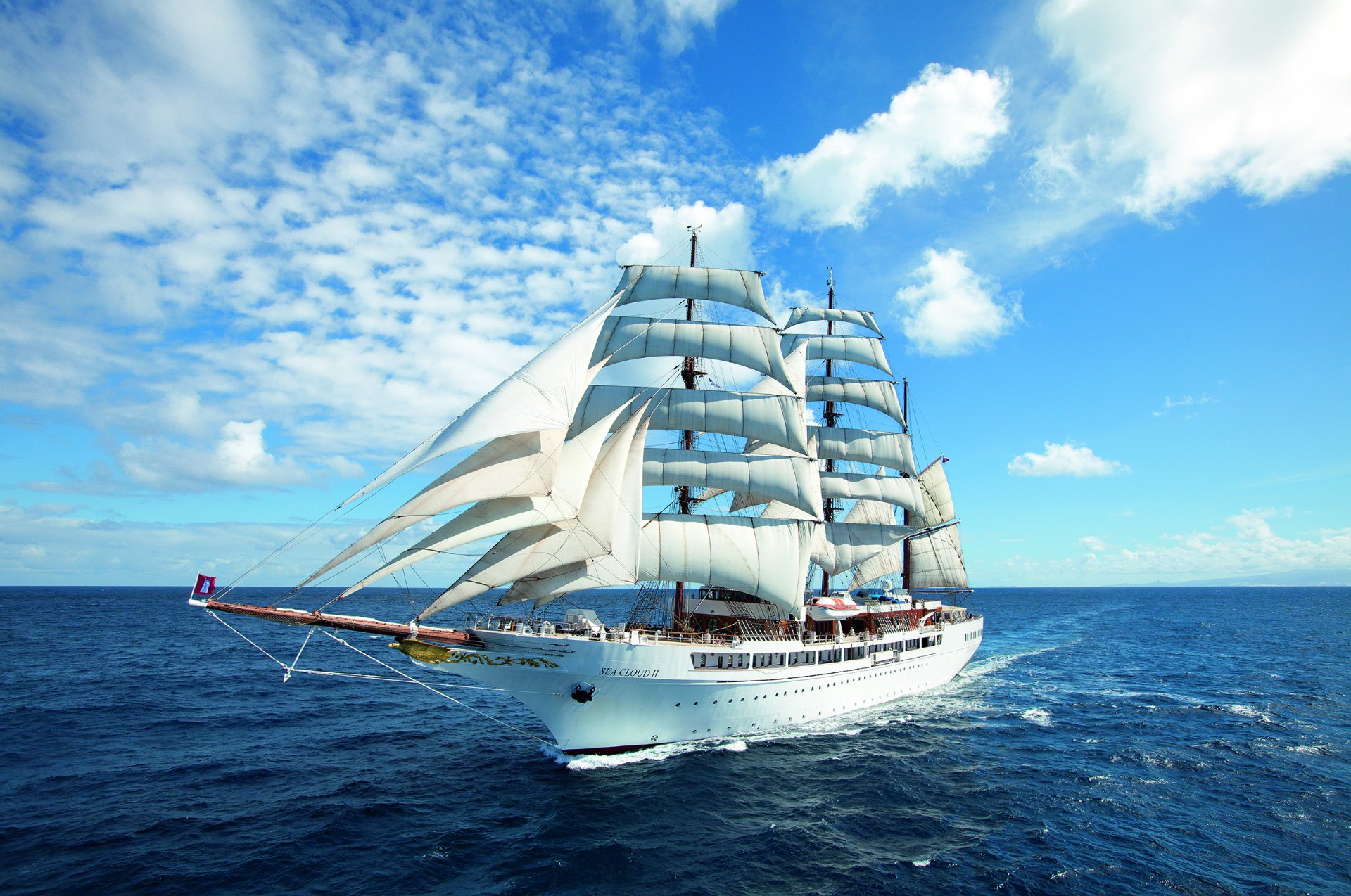
Small Ship Cruises: Why Intimate Voyages Are Rising
Small ship cruising—typically under 1,000 guests, often far fewer—promises shorter lines, stranger-to-friend timelines measured in days not weeks, and access to ports mega-ships cannot touch. This article explains the real drivers behind the trend, the tradeoffs (motion, price, entertainment), and how to pick a small ship without mistaking marketing for intimacy.
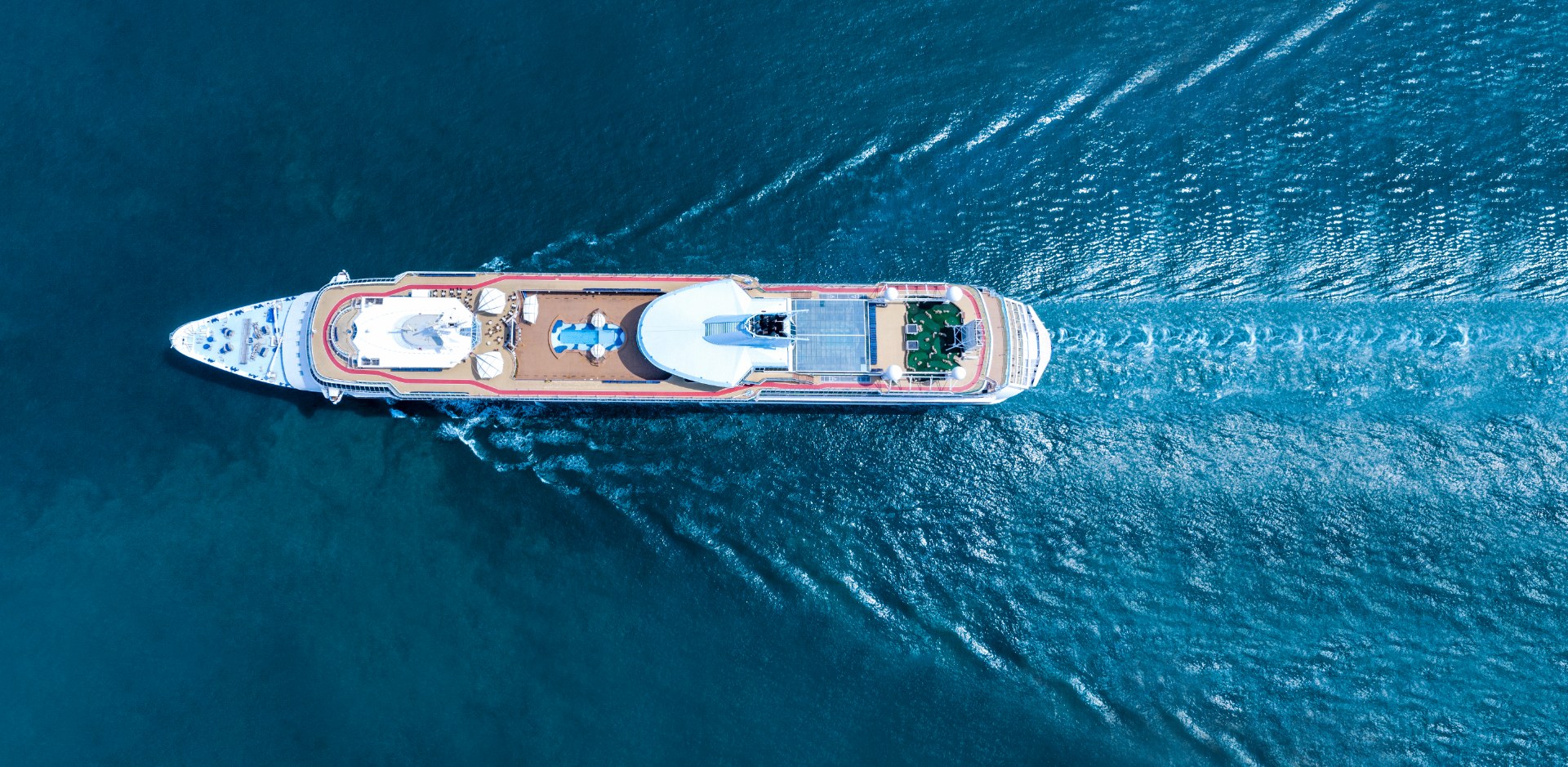
Do Cruise Ships Ever Get Lost?
Cruise ships cross oceans and thread channels, but getting lost at sea is not like missing a highway exit. Modern navigation blends satellite positioning, radar, electronic charts, bridge teamwork, and local pilot knowledge.

Best Cruise Health Cost Planning (2026 Guide)
If cruise health cost planning is what you are trying to plan around, treat it as a bundle of decisions—cabin, route timing, and port-day realism—rather than a single “best list” answer. It matters most for older travelers when you are choosing a

How to Use Cruise Packing List For Caribbean
If cruise packing list for caribbean is what you are trying to plan around, treat it as a bundle of decisions—cabin, route timing, and port-day realism—rather than a single “best list” answer. It matters most for families when you are choosing a
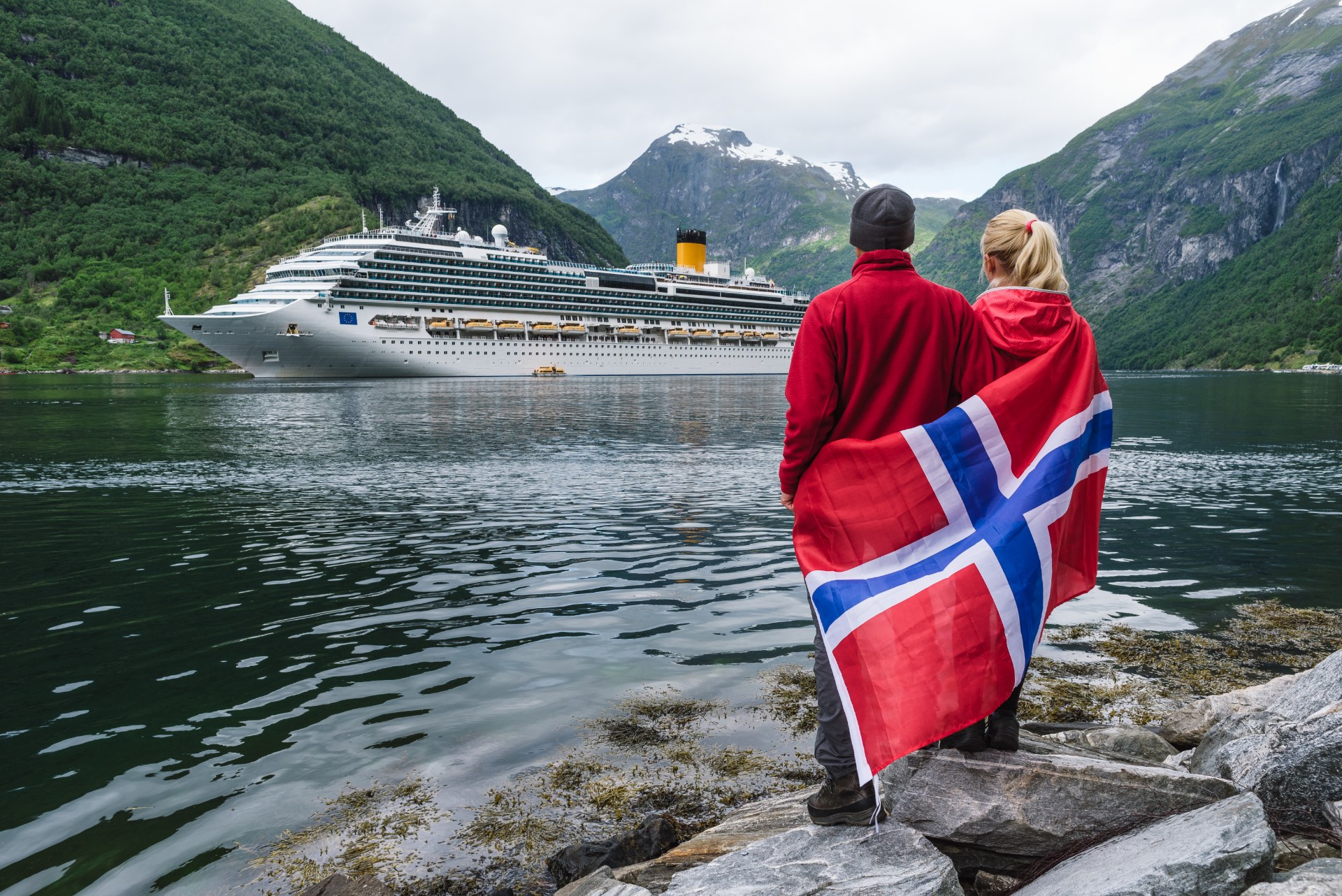
Cruise Health Vs Travel Wellness: What to Know
Cruise Health Vs Travel Wellness: What to Know Cruise Health Vs Travel Wellness matters most when solo travelers are trying to make the right call before money, time, and expectations are locked in. This angle is especially useful for travelers planning Norwegian
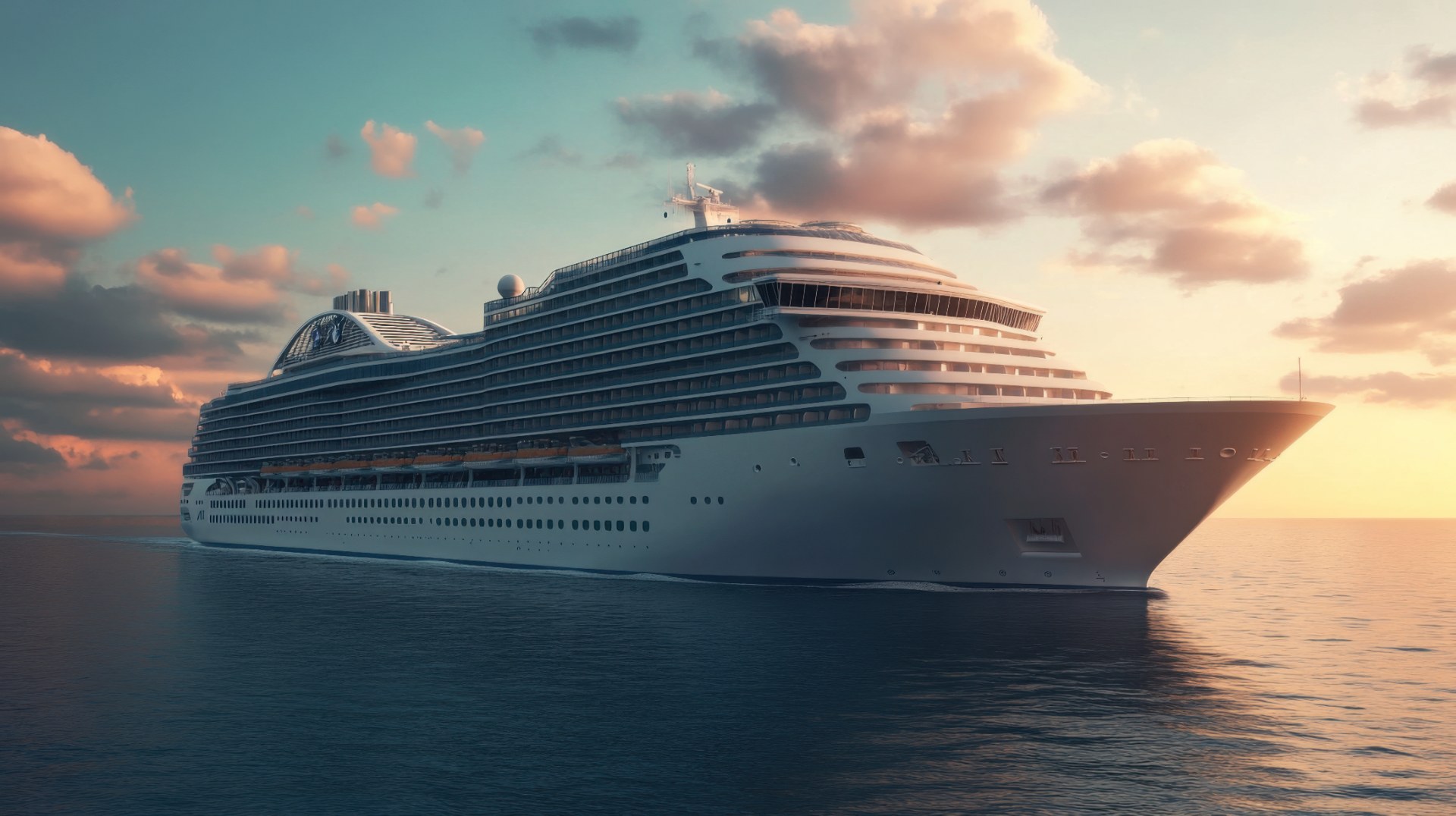
Top 10 Cruise Ships for 2026: Features, Reviews, and Experiences
Choosing a cruise ship in 2026 is less about “biggest” and more about fit: dining style, cabin comfort, entertainment, and how each vessel handles crowds. This guide ranks ten standout ships worth considering—what makes each special, who they suit best, and how to match them to your itinerary.

How to Avoid Getting Sick on a Cruise Ship
How to Avoid Getting Sick on a Cruise Ship: practical cruise advice covering Quebec City, the Norwegian fjords, and real scenarios. Written for travelers who want useful details, not generic tips.

Best Adults-Only Cruise Lines and Ships in 2026
Best Adults-Only Cruise Lines and Ships in 2026: practical cruise advice covering real scenarios, ship differences, and what actually matters once you’re onboard.

Cruise Ship Entertainment: Shows, Activities, and Nightlife
Cruise ships are floating entertainment complexes. From Broadway-style shows to silent discos, there's something for everyone. Here's what to expect—and how to get the most out of shipboard entertainment.

Rome (Civitavecchia) Cruise Port: How to Explore the Eternal City
Civitavecchia is Rome’s cruise gateway—not Rome itself. Success means respecting distance, train schedules, and realistic sightseeing. This guide explains transfers, itinerary options, tickets, and how to experience Rome without missing the ship.
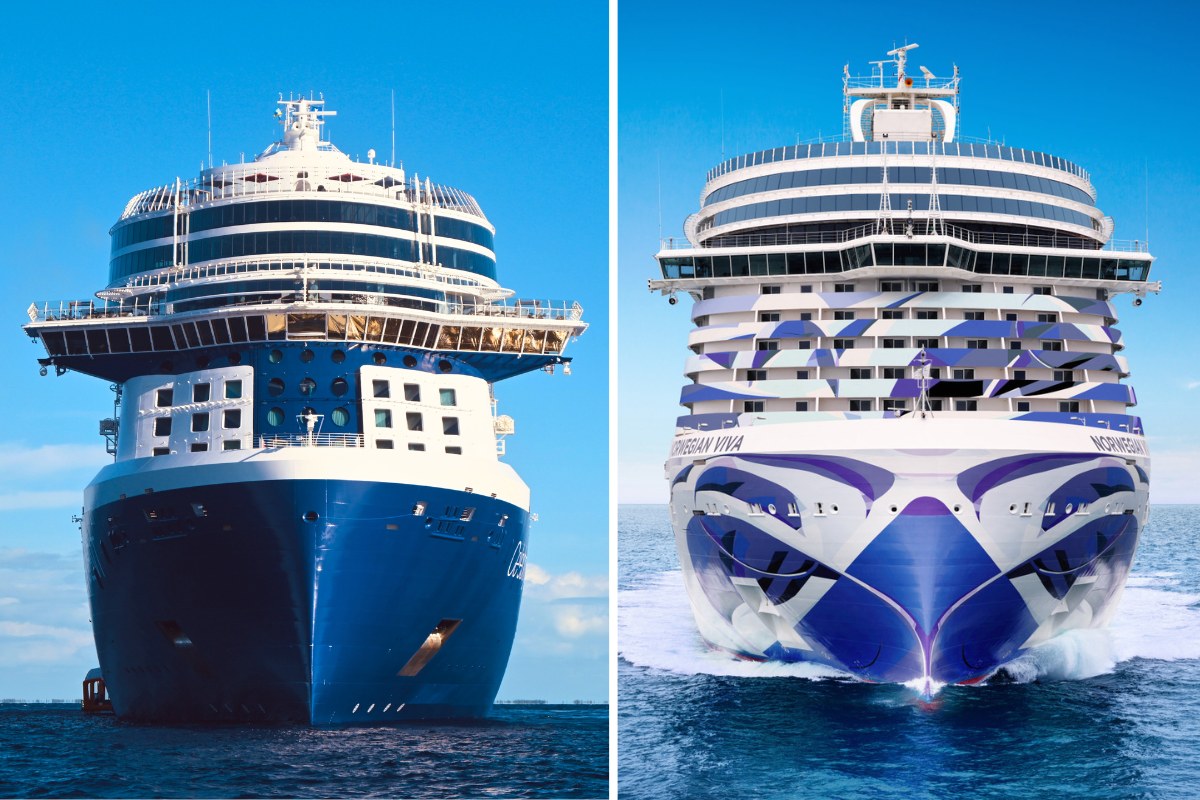
cvs Celebrity Edge: Modern Cruise Ship Comparison
Norwegian Prima vs Celebrity Edge: Modern Cruise Ship Comparison: detailed comparison of Norwegian and Celebrity covering amenities, dining, cabins, and total value. Real analysis for cruise travelers choosing between these lines.
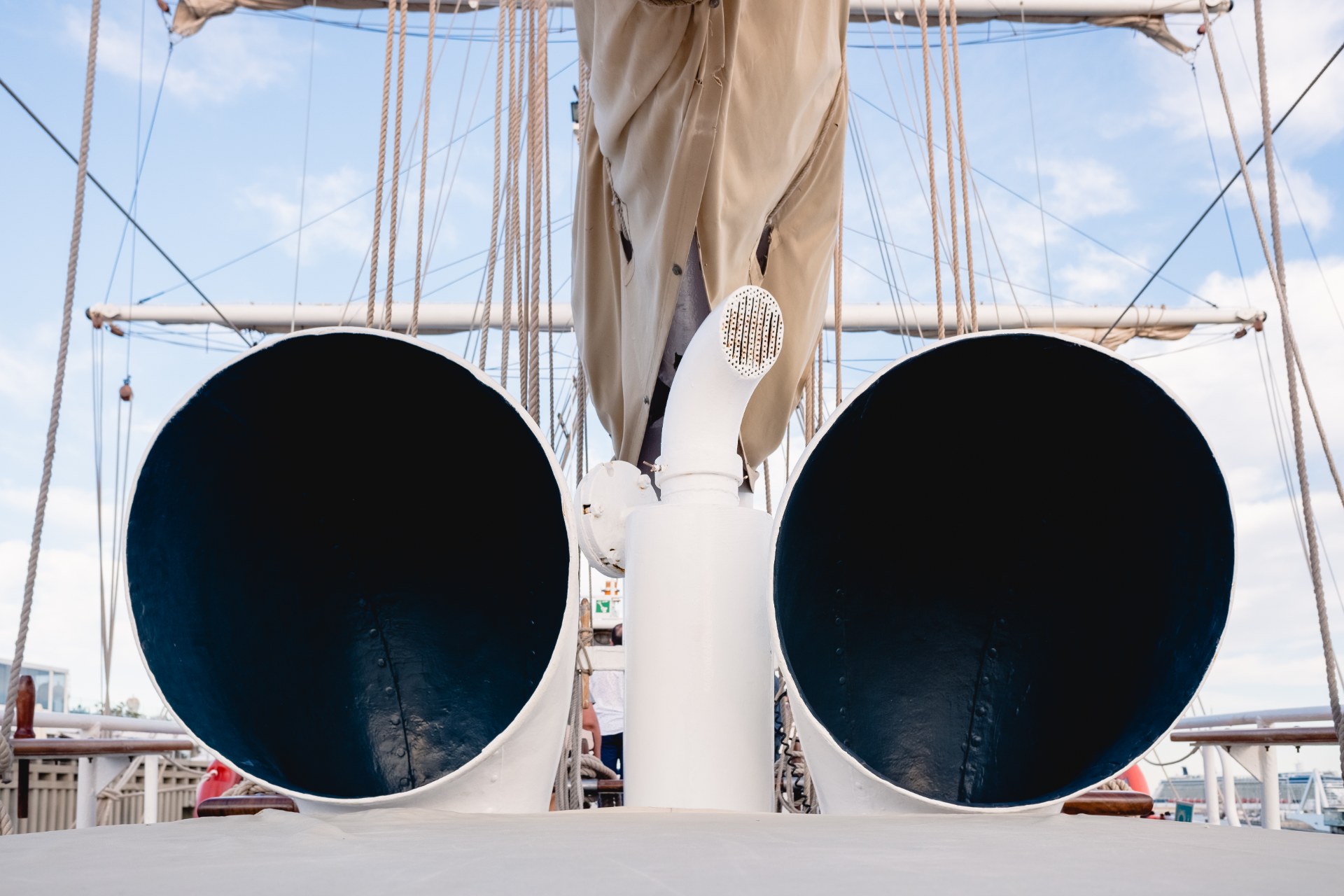
Why Cruise Ships Use Horns When Leaving Port
Cruise ships often blow their horns when leaving port. Here’s how horn signals fit navigation rules—and why sail-away still feels like tradition.

Cruise Ship Food: What to Expect (And How to Eat Well)
Cruise ship food has come a long way. From buffets to fine dining, here's what to expect, what's included, and how to eat like a pro on your next voyage.

First-Time Cruise Tips: What to Know Before You Go
Your first cruise can feel overwhelming. What do you pack? When do you board? What's included? We've got the essential first-time cruise tips to help you feel confident from the moment you book.
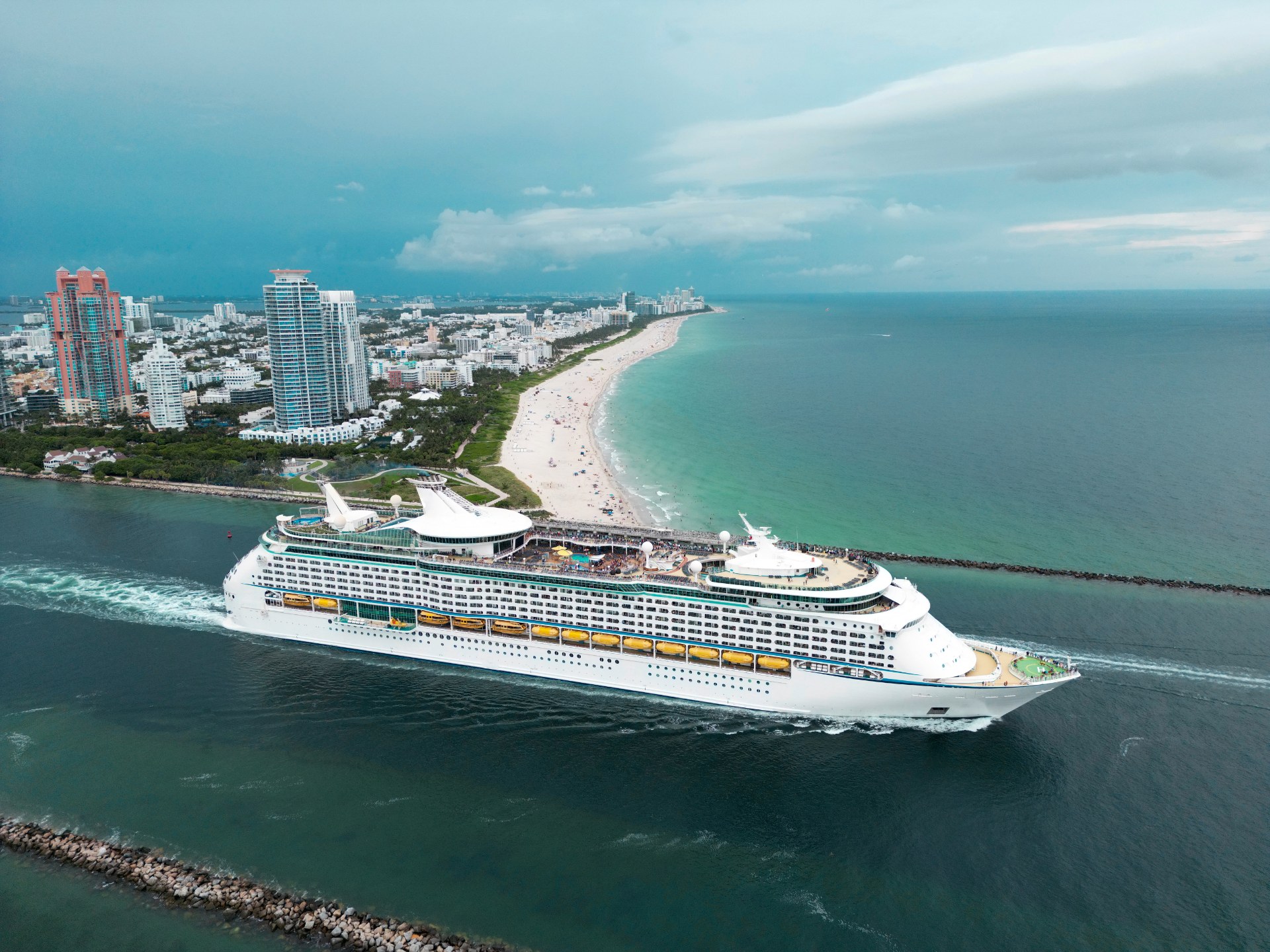
Is the Port of Miami the Best Cruise Hub? Full Review
Miami moves more cruise passengers than almost any port worldwide—but “best” depends on flights, traffic, terminal experience, and which lines you sail. This full review weighs strengths, pain points, and alternatives like Fort Lauderdale and Orlando-area drives.

The Rise of Digital Nomads on Cruise Ships: Hype, Reality, and WiFi Economics
Remote work freed laptops from office parks—then some travelers tried to move them to moving ships. This article explains why “nomad at sea” exploded in conversation, what connectivity and scheduling actually look like onboard, and how to judge whether ship life supports real deadlines or just aesthetic content.

The Truth About Cruise Ship Internet: Speed Test Results, Myths, and What to Expect
Cruise ship internet has improved, but marketing Mbps rarely match the emotional experience of a sea day when everyone uploads at once. This article explains how ship internet actually works, what “speed test results” can and cannot tell you, and how to plan realistic connectivity for email, work, and streaming—without mistaking a floating resort for a fiber office.

Why Cruisers Love Sea Days More Than Port Days
It sounds counterintuitive: why would you pay for a vacation and then prefer the days you don't leave the ship? For many cruisers, sea days are the highlight. Here's why.
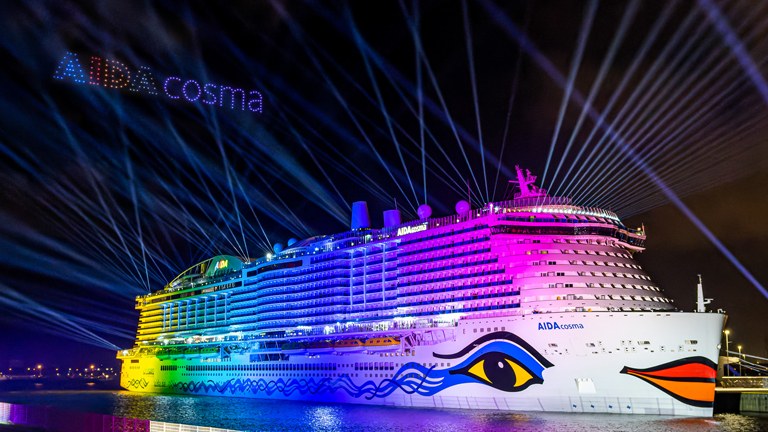
AIDAcosma vs. MSC Seashore: Ship Comparison Guide
AIDAcosma and MSC Seashore both target families and international guests, but their brands, languages onboard, and venue philosophies differ. This side-by-side comparison helps you pick the right hull for your budget, dining style, and cabin priorities.
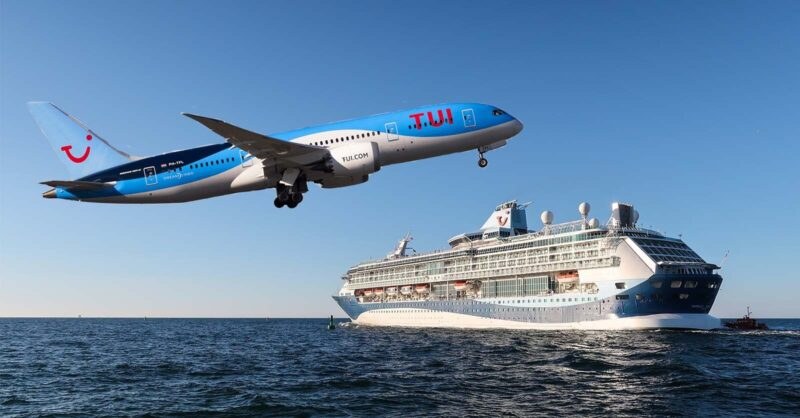
Cruise vs Flying + Hotels: Which Is Actually Better in 2026?
“Better” depends on what you optimize—total cost, time stress, scenery, or flexibility. In 2026, airfare volatility, hotel resort fees, and cruise packaging all shifted the math again. This guide compares cruise vacations against the classic fly-plus-hotel trip with honest trade-offs, hidden costs, and decision frameworks you can reuse for every booking.

From Party Ships to Zen Cruises: Finding Your Vibe
The worst cruise mistake is not picking the “wrong” ocean—it is picking the wrong energy. Some travelers want DJ pools and late-night decks; others want quiet lounges, spa mornings, and bedtime before midnight. This guide maps the spectrum from party ships to zen cruises, shows how brands and ship classes express vibe in concrete ways, and gives you a decision framework so your vacation feels like *your* vacation—not a stranger’s bachelor party or a library you cannot escape.

The Most Extreme Cruise Experiences in the World
“Extreme” can mean polar ice, equatorial heat, roaring seas, or human-made adrenaline theaters on mega-ships. The world’s most extreme cruise experiences are not just about danger—they are about contrast: fragile humans in immense environments, comfort engineered into the wild, and itineraries that test fitness, patience, and packing discipline. Here is a world tour of the edges, what makes them legitimate, and how to approach them without turning vacation into a survival experiment.
Cruise Ship Secrets Only Crew Members Know (And Passengers Rarely Hear)
Cruise ship secrets are not gossip—they are operational habits: how provisioning really works, why certain doors stay locked, and what “ship time” means for safety. Behind the handrails and stage lights, vessels run on rhythms, rules, and unwritten etiquette that passengers only glimpse. Former crew and long-serving ship staff explain the patterns—so you can travel smarter without pretending you run the vessel.
The Most Overrated Cruise Destinations (And Better Alternatives)
Some ports earn their fame; others earn their crowds. If you have ever docked somewhere because “everyone goes,” then wondered why you paid premium prices for tourist-throttle experiences, you already know the problem. This guide names commonly overrated cruise destinations, explains why the hype exists, and offers better alternatives that preserve the vibe you thought you were buying—without pretending every famous stop is worthless.

The Psychology of Cruises: Why People Get Addicted
It is not just ocean views—cruise psychology blends anticipation, novelty, social ease, and predictable comfort into a loop that keeps travelers booking again. This article explains why cruises can feel “addictive,” what healthy repeat cruising looks like, and how to enjoy ships without confusing vacation chemistry for identity.

Family-Friendly Cruise Ships: Which One Should You Pick?
The best family cruise ship matches your kids’ ages, your budget, and how you handle crowds. This guide breaks down what to look for—kids clubs, splash zones, connecting cabins, dining flexibility, and line-by-line strengths—so you book with confidence.
Budget Cruise Lines Compared: Carnival vs MSC vs Norwegian
Budget Cruise Lines Compared: Carnival vs MSC vs Norwegian: detailed comparison of Carnival and Norwegian covering amenities, dining, cabins, and total value. Real analysis for cruise travelers choosing between these lines.

River Cruises vs Ocean Cruises: Which Is Right for You
River Cruises vs Ocean Cruises: Which Is Right for You: practical cruise advice covering Marseille, the Mediterranean, and real scenarios. Written for travelers who want useful details, not generic tips.

7 Ways Planning Your Cruise Properly Saves You Money
7 Ways Planning Your Cruise Properly Saves You Money: practical cruise advice covering Roatan, the Mediterranean, and real scenarios. Written for travelers who want useful details, not generic tips.

Why Cruise Ship Elevators Are Always Busy
Cruise ships have dozens of elevators, yet they always seem crowded. Here’s why vertical traffic bottlenecks happen—and how experienced cruisers avoid the wait.

The Hidden Stress of Cruise Travel (And How to Avoid It)
Cruise planning is not optional decoration—it is the difference between a calm vacation and a week of avoidable fees, missed ports, and stress. This guide unpacks The Hidden Stress of Cruise Travel with practical steps, money checkpoints, and links to ships, ports, and the SeaDays app.

The Dark Side of Cruises: What Cruise Lines Don’t Tell You
Cruising sells sunshine and simplicity, but the dark side of cruises includes crowded ports, environmental trade-offs, fine-print fees, and health logistics that brochures soften. This article pulls back the marketing curtain—without fear-mongering—so you can book with eyes open, budget honestly, and choose itineraries that match your values.
I Tried Living on a Cruise Ship for 30 Days – Here’s What Happened
Living on a cruise ship for 30 days sounds like a fantasy headline—endless buffets, ocean sunsets, and no rent—but the reality blends routine, fatigue, surprising friendships, and a crash course in shipboard physics. This long-form trip report walks through logistics, social rhythm, budgeting, and emotional arc so you can decide whether an extended sailing is adventure or exhaustion.
Cruise Ship Operations: What Happens Behind the Scenes
Thousands of passengers, hundreds of crew, and a floating hotel that never stops. How do cruise ship operations actually work? Here's a peek behind the curtain at the logistics of life at sea.

Cruise Ship Curiosities: 10 Weird and Wonderful Facts
Cruise ships are full of surprises. From floating morgues to secret crew decks, here are 10 cruise ship curiosities that will make you see these vessels in a new light.
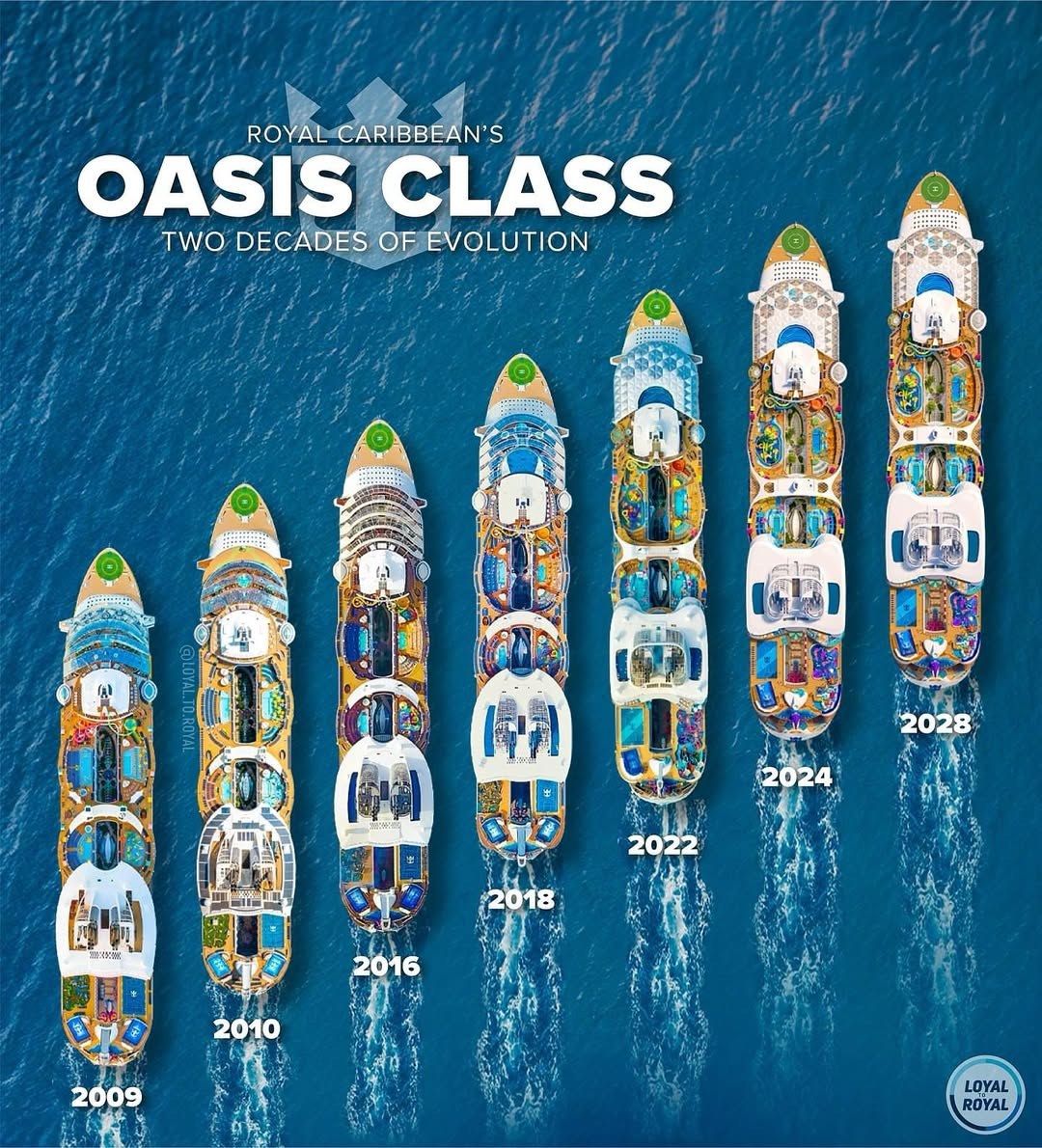
Luxury Cruises: Comparing Royal Caribbean’s Oasis-Class Ships
Royal Caribbean’s Oasis class redefined mega-ship cruising with neighborhoods, Central Park, and record-breaking entertainment. This guide compares Oasis-class vessels—how they differ after refits, which itineraries suit them, and how to capture a “luxury-adjacent” experience within a mass-market resort ship.
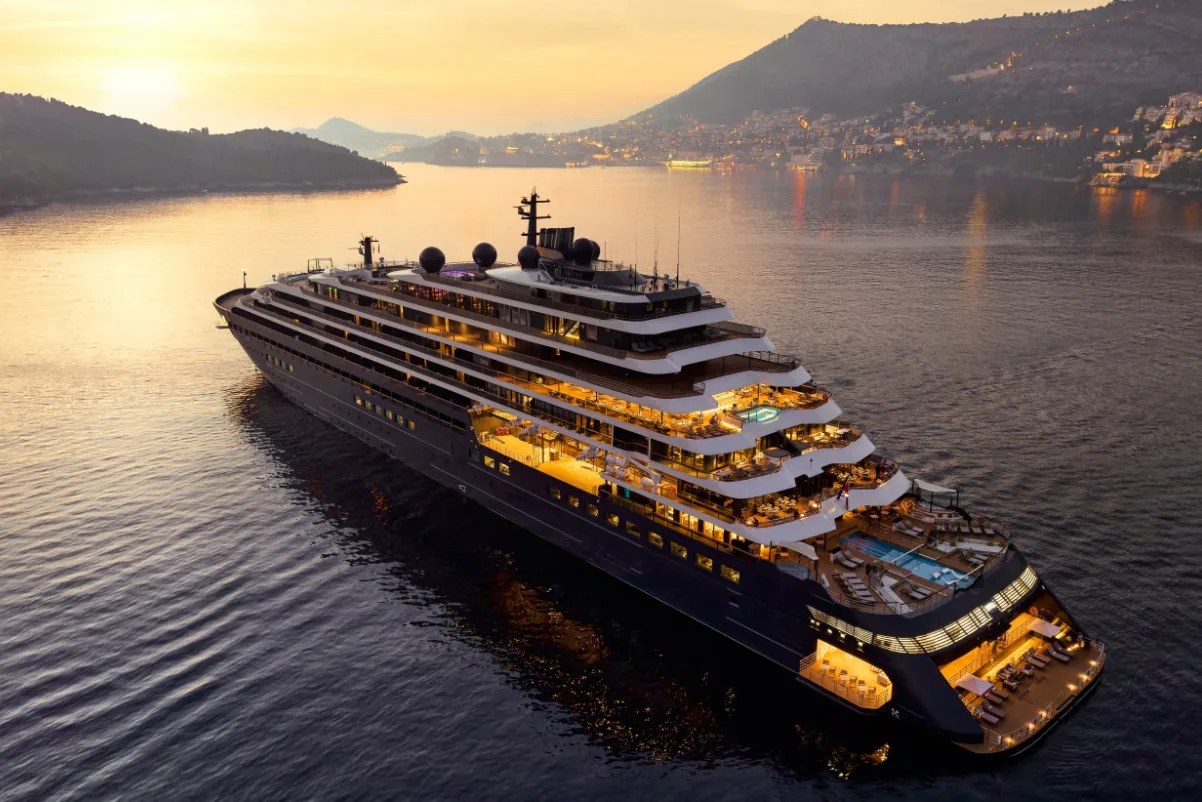
Inside the Most Expensive Cruise Suites in the World
The most expensive cruise suites in the world are not only bigger cabins—they are priority, privacy, butler choreography, and destination access framed like theater. This tour explains what ultra-premium suite life actually includes, how pricing works, who benefits (and who overspends), and how to decode marketing photos before you transfer a deposit the size of a car.

Cruise Travel Hacks: 15 Tips to Save Money and Stress
From booking tricks to onboard savings, experienced cruisers have figured out ways to cruise better for less. Here are 15 cruise travel hacks that actually work.
Sea Day Activities: What to Do When You're Not in Port
Sea days can be the best part of your cruise—if you know what's available. From poolside lounging to cooking classes, here's how to fill your days at sea without a single moment of boredom.

Cruise Itinerary Planning: How to Choose the Perfect Route
The right cruise itinerary can make your vacation. The wrong one can leave you bored or exhausted. Here's how to pick a route that matches your style, budget, and dreams.

Cruise Ship Problems: What Can Go Wrong (And How Often It Does)
Engine failures, norovirus, and rough seas—cruise ship problems make headlines. But how common are they really? And what should you actually worry about before your next voyage?
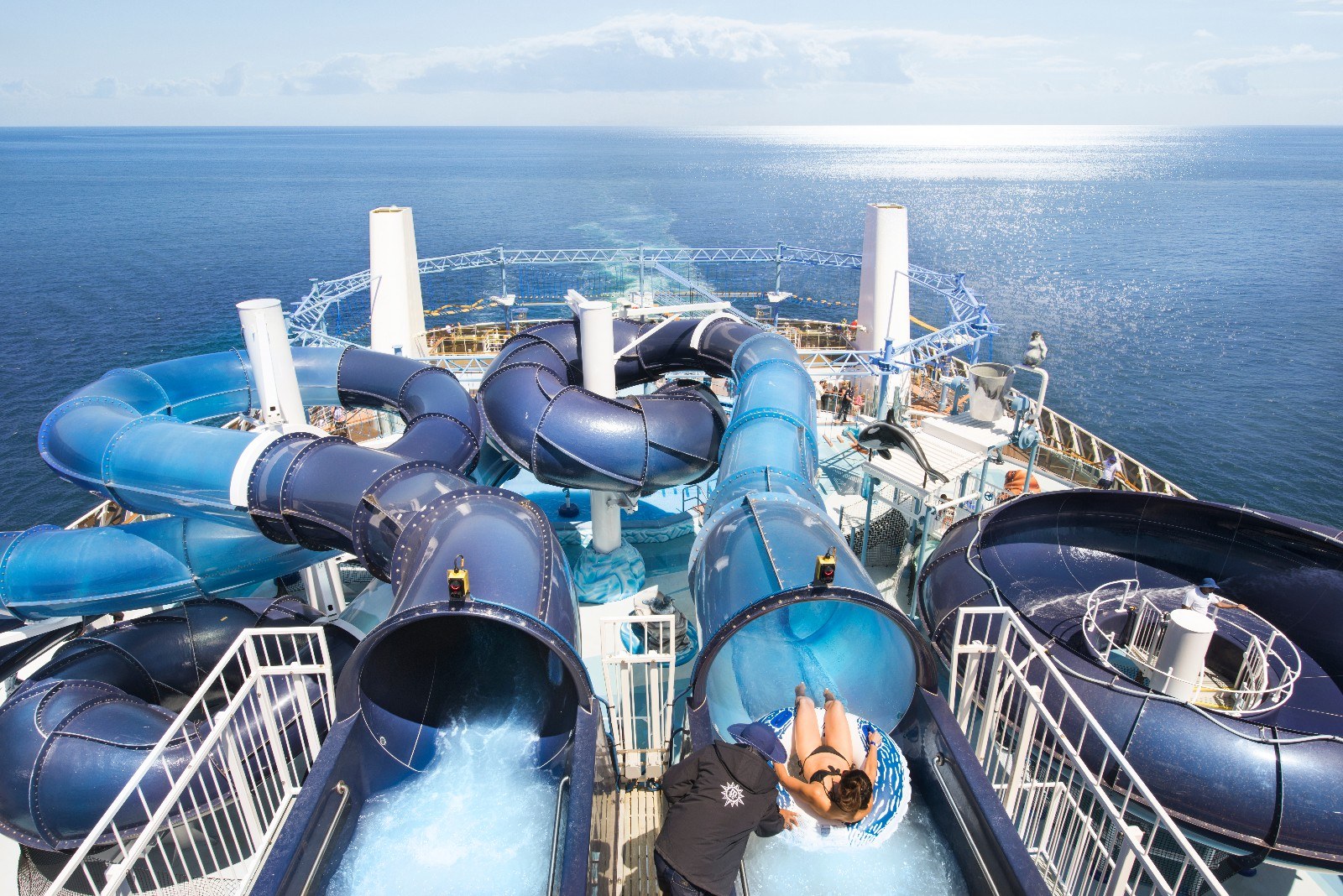
Cruise Travel Myths Debunked: What's True and What's Not
"Cruises are only for retirees." "You'll get seasick." "The food is terrible." We've heard them all. Let's separate cruise travel fact from fiction and set the record straight.

Cruise Cabin Choices: Inside, Oceanview, or Balcony—Which Is Right for You?
Your cabin choice can make or break your cruise experience. Inside cabins save money; balconies offer views and fresh air. Here's how to decide which cabin type fits your style and budget.
Cruise Ship Design: How Do They Stay Afloat (And Why They're So Big)?
Modern cruise ships are floating cities—some carrying over 6,000 passengers. How do they stay afloat? Why are they getting bigger? And what does that mean for your cruise experience?

7 Cruise Passenger Mistakes That Cost You Time and Money
Even seasoned cruisers make mistakes. From overpacking to missing the boat (literally), here are the most common cruise passenger blunders—and how to avoid them on your next trip.

Sea Days: Why Cruisers Actually Love Days at Sea
New to cruising? You might wonder why "sea days"—when the ship doesn't dock—are often the most anticipated part of the trip. Here's why experienced cruisers count them among the best days of the voyage.

The Real Cost of Cruise Drink Packages: Is It Worth It?
Cruise drink packages can seem like a steal—or a rip-off—depending on how you vacation. We break down the math, the fine print, and the honest truth about whether that all-you-can-drink deal actually saves you money.

12 Cruise Ship Secrets the Crew Won't Tell You (But You Should Know)
Ever wondered what really goes on behind the scenes on a cruise ship? From hidden crew areas to money-saving tricks, we've gathered insider knowledge that will change how you think about your next voyage. Some of these might surprise you.
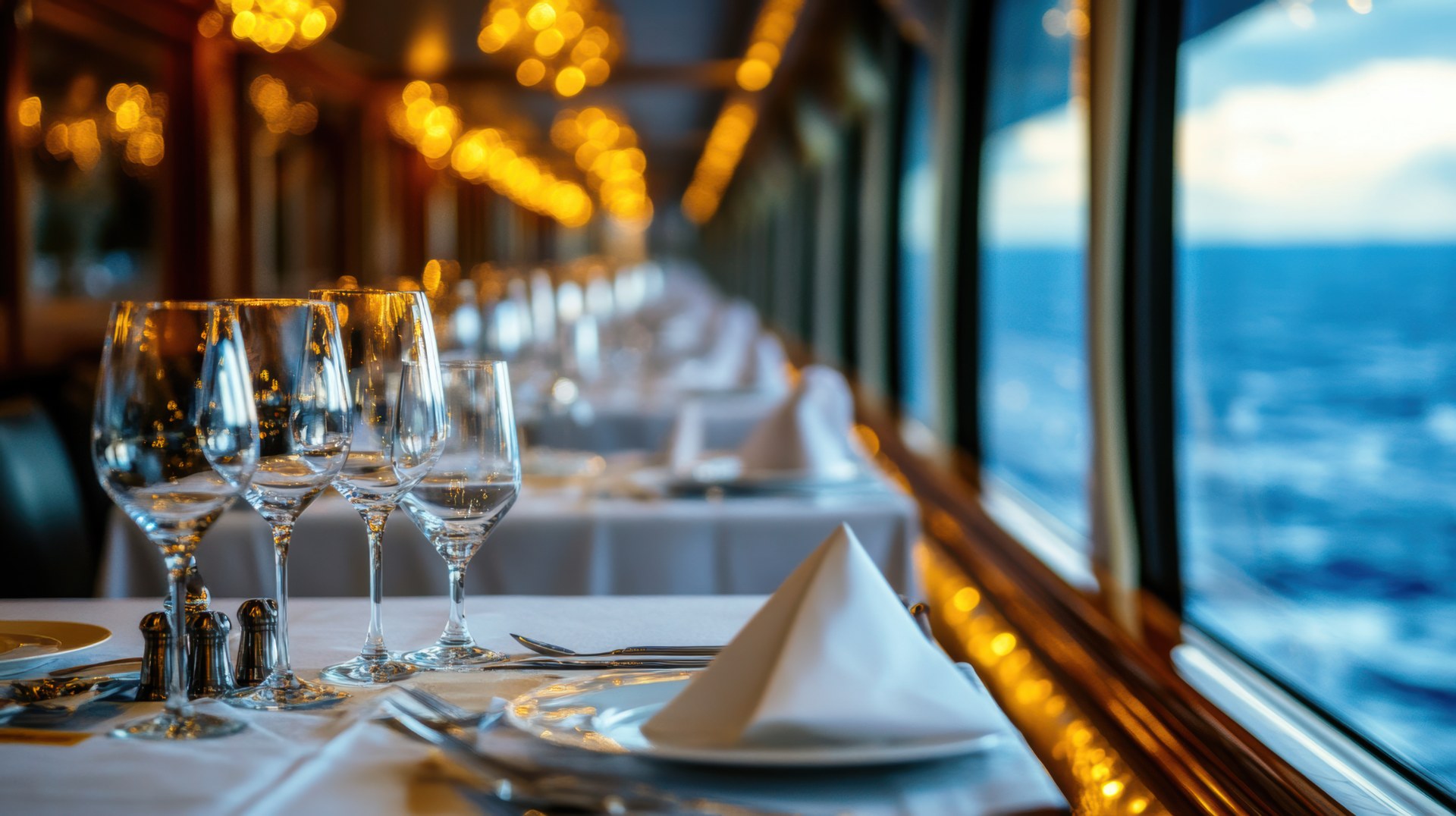
The Future of Cruise Dining: Specialty Boom, Flex Dining, and Dietary Needs at Sea
Cruise dining is no longer one main dining room and a midnight buffet—food halls, chef partnerships, plant-forward menus, and app-based reservations are reshaping how guests eat at sea. This article explores trends for 2026 and beyond: what to expect from inclusive vs à la carte models, how dietary restrictions are handled, and how to plan meals without missing the show.

Port Days vs Sea Days: How to Balance Exploration, Rest, and Onboard Fun
Every itinerary mixes days in port with days at sea—and the ratio shapes whether you return energized or exhausted. This guide helps you choose itineraries with the right balance, plan port days without sprinting, use sea days for recovery or ship highlights, and avoid the classic mistake of treating every hour like a checklist.
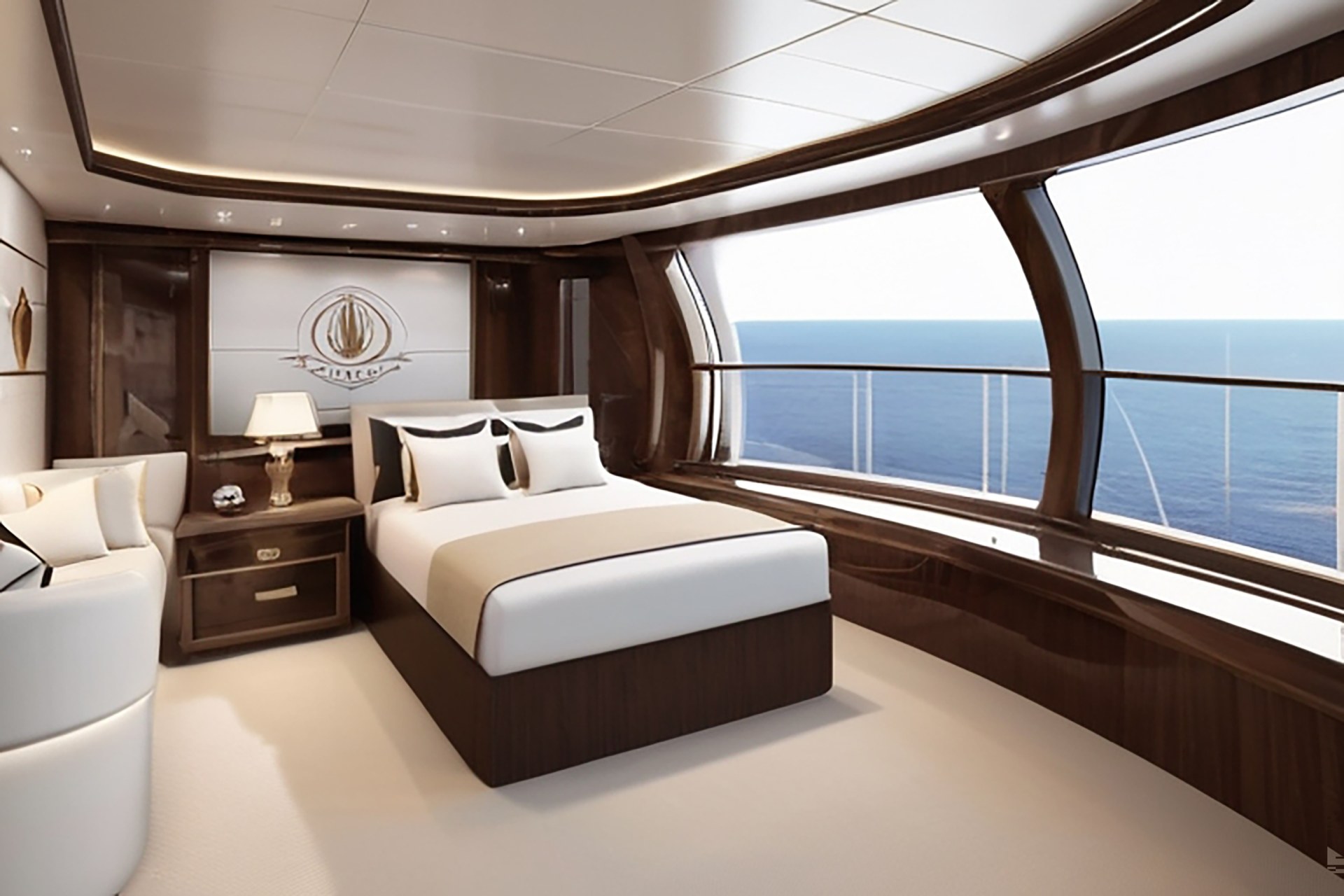
Why Cruise Ship Cabins Sometimes Feel Small
Cruise cabins are designed efficiently to maximize space onboard. Here’s why they feel smaller than hotel rooms—and how to choose a category that fits you.
Luxury vs Budget Cruises: Is the Price Difference Worth It in 2026?
Sticker shock is easy; value is harder. This breakdown compares what budget and luxury cruises include, where hidden costs flip the math, and how to decide whether premium fares buy time, space, and peace—or just prettier brochures.

Cruise Hacks Nobody Talks About (That Save You Hundreds)
Most cruise hacks lists repeat the obvious—arrive early, pack a power strip—while the expensive leaks hide in timing, package math, port choices, and onboard habits that compound daily. This guide focuses on underrated, practical moves that can save hundreds without turning your vacation into a spreadsheet punishment.
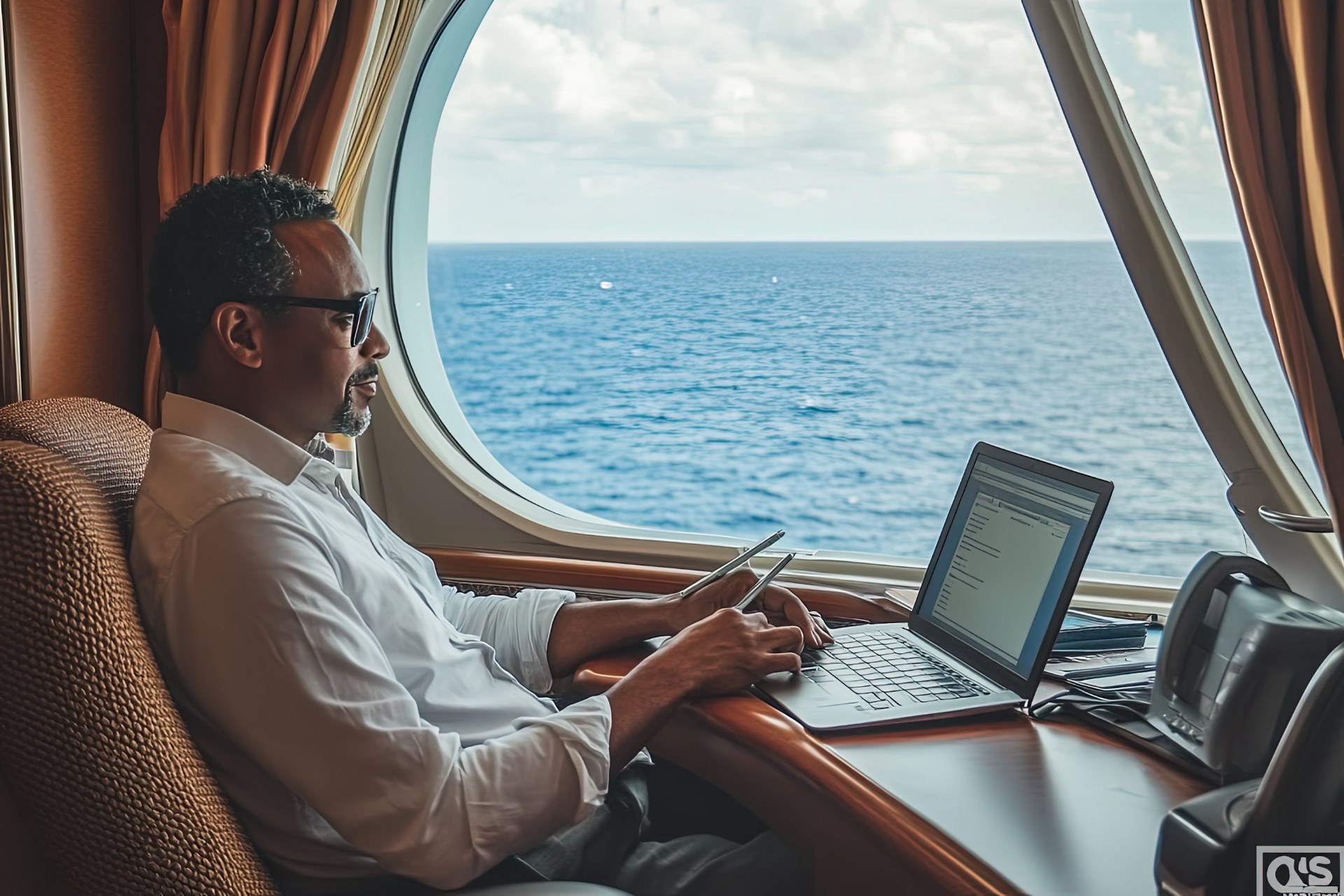
Can You Work Remotely From a Cruise Ship? A Realistic 2026 Guide
Yes—sometimes. But “remote work” on a ship is less about inspiration and more about infrastructure: internet tiers, cabin ergonomics, meeting windows, and backup plans when the ocean reclaims your bandwidth. This guide sets expectations, outlines workflows that survive embarkation chaos, and helps you decide if shipboard work is a clever hack or an expensive mistake.

Luxury vs Adventure Cruises: Which Experience Is Right for You?
“Luxury” and “adventure” are not opposites in cruising—they overlap in expedition yachts with chef-driven menus and diverge when you compare marble atriums with Zodiac landings. This article defines both categories honestly, exposes the budget traps in each, and helps you pick the experience that matches your risk tolerance, fitness, and appetite for comfort.

Is Unlimited Food on Cruises Really Unlimited? What the Buffets Don’t Advertise
Unlimited food on cruises is one of the industry’s strongest promises—and one of the easiest to misunderstand. “Unlimited” sells sailings in a single breath, but the fine print lives in kitchen logistics, venue hours, and the difference between included calories and premium experiences. This article explains how dining really works at sea—with comparisons between buffet and main dining, specialty upcharges, and the etiquette that keeps galleys sane for everyone on board.

Multi-Generational Family Cruises: Cabins, Dining, and Keeping Everyone Happy
Bringing grandparents, parents, and kids on one ship sounds idyllic until dining preferences, nap schedules, and excursion budgets collide. This guide covers cabin clustering, communication plans, age-appropriate activities, and conflict-avoidance strategies so your family reunion floats instead of sinks.

Are Cruises Actually Cheaper Than Hotels? Real Cost Breakdown
Are cruises actually cheaper than hotels? Sometimes—when you compare per-night lodging, food, and transport across multi-city routes. Often not—when you add flights, excursions, WiFi, gratuities, and port spending that hotel trips itemize differently. This real cost breakdown shows how to compare apples without marketing oranges.

What a $10,000 Cruise Actually Gets You
Ten thousand dollars is not “pocket change,” but in cruising it is also not a single universal product. Depending on cabin, line, season, length, and inclusions, a $10,000 cruise might mean a suite on a mainstream ship, a balcony on an expedition vessel, or a luxury week where gratuities and beverages disappear from your mental math. This article breaks down what that budget realistically buys—per-night thinking, hidden costs, and the experience deltas that separate marketing from memory.

Why Cruises Are the Best Way to Travel Europe Right Now
Europe rewards travelers who can move between languages, currencies, and transit systems without losing their minds mid-vacation. Cruises solve the logistics layer—sleep while you relocate, unpack once, and wake up with a new skyline—while Europe delivers density of culture, food, and history in every port. This article makes a practical case for Europe cruise travel in the current travel era: value stability, time efficiency, and how to choose routes that feel like travel—not like a bus tour with lifejackets.

Do Cruises Actually Harm the Environment? What the Data Really Says in 2026
Cruise vacations concentrate fuel use, waste, and port traffic into a single floating city—which makes them an easy target for headlines. This article separates emissions math from marketing, explains how regulations and ship technology have shifted the baseline, and gives you practical ways to reduce your footprint without abandoning the ocean entirely.

Sea Cloud Cruises: A Deep Dive into Luxury Tall Ship Voyages
Sea Cloud Cruises operates sailing yachts that blend classic maritime romance with modern hospitality—think white sails, teak decks, and intimate passenger counts. This deep dive covers the fleet, onboard life, destinations, and whether a tall-ship voyage matches your luxury expectations.

Cruise Packing List: What to Bring (And What to Leave Home)
Packing for a cruise is different from packing for a land vacation. Cabin space is limited, and some items are essential while others just take up room. Here's the ultimate cruise packing list—and what you can skip.
Caribbean vs Mediterranean Cruise: Which Should You Choose for Your First Trip?
First-time cruisers often narrow the world to two iconic regions—the warm, beach-forward Caribbean or the culture-dense Mediterranean. Neither is “better”; they solve different travel appetites. This comparison covers climate, costs, crowds, excursions, flight logistics, and who thrives in each region so you can book with confidence.

Cruise Dress Codes Explained: Formal Nights, Smart Casual, and Theme Nights
Dress codes confuse first-time cruisers—some lines still host true formal evenings while others embrace cruise casual every night. This guide decodes what tiers of style mean in practice, how to pack a capsule wardrobe that spans gala nights and pool days, and how to avoid feeling underdressed at specialty restaurants or overpacked for a beach-heavy itinerary.

Norwegian Fjords Cruise Guide: Best Season, Key Ports, and Scenic Cruising
Sailing Norway’s fjords is a masterclass in vertical geography—waterfalls ribbon down cliffs, villages cling to impossible slopes, and light behaves differently by latitude and season. This article explains when to go, which ports anchor typical itineraries, how weather shapes your packing, and why scenic cruising days matter as much as time ashore.