Defining “Family-Friendly” Beyond the Water Slide
Family-friendly cruising combines safe kids programs, age-appropriate activities, flexible dining, and adult escape zones. Splash pads matter for toddlers; teens need lounges and social games without littles underfoot. Babysitting fees and late night group sitting policies vary—read fine print before assuming free evening care.
Crowd tolerance shapes fit: mega-ships maximize variety but amplify queues; midsize ships simplify navigation for parents juggling strollers.
Ages and Stages: What Each Group Needs

Toddlers (under 3): nursery availability is limited and often extra fee—Disney excels here; others vary. Pack familiar snacks and sleep aids.
Kids (3–12): kids clubs with themed days, science labs, and parades define Royal, Carnival, MSC, Norwegian. Check minimum potty-training rules.
Teens (13–17): dedicated clubs, DJ parties, sports tournaments, video walls. Royal and Norwegian invest heavily; premium lines may skew older.
Multigenerational: suite clusters, accessible cabins, elevator proximity, and main dining fixed seating help grandparents sync meals.
Cabins: Space, Location, and Connecting Rooms
Quad occupancy cabins tighten square footage—mini-suites or two connecting balconies buy sanity on longer trips. Bunk bed weight limits and ladder safety matter for young kids.
Avoid cabins under pools, theaters, or nightclubs—early sleepers suffer. Midship lower decks minimize motion for sensitive stomachs.
Dining With Picky Eaters
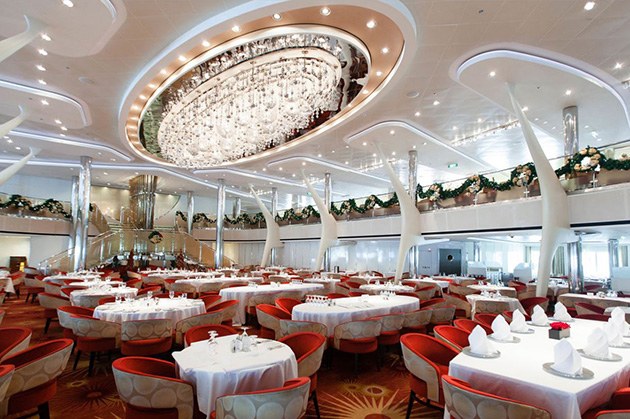
Main dining rooms accommodate simple requests; buffets speed service for hangry kids. Specialty venues add cost—budget accordingly. Allergy protocols are strongest on lines with centralized kitchen interfaces—pre-register needs.
Soft drink packages and water bottles add up—compare bundles.
Line Snapshots (Non-Exhaustive)
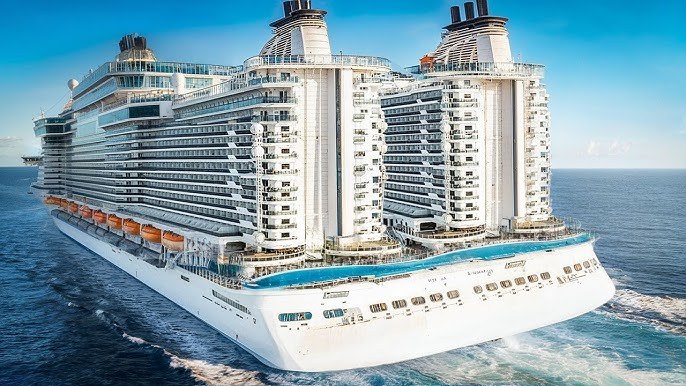
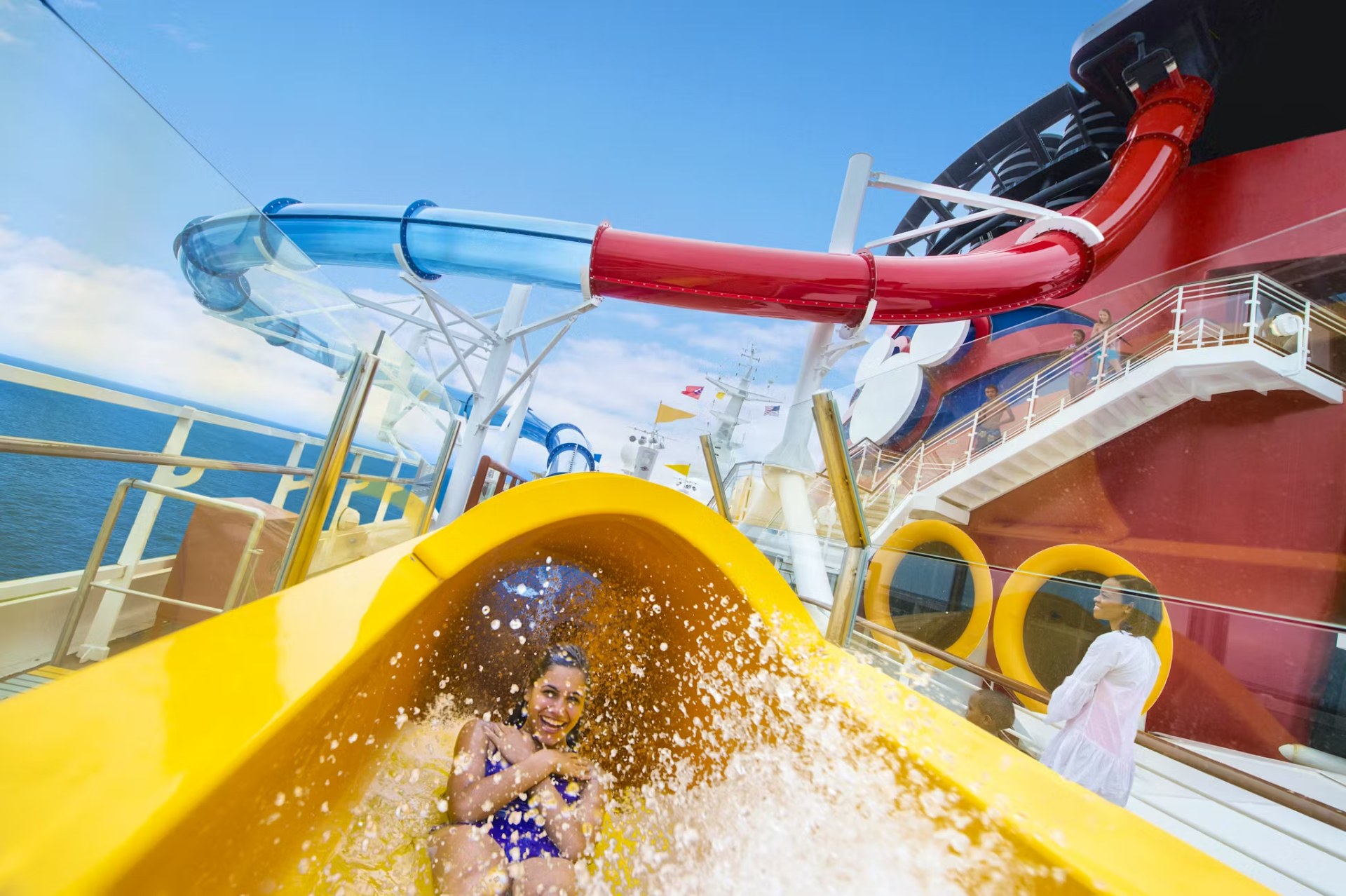
Disney Cruise Line: character experiences, rotational dining, strong youth staffing—premium pricing. Royal Caribbean: scale, surf simulators, kids tech labs. Carnival: value, WaterWorks, casual energy. MSC: kids sail free promotions sometimes, international peers. Norwegian: flex dining, teen clubs, race tracks on select ships.
Premium lines (Celebrity, Holland) skew older demographics—great for teens who want calmer pools, less ideal for toddler infrastructure.
Choose ship first by kids’ ages + crowd tolerance, then itinerary, then price. Book early for quad cabins and popular school break weeks. Use a cruise planner to track excursions and all-aboard times when kids move slowly.
Safety Drills, Wristbands, and Pool Rules

Muster drills feel chaotic with strollers—arrive early, wear comfortable shoes, and snap a photo of your muster station sign for teens who wander. Kids’ pool wristbands color-code swim zones—respect height rules even when lines look short. Sunscreen reapplication every two hours prevents painful afternoons that ruin evening shows.
Screen Time, Connectivity, and Social Dynamics
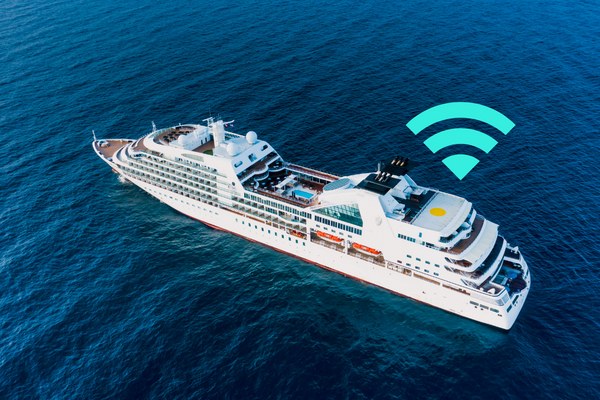
Teens may resent WiFi fees—set expectations before sailing or buy family packages during promotions. Younger kids benefit from offline games and deck scavenger hunts you design together—cruise lines also publish daily activities in apps and newsletters.
Sibling conflicts spike in tight cabins—establish quiet hours and rotate who picks the evening show or dessert.
Medical Care and Minor Illnesses

Ship medical centers stock basics but charge retail rates—pack fever reducers, motion sickness options, prescription copies, and allergy plans. Norovirus protocols emphasize hand washing over gel alone—teach kids early.
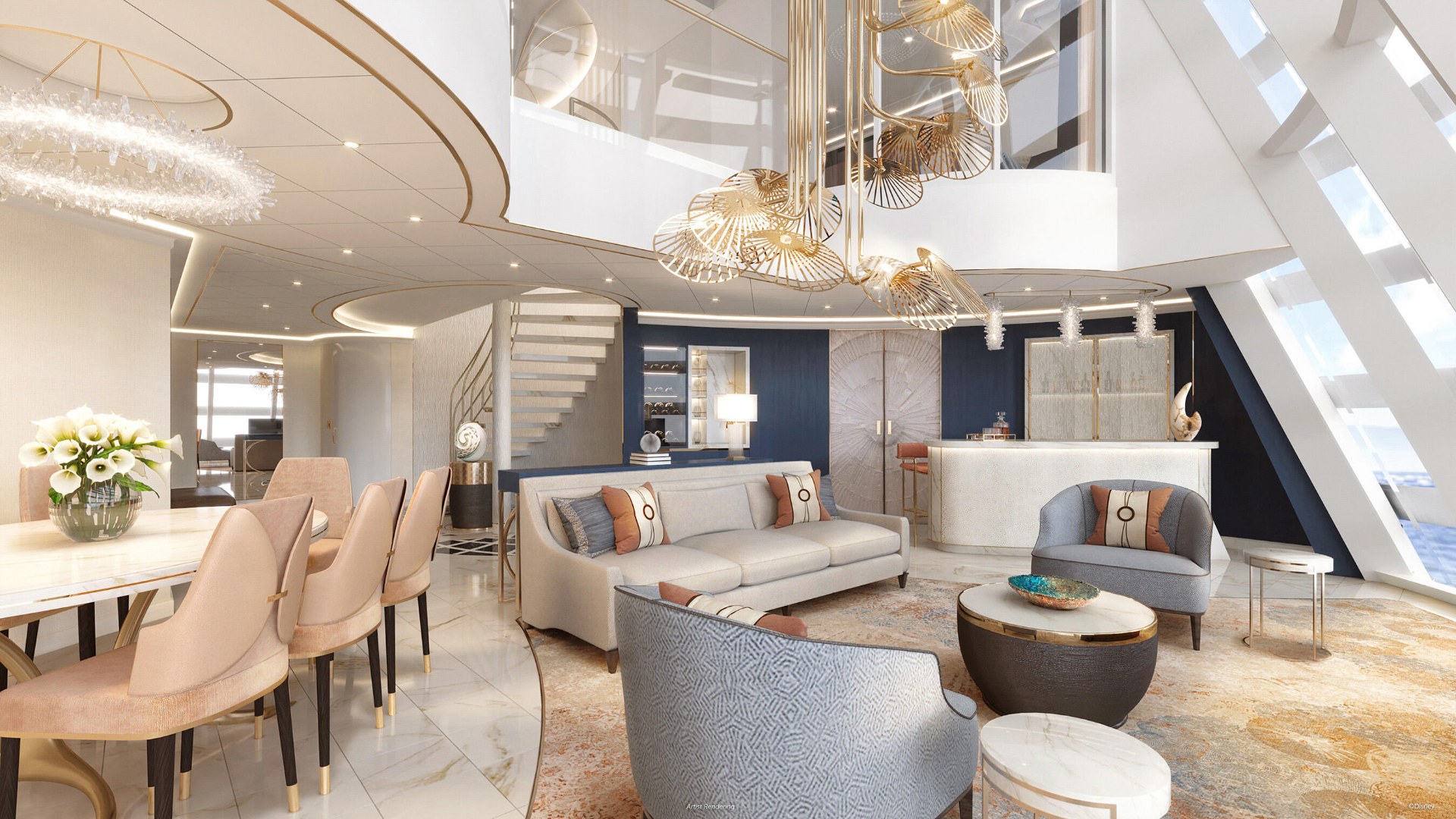
If budget allows, suite enclaves (Yacht Club, Haven, Royal Suite Class, etc.) buy space and priority that reduce parent stress more than another shore excursion might. Compare total cost per night against onboard spending you already planned for specialty dining and internet.
School Calendars, Multigenerational Groups, and Cabin Math
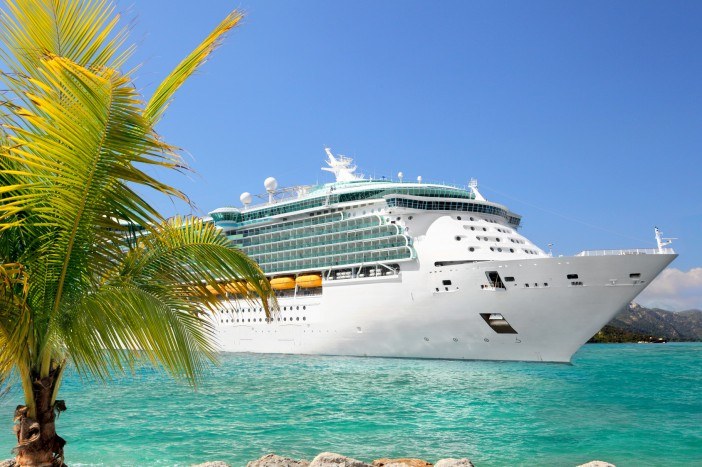
Spring breaks and holidays sell quads first—book the moment district calendars confirm. Grandparents may prefer adjoining balconies over single large suites for snore isolation and bathroom privacy. Babysitting fees add up—compare against adult specialty dinners you might skip without coverage.
Education and Enrichment on Sea Days
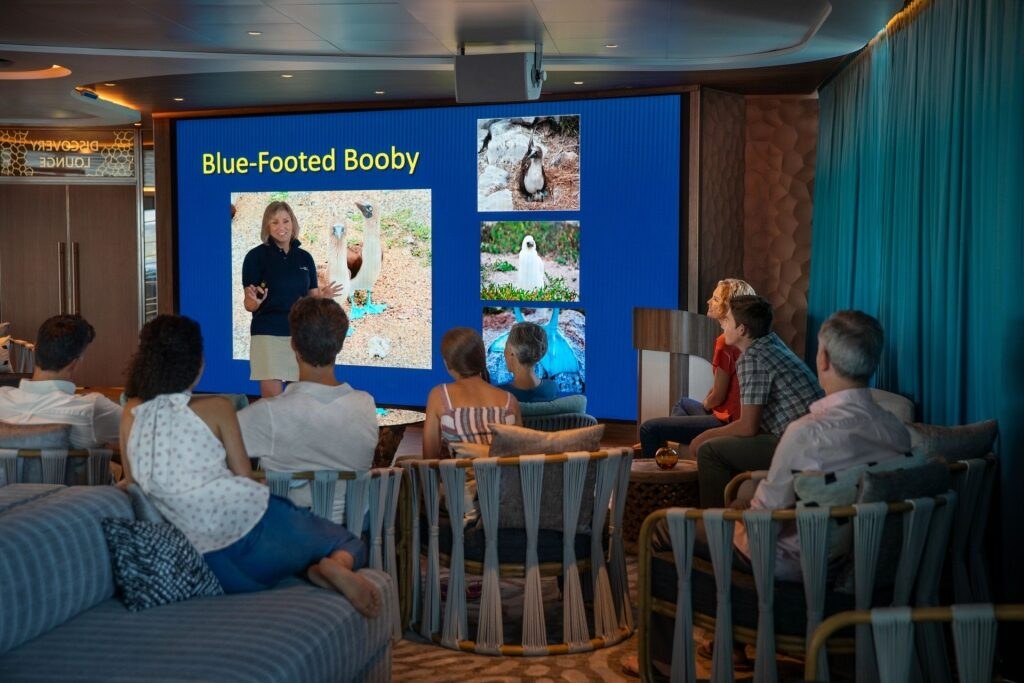
Some lines offer STEM labs, language games, and junior chef classes—read daily planners on embarkation day and register kids early for limited slots. Teens may need nudges to try first activities—first-day icebreakers often set friendships for the week.
Shore Excursions With Strollers and Car Seats

Bus excursions vary in car seat policies—ask before booking. Snug carrier slings sometimes beat bulky strollers on cobblestones. Beach breaks need shade and rash guards—ship time discipline matters when kids move slowly through sand.
Overstimulation happens—schedule quiet hours, room service picnics, and low-key pool time. Homesickness is normal on longer trips—video calls when WiFi allows and familiar bedtime objects help. If your child needs neurodivergent accommodations, call the line before booking to confirm programs fit their needs.
Ages 0–3, Tweens, and the “Bored Teen” Problem

Infants and toddlers need naps more than trivia sessions—align cabin location near elevators strategically (not under nightclubs) and accept that some days end early. Tweens hover between kids clubs and teen spaces—preview age cutoffs before promising specific programs. Bored teens often need a project—photography walks, music playlists, or one specialty dinner they choose start to finish.
Food Allergies, Buffets, and Safe Eating

Talk to managers before your first buffet pass; some lines prepare allergy-safe plates behind the line. Label kids with medical bracelets if wander risk exists. Epi pens belong in your day bag ashore, not only in the cabin.
Budgeting for Five — Where Money Disappears

Soda packages, arcades, photos, gifts, and excursions multiply fast. Set a family daily onboard limit in your cruise planner app and review midway through the trip. Reward kids with experiences (mini-golf, rock climbing) instead of only souvenirs.
Write three columns: must-haves (kids club quality, cabin size, itinerary), nice-to-haves (water slides, character meals), dealbreakers (noise, formality rules). Score ships honestly. The right family ship is the one that matches your youngest child’s needs and your patience for crowds—everything else is negotiable.
Parent sanity — the hidden variable in family cruise success
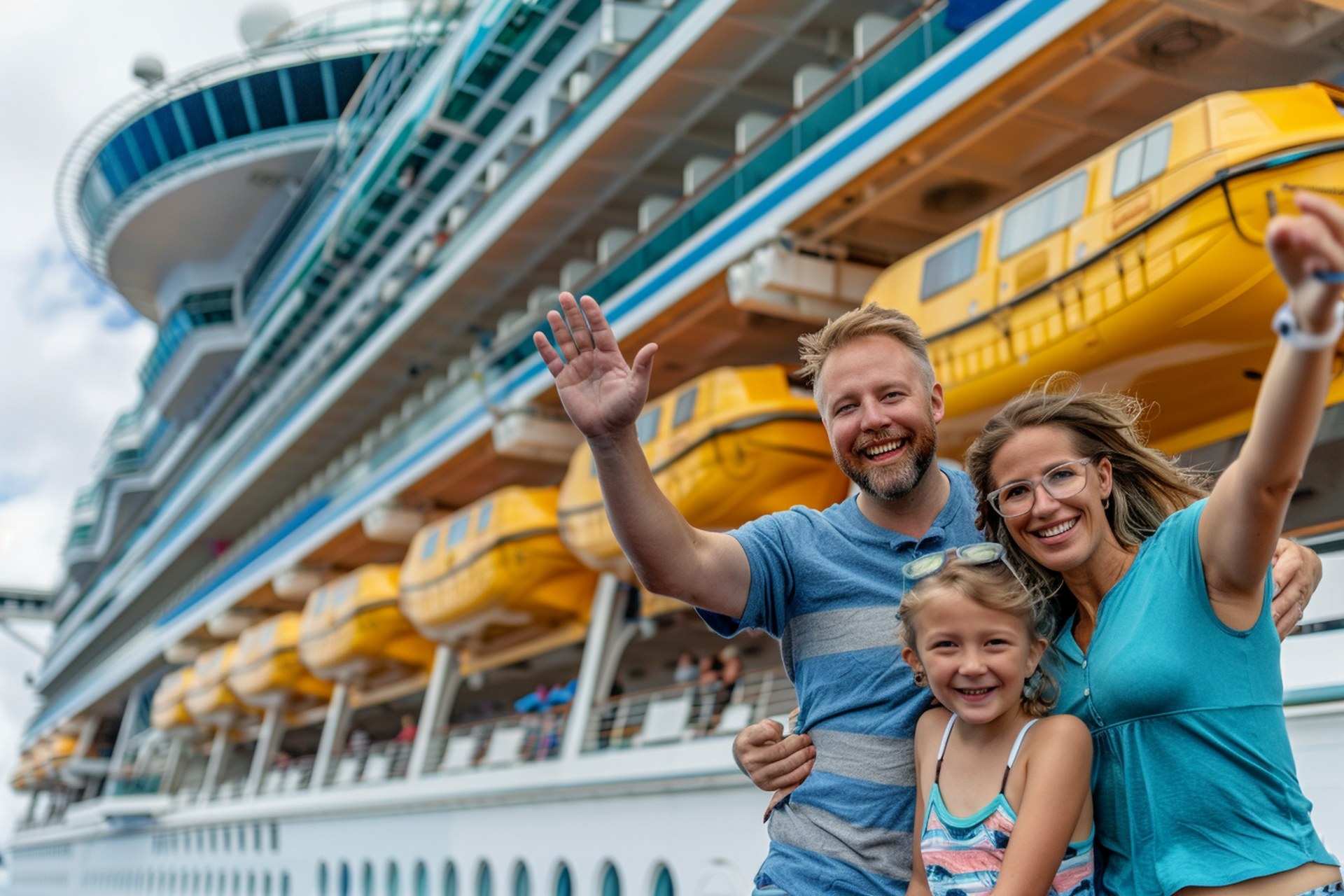
Family cruising succeeds when parents protect their own sleep and nervous system capacity, not only when kids have activities. If you are exhausted, the ship feels smaller and louder than it is. Trade one extra excursion for an afternoon nap or quiet room-service lunch if you need it—vacation is not a performance review.
Partners should split duties deliberately: one handles morning logistics while the other sleeps in once or twice; swap mid-cruise so resentment does not build. Grandparents can cover kids club pickups if they volunteer with clear communication about all-aboard times and meeting points.
Discipline strategy matters before you board. Kids respond to cruise rules when they understand why lines exist and why gangway times are non-negotiable. Practice walking in busy spaces at home malls if you need to build habits for holding hands near piers.
When something goes wrong—missed snack, sunburn, lost toy—model calm problem-solving. Ship crew see hundreds of families weekly; kindness and clarity get faster help than volume alone.
Closing thought: the best family ship is the one that lets your household laugh more than it sighs. Use the matrix, then trust your gut when two options tie on paper.
Line-by-line notes (non-exhaustive) to jump-start research
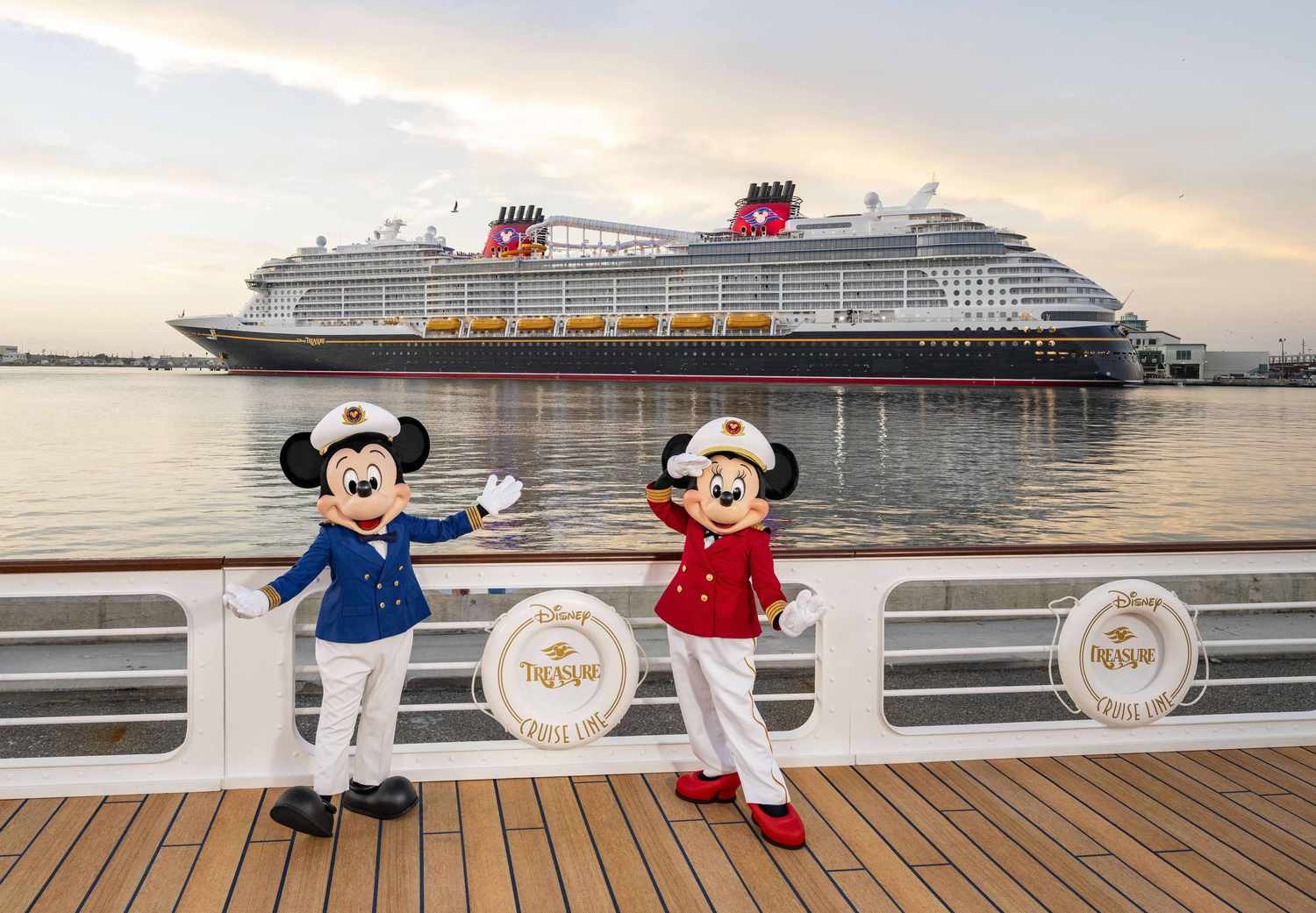
Disney Cruise Line: premium pricing for character experiences and strong youth staffing—worth it for many families with young kids. Royal Caribbean: scale, thrill rides, broad teens programs. Carnival: value, WaterWorks, casual energy. MSC: international mix, promotions that sometimes bundle kids sail free (conditions apply). Norwegian: flex dining, race tracks on select ships. Princess and Holland America: calmer demographics, strong for older kids who read or play cards with grandparents. Celebrity: design and food with family suites on newer ships.
No line wins every category—pick what your youngest child needs first, then optimize for adults. If two lines tie, choose the one with better air access to your home airport and lower total trip friction—happy parents make happy kids.
Emergency kit idea: small first-aid pouch, extra zip bags, stain wipes, and a favorite snack from home for picky eaters on long excursion days—cheap comfort buys hours of calm.
If you cruise with babies, confirm puree options, high chair availability, and cabin crib policies before you pay deposits—surprises hurt more at sea than at land resorts. Pack extra batteries for sound machines and night lights. Label kids’ life jackets and day bags with your cabin number. Stay kind. Stay fed.