90–60 days out: lock structure

The first stage of cruise planning is about securing the major parts of the trip before prices increase or availability disappears.
Flights, airport transfers, and pre-cruise hotels should be confirmed early, especially for popular embarkation ports during busy travel seasons. Arriving at the port city the day before sailing also reduces the risk of missing embarkation because of airline delays or cancellations.
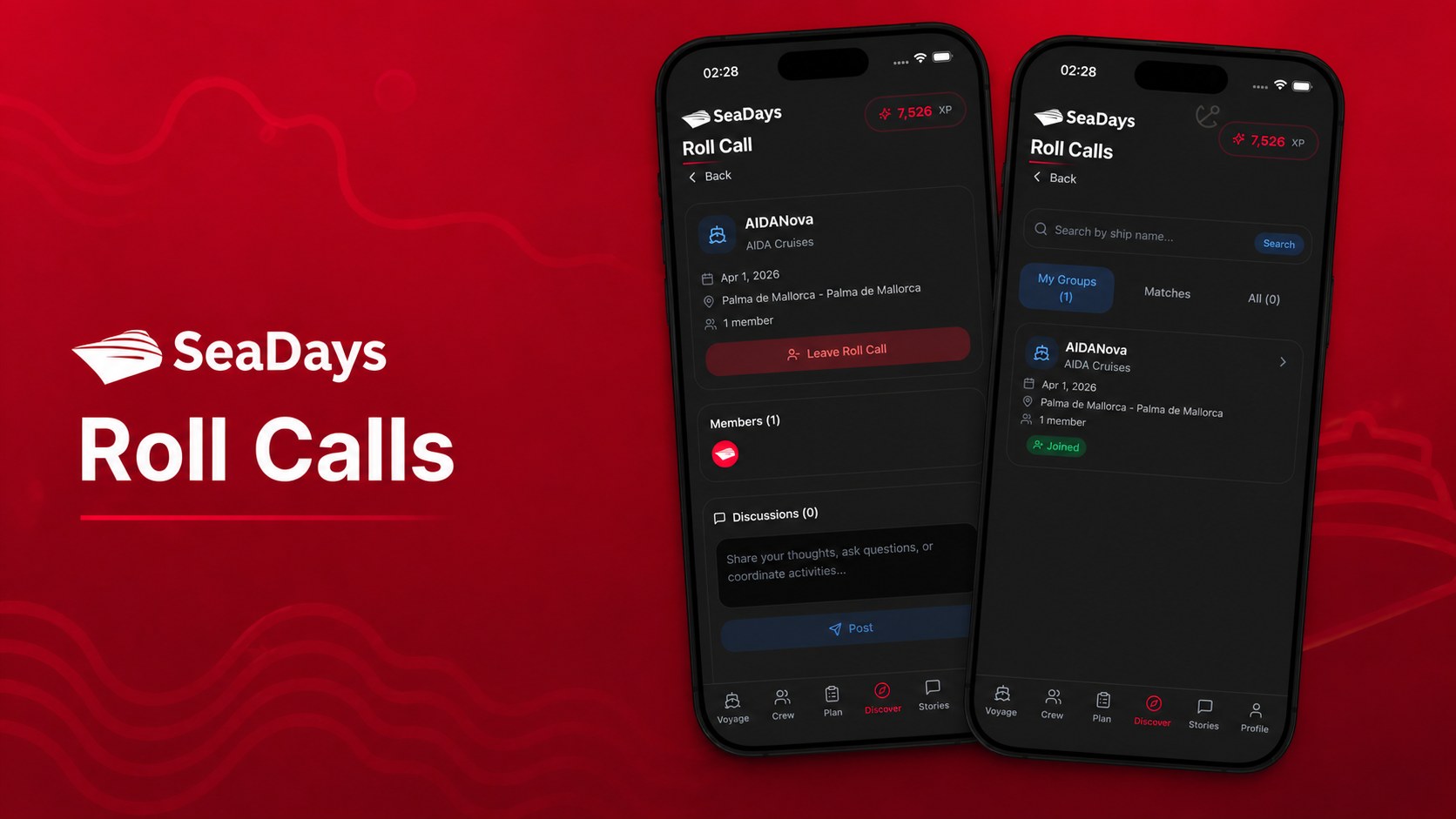
This is also the best time to add your voyage into a cruise planner app , join your sailing’s roll call, and research excursions that typically sell out early. Specialty dining reservations, entertainment bookings, and spa appointments may also open during this period depending on the cruise line.
60–30 days: money and documents

Once the core travel plans are secured, attention usually shifts toward budgeting, onboard purchases, and travel documentation.
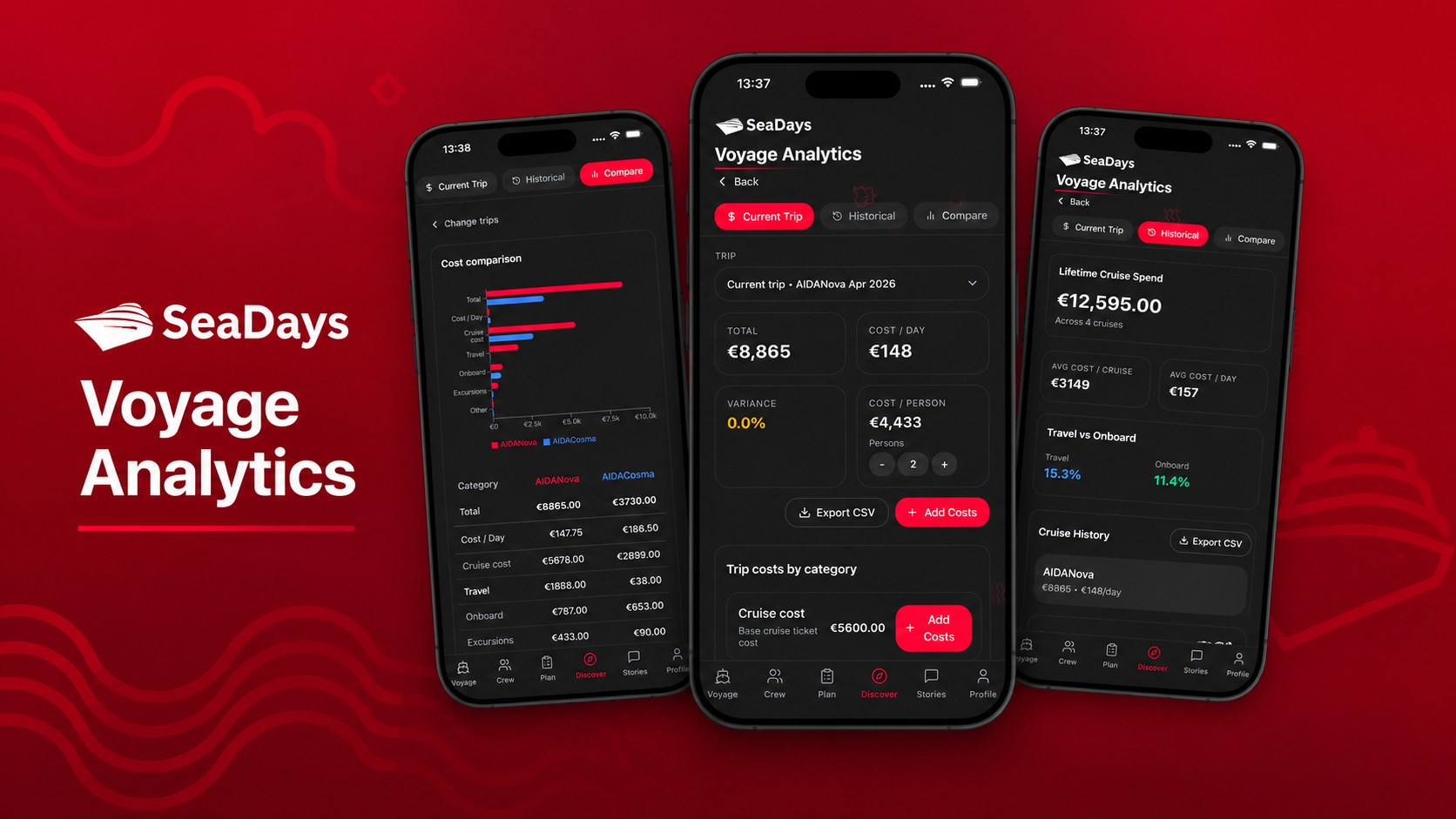
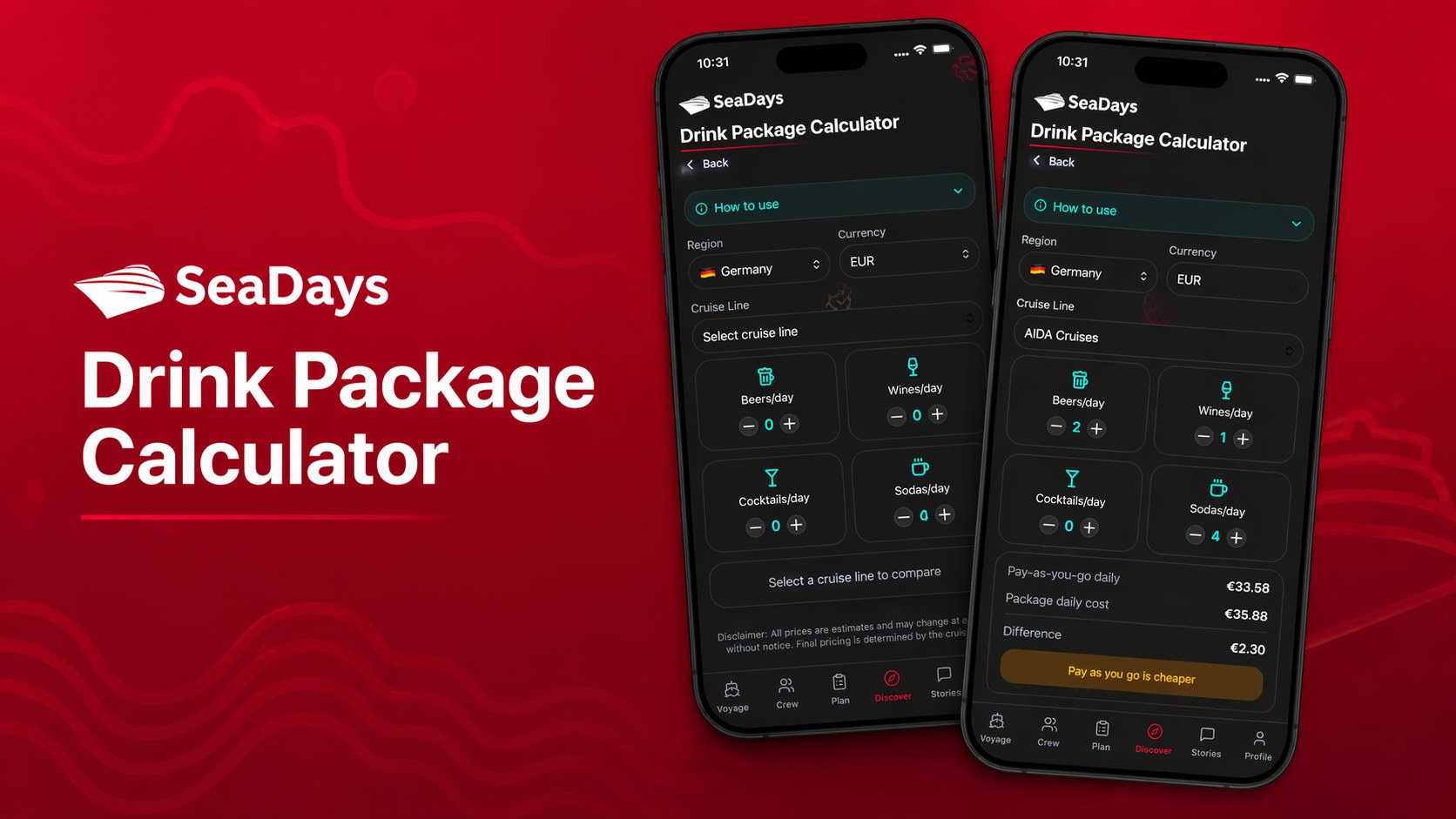
Passengers should finalize their cruise budget , estimate excursion spending, and decide whether beverage or Wi-Fi packages are actually worth the cost. Using calculator-based planning instead of embarkation-day impulse decisions usually prevents unnecessary spending later onboard.
Most cruise lines also open online check-in during this stage. Completing it early can improve boarding times and reduce embarkation-day stress. Passport copies, travel insurance documents, boarding passes, and emergency contacts should also be stored securely in both digital and offline formats.
30–7 days: packing and port research

The final month before sailing is when cruise plans become more detailed and practical.
Passengers should finalize shared packing lists, confirm excursion reservations, review weather forecasts, and research transportation options for each port. Group travelers benefit from deciding meetup locations and communication plans before boarding instead of improvising once onboard.
Reading port guides ahead of time also helps travelers avoid common mistakes like overbooking excursions, underestimating walking distances, or missing local transportation limitations. Organized planning during this stage usually creates a far more relaxed embarkation week.
Embarkation week: offline-ready

Embarkation week should focus on verification instead of rushed planning.
Passengers should download offline copies of boarding passes, cruise documents, excursion tickets, hotel confirmations, and itinerary details in SeaDays before arriving at the terminal. Port Wi-Fi, airport connections, and mobile service near cruise terminals are not always reliable.
Carry-on bags should include passports, medications, chargers, travel documents, and at least one change of clothes in case checked luggage is delayed before cabin delivery onboard.
The less passengers depend on internet access during embarkation day, the smoother the entire boarding experience becomes.