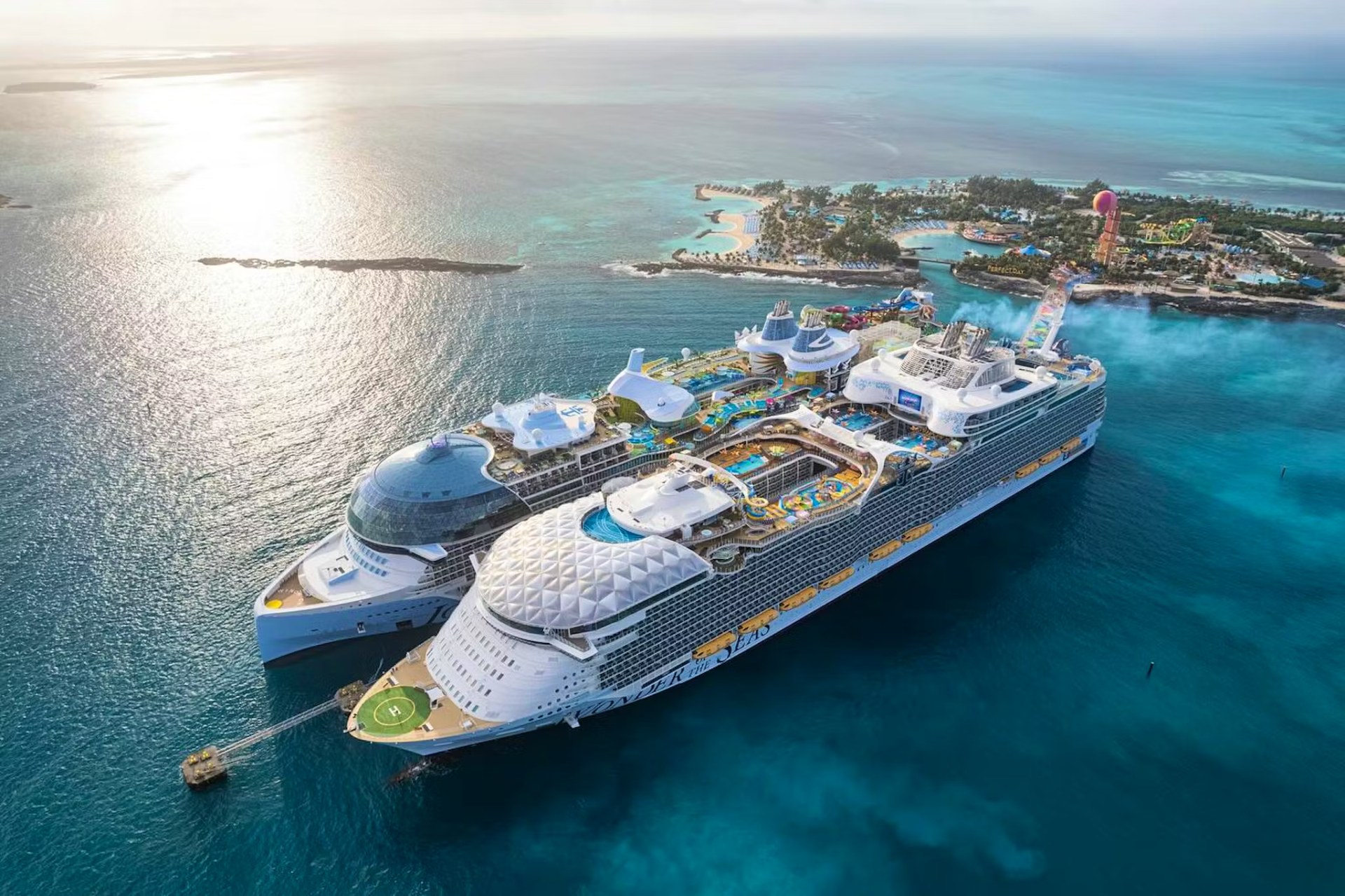
Choosing the right Royal Caribbean ship class
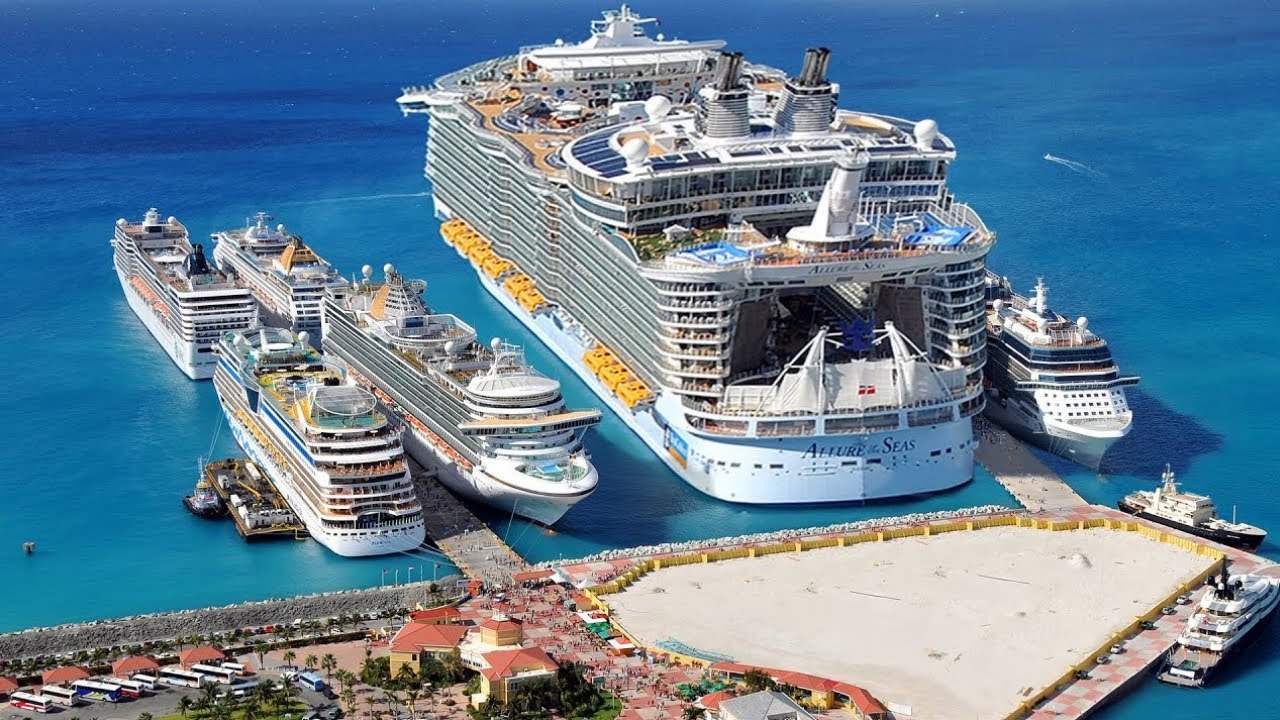
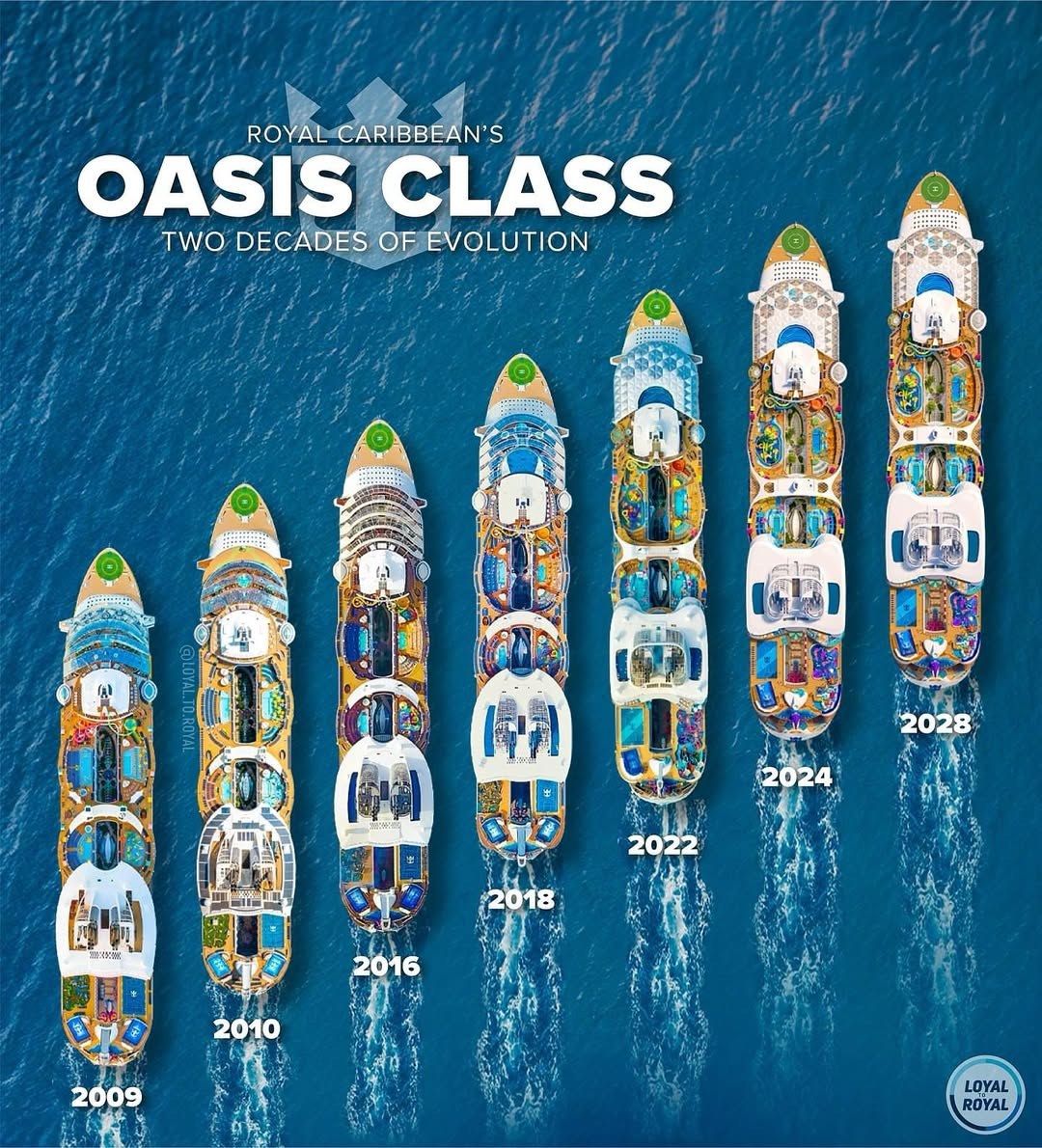
Royal Caribbean operates several ship classes, and the onboard experience changes dramatically depending on which one you choose.
Oasis- and Icon-class ships focus heavily on large-scale entertainment, multiple neighborhoods, water attractions, massive dining selections, and high passenger capacity. These ships are ideal for travelers who enjoy constant activity, family entertainment, and resort-style cruising.
Smaller classes like Vision and Radiance offer a more traditional cruise atmosphere with quieter public areas, simpler layouts, and fewer crowds moving through the ship at peak hours. They often feel easier to navigate for older travelers or passengers who prefer a slower pace onboard.
Choosing the right ship is not only about budget or itinerary. Mobility needs, noise tolerance, crowd comfort, and activity preferences all play a major role in how enjoyable the sailing feels once onboard.
Budgeting Royal Caribbean add-ons

Royal Caribbean fares can look attractive initially, but many onboard upgrades are designed around optional convenience spending.
Specialty dining packages, beverage plans, Wi-Fi, cabana rentals, arcade spending, premium activities, and spa services can increase the total cruise cost significantly after booking. Because these purchases are presented gradually throughout the planning process, passengers often underestimate the final vacation budget.
Running drink-package and dining calculations before embarkation usually creates far better decisions than reacting to sales promotions at the terminal or onboard. Many travelers discover they will not realistically use certain packages enough to justify the price once the numbers are calculated honestly.
Budget planning works best when all onboard categories stay connected instead of being treated as separate purchases.
Roll calls and meetups on busy sailings
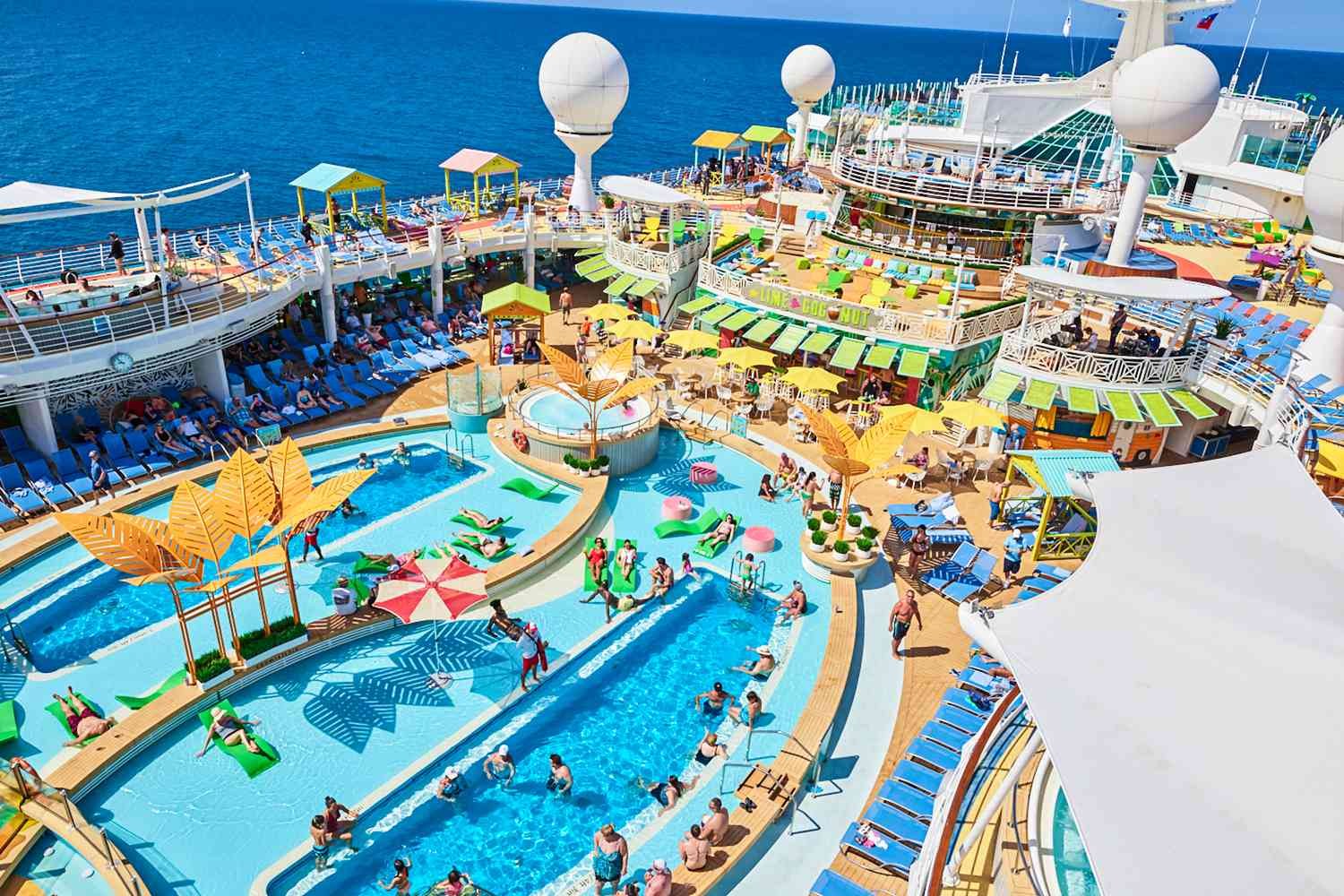
Large Royal Caribbean ships naturally create larger and more active roll-call communities.
Instead of trying to meet hundreds of passengers from one sailing, experienced cruisers usually focus on connecting with smaller groups that share similar interests, excursions, or travel styles. Smaller meetup groups are easier to coordinate and far more likely to turn into actual onboard friendships.
Introductions work best when passengers mention specific interests like snorkeling tours, dining groups, trivia teams, or photography meetups rather than posting generic introductions. Cruise conversations become more natural when they revolve around shared plans instead of forced networking.
Busy ships can feel overwhelming without structure, which is why organized roll calls become especially useful on larger sailings.
Plan the week in SeaDays
Large ships create busy schedules, overlapping reservations, and constant onboard activity, which makes organized planning far more important.
Inside Plan , passengers can organize sea days, dining reservations, entertainment schedules, excursion times, and port plans in one connected itinerary. Having everything visible in one place helps travelers avoid overlapping bookings and last-minute confusion during the cruise.
Passengers can also browse Royal Caribbean ship pages inside SeaDays to learn deck-flow tips, crowd patterns, and onboard recommendations shared by cruisers who sailed the same vessel previously.