What the first hour onboard actually feels like
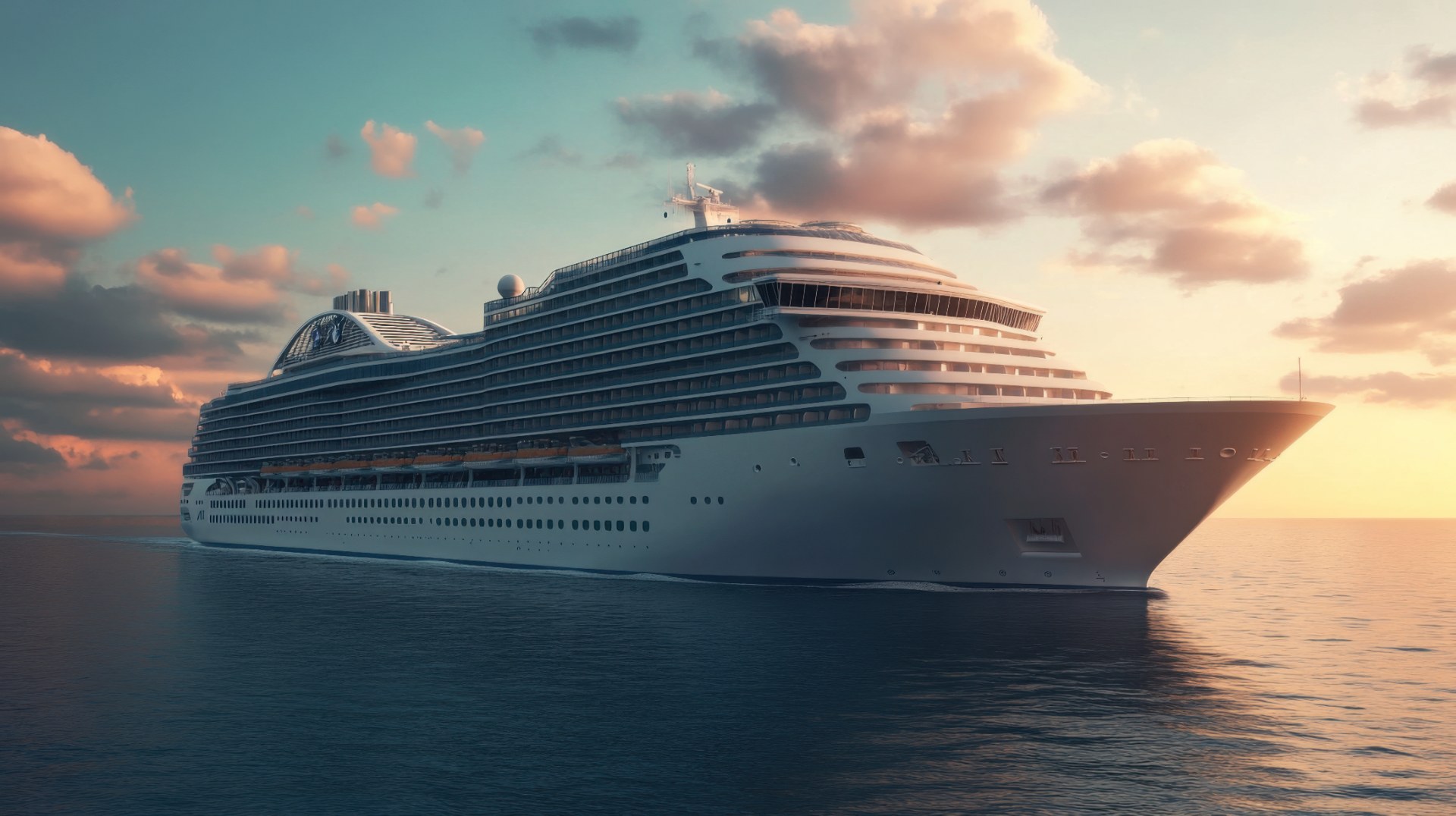
You step onto a ship like Virgin Voyages and the difference is immediate. The atmosphere is controlled, the movement is slower, and embarkation feels more structured. There are no families rushing through corridors, no buffet crowds forming instantly, and fewer competing announcements.
Passengers who understand this use the first hour as setup time. Dining, shows, and key reservations get handled immediately. On Virgin Voyages, where restaurants replace the traditional buffet, this matters more. Those who delay this step spend the rest of the cruise working around availability instead of choosing freely.
On ships from Viking Ocean Cruises, the same hour feels different. There is no urgency to book everything at once. The environment is quieter, with fewer interruptions, and passengers settle in without pressure. This slower start defines the tone for the entire trip.
What adults-only actually changes onboard
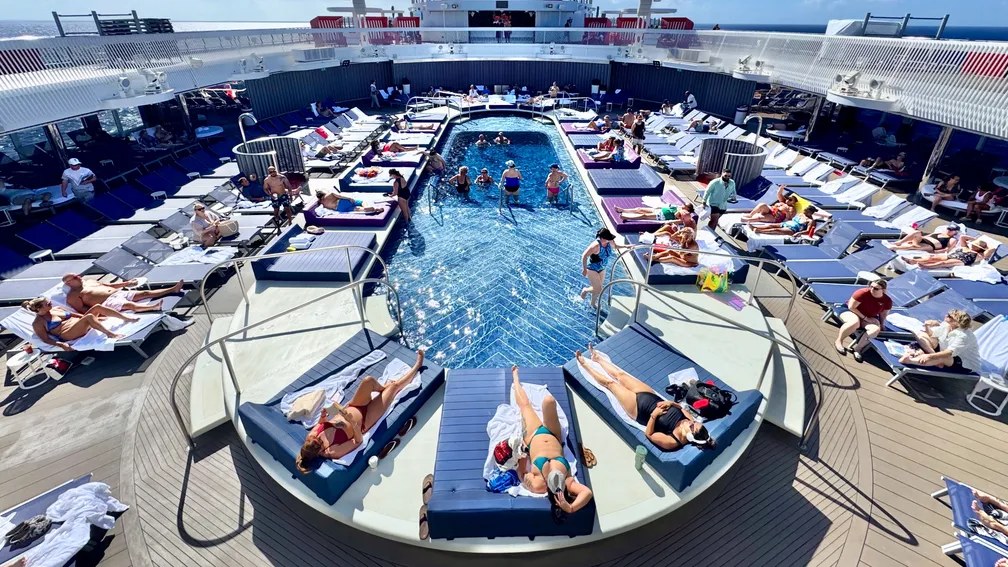
The difference is not just the absence of children; it is how space is used. Pool decks remain accessible throughout the day instead of peaking early. Seating turnover is slower, and noise levels stay consistent. This directly affects how you plan sea days.
Dining patterns also shift. On Virgin Voyages, food is distributed across multiple venues, reducing crowd concentration. On Viking ships, dining is predictable and spaced out, with fewer peak surges. Even at full capacity, the system feels controlled rather than compressed.
Movement across the ship becomes easier. Corridors, elevators, and public areas still get busy, but not in waves. This consistency allows passengers to build routines that actually work from day to day.
What experienced travelers notice quickly
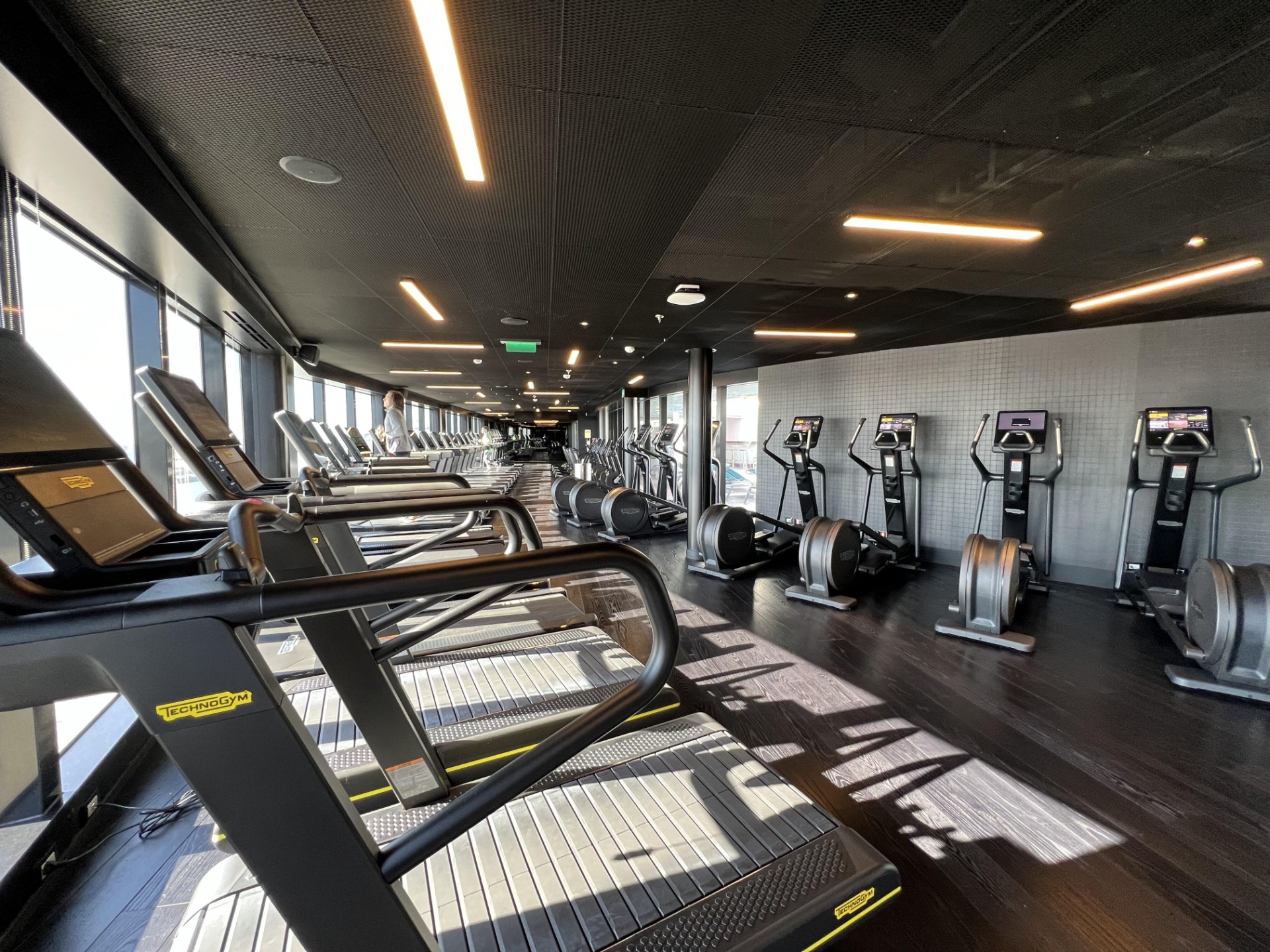
Patterns repeat. The gym is empty early and fills after breakfast. The pool is quiet in the morning and busiest mid-afternoon. Restaurants peak at predictable times. Adults-only ships do not remove these patterns, but they make them more stable.
Passengers who adjust early avoid friction. A morning workout before breakfast, early or late dining instead of peak hours, and strategic movement across decks all improve the experience without requiring effort later.
Elevators remain a bottleneck during key windows. Even without families, timing still matters. Short-distance stairs are often faster, and experienced travelers rely on them to avoid delays.
What actually impacts your trip more than the ship
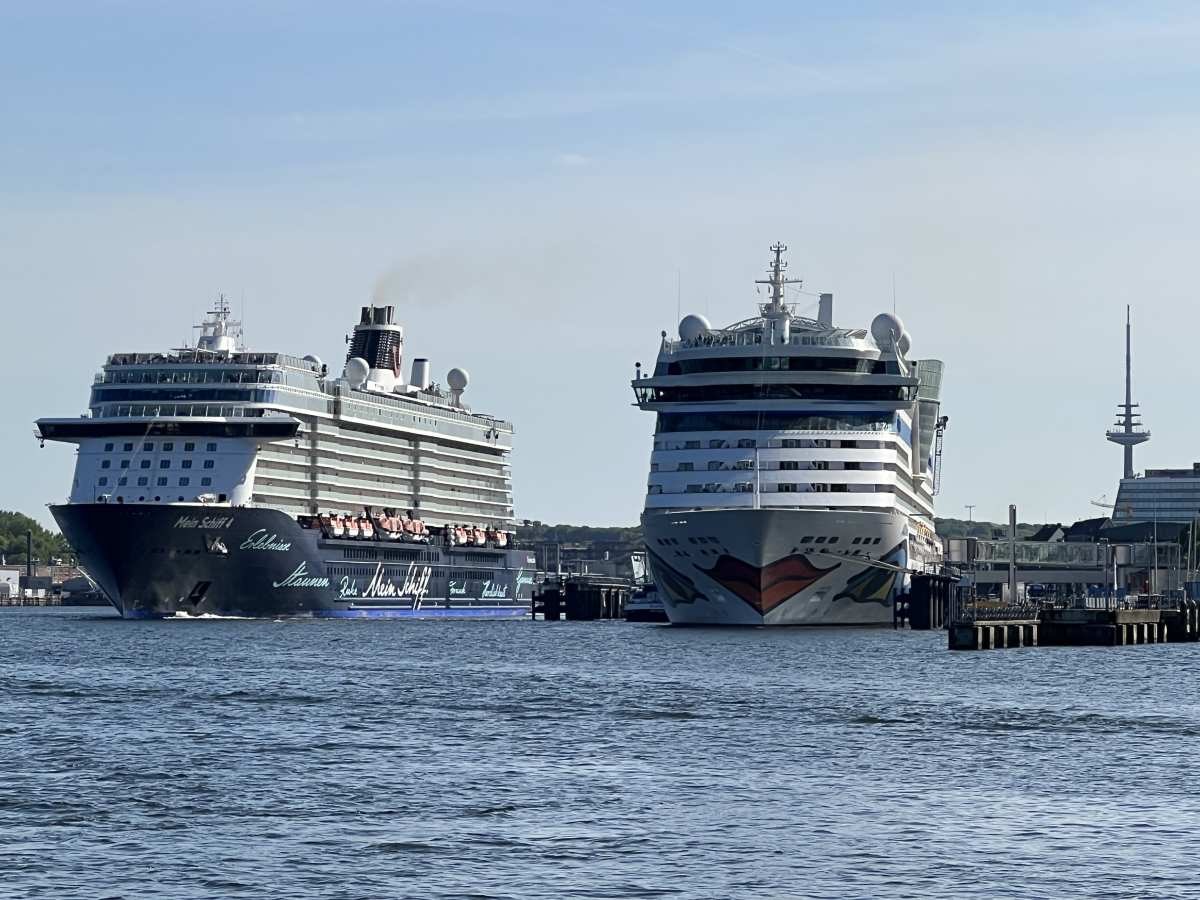
The ship matters less than how you handle ports. In destinations like Mykonos, the port is not next to the main town. Transport takes time, and poor planning reduces usable hours significantly.
Cash still plays a role. Smaller vendors and taxis often prefer it, and ATMs near cruise terminals add unnecessary fees. Withdrawing money in the city or carrying small amounts in advance avoids delays.
Time management defines port days. The ship runs on its own schedule, not the port’s. Returning late is one of the few mistakes that cannot be corrected onboard.
What cruise lines don’t emphasize clearly
Port fees are included in the fare but vary by region, season, and port infrastructure. Northern Europe routes often differ significantly from US or Mediterranean stops. These differences are built into pricing but rarely explained in detail.
Food safety systems operate continuously in the background. Buffet items are rotated and removed based on strict timing rules. What appears to be early removal is part of compliance, not inefficiency.
Operational systems onboard are designed for flow, not flexibility. Once you understand that, many small frustrations disappear.
What actually goes wrong on cruises
Most problems are logistical, not dramatic. Missing the ship usually comes down to poor timing rather than extreme situations. The ship will leave on schedule, and catching up becomes your responsibility.
Lost or missing documents create immediate delays. Without proper identification, even simple processes become complicated. Port agents cannot make exceptions, and resolving the issue consumes valuable time.
Battery failure on your phone creates unexpected problems. Boarding passes, maps, and communication all depend on it. A simple backup plan prevents unnecessary stress.
What experienced travelers do differently

They treat the first day as setup, not vacation time. Once reservations and orientation are handled, the rest of the cruise becomes significantly smoother.
They prepare for port days in advance. Hydration, timing, and basic planning happen the night before, not in the morning rush.
They rely less on assumptions. Daily schedules are checked, timing is verified, and decisions are made based on current information rather than habit.
They also carry simple offline backups. Cabin details, ship contact information, and key notes written down solve problems faster than relying on devices.
What nobody tells you before boarding

Time changes affect more than expected. Ships adjust overnight, and passengers who do not adapt miss early activities or start the day rushed.
Weather apps are not always reliable at sea. Onboard briefings use maritime data and provide more accurate guidance for port conditions.
Not all “included” experiences are equal. Specialty dining, drinks, and certain services still add up. Without awareness, onboard spending builds quickly.
What to carry forward

A simple plan improves every port day. It does not need to be detailed, but having direction prevents wasted time.
Treat the cruise as a system. Movement, timing, and access all follow patterns. Once you understand them, the experience becomes easier and more predictable.
Adults-only cruising works best when expectations match reality. Virgin Voyages delivers a modern, social environment. Viking Ocean Cruises focuses on calm, destination-driven travel. P&O Cruises offers a more traditional structure with dedicated adults-only ships.
The difference is not just who is onboard, but how the entire system operates once you are there.