How We Evaluate Cruise Ships in 2026
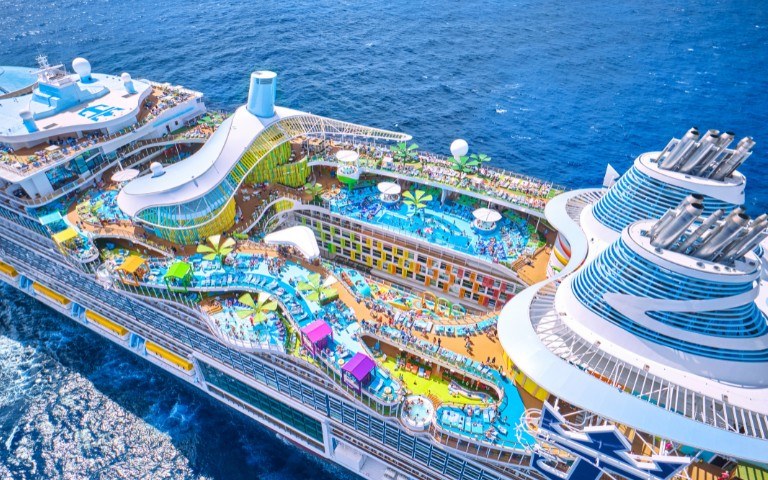
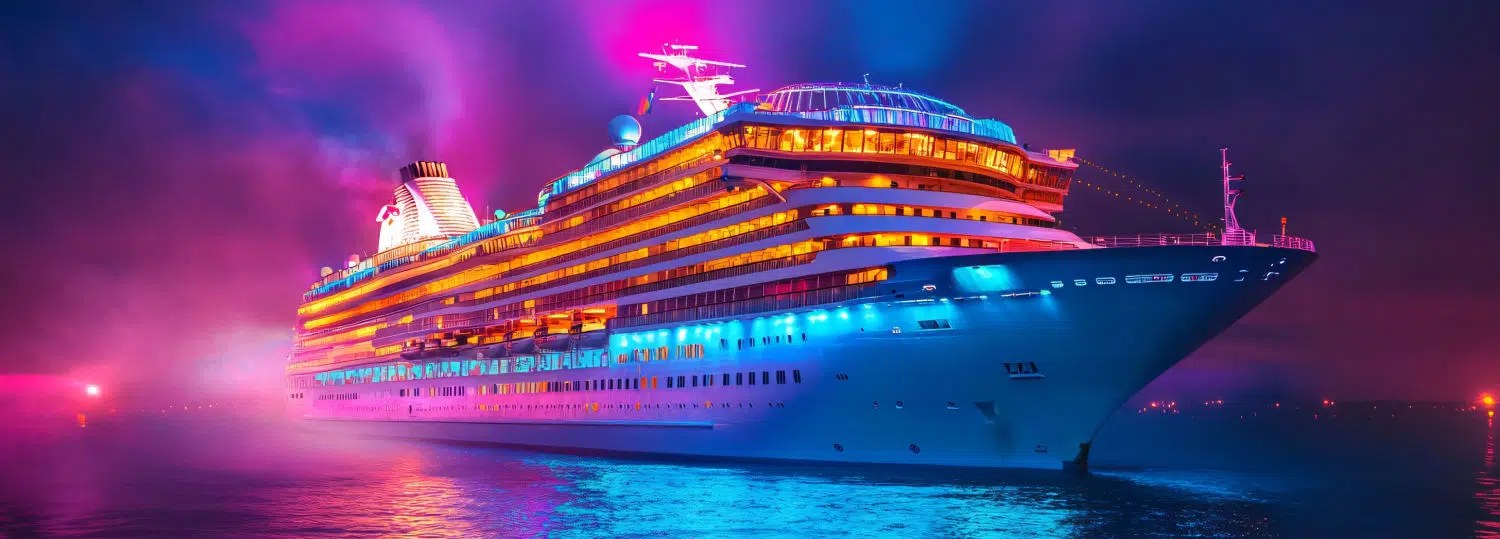
Cruise ships are not interchangeable floating hotels. In 2026, top vessels compete on energy efficiency, connectivity, suite programs, specialty dining depth, family infrastructure, and itinerary access. A “top” ship for you might be a mega-ship with Broadway-style shows—or a premium liner with fewer passengers per square foot.
When comparing reviews, look beyond star averages. Read notes on noise, motion, buffet crowding, embarkation flow, and service consistency. Deck plans matter: midship balcony cabins often feel steadier; aft balconies can trade views for vibration on some hulls. Cruise planning should pair ship strengths with route: Alaska rewards wraparound outdoor space; Caribbean rewards pool decks and short-hop port variety.
Sustainability and shore-power readiness increasingly influence port access and guest perception—especially in Northern Europe. Even if you do not book solely for LNG or scrubbers, newer builds tend to offer quieter machinery spaces and better HVAC—small comfort gains that add up on sea days.
Mega-Ships That Define the Category
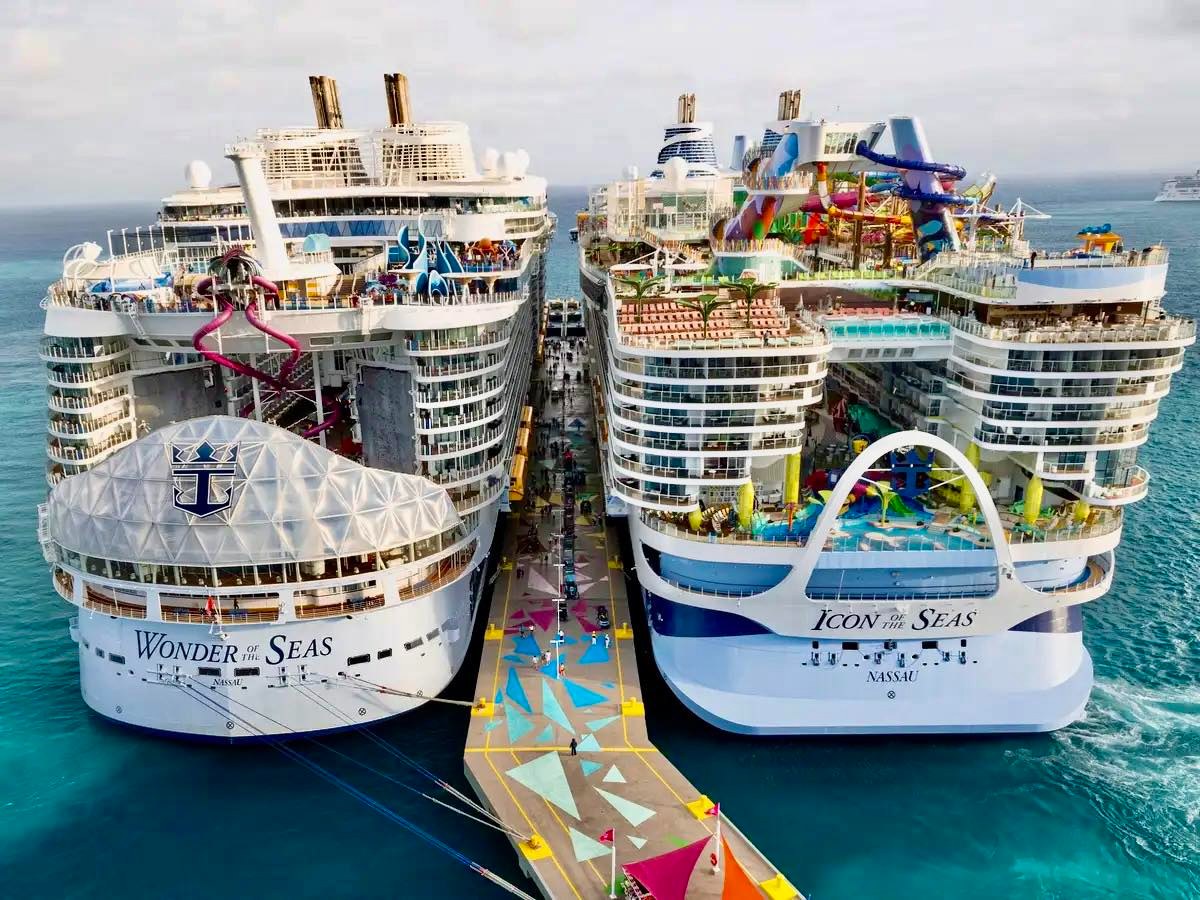
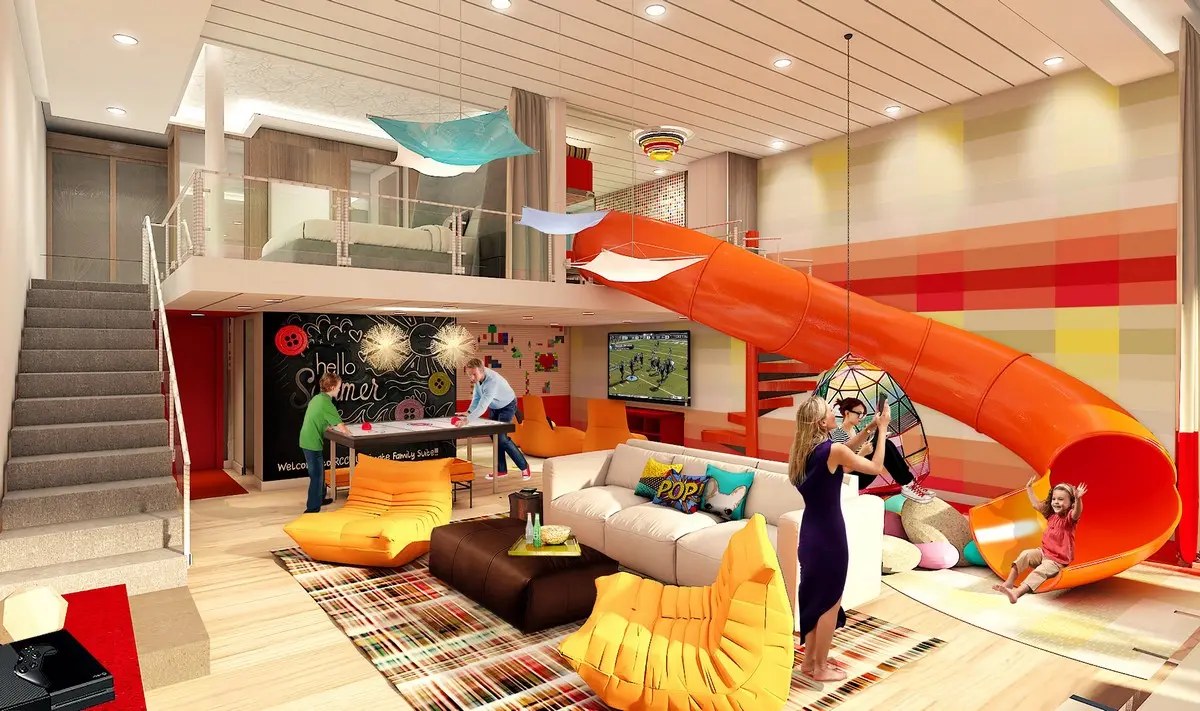
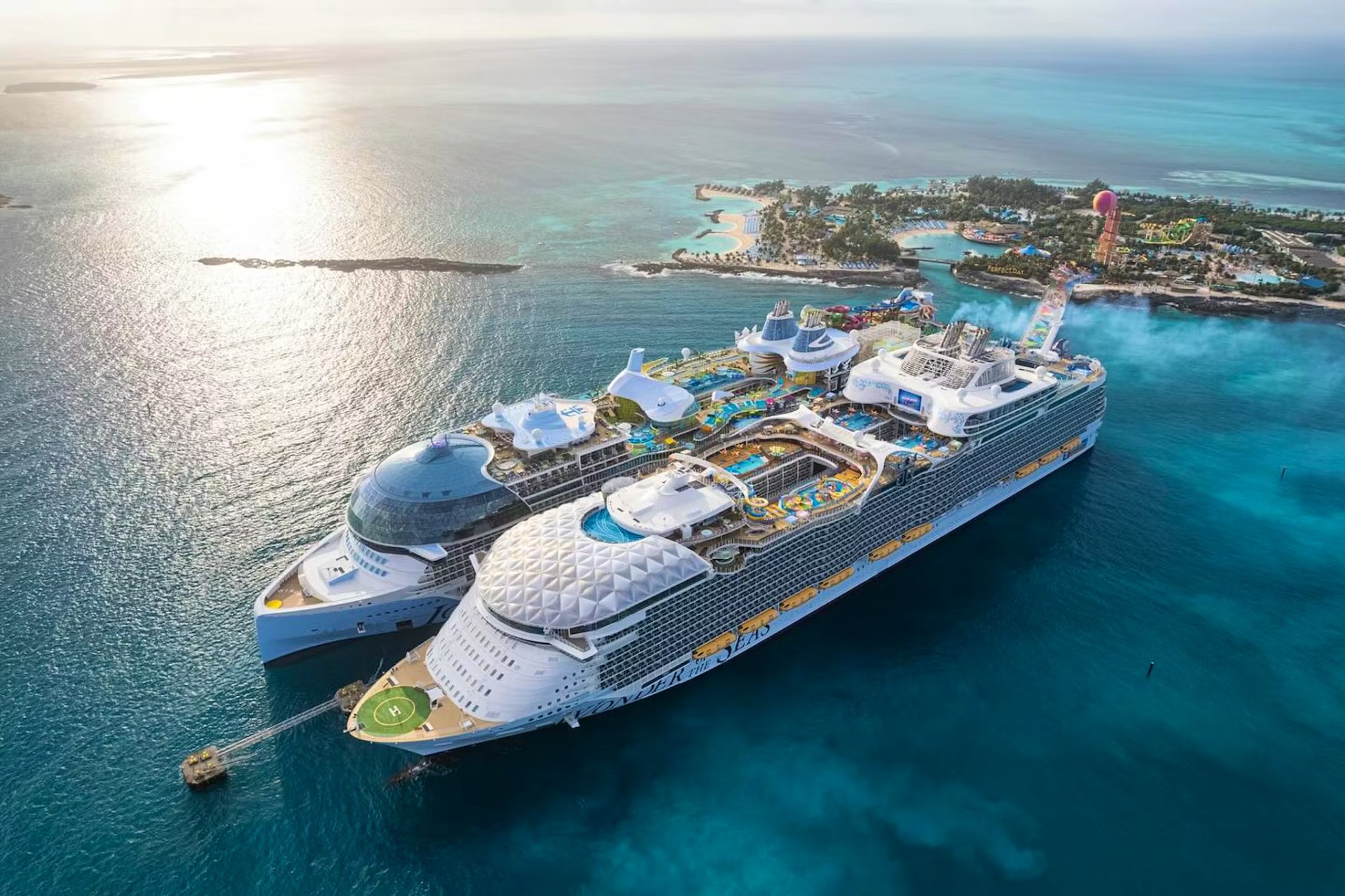
Royal Caribbean Icon-class and refined Oasis-class ships remain reference points for family vacations at scale: neighborhoods that separate thrill zones from quieter corners, vast interior promenades, and activity menus from surf simulators to high-attendance shows. Expect peak times at buffets and popular venues—plan dining reservations early and use sea days to explore quieter decks.
MSC World-class ships push European styling and international dining formats with strong value positioning on many routes. Norwegian Prima-class emphasizes outdoor walkways and food hall concepts; Carnival Excel-class doubles down on fun branding and casual energy. Each class has loyalists; your task is to decide whether you want maximum variety or curated calm.
Premium and Upper-Premium Standouts
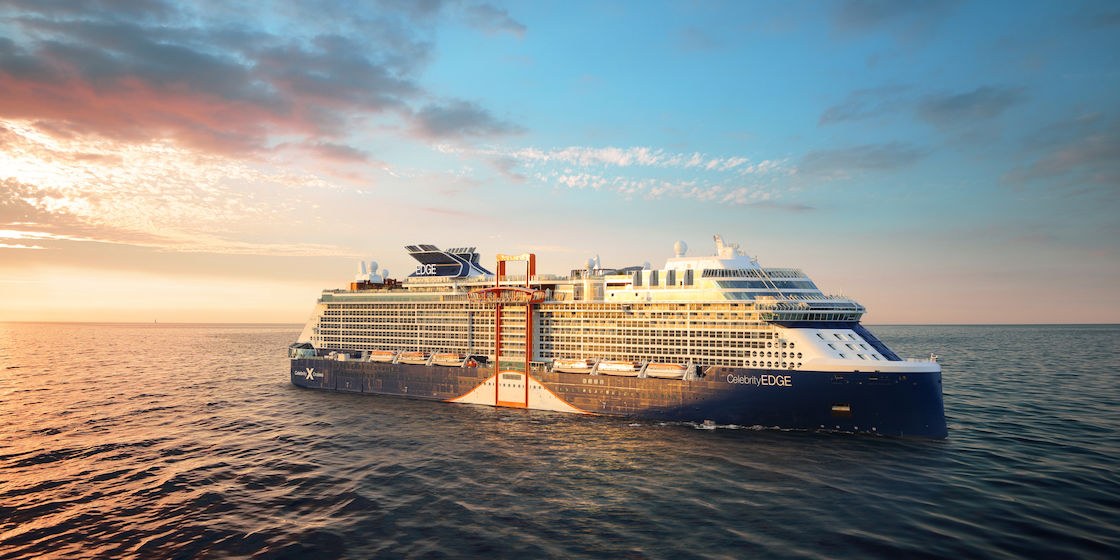
Celebrity Edge-series ships spotlight design-forward spaces and culinary partnerships; Princess Sphere-class leans into approachable premium comfort with strong service cadences. Holland America and Cunard attract travelers who prioritize jazz lounges, lectures, and formal nights over water slides.
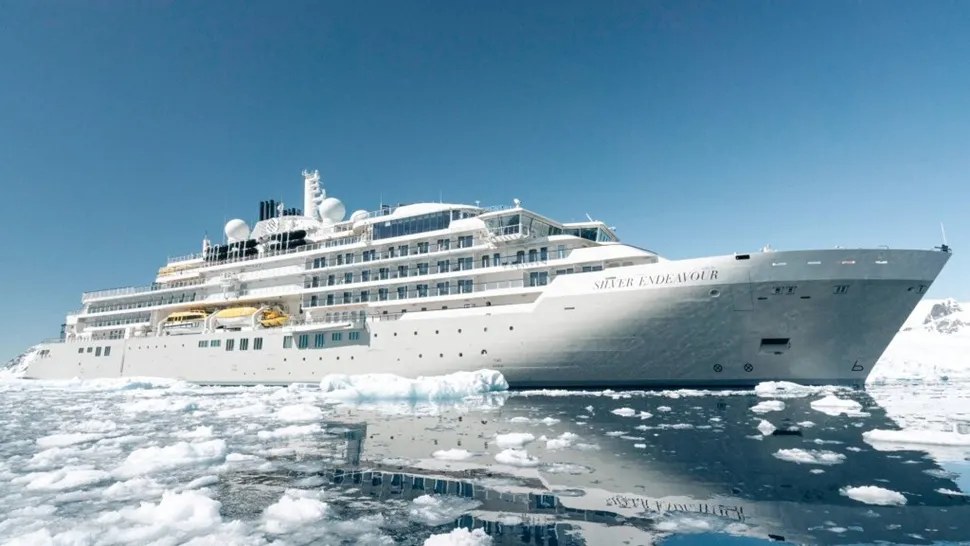
If you crave small-ship intimacy without sacrificing modern hardware, watch Viking ocean vessels and Explora Journeys for inclusive-feeling packages and destination focus. These lines trade zip lines for longer port hours and cultural programming—ideal when Mediterranean history or Baltic capitals are the point.
Ten Ships to Shortlist for 2026 (Illustrative Mix)
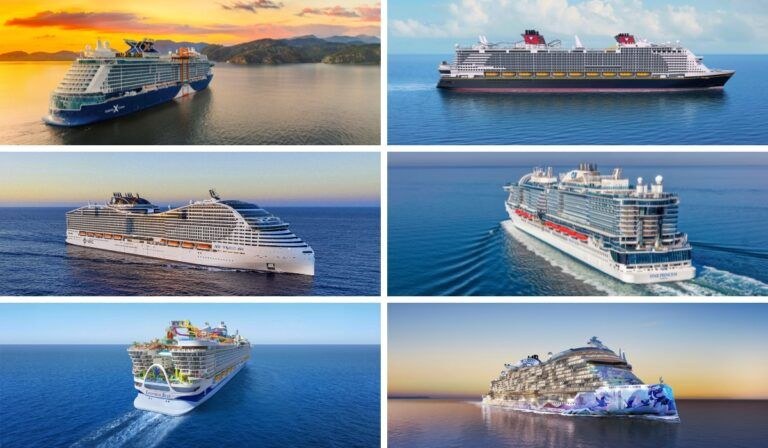
Rankings shift by region and promotion, but these ships consistently earn strong guest feedback for execution:
- 1) Icon of the Seas (Royal Caribbean) — flagship resort energy; best for families and activity seekers.
- 2) Utopia of the Seas — short Caribbean hops with Oasis-class scale; great for first-timers who want “everything.”
- 3) MSC World Europa / America — bold architecture; strong international vibe.
- 4) Norwegian Prima / Viva — outdoor promenades; flexible dining.
- 5) Carnival Jubilee / Celebration — high-energy fun ship; roller coaster novelty.
- 6) Celebrity Beyond / Ascent — design, food, adult-leaning mix.
- 7) Princess Sun Princess — approachable modern premium.
- 8) Disney Treasure / Wish — best-in-class family storytelling (premium pricing).
- 9) Queen Anne (Cunard) — grande ocean liner tradition for transatlantic style.
- 10) Viking ocean newbuilds — quiet luxury, inclusive positioning.
Swap equivalents if your line loyalty favors NCL Encore or Princess Sphere ships—class siblings often differ only in art and minor venues.
Reading Reviews Like a Pro
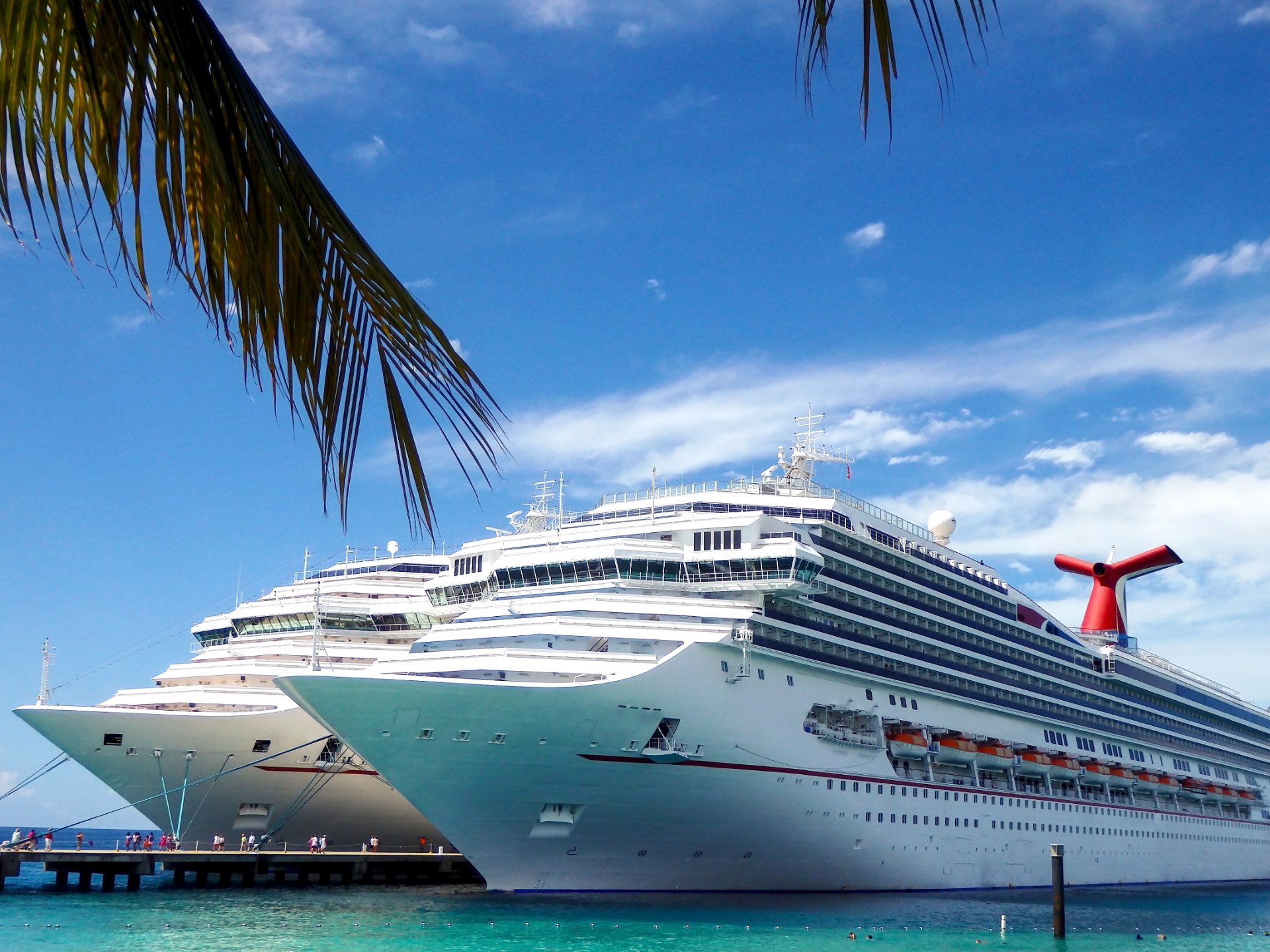
Trip reports are invaluable when they mention specific cabins and sail dates—weather changes motion perception. Red flags: repeated odor complaints near certain decks, noise from nightclubs under cabins, or long lines at must-do venues. Green flags: crew remembered preferences, specialty kitchens hit consistently, disembarkation felt organized.
Cross-check professional reviews with deck plans—sometimes a “bad” ship is a bad cabin choice.
Book suites and specialty dining early on mega-ships. Use a cruise planner to map sea days vs port days. If crowds stress you, favor ships with adult-only solariums or ship-within-a-ship suite enclaves—then protect your budget by targeting shoulder season fares.
Travel insurance with medical and trip interruption coverage remains essential in 2026 as global schedules stay dynamic.
Budgeting Fares, Promotions, and Cabin Categories
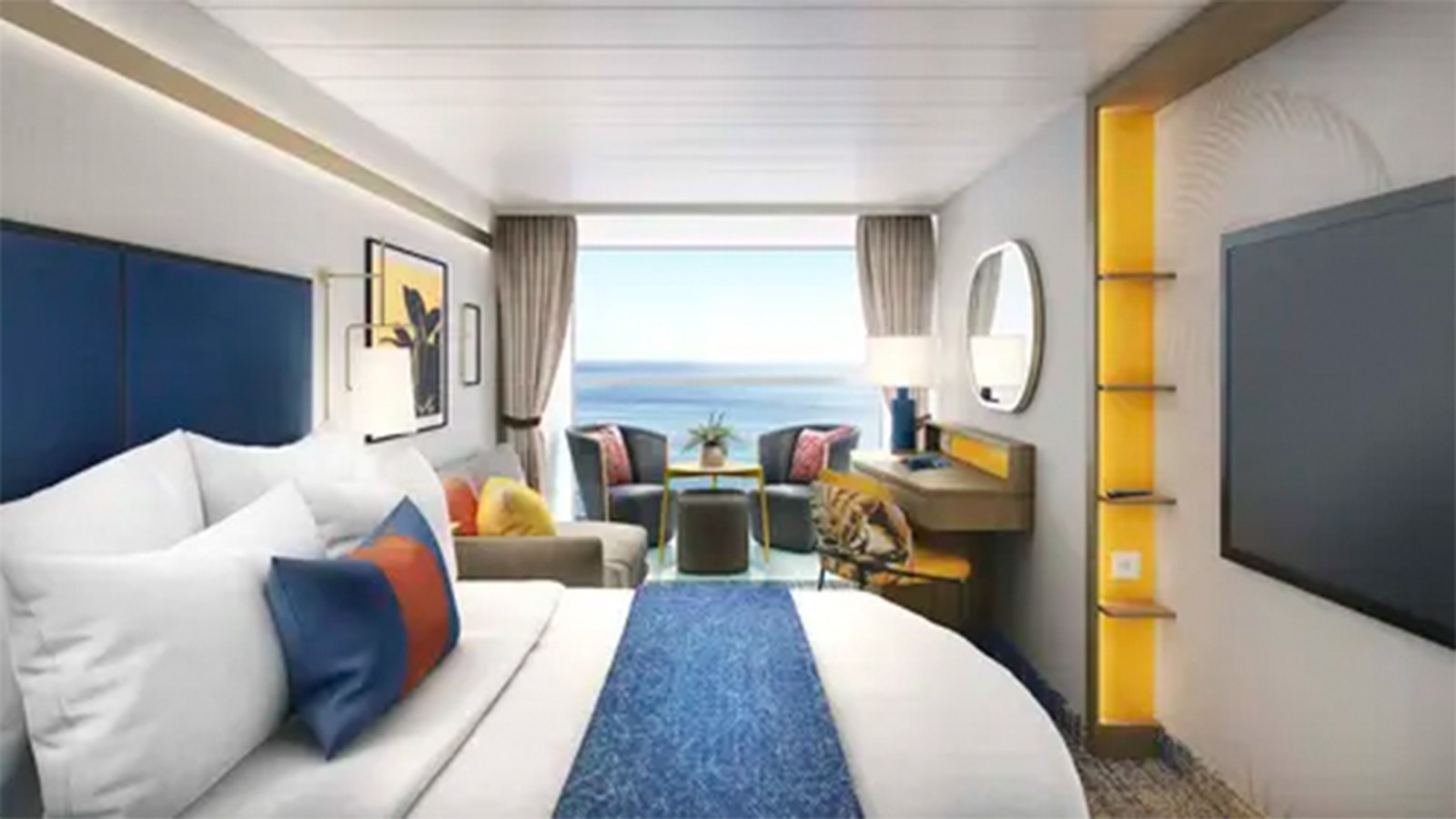
Cruise pricing in 2026 still oscillates between early-bird discounts, wave season promotions, and last-minute fills on specific sailings. Mega-ships often advertise lower lead-in inside rates but charge premiums for balconies, mini-suites, and suite amenities that define comfort on long itineraries. Read fare rules: non-refundable deposits trade flexibility for hundreds of dollars in savings—worth it only if travel dates are firm and insurance covers covered reasons for cancellation.
Gratuities, WiFi, drink packages, and specialty dining can double the per-day cost if you add everything à la carte. Model two budgets: minimalist (base fare + taxes + tips) versus comfort (package bundles you will actually use). Lines like MSC and NCL frequently bundle items in certain markets—compare total cost per night, not headline sticker price alone.
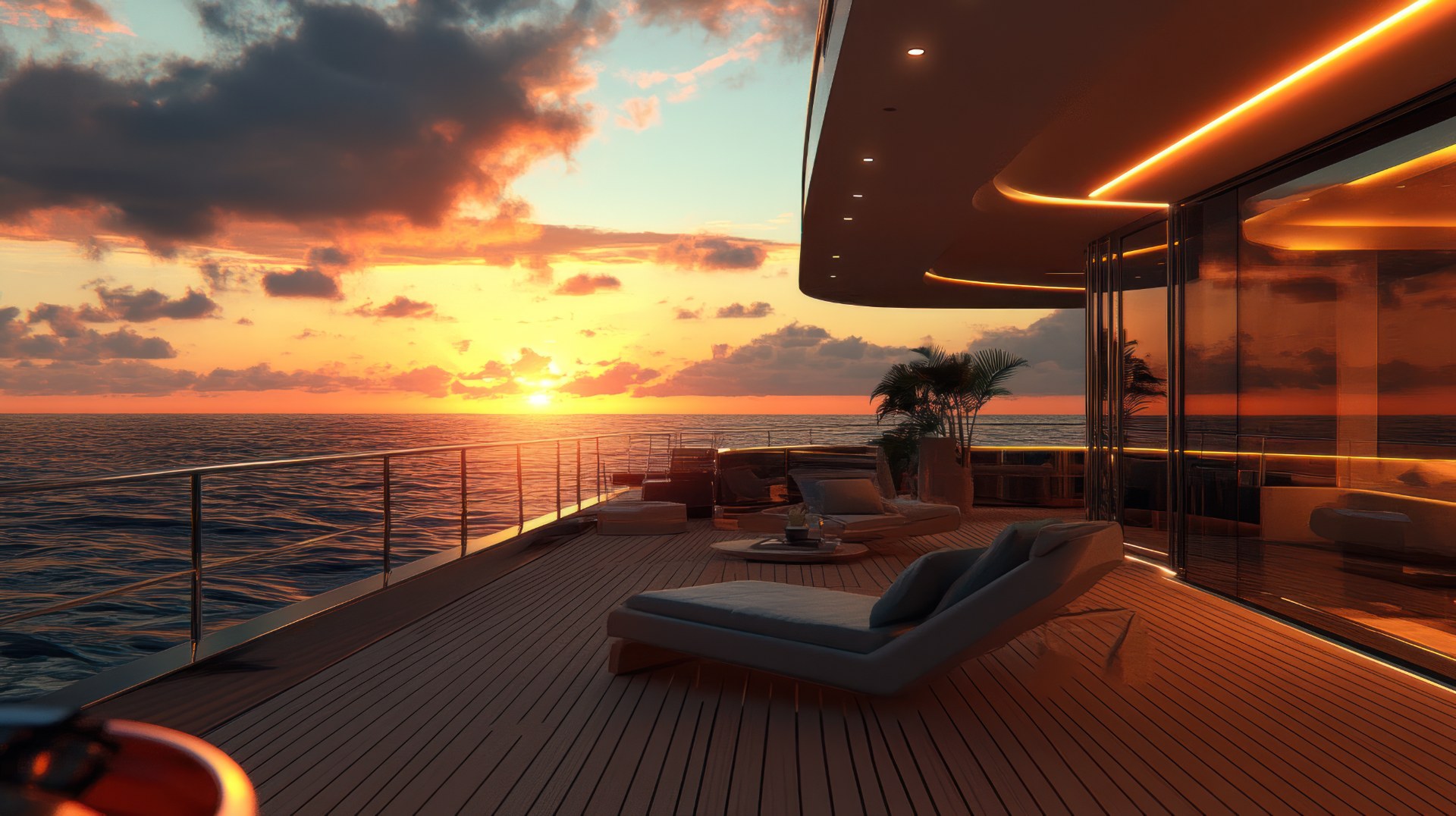
Cabin choice changes perceived ship quality more than marketing sometimes admits. Virtual balconies and interior rooms with clever storage work well for port-heavy trips where you only sleep in the room. Balconies pay off on sea-day-heavy Alaska or transatlantic routes when private outdoor space anchors relaxation. Connecting rooms and family suites sell out earliest—book those categories the moment you commit to school-break weeks.
Accessibility, Mobility, and Health Considerations
Modern mega-ships invest heavily in accessible cabins, pool lifts, theater seating, and boarding assistance, but not every tender port or excursion bus matches shipboard standards. Guests with mobility devices should confirm door widths, threshold heights, and charging outlets for scooters before final payment. Expedition-style ports (stairs, cobblestones, steep ramps) may require private tours with adapted vehicles—ship excursions sometimes cap walking distances explicitly.
Medical centers handle acute issues but bill like urgent care at sea—travel insurance with primary medical coverage reduces surprise invoices. Chronic conditions need extra medication days in carry-ons, not checked bags. Motion sensitivity responds to midship lower decks, medication plans discussed with physicians, and itineraries with fewer open-ocean hops when possible.
Sustainability Signals Serious Cruisers Notice in 2026
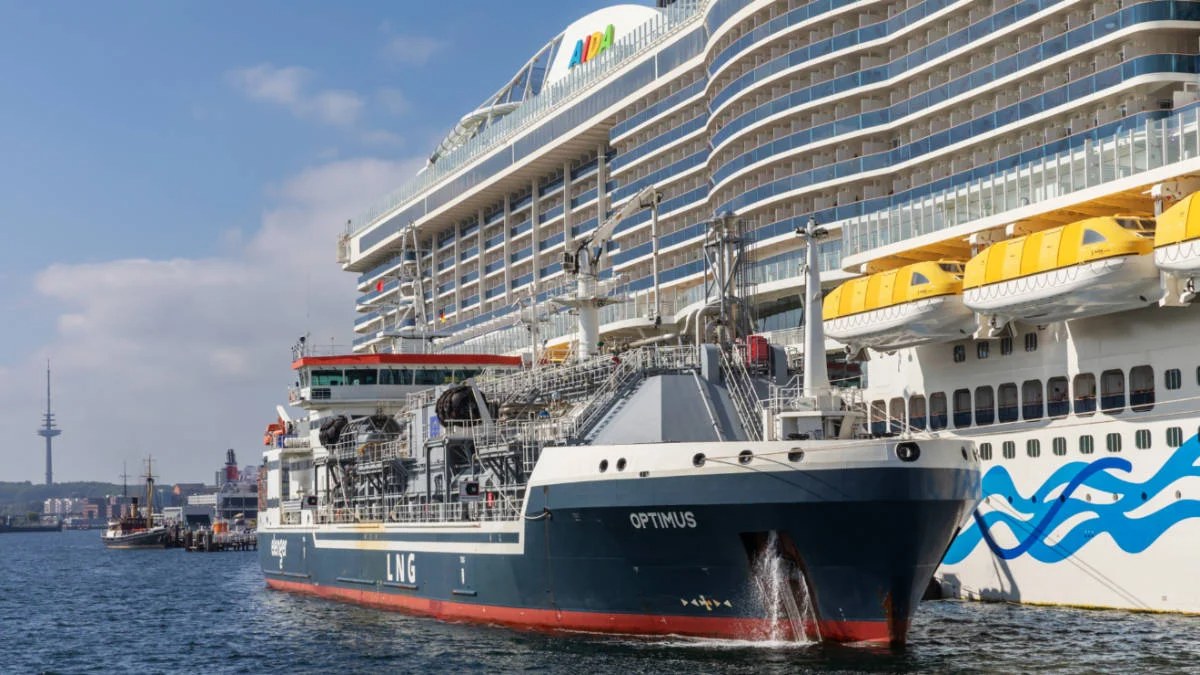
Shore-power plug-ins, LNG and dual-fuel engines, advanced wastewater treatment, and single-use plastic reductions appear in corporate reports—some ports now prioritize greener ships when allocating berths. Guests may not feel these systems directly, but quieter machinery near cabins below pool decks and less sooty exhaust plumes during maneuvering hint at newer propulsion packages.
Choosing a ship is also choosing an environmental footprint per passenger-mile. Smaller ships often burn more fuel per berth on long distances but displace fewer guests per port call—tradeoffs are complex. Whatever ship you pick, offset excursion choices with local operators who pay living wages and protect wildlife—sustainable travel pairs with sustainable ships when you plan holistically.
Start with dates and region, then filter by ship size tolerance, then by suite vs balcony economics. Read 20 recent reviews per finalist ship, not two. Cross-check deck plans for noise vectors and book dining windows early. The “top” ship in 2026 is the one that aligns with your pace, your crew, and your shore ambitions—use this framework and adjust as promotions shift.
Loyalty Programs and Onboard Spending Discipline
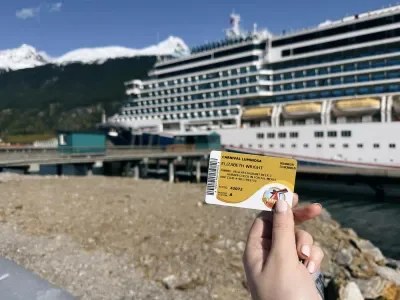
Cruise line loyalty status can unlock priority boarding, complimentary laundry credits, internet minutes, and specialty dining vouchers—small perks that compound on long voyages. If you are brand-agnostic, compare status match promotions occasionally advertised when lines want to win switchers. Onboard spending discipline matters too: casino floors, photo packages, spa upsells, and art auctions can eclipse the fare savings you painstakingly negotiated. Set a daily onboard budget in your cruise planner app, track against it mid-cruise, and remember that the best ship experiences—sunrise on deck, conversation with new friends, quiet reading in a hidden lounge—often cost nothing extra.
Confirm passport validity, visa rules for your nationality, vaccination paperwork if required, and credit card travel notifications so embarkation charges do not decline. Screenshot deck plans for your shortlist cabins and email yourself the fare rules before the booking timer expires—clarity now prevents expensive changes later. If you hesitate between two ships, choose the one with better deck placement for your sleep style—you will thank yourself at 2 a.m. in rough seas. Screenshot fare inclusions side by side before you pay the deposit. Happy sailing. When in doubt, choose the ship that matches your sleep style and dining rhythm first—everything else is negotiable with planning.