Why Dress Codes Still Exist at Sea

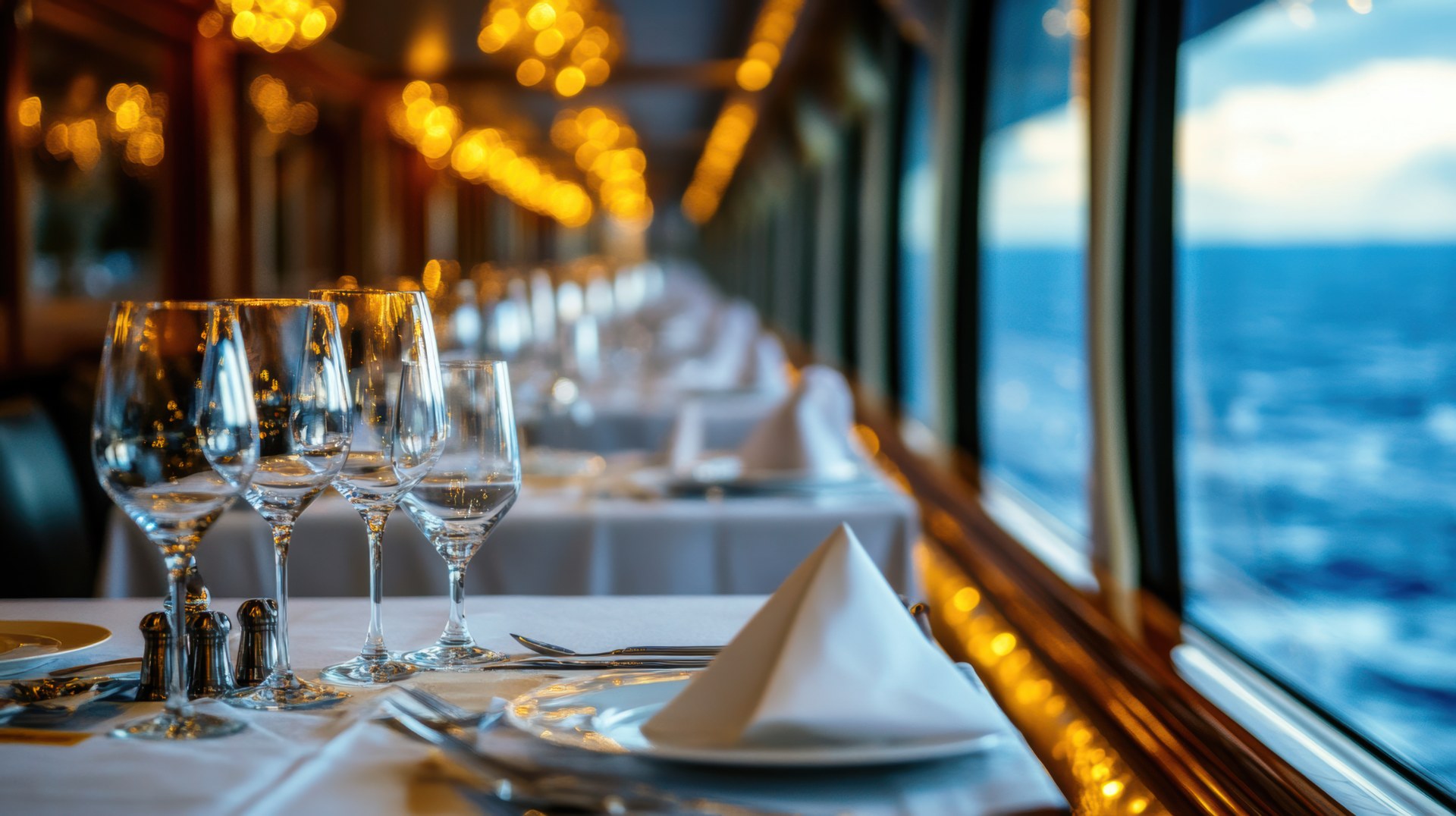
Cruise lines use dress codes to signal evening ambience—main dining rooms want cohesion between buffet afternoons and chandelier dinners. Formal nights photograph well for family portraits and anchor traditions on lines like Cunard and Holland America. Freestyle lines relax rules but still ban pool attire in dining venues after 6 p.m.
Theme nights (white party, 70s, tropical) add optional fun—participate if you enjoy costume energy, skip without penalty on most ships.
Decoding Resort Casual, Smart Casual, and Evening Chic
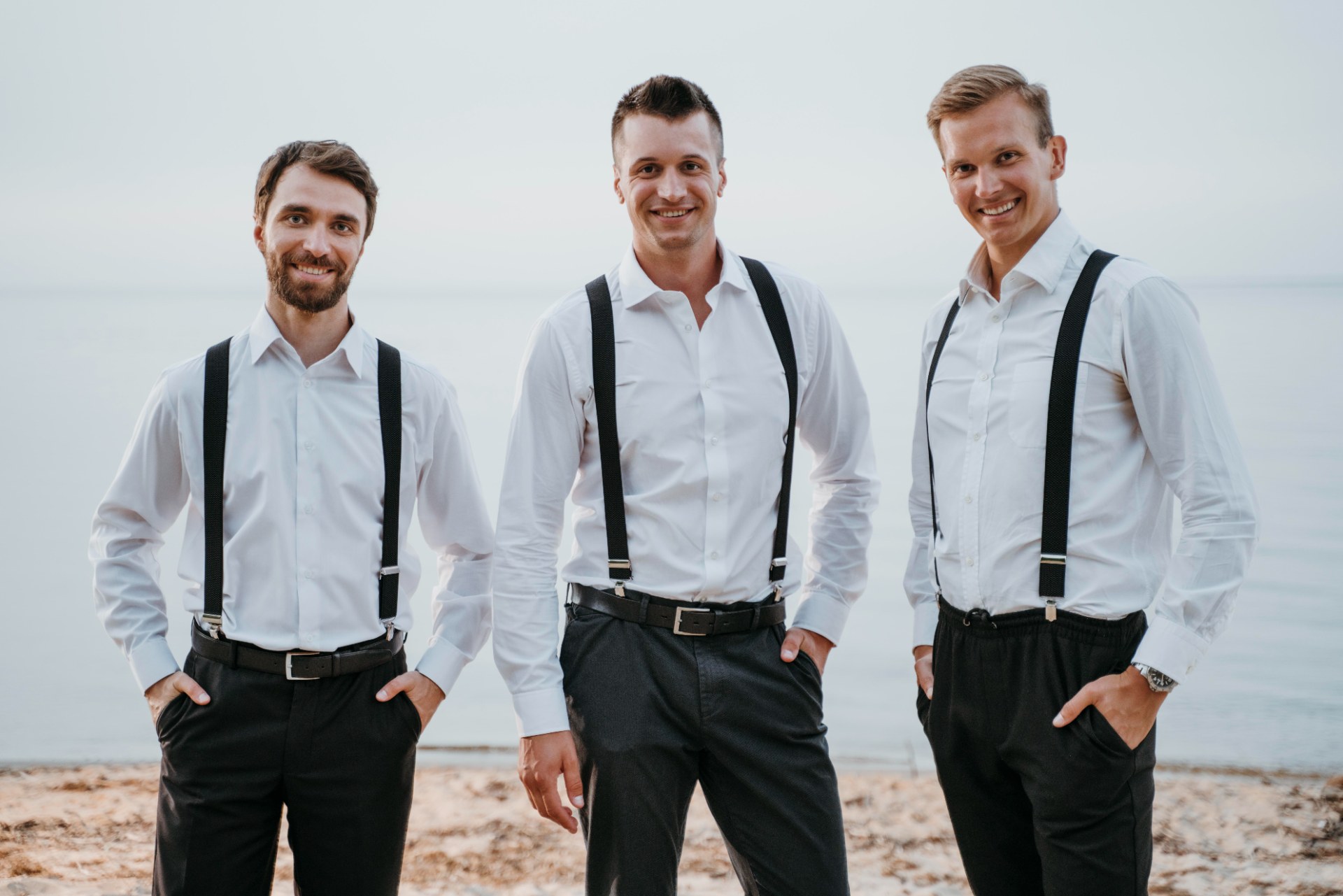
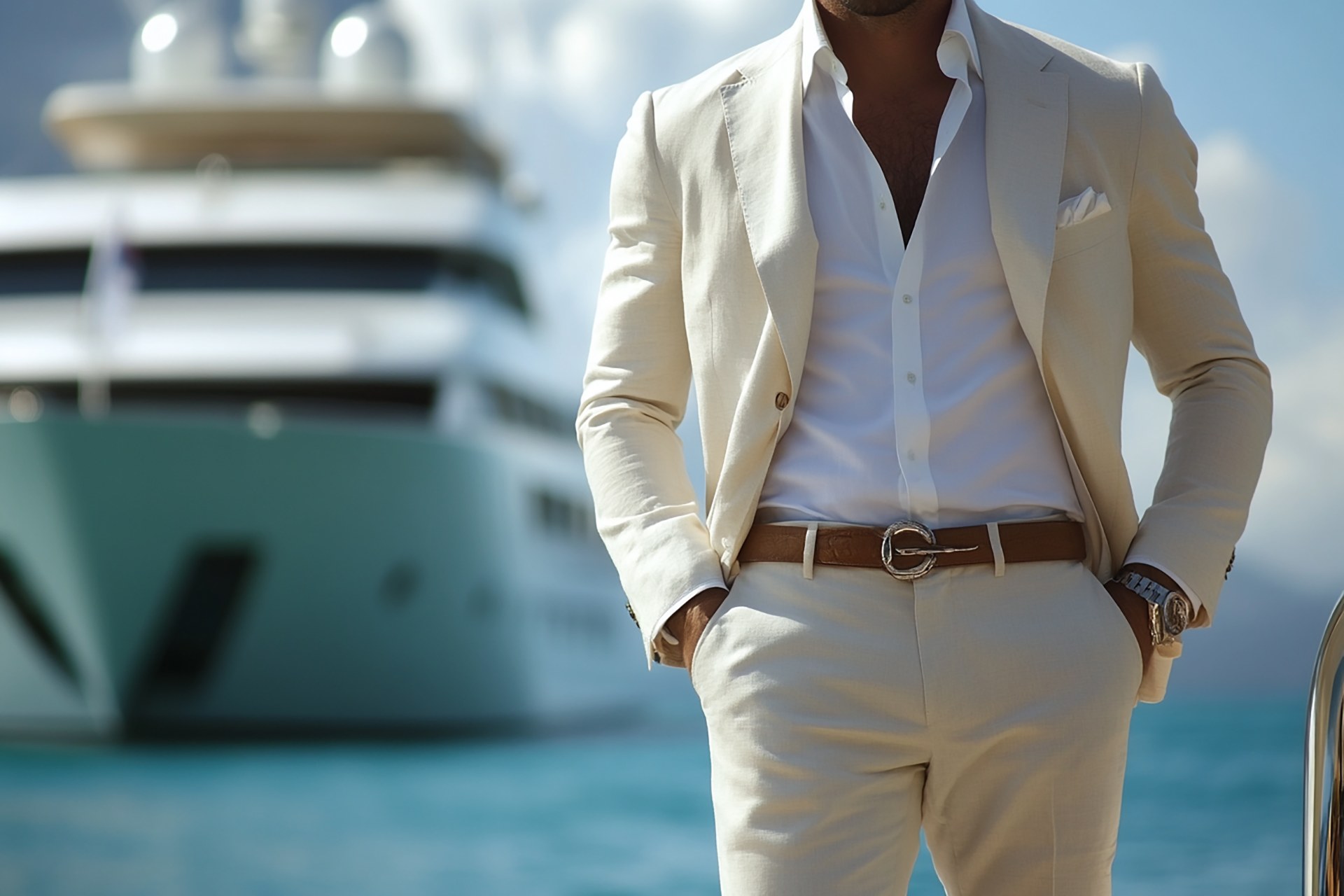
Resort casual means collared shirts, dresses, nice sandals—not gym shorts or flip-flops. Smart casual adds optional blazers for men and cocktail dresses for women. Evening chic (Celebrity-style) invites statement pieces without full black-tie. Formal traditionally means suits or tuxedos and gowns or cocktail length—verify your line because “formal” relaxed post-pandemic on some brands.
Line-by-Line Tendencies (General Patterns)
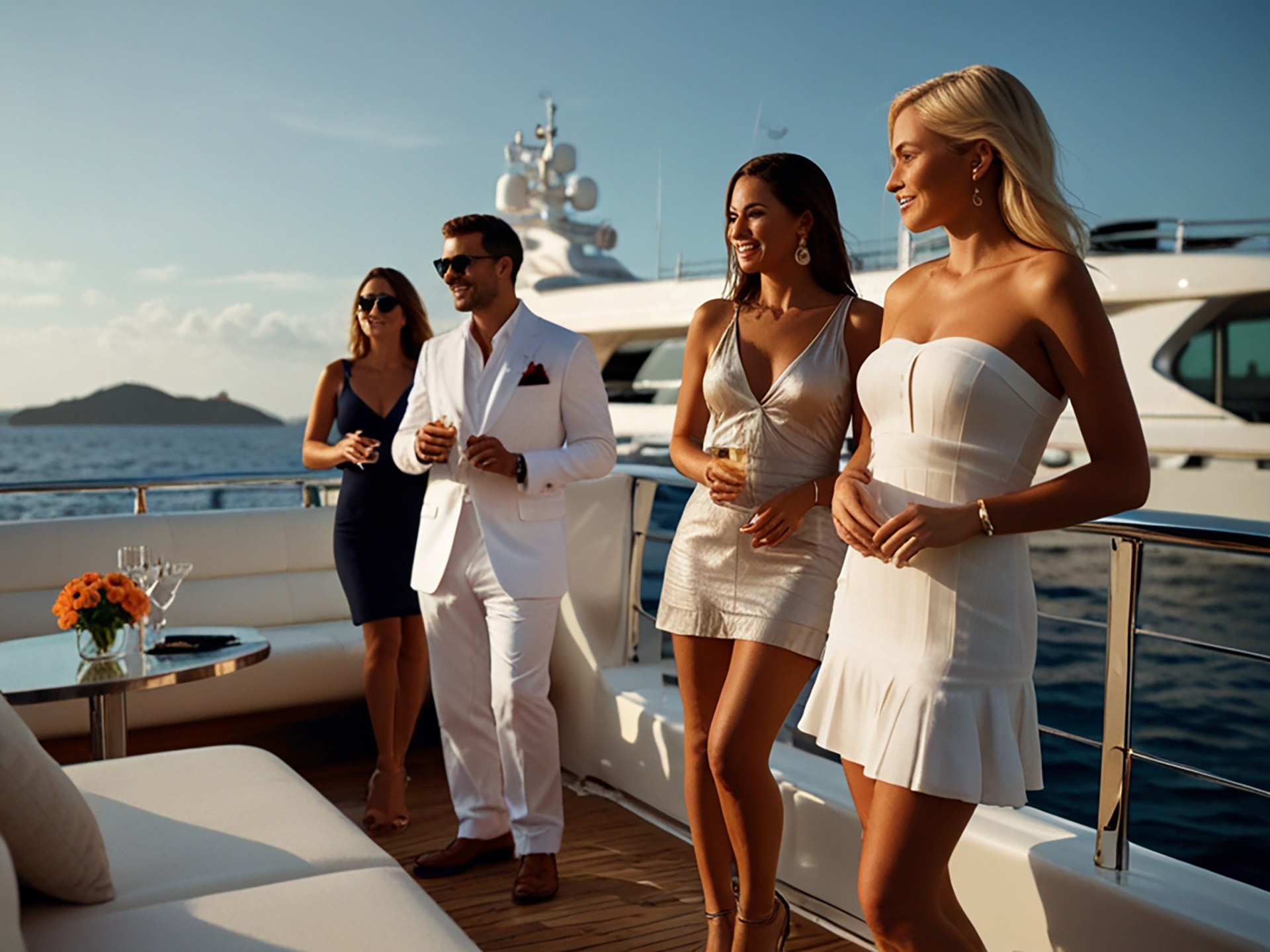
Royal Caribbean and Carnival lean casual with one or two “cruise elegant” evenings on longer sailings. Norwegian Freestyle avoids forced formal but specialty venues may request collared shirts. Princess and Holland America often hold structured formal or gala expectations on traditional dining. Cunard keeps true formal nights central. Virgin Voyages skips formal nights—edgy evening wear welcome.
Always read pre-cruise documents—policies shift by ship and region.
Packing Strategies: Capsule Wardrobe for 7–14 Nights
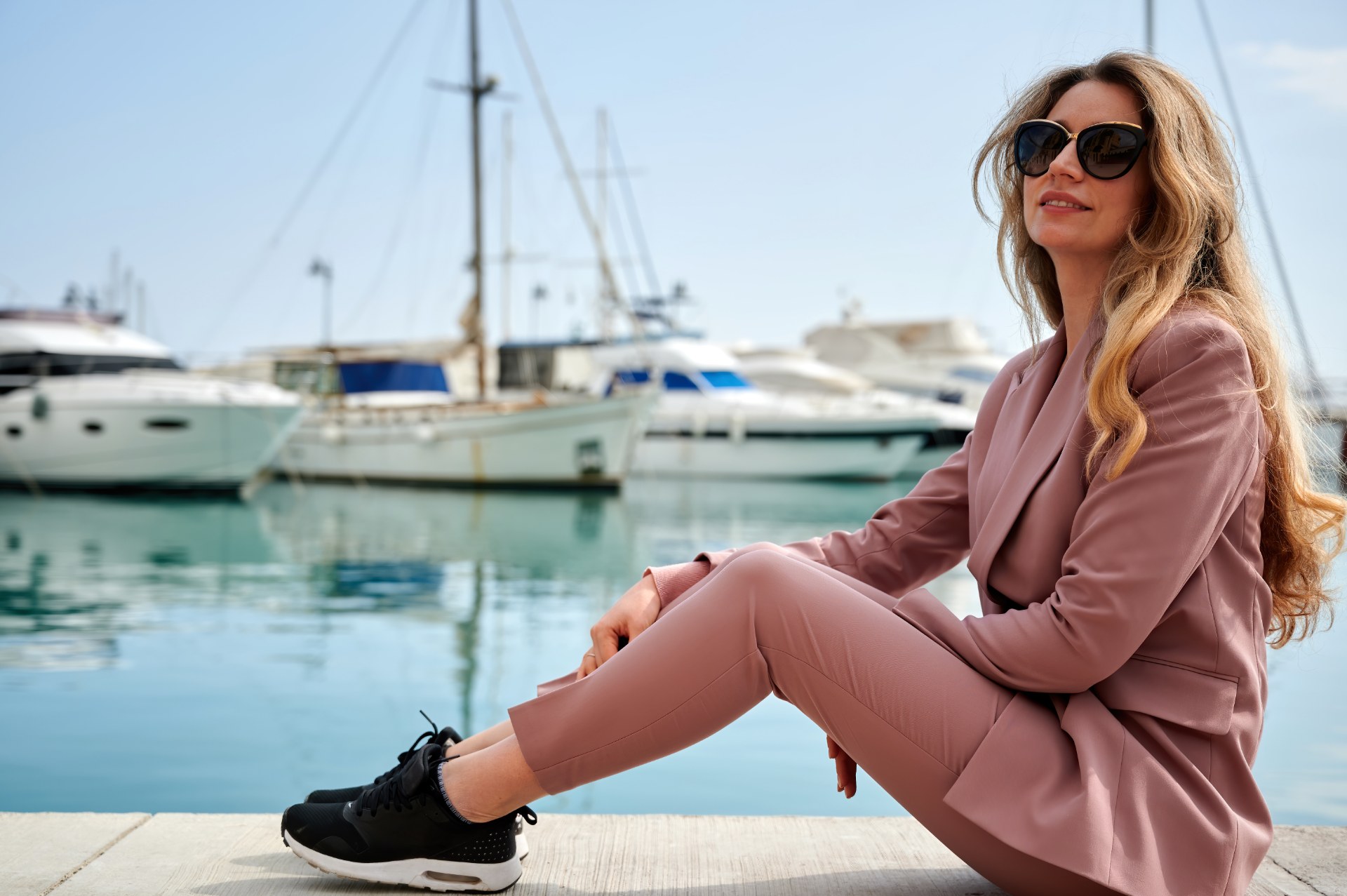
Men: dark slacks ×2, blazer, button shirts ×3, polos, one tie optional, comfortable dress shoes. Women: mix-and-match dresses, wrap, statement jewelry, low heels and flats. Unisex: wrinkle-resistant fabrics, laundry plan (ship laundry or sink wash).
Caribbean heat favors linen blends; Alaska and Northern Europe need layers under formal outerwear for deck photos.
Steakhouses and chef’s tables often request smart attire even when main dining is casual—read booking confirmations. Shorts may be banned after certain hours regardless of main dining code.
Theme Nights and What to Pack vs Buy Onboard
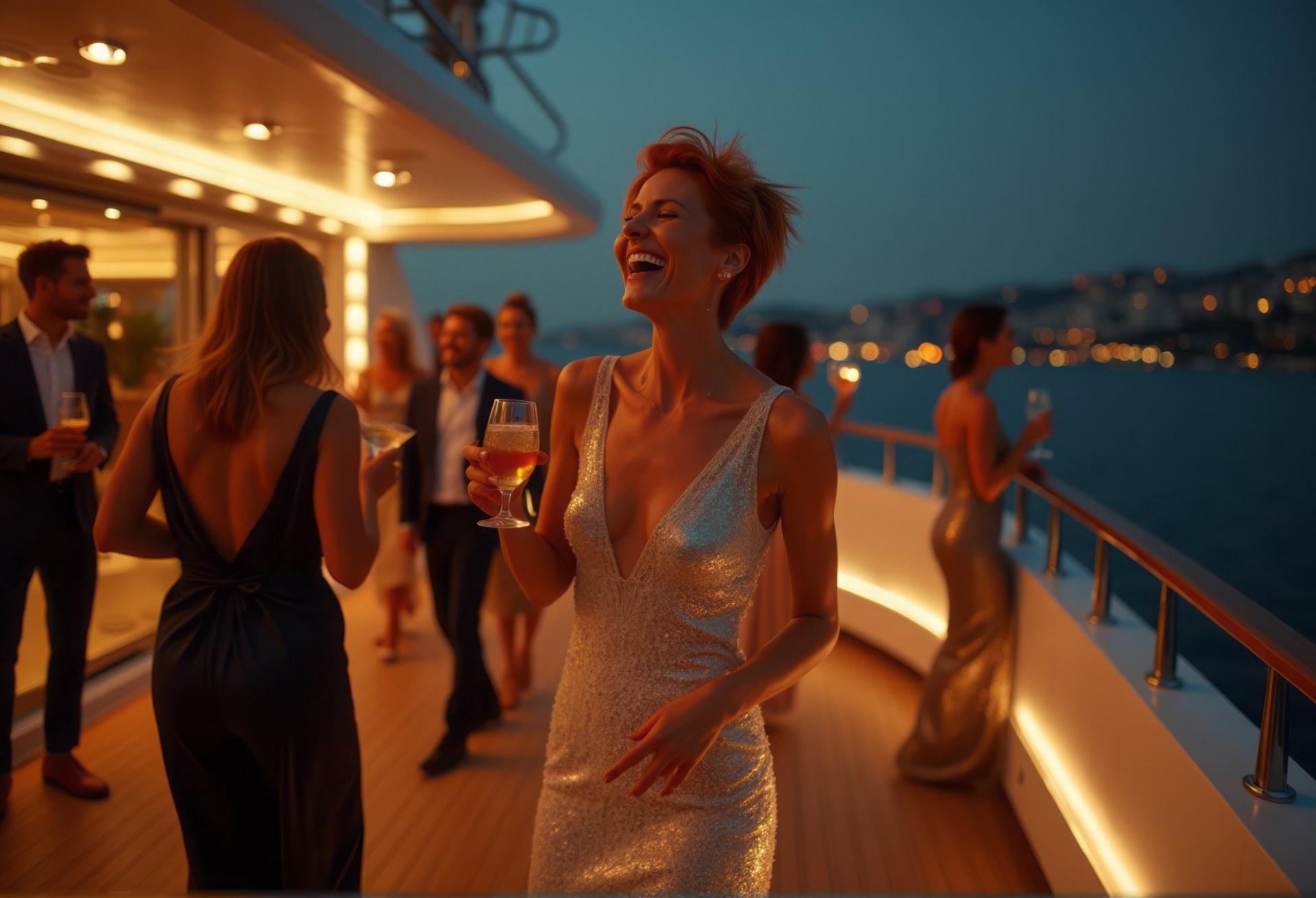
Pirate night, glow party, white night—pack lightweight accessories rather than full costumes unless you love photos. LED accessories for deck parties fit in carry-ons. Check if the line sells merch onboard before overpacking props.
Kids, Teens, and Family Formal Photos
Kids’ formal wear should match comfort—uncomfortable kids skip photos fast. Many lines offer early seating for families—ask maitre d’ embarkation day. Matching outfits photograph well but stress parents—prioritize sleep over perfection.
What Not to Wear (Almost Everywhere)
Bathrobes outside spa, bare feet in buffets, offensive graphics, overly revealing pool wear in dining venues. Crew may turn guests away—save embarrassment with a cover-up and dry clothes.
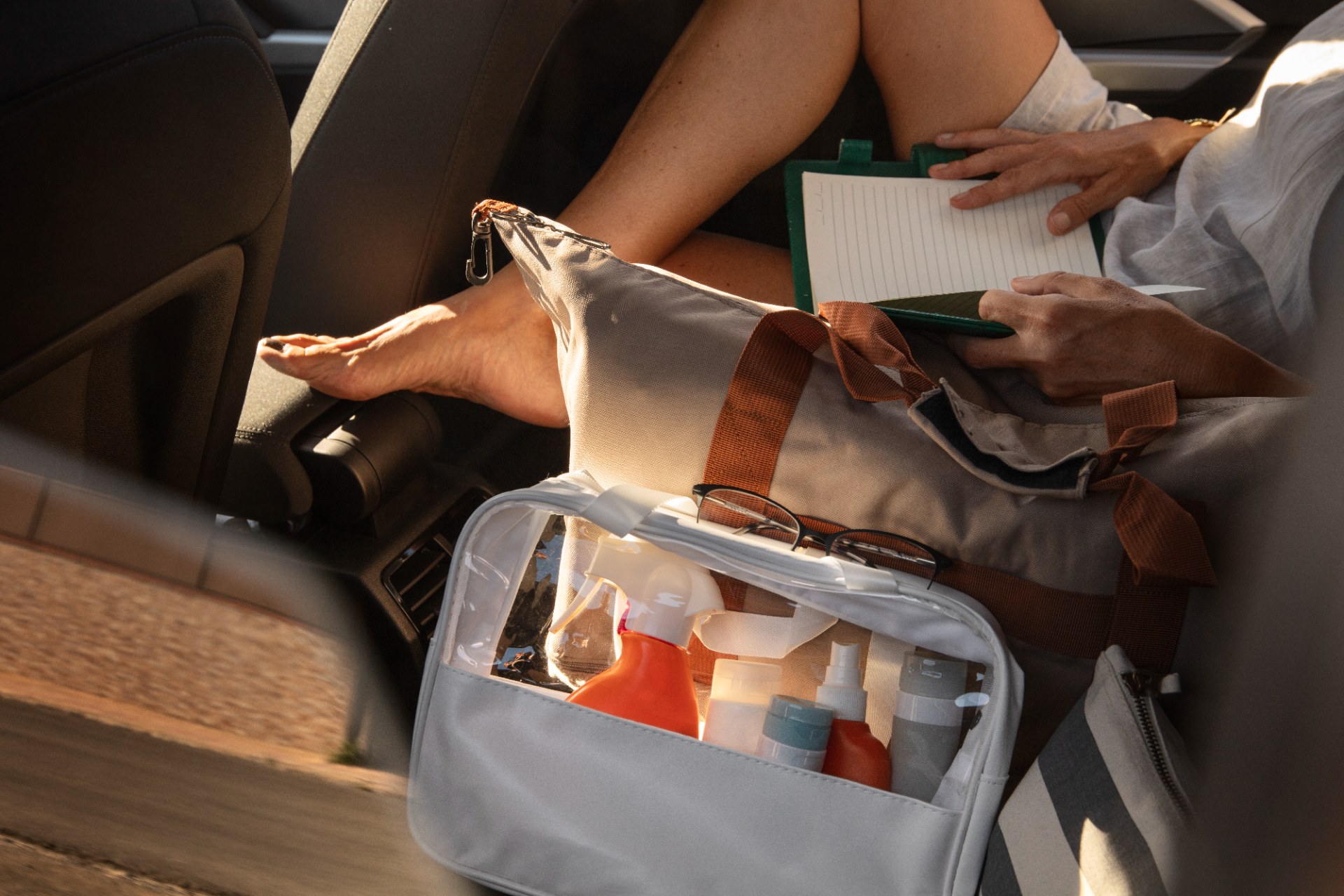
Ship irons are often fire hazards—use pressing services or wrinkle-release spray. Packing cubes and rolling reduce crease. Hang formal wear in bathroom during showers for steam touch-ups.
Confidence Is the Best Outfit
Dress codes aim for atmosphere, not exclusion. If unsure, lean slightly smarter than casual—you will blend in main dining. Pack one elevated outfit you love—cruising rewards people who feel good in their clothes, not people who own the most gowns.