What Makes Norwegian Fjord Cruises Unique
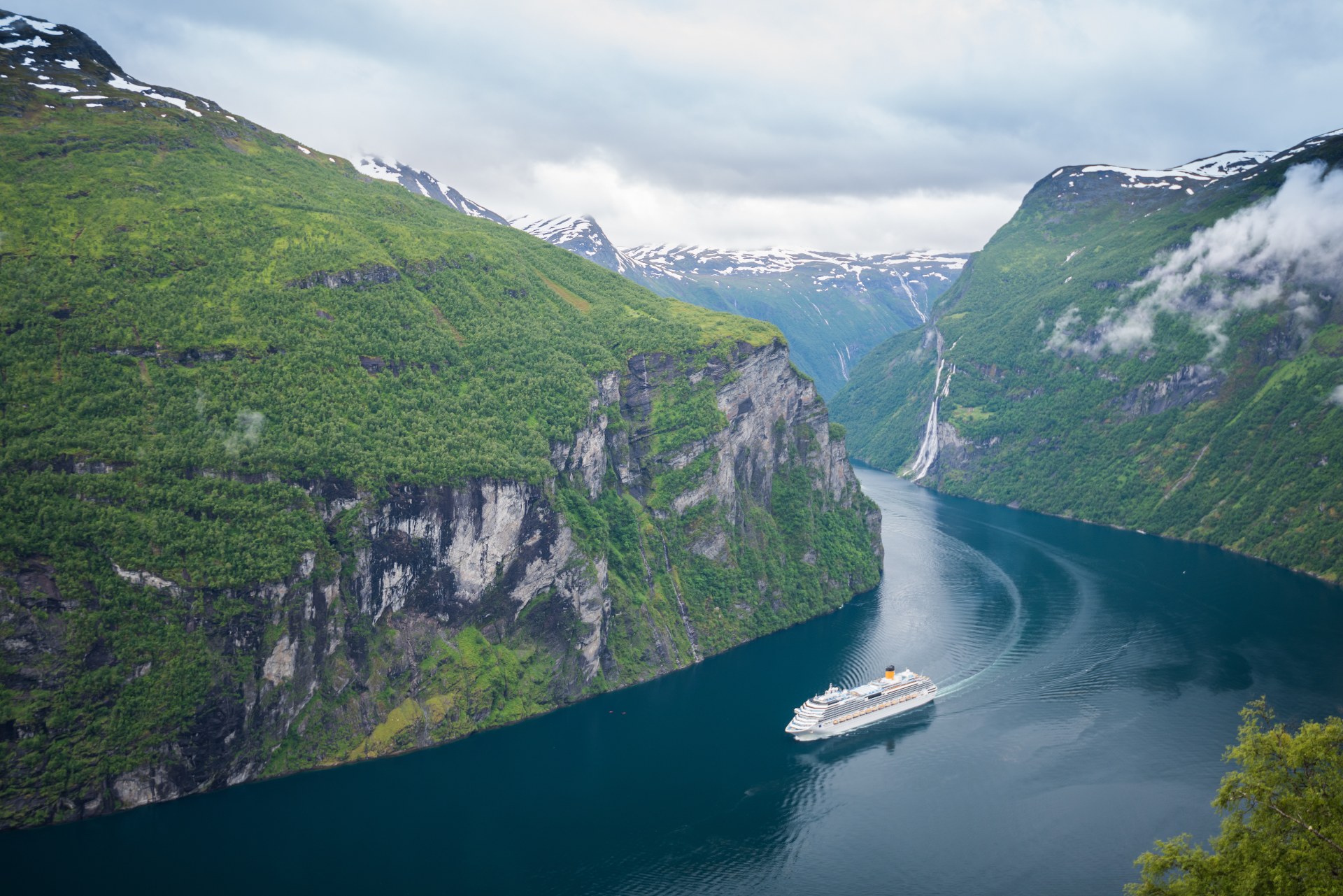
Fjord cruises thread narrow channels flanked by thousand-meter walls—ships sail slowly for photos and safety. Ports like Bergen, Flåm, Geiranger, Ålesund, Stavanger, and Olden offer rail trips, hikes, kayaks, and Viking history. Midnight sun north of the Arctic Circle in summer extends golden-hour photography; shoulder seasons bring fewer tourists and lower prices but shorter days and colder rain.
Unlike warm-water cruises, pool time matters less—wrap decks and observation lounges define sea days.
Best Time to Visit: June Through August vs Shoulder Months
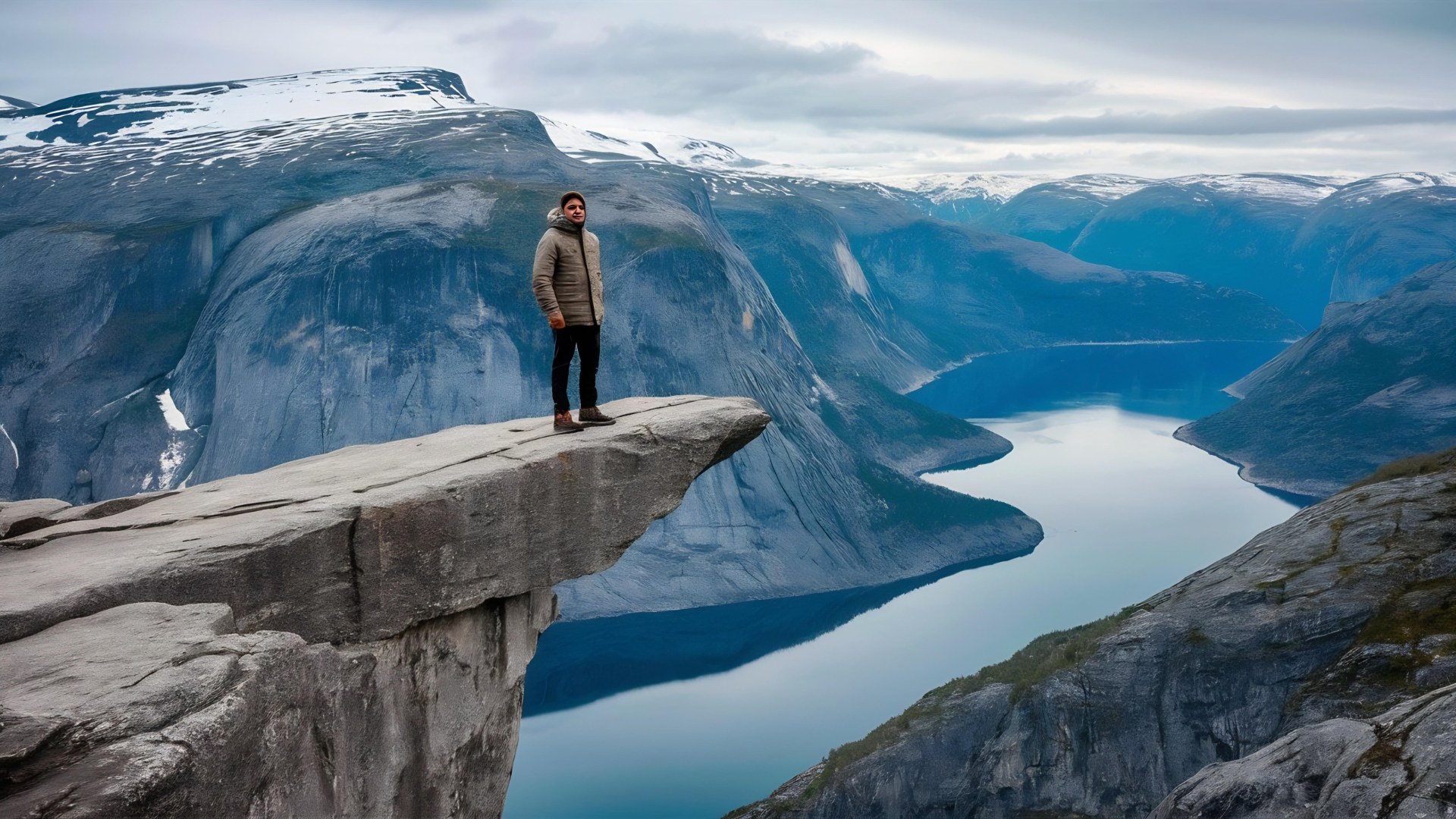
Peak summer delivers the most reliable weather and maximum daylight—ideal for a first fjord trip. May and September offer quieter trails and lower fares but risk more rain and some reduced hours. Northern Lights are not the focus of summer fjord cruises—chase auroras on dedicated winter itineraries instead.
Signature Ports and What to Do in Each
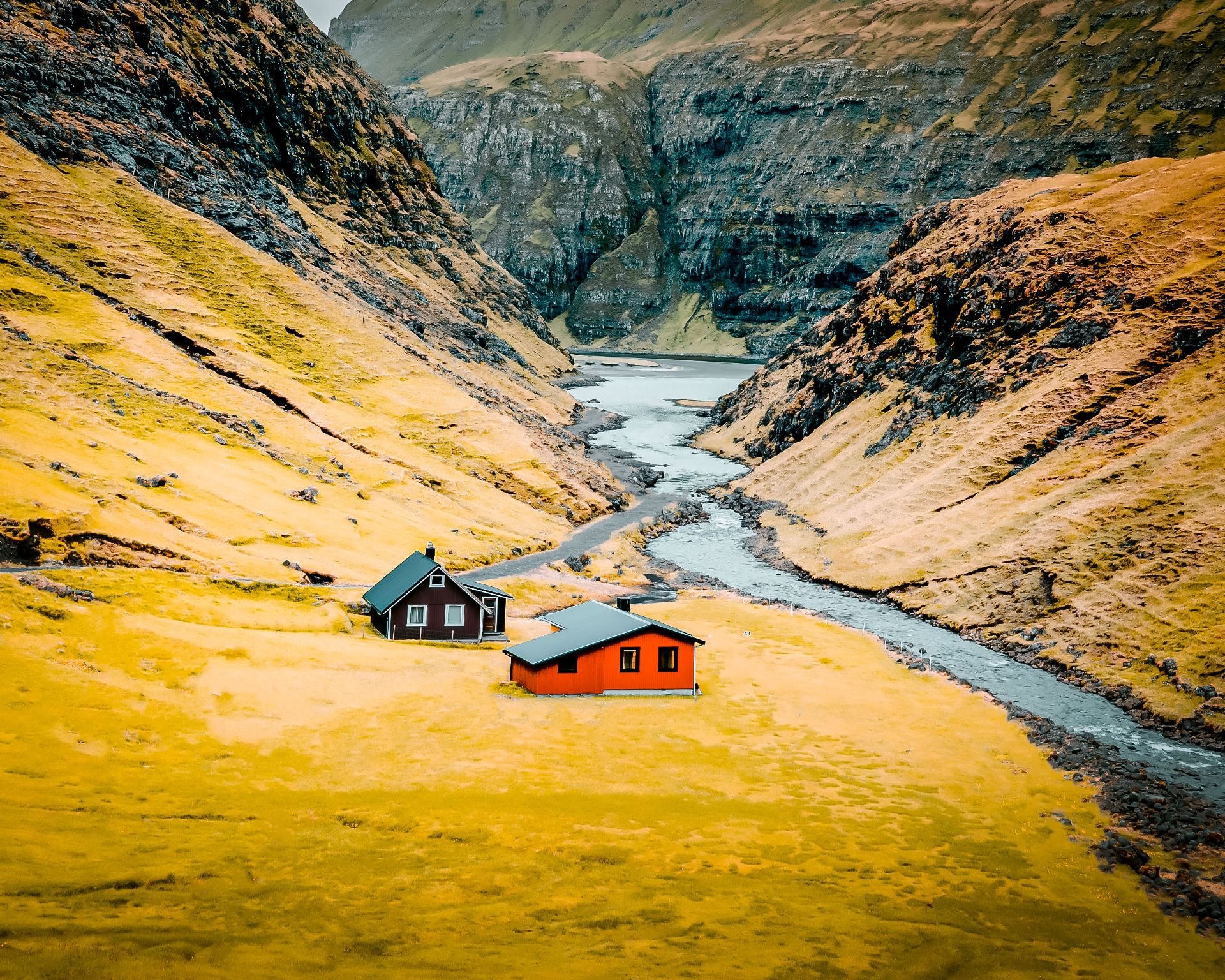
Bergen: Bryggen wharf, funicular to Mount Fløyen, fish market. Flåm: Flåm Railway to Myrdal—book early in peak. Geiranger: Geirangerfjord overlooks, kayaking, waterfall hikes. Ålesund: Art Nouveau architecture, viewpoints. Stavanger: Preikestolen (Pulpit Rock) requires a long hiking day—verify ship times versus trail duration. Olden: Briksdal Glacier access via troll cars or hike.
Prioritize one major hike or rail journey per trip—overbooking ports creates stress on tight all-aboard windows.
Scenic Cruising: Why You Should Wake Up Early
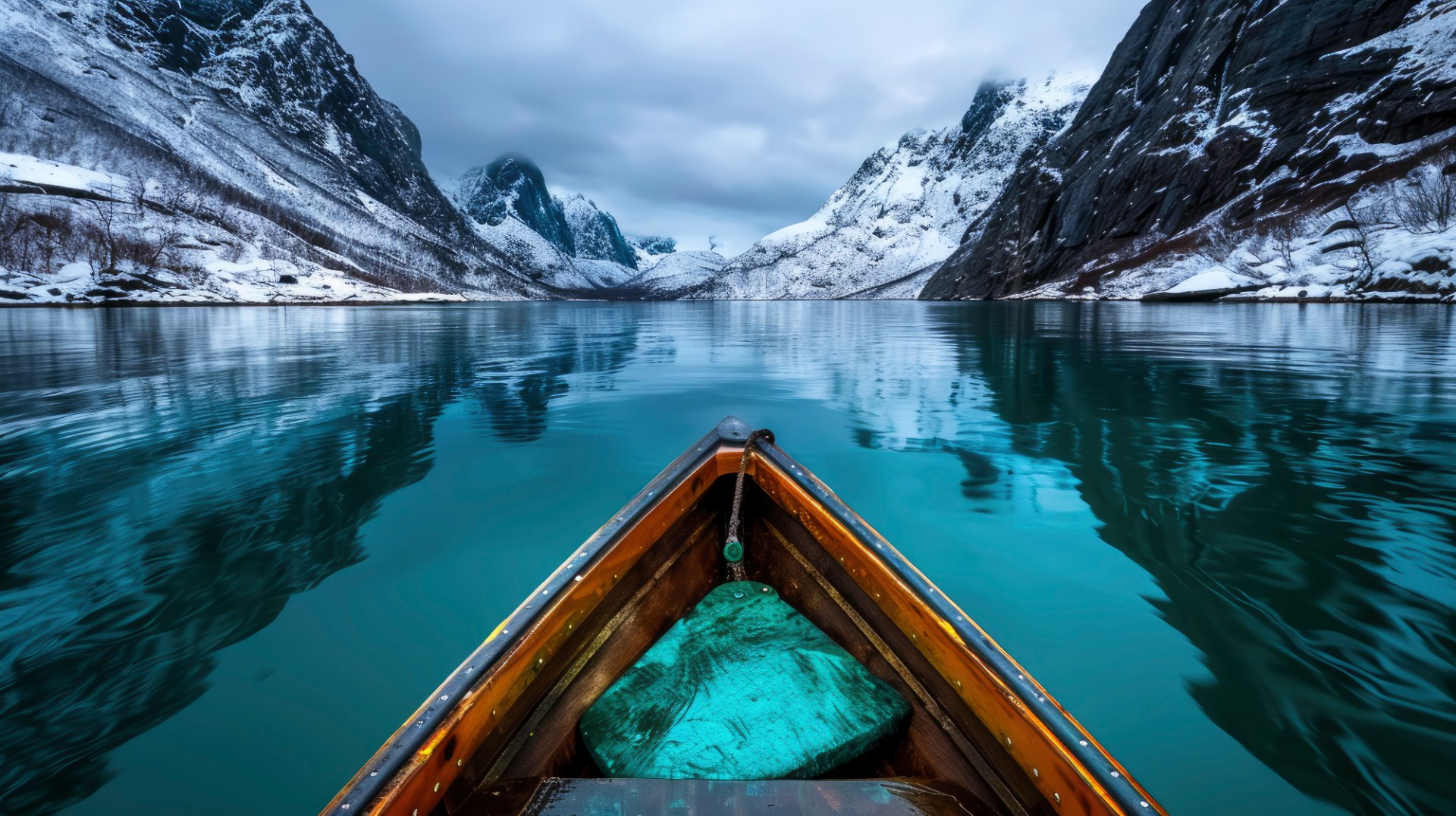
The captain may execute slow turns in Geirangerfjord or Sognefjord arms—read the daily planner for port-side orientation. Dress in layers on outer decks—wind chill surprises even in July. Charge batteries the night before—cold drains phones fast.
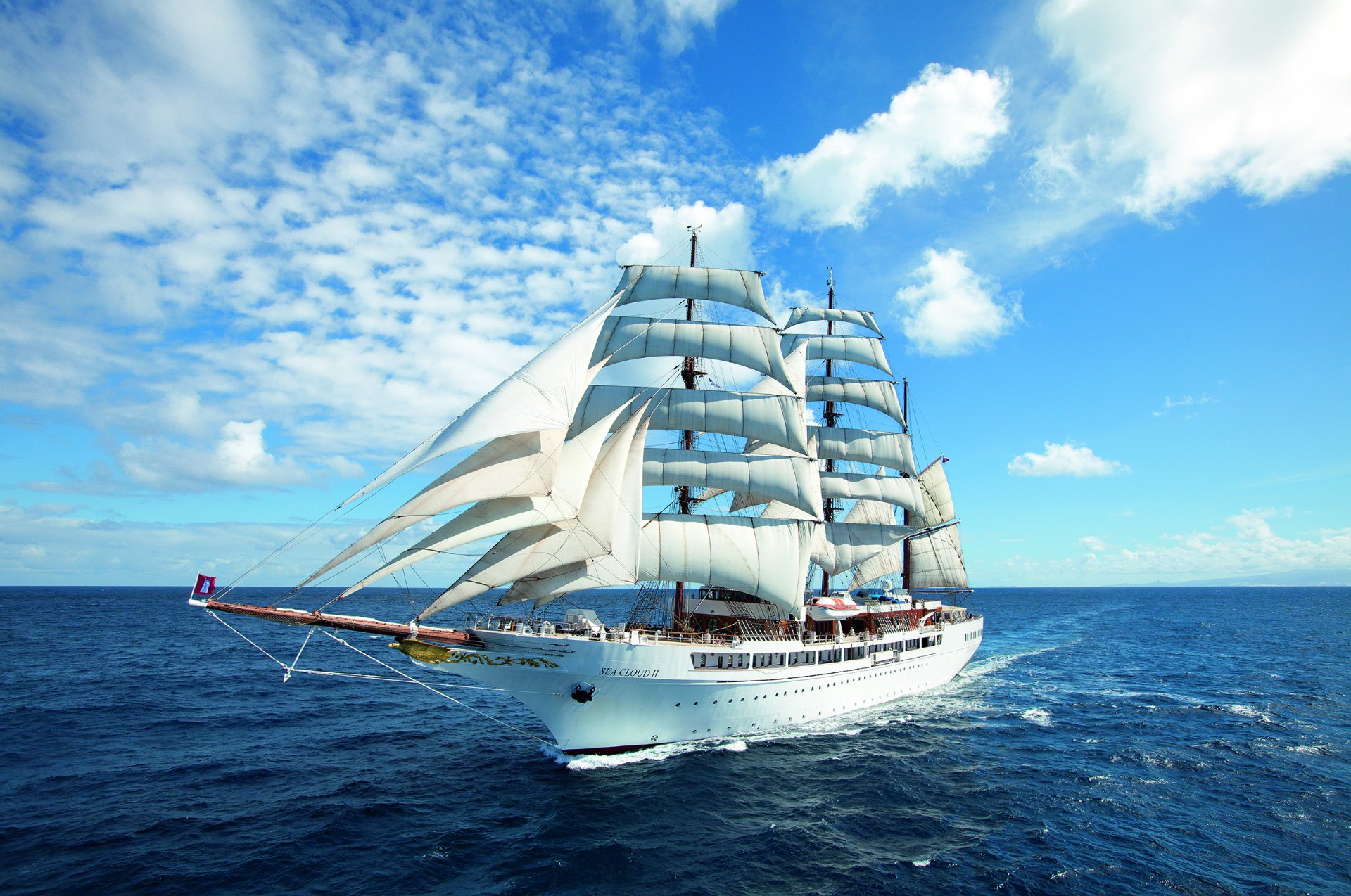
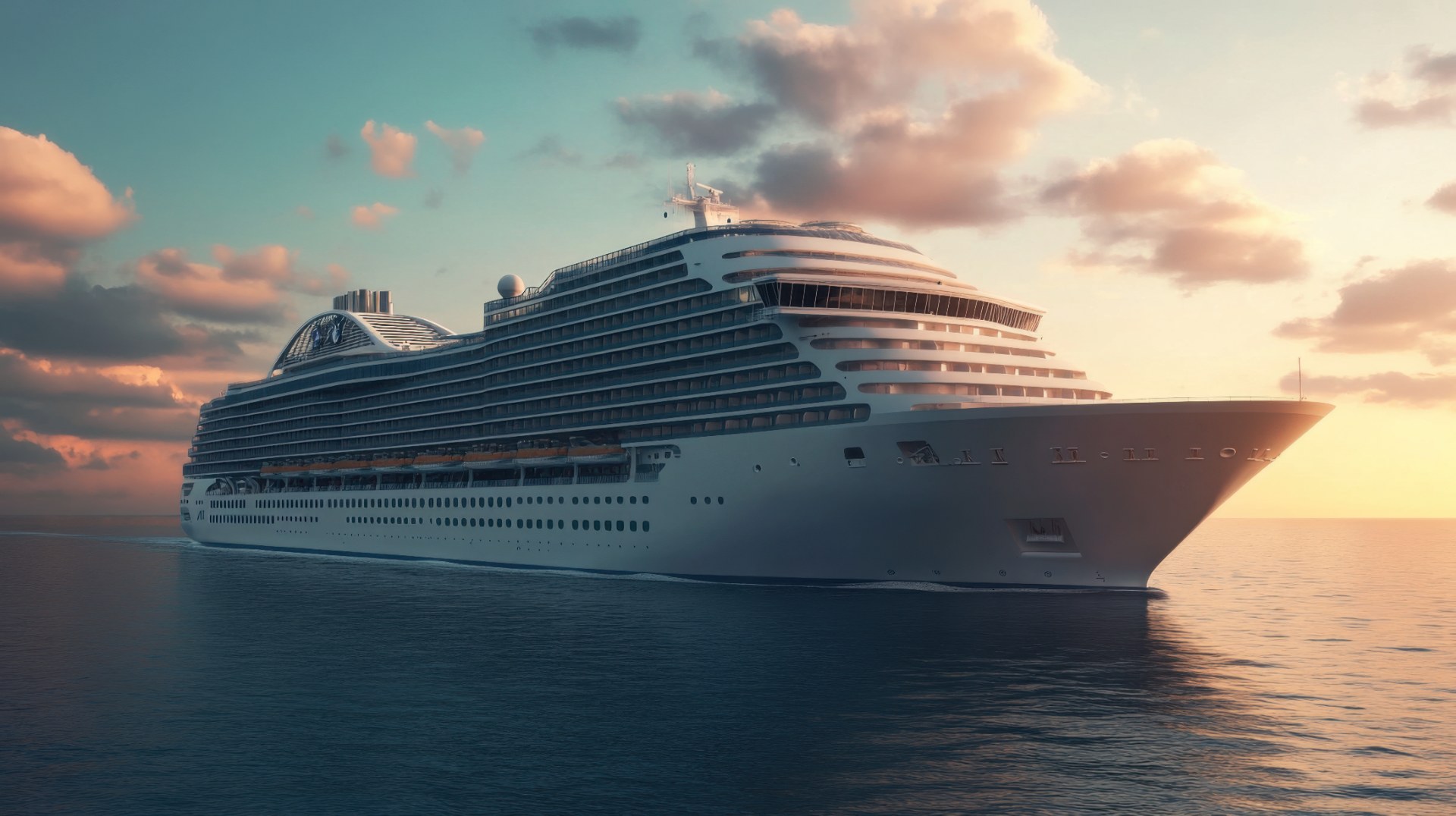
Mega-ships navigate major fjords but may swap tiny ports for anchor calls. Smaller ships enter tighter arms and dock closer to villages—trade entertainment variety for proximity. Expedition vessels add kayak launches and lectures—choose by comfort with motion and desire for luxury versus exploration.
Budgeting Norway: Exchange, Excursions, and Dining Ashore
Norway ranks among Europe’s most expensive countries—budget for coffee, sandwiches, and beer ashore beyond ship meals. Ship excursions simplify logistics but cost premiums—independent travelers can use public trains and buses where schedules align with ship times (verify buffer for delays).
Packing for Rain, Wind, and Variable Terrain
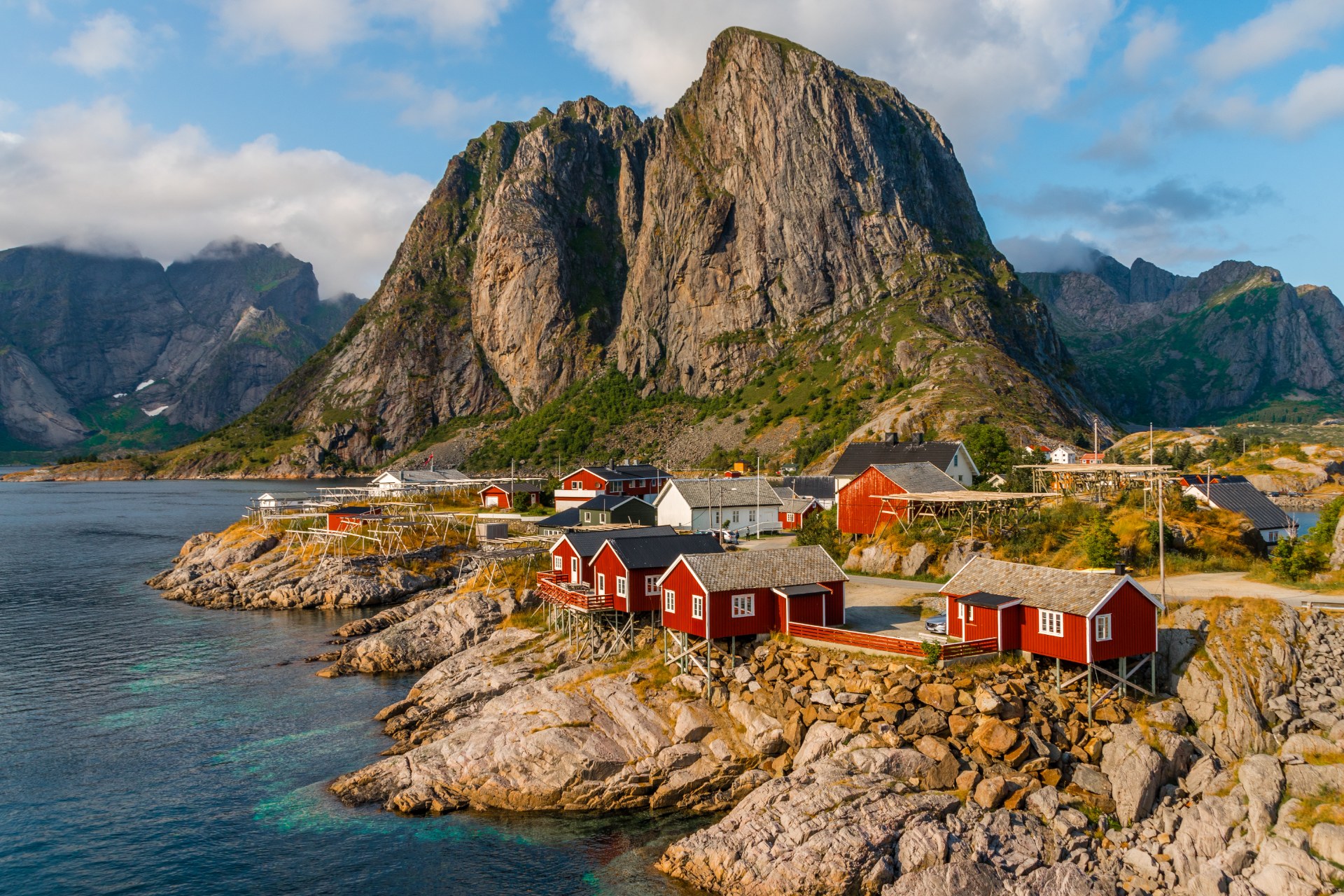
Waterproof jacket, packable down, quick-dry pants, hiking boots with ankle support for uneven trails, gloves, beanie, daypack. Umbrellas struggle in fjord wind—hoods win. Formal wear follows your line’s code—Norwegian itineraries often lean smart casual.
Culture and Etiquette
Norwegians value personal space and punctuality—queue politely, keep voices low on public transport, and tip only when service warrants (often included). Learn a few phrases—“takk” goes far.
Stick to marked trails, avoid disturbing farm animals, choose operators with clear environmental policies. Cruise lines increasingly use shore power where available—support local guides who live year-round in fjord communities.
Is a Norwegian Fjords Cruise Worth It?
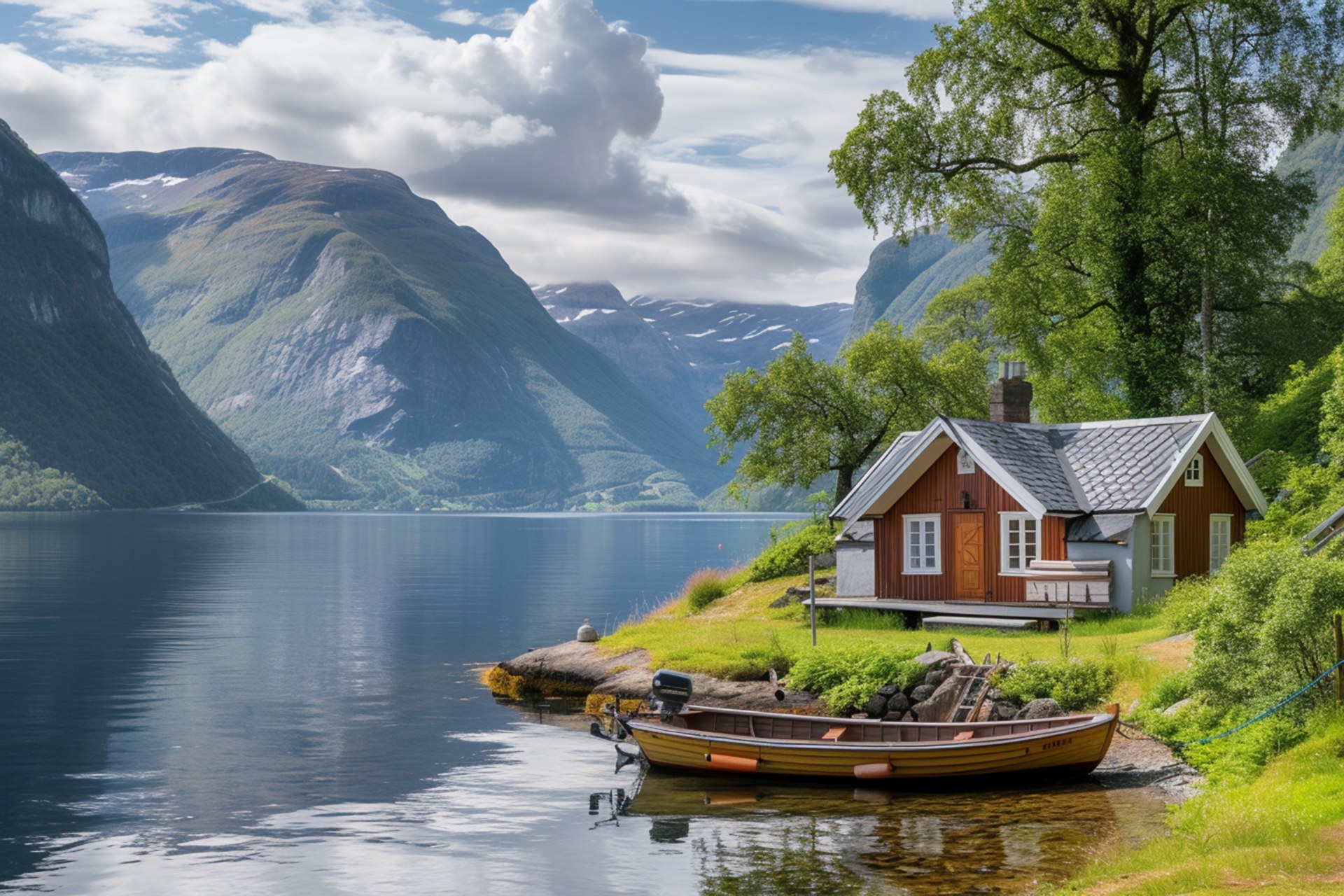
If dramatic landscapes, clean air, and human-scale ports appeal more than beach bars, yes—fjord cruising delivers high emotional return. Book peak summer for first-timers, shoulder for quiet, small ship for intimacy. Pack patience for mist and sun breaks alike—weather is part of the story.