Why “Overrated Cruise Destinations” Still Dominate Itineraries

Overrated cruise destinations persist because they are logistically easy for lines: deep harbors, predictable tender windows, long shopping strips, and excursion menus that scale to thousands of guests. They also photograph well in brochures—blue water, iconic skyline, historic silhouette—even when the onshore reality is queue science and heat and time compression.
None of this means you should never visit a famous port. It means you should match expectations to constraints: hours in port, distance to the “good part,” and whether your ship’s schedule turns a city into a sampler or a sprint.
For port-by-port realism—dock types, distances, and planning angles—bookmark SeaDays port coverage before you let a postcard decide your bucket list.
Overrated Pattern #1: The “Iconic City” With a Bad Shore-Day Shape

Naples can be extraordinary—pizza, archaeology, chaotic charm—but some itineraries give you a short window that tempts rushed Pompeii attempts or Capri fantasies with no slack for traffic and ferry friction. The overrated part is not Naples itself; it is the itinerary math that turns a world city into a panic tour.
Better alternative mindset: choose a route that grants time (or return by land later). If you must cruise in, prioritize one anchor experience and accept that depth beats checklist.
Overrated Pattern #2: Shopping-Strips-Disguised-As-Culture

Some Caribbean stops are engineered for retail throughput—fine if you want duty-free and a beach club, less fine if you wanted “authentic island life.” The overrated feeling often comes from expectation mismatch, not from the island having zero beauty.
Better alternatives: seek itineraries with smaller harbors, longer calls, or excursions that leave the main strip—snorkel sites, food tours away from the pier, historic districts that require a ten-minute ride, not a ten-second walk.
Overrated Pattern #3: Bucket-List Landmarks on a Stopwatch
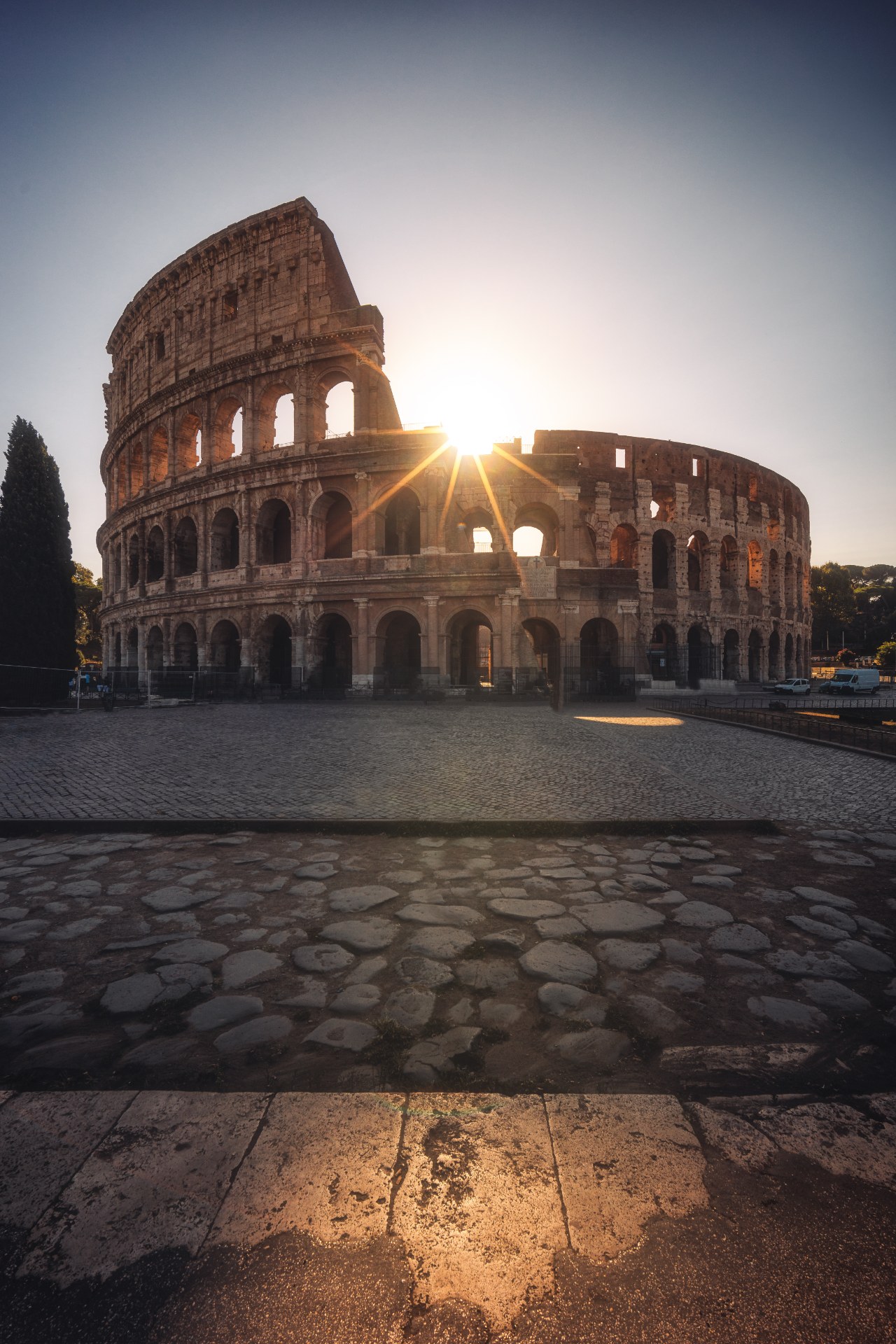
Rome from Civitavecchia is a classic love/hate: brilliant if you accept constraints; brutal if you imagine quiet Vatican corridors at noon in July. The destination is not “bad.” The shore-day shape can be.
Better alternatives: plan a pre-cruise or post-cruise hotel night in the city you actually care about. Cruises excel at moving you between regions; they are sometimes mediocre at delivering capital-city depth in six hours.
Some glacier or fjord days are stunning—until fog and swell rewrite the script. The overrated risk is emotional: treating one sea day as a guaranteed National Geographic moment.
Better alternatives: choose itineraries with multiple scenic opportunities, build flex into expectations, and value lecture programs that help you appreciate micro-moments—wildlife, light, ice—when the “hero shot” refuses to appear.
Comparisons That Help: What Are You Actually Optimizing?
Before swapping ports, name your currency:
- Photography vs presence
- Food depth vs landmark selfies
- Relaxation vs achievement
- Family ease vs adult exploration
An overrated cruise destination for one traveler is a perfect stop for another—kids may love a predictable beach club while foodies feel trapped. Honesty prevents review rage.
Practical Itinerary Moves That Beat “Famous Port, Zero Time”
Longer calls beat famous names. Overnight stops change cities entirely—dinner after crowds thin matters. Round-trip hubs can reduce flight pain so you can afford an extra land day.
If you are comparing ships for port-day quality—tender stability, mobility access, family programs—use SeaDays ship guides to align hardware with how you explore.
Excursions: Where Money Saves Time (and Where It Wastes It)

Private guides can transform a compressed city day—if you choose vetted operators and realistic routes. Bus megatours can feel like traffic with a microphone. The upgrade that often wins is not luxury; it is slack: buffer time, restroom realism, and a plan B when lines explode.
Sometimes the best alternative is not a different country—it is a different harbor in the same region: smaller towns with shorter distances, local markets without cruise-terminal pricing, hiking trails that do not require a two-hour transfer.
This is also where research pays: maps, opening hours, Sunday closures, and public transit quirks—details that separate travelers from dazed shoppers.
FAQ — Overrated Stops and Smarter Alternatives

Q1: Are famous ports overrated for everyone? A: No—fame often correlates with art and history you cannot fake. The overrated part is frequently schedule, not place.
Q2: How do I know if I will feel rushed? A: Model door-to-door time: all-aboard minus travel time minus security buffers. If math feels tight, it is tight.
Q3: Is it worth paying more for a smaller ship? A: Sometimes—smaller hulls can access different ports, but price is not a guarantee of better stops. Match itinerary first.
Q4: What is the biggest mistake in “alternative” travel planning? A: Chasing obscurity for its own sake and accidentally booking logistics nightmares—remote can mean expensive taxis and missed ship.
Q5: How do I avoid disappointment without becoming cynical? A: Replace fantasy with constraints. Joy grows when plans respect time, heat, and human limits.
Related Reading & Internal Links
- Explore cruise port guides to compare distances, dock realities, and planning angles.
- Match ship class to itinerary using SeaDays ships.
- Read more strategy pieces in the SeaDays blog index—especially itinerary design topics.
- Use alternatives as a tool: not snobbery, but fit.