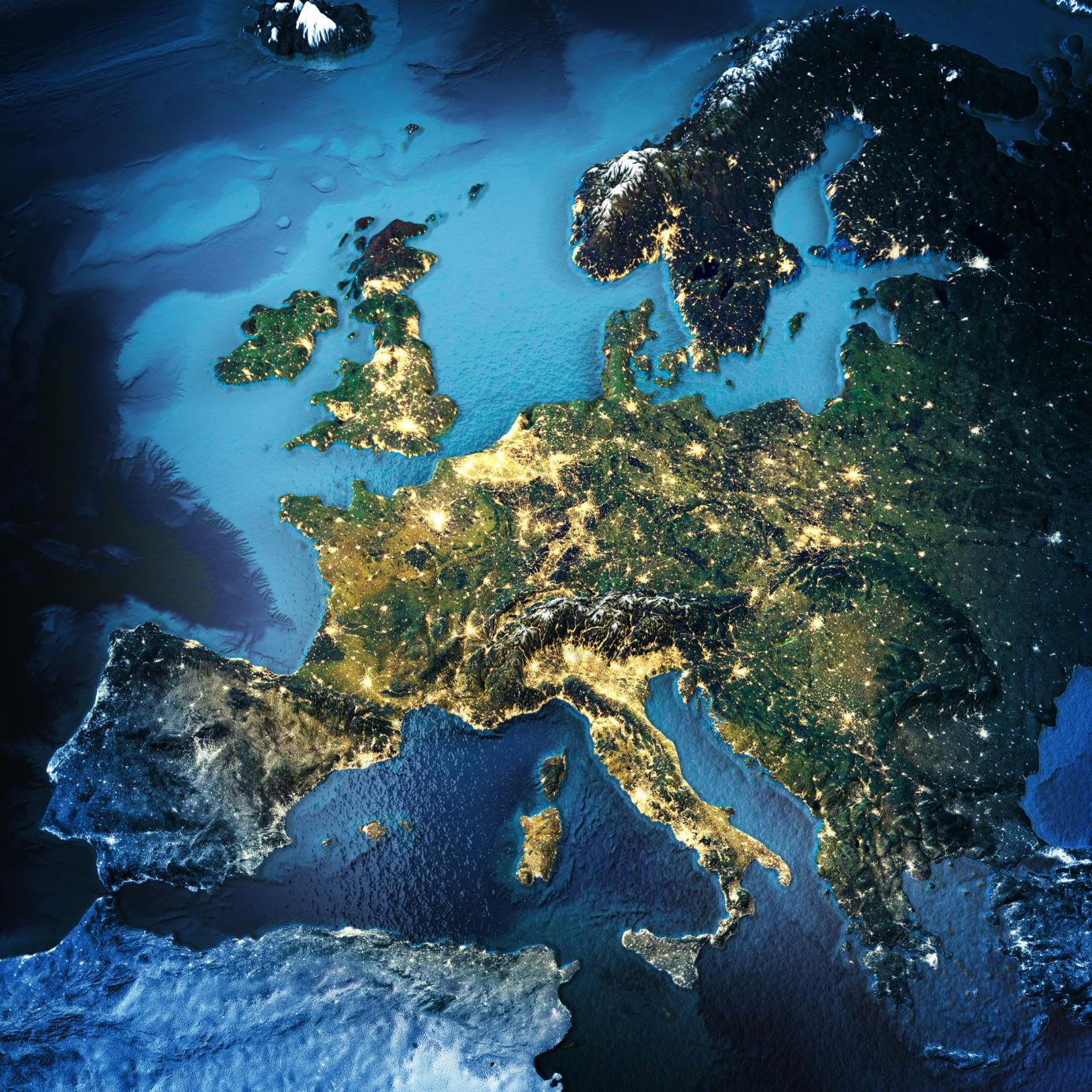
Europe Cruises Meet the Moment: Efficiency Without Surrendering Discovery

Ask frequent travelers what drains a Europe trip fastest, and you hear the same words: trains with stairs and strikes, hotels with early check-out rules, taxi surges, and itineraries that become spreadsheet management. Cruises do not remove complexity entirely—flights to embarkation cities still exist—but they compress the hardest part: multi-city movement.
That is the core argument for why cruises can be the best way to travel Europe right now: they convert intercity transport into dinner, sleep, and sunrise on the water. You trade some spontaneity for stability—and for many travelers in 2026, stability is not boring; it is oxygen.
If you are comparing lines and ship sizes for Mediterranean seasons, start with SeaDays ship resources so you match crowd energy and onboard strengths to port intensity.
The “Unpack Once” Advantage Is Psychological, Not Just Physical

Unpacking once sounds like a luggage perk; it is also a cognitive perk. Europe trips often fail when decision fatigue accumulates—museum tickets, metro tickets, restaurant reservations, SIM cards, PIN codes. A cruise centralizes home base decisions: cabin, dining, schedule anchors.
Practical insight: protect mental bandwidth for shore exploration by automating shipboard routines: same coffee spot, same embarkation checklist, same pouch for documents.
Time Economics: When a Ship Beats Trains-for-Hobbyists

Trains can be romantic—TGV speed, Alpine windows—but Europe rail is not automatically faster door-to-door when you add transfers, strikes, and luggage. Cruises win on multi-country hops where flights would otherwise dominate: Greek isles, Adriatic chains, Western Med loops.
The honest trade: ports are sometimes outside city centers. The fix is planning, not outrage—pre-night hotels, private transfers when needed, tours that respect all-aboard.
Cruise fares fluctuate with seasonality and promotions, but comparing Europe travel costs requires total math: excursions, WiFi, gratuities, flights, transfers, and pre-cruise nights. Cruises can be excellent value when you would otherwise stack hotels in expensive cities.
Bold truth: the best way to travel Europe is not always the cheapest—it is the way that delivers your priorities with the fewest failure modes.
Europe Right Now: What Travelers Actually Worry About (and How Cruising Helps)

Travelers today worry about disruption: weather extremes, labor actions, overtourism spikes, and complex entry rules. Cruising does not immunize you, but it bundles support: guest services, rebooking assistance in many scenarios, and a predictable daily rhythm when ashore gets chaotic.
SeaDays readers often use port intelligence to translate dock reality into walking minutes, tender risk, and excursion feasibility—because Europe ports vary wildly even when brochures look similar.
Itinerary Types: Western Med, Adriatic, Greek Isles, Northern Europe
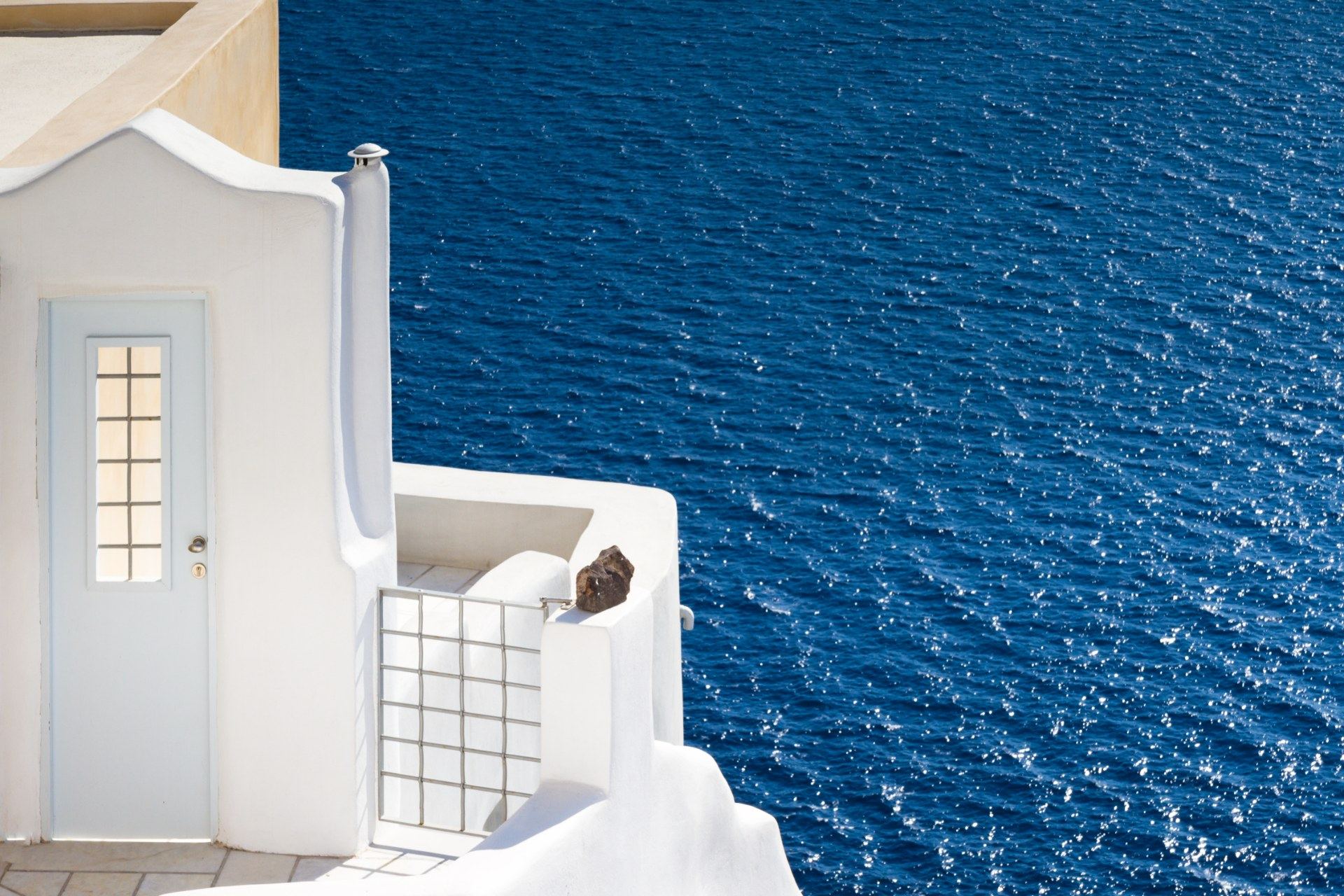
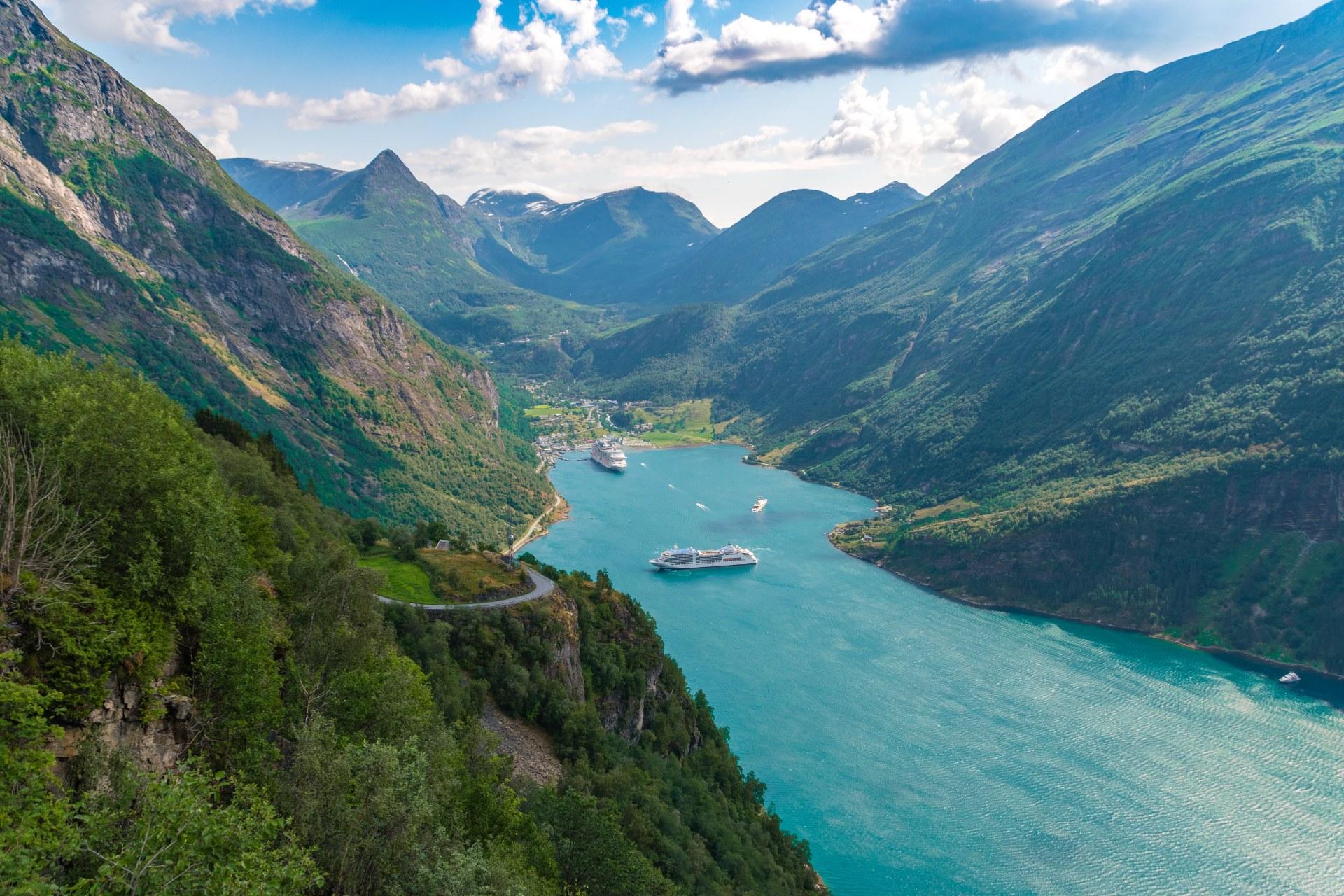
Western Med blends big-name cities with beach stops—great for first-timers who want recognizable highlights. Adriatic routes can feel like storybook coastlines with Kotor-style drama. Greek isles reward island-hopping without ferry roulette—if you accept summer crowds. Northern Europe offers fjords, Baltic capitals, and midnight sun seasons—different packing, different pace.
Choose based on mobility, heat tolerance, and interest depth—not only Instagram aesthetics.
The Anti-Pattern: Turning Europe Into a Pier Gift Shop
Europe cruises fail when travelers never leave tourist funnels: pier malls, megabus excursions, microwave “local food” experiences. The best trips combine ship efficiency with curated independence—neighborhood walks, market lunches, museum slots booked weeks ahead for marquee cities.
- Profile A — “First Europe, high energy” wants icons: prioritize itineraries with balanced sea days, book one marquee excursion, self-guide the rest with transit apps.
- Profile B — “Food-first, slower pace” wants taste: choose longer calls, avoid triple ports in two days, and budget ashore meals as the main event.
- Profile C — “Mobility-aware” wants flat distances and taxi feasibility: study port maps early—cobblestones and stairs punish the wrong shoes and the wrong schedule.
How to Make Your Europe Cruise Feel Like Travel, Not a Conveyor Belt
Pre- and post-cruise nights are the cheat code: Rome, Barcelona, Athens, Copenhagen deserve land time if you care about them. Second, pick one “deep” goal per day—not twelve checkboxes. Third, learn basic local phrases; politeness opens doors even when you are time-limited.
For ongoing planning philosophy—how to think in systems, not panic—browse SeaDays blog articles after you lock your route.
FAQ — Europe Cruises in the Current Travel Climate
Q1: Are Europe cruises crowded and touristy? A: Popular routes are busy—choose shoulder seasons, longer calls, and independent plans to escape default crowds.
Q2: Do I miss “real Europe” on a cruise? A: Only if you choose pier-adjacent experiences. Real Europe is often twenty minutes away by transit—but you must plan it.
Q3: What is the biggest packing mistake? A: Fashion that cannot handle cobblestones, sun, and unexpected rain—especially in spring and fall.
Q4: Are excursions mandatory? A: No—but in some ports, guided transport saves time; in others, DIY wins. Research beats reflex buying.
Q5: Is cruising environmentally responsible in Europe? A: Impacts vary by ship, itinerary, and operator initiatives—if sustainability matters to you, treat it as a selection criterion, not an afterthought.
Related Reading & Internal Links
- Compare ship options for Med and Northern routes via SeaDays ships.
- Study dock realities and city distances in Europe port guides.
- Continue with strategy reads on SeaDays blog—especially itinerary and shore-day topics.