Define Terms: Marketing Labels vs Trip Reality
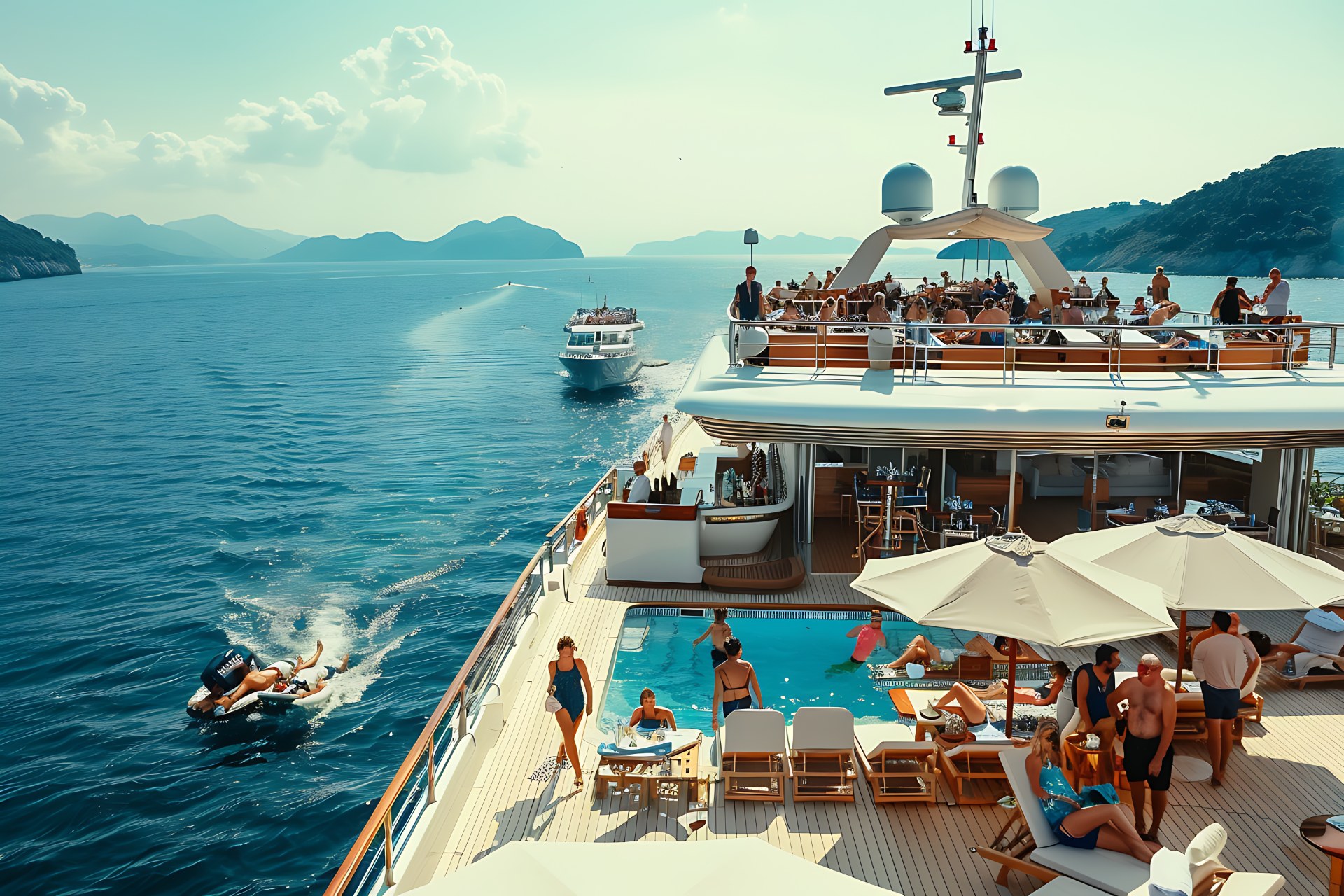
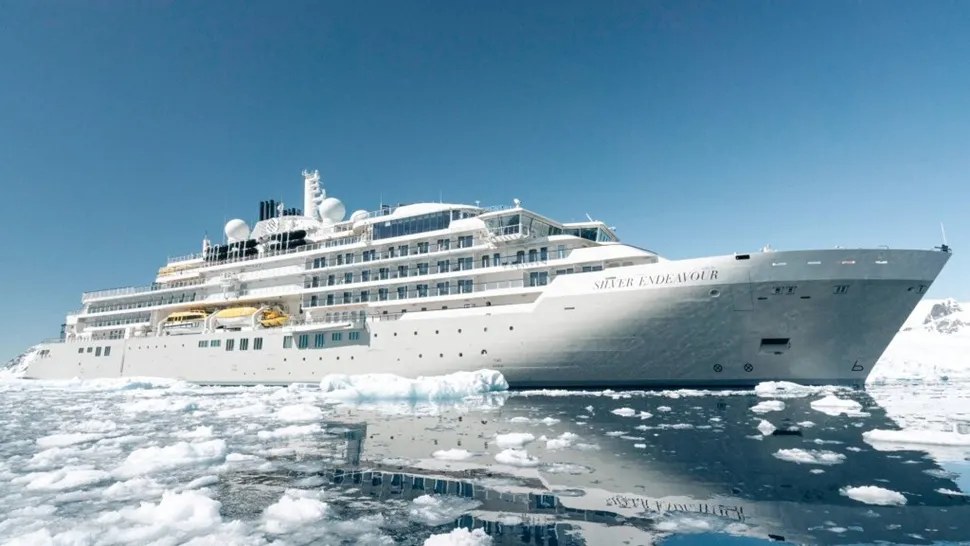
Luxury cruising usually signals high space-to-guest ratios, inclusive beverages or gratuities on many lines, fine dining, and personalized service—whether on ocean liners or expedition ships with suite forward design. Adventure cruising emphasizes destination access—Zodiacs, kayaks, hiking, snorkel entries, polar rules, and flexible schedules set by weather and wildlife. A ship can be both luxury and adventure (Silversea expedition, Seabourn adventure routes, Ponant polar)—the conflict you feel is usually between formal evening culture and muddy boot mornings, not between thread counts and icebergs.
Pure mass-market adventure (some Alaska tours, Galápagos operators with simpler cabins) may reduce fuss while maximizing activity. Pure classic luxury without adventure might mean transatlantic Cunard evenings or Regent/Crystal-style inclusivity with conventional ports—little Zodiac work, lots of champagne.
What Luxury Cruisers Actually Pay For
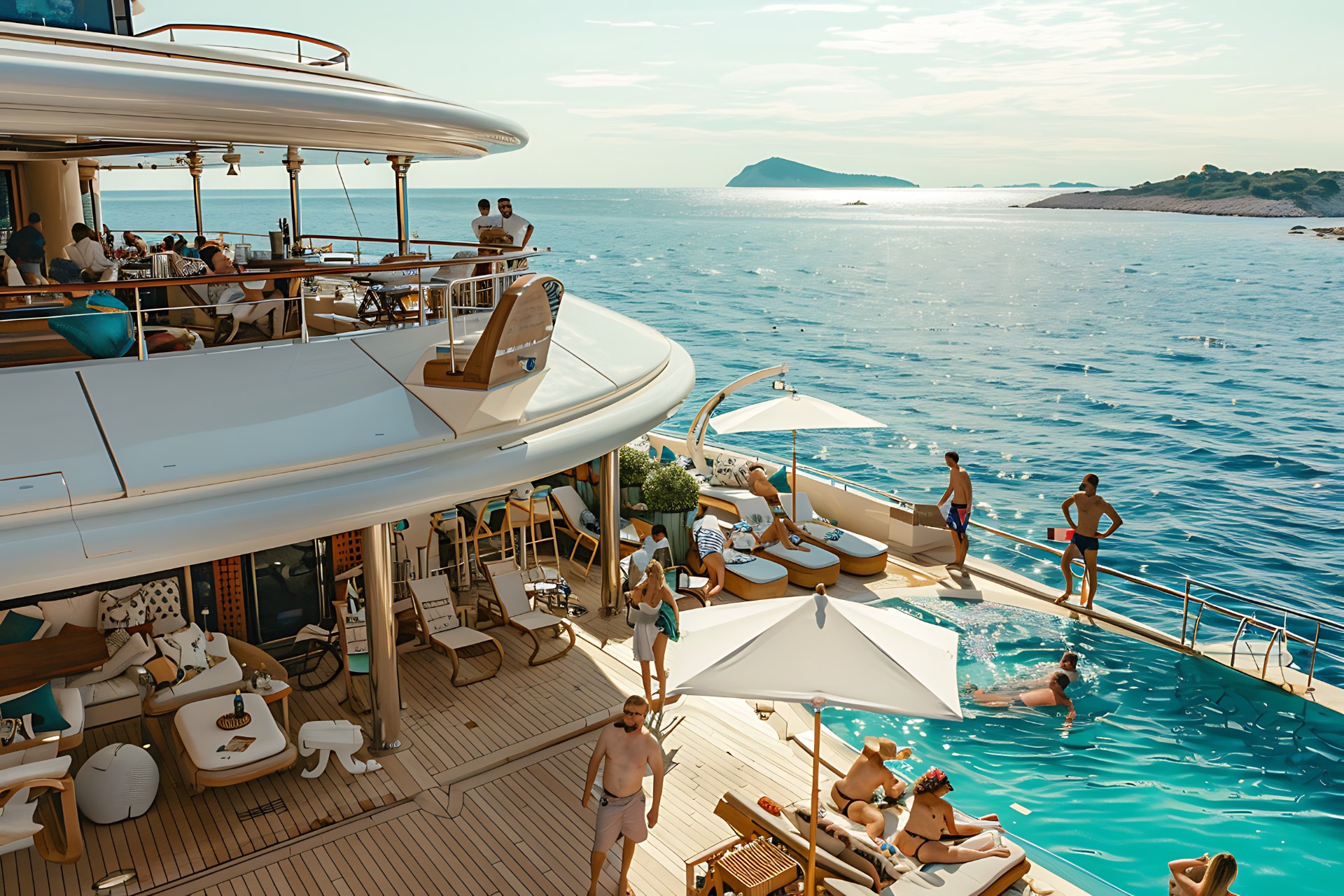
You pay for time returned—shorter lines, butler tiers on some ships, specialty dining without sticker shock, WiFi bundles, and excursions folded into fare on select lines. You also pay for consistency: crew training, wine lists, linens, and maintenance budgets on small fleets. What you do not automatically buy is thrill—some luxury guests are happiest reading on deck, not climbing mountains.
What Adventure Cruisers Actually Risk and Gain
You risk cancellations—landings scrubbed by swell, routes changed by ice. You gain proximity to wildlife and landscapes that mega-ships cannot touch. Fitness matters: expedition trips may require stairs, wet landings, and long cold exposures. Adventure is not only polar—Costa Rica jungles, Papua reefs, and Alaska skiffs count—but the pattern is flex over predictability.
Overlap Zone: Luxury Adventure and “Soft Expedition”
This is the fastest-growing overlap: ships with PC5 or PC6 ice ratings, Jacuzzis after cold landings, lectures by scientists, and menus that still offer vegan tasting menus. If you crave wildlife but fear roughing it, start here—compare guest counts under 300 and crew-to-guest ratios above 1:1 on top tiers.
Choose classic luxury ocean routes if you want black-tie optional evenings, jazz clubs, spa days, and Mediterranean ports with taxi gates—not if you need polar certificates or dry suit training. This path suits travelers who prioritize service and cuisine over badge collecting in remote fjords.
Budget Math: Sticker Price vs Add-On Reality
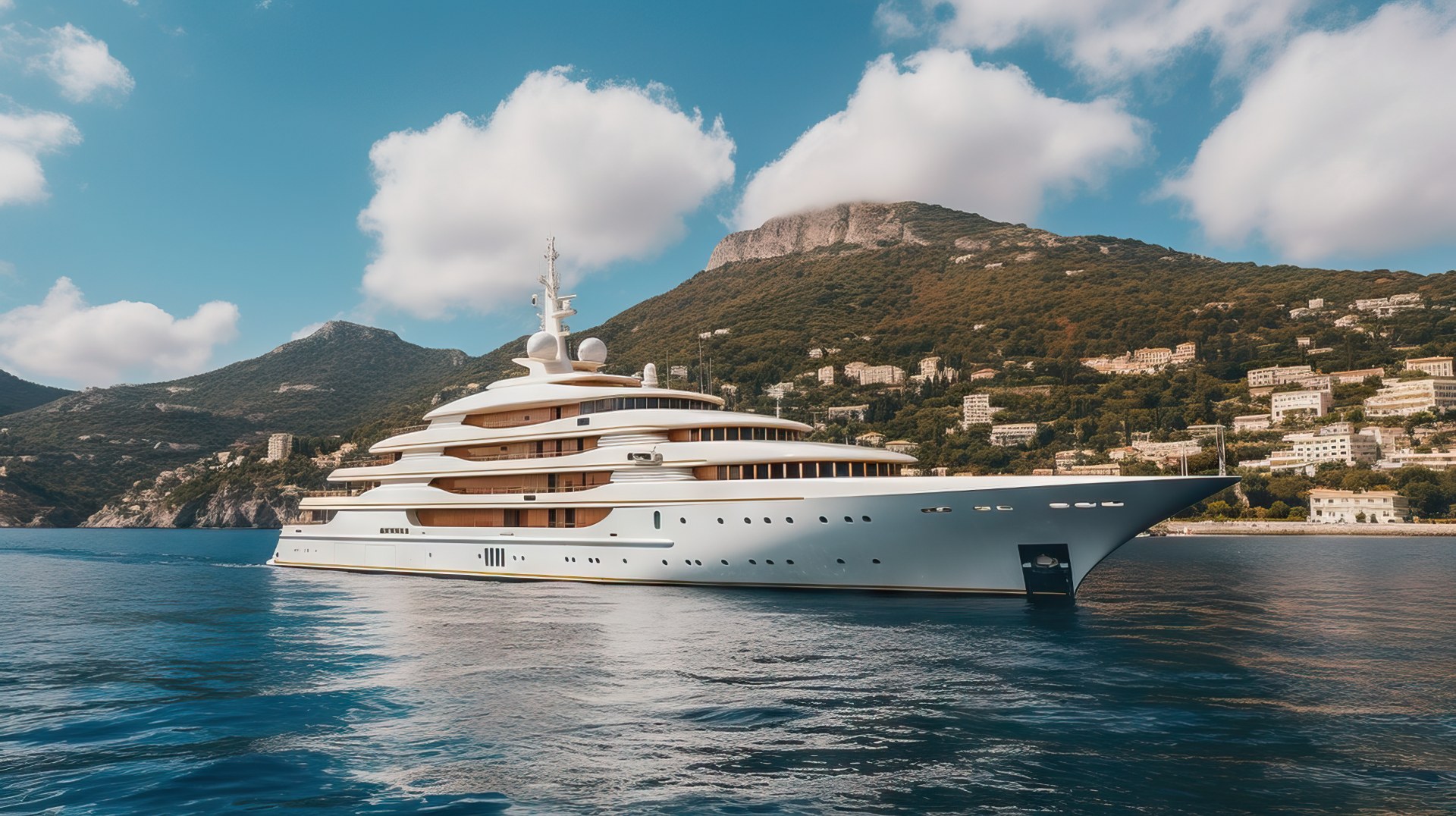
Luxury fares often include more—compare per diem all-in. Adventure trips may charge gear rentals, park fees, and charter flights to embarkation towns—model flights + hotels + transfers before bragging about cruise deals. Travel insurance with medical evacuation matters more in remote adventure regions. Use port pages to estimate taxi and tour load beyond the fare.
Social Culture: Who You Eat With Matters
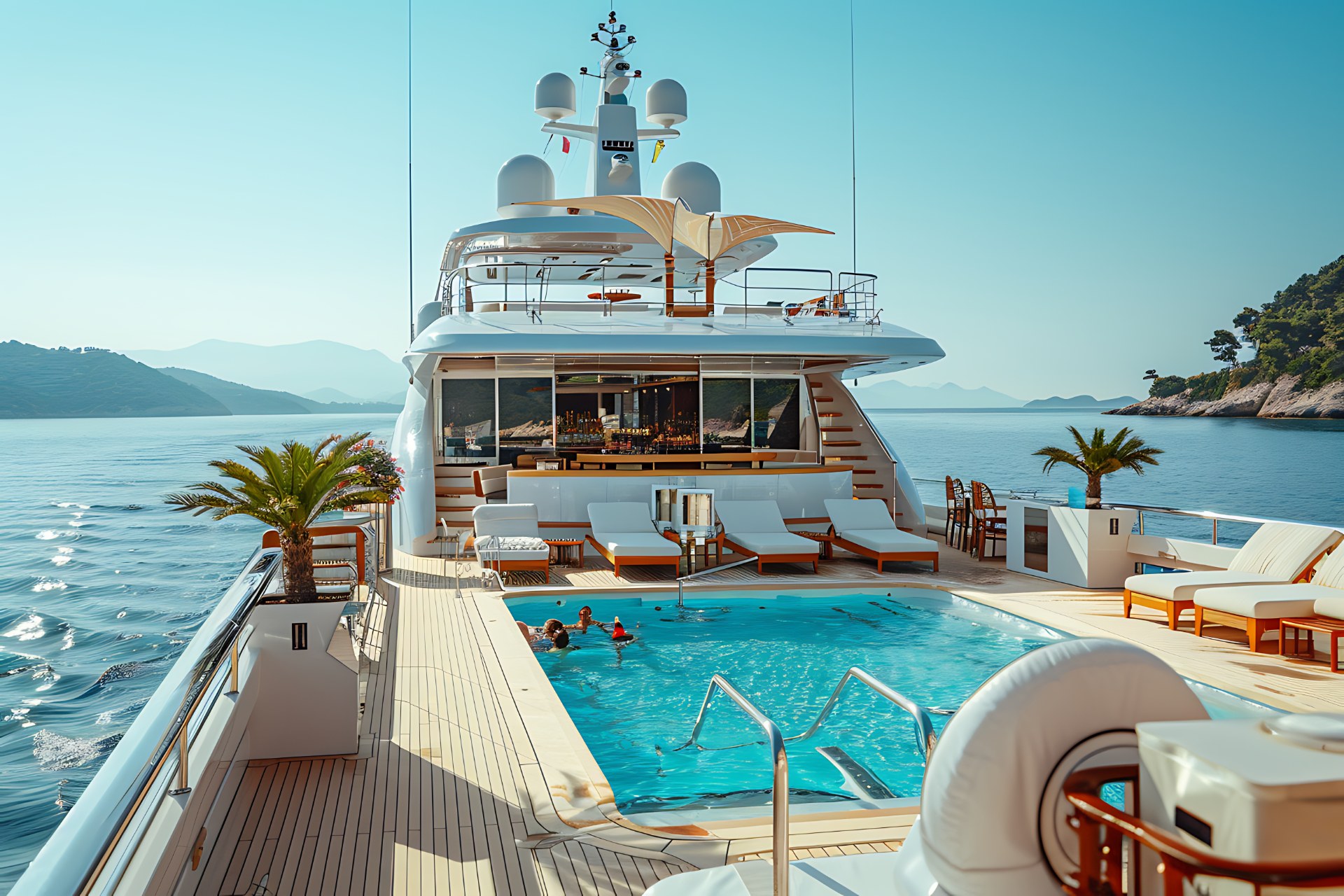
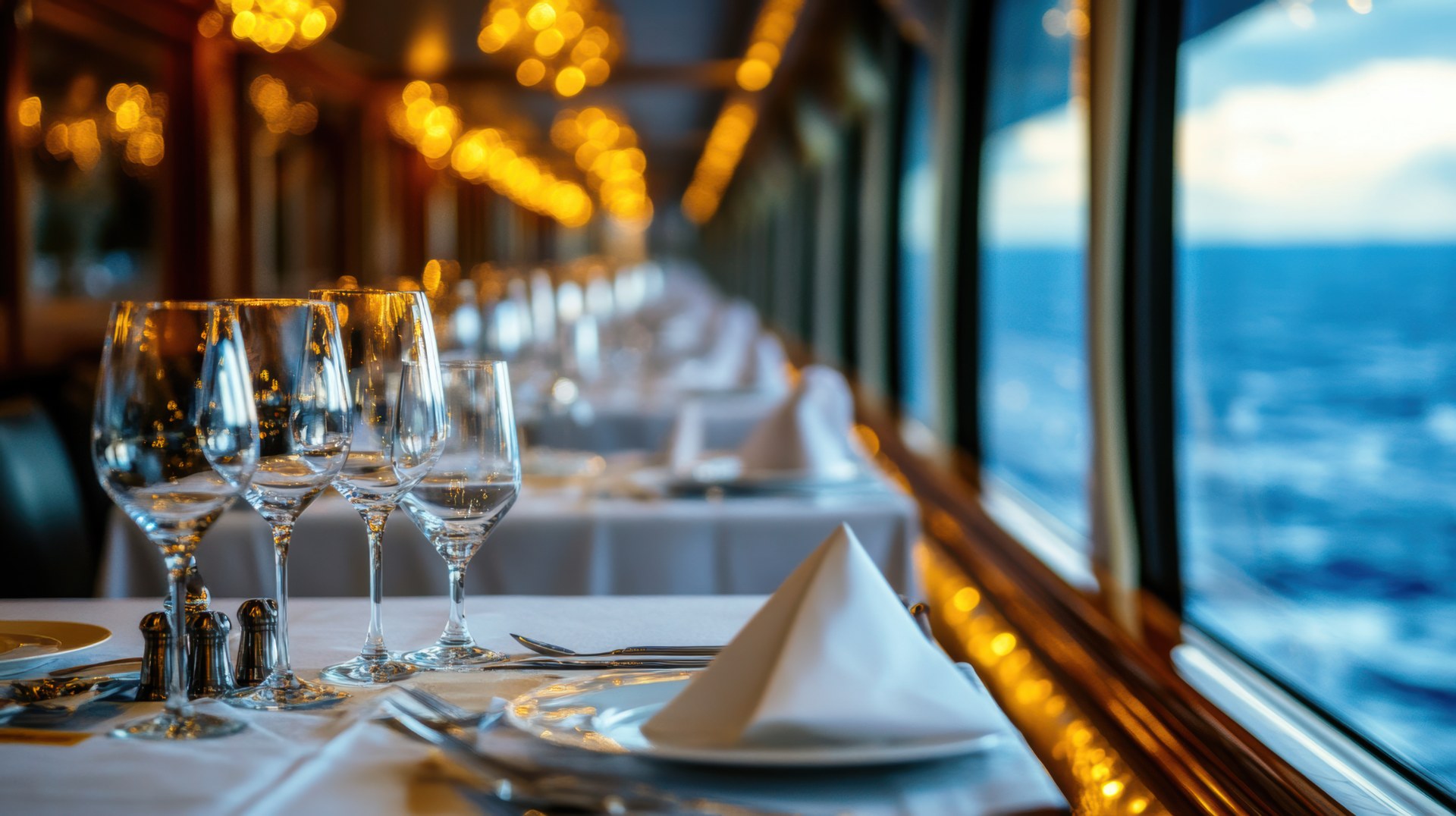
Luxury dining can feel formal; expedition dining is often communal briefings and shared stories—extroverts thrive, introverts should book suite tiers with private space. Adventure lines attract repeat guests who compare wildlife lists—conversation topics skew polar bears, not Broadway.
Packing, Gear, and the Myth of “One Wardrobe”

Luxury Caribbean may mean linen and heels; adventure Antarctica means base layers, gloves, waterproof pants, and hoods that fit helmets. If you try to pack both mentalities in one trip without itinerary reason, you overpack—choose dominant experience and accessorize lightly.
Luxury ships often handle mobility devices well; adventure landings may disqualify some guests for safety—ask honest questions before deposit. Teens may find classic luxury boring; young kids may lack programs on expedition vessels—family adventure often waits until ages align.
Casebook — When Luxury-First Travelers Tried Expedition (and Vice Versa)
Travelers who only booked suite ocean trips sometimes underestimate Zodiac spray and muddy boot queues—emotional friction appears day two, not day zero in the brochure. Reverse case: guests who love expedition storytelling may find classic luxury evenings slow if they measure fun by wildlife counts per hour. Hybrid luxury expedition exists precisely to bridge those biases—pay for naturalists and sommeliers in one fare tier when you genuinely want both. Use ships filters mentally: ice class, guest count, included excursions, dress code PDF length—long PDFs sometimes signal formality you will either love or resent.
Insurance, Evacuation, and the Fine Print Adventure Requires
Medical evacuation coverage matters more when the nearest hospital is a helicopter ride away. Read exclusions for hiking altitude, scuba depths, and polar regions. Luxury ocean trips still need strong travel insurance for missed connections—your suite cannot fix airline strikes. Ports research reduces surprise taxi bills that compete with spa charges.
Decision Matrix: Questions to Settle the Debate
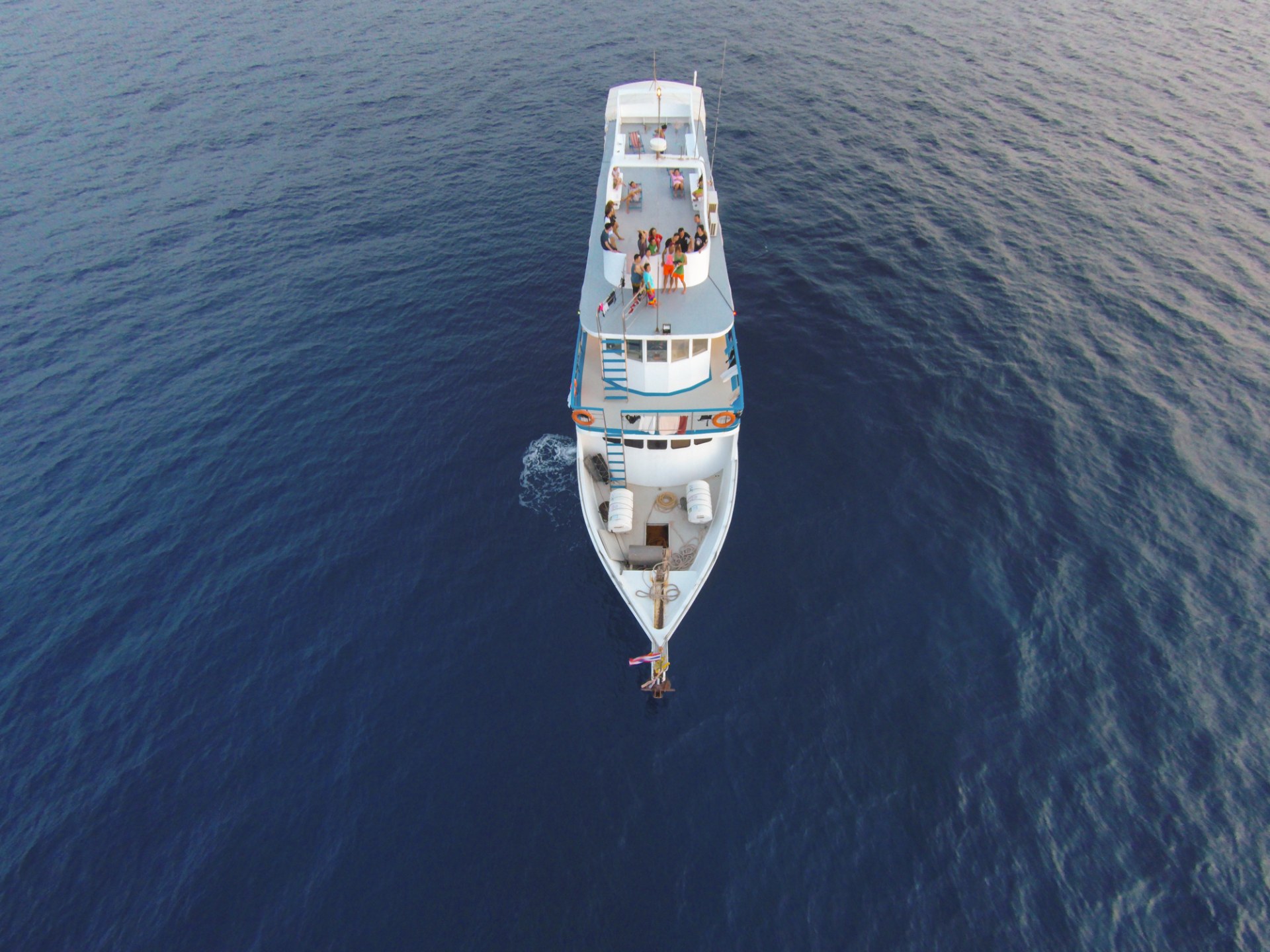
Do you want predictable comfort more than raw nature? Lean luxury ocean. Do you want nature more than show tickets? Lean adventure expedition. Do you want both? Budget luxury expedition and compare per landing day cost. Are you motion-sensitive? River luxury or protected itineraries may beat Drake Passage crossings—read Batch 21 small-ship article for intimate hull trends.
Itinerary Archetypes — Where Luxury and Adventure Collide or Diverge
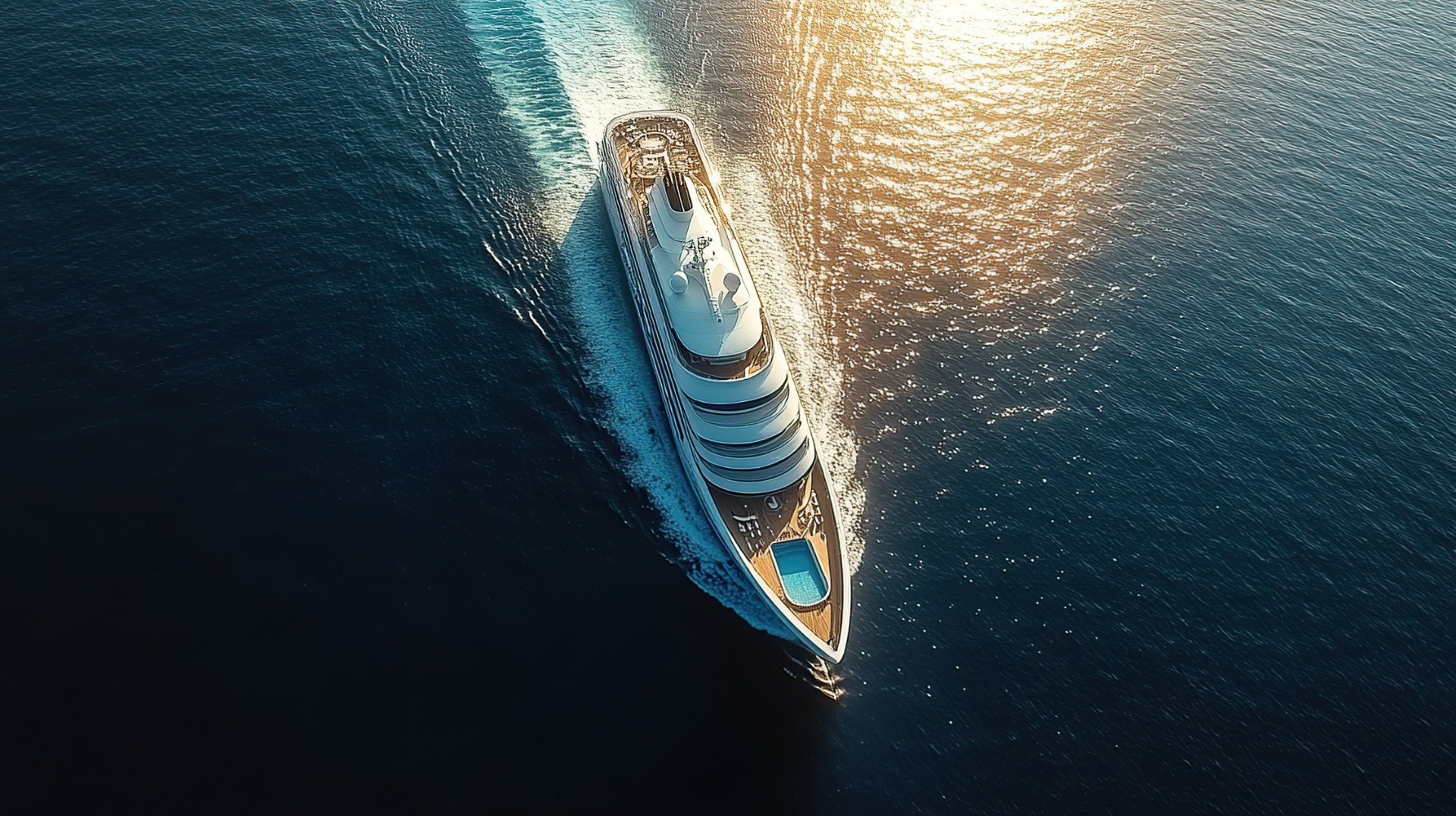
Galápagos and Antarctica reward expedition logistics; luxury versions add suite square footage and fine wine but still require Zodiac discipline. Norwegian fjords appear on both premium ocean ships and expedition hulls—difference is landing flex and ice capability. Alaska Inside Passage can be mainstream mega-ship or small-ship adventure—match excursion style to mobility and weather tolerance. Use ports pages to compare dock types and distance to trailheads before you equate any Alaska sailing with any other.
Emotional ROI — What You Will Remember in Five Years

Luxury travelers often remember service recovery after something broke—how crew responded matters more than marble atria. Adventure travelers remember first whale blow or first glacier calving—gear discomfort fades. If your memory goal is food and sleep, weight luxury ocean. If your memory goal is story you cannot replicate in a city hotel, weight adventure or luxury expedition. Ships helps you compare photo sets honestly—marketing always shows sunset; you need rain protocols too.
Value Math — When Expedition Bundles Beat “Cheap” Luxury Ocean
Compare crew-to-guest ratios, included Zodiac sorties, speaker series, and gear loan policies before you equate sticker prices. Luxury expedition often bundles briefings and landing logistics that classic luxury ocean sells as add-ons—the higher fare can still win on net experience if wildlife and mobility days matter more than Broadway tickets. Reverse case: if you only want pool days and tropical beaches, mainstream balcony sales still beat polar parkas on value. Blog comparison guides help when you split the difference between hybrid products.
FAQ — Luxury vs Adventure
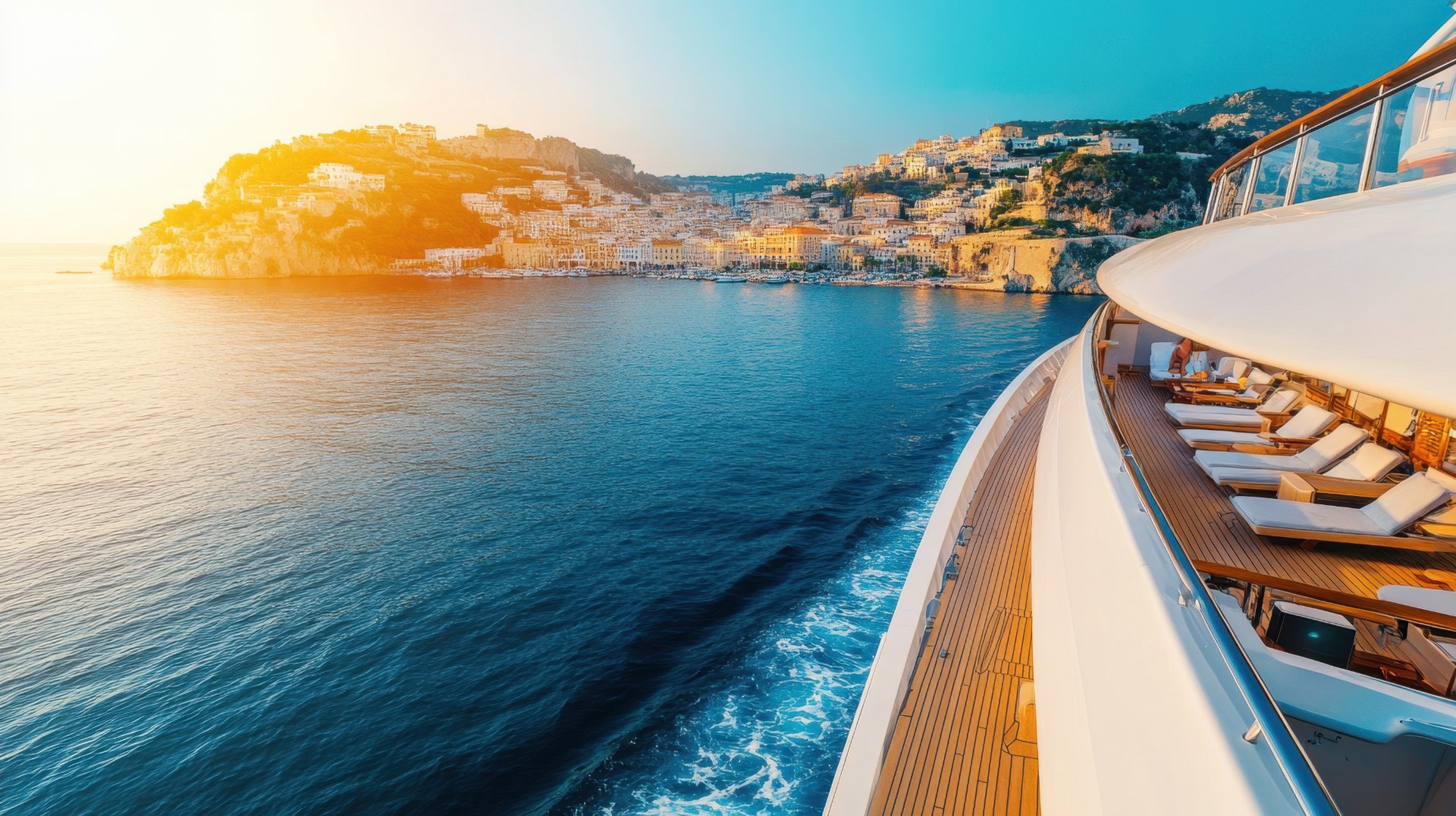
Q1: Is expedition cruising always more expensive than luxury ocean? A: Often yes on a per-day basis because of small ships, specialist crew, and remote logistics—but promotions and shoulder seasons shift math. Compare total trip cost, not brochures alone.
Q2: Can I get adventure on a mainstream mega-ship? A: You can get zip lines and climbing walls—not polar landings. For true wilderness access, you usually leave mega-ship ecosystems.
Q3: Do I need expedition clothing on Alaska mainstream cruises? A: Warm layers and rain shells yes; expedition dry suits no—unless you book specialist tours.
Q4: Which is better for solo travelers? A: Both work—luxury solo supplements hurt; expedition solo matching roommates sometimes appears. Check line-specific solo policies.
Q5: Is luxury “worth it” if I do not drink alcohol? A: Sometimes—value dining, service, space, and excursion inclusions separately. Non-drinkers should compare fare tiers that do not assume beverage subsidy.
After You Choose — Itinerary Sequencing for Mixed Parties
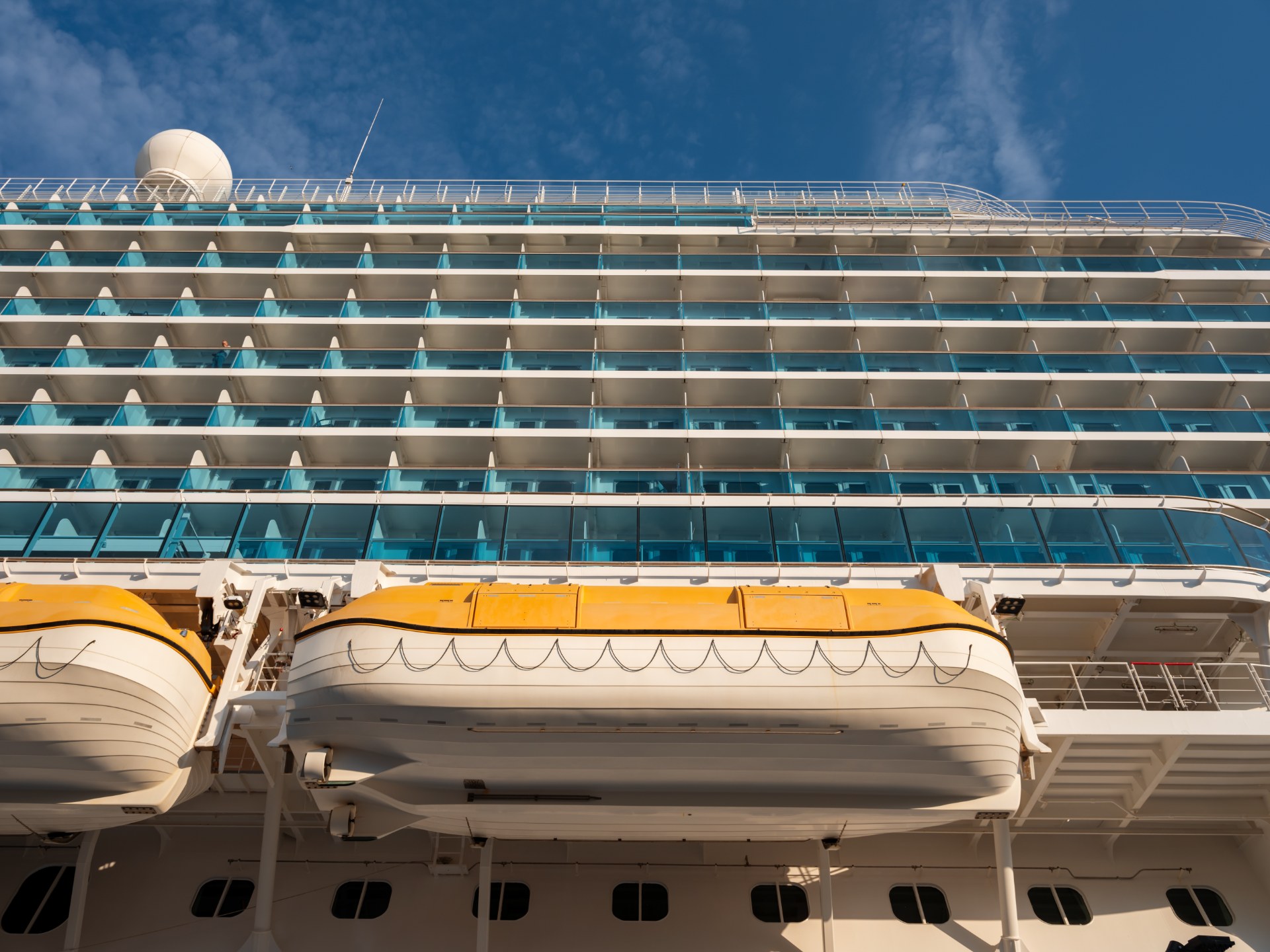
Mixed comfort zones appear when one partner wants spa mornings and another wants six-mile hikes. Solve with split days plus one shared anchor meal ashore or onboard. Book suites with separate living space when budget allows—emotional recovery from polar cold or humid jungle matters as much as thread counts. Document gear lists early so luxury evenings do not collide with still-wet hiking boots in the closet.
When to Book Luxury Ocean First, Then Layer Expedition Later
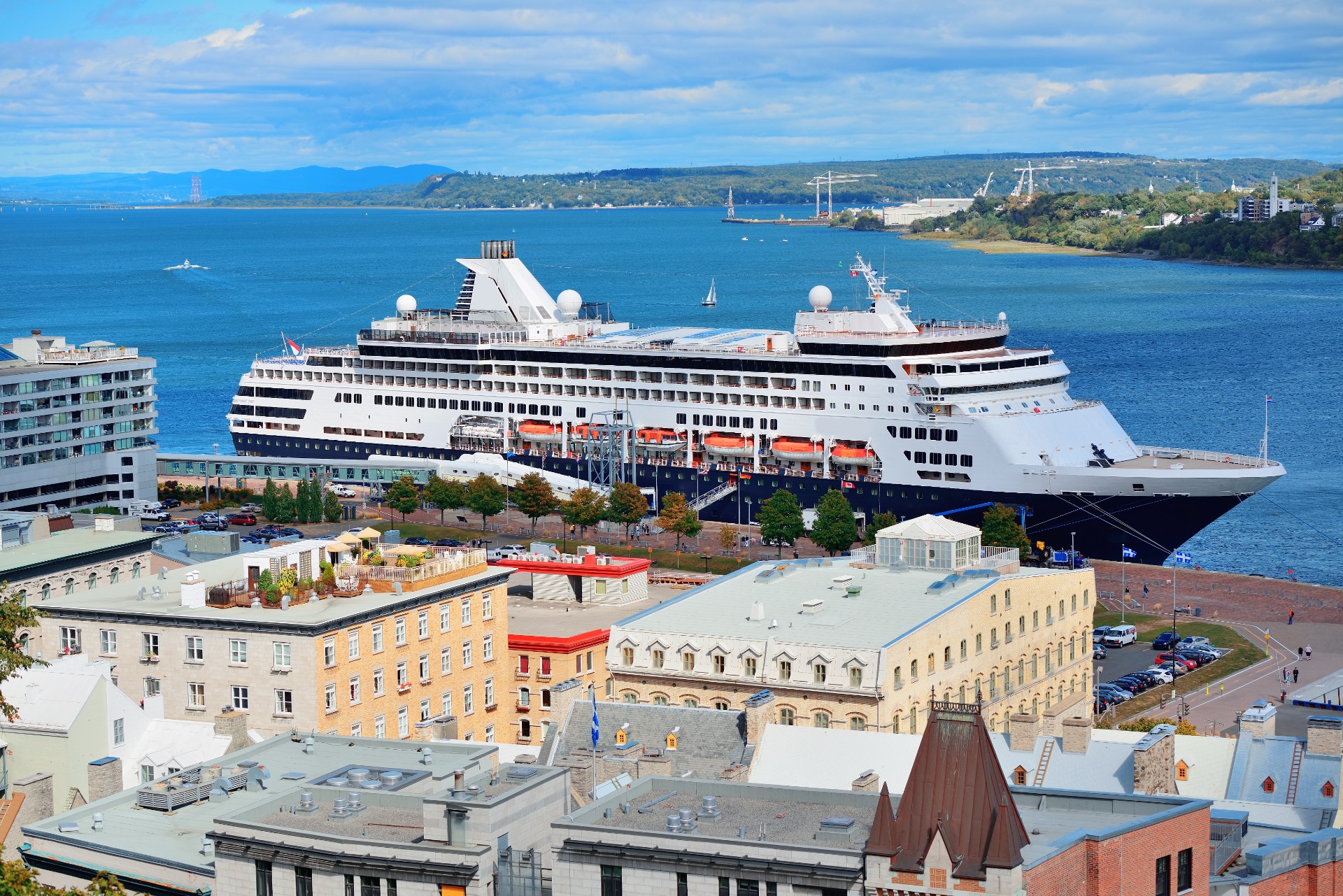
Many travelers graduate from classic luxury ocean to expedition once they trust cruise logistics and know their motion response. Others do the reverse after fatigue from constant Zodiac spray. Neither path is morally superior—sequencing reduces expensive mistakes. Blog trip reports help when they cite specific vessel names and months. If budget forces one luxury trip every few years, sample expedition on a shorter route (Alaska or Galápagos) before committing to Antarctica crossings—cold and motion surprises scale with latitude.
Related Links
- Ship directory — compare luxury and expedition classes.
- Port directory — remote vs urban stops.
- SeaDays blog — Alaska, polar, and planning topics.
- Pair with B21-5 (port-to-city access) when luxury urban touring matters.