The Real Question Behind “Cruise vs Flying + Hotels”
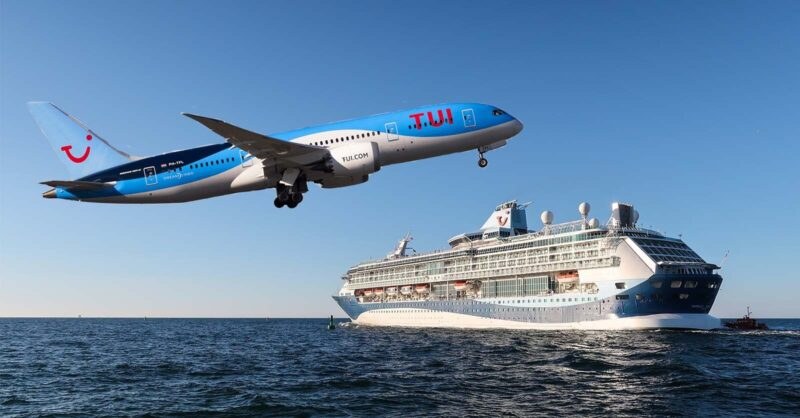
Most travelers frame the debate as cruise versus flight plus hotel, but the honest comparison is bundle versus à la carte. A cruise wraps transport, lodging, many meals, and entertainment into one itinerary with fixed geography. Flying and hotels maximize freedom—you change cities on a whim, extend a dinner, or bail on rain—but you also stack separate failure points: delays, baggage fees, check-in friction, and resort charges that do not appear in the headline nightly rate.
Cruise vs flying + hotels is not a moral contest; it is a systems question. Do you want one vendor managing your day-to-day logistics, or do you want to orchestrate logistics yourself for more local depth? If you are weighing a Caribbean loop against a long-weekend city break, you are solving different problems than someone comparing an Alaska sailing with a road-trip plus lodges. Start with trip purpose: rest, culture, family coordination, adventure, or romance. The “winner” follows purpose, not Twitter polls.
Total Cost: How to Compare Apples Without Marketing Tricks

Cruise fares often look cheap until you add gratuities, WiFi, drinks, excursions, transfers, and parking or flights to the embarkation city. Hotels in 2026 frequently add resort fees, destination charges, and paid amenities that inflate the per-night number you mentally anchored on. Airfare can swing 40% week to week—model a range, not a single screenshot.
A practical approach: build a per-day, per-person spreadsheet. Include taxes on flights, bags, rides to airports, meals you would realistically buy ashore on a cruise, and activities you would book in a city hotel stay. For cruises, include port spending—taxis, national park entries, snorkel rentals—because “all-inclusive” rarely means “ashore-inclusive.” When you normalize this way, many mainstream cruises win on Caribbean and Alaska loops where hotel supply is tight or peak priced, while fly-hotel wins when you want slow exploration in one walkable hub.
Time and Stress: Where Cruises Quiet the Chaos

Cruising eliminates daily check-out and check-in theater. You wake in a new place without repacking unless you want to. That matters for multigenerational groups where mobility and patience vary. Flying between cities every two days can devour half-days in security lines and Uber surges—valuable if you love urban energy, costly if you mostly want sleep and views.
The stress flip side: cruise schedules are ship schedules. Miss all-aboard, and you are not debating Uber prices—you are booking flights to the next port. Fly-hotel travelers can absorb a late dinner; cruise guests sometimes sprint from museums to gangways. Your personality matters: do you find structure soothing or suffocating?
Flexibility vs Commitment

Hotels and rental cars reward spontaneity—extra nights, different neighborhoods, a changed rail route. Cruises reward early planning for excursions, dining packages, and spa appointments. In 2026, flex travelers still lean land; planners who enjoy optimizing packages lean sea. Neither is wrong—mismatch is what hurts.
Experience Quality: Scenery, Culture, and “Depth”
Cruises deliver moving horizons—fjords, glacier approaches, sail-in harbors—that road trips replicate only with long drives. Yet cultural depth often favors land stays: repeated evenings in one quartier, language practice, locals who recognize you by night three. Expedition and small-ship cruises narrow that gap with longer port calls and expert guides, but they cost more.
If your primary keyword for the trip is museums and restaurants in one city, flying plus a hotel usually wins. If your keyword is variety without repacking, cruising usually wins. Browse world cruise ports to see whether your dream stops favor dock-and-walk cities or tender logistics that eat time.
Families often save sanity on cruises with kids’ clubs and predictable mealtimes—compare that to chasing restaurant reservations in a hot tourist city. Couples split: some want privacy in a boutique hotel; others want balcony sunsets at sea. Solo travelers may find cruise single supplements painful, while hostels and apartment rentals on land can be budget friendly—unless peak hotel pricing erases the advantage.
Environmental and Practical Framing (Without the Lecture)

Per-mile carbon stories are messy—nonstop flights, ship size, occupancy, and shore power at ports all matter. If footprint influences you, compare specific itineraries rather than stereotypes: a nonstop to one city versus a week-long cruise with efficient routing can surprise you. Practically, trains plus hotels may beat both for certain European corridors—cruising still wins where water access defines the scenery.
When “Cruise Wins” in 2026—Clear Scenarios
Peak-season islands where hotel rates spike, Caribbean hurricane season deals with flexible insurance, Alaska Inside Passage where road access is thin, and multi-stop Mediterranean sampler trips for first-timers who want taste over depth. Also: travelers who value evening shows, comedy, and live music bundled without nightly ticket hunting.
When “Flying + Hotels Wins”—Clear Scenarios

Food destinations where dinner is the itinerary, hiking hubs requiring dawn starts without ship muster clocks, remote lodges where cruise ports do not exist, and business trips extended for bleisure where loyalty points and corporate rates dominate.
How to “Beat the System” Either Way
On cruises, book packages you will use, stalk promotions with flexible deposit rules, and research excursion alternatives—sometimes official tours save stress; sometimes independent operators save cash. On land, stack free breakfast credits, status perks, and neighborhood dining away from main square markups. For ship hardware and line fit, browse cruise ships by line before you chase a fare that does not match your style.
Using SeaDays to Keep Comparisons Organized
SeaDays helps you compare ports, ships, and planning ideas without losing your notes in browser tabs. When you are torn between sea and land, skim SeaDays cruise articles for route-specific trip reports that mention real walking distances and timing—the details that decide whether a cruise day feels relaxed or rushed.
FAQ — Cruise vs Flying + Hotels in 2026

Q1: Is cruising cheaper than flights and hotels for every destination? A: No. Cruising can be cheaper per day on multi-stop routes with bundled meals, but land trips can win in single-city stays—especially with points or off-season hotel rates.
Q2: Which option is less stressful? A: Cruises reduce daily logistics; land trips reduce schedule risk if you hate all-aboard deadlines. Pick based on what drains you more—repacking or timelines.
Q3: Do cruises waste time in ports? A: Sometimes. Short port calls favor highlights; overnight stays or small-ship schedules improve depth. Research dock distance to city centers.
Q4: Are hidden fees worse on cruises or hotels? A: Both can hide costs—resort fees on land, gratuities and WiFi at sea. Build a total trip model, not a headline price.
Q5: How do I choose if my partner disagrees? A: Split trips across years, or choose hybrid plans: cruise for scenery-heavy segments, land for food-heavy cities—bookend cruise with hotel nights when flights align.
Related Reading & Internal Links

- Compare cruise ships and classes before you lock a fare.
- Map ports and dock realities for the walkability test.
- Read more cruise planning guides on the SeaDays blog index.
- Pair with Batch 22 articles on money and missed ship scenarios for end-to-end trip defense.