What a $10,000 Cruise Means in 2026: Start With Per-Night Math

The fastest way to decode any fare is per diem: divide total trip cost by nights aboard (and include taxes, fees, flights, hotels, transfers if you want true trip math). A $10,000 cruise for two people might be $5,000 per guest—or it might be $10,000 for one traveler in a suite tier. Same headline number, different universe.
Bold rule: treat $10,000 as a budget band, not a SKU. The product is nights × space × service × destination difficulty × inclusions.
If you are comparing ships with real-world features—not brochure adjectives—use SeaDays ship information to anchor your expectations in class, age, and suite ecosystems.
Scenario A: $10,000 as a Couple’s Premium Week (Ballpark Logic)

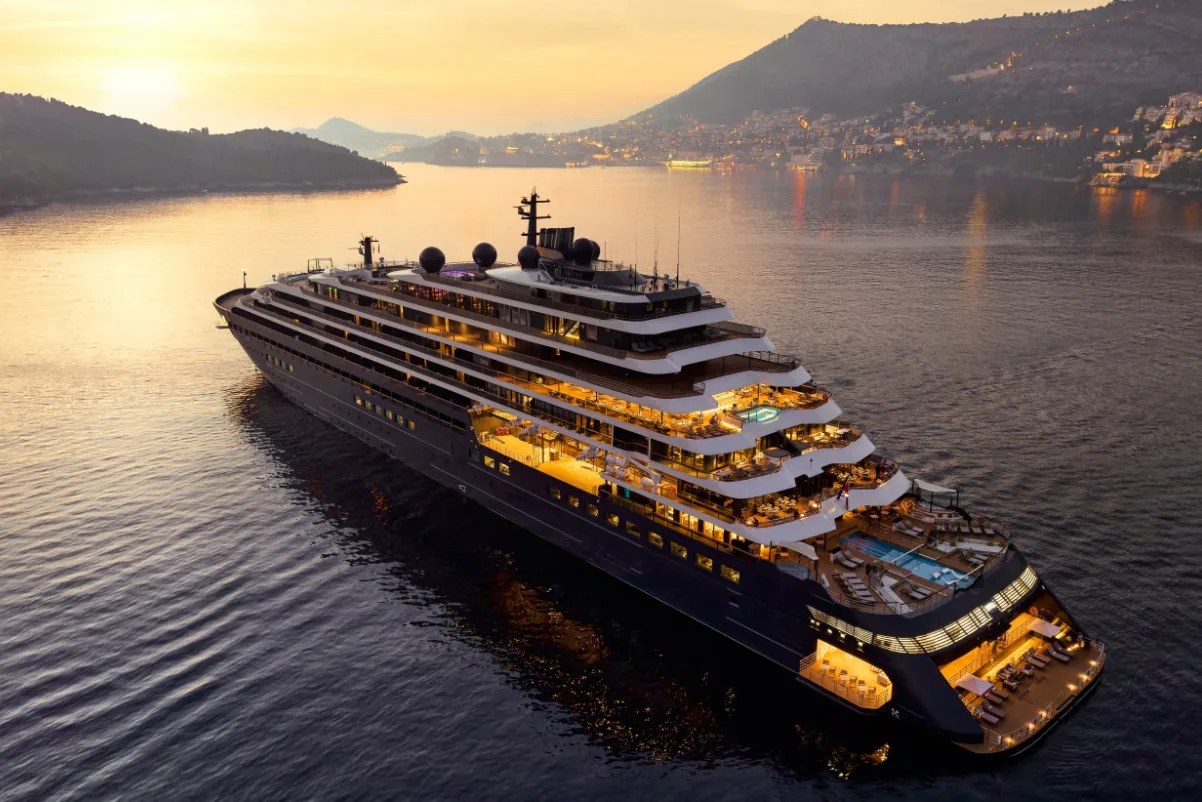
Imagine seven nights for two guests at roughly $700 per person per night all-in fare—some itineraries approach that in upper-premium and luxury promotions, especially with air credits or packages. At this band, you often see larger accommodations, better dining access, priority embarkation, and more inclusive beverages—though exact lists vary by line and campaign.
Practical insight: “All-inclusive” is a menu—read fine print for premium spirits, specialty dining caps, and excursion credits.
Scenario B: $10,000 as Expedition Reality (Why Polar Costs Scale)

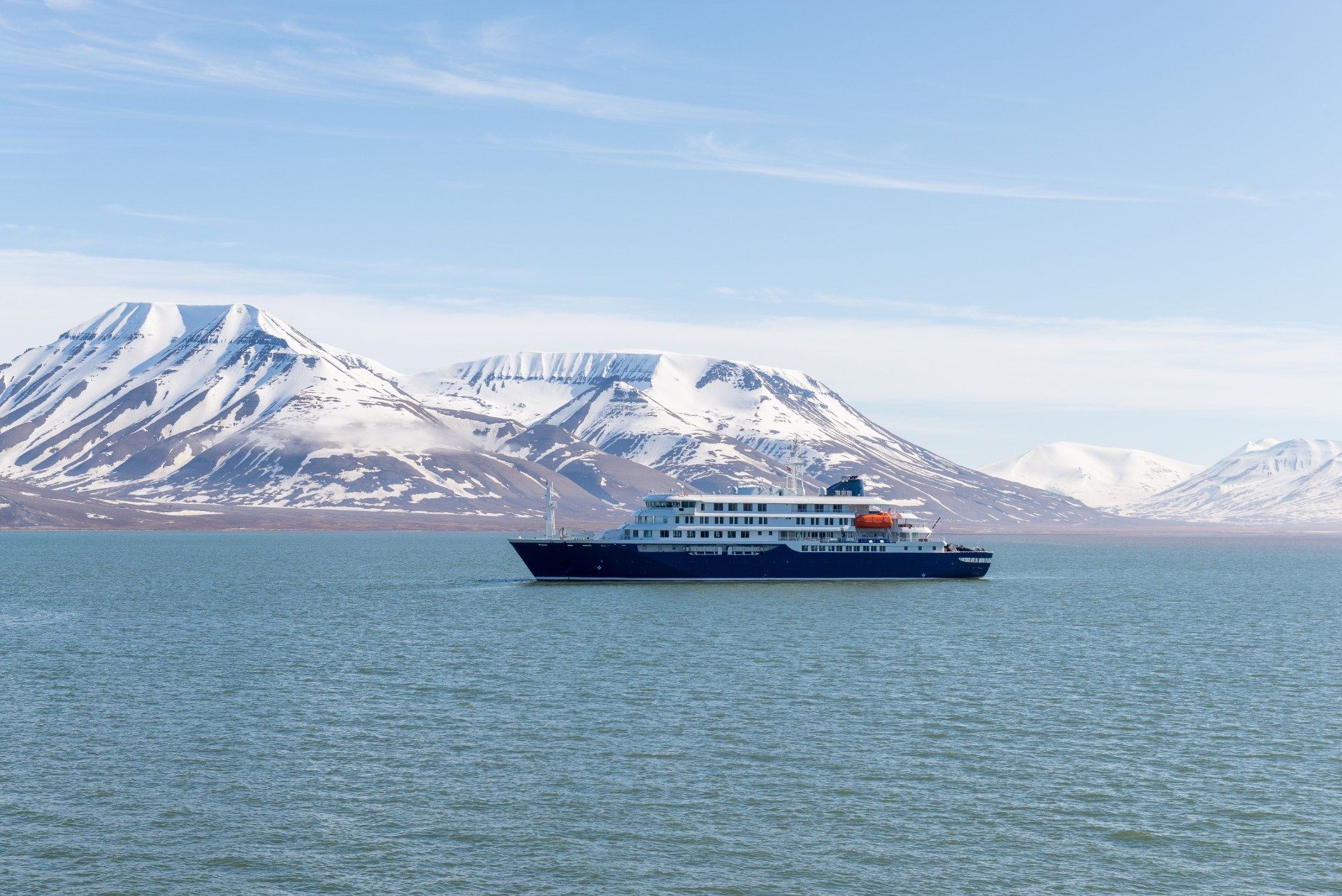
Expedition routes—Antarctica, remote Arctic segments, high-latitude logistics—consume $10,000 faster because small ships, specialist crew, Zodiac operations, and charter flights are expensive even when the cabin is not palatial. You are paying for access and safety margins, not only thread count.
Better alternatives if polar budgets bite: shorter Alaska expedition-adjacent experiences, Galápagos routes with careful promotion timing, or premium ocean trips with scenic sea days—different memories, sometimes friendlier math.
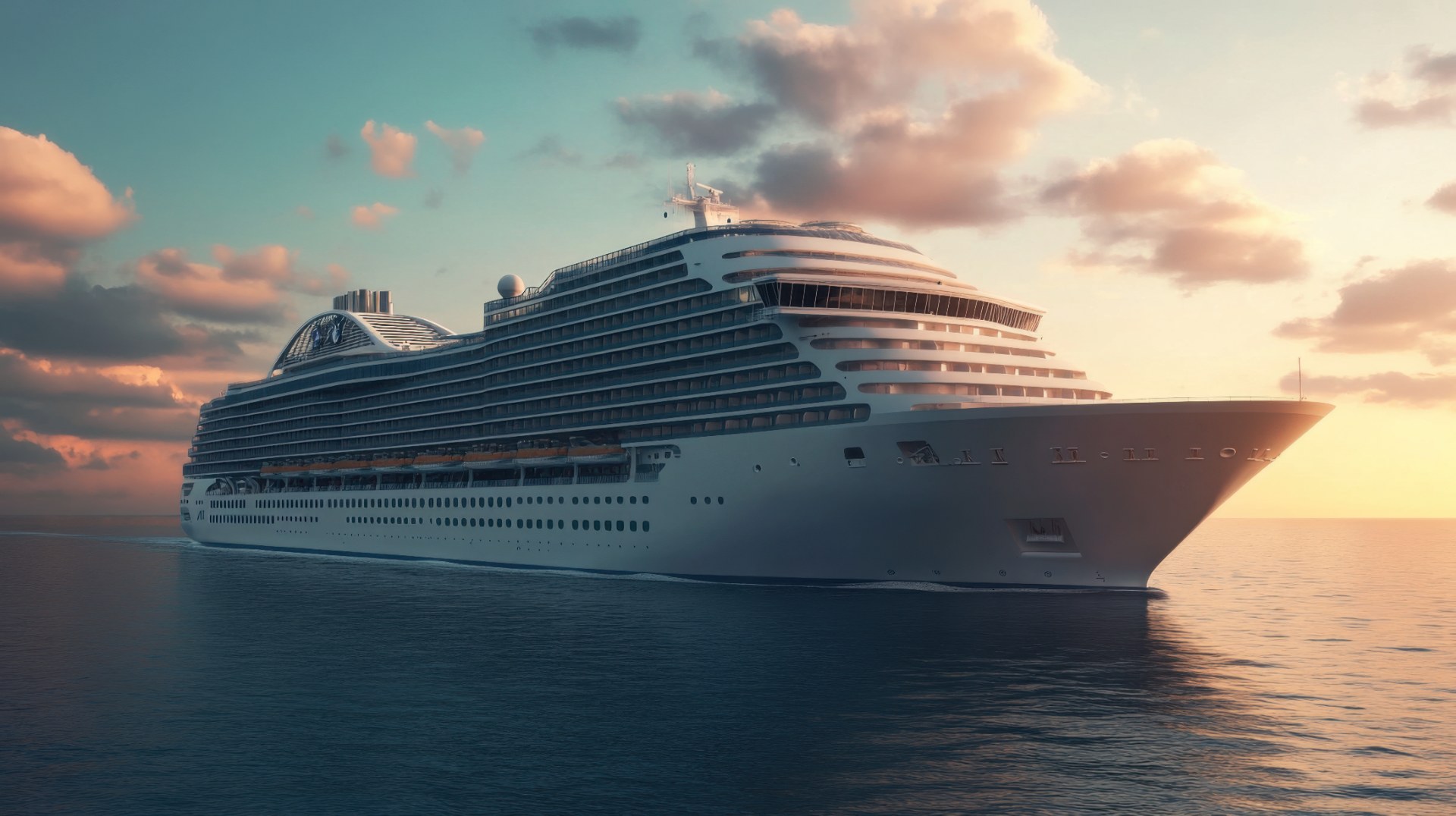
On some mega-ships, high suite tiers buy ship-within-a-ship perks: private sun decks, concierge lounges, included specialty dining allocations, and escorted embarkation—theme-park energy outside, relative calm inside. Whether that is “worth it” depends on whether you value quiet refuge over maximizing included thrills.
The Hidden Ledger: What $10,000 Does Not Automatically Include
Even strong fares can stack:
- Flights and pre-cruise hotels
- Transfers (especially remote embarkation)
- Excursions beyond credits
- Spa, photos, casino, premium WiFi
- Travel insurance (often overlooked until it matters)
This is why total trip accounting beats sticker bragging. For port-day spending realism—taxis, meal quality, museum costs—pair fare research with SeaDays port guides so shore expenses do not ambush you after you paid for luxury sleep.
Comparisons: $10,000 Cruise vs $10,000 Land Trip

A land trip might spend budget on hotels in city centers—great for depth, expensive for multi-city hops. A cruise spends budget on movement efficiency—great for breadth, sometimes weaker for one-city immersion. Neither is universally superior; they optimize different variables.
Examples:
- Land wins when you want one city slowly—Paris for ten days with neighborhood rituals.
- Cruise wins when you want five countries without repacking—Mediterranean loops, Baltic capitals, island chains.
What Luxury Service Actually Feels Like (When It Works)

True luxury is often recovery: problems solved quietly, dining pacing that respects your evening, housekeeping that notices details without performing them for an audience. Mediocre “luxury” feels like upsell theater—champagne greetings paired with nickel-and-dime WiFi.
If you are paying five figures, you are allowed to expect consistency: temperature comfort, noise management, clear communication when plans change.
Butler tiers are pointless if you dislike interaction. Beverage packages waste money if you drink lightly. Huge suites matter less if you only sleep in the room—location and quiet may dominate square footage.
How to Spend $10,000 Wisely: A Buyer’s Framework

- Step 1: Decide whether you are buying space, inclusions, destination access, or time savings.
- Step 2: Rank non-negotiables: balcony, dining flexibility, excursion pace, WiFi needs.
- Step 3: Compare per-night totals across two itineraries you would actually enjoy—not one dream route with painful flights.
- Step 4: Reserve budget for ashore experiences that matter—sometimes a private guide beats a bigger suite.
For more planning frameworks—how travelers think in tradeoffs, not trophies—browse SeaDays blog guides.
FAQ — $10,000 Cruise Budgets, Inclusions, and Expectations

- Q1: Is $10,000 enough for a luxury cruise?
A: Sometimes—especially with promotions—but luxury ranges widely. Use per-night comparisons and inclusion lists, not headlines.
- Q2: Should I prioritize suite size or itinerary quality?
A: If you are port-heavy, prioritize shore fit. If sea-day-heavy, prioritize space and balcony usability.
- Q3: Are expedition cruises “worth” more per night?
A: If remote access matters to you, yes—value is experience, not square feet.
- Q4: What is the biggest waste of money at this price point?
A: Paying for prestige tiers you do not use—packages misaligned with actual habits.
- Q5: Do I need a travel advisor for a $10,000 booking?
A: Not mandatory—but helpful for complex families, promotions, and cabin quirks. DIY works if you enjoy research—SeaDays tools help you organize facts without losing the plot.
Related Reading & Internal Links

- Compare suite ecosystems and ship hardware via SeaDays ships.
- Model shore spending with SeaDays ports.
- Continue with budgeting and value topics on SeaDays blog.