Why the folio is not a budget
At the end of a cruise, the line drops a PDF folio into your account. It lists charges chronologically, not categorically. Specialty dining and drinks are mixed in, and "excursion tour X" is next to "specialty coffee at Cafe Y" with no structural grouping. If you want to know where your money actually went, the folio is a receipt, not a budget.
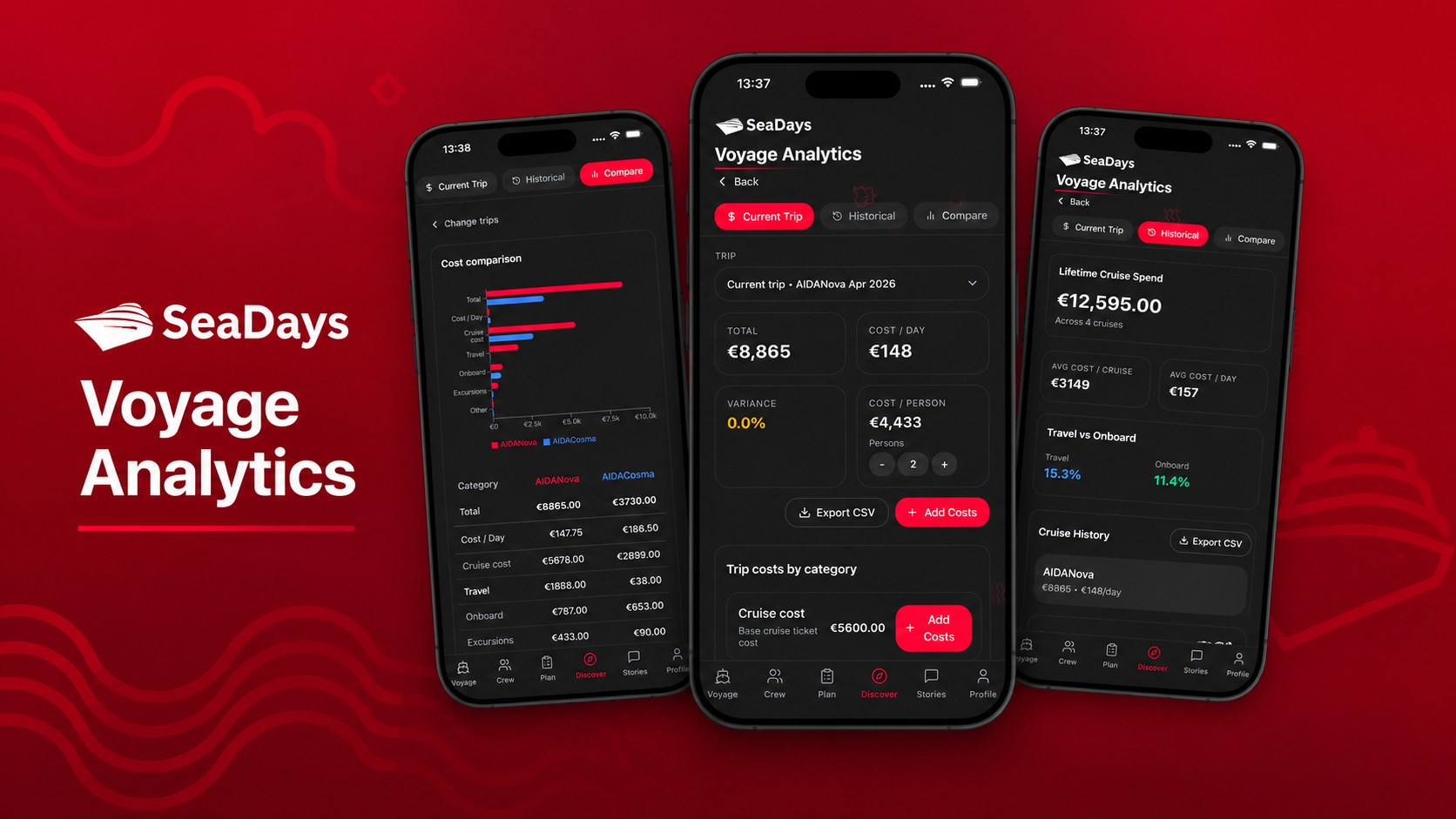
Trip Cost Analytics inside SeaDays exists because the folio format hides the leak. The Analytics Hub in Voyage lets you split a week into categories — excursions, dining, drinks, wifi, spa, shopping, transfers, gratuities — and see the shape of your spending. Once you see the shape, the next cruise's budget is a different conversation.
What the Analytics Hub actually shows
The Voyage Analytics Hub aggregates trip cost sections (excursions, dining, drinks, onboard extras, transport, accommodation deltas, gratuities). Historical Analytics extends that view across multiple voyages, so you can see per-cruise patterns: whether a line consistently bleeds you on dining upsells, whether your Caribbean cruises leak more on drinks than your Mediterranean ones, whether your excursion ratio drifts as you cruise more.
Costs are entered via VoyageAddCostDialog during the cruise or after disembarkation from the folio PDF. The point is not to pre-log every transaction in real time — the point is to have category totals, not a line-item forensic accounting.
Step-by-step: running a post-cruise leak audit
After disembarkation, pull your folio PDF and your credit card statement for the cruise dates. Open Voyage and navigate to the Analytics Hub. Add cost entries by category: total excursions, total dining upsells, total drinks (or leave blank if you had a package), total wifi, total gratuities (the auto-gratuity plus any extra), total spa, total shopping, total transfers (taxi from airport, rideshares in port).
Once entered, the Hub breaks down the percentages. Most cruisers are surprised by what they see — the "single biggest category" is rarely what they guessed. Drinks are often #1 on Caribbean sailings; dining upsells are often #1 on Celebrity or Royal Caribbean specialty-heavy cruises; spa and gratuity-creep are #1 on lines with aggressive crew tipping norms.
Compare this cruise's category percentages against prior voyages in the Historical Analytics view. The pattern that repeats is where you actually have a leak. One-time outliers are usually just trip-specific (a big family dinner, an exceptional excursion).
Common leak categories and what causes them
Drinks without a package: typical leak $150–$400 per person per week. Causes: forgetting specialty coffee counts, buying higher-than-usual cocktails on port days, "just charge it to the cabin" drift where individual prices are invisible in the moment.
Specialty dining: typical leak $80–$250 per couple. Causes: booking 2–3 specialty restaurants when 1 would have met the need, booking late in the cruise at the "last available" slot instead of a cheaper early-cruise reservation slot.
Shipboard wifi: typical leak $80–$175 per cabin. Causes: buying premium streaming when basic browsing was enough; buying for the full voyage when a Day 1/Day 7 pattern of usage would have been adequate with a shorter package.
Spa and services: typical leak $100–$400. Causes: first-day discount offers that seem cheap in the moment but compound across the week; upsells layered into basic treatments (enhancements, premium products, hair-dry fees).
Gratuity creep: typical leak $40–$120. Causes: leaving the auto-gratuity on, plus adding cash tips on top for excursions and specialty dining you already tipped through the folio. One or the other is fine; both is a leak.
Shore-side transfers: typical leak $30–$100. Causes: taking the cruise-line airport transfer instead of a rideshare, or hiring single-person taxis instead of splitting a van.
Money-saving pattern: the "lean next-cruise" playbook
After one post-cruise leak audit, most cruisers set 2–3 explicit category caps for the next sailing. Instead of a vague "I want to spend less," they set "drinks under $200/person," "specialty dining under $120/couple," "wifi: basic only, $60." These caps are concrete enough to defend in the moment against the sale scripts onboard.
Typical next-cruise savings from setting caps: $300–$800 per voyage for couples, $500–$1,200 for families of four. The savings are not from deprivation — they are from converting "yes, sure" moments into "no, that breaks my cap" moments.
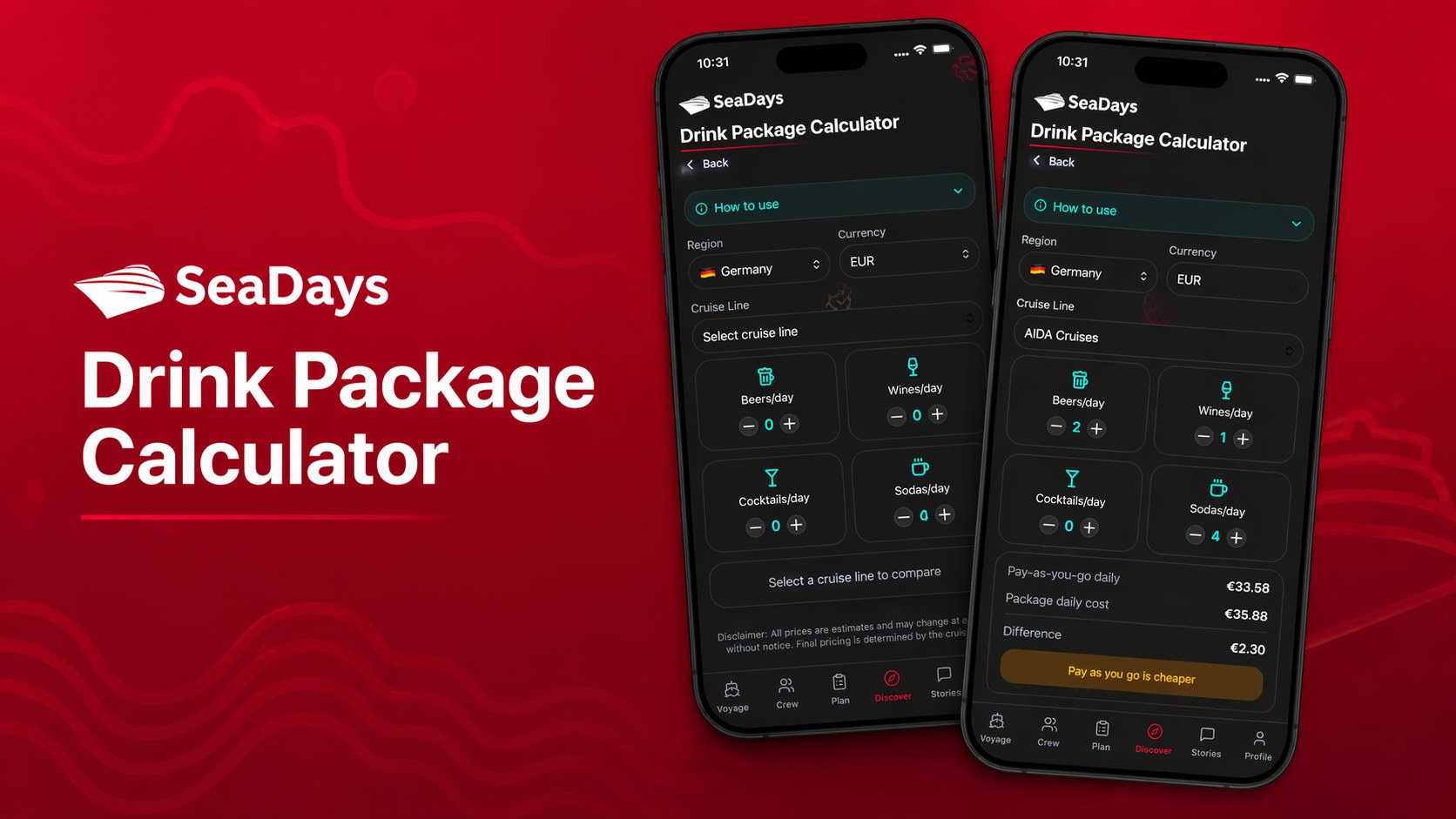
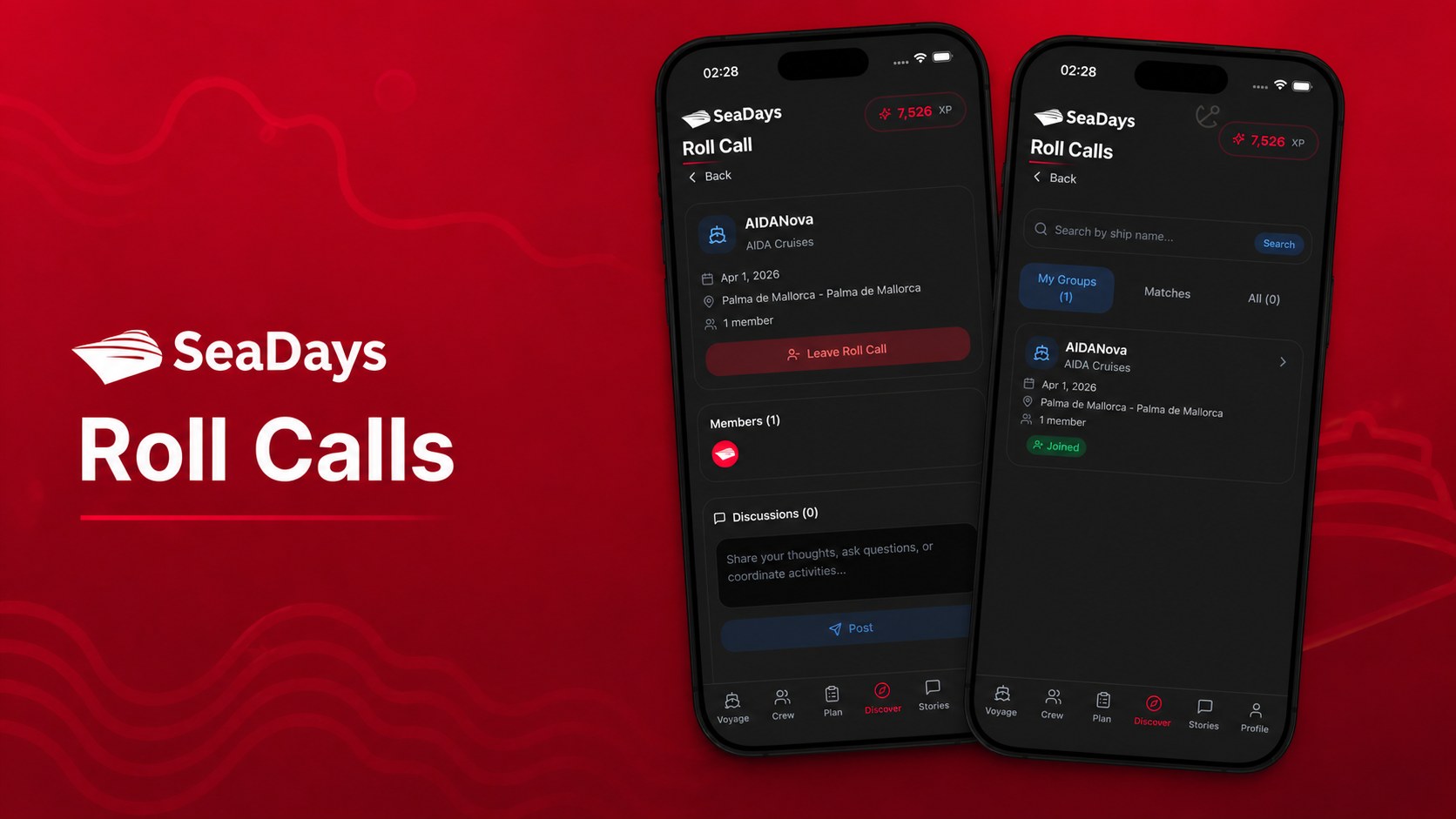
Stacking this with the other SeaDays features is where the big numbers come from: Drink Package Calculator + Drink Tracker to avoid drink overspend, Roll Calls to halve excursion costs, Port Reviews to avoid tourist-trap dining, Ship Reviews to avoid cabin-move fees. Each feature addresses a different leak that the Analytics Hub makes visible.
Real audit scenario
A couple returns from a 7-night Celebrity cruise. Folio total: $2,140 in onboard charges. They enter categorized totals into the Analytics Hub: drinks $780, specialty dining $340, spa $220, gratuities $245, wifi $160, shopping $180, excursions $215. Analytics shows drinks are 36% of onboard spend, which neither of them would have guessed.
They look at Historical Analytics and see this is the third cruise in a row where drinks were their #1 category. They set a next-cruise plan: run the Drink Package Calculator honestly, cap specialty dining at one night, and skip the spa "first-day special" entirely. Projected savings on the next comparable cruise: $350–$500. They also book a Roll Call private excursion for their next Cozumel stop, which on a similar itinerary saves another $160.
What changes after three audits
One audit surfaces the current voyage's top leak. Three audits, across different itineraries, show your actual spending personality. Some cruisers are drink-heavy regardless of line. Others bleed on spa upsells. A third group overspends on specialty dining because they default to "one nice dinner per night" without asking whether the main dining room was fine. The personality does not change cruise to cruise — only the surface category changes.
Once you see the personality, budgeting stops being cruise-specific and becomes habit-specific. A drink-leaner sets drink caps and runs the Drink Package Calculator every time. A spa-leaner blocks the first-day spa tour on their pre-cruise to-do list. A specialty-dining-leaner books exactly one specialty restaurant and moves the rest of the budget to excursions. This kind of self-knowledge is the highest-leverage output of the Analytics Hub.
Mistakes to avoid
Do not try to reconstruct line-item accuracy — the Hub is about categories and percentages, not forensic bookkeeping. Do not compare gross dollars across different-length voyages; use per-day or per-night normalization. Do not set caps you cannot actually defend (a $50 drinks cap on a 7-night cruise is performative, not realistic). Do not audit only "the bad cruise"; auditing the cruises you thought went fine is where the interesting patterns show up.
Common questions

Q: Can I enter costs in real time during the cruise?
A: Yes — the Add Cost dialog works throughout the voyage. Many users do a quick daily entry at dinner.
Q: What if my partner and I share a cabin folio?
A: Enter the combined total and divide in the reporting view, or split at entry time by category. Whichever you choose, stay consistent.
Q: Does Analytics include pre-cruise expenses like airfare?
A: Yes — trip cost sections can include transport and accommodation, so the total cruise-trip cost is visible, not just onboard.
Q: How does Historical Analytics handle different cruise lines?
A: Each voyage is tagged with its line and ship, so you can filter comparisons.
Q: Is this tied to the paid tier?
A: Some advanced analytics features are part of the subscription tiers. Free users still see core category breakdowns.
Related guides

Pair Analytics with the Drink Package Calculator earlier in this series. Compare line-specific onboard pricing in the ship guides. Check the port directory for shore-transfer costs that hide in "transport" leaks. Browse more budget pieces in the advice library, and run the next voyage's audit inside SeaDays.