
Passenger checklist: what to try this week

This page is a passenger-side checklist for the sailing you are on right now: how to eat without fighting crowds, how to move around the ship, how to use port days safely, and small cabin habits that pay off. It is not a behind-the-scenes operations tour—ship time and crew-only logistics are covered in the operations guide linked from the port-day section below.
Dining and daily rhythm

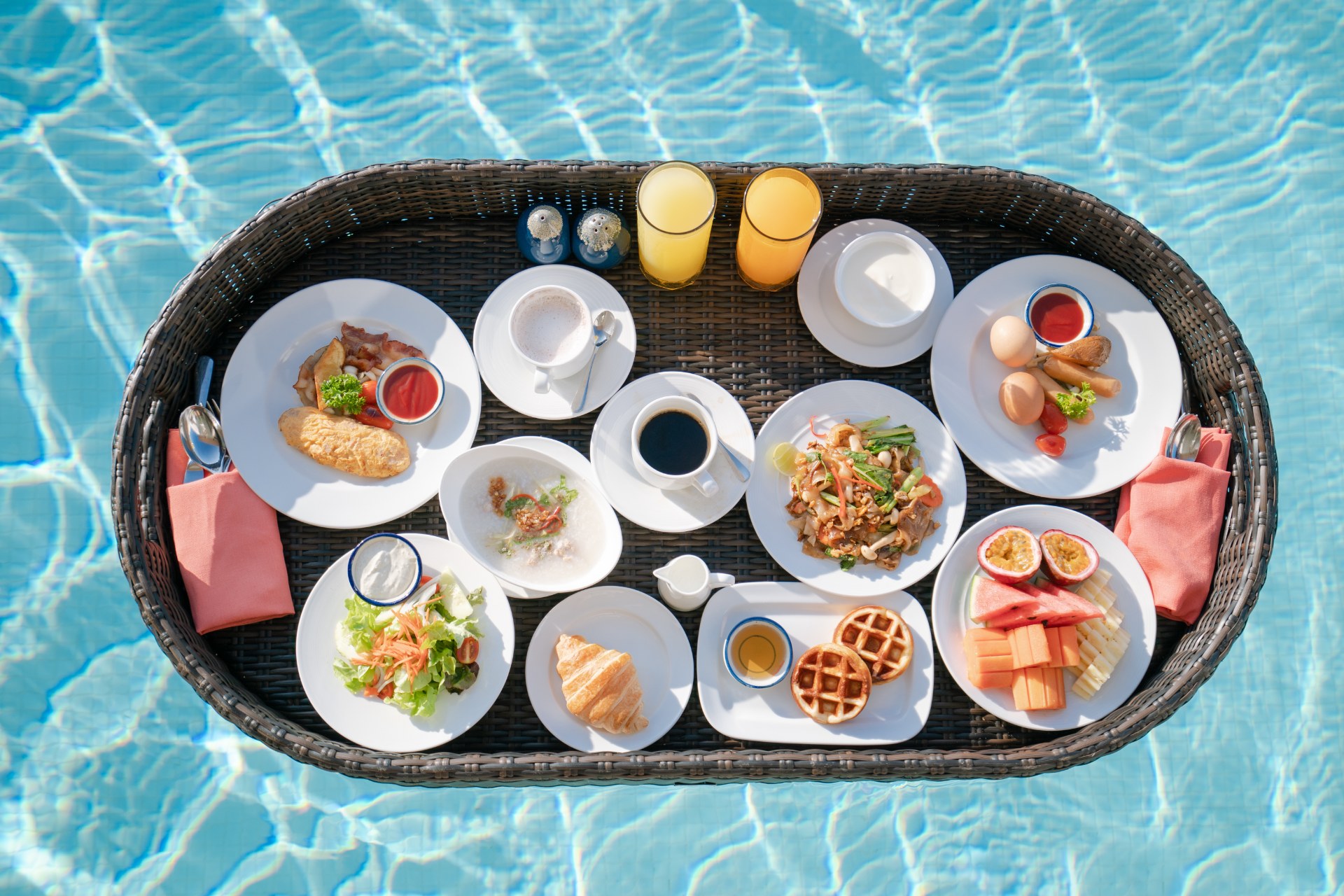
- Buffet timing: No line publishes a universal “quiet minute.” If the line is long when you arrive, eat 20–30 minutes earlier or later, or switch to another included venue on today’s planner.
- Main dining room: Breakfast and lunch there are often calmer than the buffet at peak, with similar included options on most lines. At dinner, ordering multiple appetizers in the main dining room is an easy way to sample without extra cover charges—still read your line’s policy for specialty venues.
- Daily newsletter: Port times, dress codes, spa promotions, and laundry specials land here first. Skimming it the night before beats discovering a formal night or an early all-aboard from a hallway rumor.
- Spa and salon: Port-day promotions sometimes appear in the bulletin—compare that price to sea-day pricing before you commit.
Port days: all-aboard beats “one more stop”
The printed “departure” time is not your free window. Work backward from all-aboard on the daily program—not from sail-away photos on the upper deck. Tender ports need extra margin: “back at the pier” and “back on the ship” are different moments when you still have a boat ride and a queue.
Set a phone alarm to a hard return time you chose earlier than all-aboard, especially on DIY ashore days. A blog cannot promise you will never miss the ship; margin and a named timekeeper in your group matter more than optimism. For why phones and local clocks disagree with the gangway, see How a cruise ship runs from the working side (ship time section)—then confirm the clock at guest services on embarkation day.
Deeper port buffers: Missed the ship: all-aboard buffers that keep first-timers safe.
Moving around without living in the elevator bank
Crowds pool where architecture funnels people—buffets at peak, theater doors at showtime, elevators after events. Practical moves that repeat every week: eat slightly early or late, walk one deck up or down instead of waiting for lifts, and book shows in the app when reservations open. Midship atria look grand and clog at peak; stairs often beat a three-stop elevator wait.
Cabin, motion, and laundry
Motion depends on the ship and sea state; a deck number from a blog is not a smoothness guarantee. Many guests feel less movement midship and on lower decks than at the extreme bow or stern. Before you book, read reviews for your category—under the pool deck or above machinery can mean noise or vibration even when the brochure photo looks perfect.
Room service policies vary by line—continental breakfast and simple sandwiches are often included, but fees and menus differ. Read your pre-cruise FAQ instead of assuming “always free.”
Self-serve laundry specials (when offered) usually appear mid-cruise in the daily bulletin—search for “stuff a bag” or similar wording on your line. Pack magnets and a compact power strip only if your line allows them; cabins often have limited outlets, but prohibited strip types do get confiscated.
Embarkation week habits that still help mid-cruise
Complete online check-in when it opens and download the ship app before boarding—schedules and menus often work offline after embarkation. Carry-on should hold what you need until checked bags arrive: medications, chargers, swimwear, and documents in one pouch you can open at security without digging.
On Day 1, drop bags in the cabin if it is open, eat while lunch lines are still reasonable, and do muster when called before you wander the ship. Unpacking the entire closet while the buffet is easy is a common first-timer trade people regret by mid-afternoon.
Small courtesies that cost nothing
Some ships open bow viewing during set hours; guest services or the daily planner is the authoritative source—not social media rumors.
Clear please/thank-you at the gangway and in dining helps staff track requests when they rotate through hundreds of guests. That is not a guarantee of free upgrades—just easier communication when everyone is busy.