Why sea days feel like the heart of the cruise

Many repeat cruisers mark sea days on the calendar the way others mark a favorite port. The ship is still moving, but your mental load drops: no pier logistics, no wondering whether you will make all-aboard, no splitting the day between a map ashore and a show back onboard.
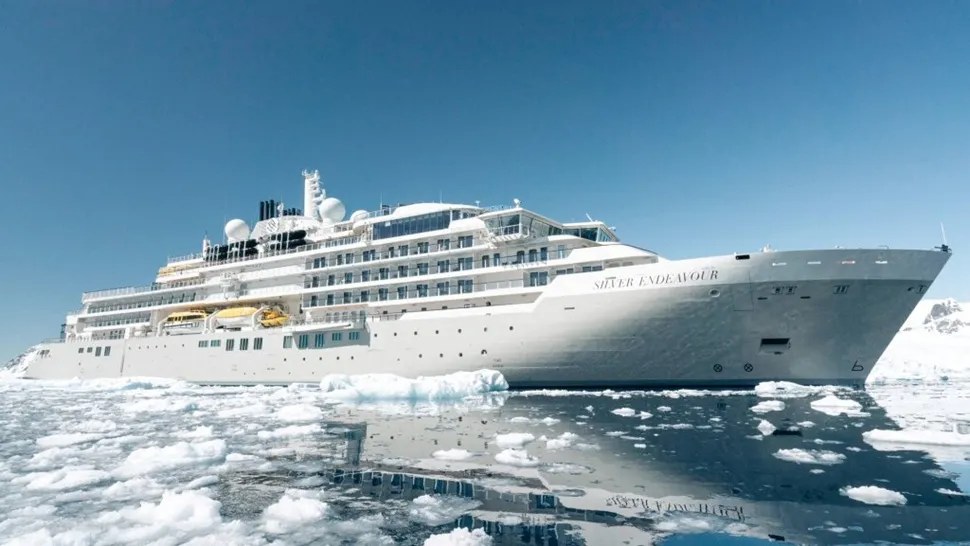
That shift is why a sea day often feels like the trip finally “starts.” The ship becomes the destination—pools, dining, theater, quiet corners you never noticed on embarkation night. If you want the plain definition and daily rhythm first, read what a sea day is on a cruise; this page is about why guests enjoy them.
Port days ask you to perform; sea days let you settle in

On a port day, the highlight is usually ashore. The useful window is the gap between arrival and all-aboard on that day’s program—and it is not a standard length. Some calls are short; others stretch most of the day. Tender ports add queues and boat rides that eat into “free” time.
On a sea day, you still have meal times, shows, and safety announcements on the daily program—but you are not racing back from an excursion. For many guests, that is the difference between vacationing and executing a schedule.
The ship as destination

Modern ships are built to be explored over several days. Sea days are when people finally find the library nook, the quiet lounge on an upper deck, or the promenade that was too crowded on night one.
- Full-fleet amenities: On port days, a large share of guests may be ashore; pools and buffets can feel emptier—or the opposite near the gangway at turnaround hours. At sea, venues run for everyone still onboard.
- Lower decision fatigue: You can sleep in, linger at breakfast, and let the afternoon unfold without coordinating taxis or tour meeting points.
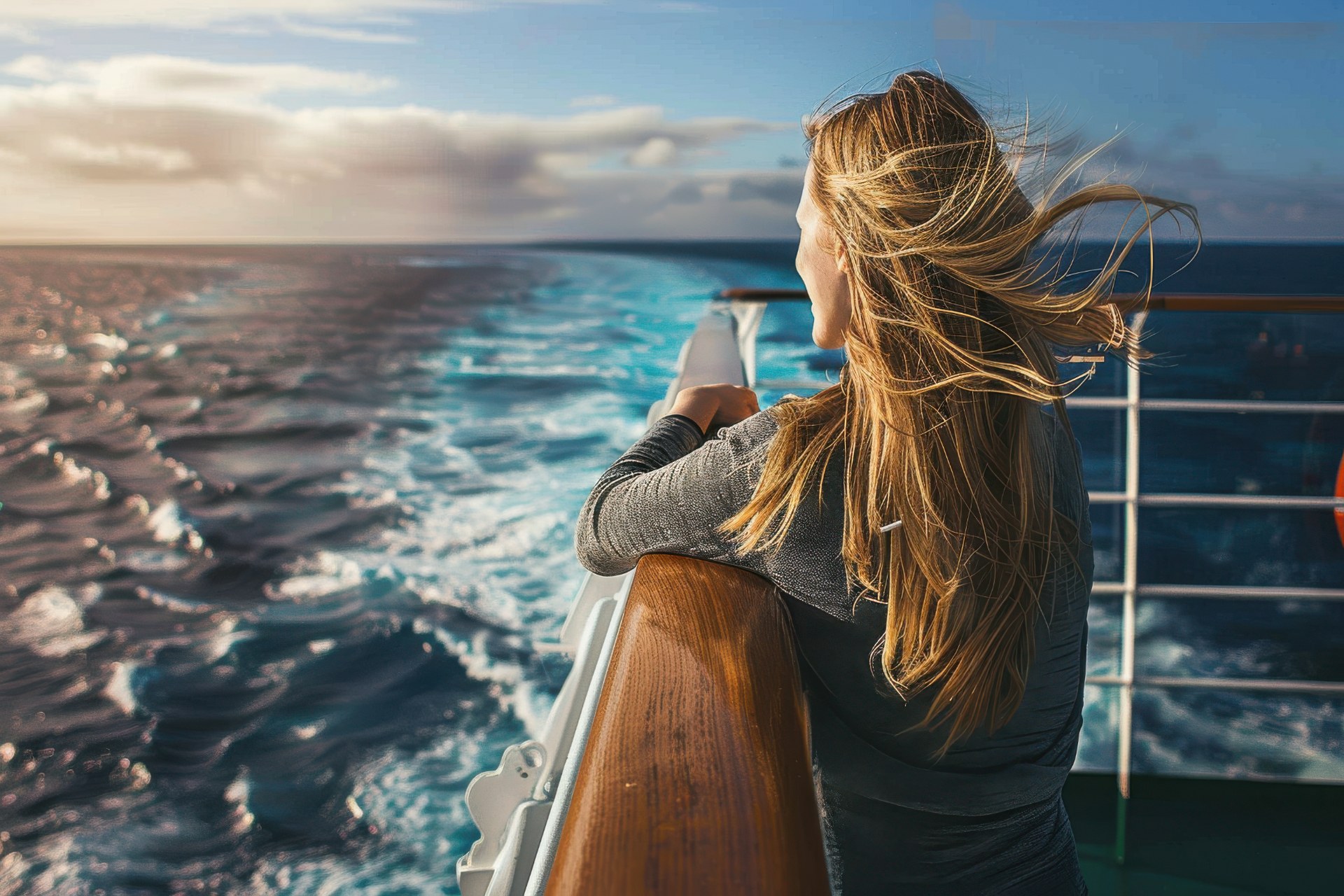
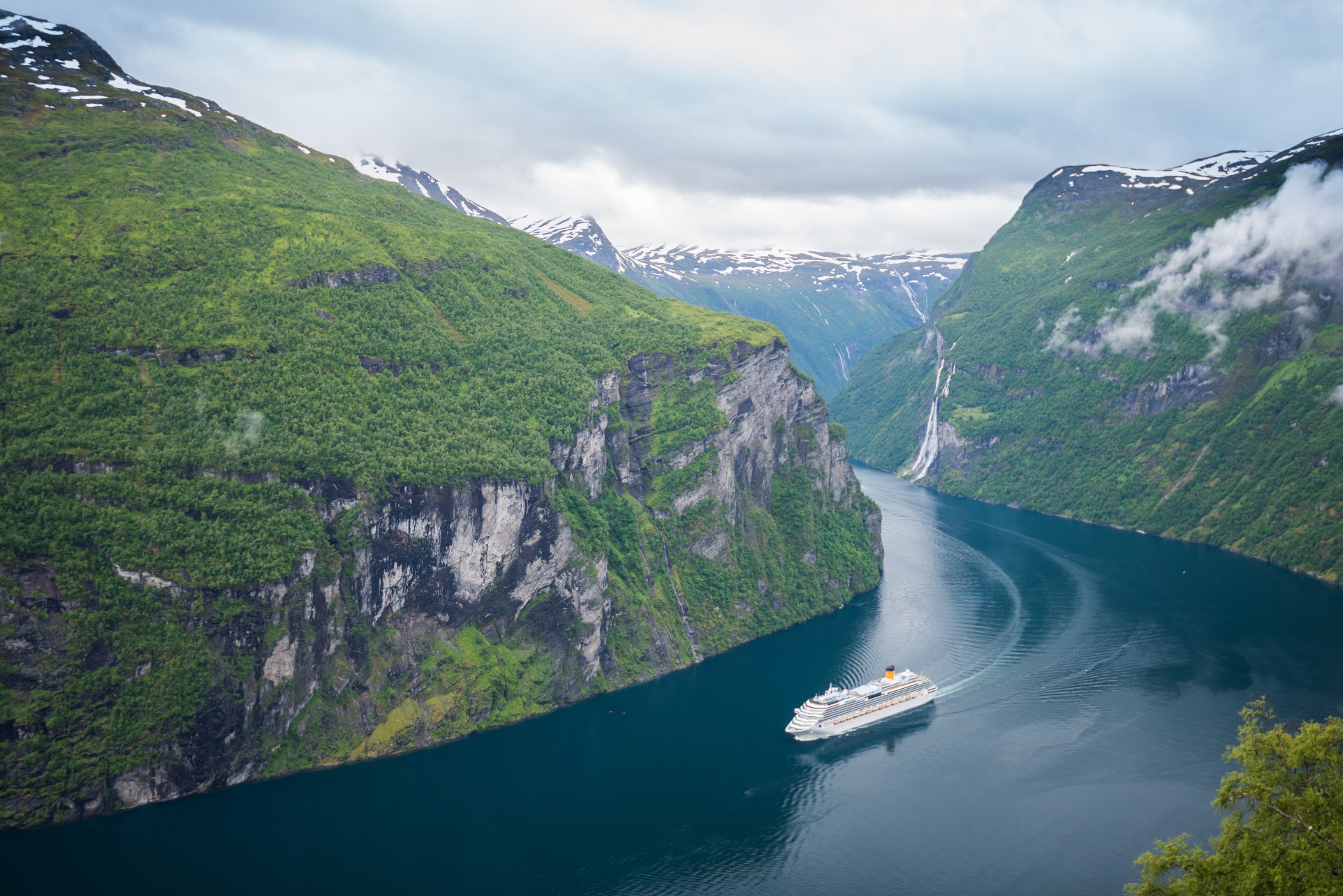
- Scenic hours: Some routes reward deck time—coastlines, wildlife, sunsets—without booking an excursion. Offerings depend on the sailing, not a generic promise.
Relaxation, social energy, and unhurried discovery
Sea days appeal to different travel styles in the same week. Introverts use them to read, nap, and skip the elevator crush. Social cruisers stack trivia, sail-away parties, and long dinners because everyone is onboard at once.
Neither approach is “wrong.” The common thread is permission to move slowly: try the spa if your line runs promotions, catch a matinee show, or do nothing visible at all and still call it a good day.
First-time cruisers sometimes worry a sea day will feel boring. In practice, boredom usually shows up when guests treat the day like a port day without a port—packing every hour. Pick one or two anchors from the daily planner, then leave gaps. That matches how many veterans actually cruise.
How many sea days fit your style
Itineraries vary: a short Caribbean loop may include one sea day—or none—while a crossing can string several together. Repositioning sailings often lean on long sea stretches by design.
Before you book, count sea days on the published itinerary and ask whether you want more time ashore or more time using the ship. If you love sea days, favor routes with more of them; if ports drive your trip, prioritize calls over open water. Your line’s brochure and a cruise planner app are the source of truth—not a blog’s guess at “ideal” counts.
However many you get, treat at least one as intentional rest before a heavy port day. Your future self at all-aboard will thank you.