The Reality of Cruise Ship Incidents
Cruise ships carry millions of passengers each year. When something goes wrong, it makes news. But the vast majority of cruises complete without incident. Cruise travel is statistically very safe.
Understanding what can go wrong—and how rare it is—helps you prepare without unnecessary fear. Knowledge is the best travel insurance. Here's the honest picture for cruise planning and peace of mind.
Norovirus and Illness on Cruise Ships

Norovirus outbreaks on cruise ships make headlines, but they're rare. The CDC reports only a small fraction of sailings are affected. Cruise lines have strict sanitation protocols. Handwashing and avoiding direct contact with buffet tongs help. Norovirus happens anywhere people gather—schools, hotels, nursing homes. Cruise ships are just more visible.
Cruise tips: Use hand sanitizer, wash hands frequently, and stay in your cruise cabin if you feel unwell. Cruise ship medical staff can help.
Engine and Mechanical Problems
Engine issues on cruise ships are occasional. Ships can run on reduced power; full failures are extremely rare. When problems occur, cruise itineraries may change—a port might be skipped, or the route adjusted. Cruise lines often offer refunds, onboard credit, or future cruise discounts.
Cruise planning should include flexibility: cruise lines don't guarantee ports. Read the contract of carriage. Travel insurance can help with unexpected changes.
Rough Seas and Weather
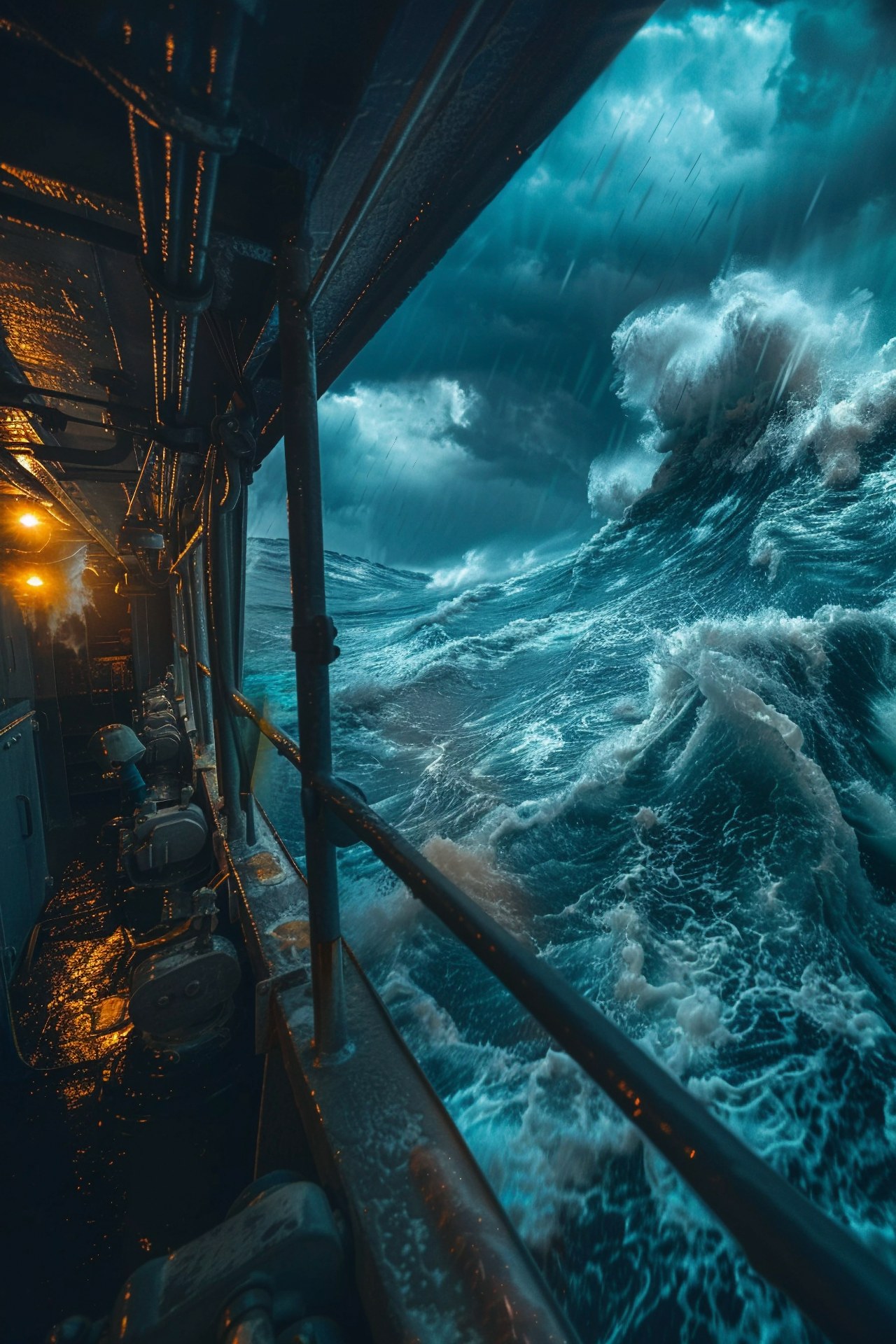
Rough seas are common in certain cruise regions and seasons—North Atlantic in winter, certain Alaska routes. Cruise ships are built for it. Stabilizers reduce rolling. Motion sickness medication helps. You can't control the weather, but you can choose calmer itineraries (Caribbean, Mediterranean) and larger ships (more stable).
Cruise tips: Midship and lower deck cabins feel less motion. Pack Dramamine or sea bands if you're sensitive.
Missed Ports and Itinerary Changes
Missed ports happen. Weather, mechanical issues, or port conditions can force changes. Cruise lines don't guarantee cruise itineraries—it's in the fine print. Flexibility is part of cruising. Some travelers get compensation; others get a different experience. Cruise planning means expecting the unexpected.
Medical Emergencies and Evacuation
Medical emergencies can happen anywhere. Cruise ships have medical facilities and staff. Serious cases may require medevac—helicopter or boat to shore. Travel insurance with medical evacuation coverage is essential. Cruise costs for uninsured emergencies can be enormous.
Cruise tips: Bring prescription medications, know your cruise ship's medical capabilities, and always have travel insurance.
Lost luggage on cruises is rare. Most bags arrive with you. Keep essentials—meds, documents, swimsuit—in carry-on. Cruise cabin delivery can be delayed a few hours on embarkation day. Plan accordingly.
Pack motion sickness medication if you're prone to it. Buy travel insurance that covers medical evacuation. Keep important documents and medications in your carry-on. Use a cruise planner to stay informed about your cruise itinerary.
The odds are overwhelmingly in your favor for a smooth, enjoyable cruise. Don't let fear keep you from cruise travel. Cruise ship safety standards are high—prepare, then enjoy.