The Science Behind Cruise Ship Stability
Cruise ships stay afloat thanks to displacement: the weight of water they push aside equals the weight of the ship. The hull is designed to spread that weight across a wide area, and ballast tanks help keep the ship level. It's basic physics—Archimedes' principle—applied on a massive scale.
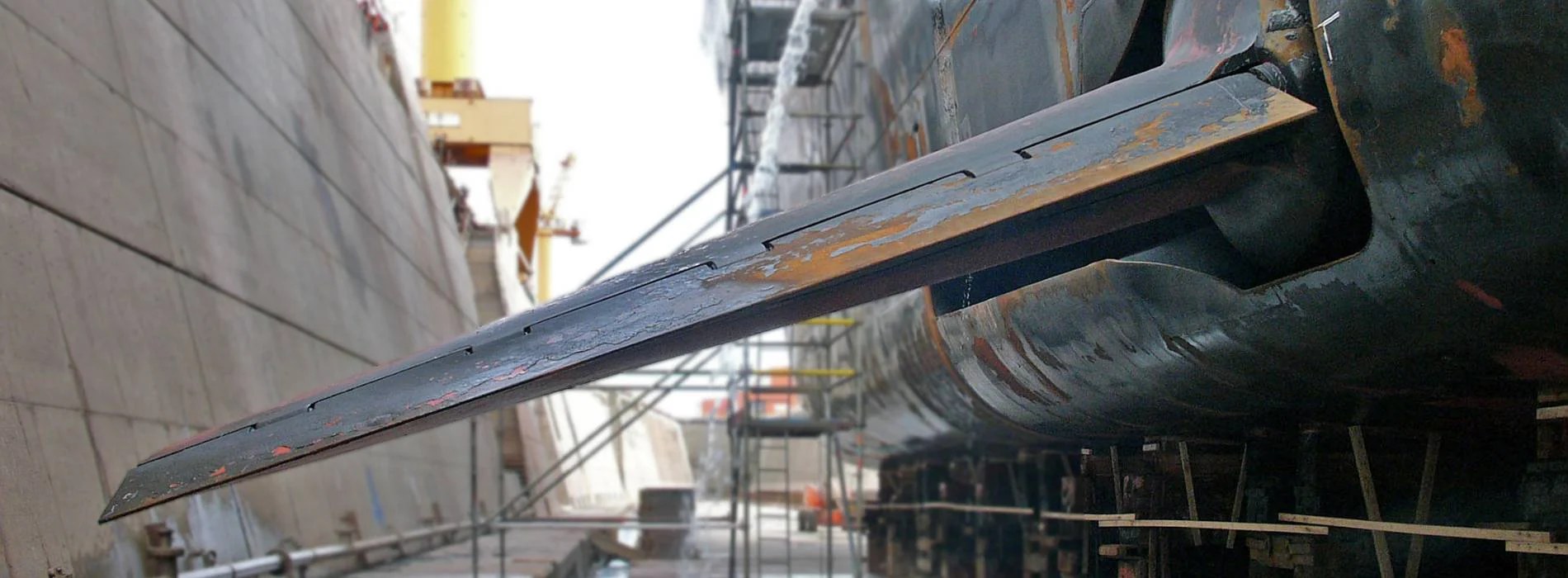
Stabilizers—fins that extend from the hull—reduce rolling in rough seas. They don't eliminate motion entirely, but they make a big difference for cruise travel comfort. It's a mix of physics and engineering that has been refined over decades. Modern cruise ship design prioritizes both safety and passenger comfort.
How Cruise Ship Propulsion Works
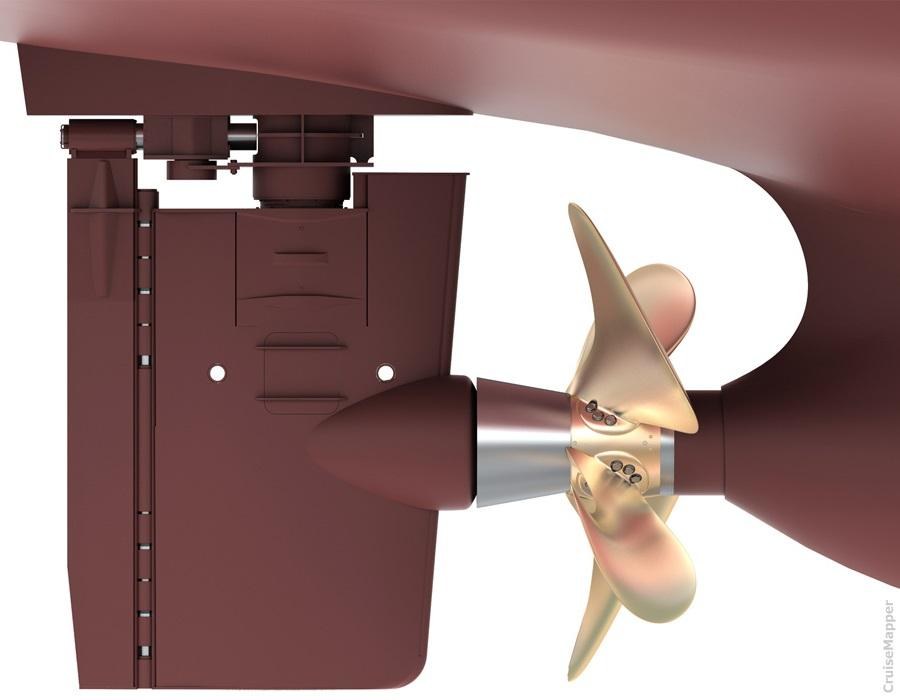
Cruise ships are powered by diesel-electric or gas turbine engines. Some of the largest vessels use azipods—rotating propulsion units that can turn 360 degrees—for better maneuverability. Propellers can be the size of a bus. The engine room runs 24/7, powering everything from propulsion to air conditioning to the galley.
Understanding this helps explain why cruise itineraries can change: weather, mechanical issues, or port conditions can affect sailing. Cruise lines build in flexibility for safety.
Why Cruise Ships Keep Getting Bigger
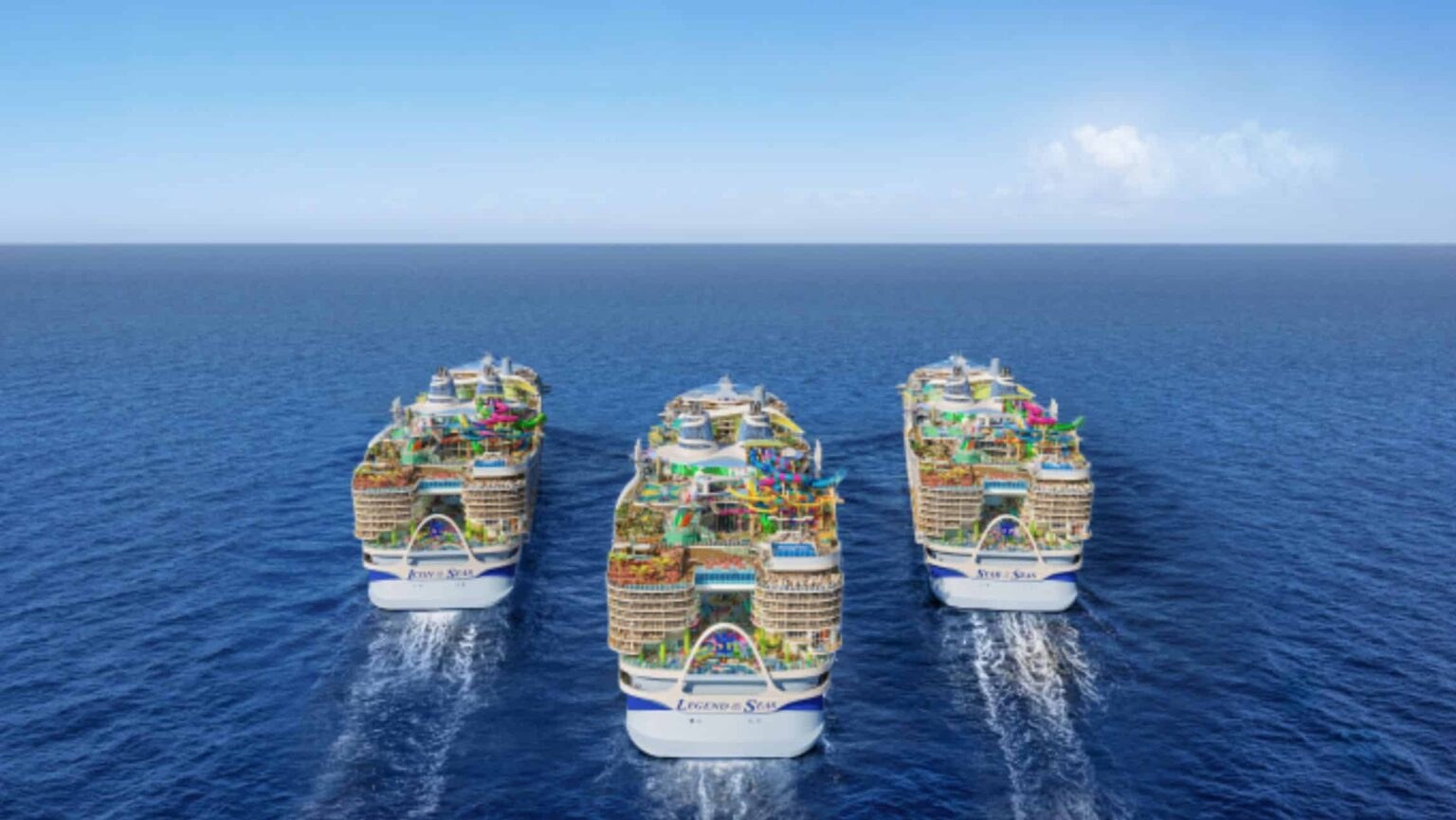
Economies of scale. More passengers means lower cost per person for the cruise line. Bigger cruise ships can be more profitable, which keeps cruise prices competitive.
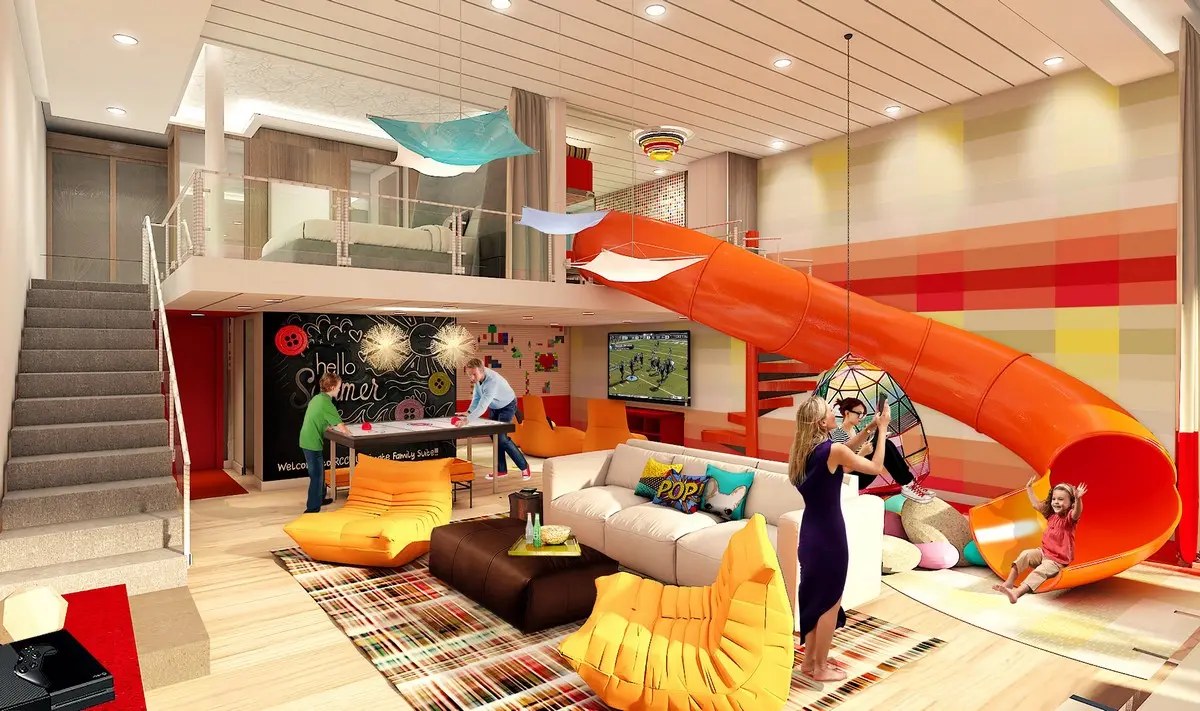
More amenities. Bigger ships can offer water parks, Broadway shows, ice rinks, and dozens of dining options. The ship itself becomes the destination. Sea days on mega-ships feel like a resort experience.
Competition. Cruise lines compete to offer the "most" of everything—biggest, tallest, most restaurants, most pools. Cruise ship size is a marketing tool.
Stability. Larger cruise ships often feel more stable in rough water. More mass means less motion. Great for seasickness-prone travelers.
Destination appeal. For many cruise travelers, the ship is the vacation. Ports are secondary. Cruise planning for mega-ship fans focuses on ship features, not just cruise itinerary.
Mega-Ships vs. Small Cruise Ships
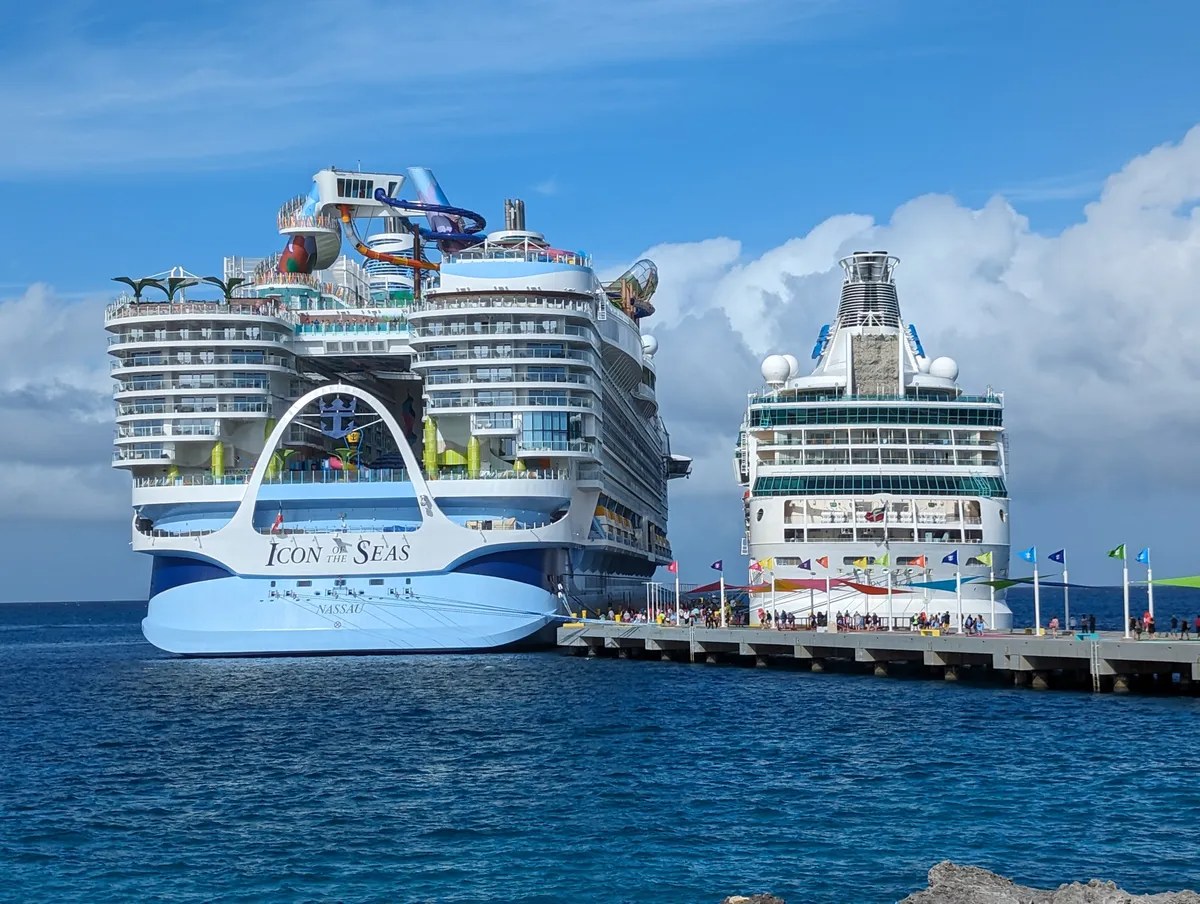
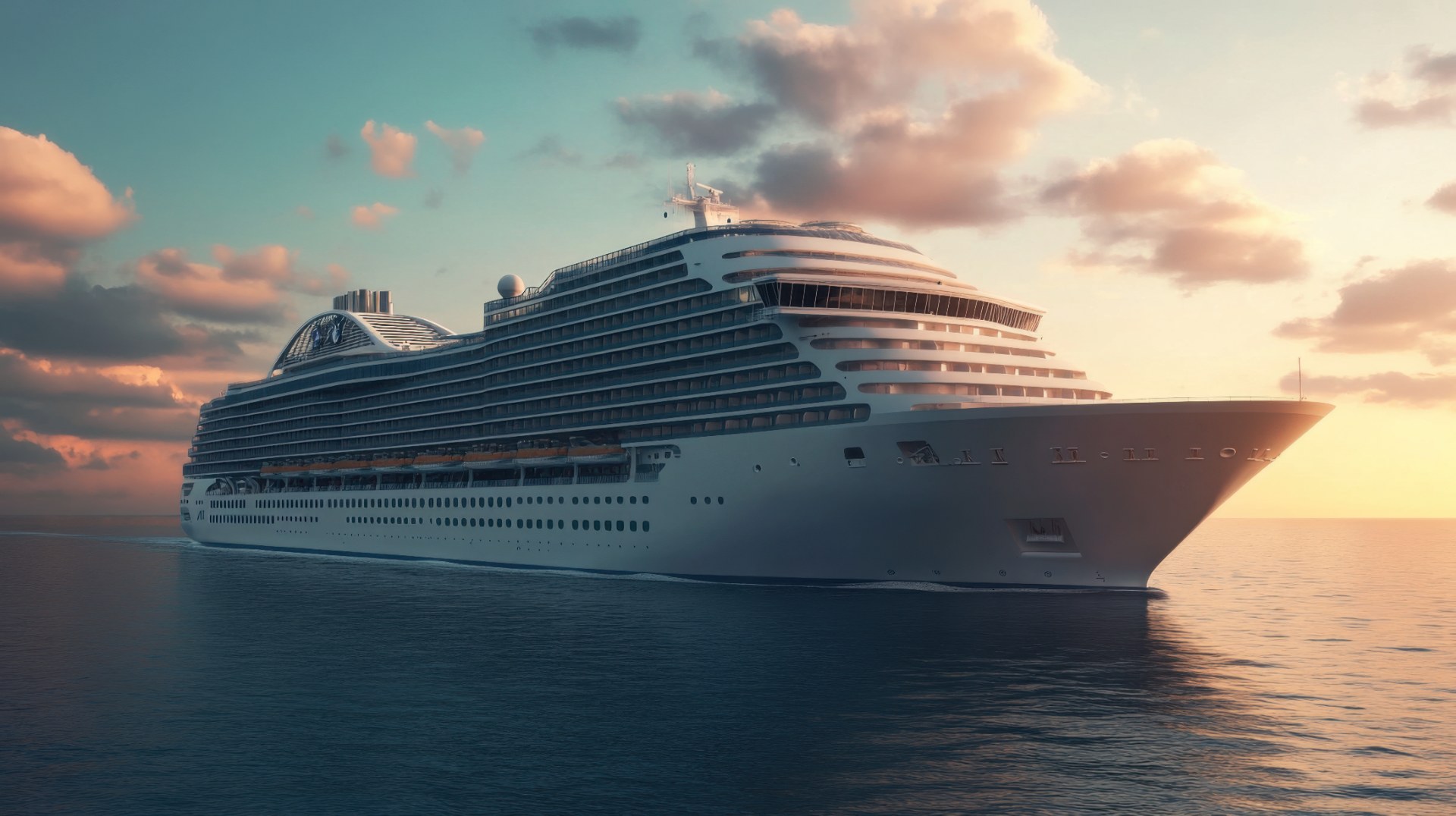
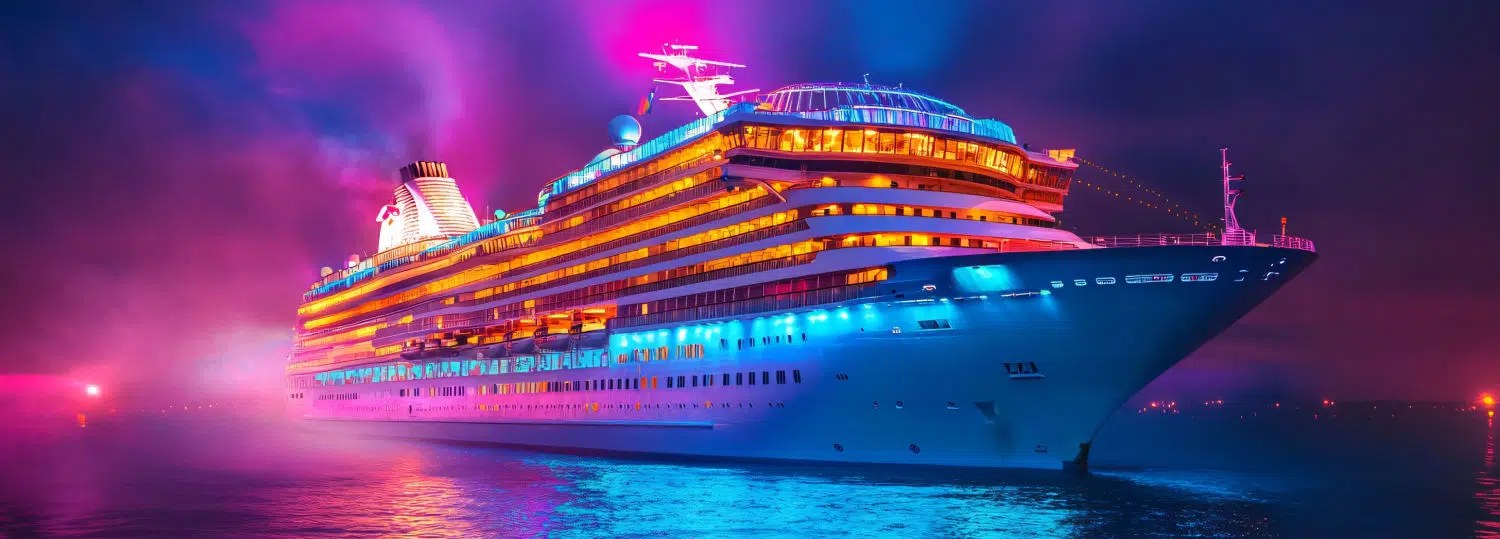
Mega-ships (4,000+ passengers) offer endless options: multiple pools, dozens of restaurants, cruise ship entertainment around the clock. They can feel crowded at peak times. Best for travelers who want variety and nonstop action.
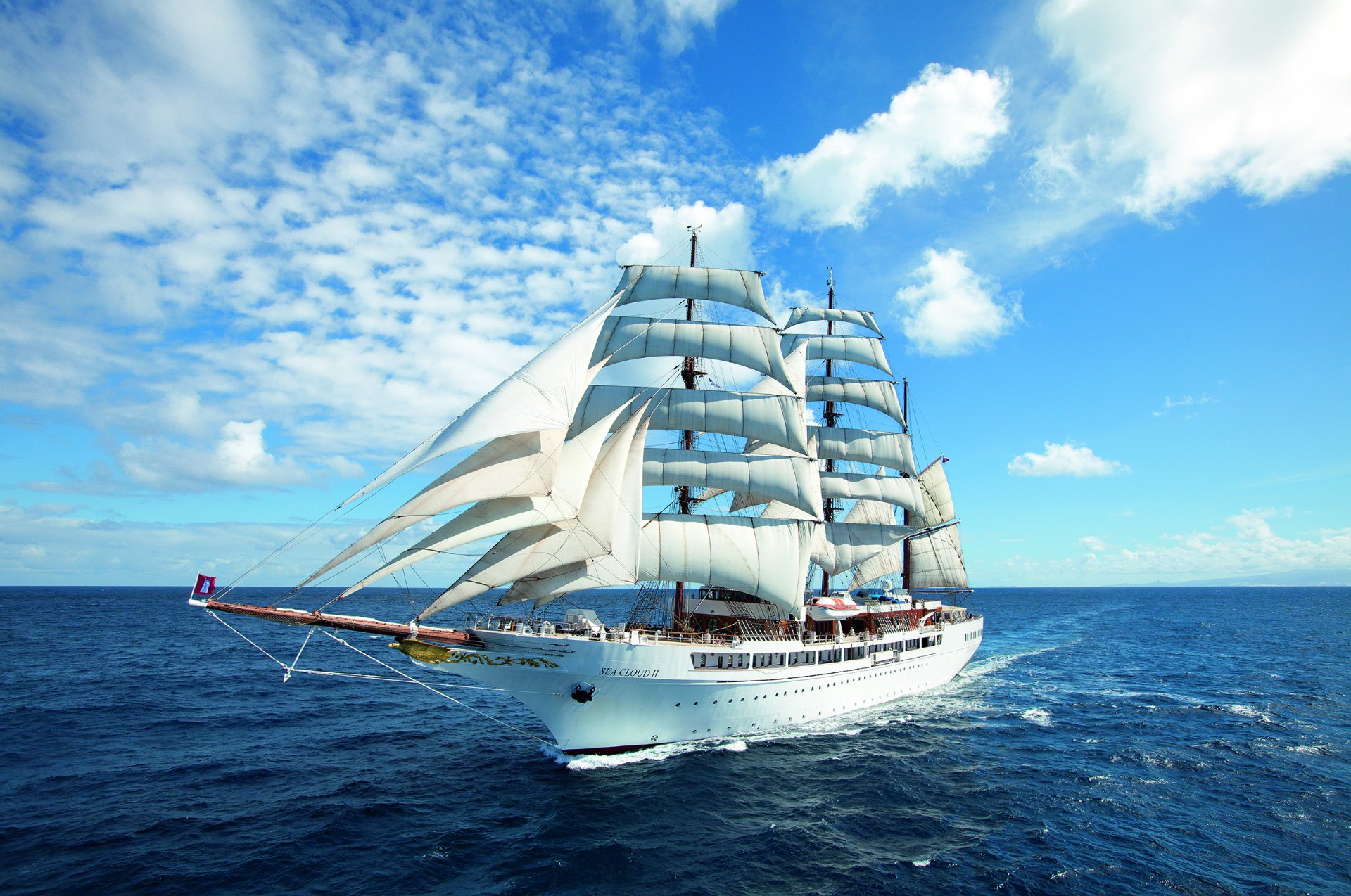
Small cruise ships (under 1,000 passengers) offer intimacy, fewer lines, and often access to smaller ports. Cruise itineraries on small ships can include destinations mega-ships can't reach. Best for travelers who value peace and exploration.
Bigger isn't always better. Consider your preferences: do you want nonstop action or quiet corners? Your cruise planner can help you compare cruise ships and cruise itineraries to find the right fit.
Cruise cabin choice also matters more on larger ships—location affects noise and motion. Cruise tips from veterans: midship and lower decks tend to be quieter and steadier.
When choosing a cruise, ship size affects your cruise itinerary (bigger ships need deeper ports), sea days experience, and overall vibe. Use cruise reviews and a cruise planner to match ship size to your style. There's a cruise ship for every traveler.