Efficient Cabin Design
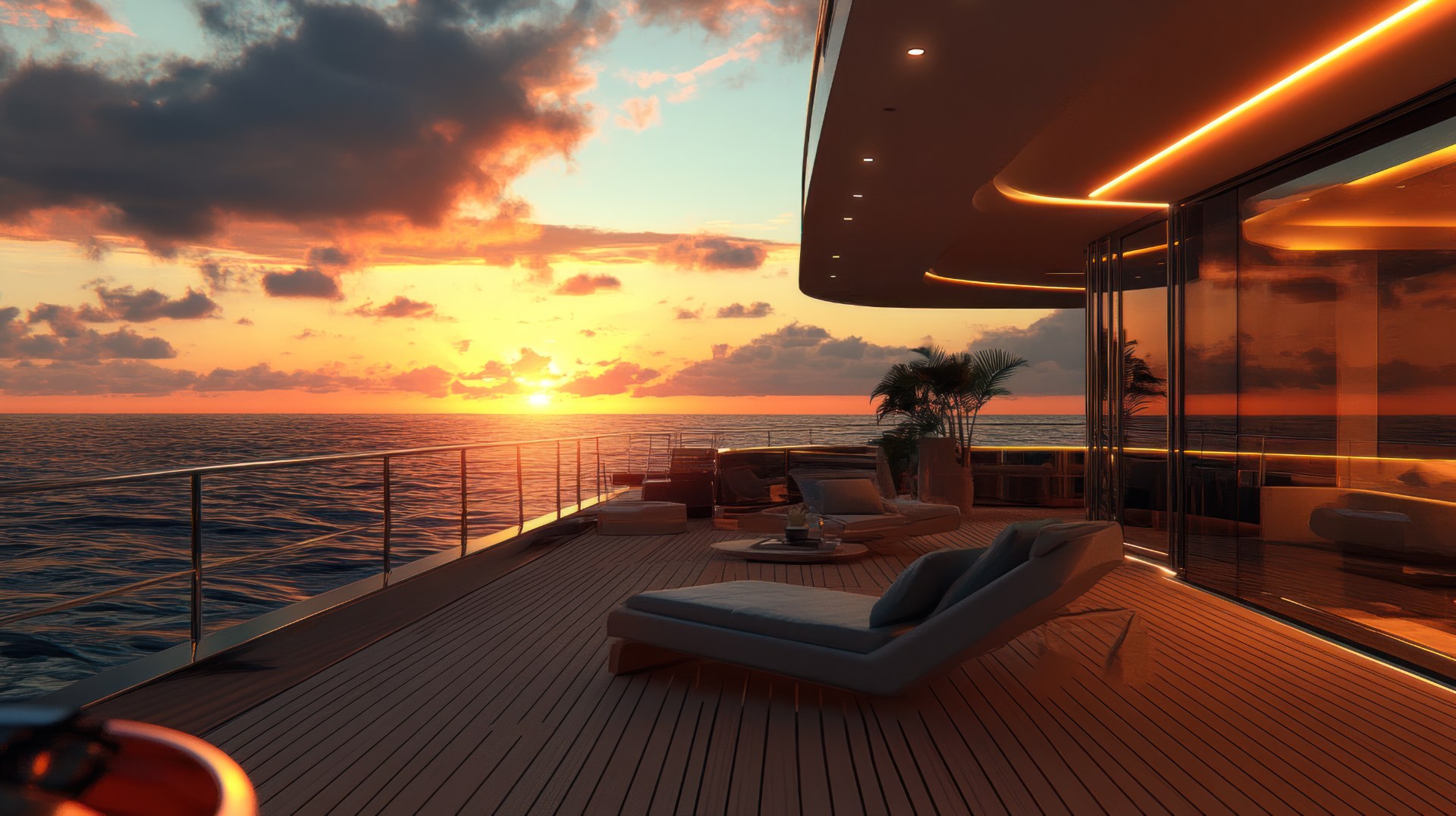
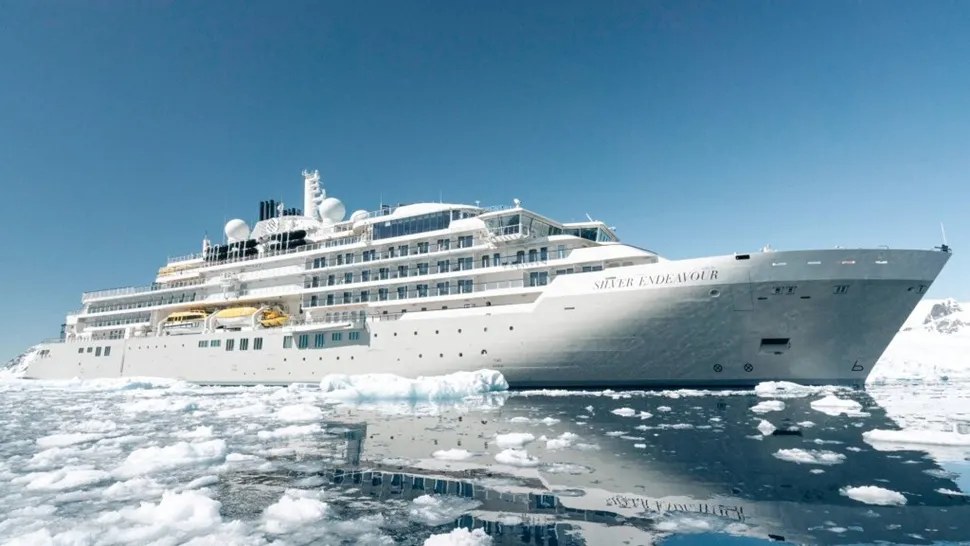
A cruise ship is a floating hotel with a hard deck limit. Every square meter competes with corridors, crew quarters, galleys, and revenue venues. Cabins are sized to maximize the number of berths the line can sell while still delivering a private bathroom and storage—often in roughly half the floor space of a typical urban hotel room.
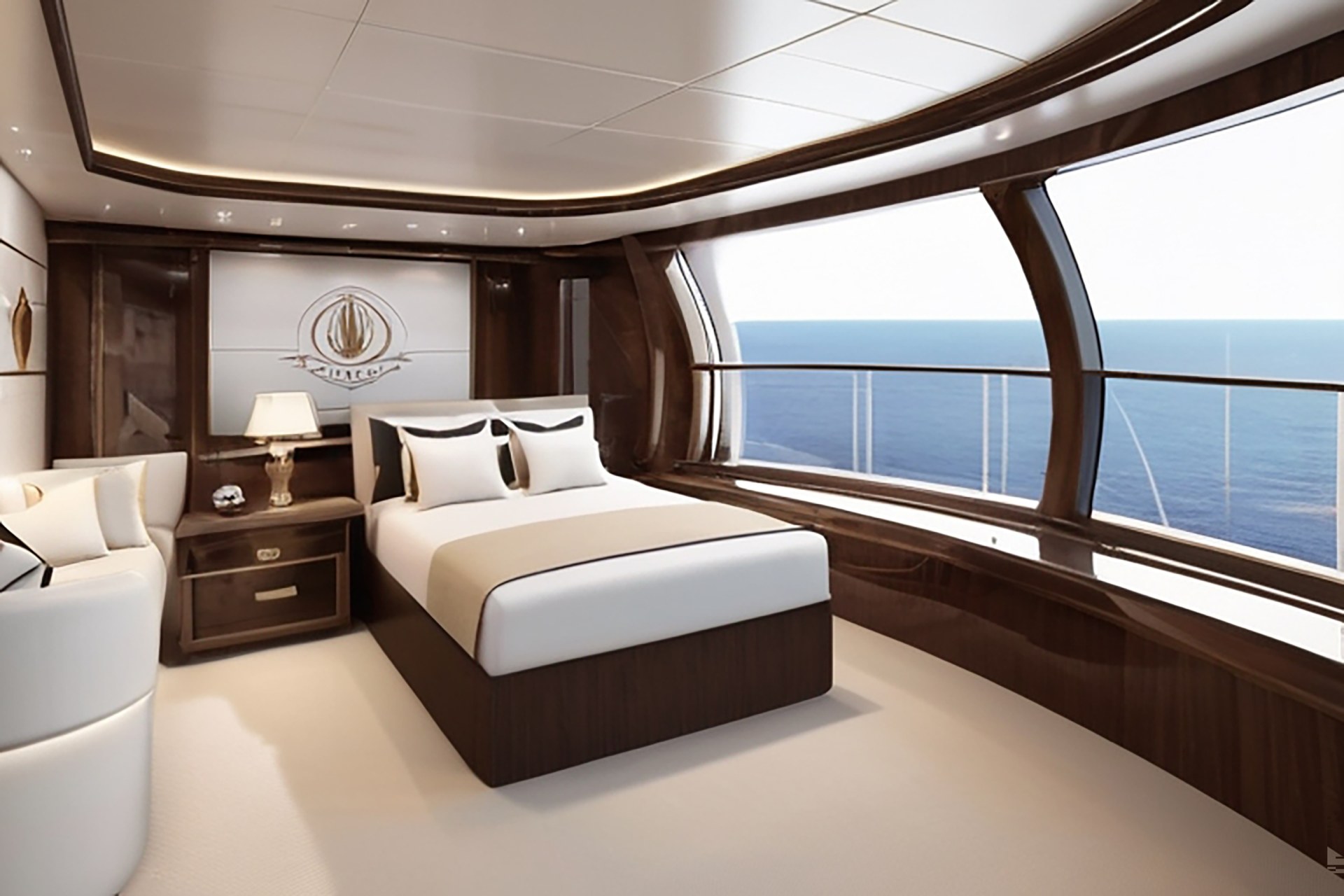
Ship architects optimize for bed placement, bathroom wet zones, and life-safety routes. Walls are thin; ceilings are lower than ashore; balconies steal interior volume on outside categories. Interior cabins trade natural light for footprint—psychologically, they feel smaller even when the floor plan matches an ocean view room.
Furniture is multi-purpose: sofa beds, pullmans, and vanity desks collapse or fold. That efficiency helps by day but can feel cramped when two adults unpack fully.
Smart Storage Solutions
Experienced cruisers rely on:
• Under-bed clearance for flat luggage—slide suitcases under and forget them. • Vertical closets with hangers and slim packing cubes. • Magnetic hooks (many walls are metal-friendly) for hats, lanyards, and organizers. • Compact bathrooms with corner showers—quick to clean, tight to share simultaneously.
Unpack once and hide the suitcases—visual clutter makes small rooms feel smaller. Cruise cabin hacks from veterans: use over-the-door organizers (if allowed), pop-up hampers for laundry, and power strips for outlets (check cruise line rules—some prohibit certain types).
Square Footage and Layout Differences
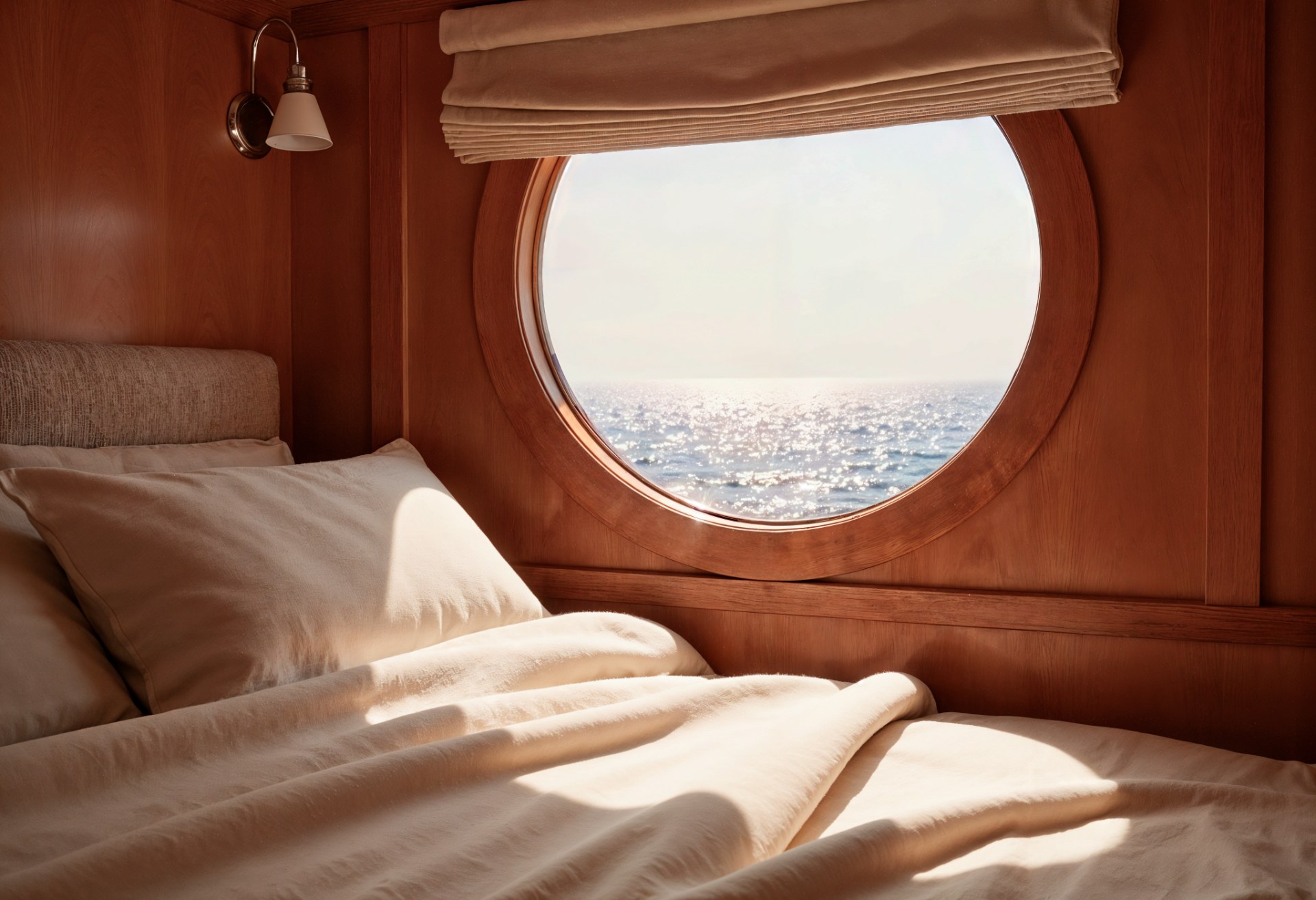
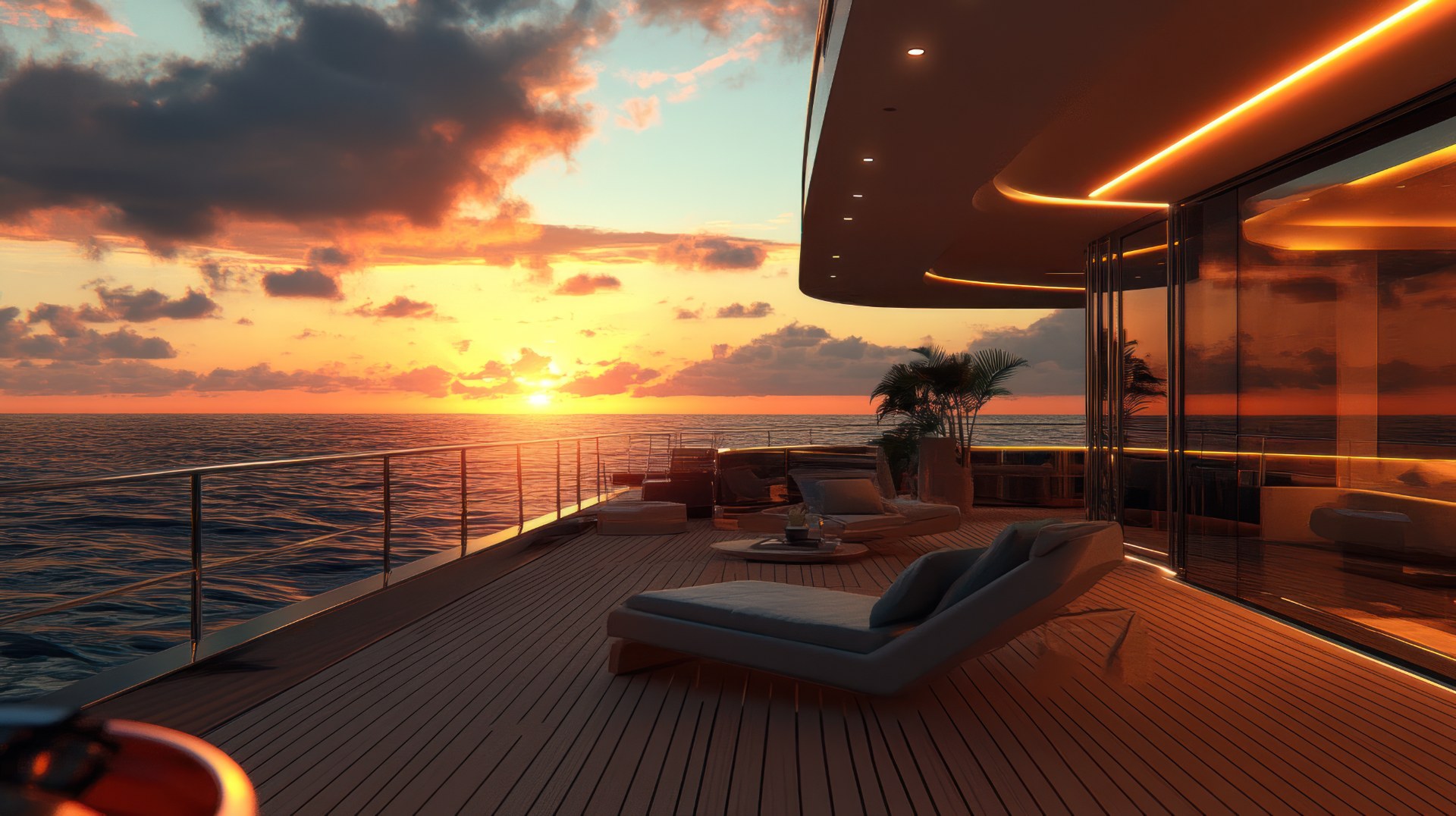
Cruise cabin sizes vary widely: inside cabins can run 150–185 sq ft; ocean view adds a window; balcony cabins might offer 180–220 sq ft plus 35–50 sq ft of private outdoor space; mini-suites and suites add seating areas, double vanities, and sometimes separate sleeping zones. Compare square footage on deck plans—category names are not standardized across lines.
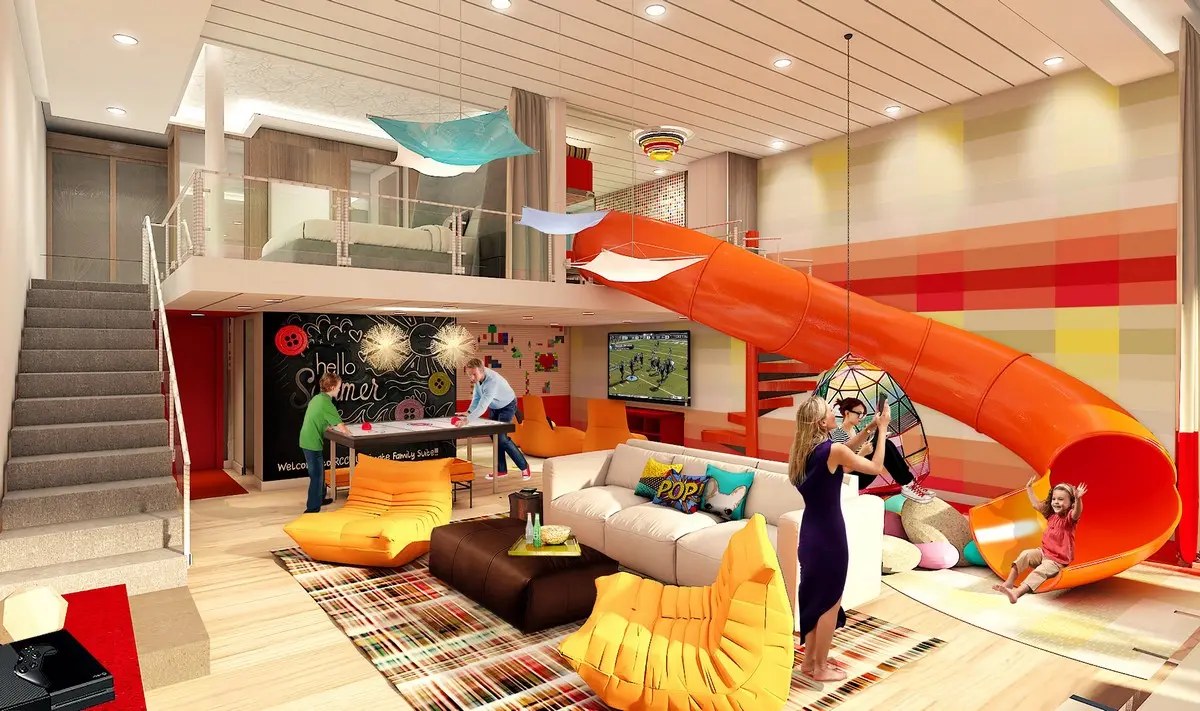
Inside cabins maximize budget; ocean view adds a window for orientation; balcony cabins buy private outdoor space that makes the room feel larger; mini-suites and suites add seating areas and sometimes double vanities. Midship locations feel steadier in motion; forward and aft can offer interesting views but more foot traffic or vibration on some ships.
If cabin size matters more than price, compare square footage in the line's deck plans—not just category names, which vary widely across brands.