Small Ship Cruises: Why Intimate Voyages Are Rising
What “Small Ship” Actually Means in 2026
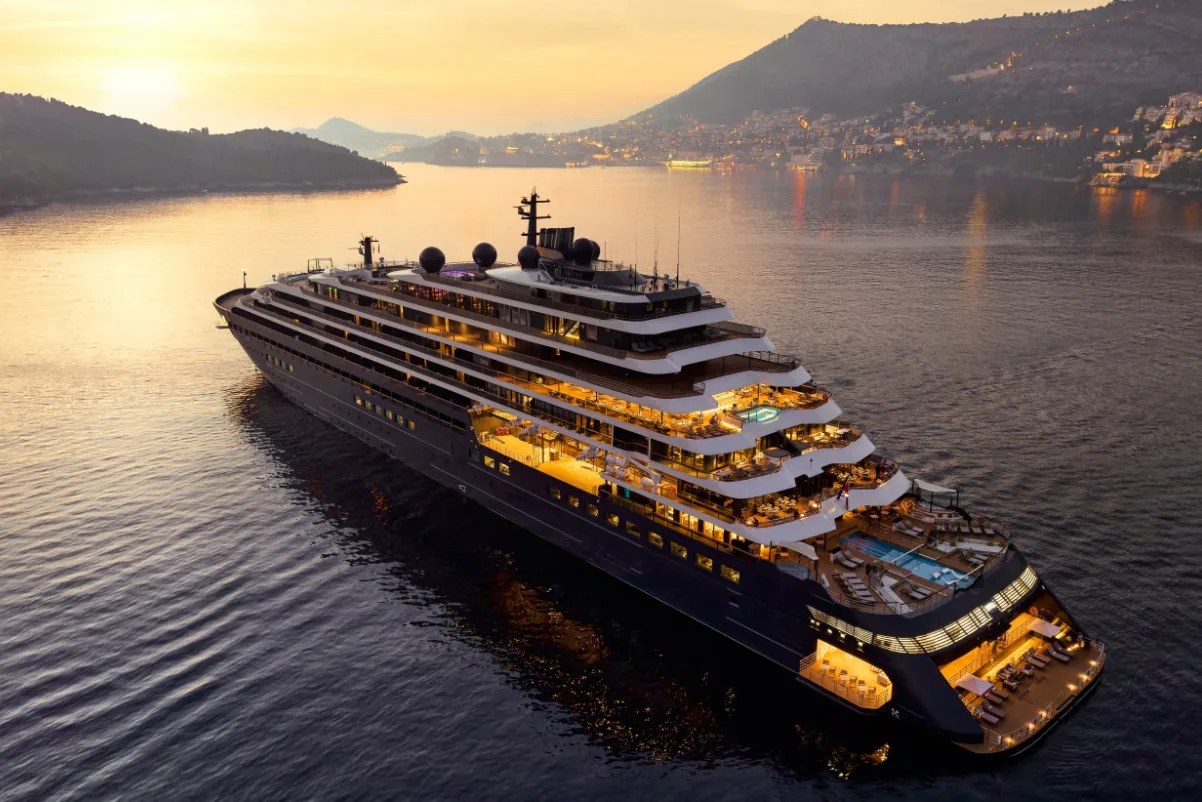
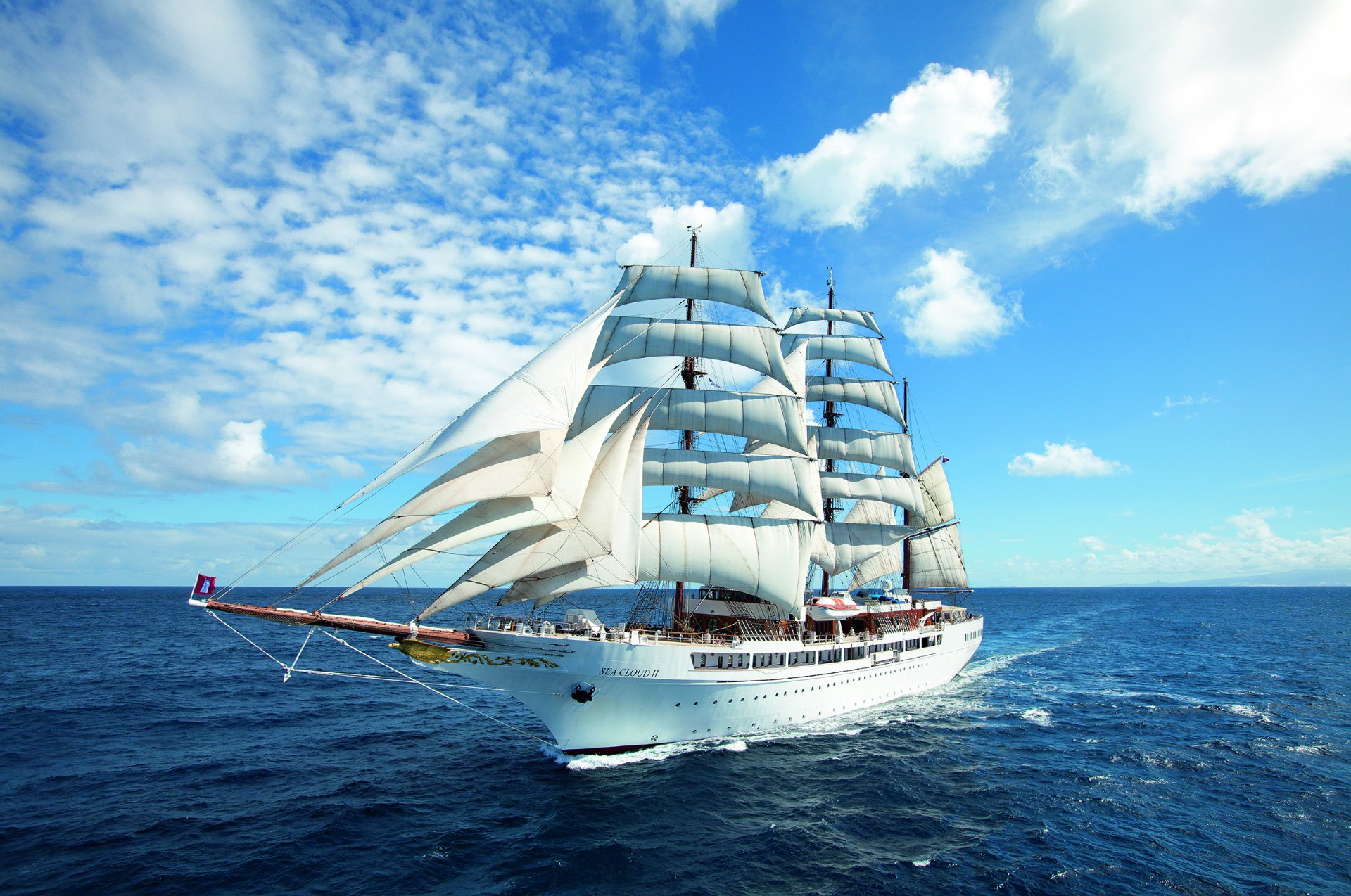
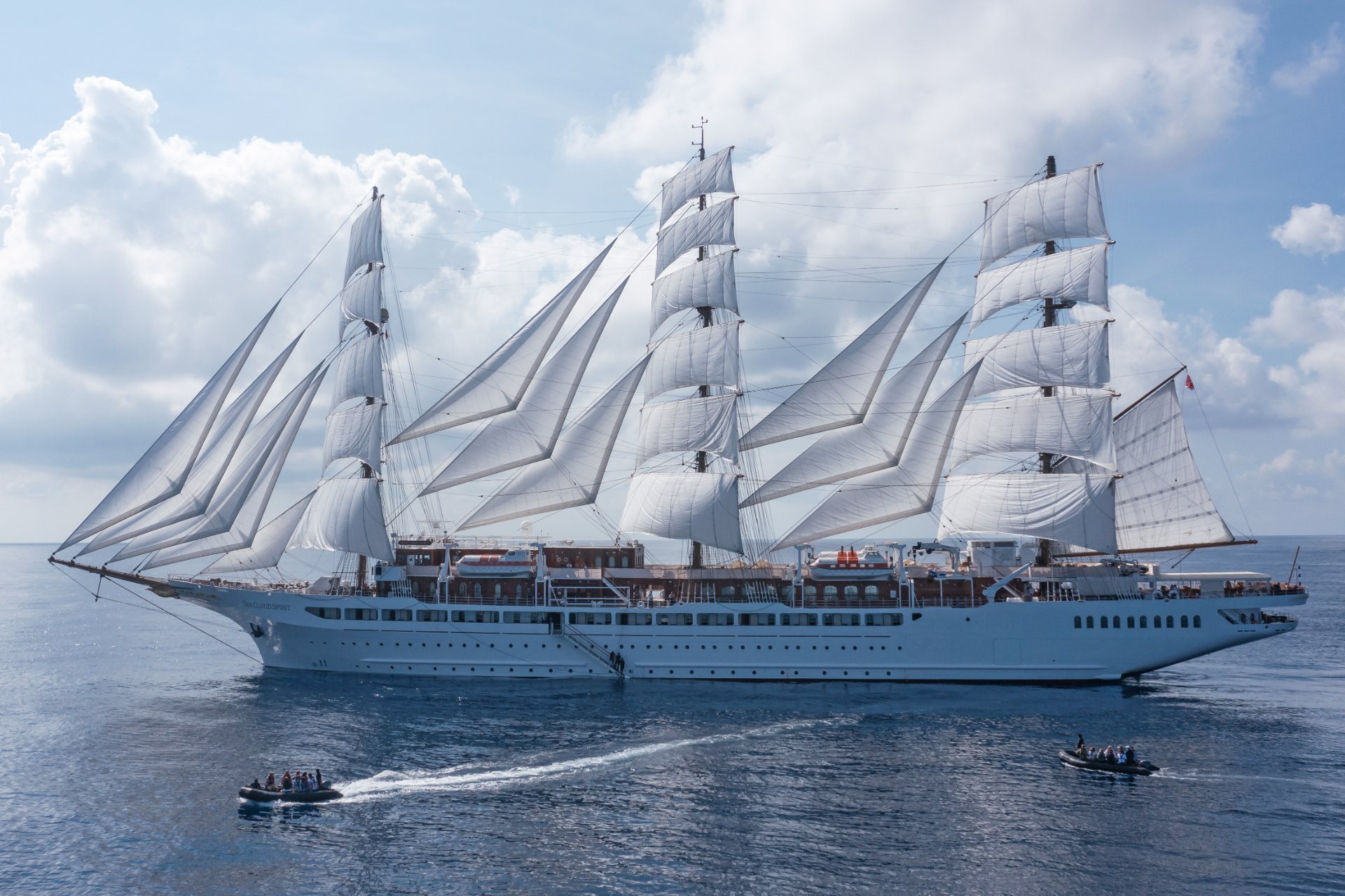
Industry chatter uses small loosely. Small ocean ships often carry 200–900 guests; ultra-small expedition vessels may carry under 200. River ships are small by beam necessity—different rules entirely. Yacht-style cruises may host fewer than 100 guests with crew nearly matching headcount. The rise in popularity comes from overtourism fatigue, desire for destination credibility, and post-pandemic crowd avoidance—not because small is always calmer at sea (motion can feel sharper on some hulls).
The Access Advantage: Docks, Channels, and Expedition Rules

Small beams enter fjords, rivers (ocean going yachts rarely), and polar zones with strict passenger limits. Tender operations may still exist, but lines optimize for fewer people per boat rotation. Galápagos caps guest counts by law—small ship is not optional there. Check ports for dock vs anchor patterns on your route.
Social Dynamics: Community Speed and Privacy Tradeoffs

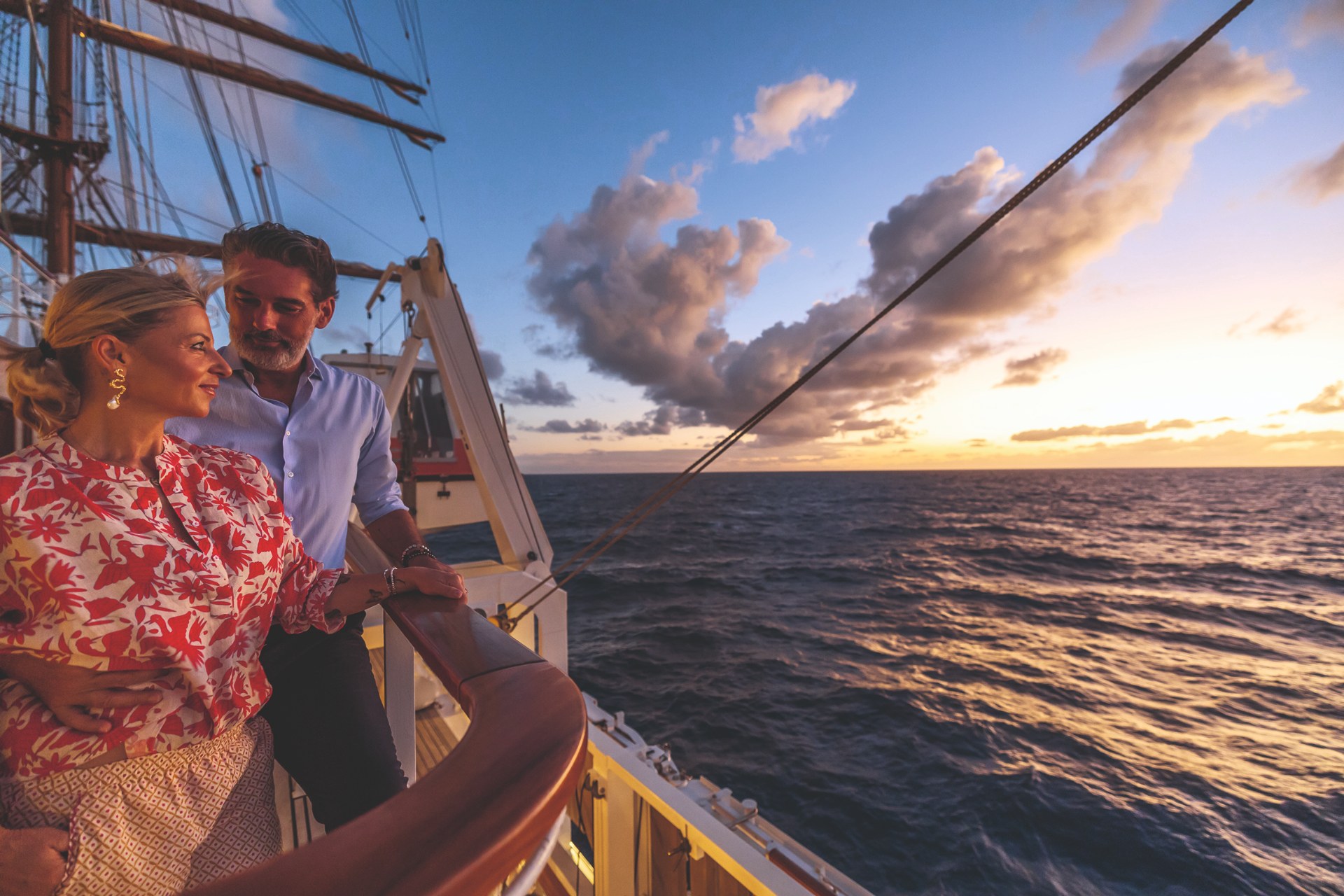
You will see the same faces—lectures, bars, tours. Introverts should book suites with private space; extroverts may thrive fast. Crew often learn names sooner—service can feel warmer or more observant, depending on your comfort with attention.
Entertainment: Quality Over Volume
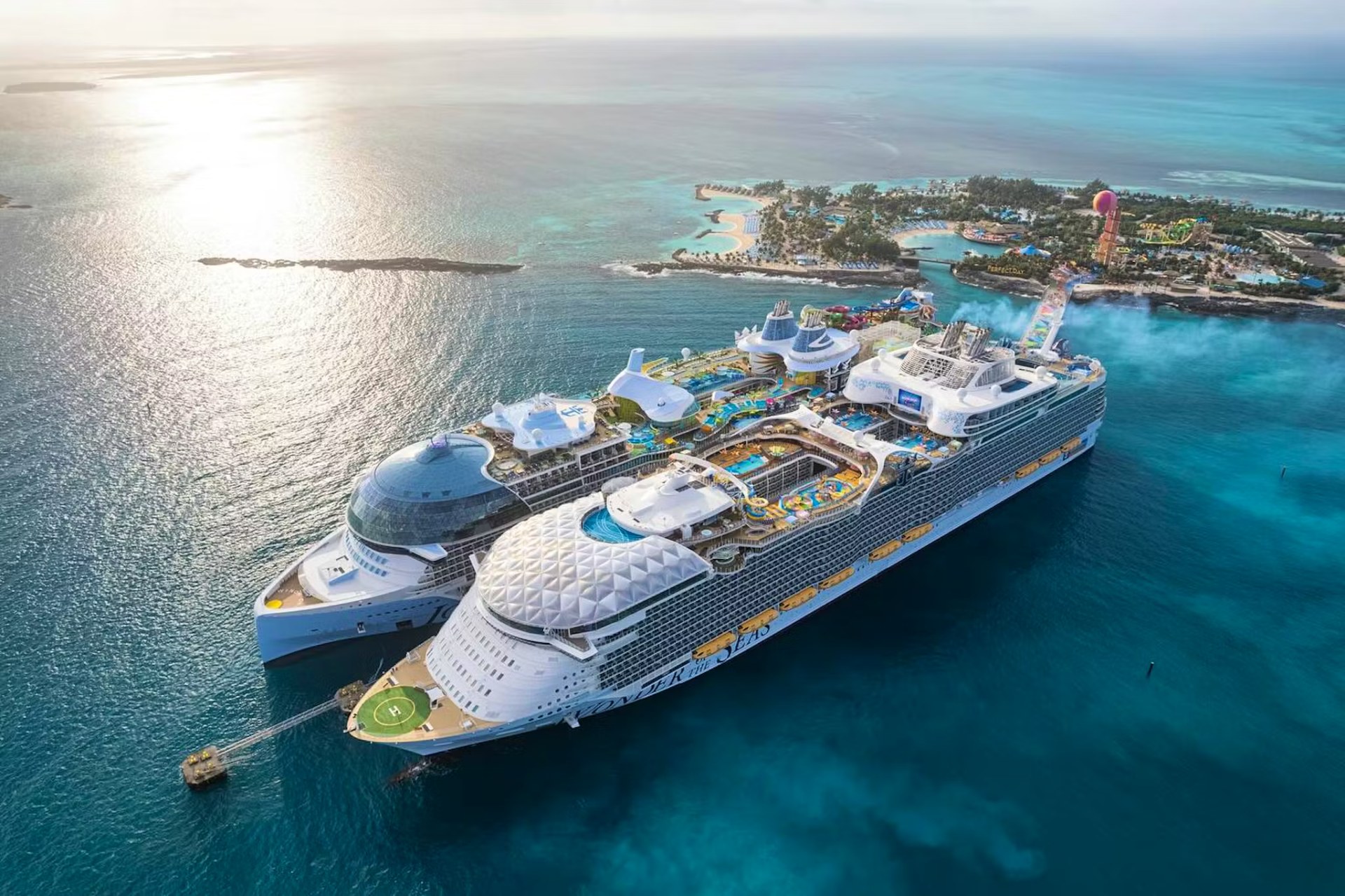
Do not expect Broadway clones—expect piano, string quartets, local performers embarked in port, destination lectures, citizen science on expedition ships. Evenings may feel quiet if you wanted nightclub density—this is feature or bug by taste.
Crew-to-guest ratios, specialist staff (naturalists, photographers), limited inventory, and remote logistics inflate per diem. Promotions exist—shoulder seasons, repositioning legs—but small ship is rarely the cheapest way to see the Caribbean unless you value exclusivity metrics.
Who Thrives on Small Ships—and Who Should Stay Big
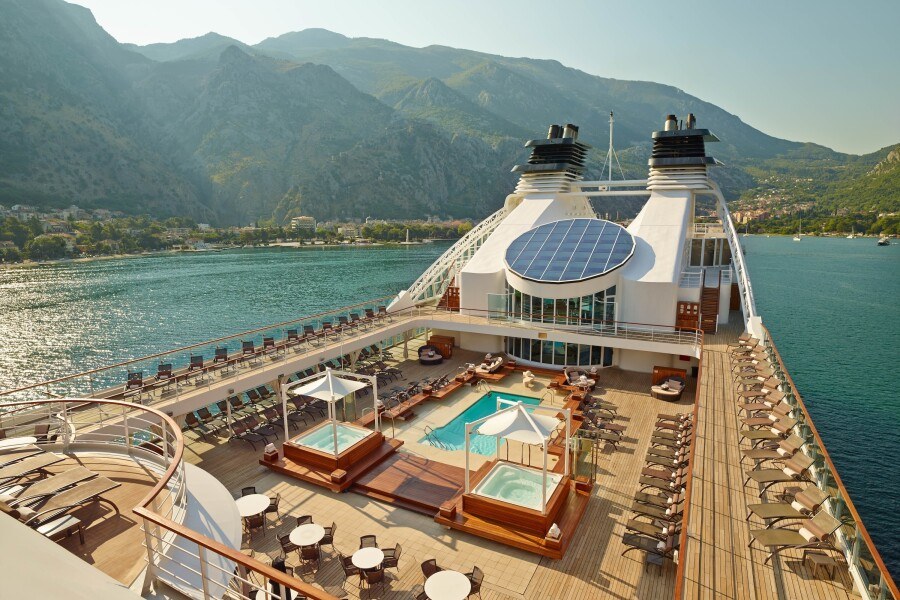
Thrives: Hikers, photographers, readers, wildlife watchers, couples who enjoy conversation, return travelers bored by buffet theater. Reconsider: Families needing nonstop kids’ programs (exceptions exist but verify), thrill seekers who measure fun by waterslide count, budget travelers who need low lead-in fares.
Motion, Stabilizers, and Itinerary Choices
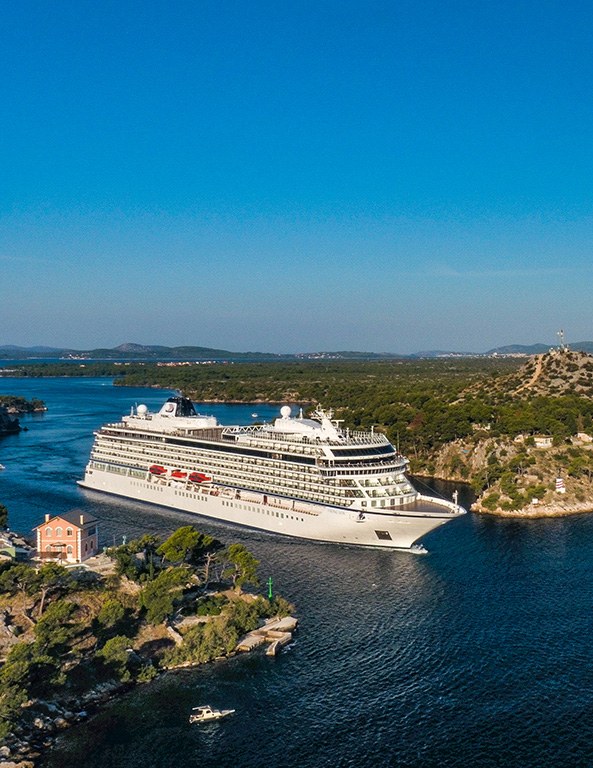
Smaller hulls can move more in open water—choose protected itineraries if you are unsure. Stabilizers help but do not erase seas. River cruises swap swell for lock delays and bridge clearances—different problem set.
Booking Windows and Cabin Categories
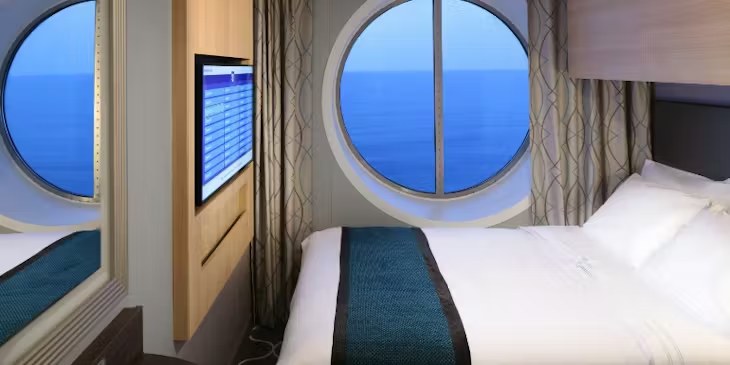
Inventory sells out earlier—book suites and specific cabins sooner than on mega-ships. Waitlists happen. Read refit notes—older small ships may show wear unless recently dry-docked. Browse ships for line comparisons.
Wildlife distance rules matter more when you are closer to nature—follow guides. Support local operators in port. Avoid bragging rights that translate to stress for communities with limited infrastructure.
Why Demand Keeps Rising — Demographics and Psychology
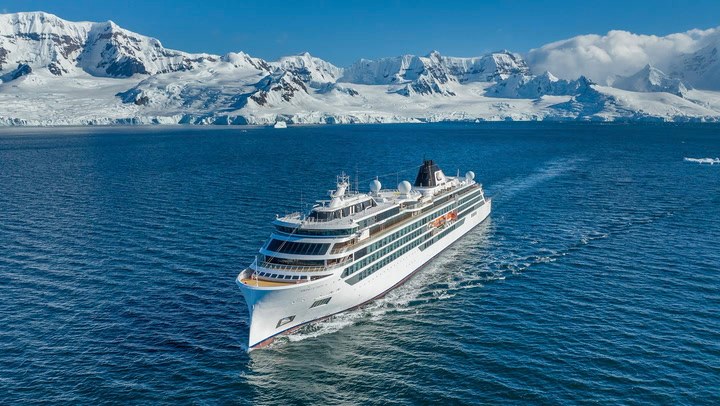
Repeat cruisers chasing novelty without abandoning cruise logistics fuel small ship growth. Remote workers seek longer port stays and fewer anonymous crowds—small ships deliver conversation density. Destination awareness of overtourism pushes travelers toward secondary ports only accessible to smaller hulls—see ports for dock constraints. Aging travelers with high net worth sometimes downsize from mega-ships to yacht products for stairs and distance reasons—product design follows.
Comparing Small-Ship Lines Without Fan Wars
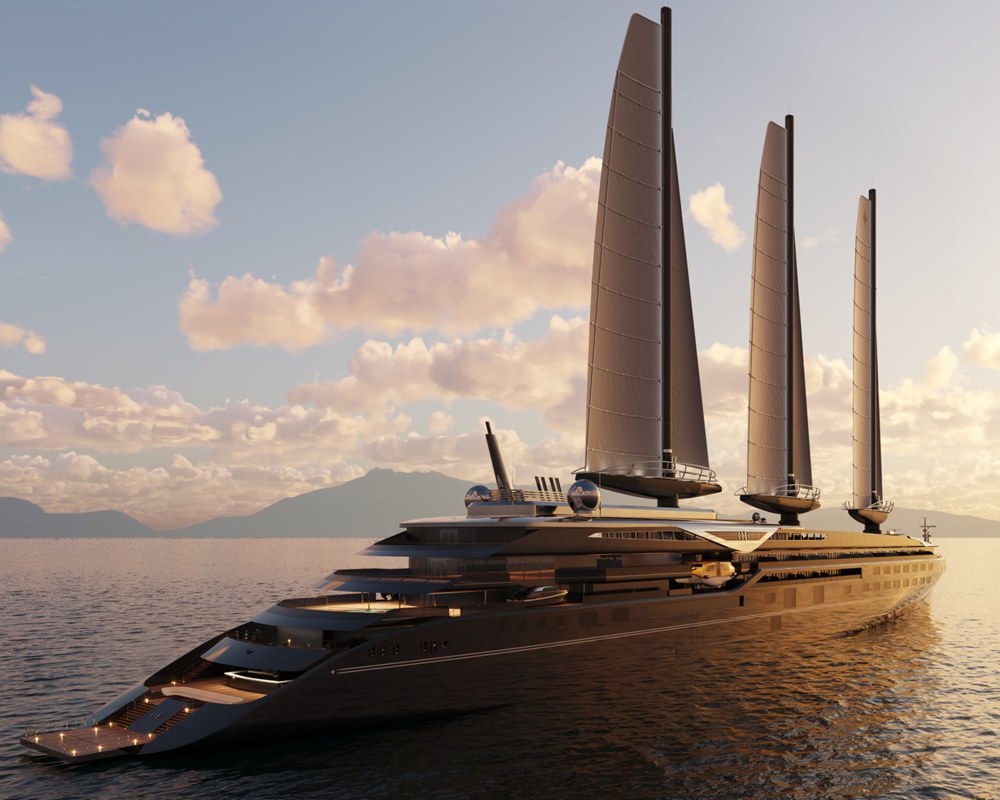
Judge itinerary depth, lecture quality, included excursions, tender competence, and crew tenure metrics where published. Avoid choosing solely on suite photos—read deck plans for obstructed views and lifeboat drops. Ships line pages help you stack classes side by side before loyalty status clouds judgment.
Itinerary Patterns — Coastal, Island-Hopping, and Expedition Loops

Coastal small-ship routes thread UNESCO towns with short sail legs—ideal for guests who want culture without multi-day open ocean swell. Island-hopping yacht products emphasize beach clubs and snorkel entries—pack reef-safe sunscreen and verify tender frequency. Expedition loops prioritize landing windows over punctuality—if you need predictable dinner times more than wildlife sightings, choose another style. Map ports to confirm which regions your shortlist hull serves well.
Sales Channels — Charters, Themes, and Group Space

Theme weeks (jazz, food, wellness) can sell inventory early and raise pricing. Full-ship charters may displace your hold—read fare rules. Specialist advisors sometimes block suite clusters for repeat clients—worth asking if you need specific adjacent cabins.
Photography, Drones, and Respectful Storytelling
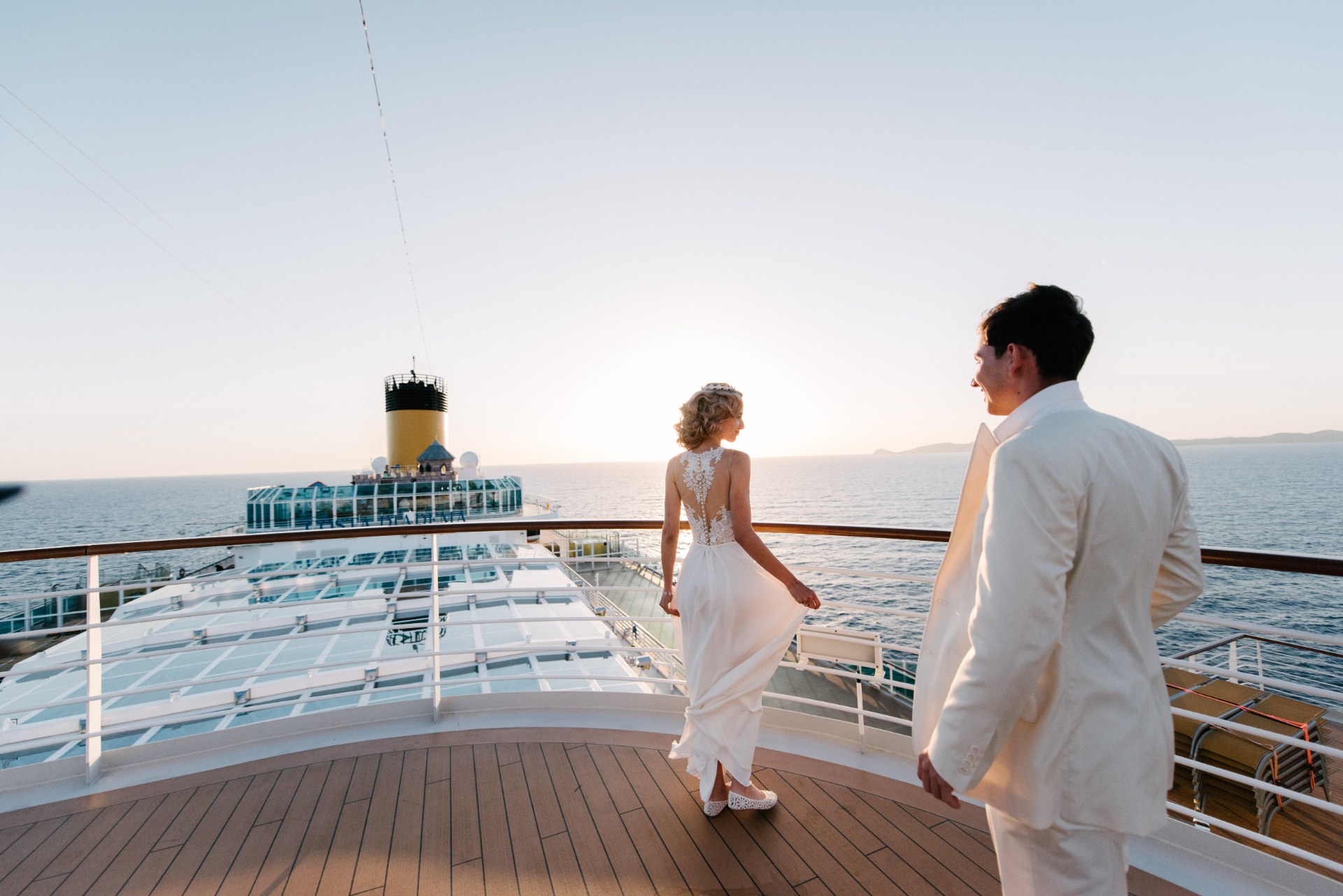
Small ships put you closer to wildlife and residents—drone rules vary by country and port; assume no-fly unless permitted. Telephoto lenses beat chasing animals with selfie sticks. Ask crew before filming service spaces—hospitality is not automatic content fodder. Post thoughtfully—geotags can flood fragile places overnight.
When Small Ship Is the Wrong Tool

If you need nonstop kids’ programming, Broadway clones, or the lowest lead-in fare, mega-ships still win. If you need wheelchair-accessible routes on every tour, verify expedition landing constraints—some stops exclude mobility devices for safety. Honest fit checks prevent expensive resentment; blog comparison articles help when you waver.
Nightlife, Evenings, and Managing Expectations
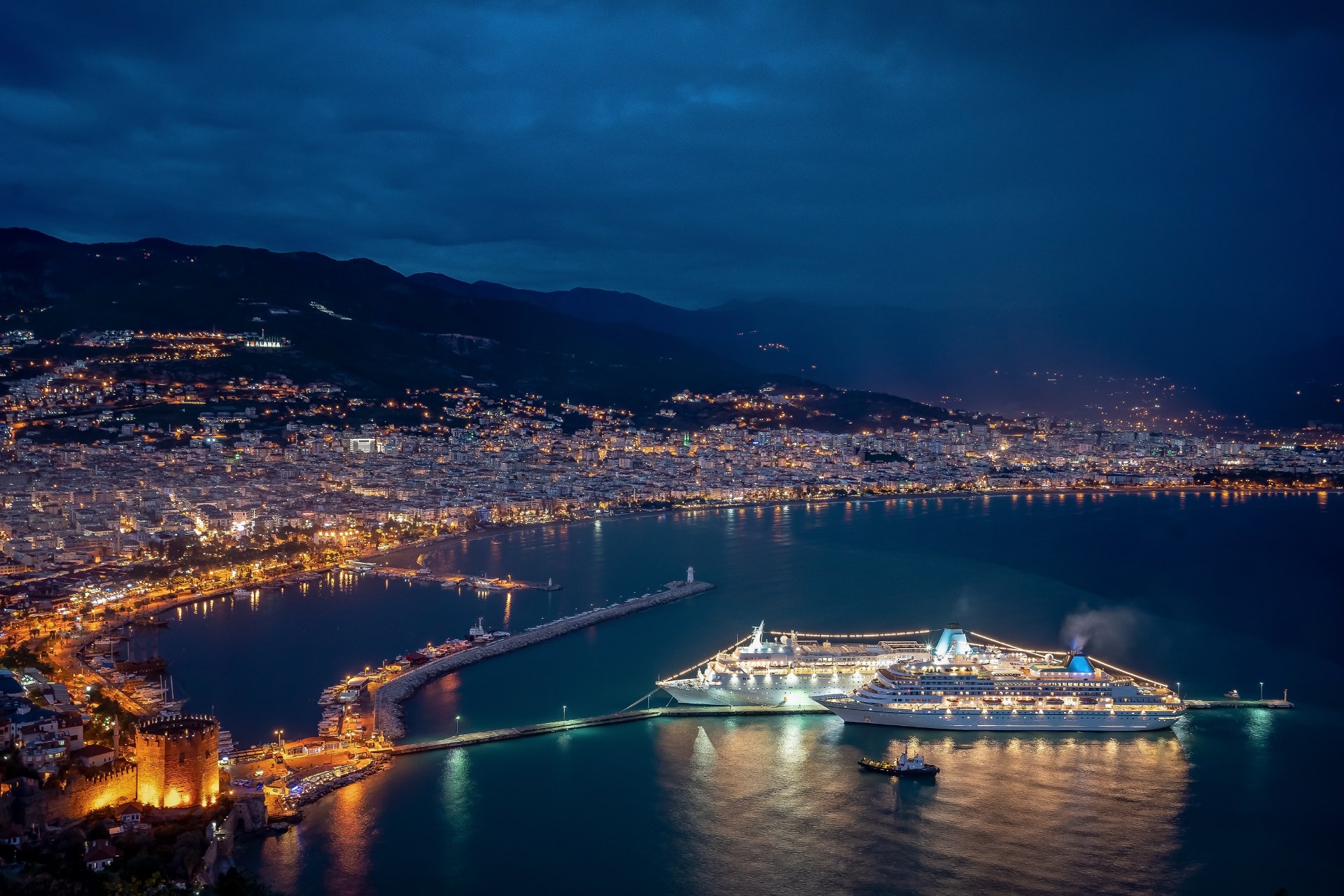
Small ships rarely duplicate mega-ship nightclubs—evenings emphasize piano, regional music, port lectures, and quiet bars. If you need late-night dancing every night, adjust expectations or choose a line with documented live music programs on your vessel. Expedition sea days may schedule photography critiques or science talks—lean into learning or pack books. Blog trip reports help when they name venues honestly.
Expedition Protocols, Zodiacs, and Why Small Ship ≠ Casual Safety
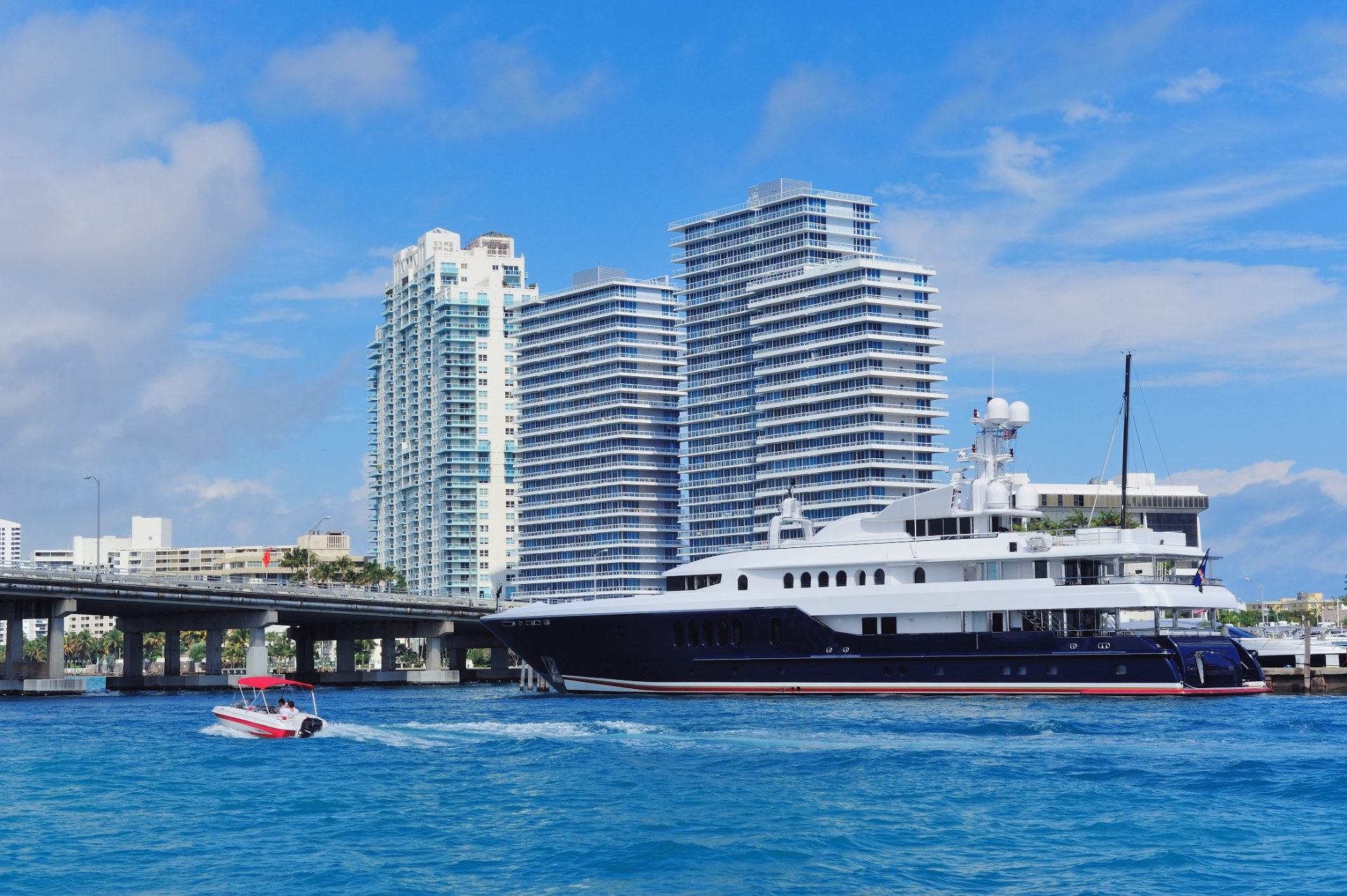
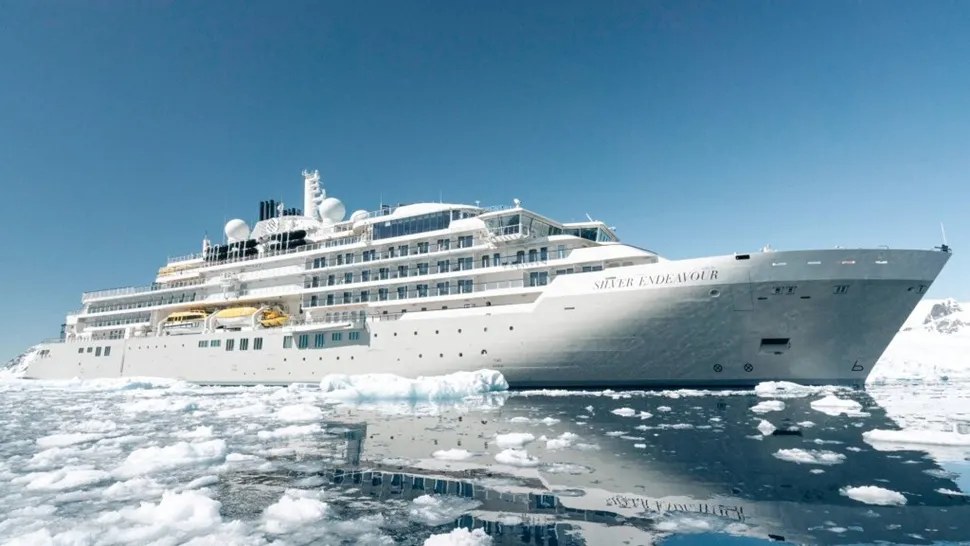
Expedition small ships run mandatory briefings, boot checks, and contingency plans that feel more like outdoor school than spa weeks—embrace the discipline or choose a coastal yacht product without polar landings. Zodiac boarding requires grip shoes, dry bags, and patience in swell; crew call off sorties when conditions exceed safety margins—refunds rarely replace missed wildlife, but safety is non-negotiable. Compare included vs paid kayak and sub dives honestly—gear queues and certification rules vary. Ships line pages help you see ice class, guest counts, and expedition team ratios before you equate two “small” logos.
Yacht-Style Products, Charters, and Ultra-Small Capacity Tradeoffs

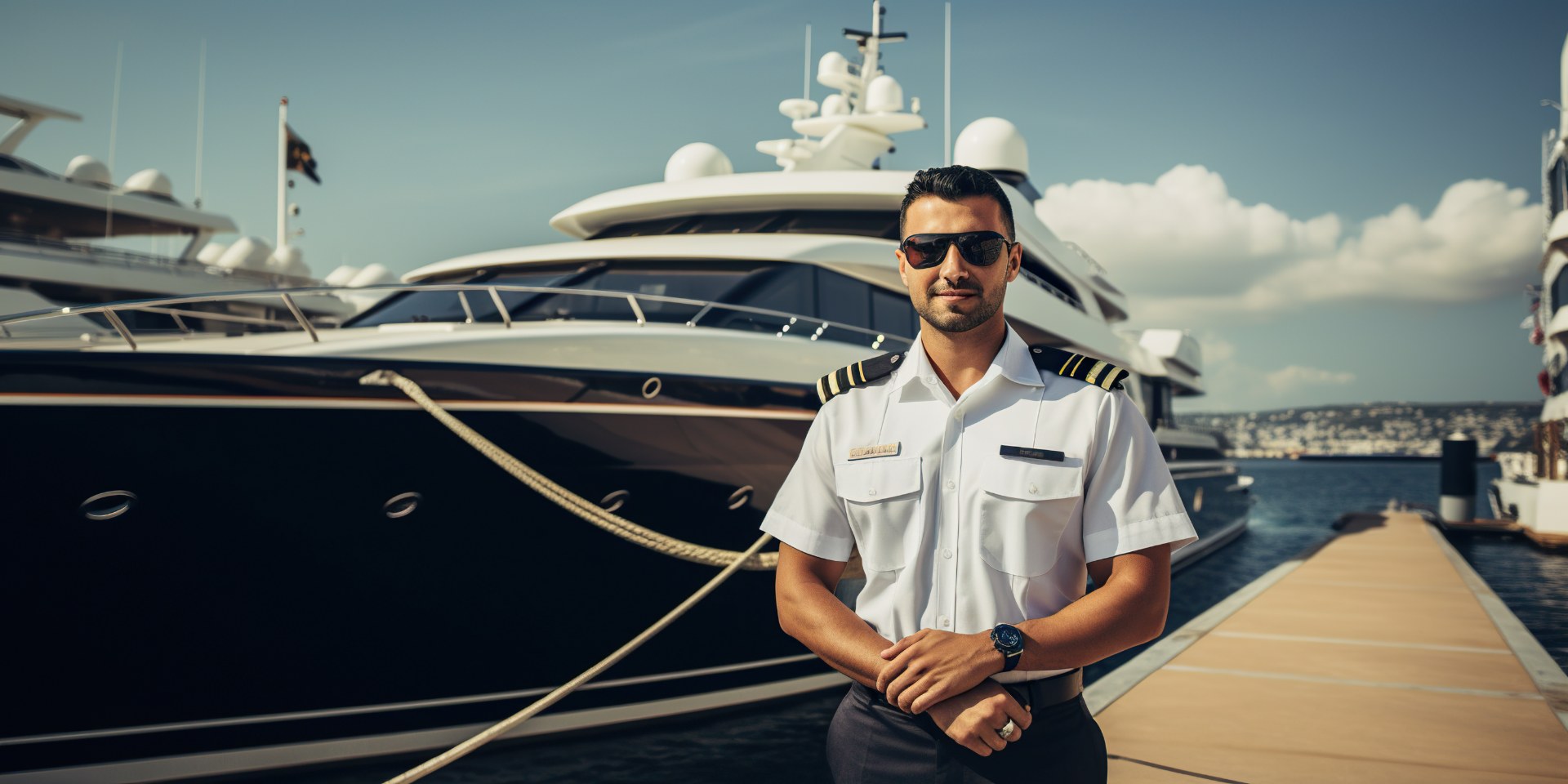
Yacht cruises and sixty to one-hundred guest vessels trade show theaters for marina platforms, water sports toys, and longer port stays when weather cooperates. Charter weeks may displace inventory suddenly—read fare rules. Ultra-small capacity means fewer dining venues and less anonymity—introverts should book suites with private outdoor space when available. Galápagos-style routes limit national park headcounts per ship—pricing reflects scarcity, not just thread counts. Cross-check ports for dock constraints that only smaller beams can use, then map those stops to your wildlife and culture priorities.
River and Coastal “Small” — Different Physics, Same Label Risk
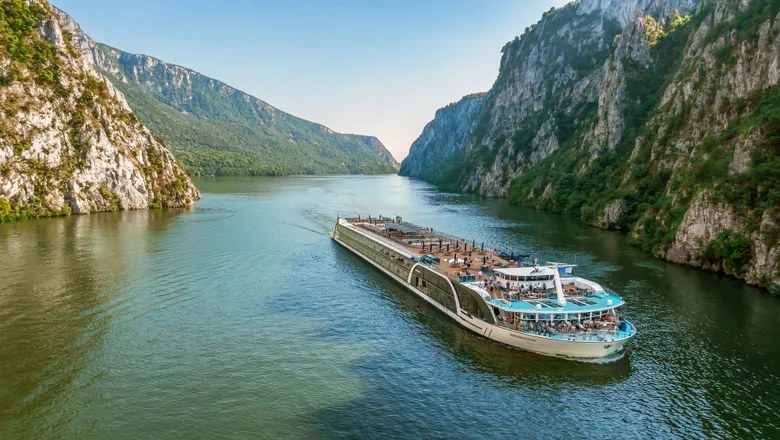
River ships swap ocean swell for locks, bridges, and low-water reroutes—read Batch 21 European river guide if you confuse Danube windows with Caribbean sea days. Coastal small ships thread UNESCO harbors but still face weather cancellations—flex mentality matters. Label “small” generously in marketing; verify passenger counts and deck plans on ships before deposit. Hybrid travelers sometimes chain river confidence with ocean weeks—plan baggage and jet lag between segments carefully.
Crew Culture, Turnover, and Why Service Varies on Tiny Hulls

Small crews mean one strong hotel director or expedition leader can lift an entire week—and one rough rotation can bruise reviews until the next contract cycle. Read recent sailings on your exact vessel, not only the brand average. Tipping pools and automatic gratuities vary—budget cash for exceptional guides when policy allows. Guest mix skew older on some yacht products and younger on others—theme weeks rewrite the social feel faster than deck plans. Blog trip reports that name crew roles honestly beat brochure superlatives.
FAQ — Small Ship Cruising

Q1: Is small ship the same as luxury? A: No—luxury is service and fit/finish; small is capacity. You can find simple expedition ships and luxury mega-yachts—overlap varies.
Q2: Will I get seasick? A: Possibly—pack remedies after medical advice, favor midship lower cabins, pick calmer regions for first try.
Q3: Are small ships safe? A: Regulated like large ships—pay attention to briefings, tender rules, and polar protocols.
Q4: Can kids sail small ships? A: Some lines welcome families; others discourage young children—verify minimum ages.
Q5: Do I need dress clothes? A: Depends on line—expedition often smart casual; yacht luxury may include jacket nights—read current policy.
Links

- Ships | Ports | Blog
- Pair B21-2 luxury/adventure and B21-8 underrated ports accessible to small ships.