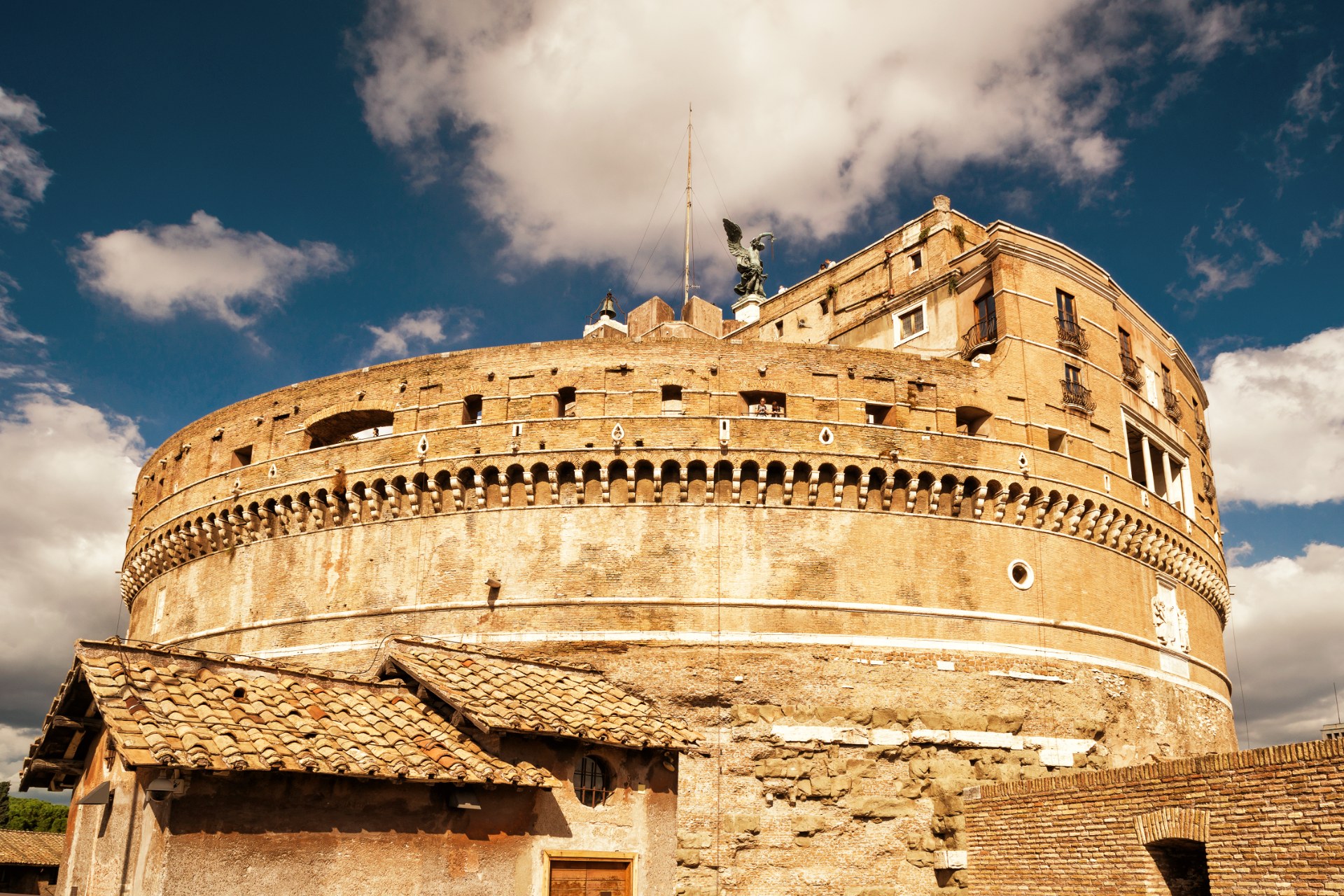
Civitavecchia Basics: Where the Ship Meets the Land
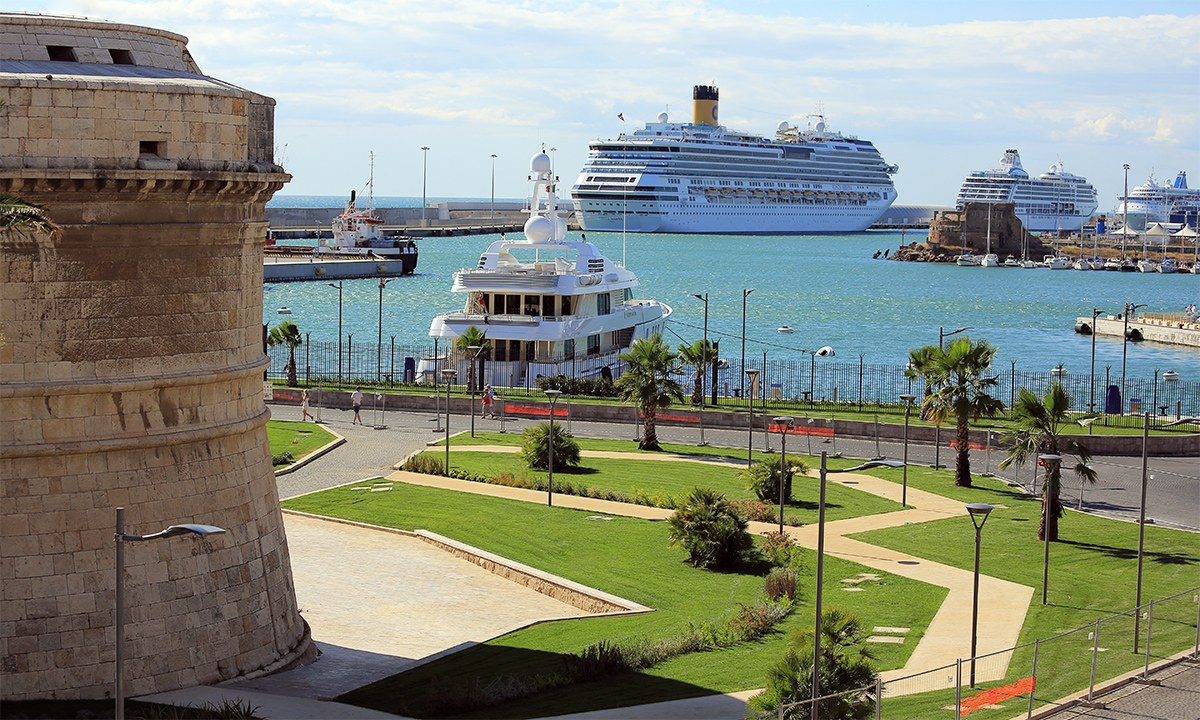
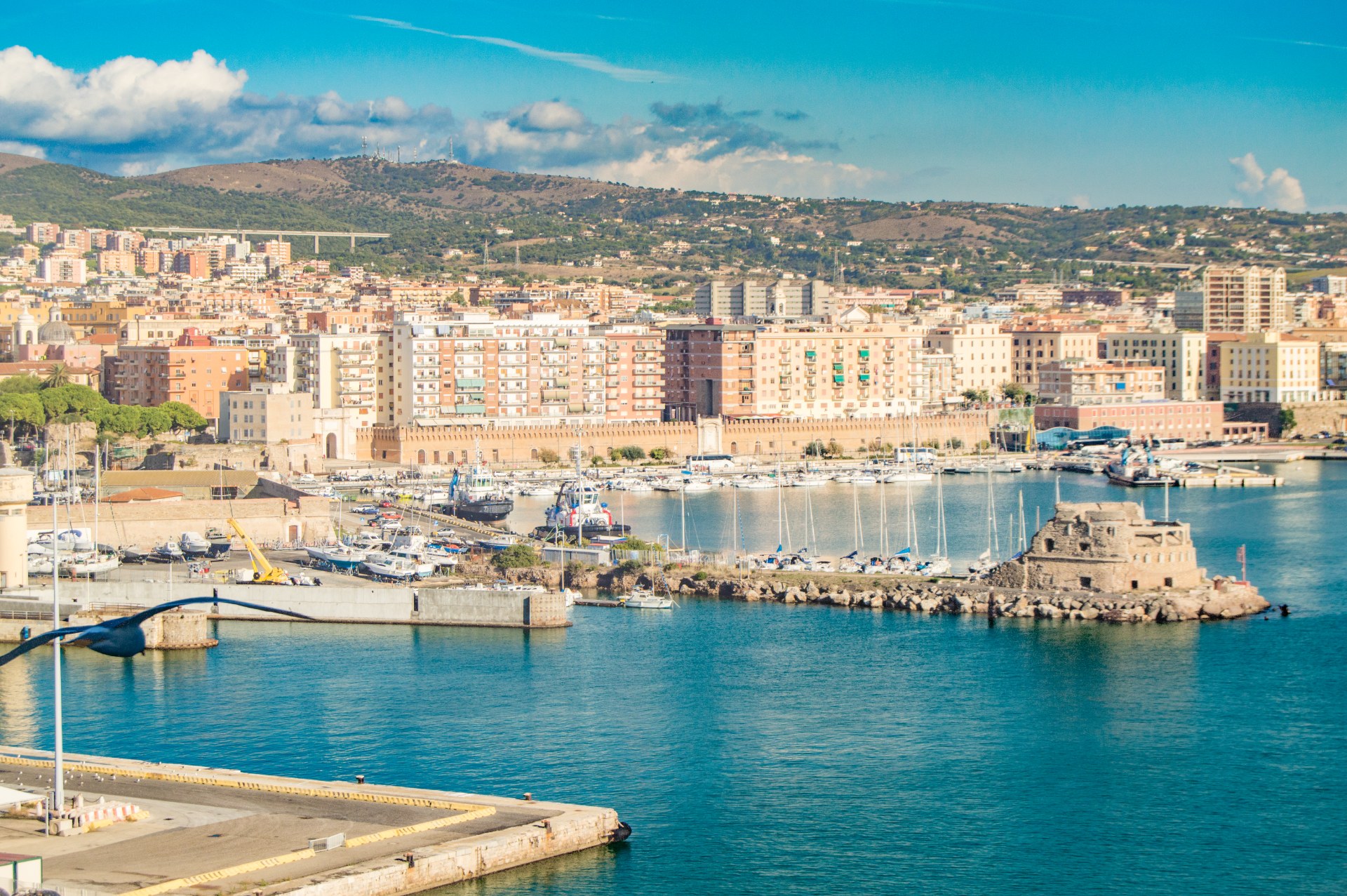
Civitavecchia lies ~70 km northwest of Rome. Cruise piers spread along the waterfront—some ships use shuttles to terminal gates. Fort Michelangelo and historic harbor views reward early walkers if you stay local.
Rome day trips dominate passenger plans, but traffic and train delays can consume hours. Independent travelers often use Trenitalia regional trains from Civitavecchia station to Roma Termini / San Pietro (~45–80 minutes depending on service and connections). Verify schedules morning-of; buy tickets early to skip queues.
Ship excursions trade flexibility for priority return guarantees—valuable for first-timers worried about pier distance.
Rome in One Day: Pick Two Anchors, Not Six
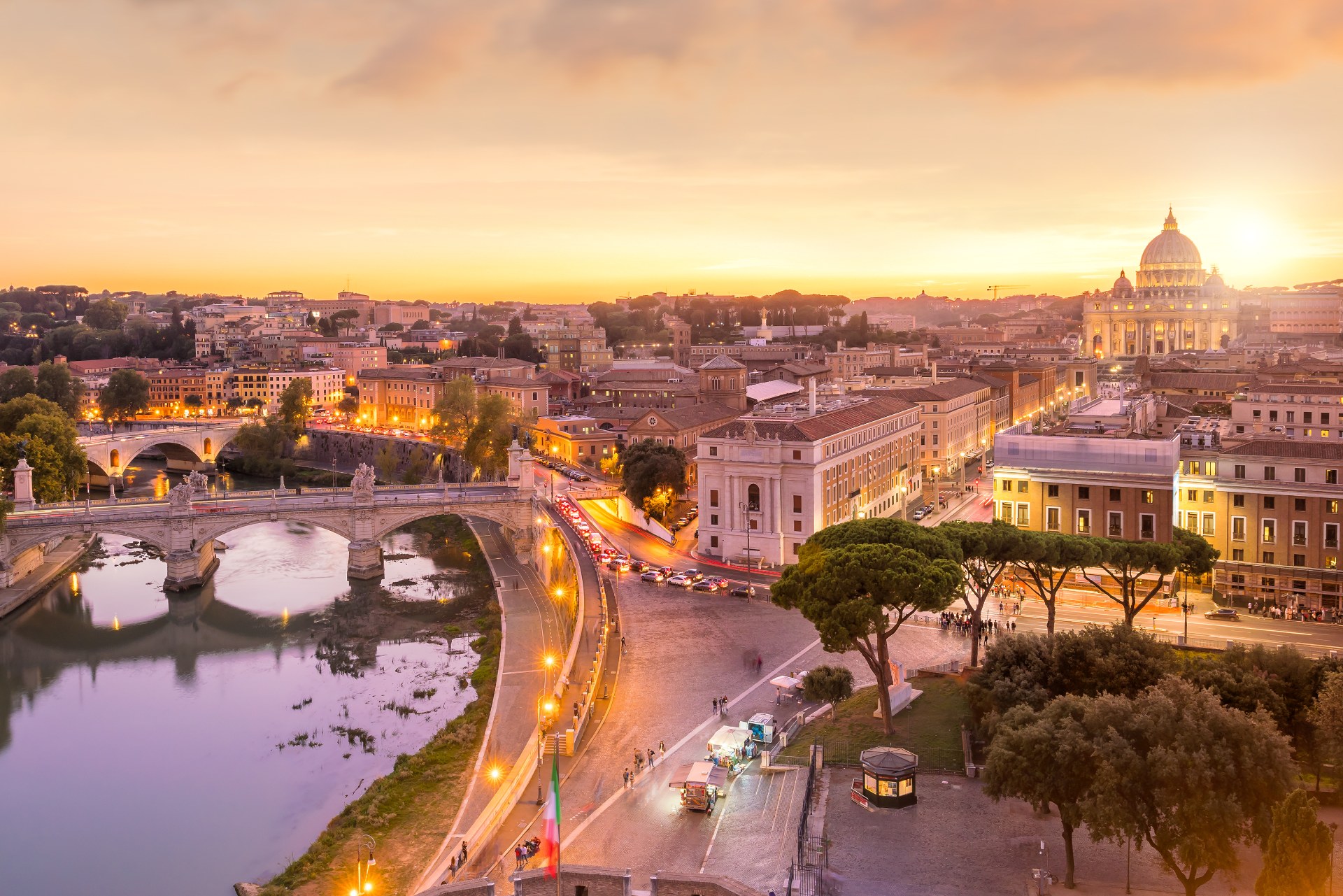
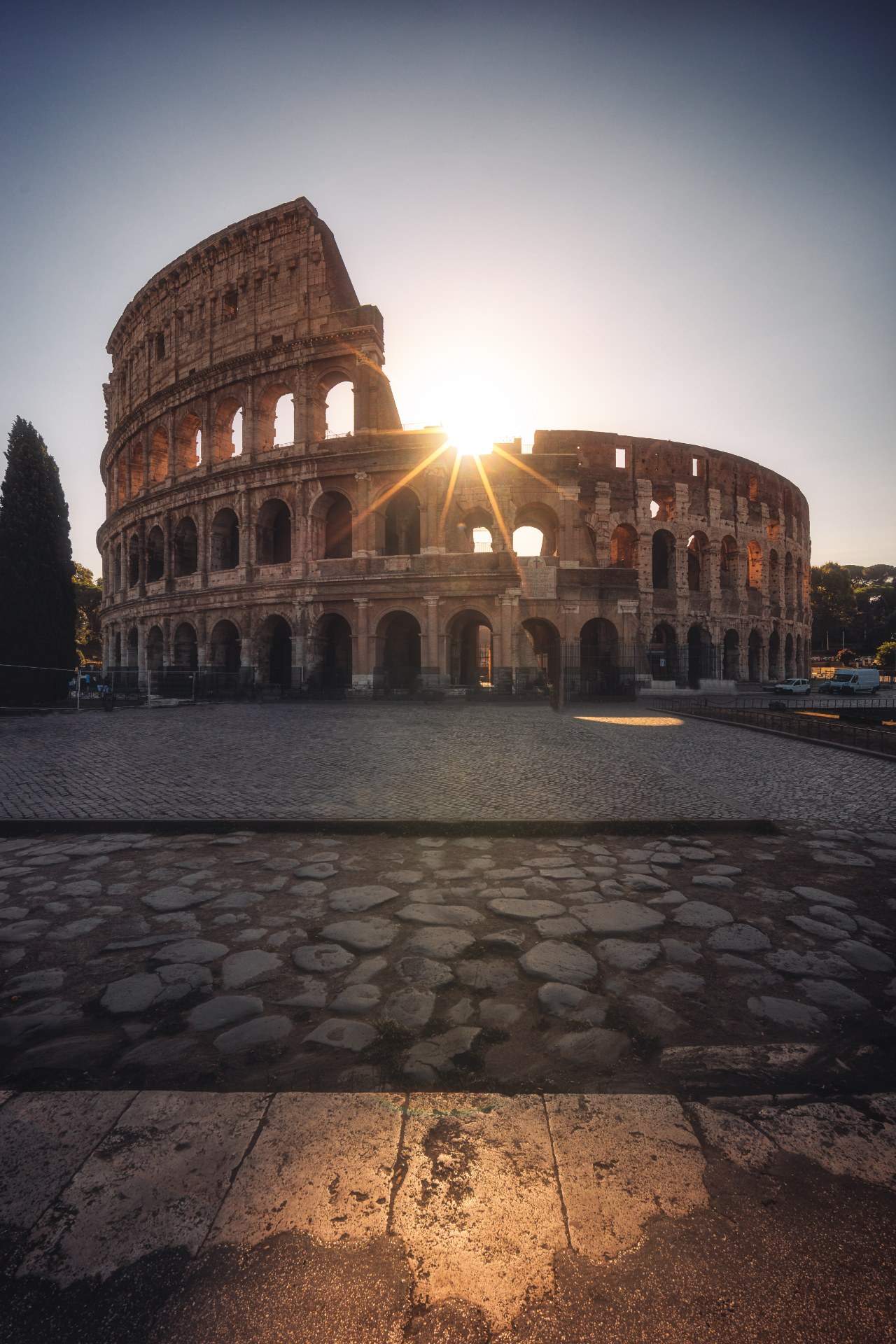
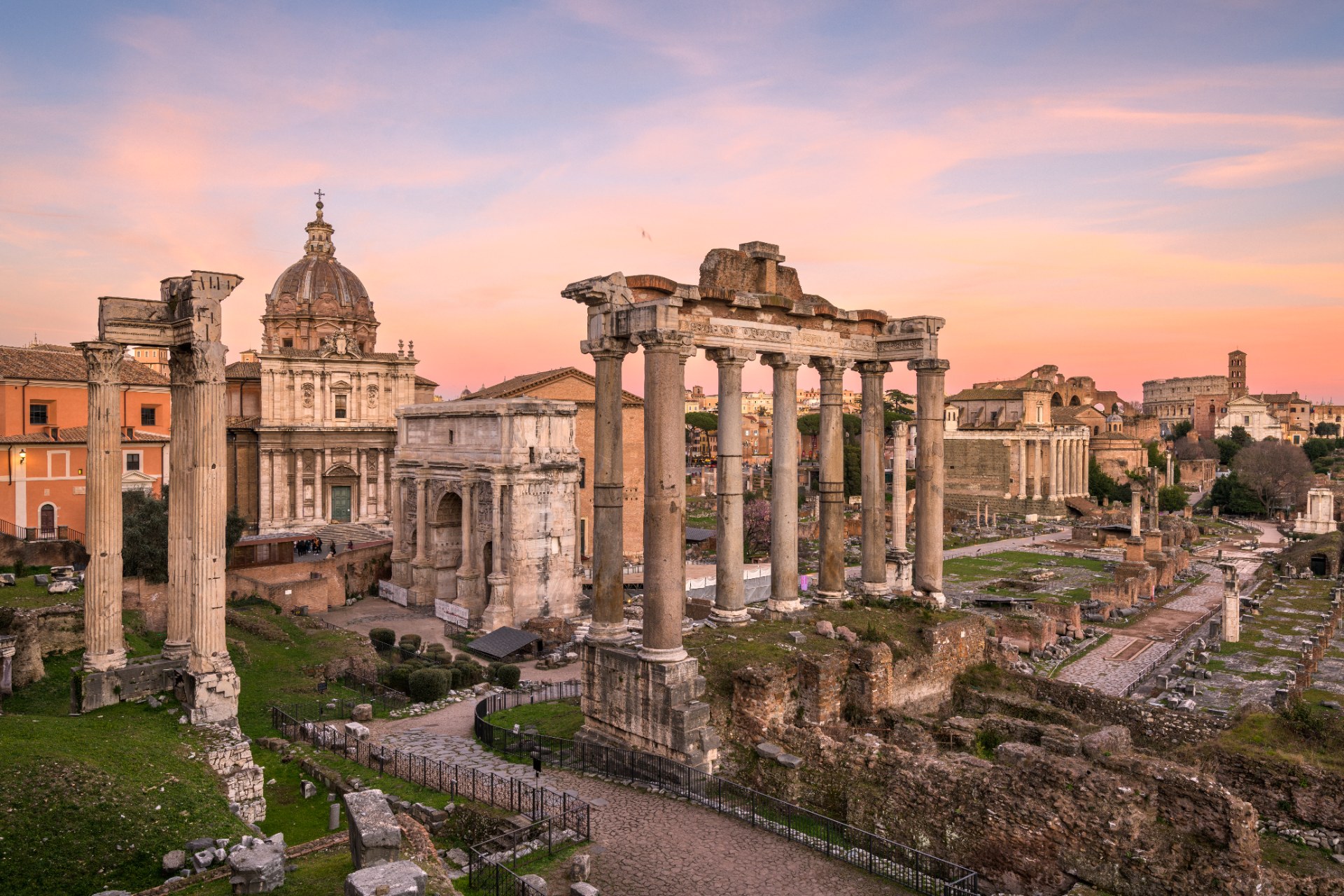
Colosseum + Roman Forum + Palatine combo tickets require timed slots—book ahead. Vatican Museums and Sistine Chapel need reservations; St. Peter’s Basilica has security lines independent of museum tickets.
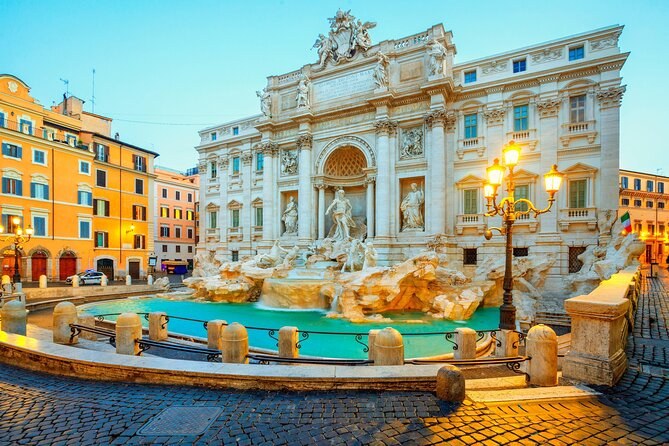
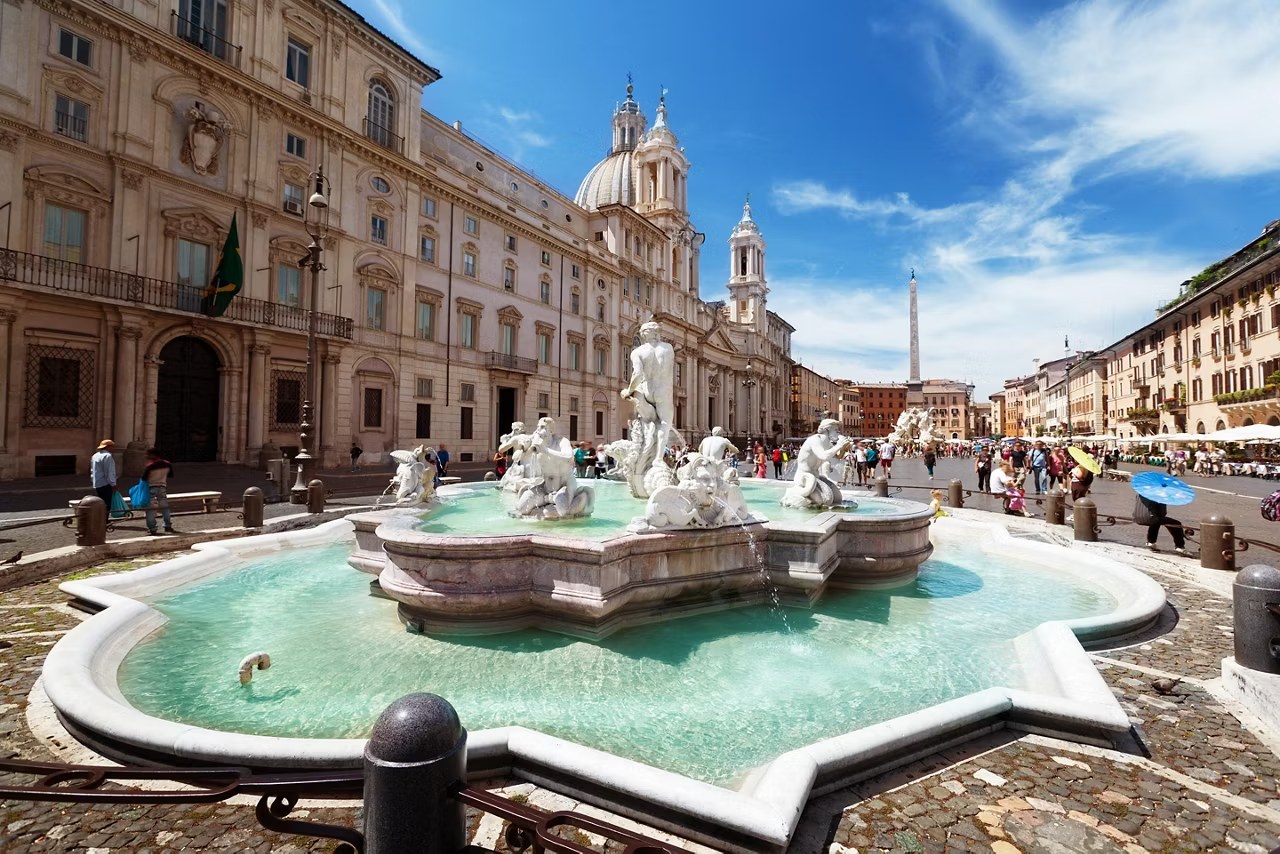
Realistic pairings: Ancient city morning (Colosseum/Forum) + evening stroll Trastevere food; or Vatican morning + Piazza Navona / Pantheon afternoon. Skipping major interiors frees time for walking highlights—Trevi, Spanish Steps, Piazza Venezia.
Crowds peak year-round—shoulder months help slightly; midday heat in summer is brutal—carry water and plan indoor blocks.
Local Civitavecchia If You Skip Rome
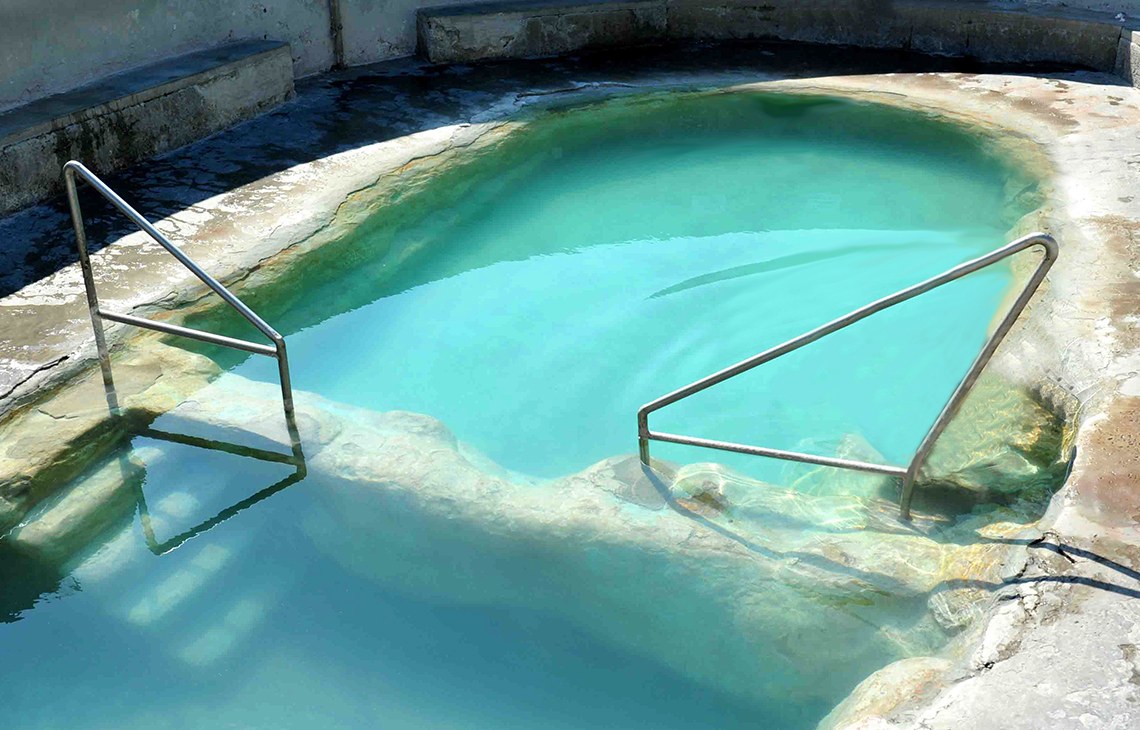
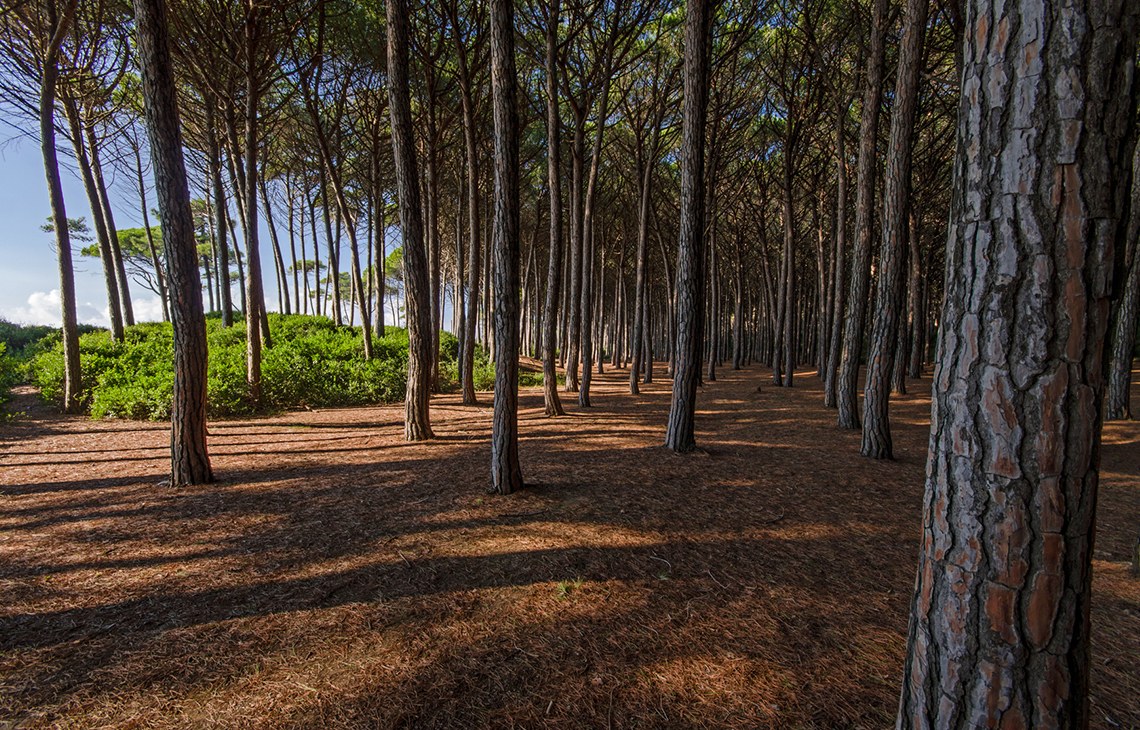
Tarquinia Etruscan tombs (UNESCO), thermal springs nearby, seafood trattorias along the promenade, and fortress walks offer lower-stress days without train risk. Beach clubs in summer relax parents with young kids.
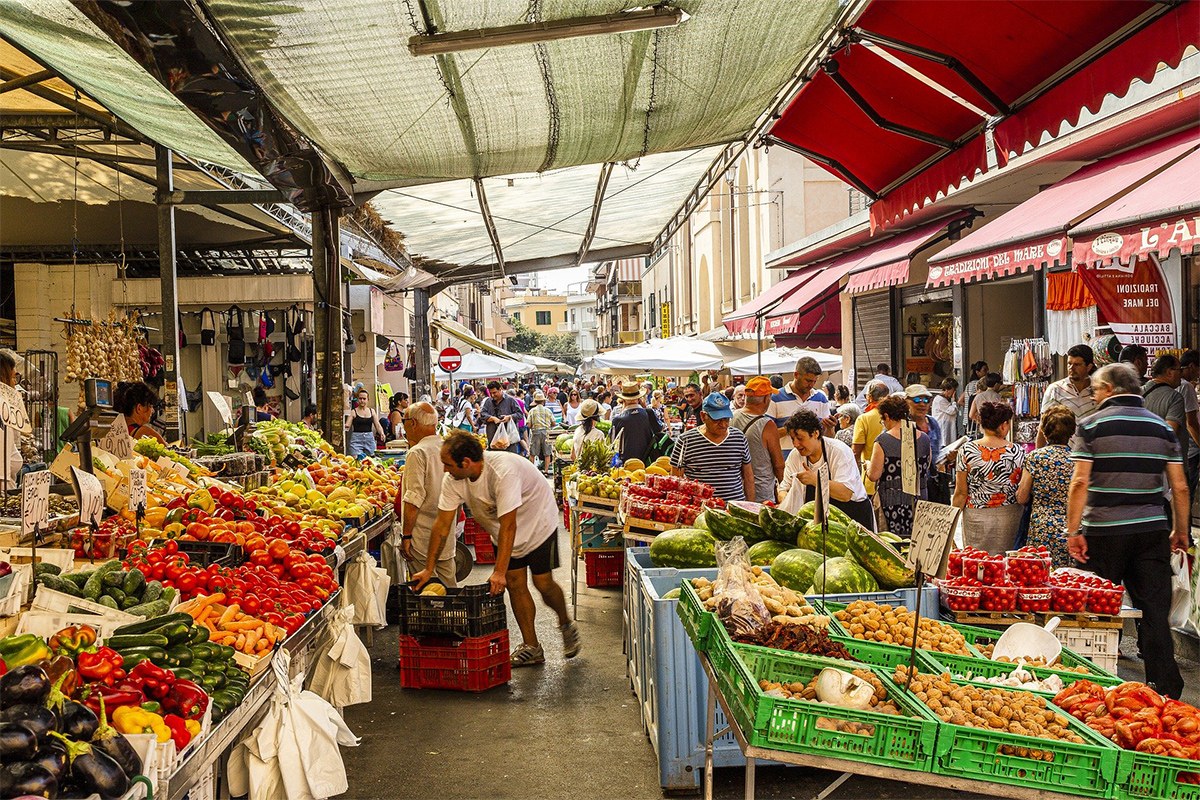
Transportation Options Compared
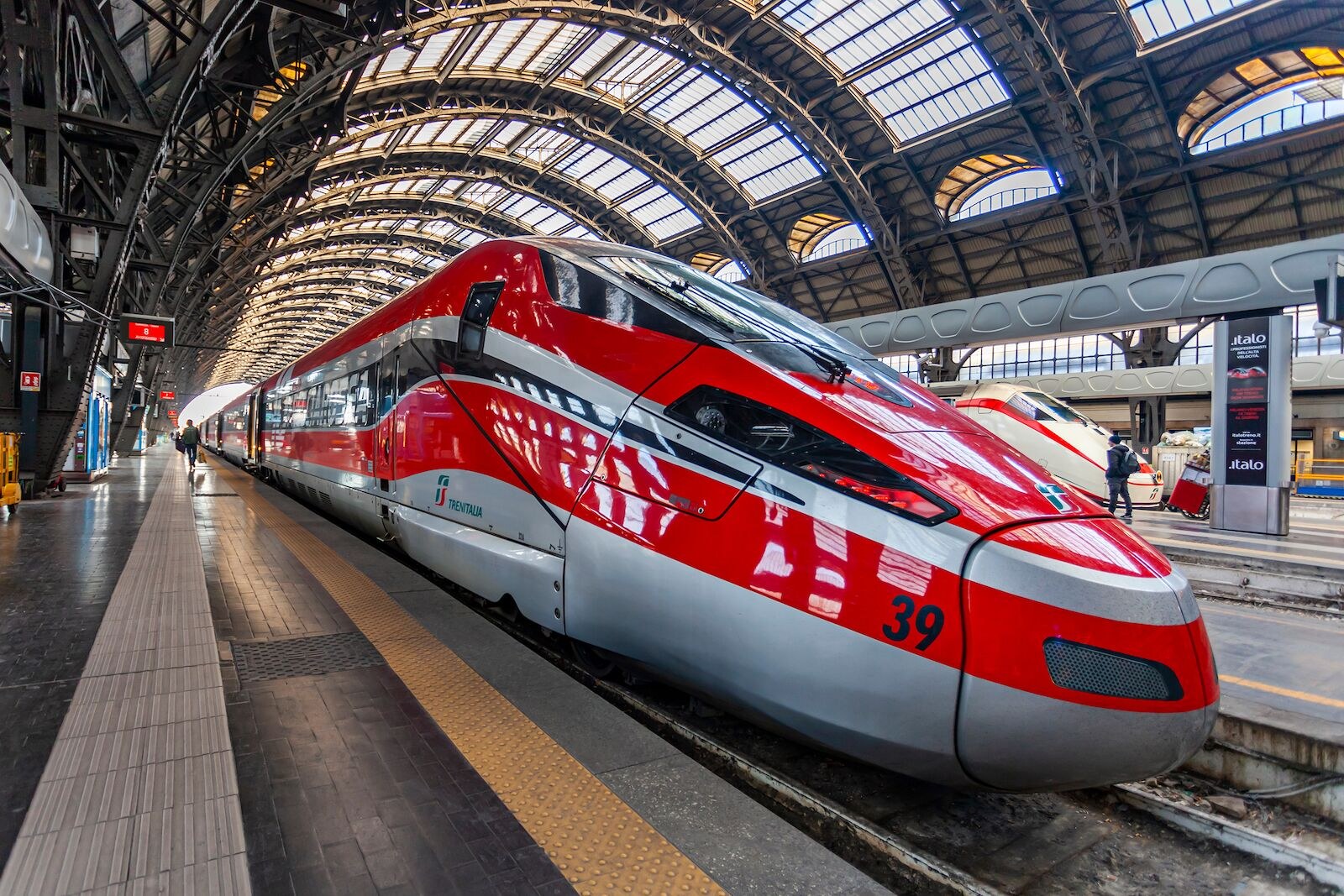
Train pros: cost, predictability on schedule. Cons: strikes (scioperi), crowded cars, pickpockets at Termini. Taxi / private driver pros: door-to-door, luggage help. Cons: traffic jams, price.
Cruise line bus excursions: structured timing, less flexibility. Match mode to risk tolerance.
Tickets, Timing, and All-Aboard Discipline
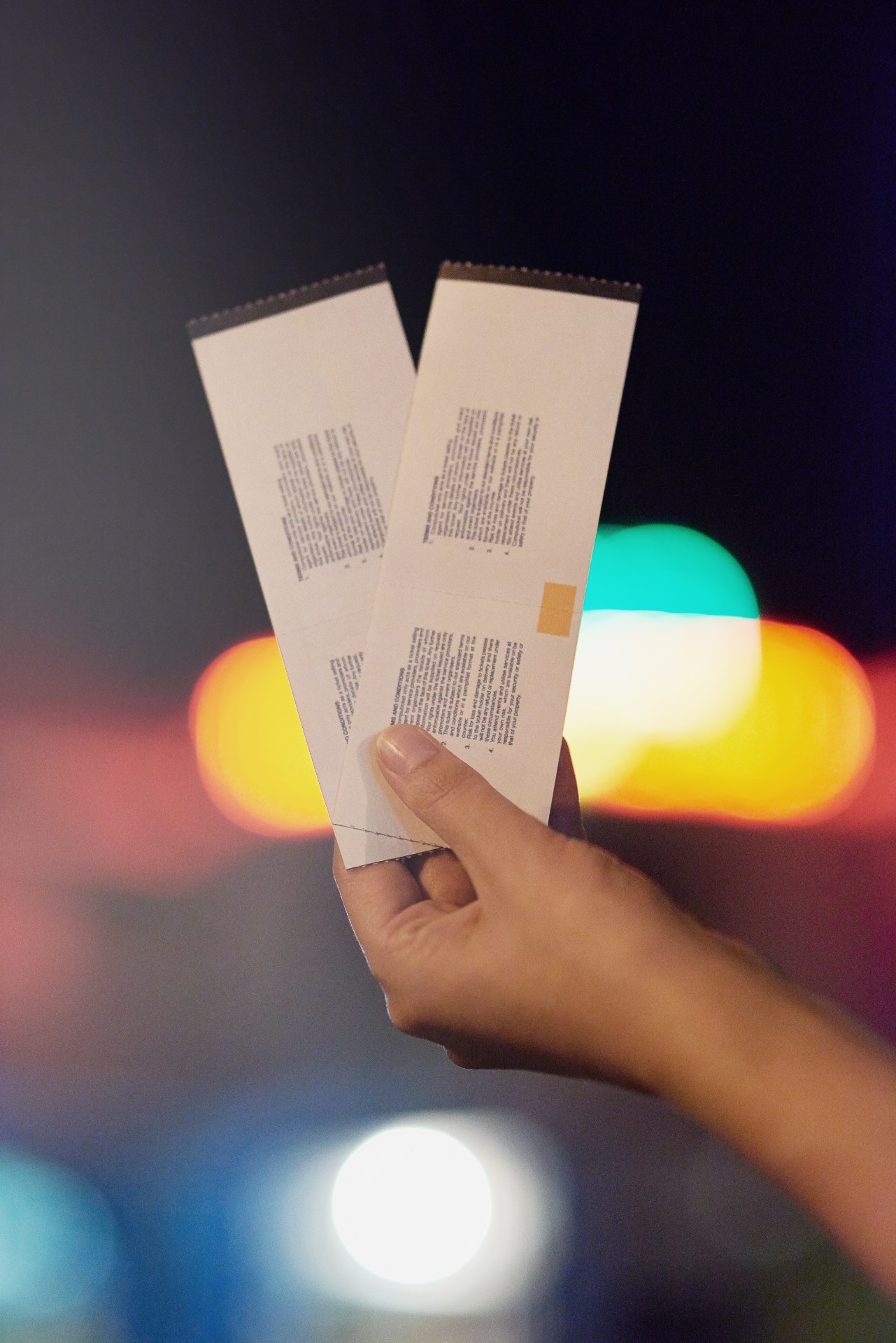
Screenshot all-aboard and local time—ship may use ship time vs port time rarely but verify daily. Buffer 90 minutes before gangway close when returning from Rome—missed connections happen.
Dress codes for churches: shoulders/knees coverage; pack scarves.
Prioritize one wow moment (Colosseum floor view or Sistine ceiling) over ticking ten boxes. Eat standing pizza al taglio or sit-down trattoria away from monument rings for better value.
Rome’s Neighborhoods in Micro-Itineraries
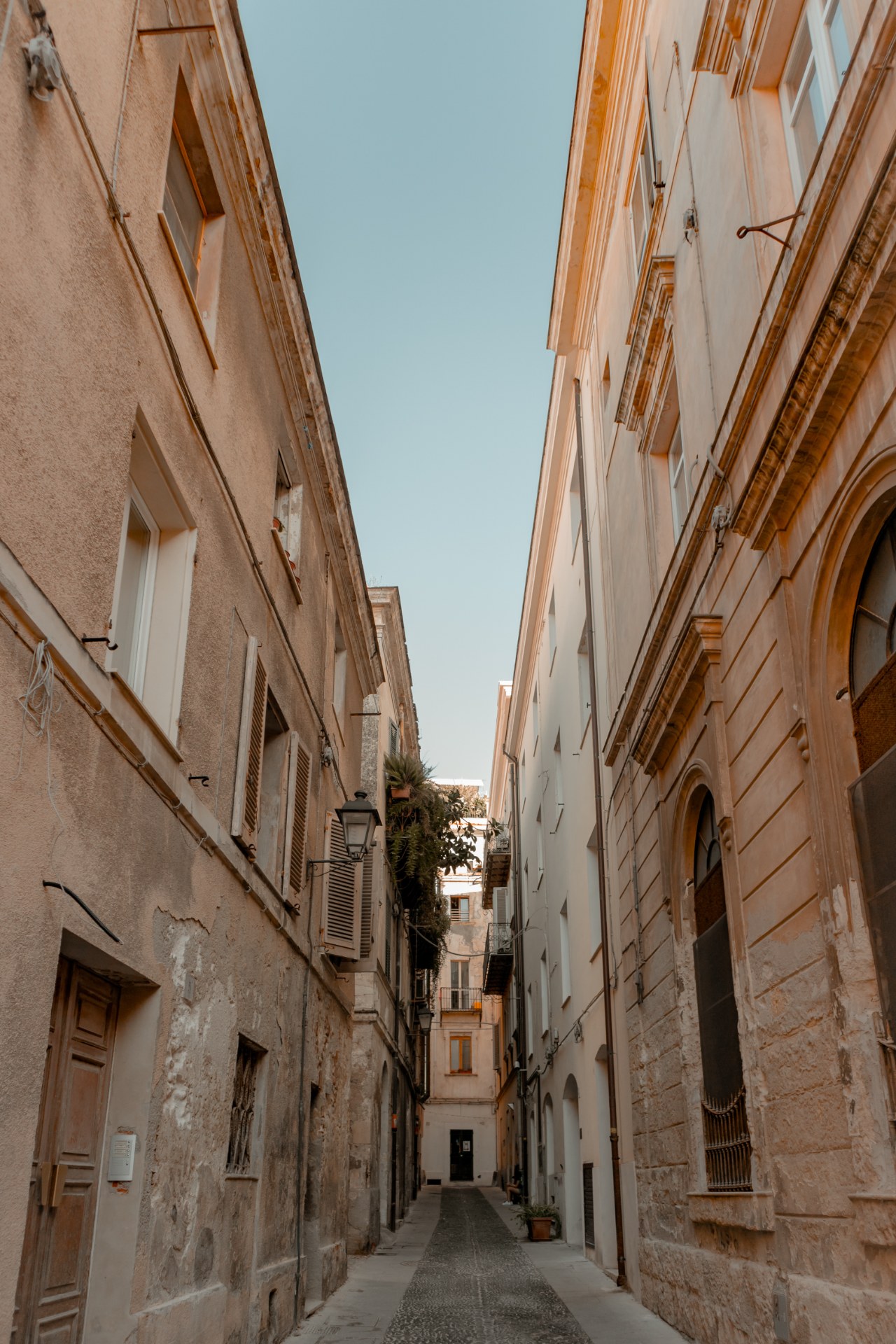
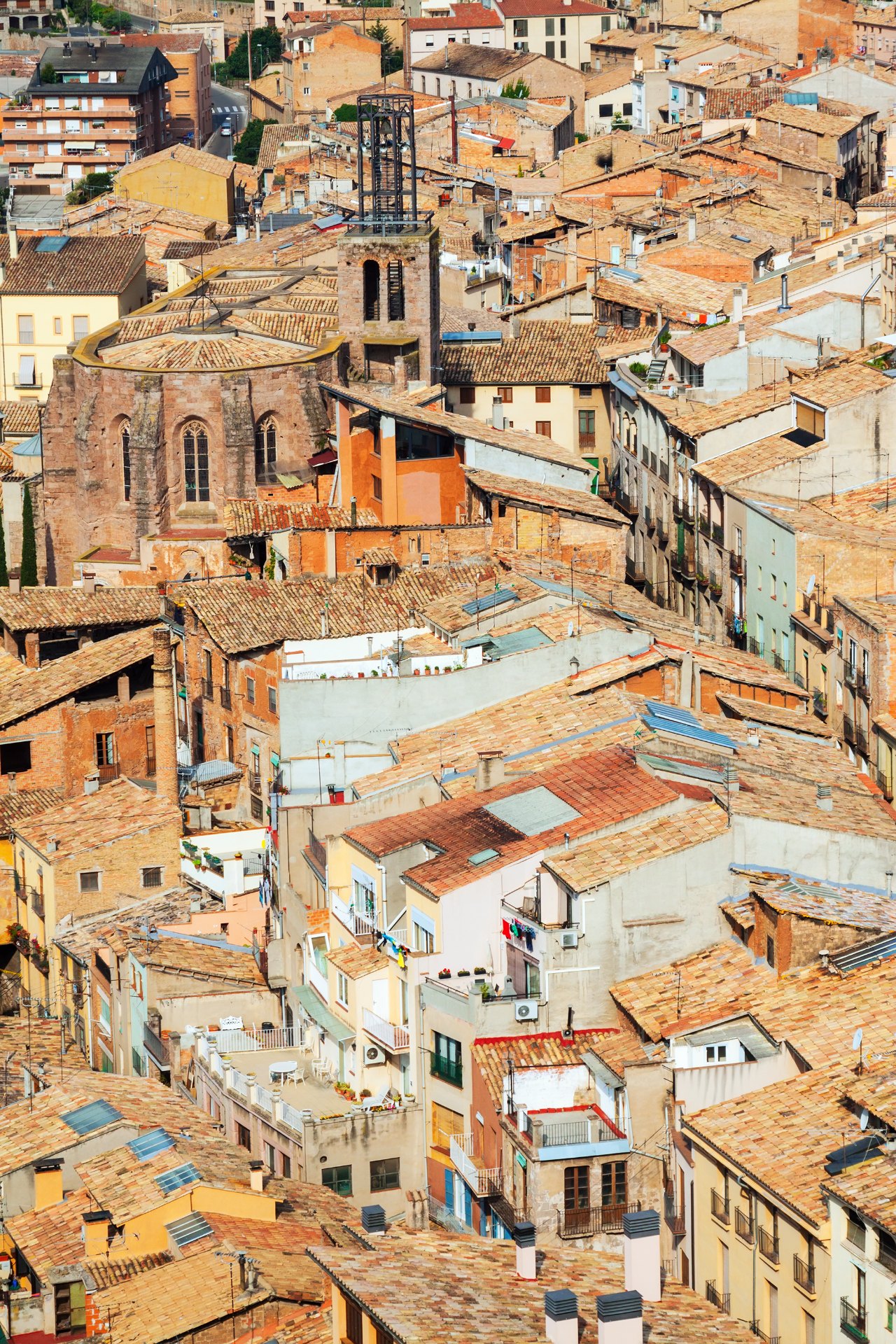
Trastevere wins for evening ambience if your ship stays late—narrow lanes, fountain squares, and gelato stops without museum tickets. Testaccio delivers food market energy and fewer tourist menus than Termini corridors. Monti near the Forum blends vintage shops with quick espresso breaks.
Jewish Ghetto fried artichokes and Cacio e pepe spots reward walkers who book nothing but curiosity—still watch the clock for return trains.
Vatican Timing and Dress Code Discipline
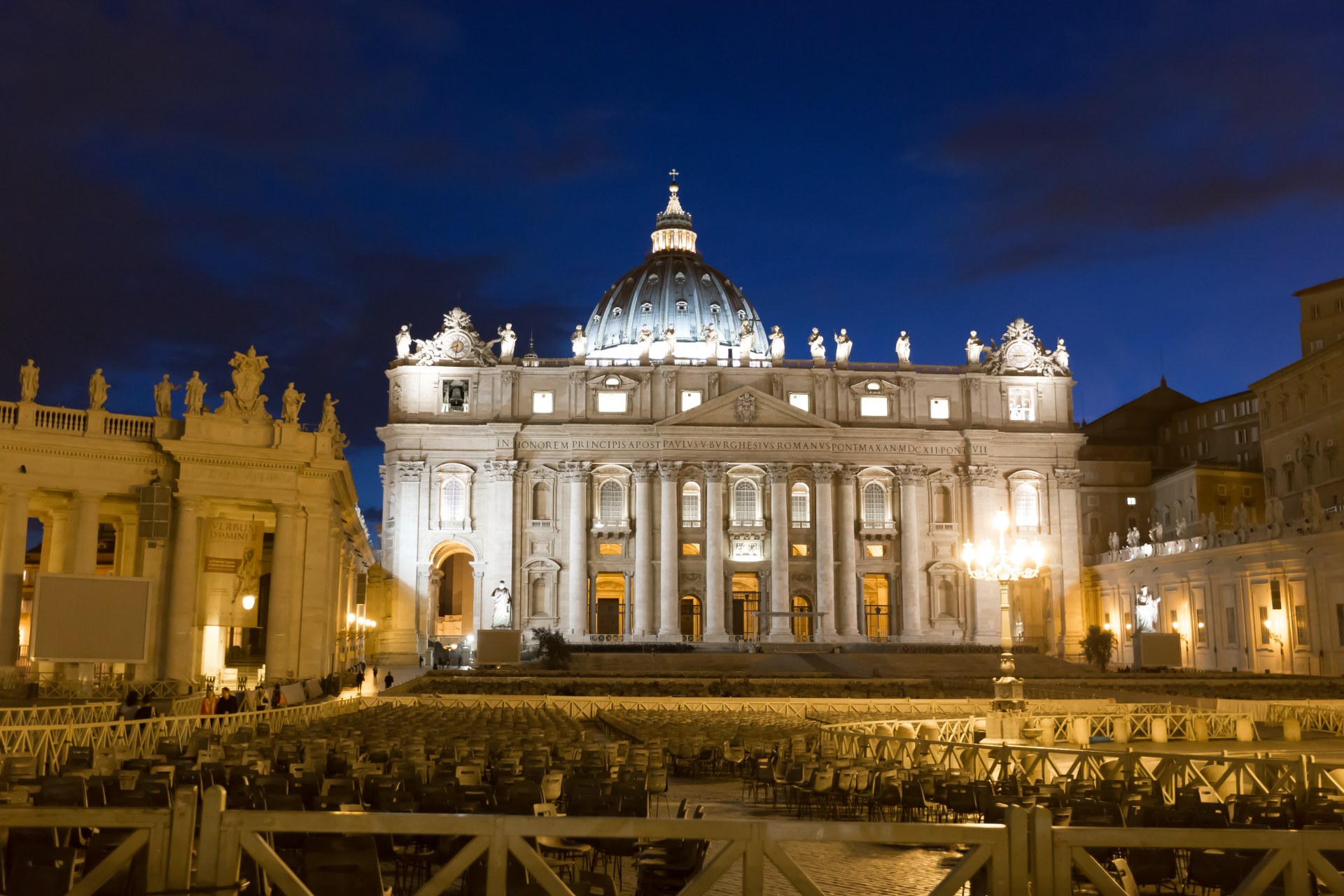
Wednesday audiences and Sunday Angelus reshape crowd flows—check papal schedules before assuming quiet mornings. Shoulders and knees coverage remains non-negotiable inside basilicas—pack light scarves even in summer. Museum routes funnel into Sistine silence rules—no photos, whispered kids only.
Trains, Tickets, and Strike Contingencies

Regionale vs Frecciarossa services differ in speed and seat reservations—match ticket class to actual train boarded. Validate paper tickets where required or risk fines. When strikes hit, ship excursions may be the only guaranteed return path—price that peace of mind into your budget.
If you skip Rome, walk the Forte Michelangelo perimeter, sip espresso facing fishing boats, and taste fresh seafood without train stress. Photographers love golden hour light on breakwater stones—still respect port security zones.
Use a cruise planner to log ticket QRs, train platform notes, and emergency contacts so Roman holidays feel epic, not anxious.
Rome’s Museums Beyond the Vatican — Time Budget Reality
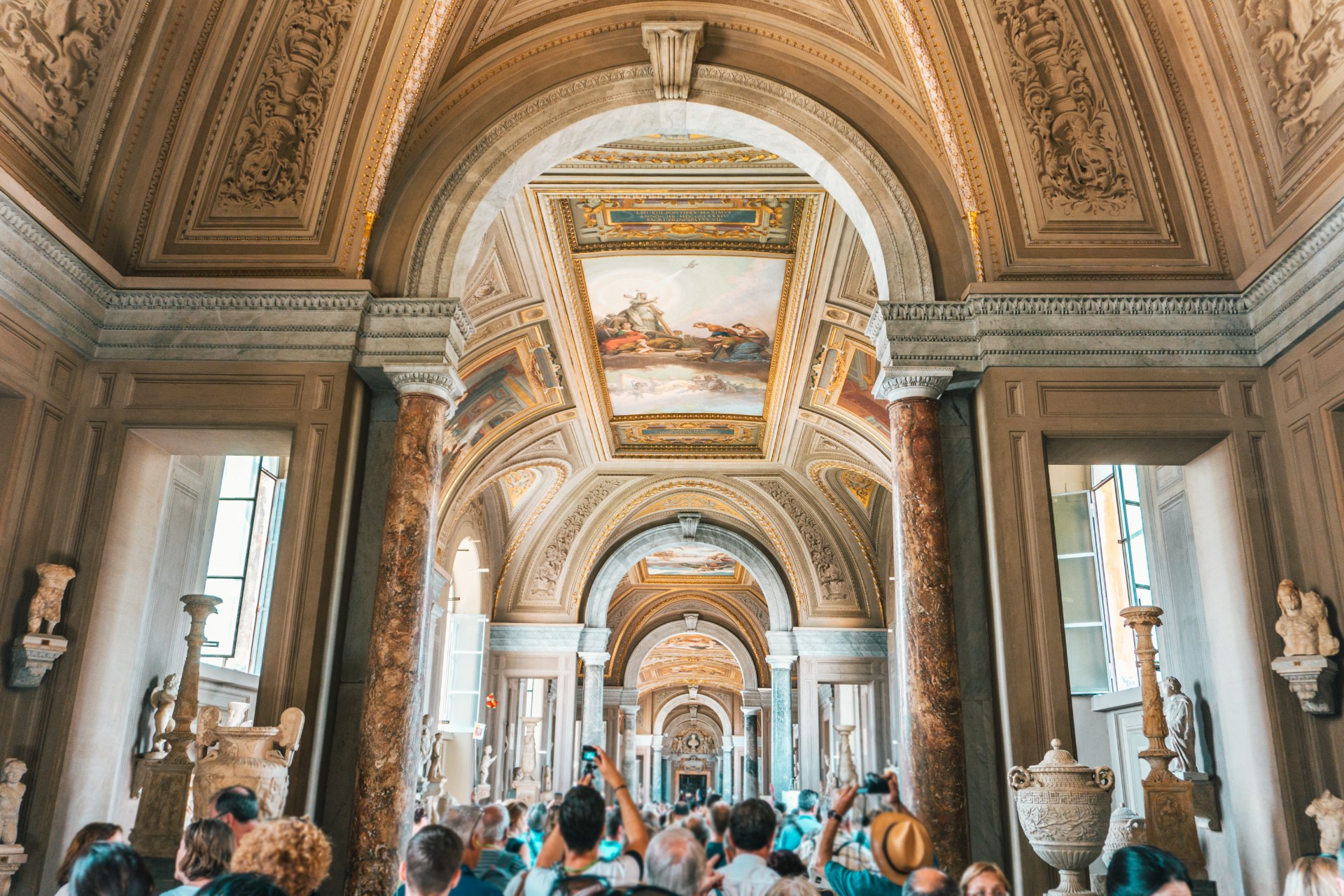
Capitoline Museums, Borghese Gallery, and National Roman Museum sites reward art lovers but each deserves half days minimum—not compatible with Colosseum plus Vatican unless you accept exhaustion. Choose one deep museum day or spread Rome across a hotel land segment instead of a single cruise call.
Ostia Antica vs Pompeii from Civitavecchia
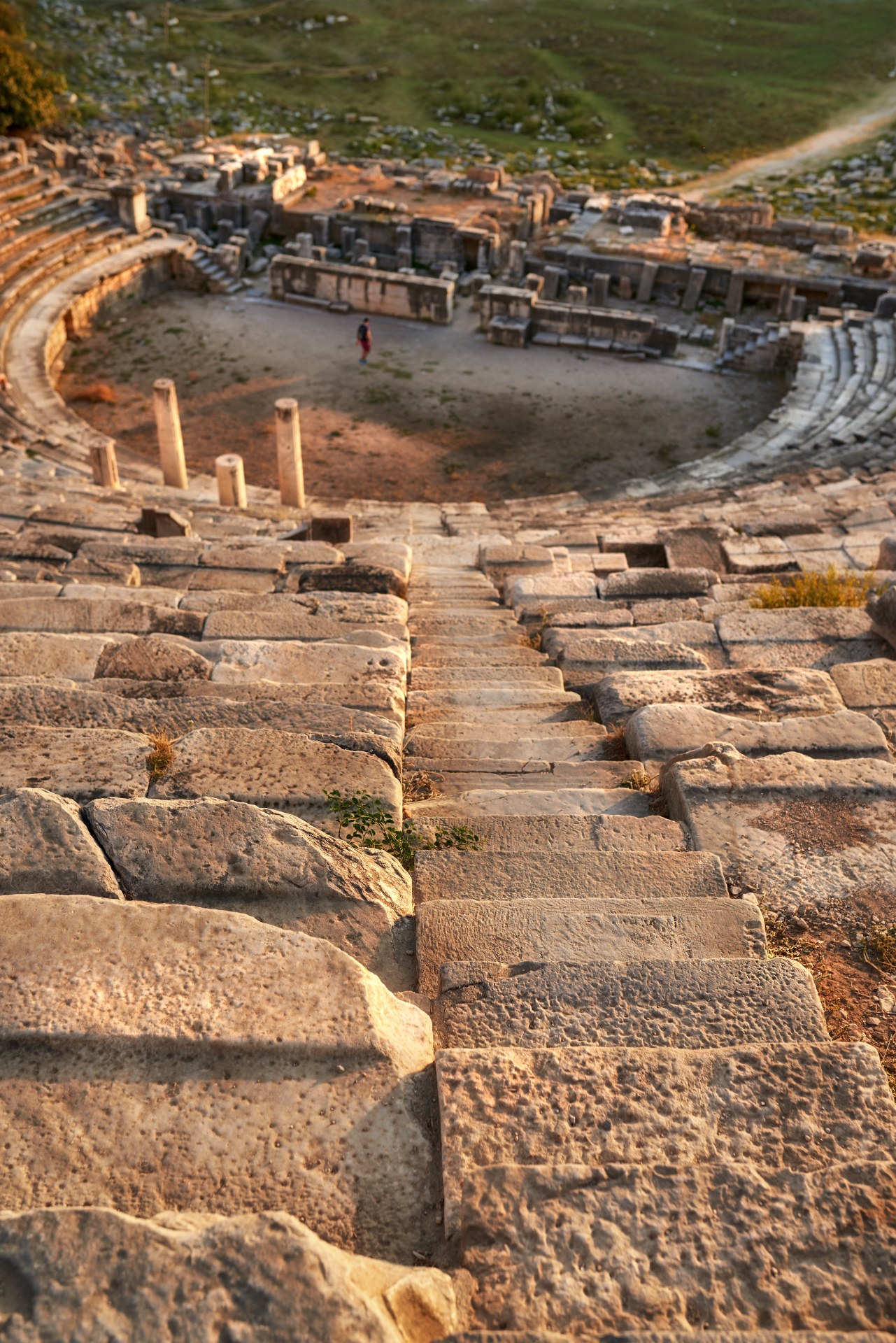
Ostia Antica lies closer to Rome than Pompeii, making it slightly more feasible on tight timelines if trains cooperate. Pompeii from Civitavecchia requires long drives or high-speed train math to Naples plus local transfers—honest tour operators publish total duration including traffic buffers. If you must choose, prioritize Pompeii only when your ship overnights near Naples instead of trying from Rome’s cruise gateway.
Evening in Rome — When Ships Stay Late
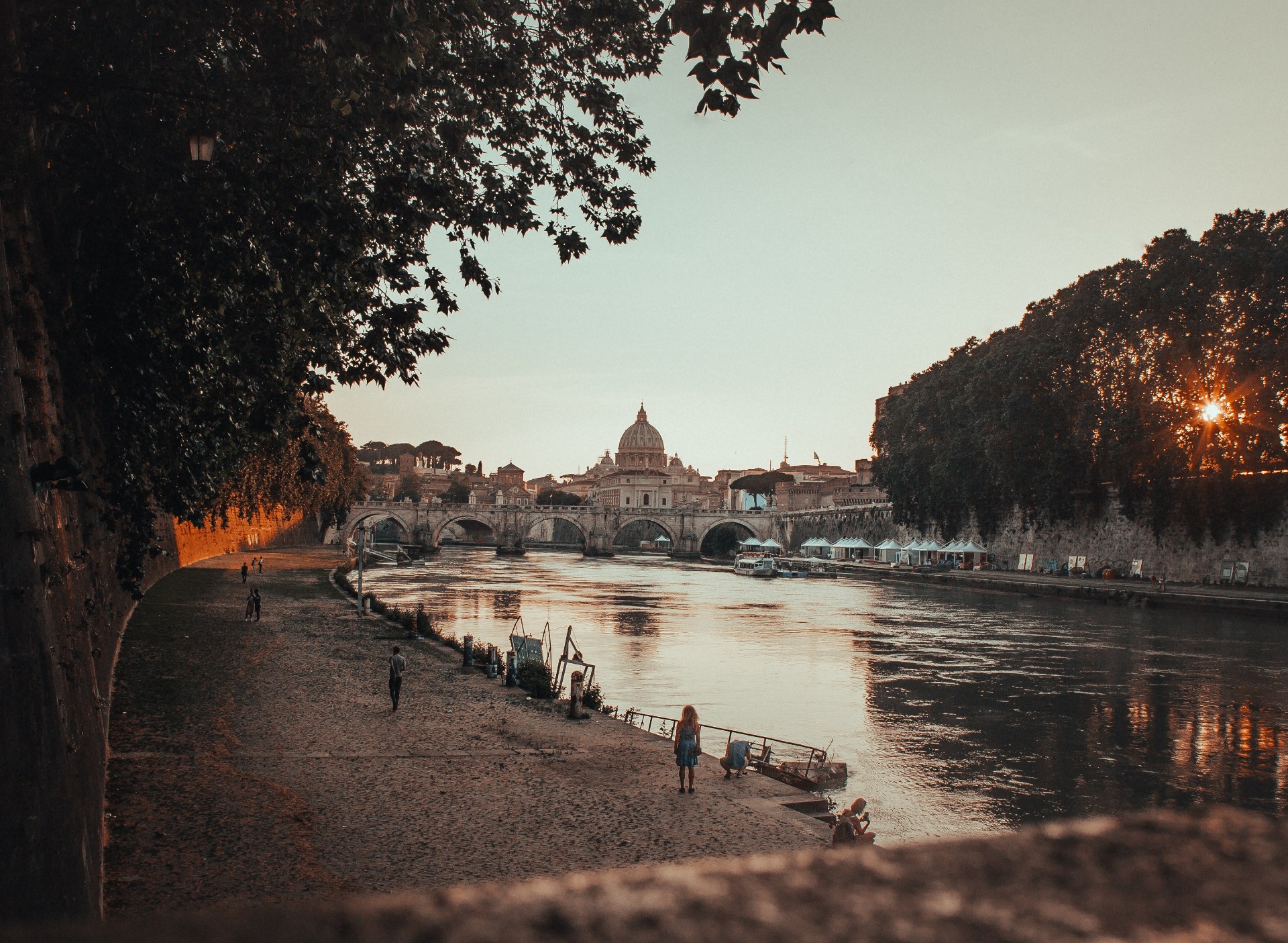
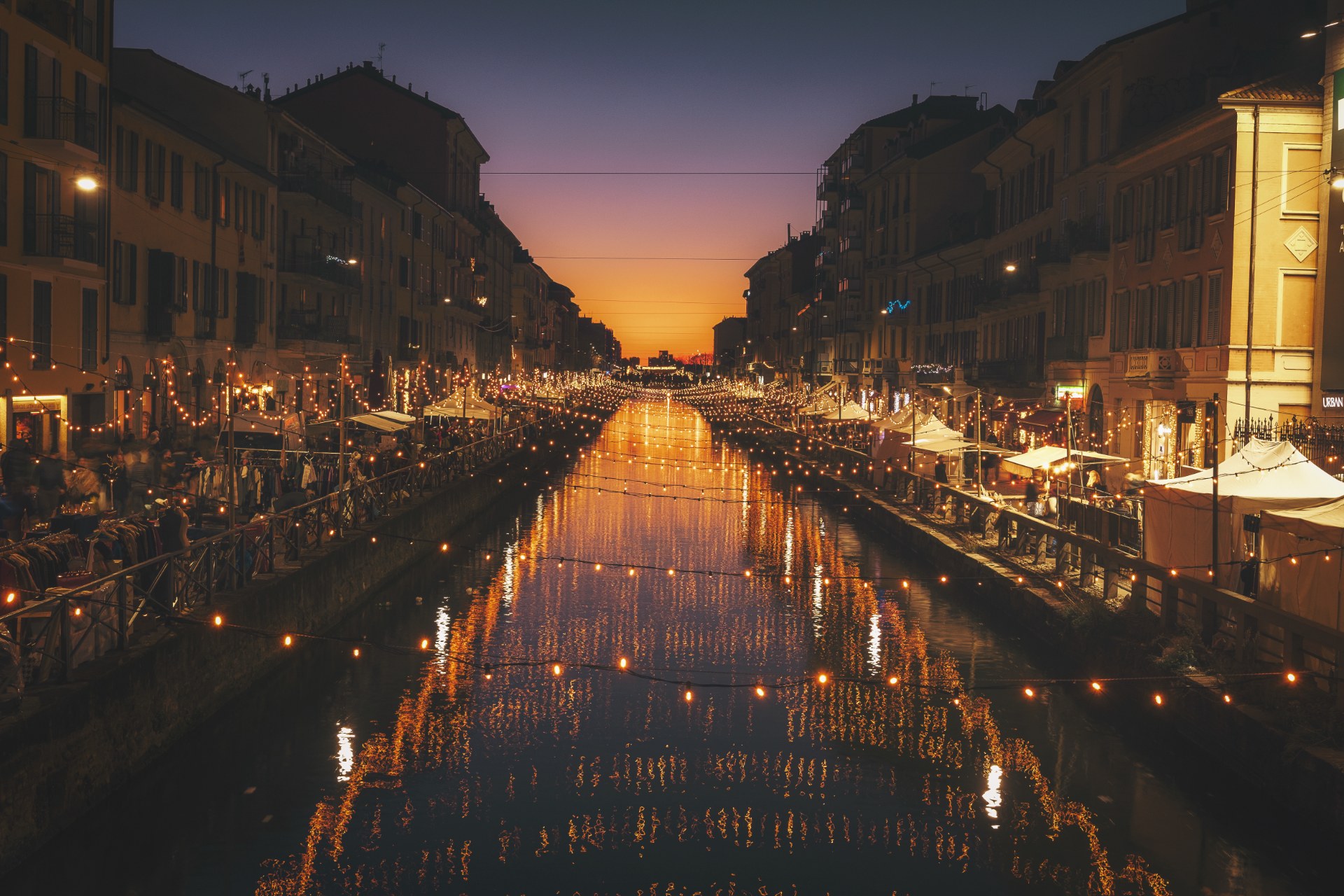
Late departures unlock Trevi at night, Trastevere dinners, and colosseum illumination photos without midday heat. Verify train return schedules after 22:00—if service thins, pre-book private drivers with clear late ship policies.
Panic raises mistakes. If you misread a platform, stop, breathe, open official Trenitalia apps, and ask uniformed staff with printed tickets in hand. Ship excursion desks cannot bend physics but sometimes advise last taxi options—this is why buffers exist.
Multi-Day Rome Without a Hotel — Why It Fails
Some travelers imagine commuting from Civitavecchia to Rome on back-to-back days from the same cruise without booking a land hotel—that only works if your ship overnights repeatedly, which mainstream itineraries rarely do. Treat each Rome day as a single sprint with clear priorities or add pre/post hotel nights in the city center.
Luggage Storage, Train Stations, and Pickpockets
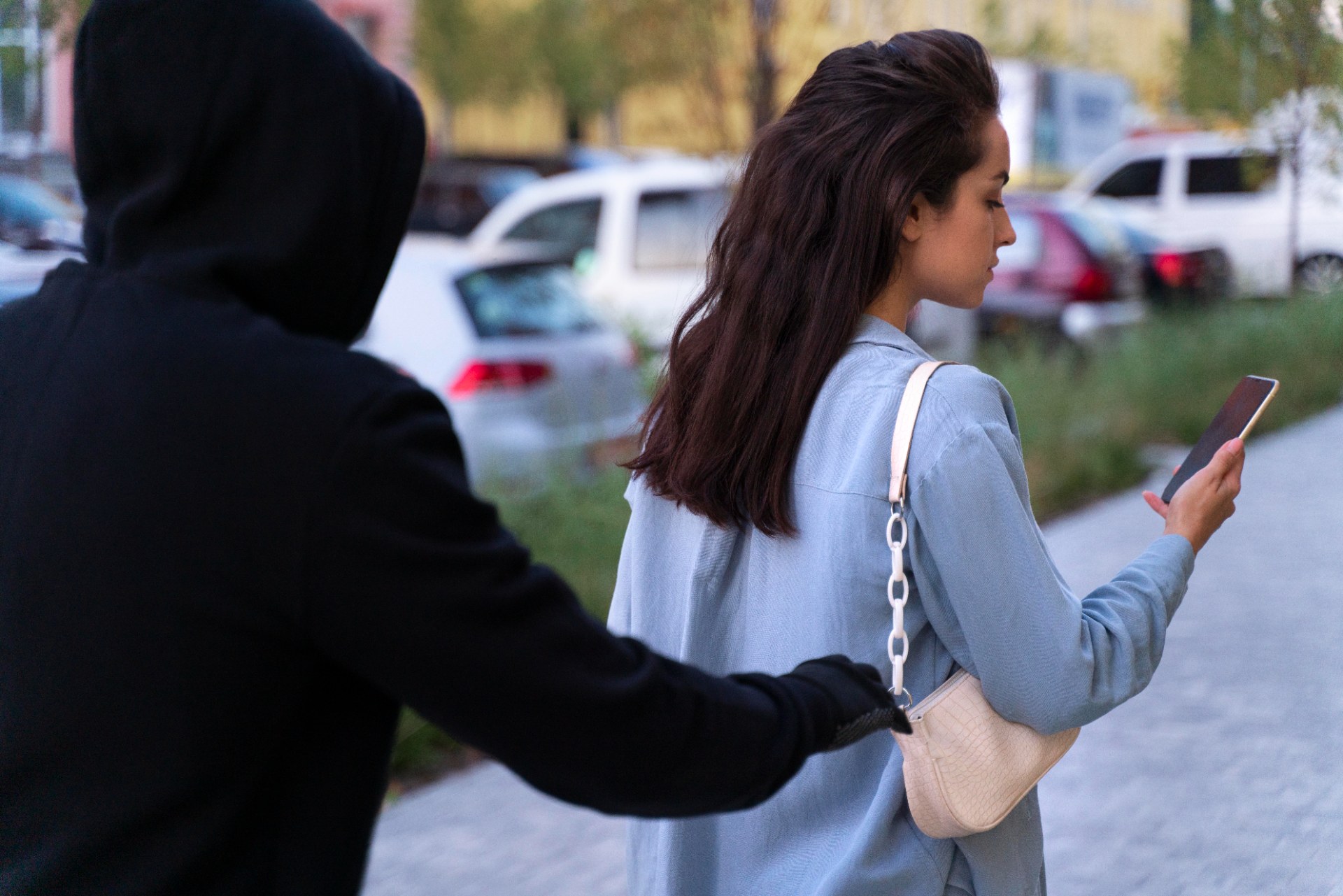
Termini pickpockets love distracted tourists with rolling bags—keep hands on zippers, wear cross-body bags, and avoid phone scrolling near platform edges. Some stations offer lockers but capacity vanishes in summer—travel light or book excursions that handle bags.
Evening Culture — Opera, Concerts, and Curfews
If your ship stays late, Rome’s opera and chamber concerts reward dressier outfits and advance tickets. Verify curtain times against train schedules back to Civitavecchia—missed final trains turn into expensive taxi rides or missed ships.
Rome is not a theme park with queues optimized for efficiency—it is a living capital with strikes, traffic, and beauty that refuses to hurry. Choose two meaningful anchors, walk between them, eat well, and return to the ship grateful rather than resentful.
Civitavecchia and Rome — tying logistics to emotion
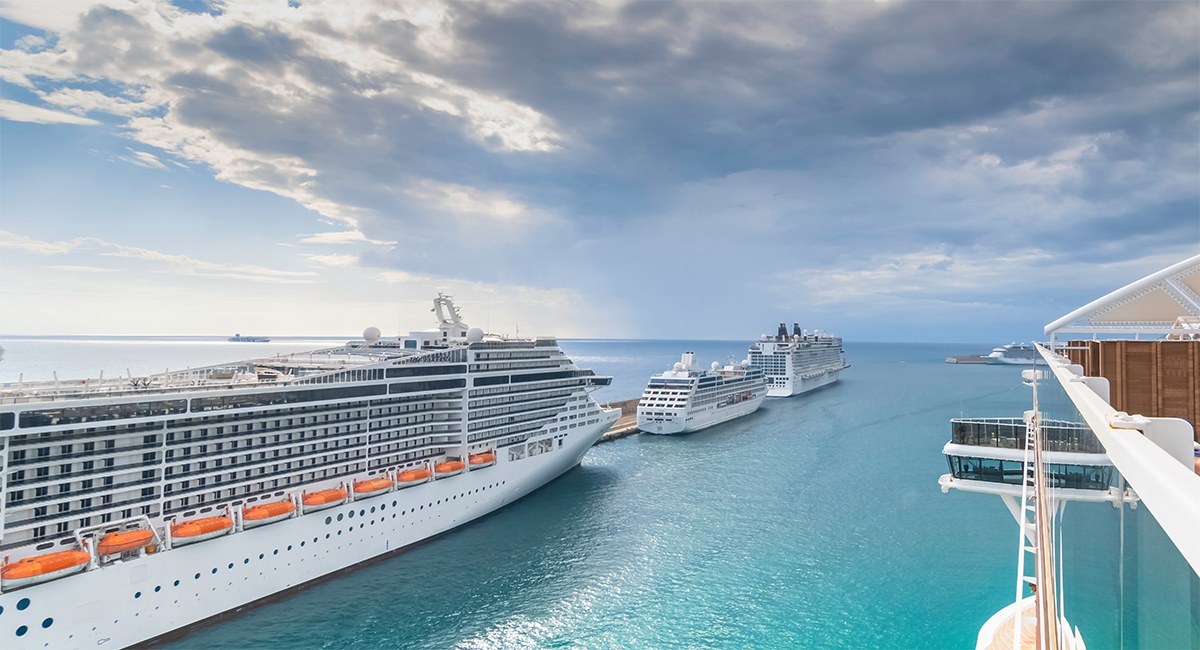
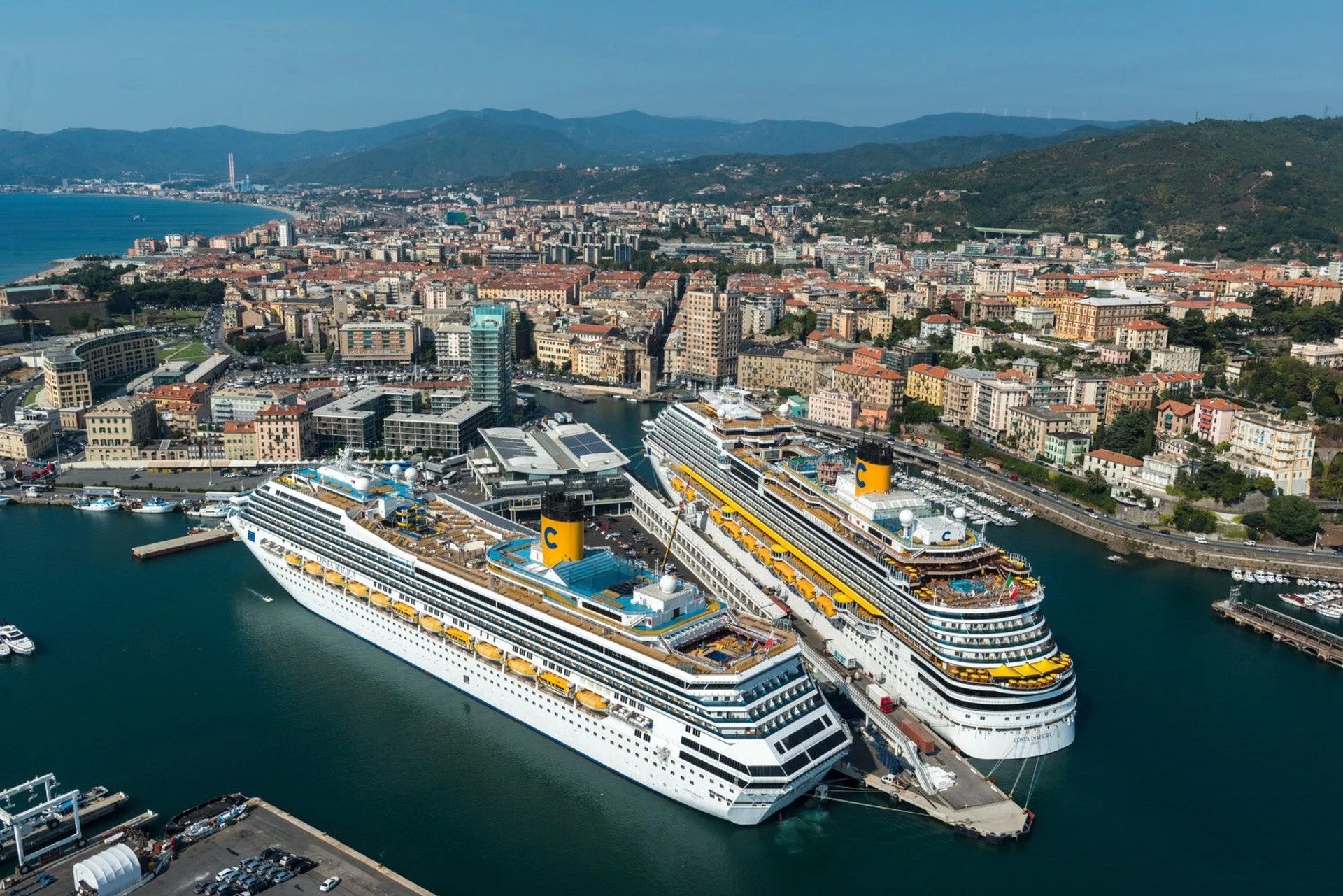
Civitavecchia embodies the classic cruise tradeoff: access versus time. You gain a gateway to one of Earth’s greatest cities, but you pay with transfers, tickets, and the low-grade anxiety of counting minutes back to the gangway. That tension is normal. Experienced travelers reduce it with buffers, early starts, and honest itineraries that do not pretend Rome is a 90-minute museum stop.
If you love history, accept that one day in Rome is a trailer, not the film. Use it to choose what to revisit on a future land trip with hotels near the centro storico. If you love food, spend money on one great meal rather than three rushed snacks you will forget. If you love people-watching, sit on a piazza with a coffee instead of racing to another statue you will photograph once.
Train travel adds its own romance when it works—watching Lazio scroll past your window, feeling the city approach like a crescendo. When it does not work, remember that adaptation is part of travel competence. Ship excursions exist because sometimes competence means paying for someone else to own the variables.
Finally, remember Civitavecchia itself is a town, not a mere parking lot. If Rome feels too heavy, claim a local day with seafood and slow walks and call it success. The Eternal City will wait for your next trip—your peace today matters more than any checklist.
If you do go to Rome, carry a paper copy of train times when phone batteries die and patience frays—old tech still saves trips in 2026.
Rome food reward loop: pick one food memory to protect—carbonara, cacio e pepe, supplì, gelato—and build your walking route around that pleasure instead of chasing every landmark in one afternoon.
Night owls note: some summer sunsets align with late gangways—verify whether your ship stays past golden hour before you promise friends a Trevi coin toss after dinner.
Morning people win Rome in July: start before heat and crowds peak, then rest during midday museum hours or ship time if you return early. Carry a compact umbrella for sun and sudden showers. Keep copies of train tickets separate from your phone. Smile at ticket inspectors. They see rushed tourists daily.