The Honest Hook: Why This Question Hits Different Today
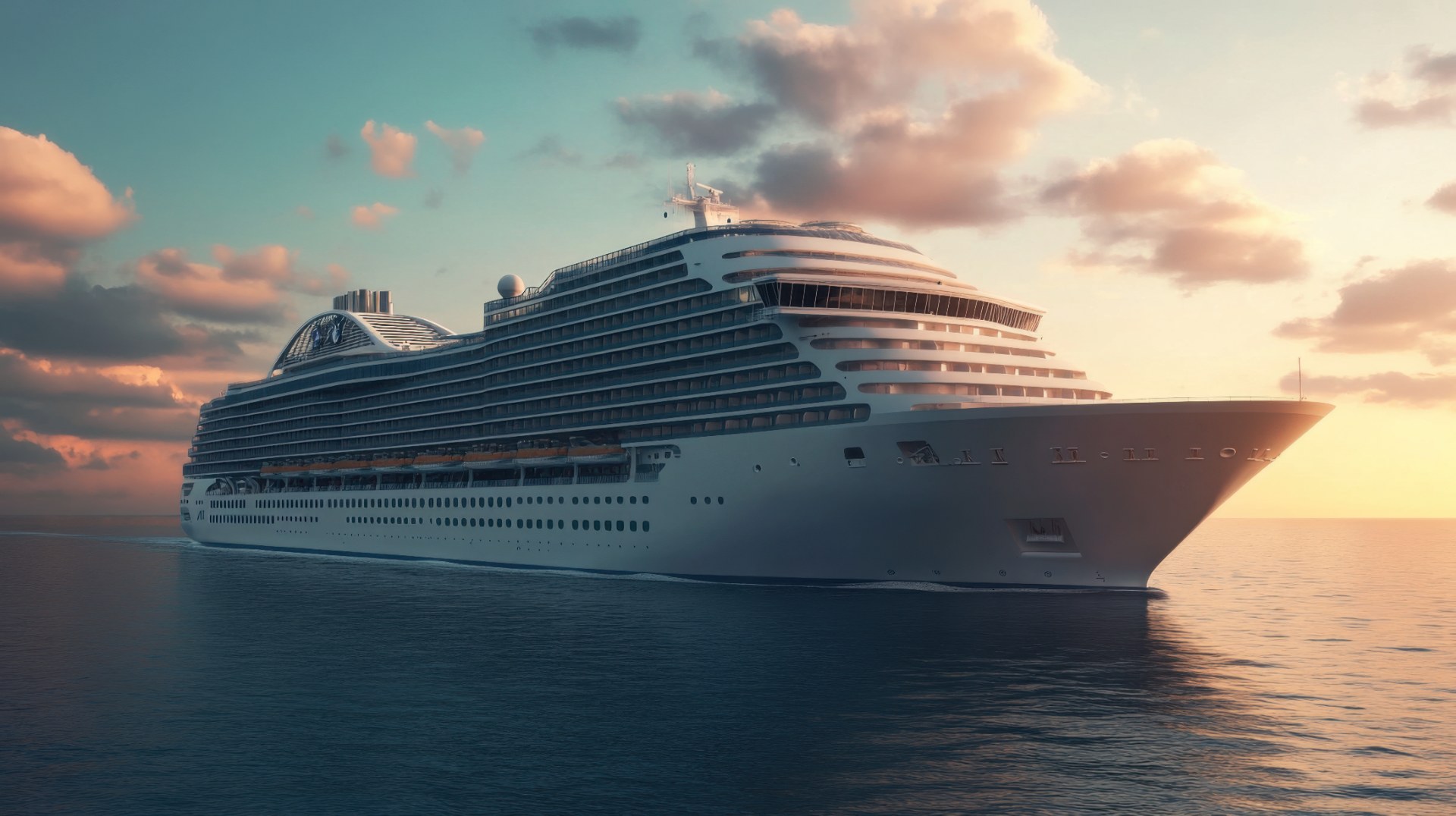
If you have ever stood on a lido deck at sunset and felt the world shrink to horizon and salt air, you have also wondered whether that beauty comes with a hidden bill. Cruise ships burn fuel to move hotels across water, power air conditioning for thousands, and sometimes anchor near fragile coastal ecosystems. The question is not whether cruising has environmental impact—it does—but whether that impact is uniquely worse than other vacation choices once you compare per-person energy, distance, and destination logistics.
In the first hundred words, the core keyword is already on the table: environment impacts from cruising are real, measurable, and improving in some metrics while stubborn in others. What changed in recent years is not the existence of impact, but the transparency tools: public reporting on emissions, tighter fuel rules in certain emission control areas, and ship designs that treat energy like a budget line item. Tools like SeaDays planning content and ship research help travelers compare itineraries and hull generations before they treat a fare as the whole story.
What “Harm” Means—Air, Water, Waste, and Ports
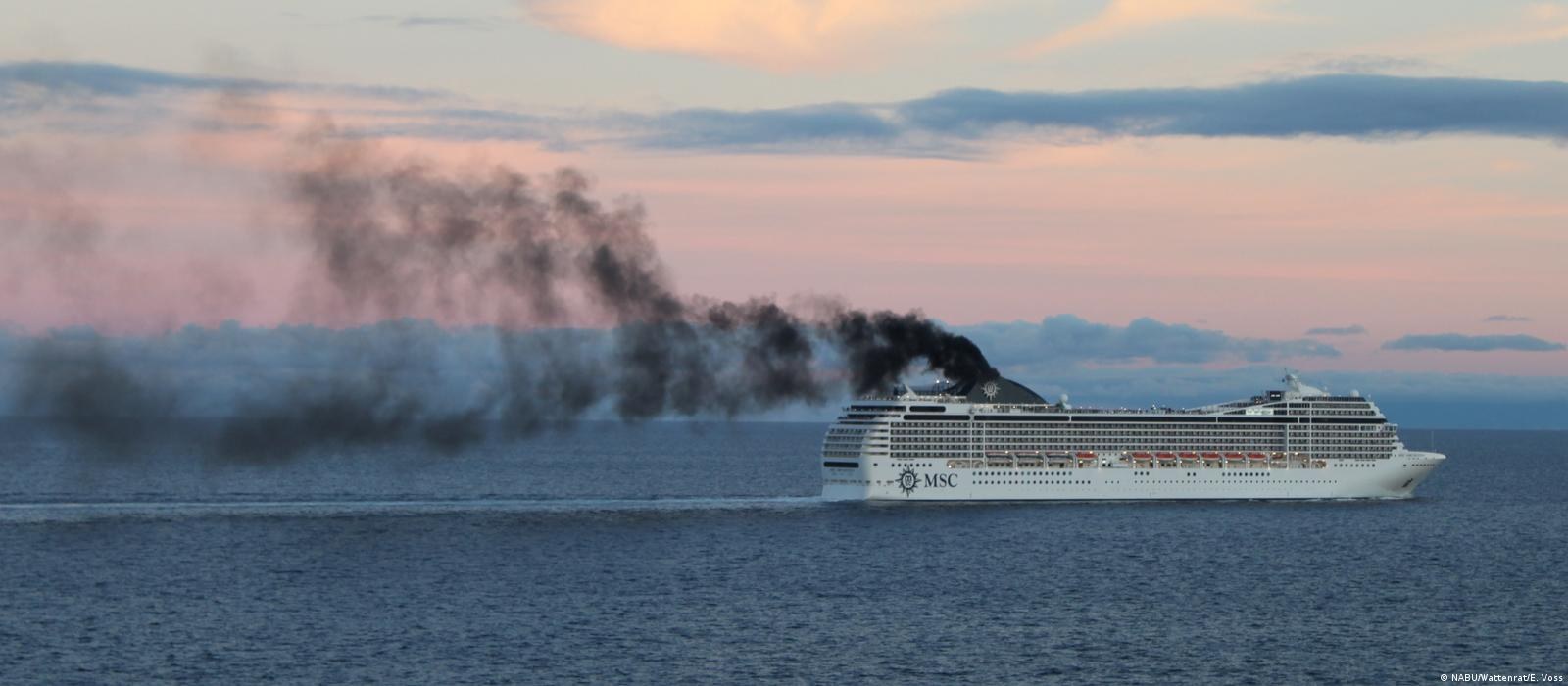
Air emissions draw the loudest debate. Marine fuels historically leaned on heavy fuel oil variants; newer rules push lower-sulfur blends and scrubbers (exhaust cleaning systems) on some routes. Carbon dioxide remains the long-horizon problem: moving mass at speed costs energy, and cruise ships are mass-heavy per guest compared with many land hotels—though land hotels rarely move.
Water impacts include ballast management (to reduce invasive species risk), gray water from sinks and showers, and black water from sanitation systems—regulated differently by region and enforced with varying rigor. Solid waste ranges from recycling programs to incineration at sea where permitted, plus port disposal where required.
Port and coastal effects include congestion, tender operations near sensitive areas, and shore power availability—whether ships can plug into grid electricity instead of running engines or auxiliary generators in port. If you want to compare homeports and common routes, world cruise ports context helps you see which stops cluster tourism pressure and which spread arrivals across larger cities.
The Cruise vs Flight-Plus-Hotel Framing (and Why It Is Messy)
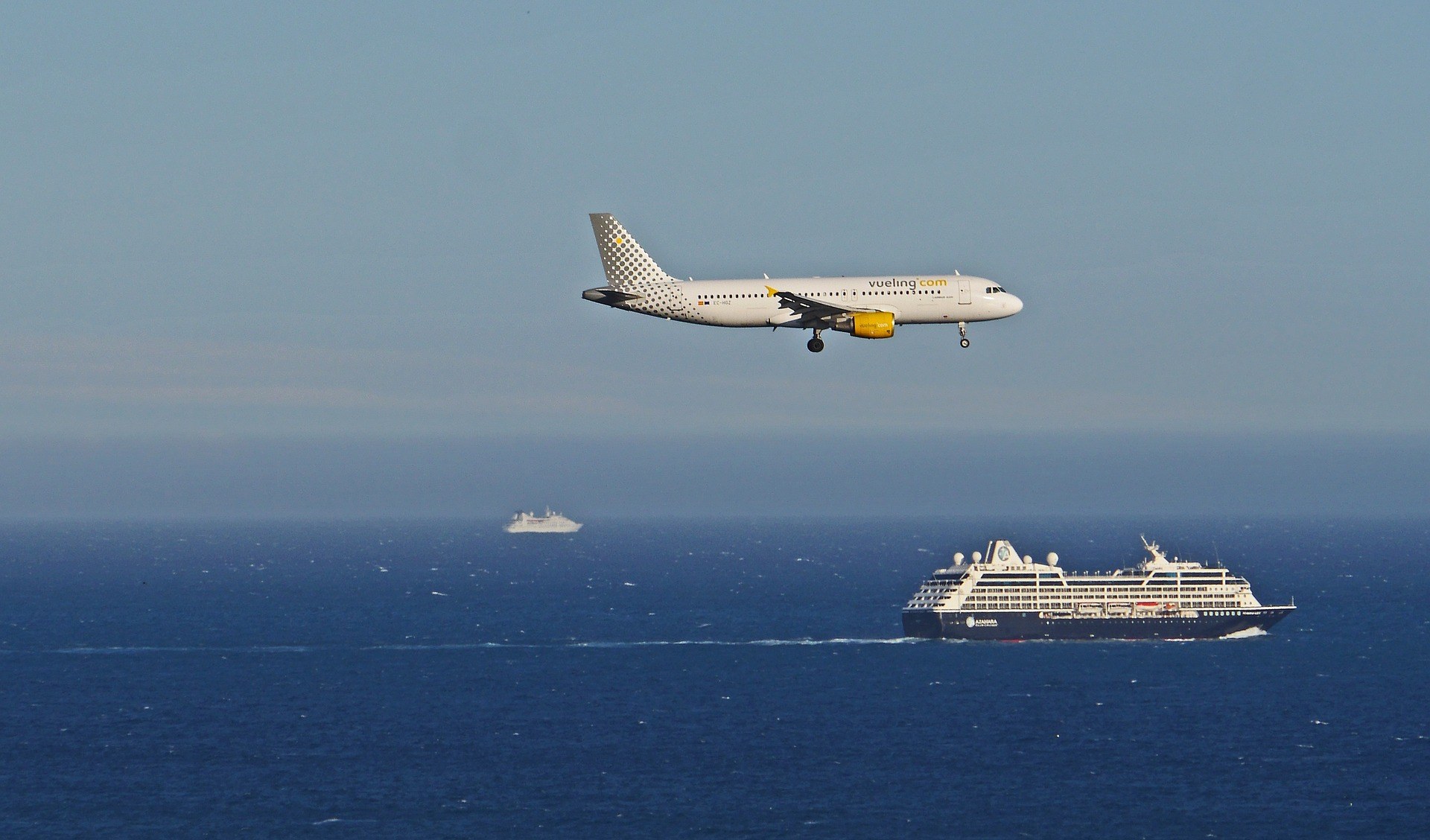
Travelers often ask whether a cruise beats flying to a resort. There is no universal winner because the math depends on party size, cabin category, flight routing, hotel efficiency, and how many sea days you sail versus flying point-to-point. A short Caribbean loop from a nearby drive homeport can look efficient per guest-week; a fly-around world cruise segment can look carbon-heavy because air segments stack on top of ship segments.
What is fair to say: cruising centralizes impacts—one vessel, many guests—so improvements to hull design and hotel operations scale across thousands of travelers. That is why policy and technology matter so much: a cleaner ship class changes outcomes for everyone onboard, not just one eco-conscious cabin.
Regulations and “Sulfur Maps”—What Actually Changed at Sea
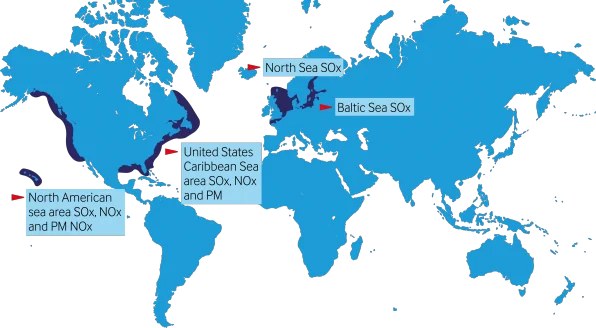
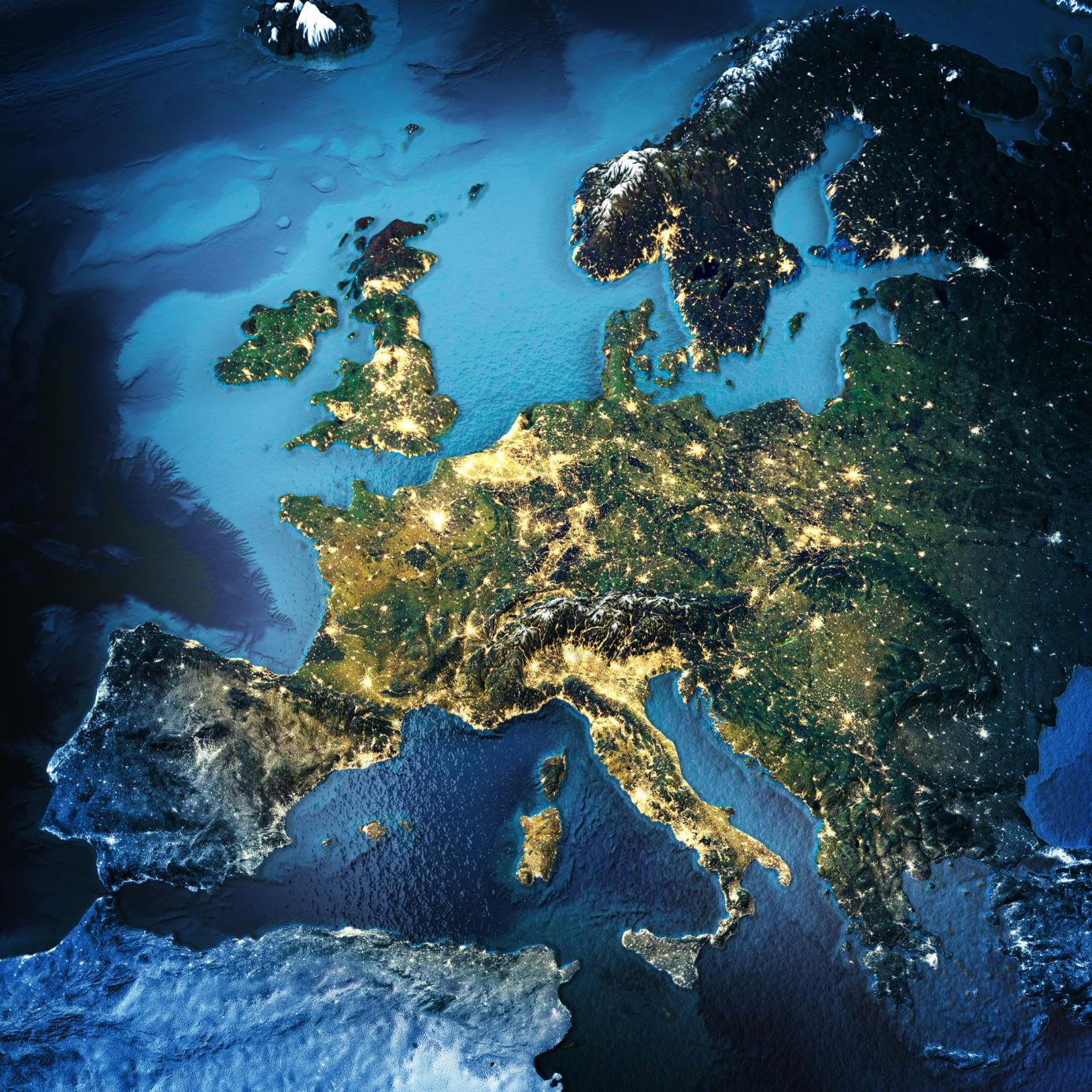
IMO-driven sulfur limits reshaped fuel choices in many regions. Emission Control Areas (like parts of North America and Europe) tightened expectations for air quality near coastlines. Separately, shore power investments in ports matter because hotel load in port can shift from onboard generation to grid power where grids are cleaner—or not, depending on local energy mix.
If you are evaluating environmental seriousness, look for transparent sustainability reporting, shore power capability on the ship, liquified natural gas (LNG) or other fuel strategies on newer builds, and itinerary choices that reduce slow steaming waste and unnecessary idling. For a ship-first comparison workflow, browsing cruise ships by line alongside line-level sustainability PDFs beats guessing from brochure photos.
Expedition and Sensitive Regions—Higher Stakes, Tighter Rules
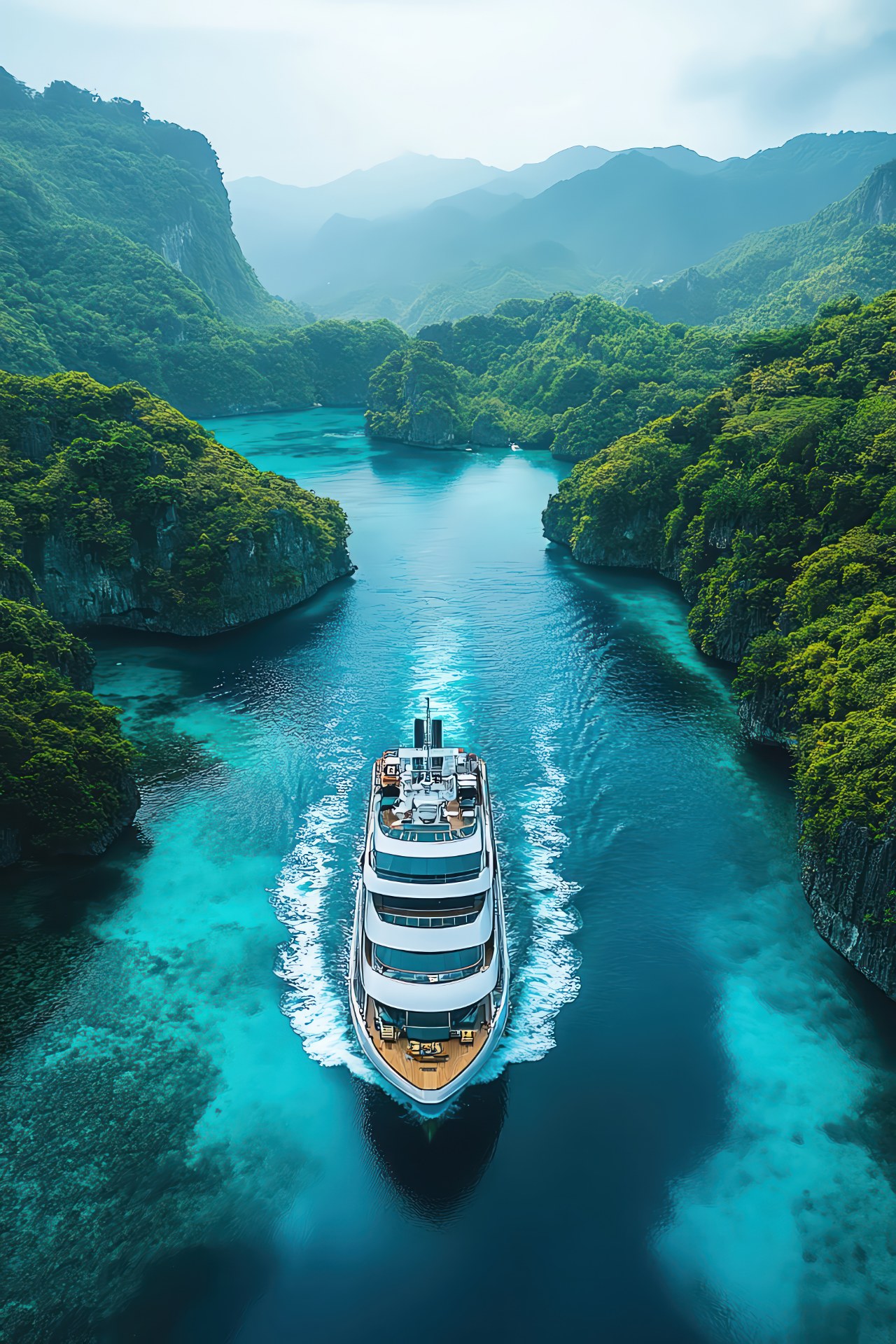
Polar routes and wildlife-dense regions raise different questions than Caribbean loops. Ice navigation, wildlife distance rules, landing caps, and zodiac operations are not just eco branding—they are operational constraints that can change daily schedules. That does not make expedition cruising “clean,” but it does mean destination management is part of the environmental story.
Watch for intensity metrics (CO₂ per passenger mile) versus absolute totals. Watch for offsets marketed as guilt erasers—offsets can help fund projects, but they do not remove local pollution near ports. Watch for photo-friendly “straw bans” that distract from fuel strategy. The strongest claims usually show year-over-year trends, third-party verification, and specifics: engine type, fuel type, route optimization, waste diversion rates.
Practical Choices That Reduce Impact Without Moral Theater
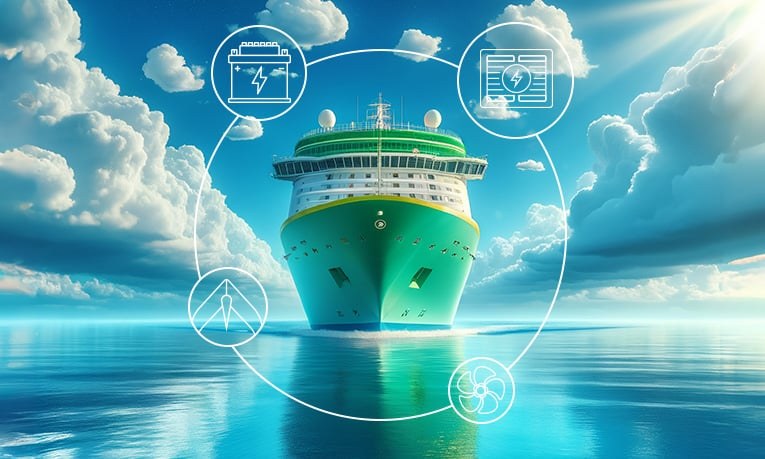
You do not need to be perfect—you need to be directionally smarter. Prefer newer ship classes when efficiency improvements align with your budget. Prefer itineraries with fewer sea days if you dislike burning fuel for motion alone—or the opposite if you value ship life; honesty matters more than virtue signaling. Prefer longer port calls when you want local spending to benefit communities beyond dockside trinket economics.
Pack reusables thoughtfully (water bottles where permitted), minimize single-use plastics you control, and choose excursions with credible operator standards when wildlife is involved. If you track trips and notes, SeaDays-style ship research pairs well with a simple spreadsheet: nights, distance, homeport drive vs fly, and upgrade costs that change crowding and service intensity.
Ports, Overtourism, and the Ethics of Showing Up
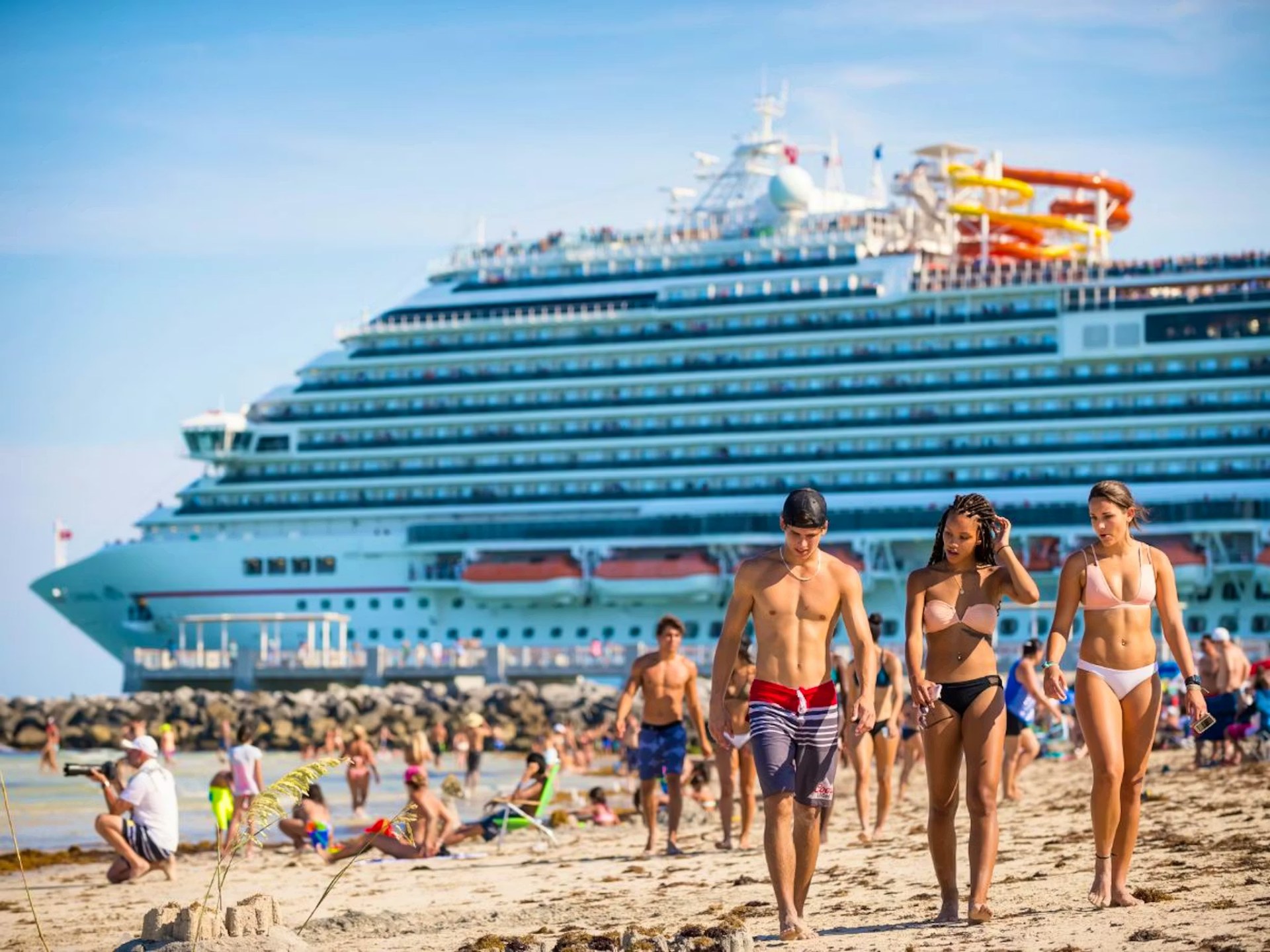
Cruising can concentrate arrivals into historic cores on short clocks. The environment question merges with social impact: bus convoys, crowding, and rent pressure are not only aesthetic issues—they shape wastewater loads, traffic emissions, and infrastructure strain. Choosing itineraries that stagger arrival times, support local guides, and respect capacity limits is part of responsible travel—even when the ship itself is efficient.
FAQ — Cruises and the Environment

Q1: Are cruises the worst form of travel for the climate? A: Not by default. Impact depends on distance, ship efficiency, cabin occupancy assumptions, and whether you add long-haul flights. Compare total trip emissions, not vibes.
Q2: Do newer ships automatically mean greener trips? A: Often yes on energy intensity, but not always on absolute impact if the ship is enormous and always full throttle. Read class-level details, not just launch year.
Q3: Are scrubbers “green”? A: They reduce sulfur air pollution in many cases, but they are controversial where washwater discharge quality is debated. Treat them as one variable, not a moral certificate.
Q4: Is shore power a big deal? A: In ports where it exists and ships can connect, it can reduce local emissions during hotel loads. Availability varies widely—check port infrastructure for your route.
Q5: Can I offset my cruise and call it fixed? A: Offsets can support projects, but they do not erase local air quality impacts or port pressures. Use offsets as a supplement, not a replacement for smarter choices.
Related Reading & Internal Links
- Compare cruise ships and read line-level sustainability PDFs alongside deck plans.
- Explore cruise ports to understand tender risk, city distances, and arrival pacing.
- Read more cruise travel guides on planning, packing, and itinerary tradeoffs.
- Pair with (luxury vs budget value) when you weigh fare against efficiency and comfort.
- Use SeaDays trip tracking habits to connect real routes with real impacts—not brochure myths.