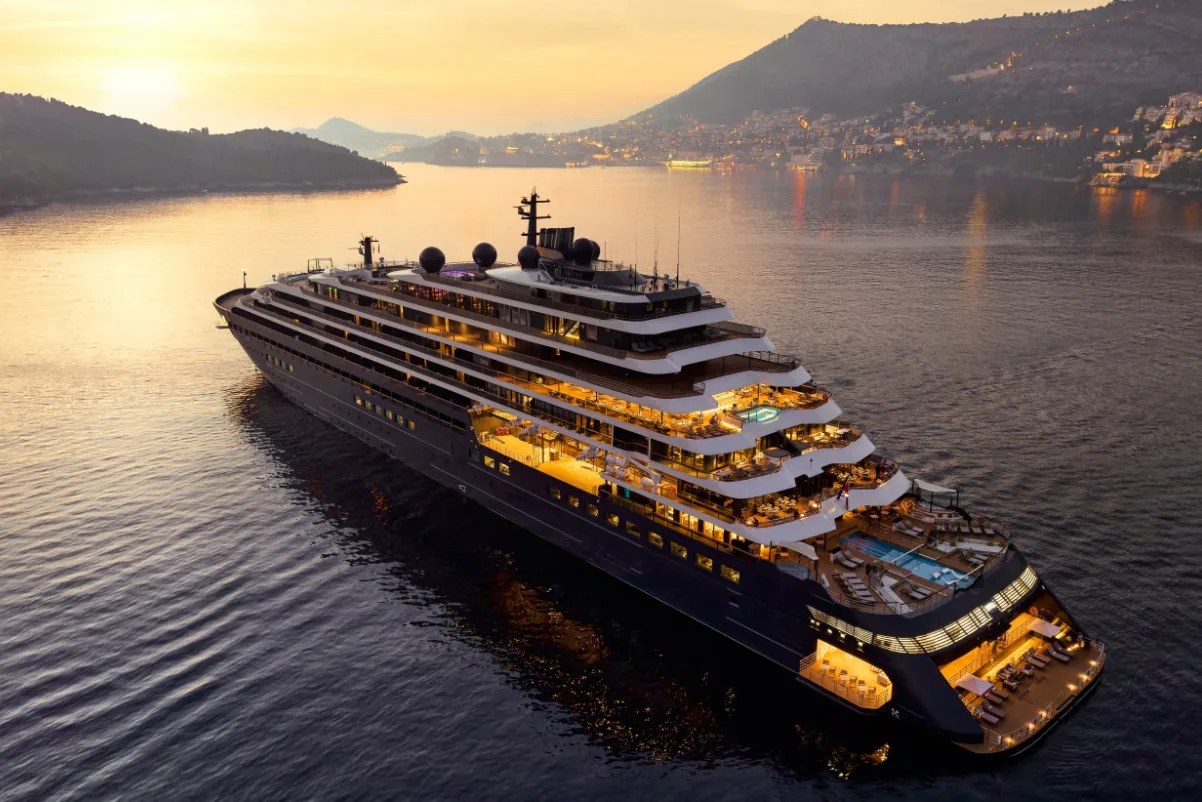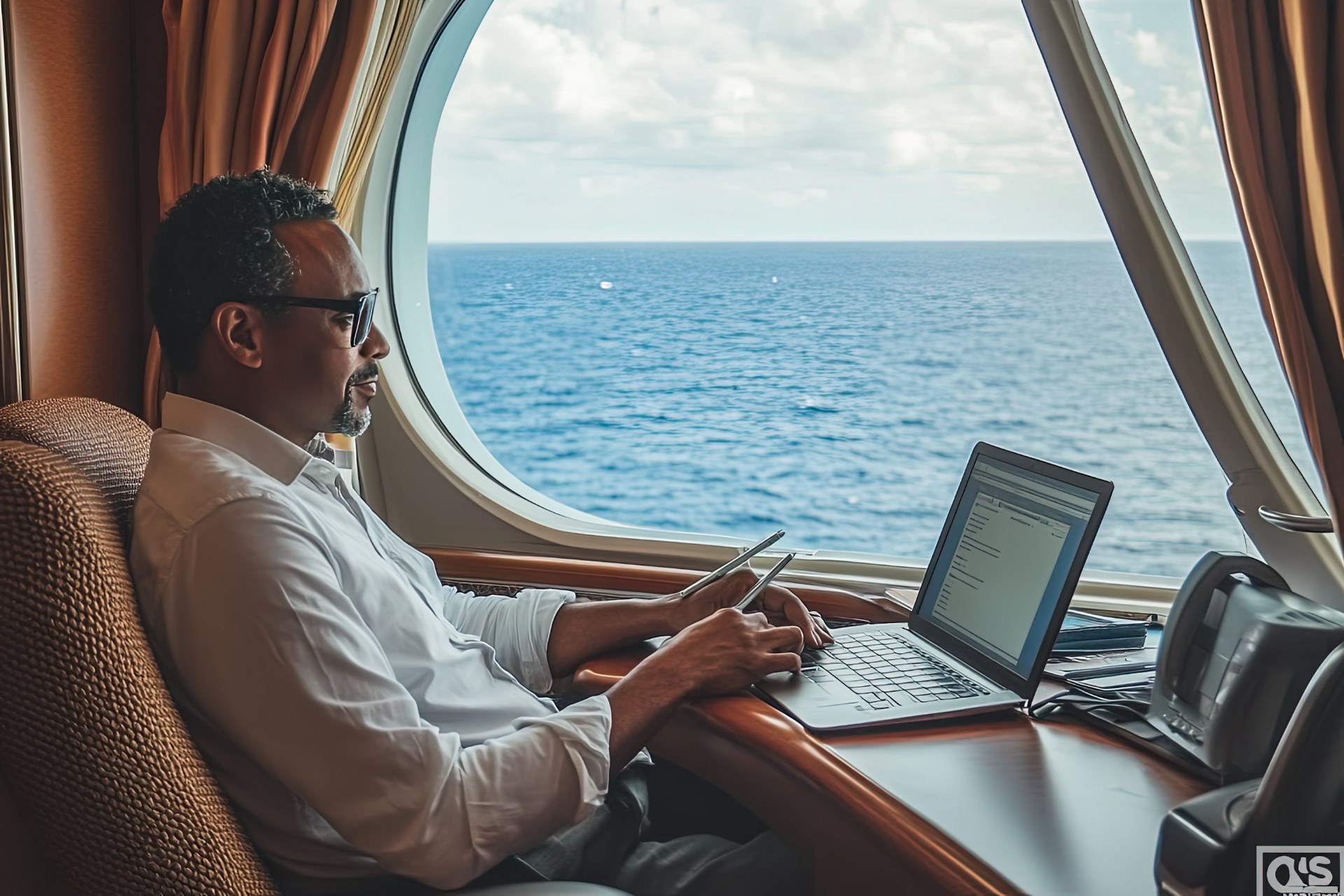
The Hook: The Ocean Looks Free—Your Calendar Is Not

The digital nomad fantasy sells sunsets and freedom, but cruise ships sell schedules—embarkation windows, muster drills, port all-aboard times, and satellite internet with variable latency. The rise of digital nomads on cruise ships is real in storytelling, selective in sustainability, and brutal when your VPN fails five minutes before a client call.
If you are searching for the trend in plain terms: digital nomads are experimenting with ships as rotating apartments—sometimes successfully, sometimes expensively—because WiFi packages and suite comfort can replace rent for short windows, but rarely mimic true land-based remote work stability.
Why Ships Entered the Nomad Conversation at All
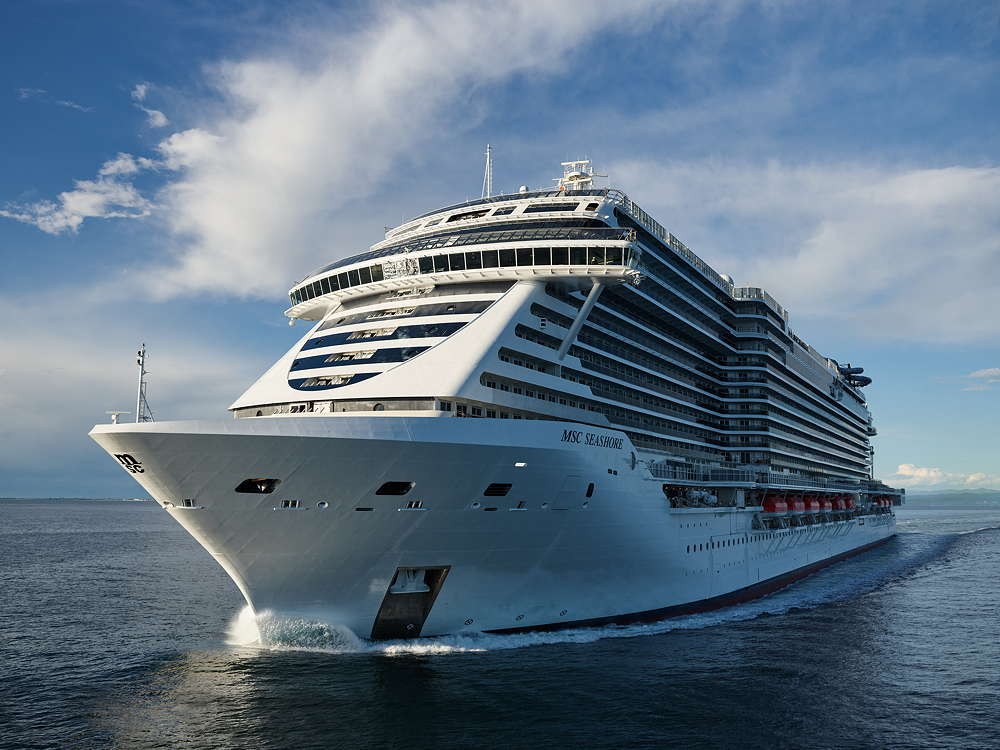
Cruise travel bundles housing, meals, and geography—appealing if you want to stack countries without rebooking hotels nightly. For creators, ships provide endless B-roll: ports, storms, crowds, crew kindness. For workers, ships promise “travel while working” without the Airbnb roulette of land nomadism.
Social feeds accelerated the myth: polished clips rarely show satellite hiccups, noise, or the chair hunt for quiet during sea days.
Connectivity Physics—Satellite Internet Is Not Fiber

Maritime connectivity improved for many fleets, but physics remains: bandwidth is shared, latency can frustrate video calls, and weather can degrade links. Some ships offer tiered WiFi—basic for messaging, premium for work—while pricing can rival monthly home internet for a week.
If your job tolerates async work, ships feel easier. If your job is Zoom-heavy, ships can feel like gambling.
Workspace Reality—Desks, Outlets, Crowds, and Quiet Zones
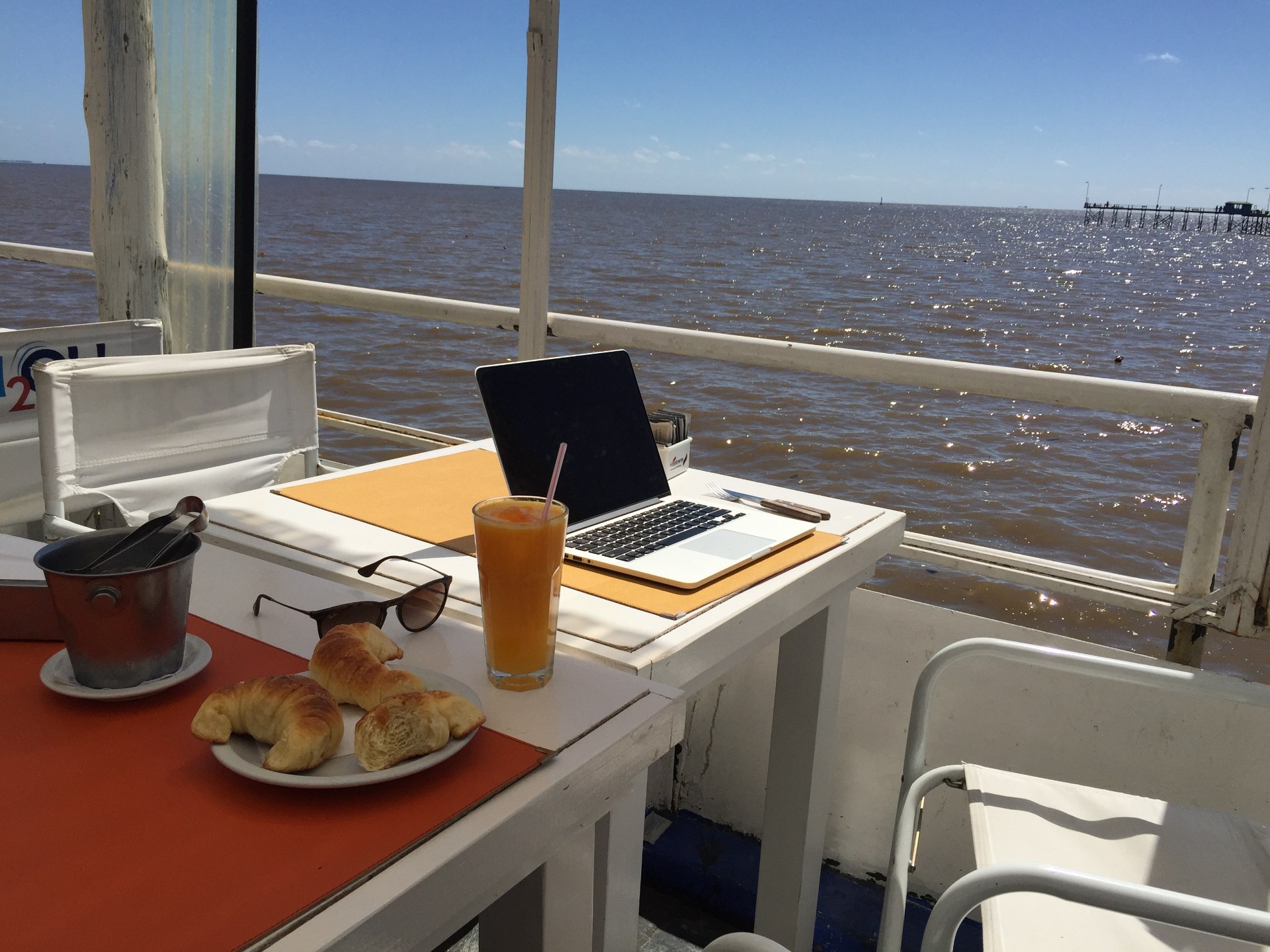
Not all cabins include a real desk; interior rooms may feel claustrophobic for full workdays. Libraries, cafés, and certain lounges can help—if you arrive early enough to claim space. Balcony cabins can become premium “offices” on sea days if wind and noise cooperate.
Time Zones, Meetings, and the Cruelty of Cross-Pacific Calls

Nomads sometimes forget time zone drift across itineraries. A Mediterranean route may bless you with European hours; a Caribbean loop may tempt you into US time—until daylight quirks and excursions shred your focus. Nomad productivity often dies not on WiFi, but on calendar mismatch.
Working remotely on a ship is not the same as working in a country under a visa regime—rules vary, enforcement varies, and “I am on vacation” is not a universal legal shield if you are clearly performing paid work. Serious nomads should treat compliance as part of trip planning, not as vibes.
Who Actually Makes Ship-Nomad Life Work (For Now)

Creators with flexible posting schedules can thrive: film on port days, edit on sea days. Async engineers and writers can thrive if VPN policies cooperate. Sales roles with unpredictable call loads often suffer—unless they buy top tiers and accept risk.
Families face a different constraint: kids’ programming helps, but not if you need deep focus during afternoon chaos on pool decks.
Money Math—When Ship Life Beats Rent (and When It Does Not)
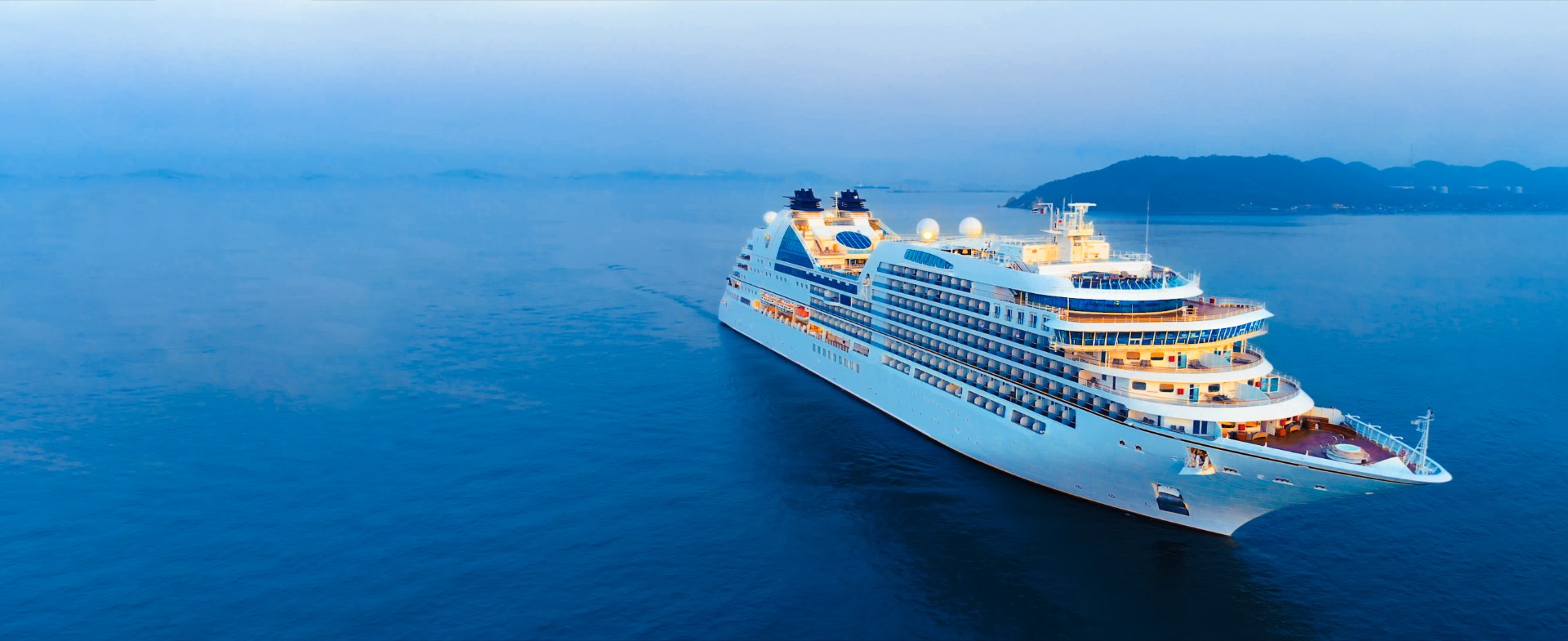
Compare nightly cruise cost (including gratuities, WiFi, drinks, excursions) against land costs for the same month—then add flight positioning. Short experiments can be fun; long stretches can become financially irrational unless you have elite perks or unusual deals.
For route planning, cruise ports helps you understand whether “nomad travel” is actually destination travel—or mostly ship time with occasional selfies ashore.
SeaDays Context—Plan the Work Trip Like a Work Trip

Treat the voyage as a project: define minimum viable connectivity, backup plans for calls, and offline deliverables. SeaDays research helps you pick ships with better venue layouts for quiet work—libraries versus party-forward neighborhoods.
A varied anchor: browse SeaDays cruise articles alongside ship reviews; stories help when raw Mbps numbers are missing or outdated.
The Rise Story—Why 2026 Still Looks Different From 2019
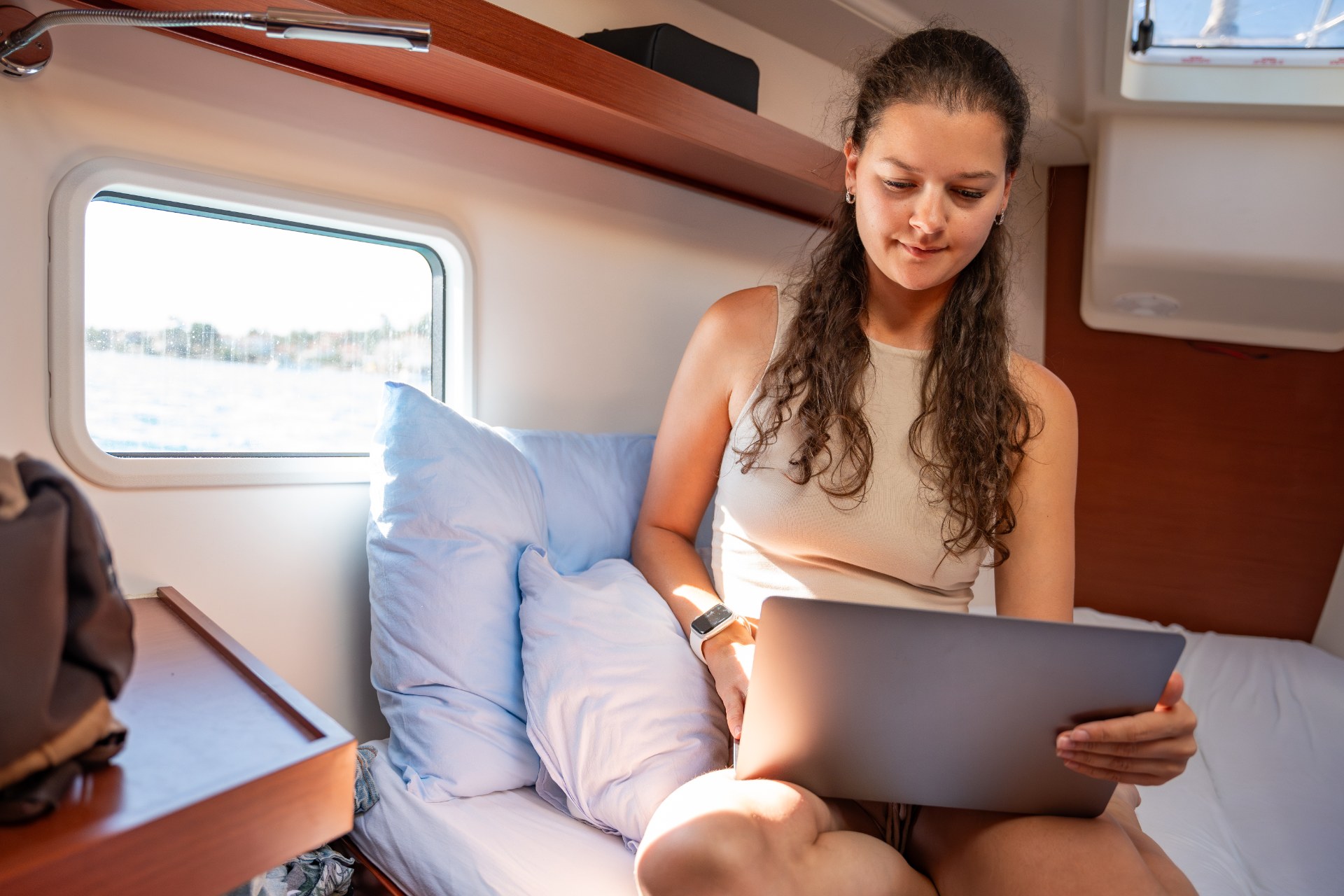
Post-pandemic remote norms made “work from anywhere” culturally plausible; improved maritime connectivity made “anywhere” include ocean more often. Still, the rise is uneven: some lines market remote packages explicitly; others remain leisure-first with WiFi as an add-on.
FAQ — Digital Nomads on Cruise Ships

Q1: Can I reliably take video calls on a cruise? A: Sometimes—book premium WiFi, test early, and assume latency risk during peak hours and rough weather.
Q2: Is a balcony cabin necessary for remote work? A: Not mandatory, but it helps for focus and fresh air—especially on crowded sea days.
Q3: Are world cruises good for nomads? A: They can be if your work tolerates long stretches at sea—but time zones and fatigue accumulate; schedule recovery.
Q4: Do VPNs work on cruise internet? A: Often yes, sometimes inconsistently—verify with your IT policy and test on day one.
Q5: Is ship nomadism environmentally neutral? A: No travel style is impact-free—see B22-21 for emissions framing and make informed choices.
Related Reading & Internal Links

- Compare cruise ships for venue layout, cabin types, and ship size.
- Explore port schedules to align work blocks with shore time.
- Read remote cruise work tips on the blog.
- Use SeaDays notes to log which ships delivered usable work weeks versus content fantasies.