Running a Cruise Ship Is a Massive Undertaking
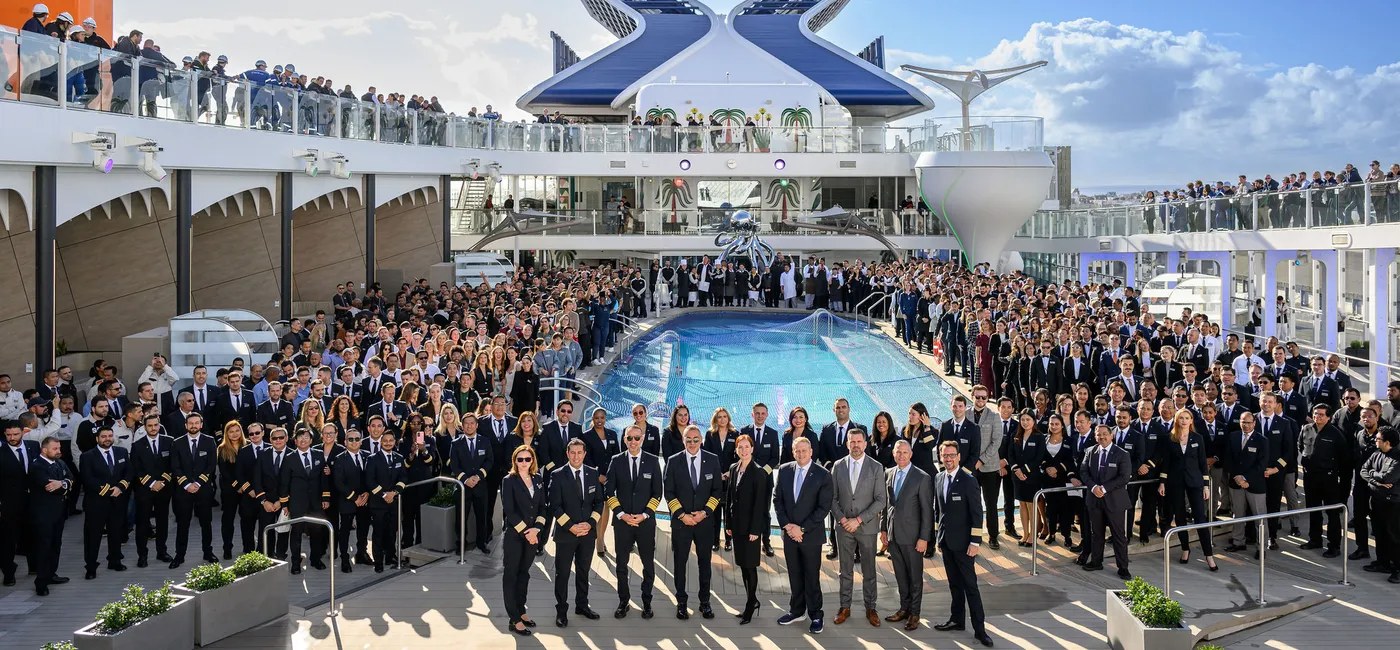
A single cruise ship can carry 3,000+ passengers and 1,000+ crew. They need food, water, power, cruise ship entertainment, and safety systems—24/7. Cruise ship operations never stop.
There's no "closing" for the night. Cruise ship operations run around the clock, and every department—from the engine room to the galley—has to coordinate perfectly. It's a ballet of logistics that most cruise passengers never see. Understanding cruise ship operations adds appreciation for your cruise travel experience.
The Bridge: Navigation and Command
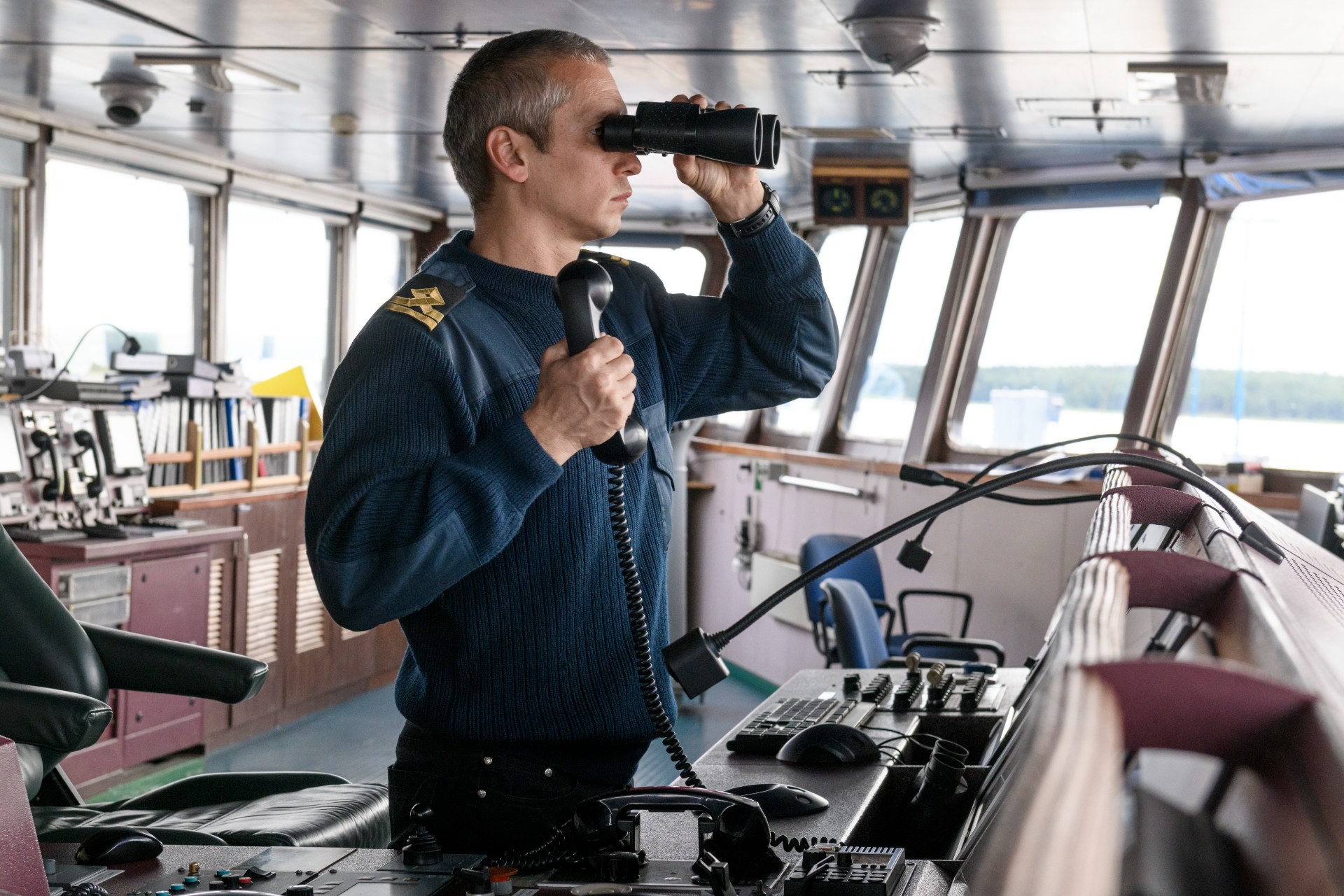
The bridge is the nerve center. Cruise ship captains and officers handle navigation, safety, and overall command. Every decision about cruise itinerary changes, port approaches, and weather routing flows from here.
Cruise ship bridge teams work in shifts. Modern cruise ships use advanced radar, GPS, and electronic charts. Bridge tours are sometimes offered���ask at guest services. Cruise tips: these tours fill up fast on sea days.
The Hotel Department: What You See

Guest services, housekeeping, food and beverage. This is the "front of house" of cruise ship operations. What you see and experience—clean cruise cabins, hot cruise ship food, friendly service—comes from here.
Housekeeping cleans hundreds of cruise cabins daily. Food and beverage staff run buffets, main dining rooms, room service, and bars. Gratuities often go to these teams. Cruise ship hospitality is a massive operation.
The Engine Room and Galley
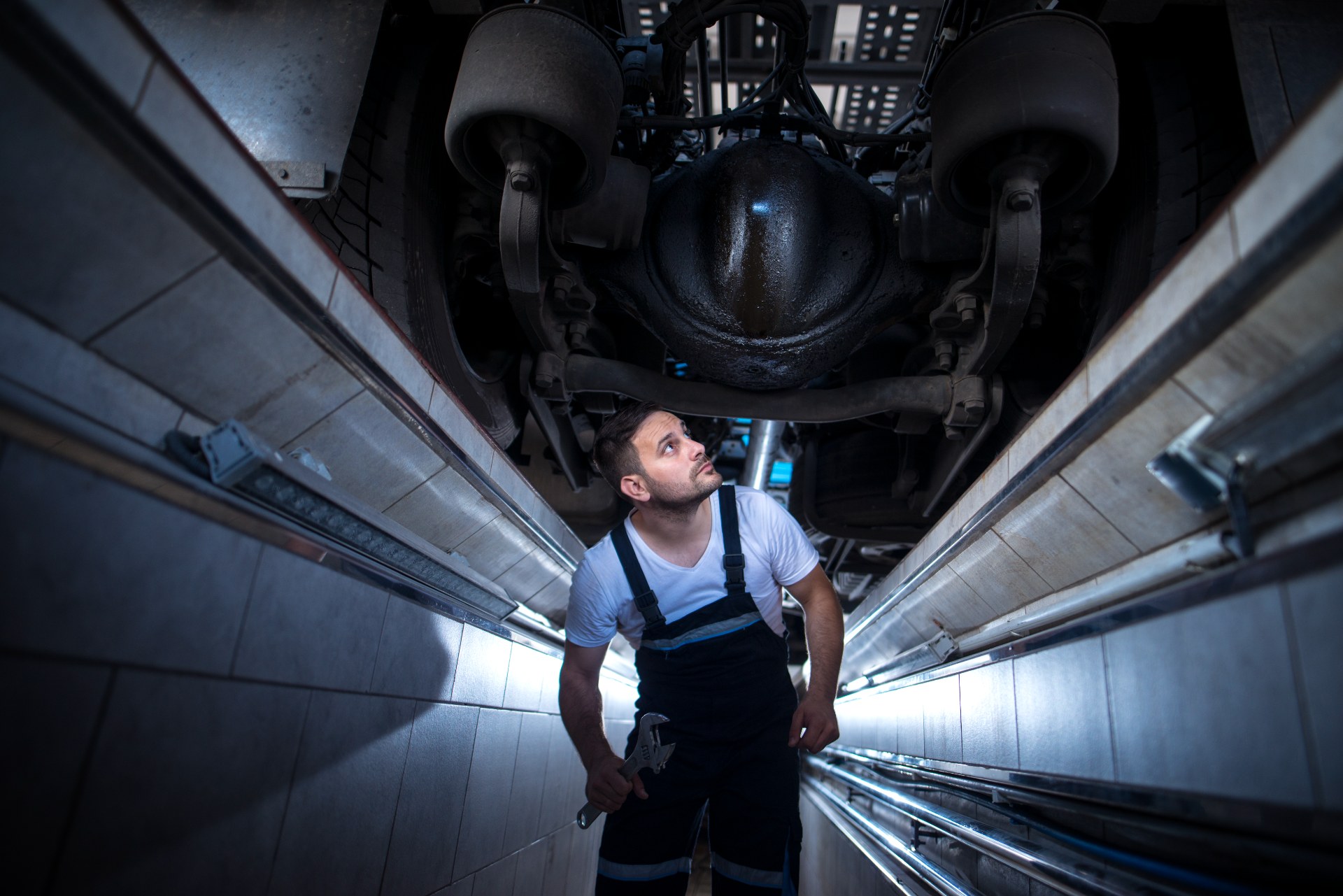
Engine room: Power, propulsion, water, and waste. The unsung heroes of cruise ship operations. Without them, nothing moves. Cruise ships generate their own electricity and often make their own water via desalination.
Galley: Cruise ship kitchens serve thousands of meals per day. Prep starts before dawn. The scale is staggering. Cruise ship food operations run multiple dining venues simultaneously. Cruise ship culinary teams are enormous.
Entertainment, Medical, and Security
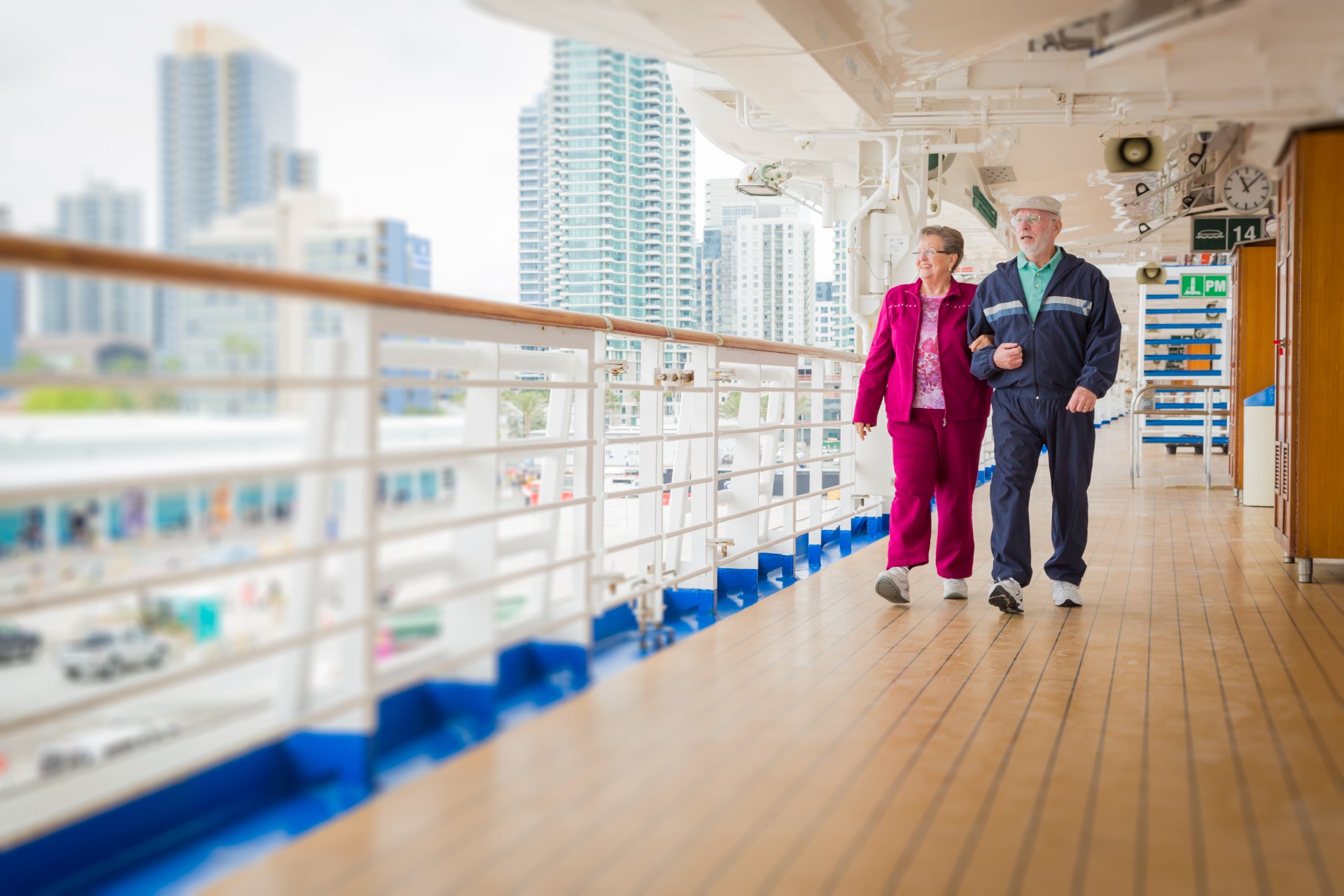
Entertainment: Cruise ship shows, activities, and events. Schedules are packed. Cruise ship entertainment teams include performers, technicians, and activity staff. Something is always happening.
Medical: Cruise ship doctors and nurses handle everything from seasickness to emergencies. Cruise ship medical facilities are equipped for many scenarios. Travel insurance is still essential.
Security: Cruise ship safety, access control, and incident response. They keep everyone safe. Cruise ship operations include 24/7 security presence.
When something runs smoothly—your cruise cabin is clean, your cruise ship food arrives hot, the show starts on time—it's because hundreds of people are doing their jobs well. Cruise ship operations are invisible when they work.
Appreciate the crew. Tip appropriately. And if something goes wrong, remember that they're working in an incredibly complex environment. Cruise travel depends on this behind-the-scenes effort. A little patience goes a long way.