Why Crew Perspective Changes How You See the Ship
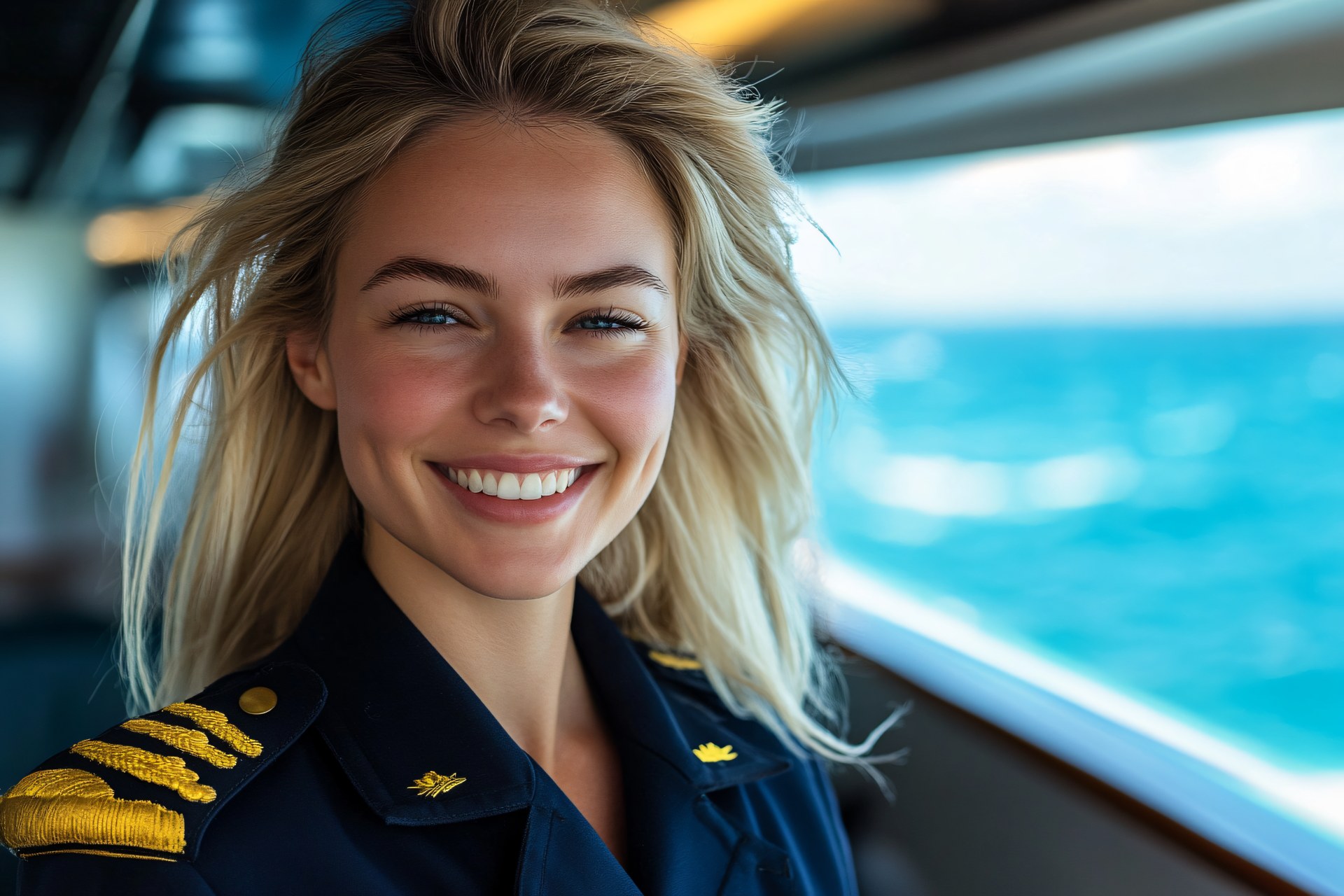
A cruise ship is a small city that moves. Crew members live in that city for months, while guests visit for a week. That difference shapes everything: who knows which gangway is fastest at rush hour, which galley corridor smells like bread at 3 a.m., and why captain’s announcements sometimes sound vague on purpose. This article translates crew-side reality into passenger usefulness—not to encourage rule-breaking, but to help you respect the hierarchy, safety culture, and logistics that keep thousands of people fed and afloat.
If you want to plan your cruise with SeaDays before you step on board, pairing ship research with realistic expectations prevents the classic mistake of treating the vessel like an all-inclusive resort that happens to float. The SeaDays cruise planner is built around that mindset: itinerary, ship class, and port logistics first—Instagram angles second.
The “Ship Time” Secret That Saves Missed Flights
Ship time is not a vibe—it is an operational anchor. In ports, local time may differ from ship’s official time, and crew follow the bridge clock for muster, tender operations, and all-aboard. Passengers who set phones to automatic time zones sometimes drift into late returns because the app followed ashore towers while the gangway followed ship. Practical insight: on embarkation day, confirm ship time at the guest services desk or on the daily planner, then lock a manual clock on your watch for the sailing. Comparison: airline gates use local airport time consistently; cruise ports can sit in border zones where phones guess wrong.
What “Closed to Guests” Really Protects
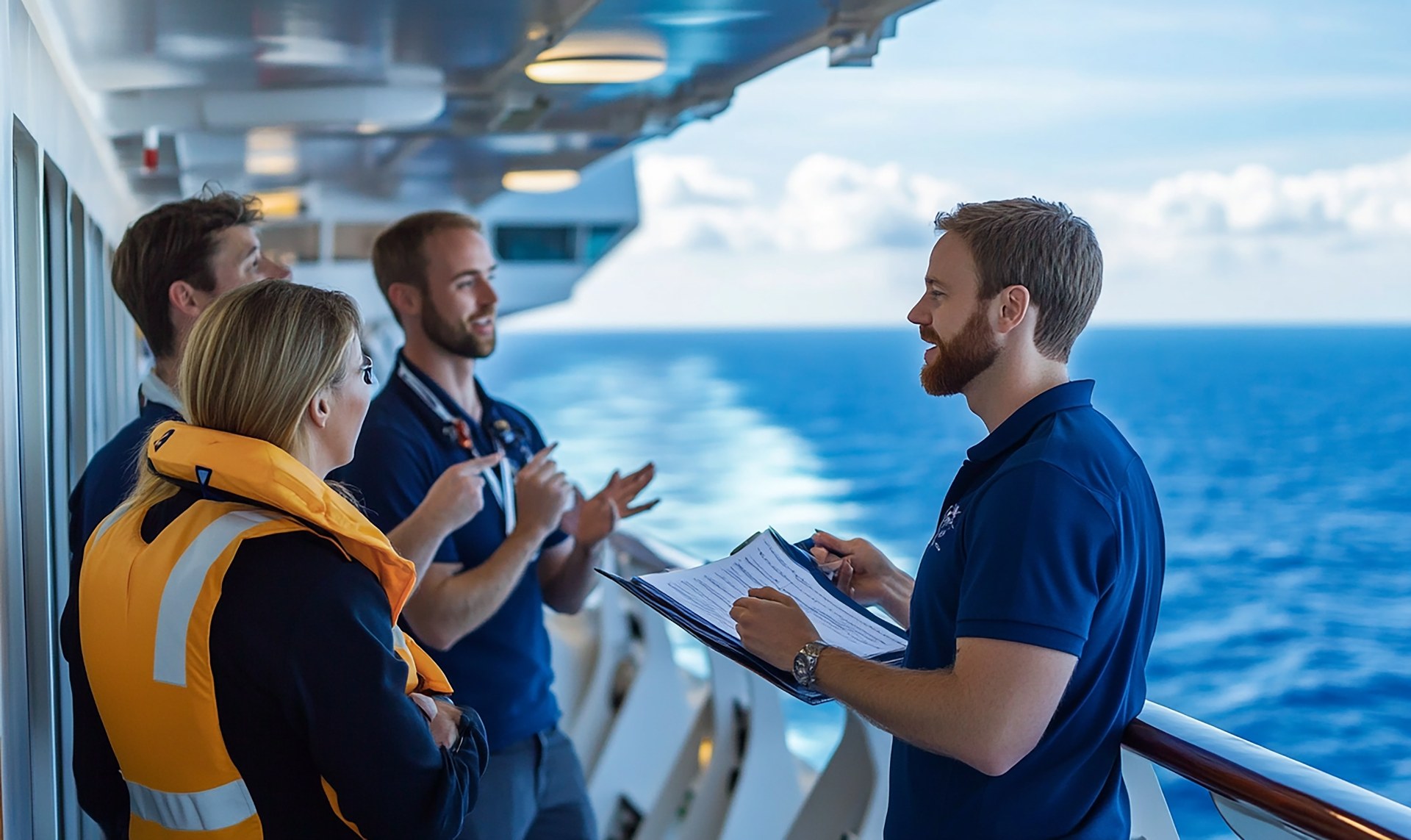
Crew areas—mess, laundry for uniforms, training rooms, medical—exist partly for privacy and partly for safety. SOLAS and company policies treat certain doors as restricted not because crew hide parties, but because evacuation routes, high-voltage spaces, and provisioning flows cannot tolerate tourist traffic. Crew corridor tours on some lines are curated exceptions; wandering alone is not a life hack—it is a security incident waiting to happen. Respect the boundary and you earn smoother interactions with staff who already work long split shifts.
Provisioning at Sea Is a Supply-Chain Olympics
Food on mega-ships is not “a bigger restaurant”—it is warehouse management. Crew know that fresh produce arrives in waves tied to homeport contracts, that bakeries run overnight so buffets reset for breakfast, and that waste is tracked because environmental compliance and cost control both matter. Example: a Caribbean week may feature mango notes on menus when seasonal buys align; a Mediterranean route may emphasize olive oil vendors picked for consistency, not because the chef visited a farm yesterday. Insight: when specialty dining sells out, it is often capacity and labor curves, not snobbery.
The Hidden Rhythm of Drills and Quiet Hours

Muster drills feel repetitive to repeat cruisers, but crew treat them as muscle memory for rare events. Fire teams, medical responders, and security watches practice scenarios you will never see on a brochure. Between drills, quiet hours around crew cabins matter—sound travels through steel. Passenger tip: avoid sprinting stairwells during late night crew changeovers; it is not dangerous, but it is disruptive in spaces staff use to decompress.
Crew are trained in hospitality, but memory is resource-limited. Suite guests on some ships receive higher touch ratios because staffing models assign fewer rooms per steward. Main dining teams may see hundreds of faces per rotation. Comparison: boutique hotels with fifty rooms personalize faster than towers with two thousand keys. Practical move: polite consistency—same table, same please/thank you—builds recognition faster than demanding exceptions.
Laundry, Uniforms, and the “Always Presentable” Rule
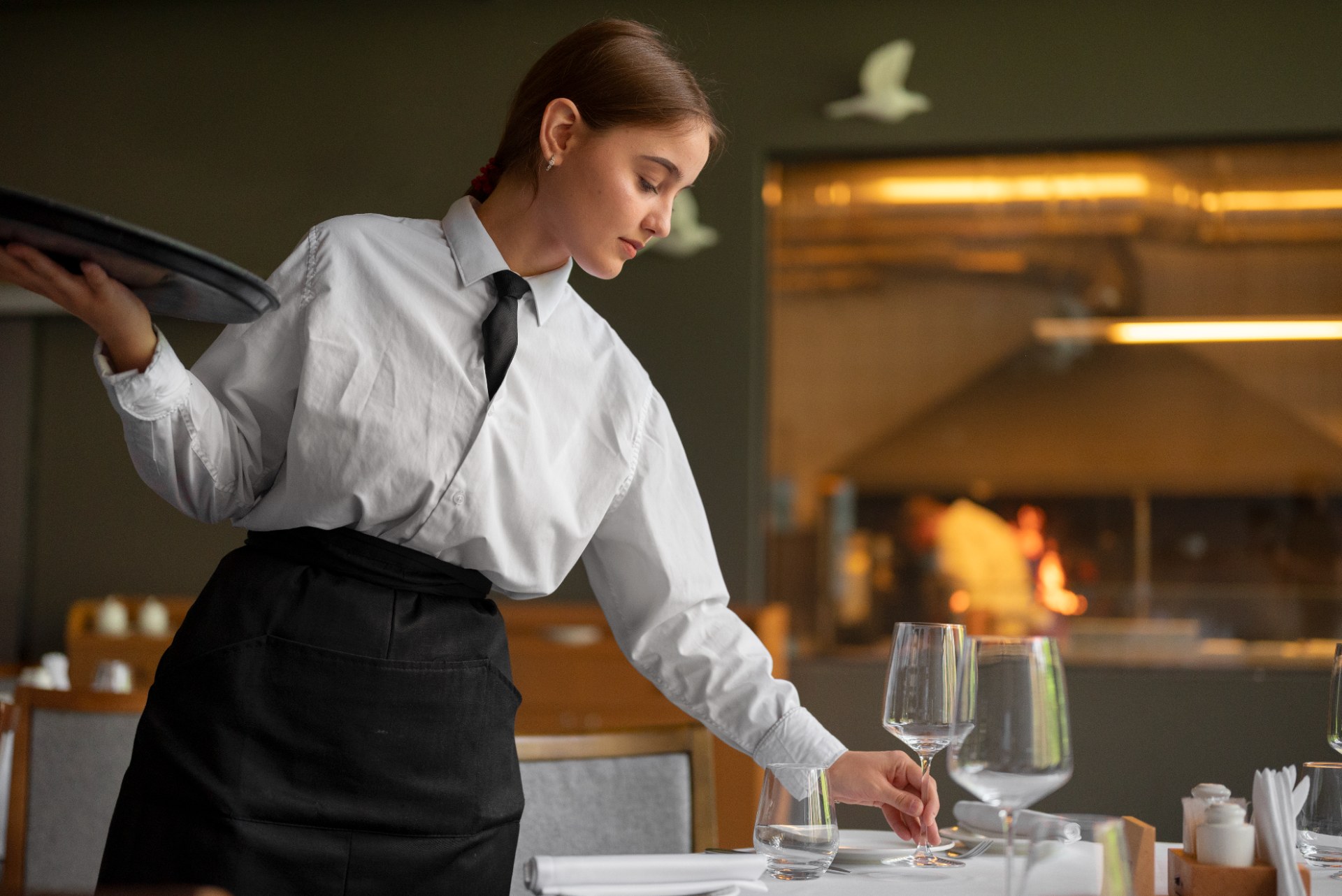
Uniforms are checked because brands are legible from fifty meters on promenade cctv. Crew laundry runs industrial cycles you would not use on cashmere. Guest laundry bags are priced for convenience, not charity—crew know travelers who pack light still underestimate humidity salt on swim gear. Tip: rinse suits in fresh water after pools; salt accelerates wear and smell in small cabins.
Medical Bay Realities vs Travel Myths
Ship medical centers are clinics, not hospitals. Crew know stabilize-and-evacuate protocols—serious events may trigger helicopter plans or port hospital transfers depending on distance and weather. Insight: travel insurance with medical evacuation is not paranoia; it is alignment with how maritime care actually scales. If you are browsing world cruise ports for remote stops, model extra buffer days around flights—crew have seen guests miss connections after unexpected ashore care.
Tenders, Gangways, and Why Crew Sound “Strict”

Tender operations are weather-sensitive math problems: swell, passenger mobility, boat capacity, pier height. Crew who sound firm about shoes, queues, and seating are managing risk in real time, not flexing authority. Comparison: airport tarmac rules feel obvious because planes feel dangerous; water shuttles deserve the same discipline without drama.
What Crew Wish First-Time Cruisers Understood About Tipping

Gratuities on many lines are pooled systems—housekeeping, dining, and sometimes behind-the-scenes roles share pools per contract rules. Crew appreciate cash envelopes when allowed, but policy varies by brand. Insight: tipping is not only emotion—it is compensation design. Read your line’s FAQ before debating fairness at the guest services counter; staff there did not invent payroll.
Explore Ships Before You Judge “Crowds”
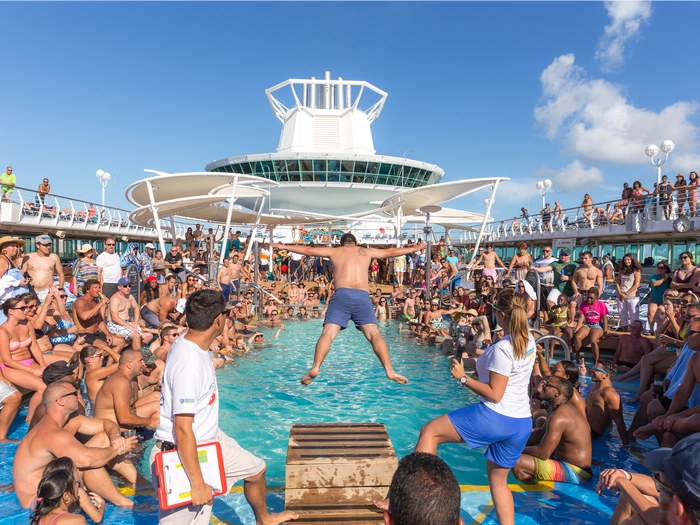
Crowds pool where architecture funnels people—buffets at peak, theaters at doors-open moments, elevators after shows. Crew navigate service corridors to avoid guest crush points. Passenger strategy: eat slightly early or late, walk one deck up or down instead of waiting for lifts, and book shows early in the app. When you explore ships on SeaDays, compare deck plans for bottlenecks—midship atria look grand and can clog at peak.
Environmental Rules Crew Enforce Without Turning Into Lectures
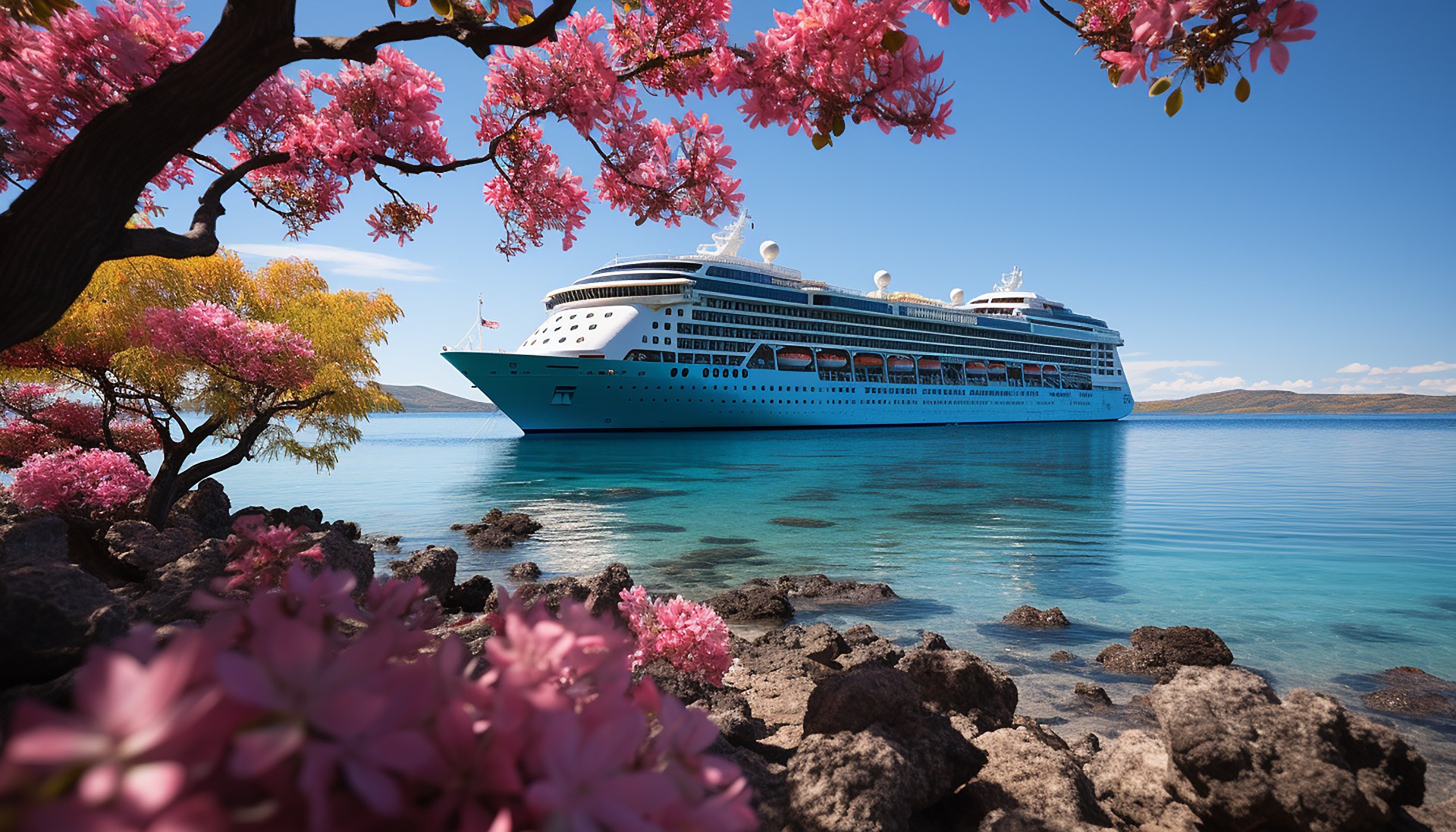
SOLAS, MARPOL, and port-state controls shape decisions passengers rarely see: where waste can be discharged, how gray water is treated, what happens to cooking oil, and why plastics policies change by region. Crew training includes garbage segregation drills not because guests are uniquely messy—though proper sorting helps—but because contamination can force costly disposal plans in port. Comparison: at home you might shrug at a recycling bin; at sea, a wrong bag can delay operations and trigger inspections everyone feels as “why are we late?” announcements.
Galley and housekeeping teams also run norovirus response patterns that scale with density. Service may shift from self-serve buffets to staff-served stations, drink stations may pause, and hygiene reminders intensify. Crew often know these pivots before guests interpret them as cost-cutting. Insight: cooperate early—slowdowns stay shorter when everyone washes hands and follows posted rules rather than debating them at the buffet line.
Noise, Vibration, and Why Bridge Updates Stay General in Bad Weather

Steel hulls transmit engine harmonics and thruster signatures differently by deck. Crew learn which zones complain about vibration during docking and which corridors echo during tender ops. Bridge communications sometimes stay purposefully general during weather reroutes because details change faster than public-address cycles can responsibly update—false precision raises anxiety without improving outcomes. Comparison: airline pilots avoid promising exact arrival times in storms; captains balance safety margins with destination expectations the same way.
When you compare cabins, treat deck plans as acoustic maps: proximity to nightclubs, theaters, crew service doors, and open decks matters as much as the view photo in the brochure.
FAQ — Crew-Verified Cruise Ship Secrets

Q1: Do crew eat the same food as guests? A: Crew mess menus differ—cost, nutrition, and speed matter. Some lines offer crew events with guest kitchen leftovers in controlled ways, but it is not one buffet family.
Q2: Why can’t I tour the bridge whenever I want? A: Bridge access is security-sensitive and operation-critical. Sponsored tours exist on some ships because they schedule risk windows.
Q3: Is “ship time” ever secretly different from my phone? A: Yes—manual confirmation matters. Phones auto-switching can drift near borders or odd port zones.
Q4: Do crew get days off at sea? A: Hours vary by role and contract. Sea days are not universal weekends—rotations and rest rules apply, but guest-facing roles often work long blocks.
Q5: What’s the #1 respectful habit passengers overlook? A: Clear communication at gangways and tenders—listen first, move predictably, thank crew managing queues. Safety speeds up when everyone cooperates. If you want a repeatable framework, use the SeaDays cruise planner to reduce day-one chaos: calmer guests create calmer queues, and calmer queues make crew instructions easier for everyone to hear the first time.
Related Reading & Internal Links
- Compare classes and layouts on cruise ships before you book.
- Read port logistics for your route on world cruise ports.
- Deep dives on planning and sea-day strategy live on the SeaDays blog.
- Organize itinerary notes in the SeaDays app so embarkation day feels calmer.
- Pair this guide with first-timer mistake articles on SeaDays blog for a full preflight checklist.