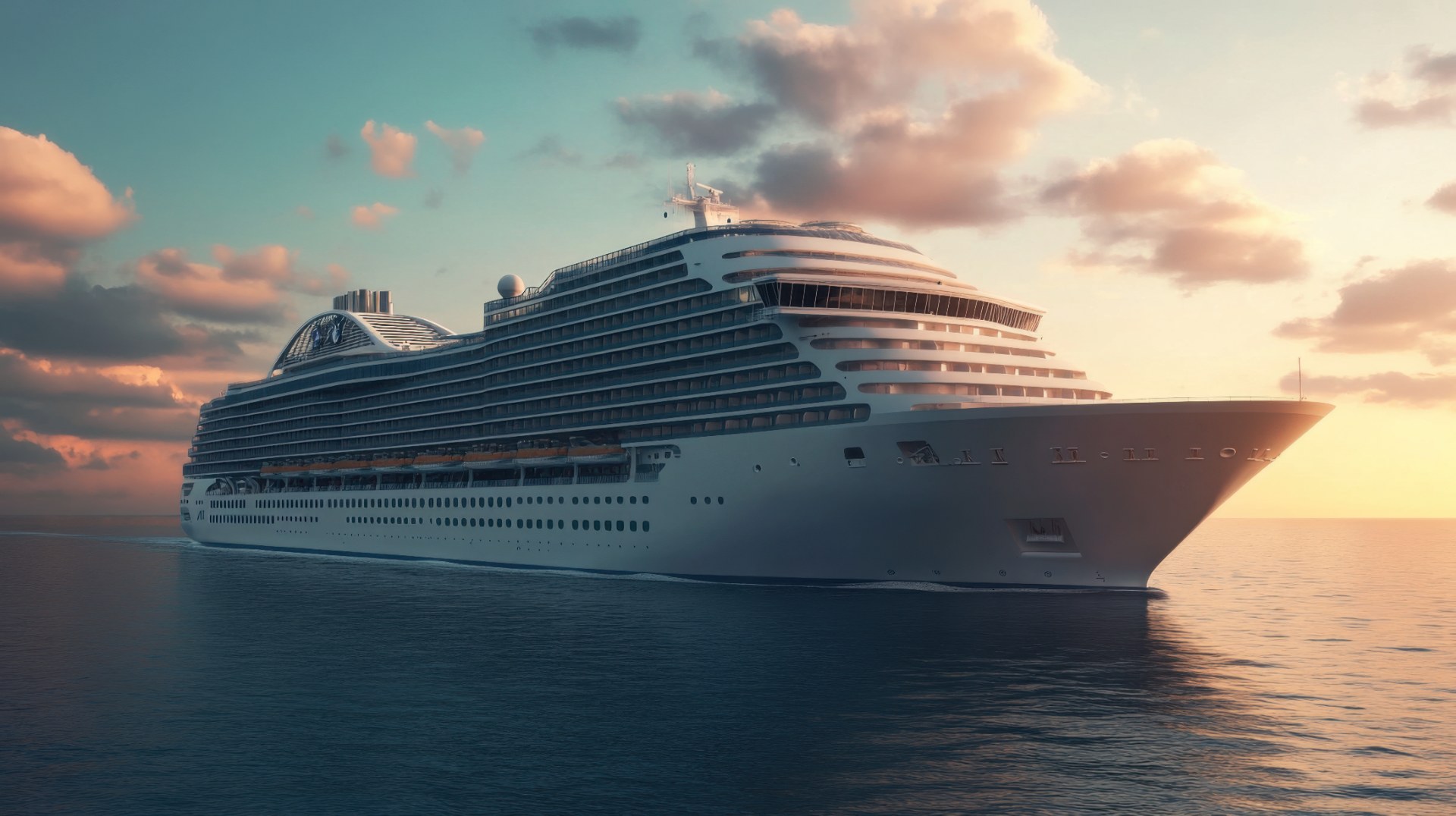
Cruise Port Days: How to Make the Most of Your Time Ashore

Port days are where a cruise starts to feel bigger than the ship itself. You wake up somewhere new, glance out at the harbor, and suddenly the trip turns into a decision: do you book the easy excursion, plan your own day, or stay onboard and enjoy the quiet while everyone else heads ashore?
There is no single perfect answer for every port. The best port day is usually the one that matches the destination, the amount of time you actually have, your energy level, and how comfortable you are navigating independently.
If you use SeaDays to keep trip details organized, it helps to think about port days the same way you handle the rest of a cruise: plan the basics early, leave room for flexibility, and make sure the day works in real life, not just in theory. The main SeaDays site and the growing library at https://seadays.app/blog/ are both useful starting points when you are narrowing down ideas before sailing.
Start With the Real Window of Time

The biggest port-day mistake is assuming your printed arrival and departure times are the same thing as free time. They are not. A ship might dock at 8:00 a.m., but guests may not get cleared off immediately. The all-aboard time may also be earlier than departure time, sometimes by 30 minutes or more.
That means a port listed as 8:00 a.m. to 5:00 p.m. may really give you a tighter sightseeing window once you factor in disembarkation, walking time, transportation, security re-entry, and a buffer for unexpected delays.
Before choosing what to do, work backward from all-aboard time, not sail-away time. Then subtract a personal safety cushion. Many experienced cruisers aim to be back near the terminal at least 45 to 60 minutes before the deadline, especially in unfamiliar ports.
This sounds conservative until traffic stalls, a tender line backs up, or your lunch runs long. A realistic schedule gives you freedom. An overpacked one creates stress all day.
Ship Excursion, Independent Tour, or DIY?
Most port days come down to three basic options.
Ship-sponsored excursions are the simplest choice. They are easy to book, usually timed around the ship's schedule, and they reduce decision fatigue. If you are visiting a complicated destination, taking a long-distance tour, or dealing with a short port call, the cruise line option can be worth the extra cost for convenience alone.
Independent tours can offer smaller groups, better value, or more specialized experiences. They work best when the operator has a strong reputation, clear timing, and a plan built specifically around cruise passengers.
Do-it-yourself exploring is ideal in walkable ports or places where you only want a few simple stops: a beach, a museum, a scenic district, or lunch near the waterfront. Some ports are so straightforward that the best day is just a relaxed wander with one or two anchors in mind.
The decision should match the risk level of the port. If the destination requires a long bus ride, a ferry transfer, or a multi-stop day far from the ship, a cruise line excursion can buy useful peace of mind. If the old town is right by the pier, DIY may be the smartest move.
Researching the port in advance matters. A quick scan of the hubs at https://seadays.app/ports/ can help you understand whether a destination is a walk-off port, a tender port, or one where transportation planning matters much more than it first appears.
Understand the Return-to-Ship Risk

This is the practical difference that shapes almost every port-day choice: when you are on a ship excursion, the cruise line has direct visibility into the tour's timing. When you book independently or go fully DIY, you are responsible for getting back on time.
That does not mean independent plans are reckless. It means they require margin. If you arrange your own day, avoid building a schedule that ends exactly at all-aboard. Leave room for lines, wrong turns, weather, and local traffic.
One useful rule is this: the more moving parts your day has, the earlier you should plan to head back. A beach taxi plus a lunch reservation plus a scenic stop plus shopping may sound easy on paper, but each step introduces delay.
Tender ports deserve even more caution. If the ship anchors offshore and guests use smaller boats to reach land, getting back is not as simple as walking to the pier. Wind, swell, and queues can slow the process. In those ports, keeping your afternoon light is often the smartest move.
Carry the Right Essentials
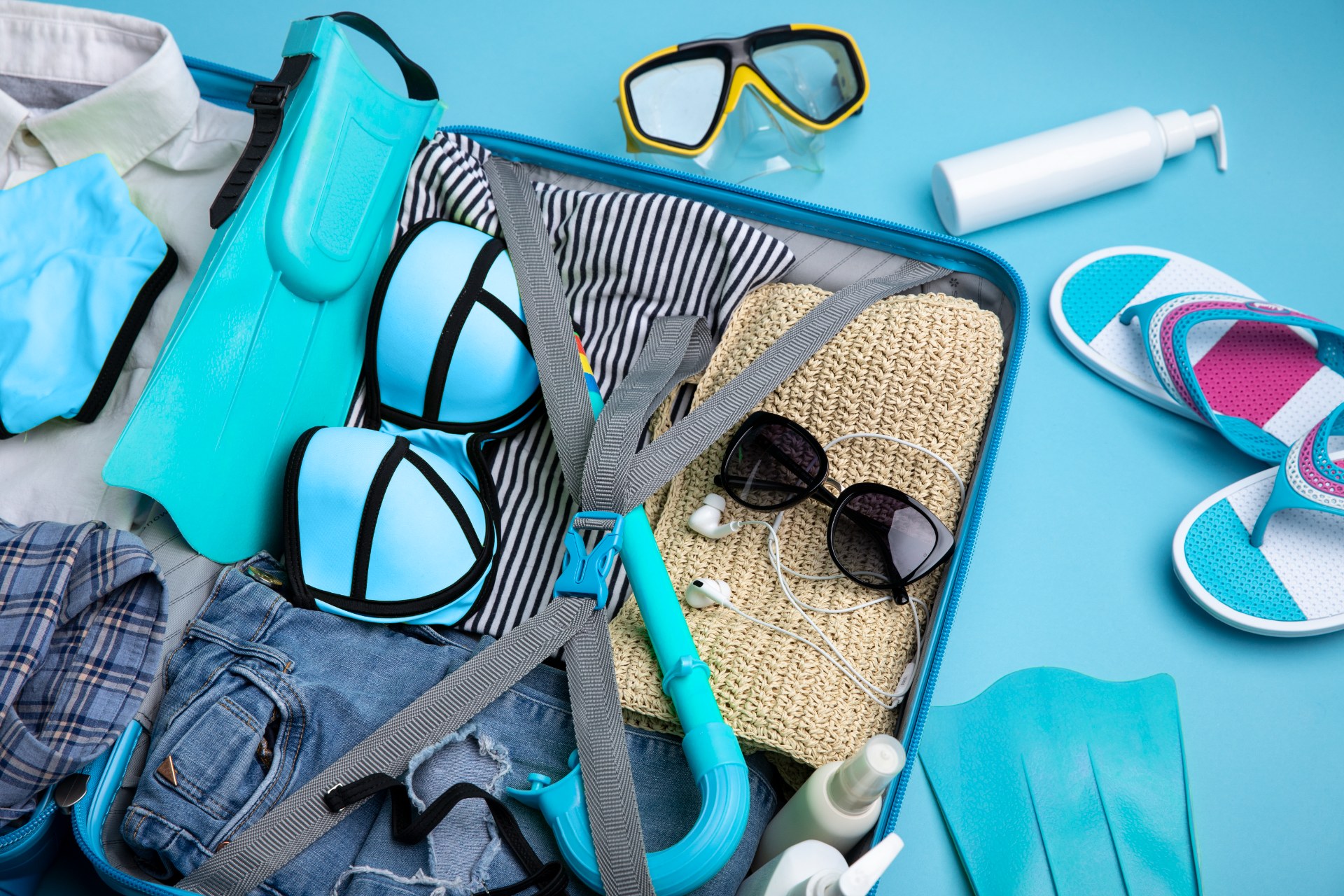
You do not need to bring your whole cabin ashore, but a few items make a major difference.
Your cruise card or boarding credentialA government ID if appropriate for the itineraryA photo of your passport ID page stored securely on your phoneThe ship's local contact information and port agent detailsA charged phone and a small backup batteryA little local currency or a card that works internationallyAny critical medication, sunscreen, and water
The contact information matters more than many first-time cruisers realize. If your phone dies, you miss the shuttle, or you need help finding the terminal, having the port agent number and ship details can save valuable time.
It is also wise to know whether your phone plan will work ashore. In some ports, using mobile data is effortless. In others, roaming charges can surprise you. Download maps in advance if you expect limited connectivity.
Use Ship Time, Not Guesswork
One of the most common port-day problems is a time mismatch. Sometimes local time matches ship time. Sometimes it does not. Your watch, your phone, a taxi driver's clock, and a restaurant wall clock may not all agree.
The only time that truly matters is the time the ship is using. Confirm it before you leave. If there is any ambiguity, manually set a watch or phone reminder to ship time and use that all day.
This sounds small, but it is the kind of detail that prevents the biggest mistakes. Plenty of missed-ship stories begin with the sentence, I thought I had another hour.
A strong port day is not only about maximizing sights. It is also about managing effort. If you are in a hot climate, walking aggressively for six hours and then rushing back to the ship exhausted may not be a better day than doing one excellent activity and returning with energy left for dinner and the evening onboard.
Think about what you actually want from the stop. Are you trying to see a landmark, eat local food, swim, shop, or simply say you stepped into a new place? Setting one primary goal helps you avoid cramming in too much.
Money planning helps too. In some ports, cards are accepted almost everywhere. In others, cash for taxis, tips, or small purchases makes the day smoother. You do not need a huge amount of local currency, but relying on a single payment method is rarely ideal.
And do not ignore basic logistics like shade, bathroom access, and travel time back to the pier. Those unglamorous details often determine whether a day feels smooth or frantic.
Sometimes the Best Port Day Is Staying Onboard
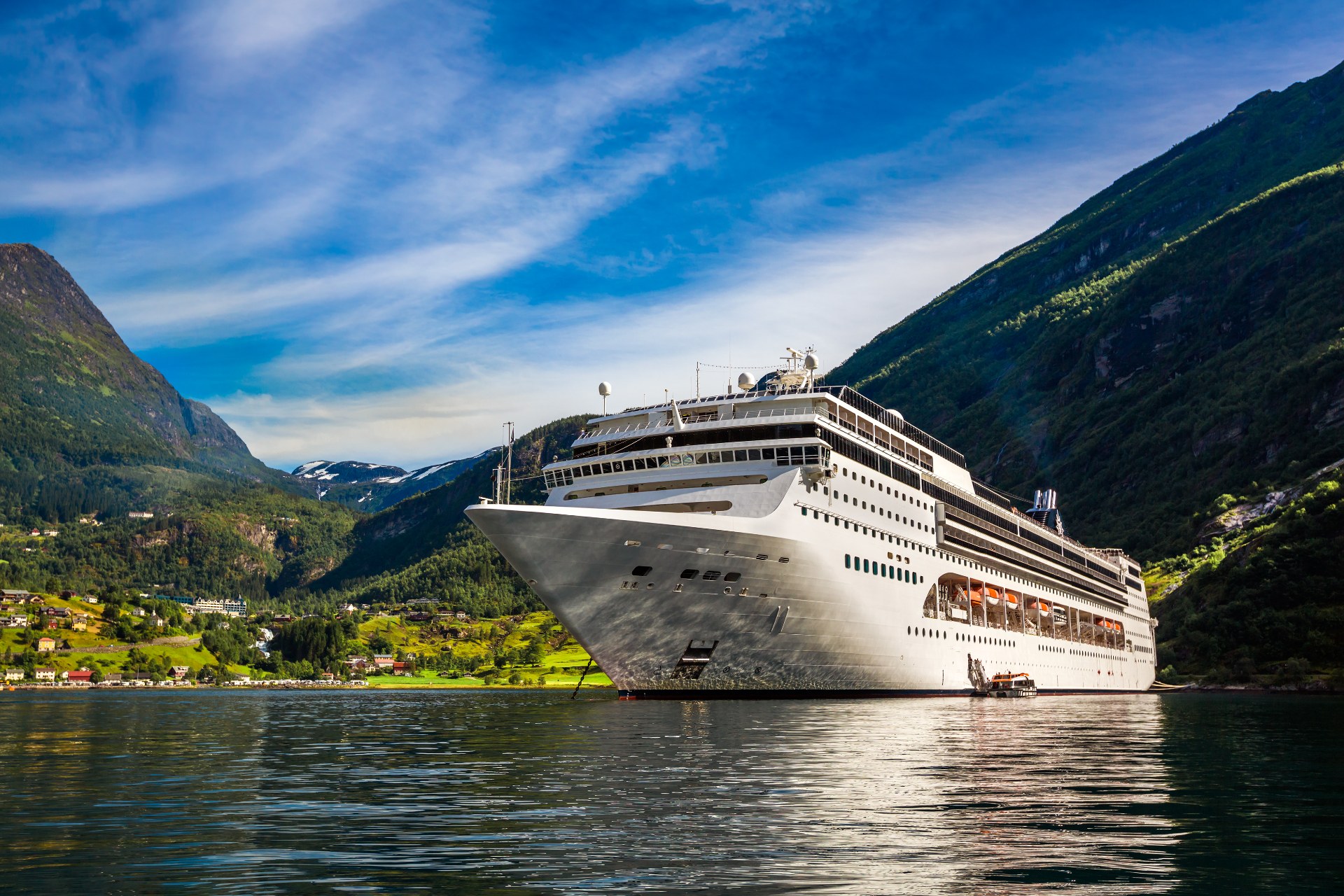
There is no rule that says you must get off in every port. If you have visited a destination before, feel tired, dislike the available options, or simply want a quiet ship, staying onboard can be a very good choice.
Port days are often the calmest time to enjoy the pool deck, spa, gym, or a slower breakfast. Popular spaces can feel half-empty. For some travelers, that is a better luxury than squeezing in another rushed stop.
Choosing to stay onboard works especially well when the port itself is inconvenient, the call is very short, or the weather makes ashore plans less appealing. A cruise should not feel like compulsory sightseeing.
Build a Simple Port-Day Strategy

The most effective approach is usually simple: choose the right type of outing, protect your timing, carry what you need, and leave breathing room.
If the port is complex, go structured. If it is easy and walkable, keep it light. If you are tired, let the ship become the destination for the day. The goal is not to prove you did the most. It is to enjoy the stop without turning the clock into your main memory of it.
When you repeat that process across an itinerary, port days stop feeling rushed and start feeling intentional. That is when a cruise becomes much more than a list of places on a brochure.
Frequently Asked Questions

Should I always book the ship excursion?

No. Ship excursions are useful when a port is far from the main sights, time is tight, or logistics are complicated. In simple, walkable ports, independent plans can be just as enjoyable and often more flexible.
How early should I be back at the ship?

A good rule is to be back near the terminal 45 to 60 minutes before all-aboard time, and earlier if the port involves tenders, long-distance transport, or heavy traffic.
Do I need local currency for every port?

Not always, but having some cash can help with taxis, tips, and small vendors. Even in card-friendly destinations, a backup payment option makes the day easier.
Is it okay to stay onboard in port?

Absolutely. If the destination is not a priority, the call is short, or you want a quieter ship day, staying onboard can be one of the most relaxing choices of the cruise.