The Hook: Why “Perfect at Sea” Marketing Hides Trade-Offs
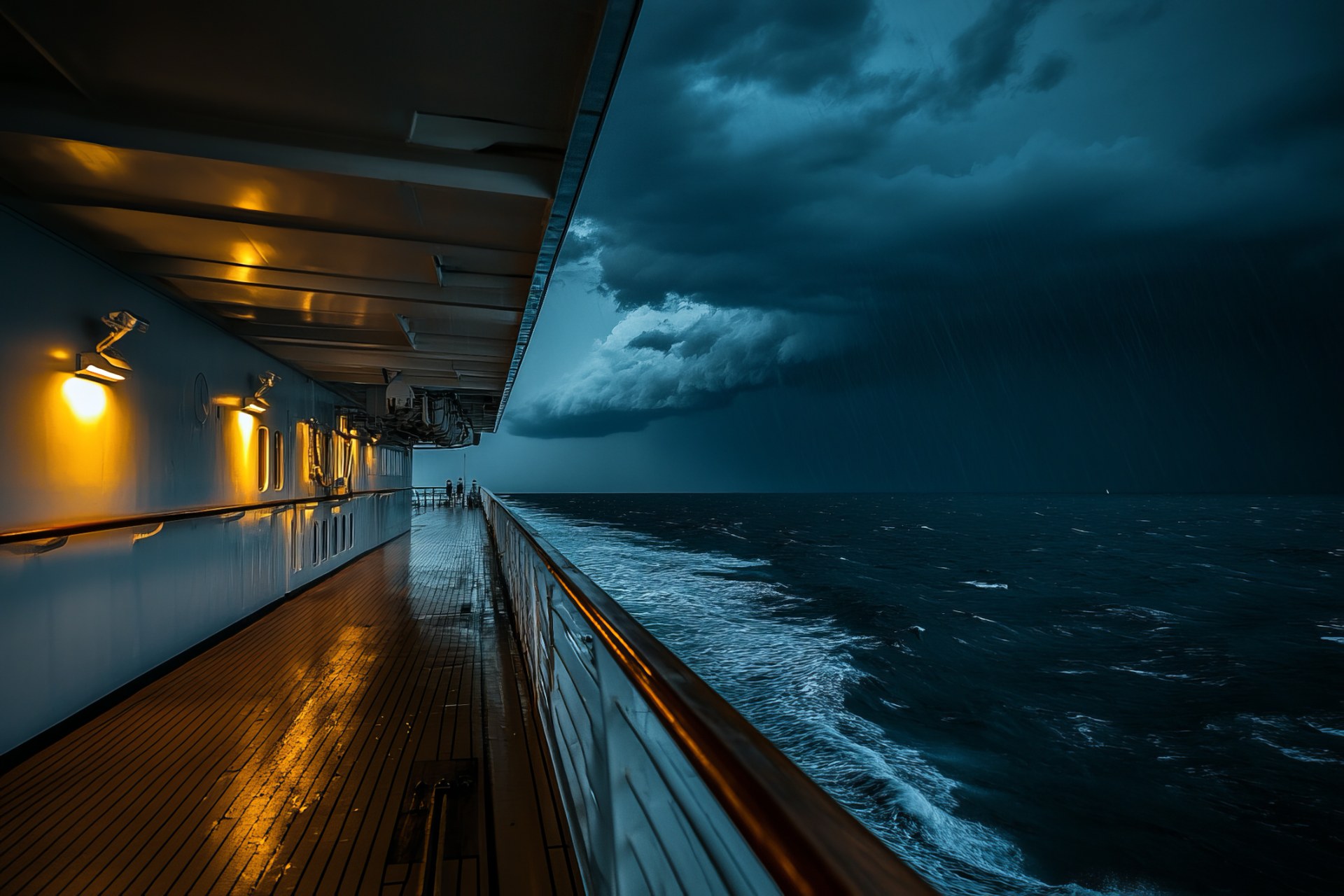
If you have ever stared at a cruise commercial and wondered how every guest looks rested while the ship hosts thousands, you already sense the gap between brand story and trip mechanics. Cruise lines excel at packaging: one price on the banner, a longer receipt in reality. The dark side of cruises is not a scandal in every sailing—it is the stack of small truths that add up: port congestion, tender delays, WiFi costs, gratuities that auto-post, specialty dining upsells, and excursion margins that quietly define your daily spend. None of this ruins a vacation by default. It does, however, punish travelers who expect an all-inclusive resort mindset on a moving city that must fuel, feed, and entertain a small town every week.
The useful reframe is informed consent. You are not buying a secret paradise—you are buying logistics with entertainment. When you treat embarkation like an airport day, sea days like a festival schedule, and ports like timed sprints, you stop feeling ambushed. Tools such as the SeaDays cruise planner help you compare ships and routes before marketing noise narrows your choices.
Another truth the brochure rarely foregrounds: refund flexibility and change fees behave more like airline rules than hotel free cancellation windows—especially on promotional fares. That matters emotionally because sunk cost psychology makes travelers tolerate crowds they would never accept on land. Naming the dark side of cruises early is how you keep agency: you choose the trade-offs deliberately instead of discovering them at guest services with a folio you do not recognize.
Dark Side of Cruises — Crowding, Queues, and “Private Island” Myths
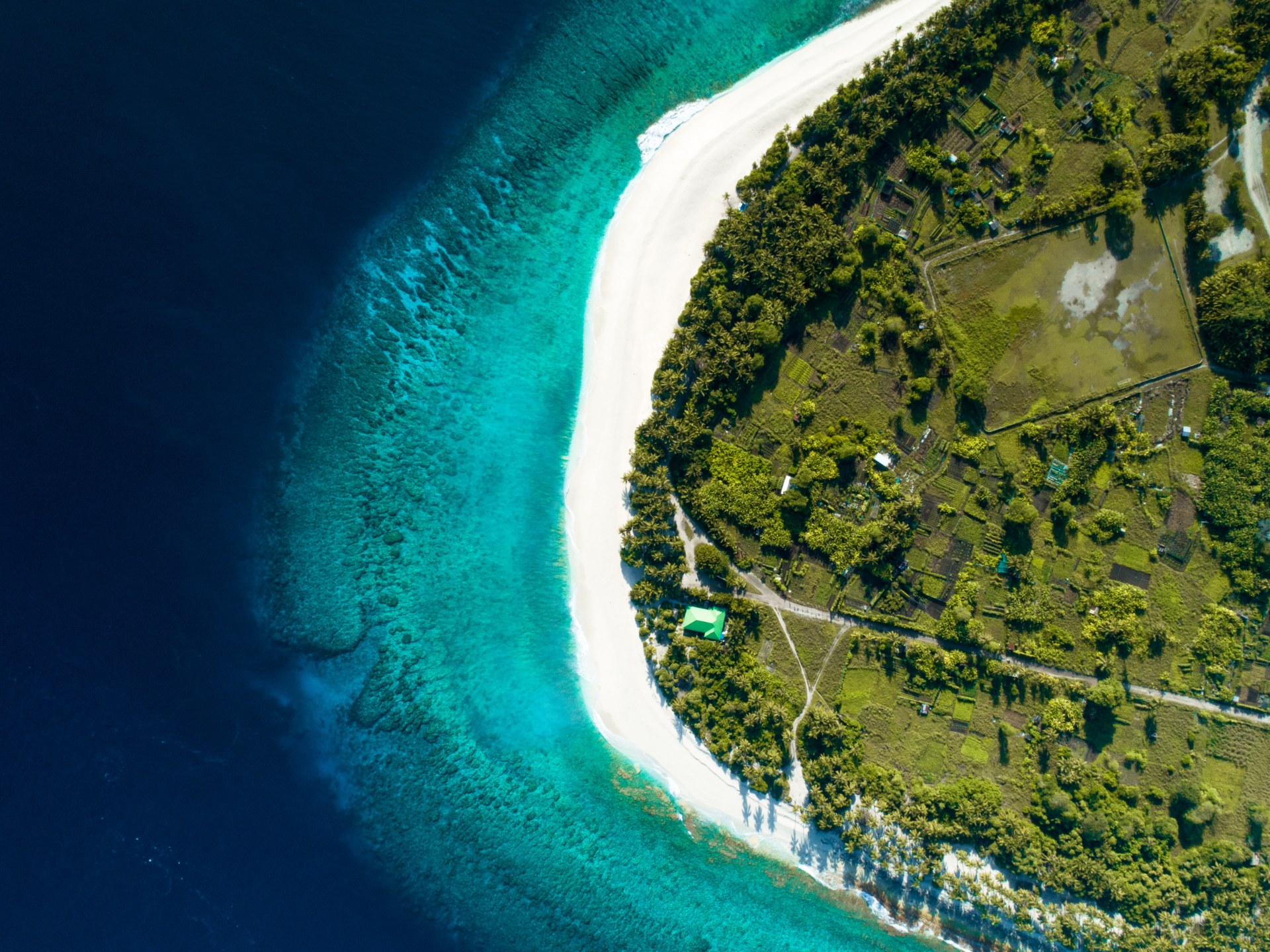
Crowding is the most common surprise because mega-ships spread guests across neighborhoods—until everyone wants the same gangway at 9:00 a.m. Buffets peak at predictable hours; elevators become psychological experiments; theaters fill for headline shows unless you reserve early. Even private islands marketed as exclusive can feel busy when multiple ships coordinate calls.
Mitigation is boring but effective: stagger meals, walk one deck to skip the elevator crush, book shows on day one, and read daily planners like a competitive sport. If crowds drain you, ship size and itinerary shape matter more than loyalty points—browse explore ships on SeaDays to compare guest counts and deck layouts before you lock a fare.
Pool decks and buffets also teach a lesson about invisible design: ships route thousands of feet through narrow corridors at predictable hours because kitchens and galleys run on industrial timelines. You are not failing if you feel overstimulated—you are responding to density physics. The travelers who enjoy mega-ships longest often adopt off-peak rhythms: late lunch, early show, sunrise deck walks when nightlife sleepers are still down. That is not a hack; it is self-knowledge with a schedule.
Tender Ports and the Hidden Tax on Your Time
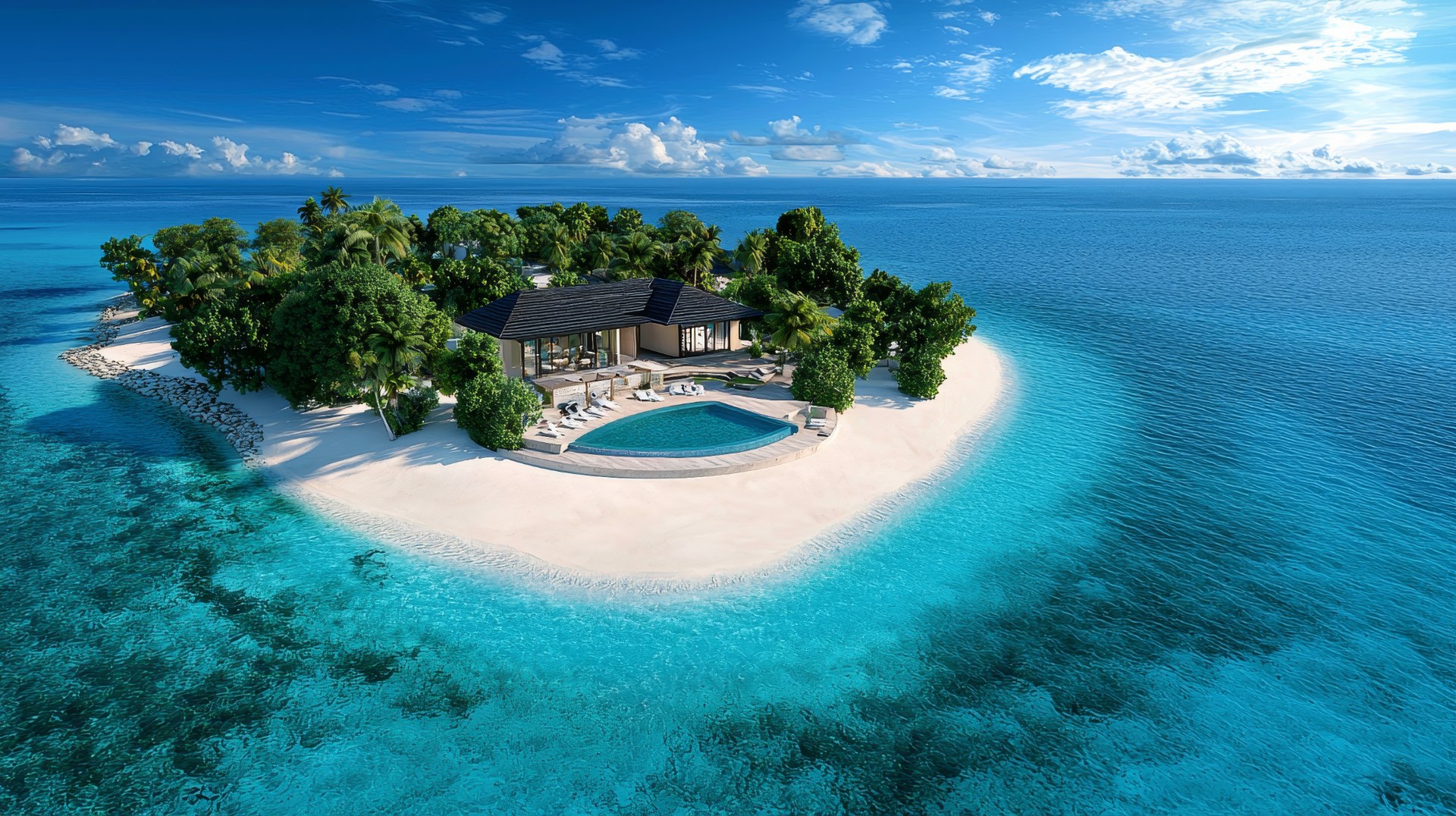
Not every port has a dock. Tender boats ferry guests from anchorage to shore—lovely views, unpredictable waits. Mobility-challenged guests may face priority rules that still mean minutes to hours of friction. Excursions booked through the cruise line sometimes guarantee tender priority; independent travelers may watch all-aboard anxiety spike when weather delays returns.
Research dock versus tender before you fall in love with a bucket-list stop. The ports directory is a practical sanity check when you are weighing Mediterranean walk-off cities against Caribbean beach tenders.
Environmental Realities the Brochure Won’t Emphasize
Cruise environmental debates are polarized—either “ships are villains” or “lines are green now.” Truth lives in nuance: propulsion types, shore power availability, waste handling, itinerary distances, and guest behavior ashore all matter. Some lines publish sustainability reports; others market offsets while megaships still move thousands of people with heavy energy demand.
You do not need to carry guilt to care. Choose newer hulls with documented scrubber or LNG stories when options exist, minimize single-use plastics you control, respect wildlife distance rules on excursions, and treat fragile reefs like borrowed jewelry. For deeper route ethics and destination context, the SeaDays blog collects planning essays without pretending cruising is impact-free.
Health, Norovirus, and Medical Bills at Sea
Ship medical centers are real clinics—not free concierge care. Travel insurance with medical and evacuation coverage is not optional luxury for many routes; it is how you convert a sprained ankle or appendicitis scare into a solvable problem rather than a five-figure story.
Norovirus headlines terrify first-timers, yet hand hygiene and crew protocols reduce risk dramatically. You can still get sick—just as in hotels, schools, and stadiums—because dense environments amplify spread. Practical moves: use sanitizer entering buffets, favor handwashing over ritual, and isolate early if you feel symptoms—not only for you, but for everyone in the elevator you were about to enter.
The Fine Print Economy: Gratuities, Fees, and “Base Fare” Theater
Cruise fares often exclude what you mentally include: daily gratuities, WiFi, soda packages, alcohol, specialty dining, photos, spa, casino, and shore excursions. Lines increasingly bundle “have it all” packages—compare total daily cost, not headline sticker price.
Watch automatic service charges on beverages, currency conversion quirks, and exchange rates on ship accounts. If you budget like a spreadsheet person, you will outperform travelers who swipe their keycard like a magic wand—because on a ship, that keycard is a meter.
Also watch casino ATM fees, photo packages that auto-bundle, and spa gratuities added at checkout—small percentages that feel polite until they repeat across days. The dark side of cruises is partly death by a thousand micro-charges, not one villainous invoice. Before you sail, decide what you will not buy—internet upgrades, premium coffee, arcade cards—so willpower is not your only strategy at sea.
Dark Side of Cruises — Labor, Service Culture, and Your Role as Guest

Crew members deliver elite hospitality on repeating weekly cycles. Contracts are long; hours are hard; homes are far. The dark side here is moral, not mechanical: tipping debates online often ignore who actually cleans cabins and serves midnight buffets.
Treat crew with direct courtesy, say please and thank you like it matters—because it does—and avoid reviews that punish individuals for corporate policies. Good guests get remembered; entitled guests get service that is still professional but not warm. If you want to plan shore days that reduce stress on staff managing tender chaos, plan your cruise with SeaDays helps you visualize timing before you argue at the pier.
Safety Narratives: Rare Events, Loud Headlines, Real Preparedness
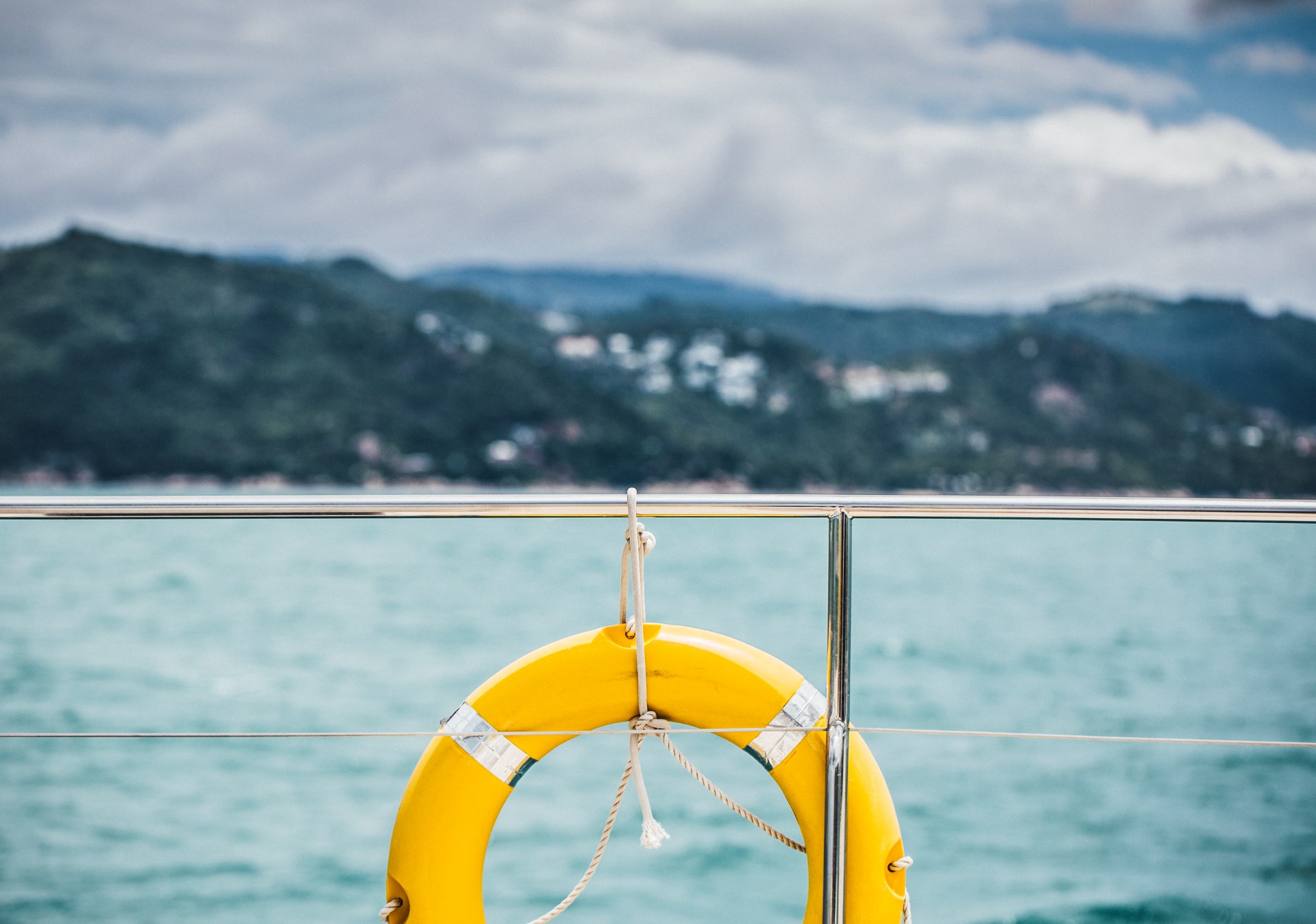
Cruising is statistically safe compared with many land travel modes, yet mustering, lifejacket myths, and guardrail photos circulate because fear travels faster than statistics. Pay attention at muster drill—not as theater, but as muscle memory for alarms and stairs routes.
For families, set kid rules about balconies and unsupervised deck wandering. For solo travelers, routine check-ins with someone ashore remain smart. None of this implies constant danger; it implies adult situational awareness—the same skill you use in a major city hotel.
Some ports funnel guests from pier to duty-free corridors—fine if you want watches, frustrating if you wanted local food culture. The mismatch fuels cruise cynicism: travelers blame lines for port economies that also reflect tax rules, union dock labor, and tourism incentives.
Solve it with one self-guided outing per trip: a market, a museum, a neighborhood café away from the strip. You will feel less dark-side and more traveler—and you will photograph fewer chains.
Dark Side of Cruises — Missed Ports, Itinerary Swaps, and the Fine Print
Weather, mechanical issues, port labor disputes, and geopolitical shifts can change itineraries overnight. Cruise contracts typically allow substitutions—a legal reality that collides with emotional expectations when Kotor becomes another sea day. The dark side of cruises here is not malice; it is variance packaged as certainty in marketing photos.
Protect yourself by travel insurance that matches your risk tolerance, by booking flights with buffers, and by building port days you will enjoy even if the dock call shortens. When you research backup plans in the SeaDays app, you reduce the panic tax—the expensive taxi choices made under stress.
FAQ — The Dark Side of Cruises, Honestly Answered

Q1: Are cruises “bad” for the environment compared to flying and hotels? A: It depends on distance, ship, occupancy, and shore behavior—there is no single moral score. If impact worries you, choose efficiency-forward hulls, shorter itineraries, and train extensions where practical.
Q2: Will I get norovirus on every cruise? A: No. Outbreaks happen but are not guaranteed. Hygiene and early isolation reduce spread—treat ship life as shared space, not a sterile bubble.
Q3: Why does my cruise fare keep growing after I book? A: Because base fare rarely includes every service you will use—gratuities, WiFi, drinks, and excursions stack. Model total daily cost up front.
Q4: Are private islands actually private? A: They are line-controlled beaches—not solitary desert islands. Expect music, bars, and crowds, just with branded towels.
Q5: Do crew members rely on tips—and should I tip extra? A: Many crew compensation models assume gratuities—verify your line’s policy. Extra cash for exceptional service is often appreciated; public kindness is always free.
Related Reading & Internal Links
- Compare classes and sizes on cruise ships before you chase a headline fare.
- Map dock realities with world cruise ports when tender days could break your schedule.
- Read more planning essays on the SeaDays blog—especially pieces on excursion strategy and budgeting.
- Track itineraries and notes in the SeaDays app so fine-print costs do not ambush your sea days.
- Pair this article with Batch 21 ship-choice guides for travel-style fit.