The Psychology of Cruises — Why the First Sail Hits Different

Humans love stories with beginnings, middles, and ends—embarkation, sea days, ports, return. Cruises package travel into a narrative with built-in rituals: sail-away, formal night (on some lines), port mornings, midnight snacks. Psychology research on anticipation shows waiting can boost happiness almost as much as the event—cruise people often book the next trip while still tan from the last. That loop—plan, anticipate, experience, recount—is not inherently unhealthy; it becomes a problem only when budget, relationships, or health take second place to the next deposit. For grounded planning, use SeaDays cruise resources to pair excitement with realistic itineraries.
The Reward Loop — Novelty, Comfort, and “Contained Adventure”
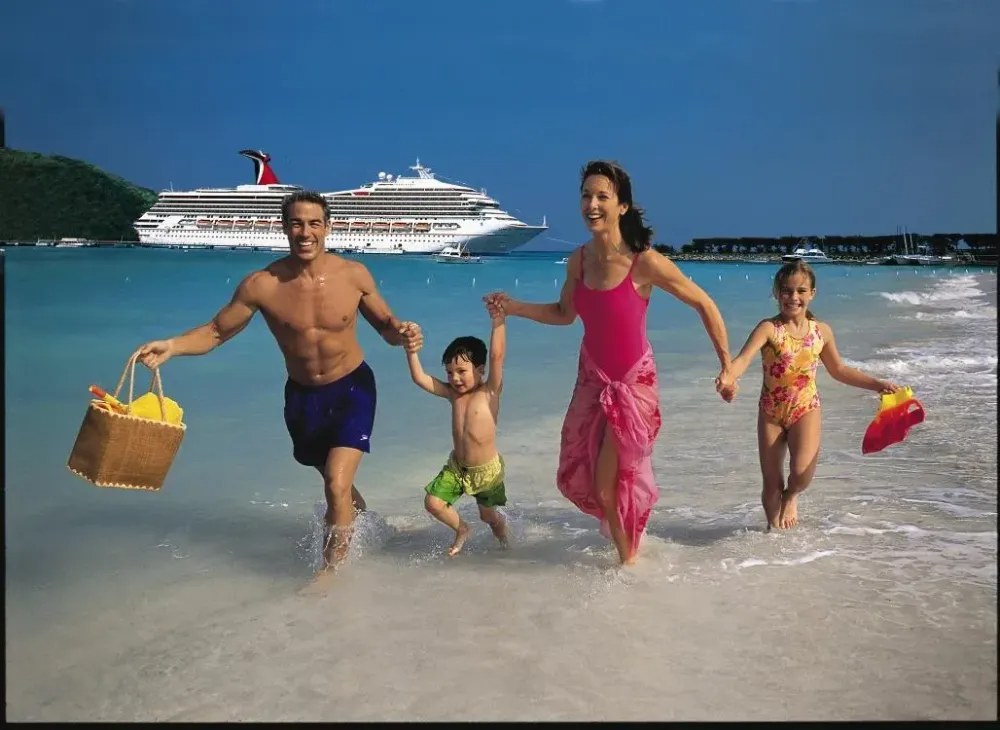
Cruises offer novelty (new ports, new faces) without the constant decision fatigue of road trips—the ship is a mobile base with meals, bed, and schedule scaffolding. That combination—exploration plus predictability—hits a sweet spot for many nervous travelers: enough stimulation, not too much chaos. Dopamine dynamics matter here: small rewards repeat—trivia wins, cocktail sunsets, excursion photos—creating positive reinforcement tied to the ship environment. Understanding this helps you see why “just one more cruise” feels rational even when the calendar is crowded.
Social Psychology — Strangers, Repeated Contact, and “Ship Friends”

Proximity and repeated contact increase liking—classic social psychology. Ships accelerate both: you see the same people at elevators, buffets, and shows. Ship friends can feel intense quickly—compressed time mimics long friendships. That intensity can be joyful; it can also feel hollow after disembarkation when WhatsApp chats fade. Healthy cruisers enjoy the connection without outsourcing all loneliness solutions to fortnight friendships.
The Control Illusion — Itineraries, Packages, and “Managed Risk”
Cruises sell managed risk: excursions vetted (still imperfectly), medical available, security present. For anxiety-prone travelers, that structure reduces cognitive load—a real psychological benefit. The shadow side: over-reliance on packaged ease can reduce tolerance for independent travel problems—missed trains, bad hotels—on land. Balance ship trips with trips that build other skills if you want travel confidence across contexts.
Identity — “Cruise People” and Community Belonging
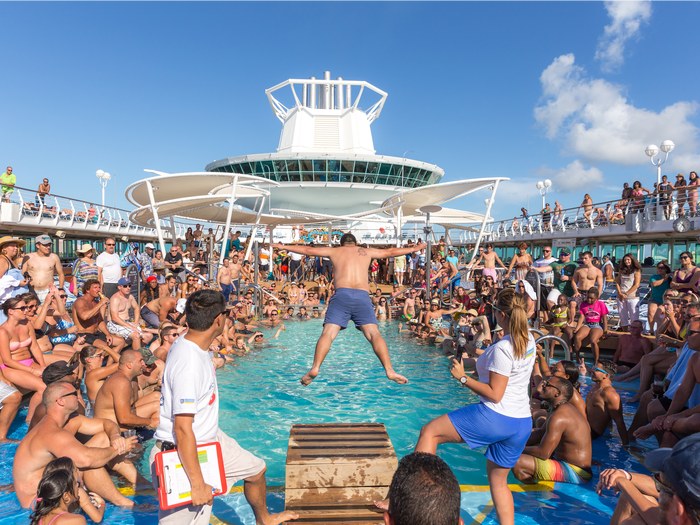
Humans bond over shared labels. “We are Carnival people” or “We only sail expedition” becomes shorthand for values—fun, food, wildlife, luxury. Identity rewards are powerful; they can also become rigid. If brand loyalty blinds you to itinerary fit, you pay extra for familiar logos rather than better experiences. Explore ships across lines with curiosity, not tribal default.
Photos are memory anchors; social feeds amplify comparison. Cruises produce high-visual moments—fjords, beaches, shows—that look like peak life in a frame. Psychology note: peaks distort memory averages—you remember sunset, forget tender stress. When planning the next sailing, cross-check emotions with port realities—beautiful harbors can still mean crowds, heat, and taxi negotiations.
“Addiction” vs Habit — Language Matters
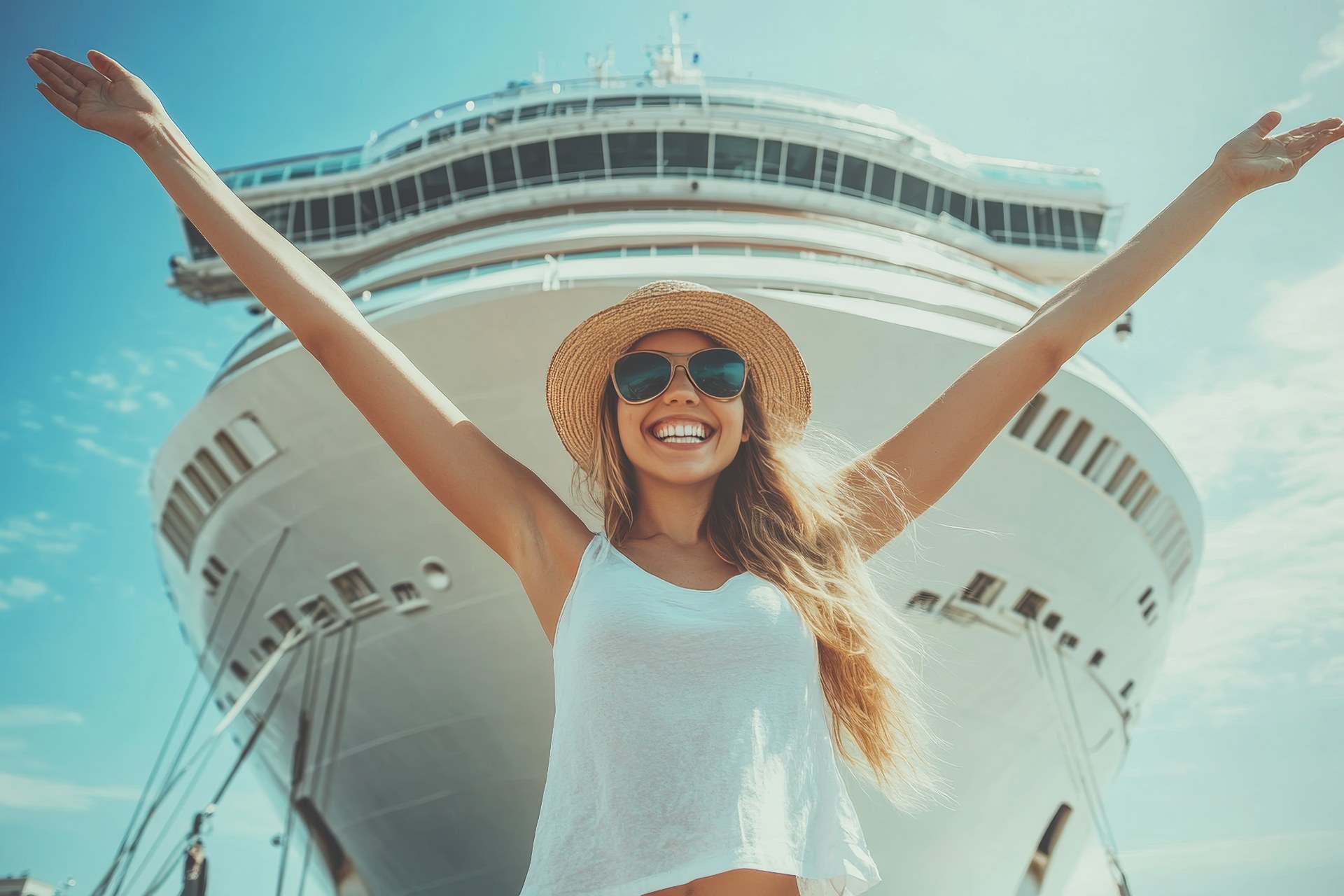
Calling cruises “addictive” is usually metaphorical—most travelers are not clinically dependent. But habit can look like compulsion when credit debt rises, work PTO disappears, or family time narrows. Useful questions: Does cruising expand your life—relationships, learning, rest—or shrink it through financial stress? Do you cruise to celebrate or to escape problems that need addressing ashore? Honest answers matter more than judging the hobby.
Healthy Repeat Cruising — Rules of Thumb

Budget a travel fund, not a last-minute scramble. Vary regions—psychology thrives on novelty, not identical loops. Build shore skills: language snippets, maps, walking stamina—agency feels good. Share planning with travel partners so the habit does not become one person’s silent pressure. Celebrate crew and destinations—gratitude buffers consumer emptiness.
When Cruising Becomes a Coping Strategy — Gentle Red Flags

If you feel panic when a sale ends, if you hide spending, or if you cruise to avoid grief without support—pause. Vacations can be part of healing; they cannot replace mental health tools. Psychology professionals exist for a reason; travel is not therapy—though it can support therapy goals when chosen consciously.
Comparisons — Why Some People Never Catch the Bug

Not everyone loves ships—crowds, schedule rigidity, environmental concerns, or motion sensitivity can block the reward loop entirely. That is not a personality flaw. Travel preference is multi-factor: introversion does not ban cruising; sensory sensitivity might. Match product to person—small ship, river, train tours—without forcing the sea narrative.
FAQ — Psychology of Cruises

Q1: Why do cruises feel romantic even when logistics fail? A: Peak moments anchor memory; community rituals amplify emotion; anticipation smooths rough edges—until it does not.
Q2: Is it normal to feel sad after a cruise? A: Yes—post-travel letdown is common; routine re-entry is hard after compressed fun.
Q3: Why do I spend more onboard than planned? A: Environment cues spending—casinos, sales, limited-time framing—psychology marketers understand well.
Q4: Can kids get “addicted” to cruising? A: Kids can love kids’ clubs and freedom loops—set family budgets and screen boundaries like any holiday.
Q5: How do I keep cruising without comparing every trip? A: Track personal metrics—rest, connection, learning—not suite envy on social media.
Related Reading & Internal Links
- Compare ships to vary stimuli and avoid repetitive itineraries.
- Study ports to deepen novelty beyond the ship rail.
- Explore blog guides on planning, budgeting, and mindful travel.
- Read Batch 22 companions on solo travel, safety, and crew life for a fuller emotional map of cruising.