The Honest Hook — Why “Solo Cruise” Sounds Brave and Scary at Once

Solo cruising splits people into two camps.
Some travelers call it the most relaxing way to travel because nobody controls the schedule except you. Others imagine awkward dinners, couples-only activities, and silently watching sunsets surrounded by families.
The reality is somewhere in the middle.
Cruising alone can feel incredibly freeing — or surprisingly lonely — depending on the ship, the itinerary, and how you approach the experience.
The short answer
Solo cruising is usually worth it if you:
- Enjoy independence
- Like structured travel
- Want to meet people without planning everything yourself
- Prefer unpacking once instead of constantly moving hotels
It can feel awkward if:
- You expect nonstop social interaction automatically
- You book the wrong type of ship
- You struggle with eating or attending activities alone
- You choose highly family-focused itineraries
The ship matters far more than people expect.
Why cruising alone feels easier than solo land travel
This is the part first-time solo cruisers underestimate.
A cruise removes most of the stressful parts of solo travel:
- No navigating unfamiliar train systems
- No changing hotels every few days
- No carrying luggage across cities
- No constantly researching restaurants
- No worrying about transportation at night
You wake up somewhere new while keeping the same room, same routine, and same onboard environment every day.
That stability makes solo cruising feel less intimidating than backpacking or traditional multi-city trips.
The awkwardness usually happens at dinner
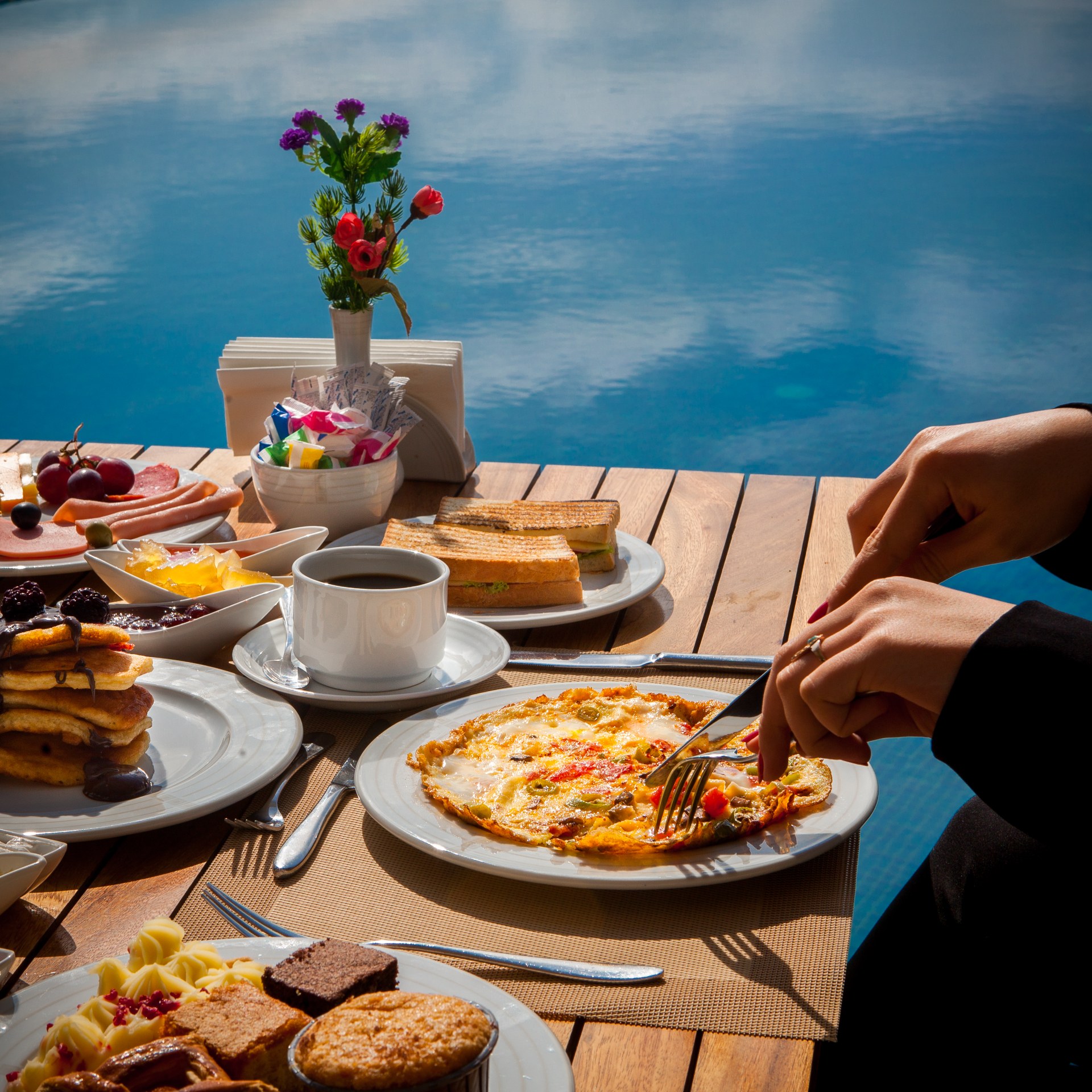
Not the entire cruise.
Dinner is where solo travelers notice being alone the most:
- Couples everywhere
- Family tables
- Group celebrations
- Formal nights
- Long dining experiences
But modern cruising has changed a lot.
Many cruise lines now offer:
- Solo meetups
- Shared dining tables
- Solo traveler lounges
- Community events
- Smaller social spaces
Lines like Virgin Voyages, Norwegian Cruise Line, and some Royal Caribbean ships actively design social areas for solo guests now.
Why solo cabins changed everything
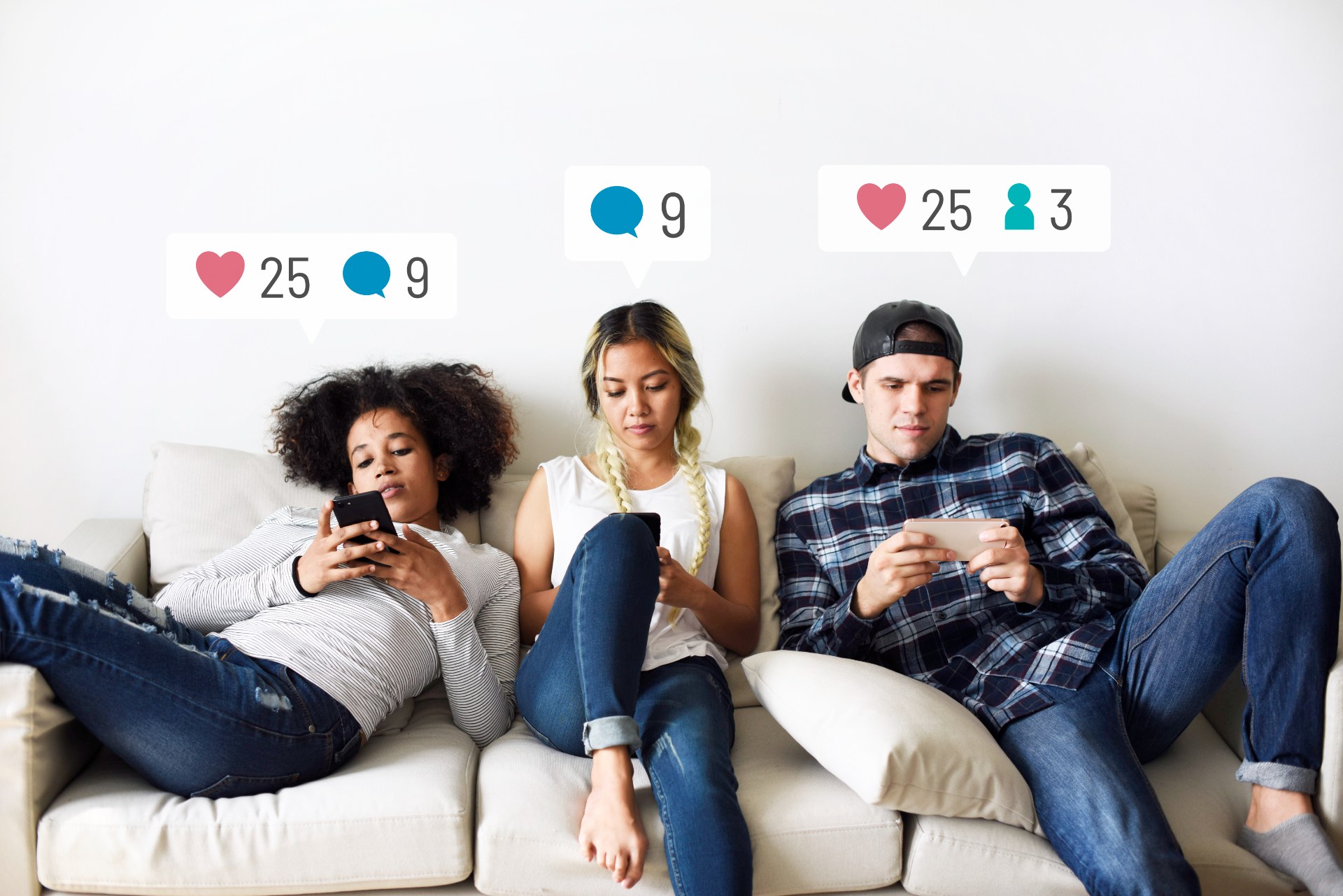
The biggest problem with solo cruising used to be pricing.
Cruise lines built cabins assuming two passengers would occupy them. That meant solo travelers often paid a “single supplement” that could nearly double the price.
That is slowly changing.
Many newer ships now include:
- Solo studio cabins
- Single occupancy pricing
- Solo lounges
- Solo traveler events
This made solo cruising dramatically more accessible in the last few years.
The type of ship changes the entire experience
A quiet adults-only ship feels completely different from a mega-family ship when traveling alone.
If you want social energy
Choose:
- Virgin Voyages
- Norwegian Cruise Line
- Royal Caribbean Oasis/Icon class
These ships have:
- More nightlife
- More solo events
- More people your age range
- Easier casual conversations
If you want peace and independence
Choose:
- Celebrity Cruises
- Princess Cruises
- Viking Ocean
- Smaller premium ships
These feel calmer, slower, and less socially demanding.
The surprising reason many people love cruising alone
Nobody knows you.
That sounds small until you experience it.
You can:
- Sleep when you want
- Skip activities guilt-free
- Change plans instantly
- Spend entire sea days reading
- Talk to strangers or avoid everyone completely
For many people, solo cruising becomes less about “being alone” and more about finally having mental space.
That is why so many repeat solo cruisers become fiercely loyal to the experience.
ROI 1 — Autonomy: You choose pace, budget, and risk without committee meetings.
ROI 2 — Recovery: For caregivers and high-burnout professionals, solo cruising can be genuine rest because social performance is optional.
ROI 3 — Learning: Solo travelers often talk to crew and locals more—no partner to buffer conversations.
ROI 4 — Dating and friendship: Ships can spark connections—just keep boundaries smart and expectations realistic.
ROI 5 — Growth: Navigating embarkation, tendering, and itinerary changes alone builds confidence that transfers to everyday life.
The biggest mistake solo cruisers make
Waiting for people to join them.
Years pass that way.
Friends cancel. Schedules never align. Family budgets change. Nobody agrees on destinations.
Then suddenly the “someday cruise” never happens.
A huge percentage of solo cruisers originally booked alone because they got tired of waiting for everyone else.
Most of them end up saying the same thing afterward: “I should have done this earlier.”
When solo cruising is probably NOT worth it
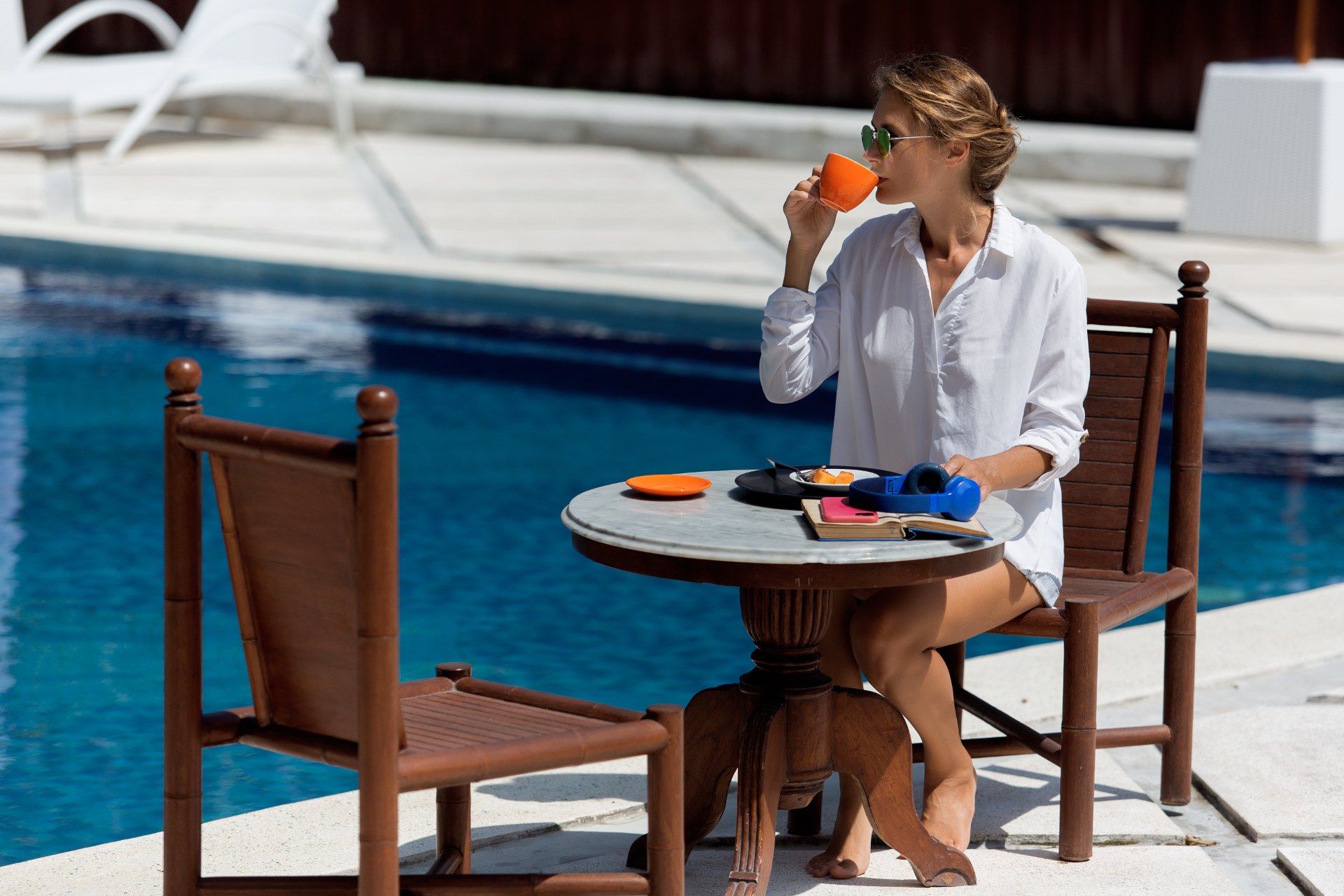
It may not fit you well if:
- You strongly dislike eating alone
- You need constant social interaction
- You hate structured environments
- You want deep local immersion every day
- You mainly travel for nightlife with friends
Cruises are still partially self-contained environments. Some travelers eventually prefer independent land travel because it feels less curated.
That is completely valid too.
The real truth about solo cruising
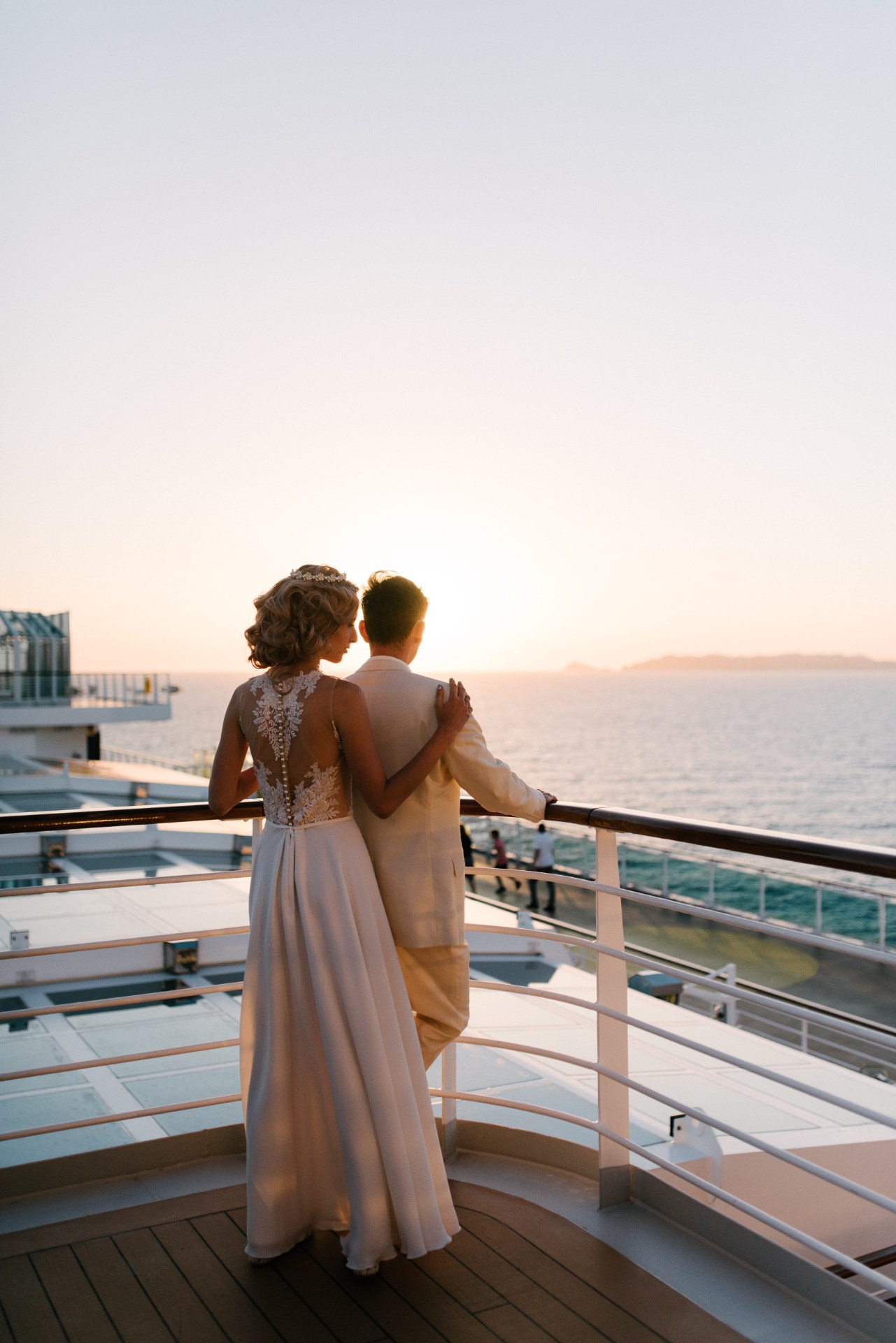
The awkward moments are real.
But they are usually brief.
What surprises most people is how quickly the freedom starts outweighing the discomfort:
- No compromises
- No group arguments
- No waiting on anyone
- No negotiating plans every morning
You stop managing other people’s vacations and finally experience your own.
That shift is what makes solo cruising either deeply empowering — or completely addictive.
Safety and Boundaries — Solo, Not Unprepared
Solo does not mean reckless. Use ship time to learn mustering, shore return times, and emergency contacts. Share itinerary basics with someone ashore. On late-night decks, treat spaces like any city: awareness, moderation with alcohol, and trust in staff protocols. Crew are trained to help—guest services exists partly for the moments travel blogs gloss over.
FAQ — Cruising Alone

Q1: Will I be surrounded by couples everywhere?
A: Couples are common, but ships also host friends, families, and other solos. You will not be the only single adult—especially on routes popular with retirees and remote workers.
Q2: Is solo cruising only for older travelers?
A: No—age mixes by line, itinerary, and season. Shorter Caribbean loops skew younger; longer expedition routes skew mixed. Research beats stereotypes.
Q3: How do I avoid paying double for the cabin?
A: Look for studio cabins, solo promotions, waived or reduced single supplements, and sometimes guarantee rates—understand tradeoffs in cabin location.
Q4: Is fixed dining better or worse for solos?
A: Fixed can build community; anytime can reduce pressure. Try one structured social commitment (dinner, trivia, a class) and keep the rest flexible.
Q5: What is the fastest way to feel less awkward on day one?
A: Learn one venue map corner well—cafe, promenade, adults-only pool—so you have a “home base.” Introduce yourself with light context (“first cruise,” “love this port”) rather than a full autobiography.
Related Reading & Internal Links

- Compare cruise ships by line to find solo-friendly layouts and dining models.
- Explore world cruise ports before you book excursions as a party of one.
- Read more planning essays on the SeaDays cruise blog.
- Pair with Batch 22 articles on safety, upgrades, and psychology when deciding if a solo sailing matches your goals.