Why packing for a cruise is different
Stateroom closets are small, you will repeat outfits more than you expect, and the wrong item in checked luggage can ruin day one. This page is the general hub: what almost every sailing needs, what to keep in your carry-on, and what should stay at home.
Go deeper where your trip demands it—without copying three checklists into one suitcase:
- Caribbean cruise packing (sun, insects, heat, and electrical rules for warm-water loops)
- Group packing assignments (one owner per shared item before anyone shops)
- Shared packing list in SeaDays Plan (templates, check-offs, and Crew sharing)
Documents and carry-on preparation
Keep the items that gate boarding and day-one comfort within reach—not in checked bags the pier may deliver hours after you board.
- ID and travel papers: passport or other ID your line and ports require, boarding pass or check-in confirmation, travel insurance details, and any visa paperwork for your itinerary. Store readable copies on your phone and leave a backup with someone ashore if you can.
- Cruise documents: luggage tags, transfer vouchers, or prepaid excursion confirmations if you were told to print or show them.
- Carry-on essentials: prescriptions and a small personal pharmacy kit, phone and charging cable, one change of clothes, any formal-piece you cannot replace in a port, and valuables you will not check.
Requirements vary by citizenship, itinerary, and operator. Read your cruise line’s documentation checklist and your government’s entry rules for each country you touch—not a generic blog list.
Medications and personal items
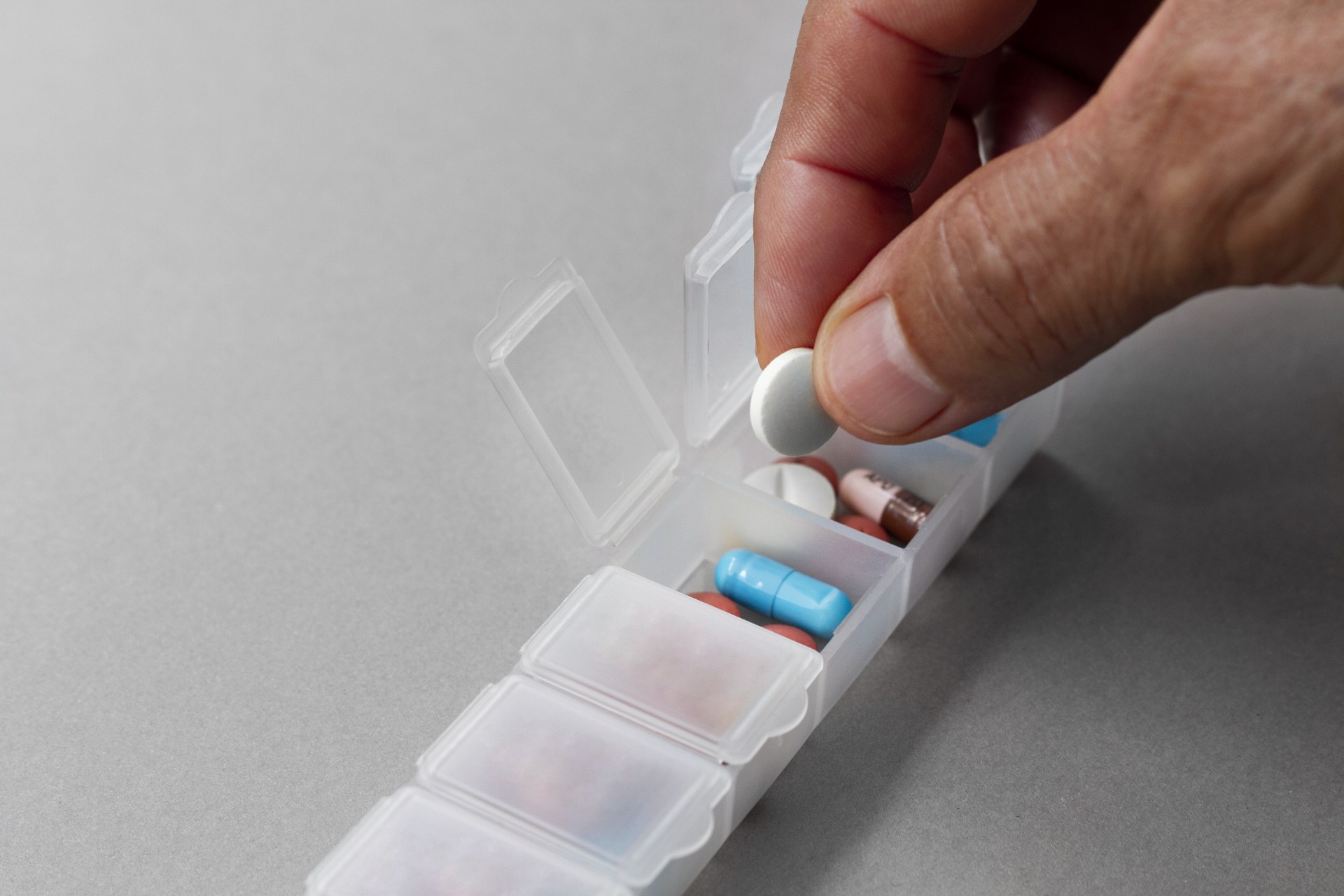
Pack enough prescription and over-the-counter medicine for the full sailing plus a reasonable buffer if the ship is delayed. Keep daily meds in your carry-on; checked luggage that misses the pier is a common first-day problem.
- Motion-sickness remedies you have actually used before (patches, bands, or medicine a clinician recommended)
- Pain relievers, antacids, and any routine OTC you rely on at home
- Contact lenses, spare glasses, and small personal medical devices you need daily
Ship medical centers stock basics but not your specific regimen. If you are unsure what to bring, ask your pharmacist or doctor before embarkation—not the gift shop on deck two.
Clothing for your itinerary and onboard plans
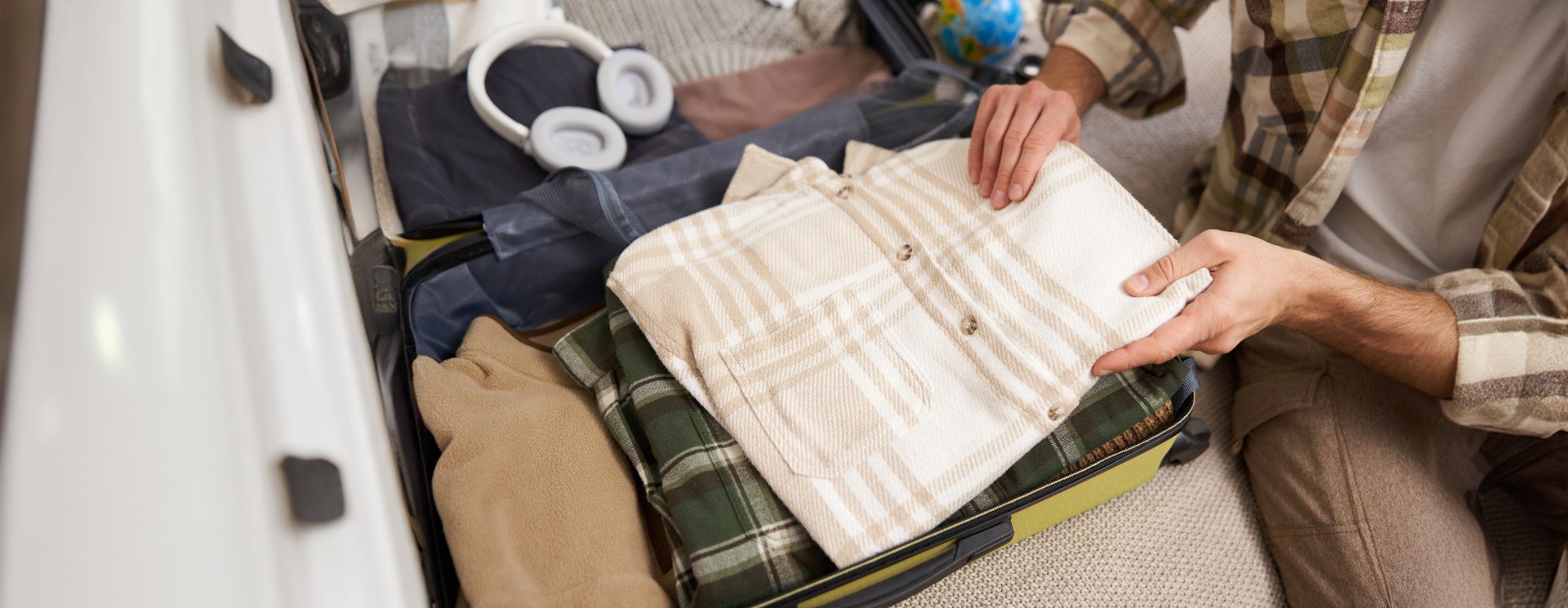
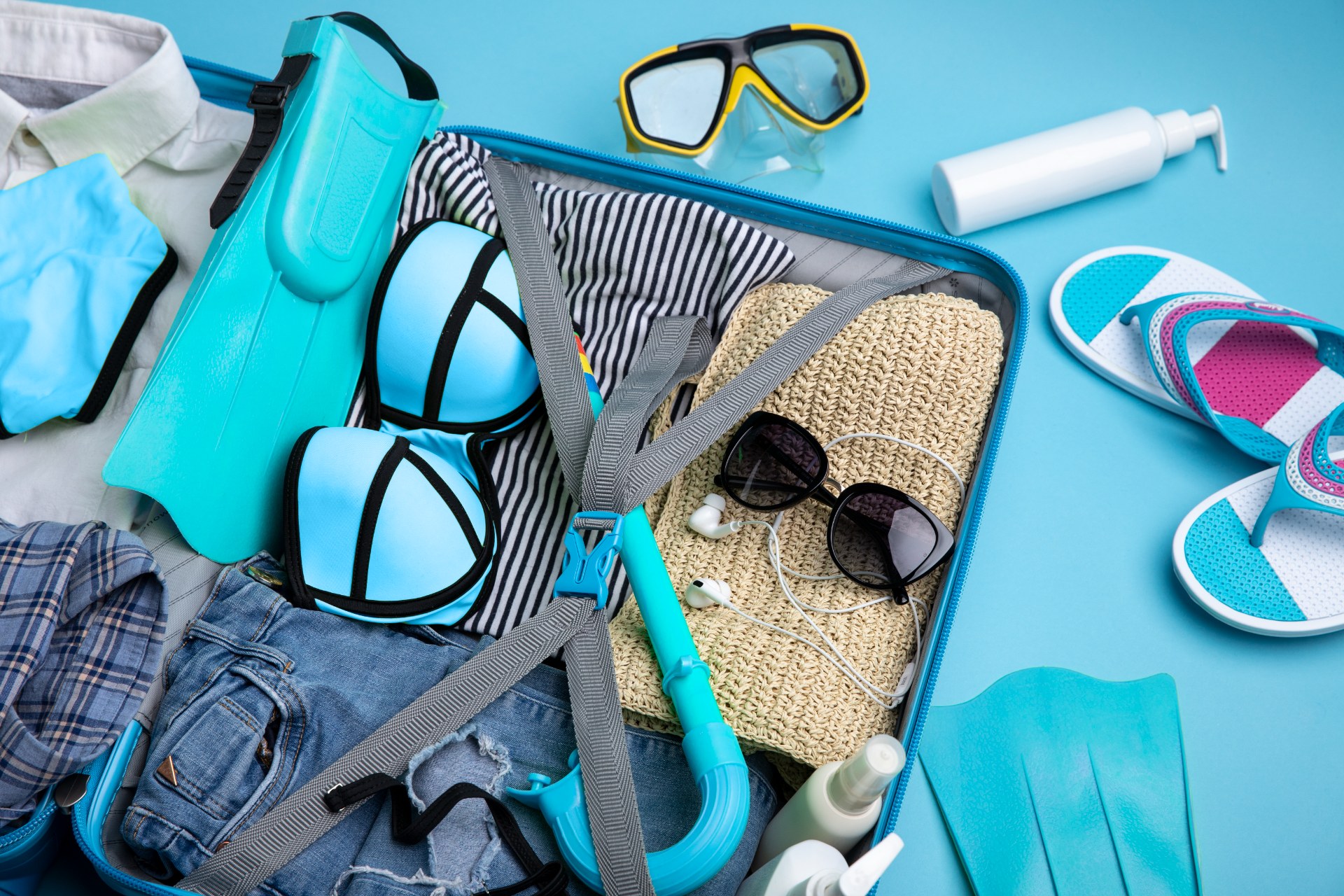
Build around mix-and-match pieces in neutral colors so tops, layers, and one pair of versatile shoes cover multiple days. Add swimwear if your ship has pools or your ports include beaches.
- Port days: comfortable walking shoes, hat, and layers that match the forecast where you will actually walk—not where the ship is registered.
- Sea days: light layers; public areas are often air-conditioned even when the pool deck is warm.
- Evenings: at least one outfit that meets your line’s published dress code for formal or “elegant” nights if the daily program lists them. Check the line’s dress-code page for your ship.
Warm-water sailings need different weight and sun gear than Alaska or northern Europe calls. For Caribbean-specific clothing, sun protection, and port-day footwear, use the dedicated Caribbean guide linked above rather than overfilling this list.
Toiletries, sun protection, and port-day gear

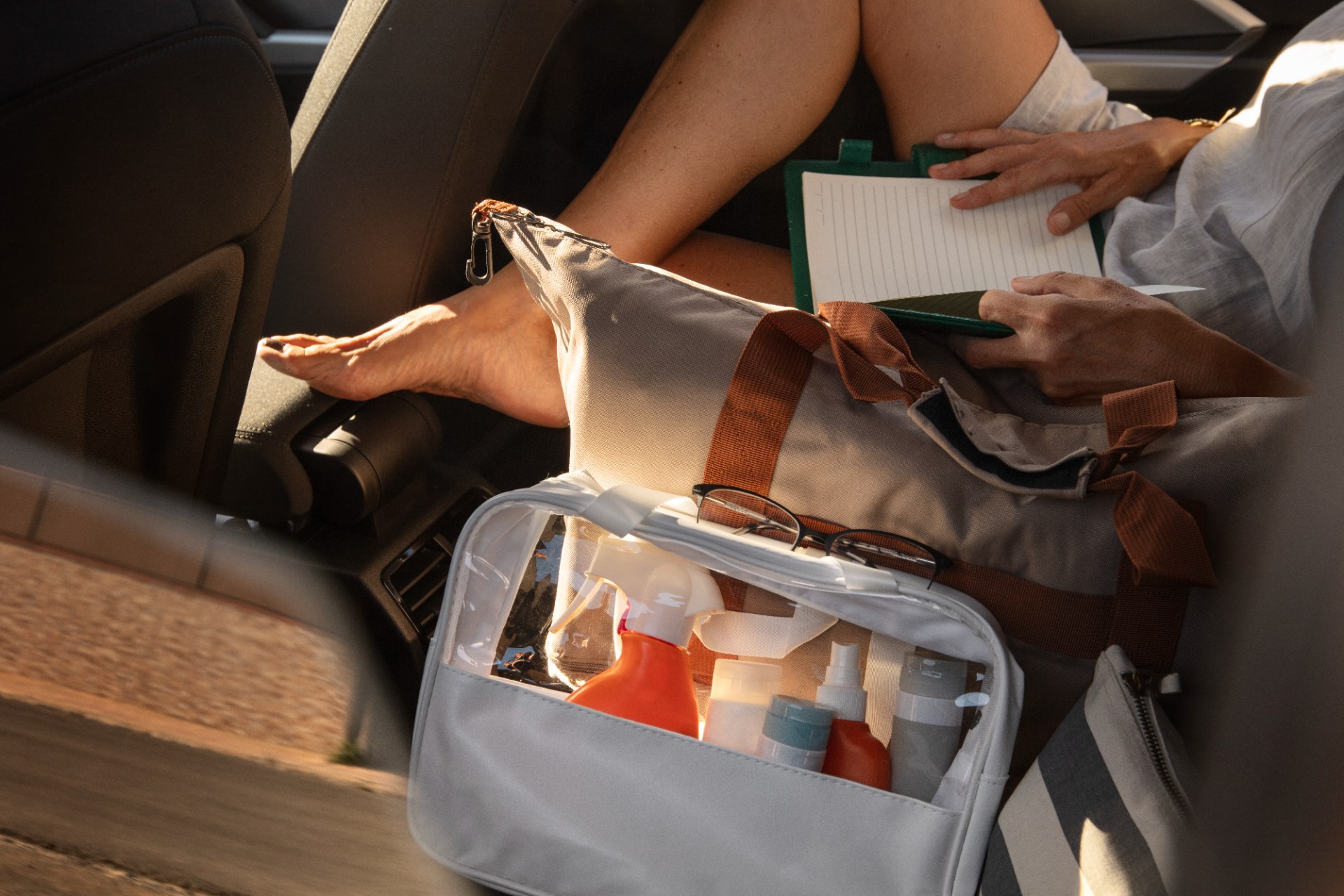
Ships provide soap and shampoo; quality and scent vary. Bring the toiletries that matter to you, plus sunscreen and insect repellent when your ports warrant them. If you snorkel, choose sunscreen that matches any reef or marine rules your destination publishes—product labels alone are not port law.
Helpful extras for many trips: refillable water bottle (if your line allows it on excursions), a small daypack for ashore, and magnetic hooks only if you have confirmed your cabin walls are metal—many newer doors and partitions are not.
Chargers and cabin electronics
Assume one or two outlets in a typical cabin. That does not mean a power strip or extension cord is allowed. Lines publish prohibited-items lists that often ban strips, multi-outlet hubs, and sometimes surge-protected devices entirely. Policies differ by operator and change over time.
Before you pack anything electrical, read your cruise line’s current prohibited-items and cabin-electrical guidance. Royal Caribbean, for example, publishes a prohibited-items policy that forbids extension cords, power strips, and multi-plug outlets while describing limited exceptions for certain certified chargers—other lines write their own rules. This article does not grant permission for any specific device on your sailing.
Practical defaults that usually survive policy checks: phone and watch chargers you already use at home, downloaded movies or books before sail-away (ship Wi‑Fi can be slow or costly), and power banks only where your airline and cruise line both allow them—many airlines require power banks in carry-on, not checked bags.
Traveling with friends or linked cabins? Assign who brings any line-approved charging gear so four staterooms do not each pack the same adapter—see the group assignment guide.
What to leave at home
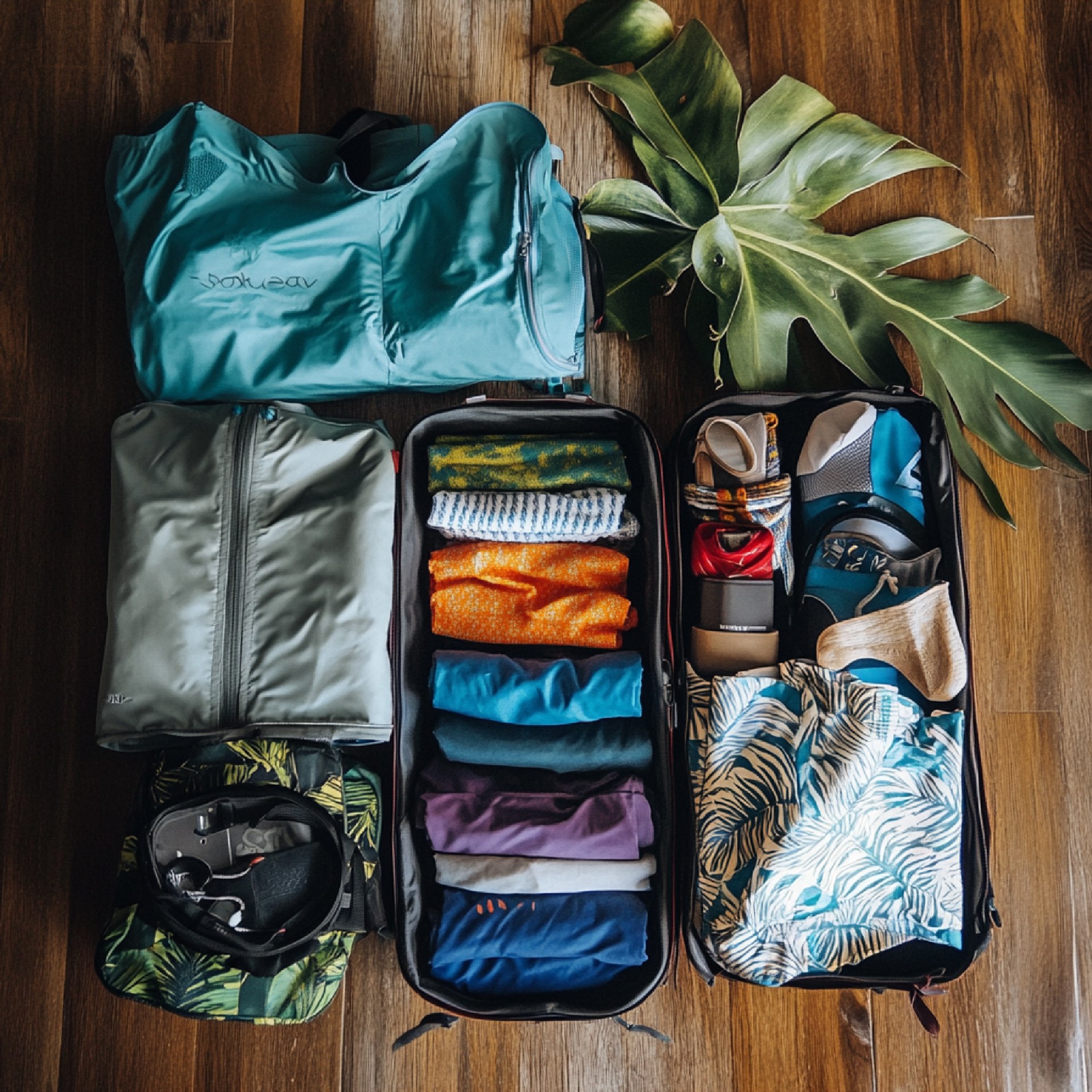
Leaving items behind saves closet space and avoids confiscation at security.
- Banned or restricted gear: power strips, extension cords, and multi-outlet adapters when your line prohibits them—verify on the operator’s list, not from memory.
- Prohibited conveniences: travel irons and open-flame items; use the ship’s laundry and pressing services if offered.
- Closet clutter: a full shoe wardrobe, over-the-door organizers on doors that will not hold them, and “just in case” outfits you have skipped on the last three trips.
- Duplicate ship supplies: hair dryers and bulky towels if your stateroom category already includes them—confirm on your ship’s cabin page before you pack doubles.
- Stress magnets: expensive jewelry you will worry about in ports, or gadgets you have never used at home “because vacation.”
You can often buy a forgotten sundry in port. You cannot always buy back a day spent reorganizing an overfilled cabin.
Last-minute packing checks
- Re-read your line’s prohibited-items and documentation pages—the published rules beat any packing blog.
- Move meds, documents, chargers, and one change of clothes into your carry-on; scan checked bags for anything that must not fly in the hold.
- Match outfits to the dress code on the daily program for formal or theme nights.
- If you travel as a group, confirm every shared item has one owner (see the assignment checklist article).
- Four to five days before sailing, walk your list once more so missing items can still ship to you.
When you want a living checklist with check-offs and shared visibility, build it in SeaDays Plan using the shared packing list tutorial—start from this hub, then specialize.
Checked 28 October 2026. Operator rules and documentation requirements change—confirm on your cruise line’s site before you sail.