Defining “Extreme” Without the Clickbait
Extreme cruise experiences span expedition landings, ocean crossings, storm-season routing, and high-thrill activities onboard. Extreme does not automatically mean reckless—reputable operators emphasize briefings, gear, and abort criteria. The most extreme cruise experiences in the world often sit at the intersection of remote geography and small-ship access: places where airports are scarce and seas set the schedule.
If you chase extreme, start with mobility, medical realities, and insurance—not just Instagram bravery.
Polar Extremes—Antarctica, Arctic Islands, and Ice-Class Routes
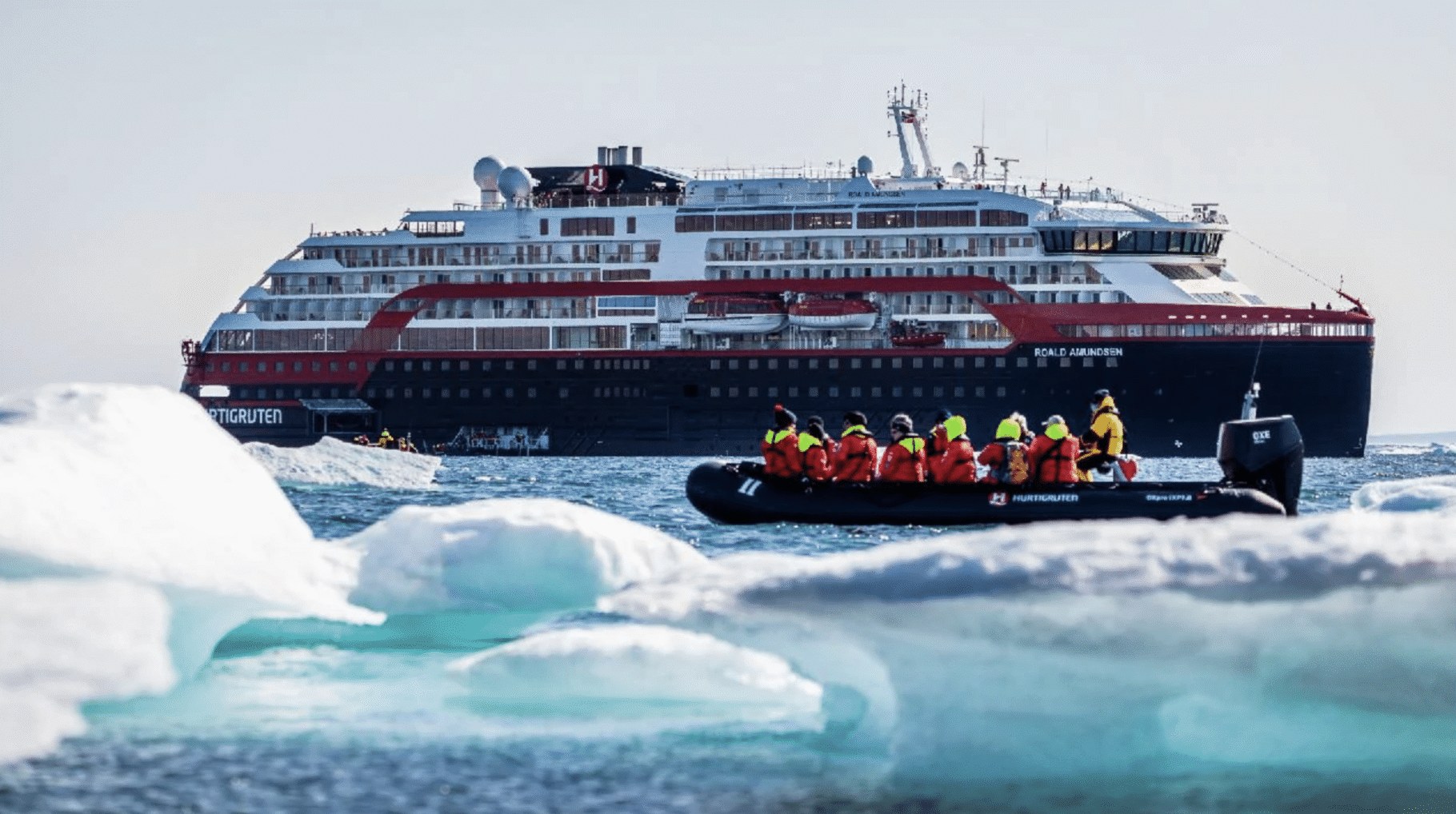
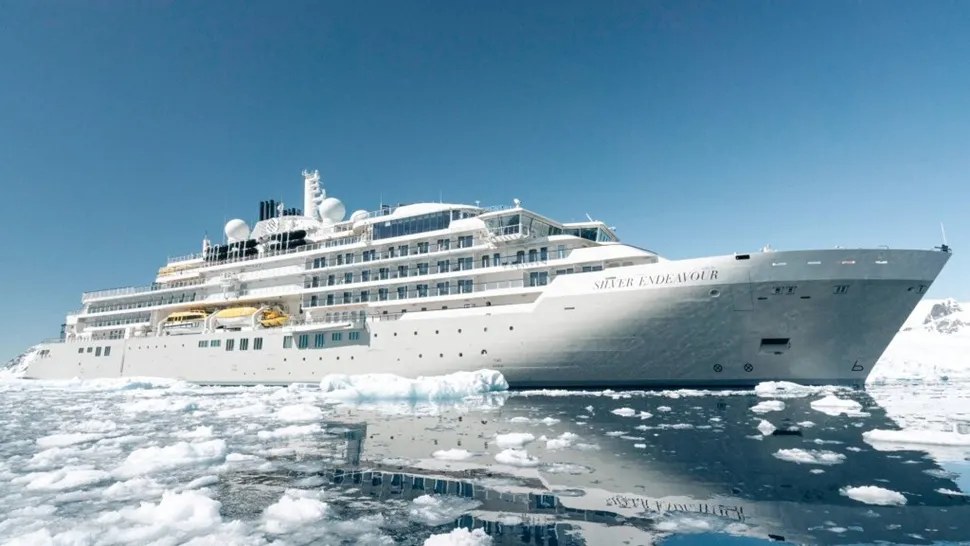
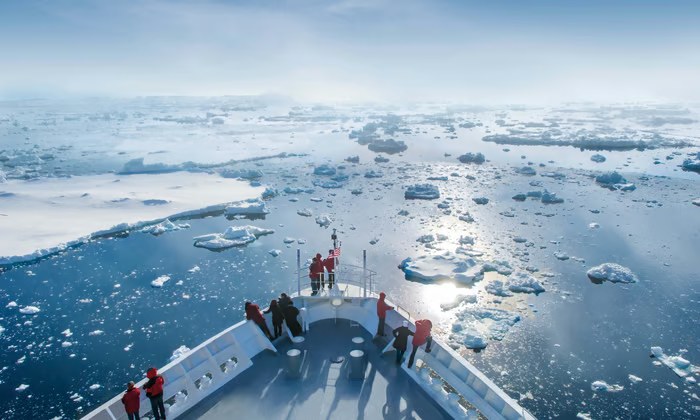
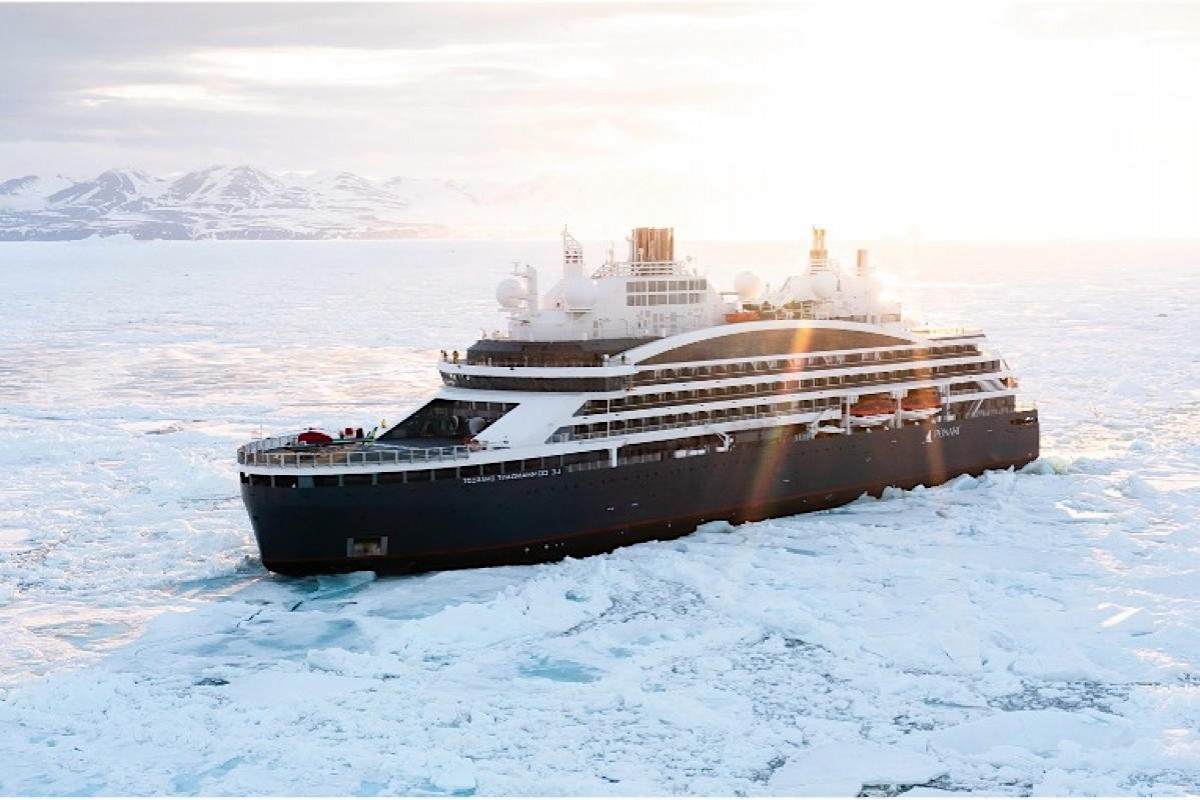
Antarctica remains the signature extreme for many travelers: Drake Passage motion, Zodiac spray, cold that finds every zipper, and landing plans that dissolve when wind shifts. Arctic routes—Svalbard, Greenland, Northwest Passage attempts—bring polar bears, ice piloting, and long daylight or long darkness depending on season.
These trips reward flexibility. Itineraries are intent, not promises. The extreme part is not only cold—it is uncertainty managed by crew who have seen fog erase a landing in minutes.
Expedition Landings vs Mega-Ship Ports
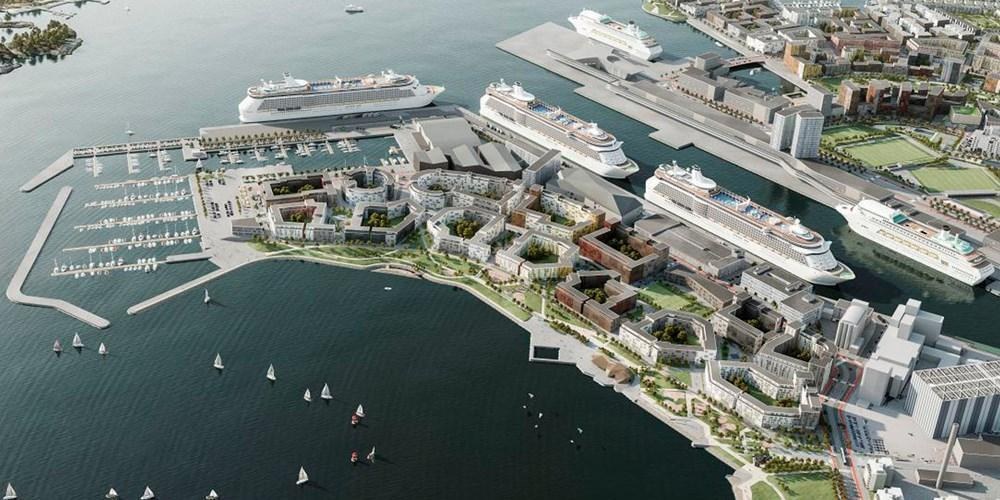
Mega-ships deliver extreme architecture—tall slides, skydiving simulators, surf pools—while expedition vessels deliver extreme nature access. They are different thrill profiles. If you want wildlife proximity, prioritize small guest counts and expert guides. If you want engineering spectacle, prioritize resort ships with certified activities and clear medical rules.
Ocean Crossings and Long Sea Days—Psychological Extremes
Sometimes extreme is time: transatlantic repositioning routes with multiple consecutive sea days. The body adapts; the mind either settles into rhythm or fights monotony. These trips attract readers, writers, photographers, and travelers who love ship life as the destination.
For ship capabilities and amenities that make long ocean stretches tolerable, explore cruise ships by line and compare observation lounges, stabilization reputation, and indoor walking loops.
Geographic Extremes—Remote Archipelagos and Isolated Coasts
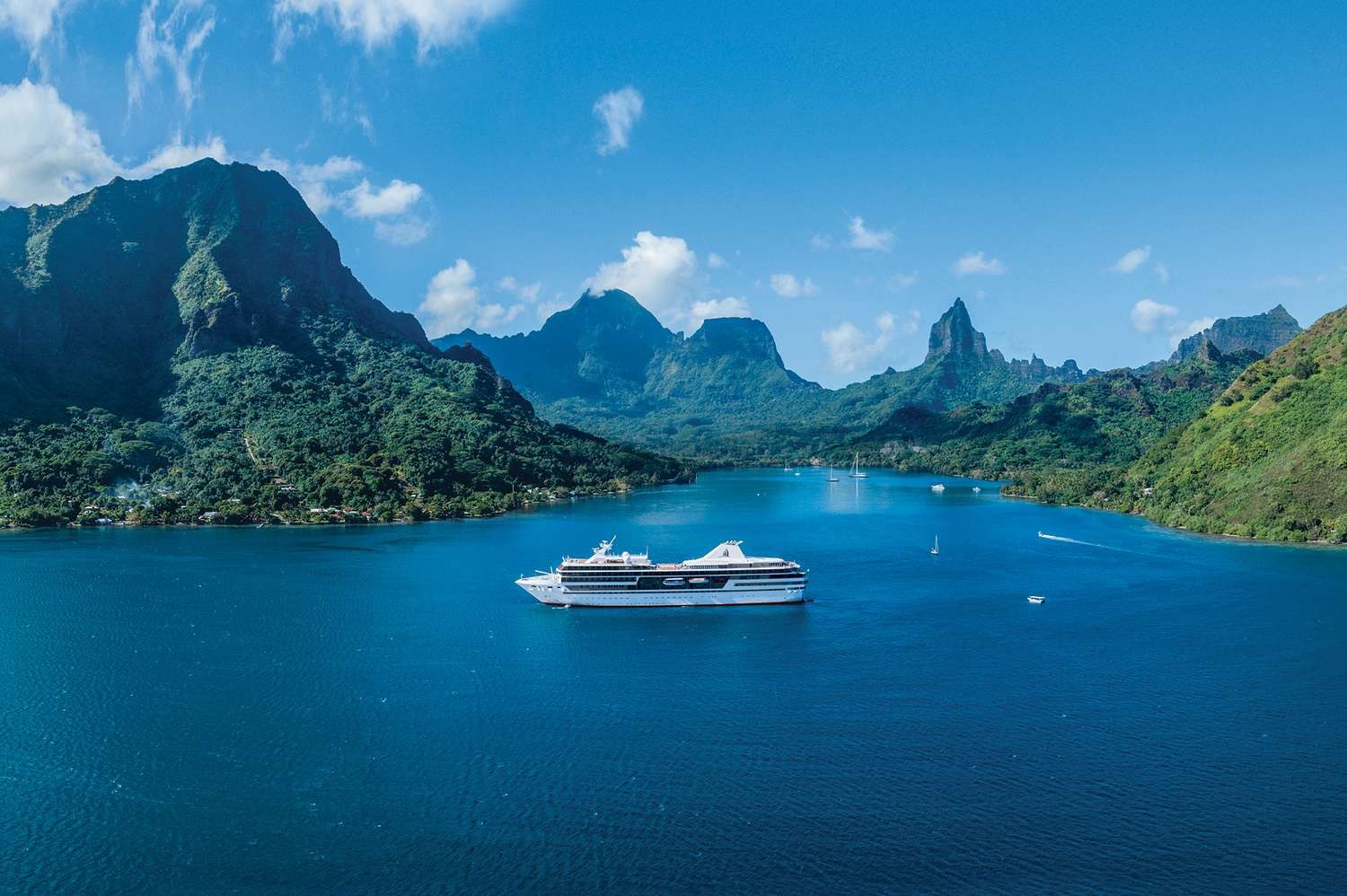
Galápagos rewards snorkel intensity and wildlife rules that feel strict—because ecosystems are fragile. Papua New Guinea, Melanesia, and certain Pacific routes can be logistically extreme due to flights, tides, and infrastructure variability. Patagonian fjords and Scottish isles can combine wind and swell with tender operations—mild on paper, spicy in reality.
Pair route dreams with port conditions research so you understand tender probability and walk-off realities—extreme trips go smoother when expectations match logistics.
Caribbean hurricane season, Mediterranean summer heat waves, and monsoon patterns in parts of Asia can stress air conditioning, excursion comfort, and itinerary stability. Extreme is not only cold—sometimes it is humidity that drains you before noon.
Human-Made Extremes Onboard—Thrills With Harnesses and Rules
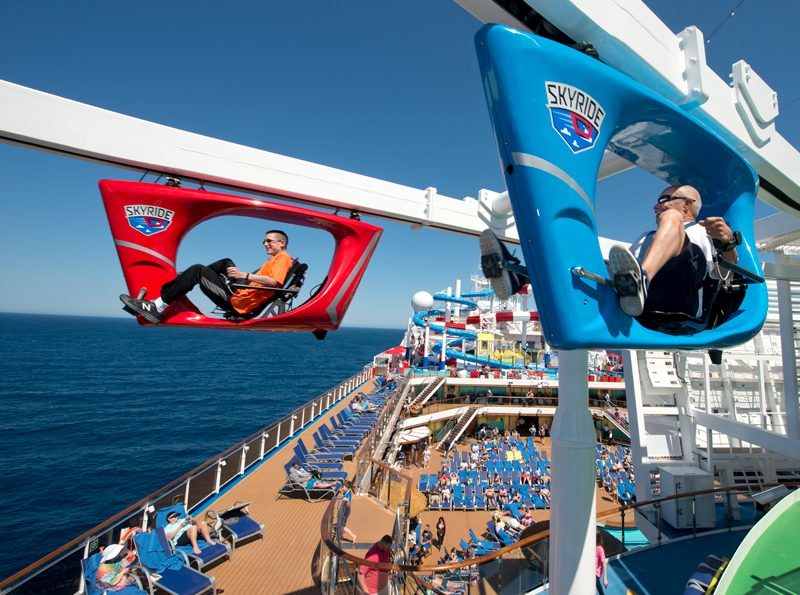
Zip lines at sea, ropes courses, surf simulators, skydiving tunnels, and coaster-like rides are engineered thrills—still real injury risks if you ignore briefings. The extreme element is exposure: wind, height, and motion combined.
Choose official activities, disclose health concerns, and respect weight and height limits—those rules exist because physics does not negotiate.
Fitness, Mobility, and the Ethical Edge
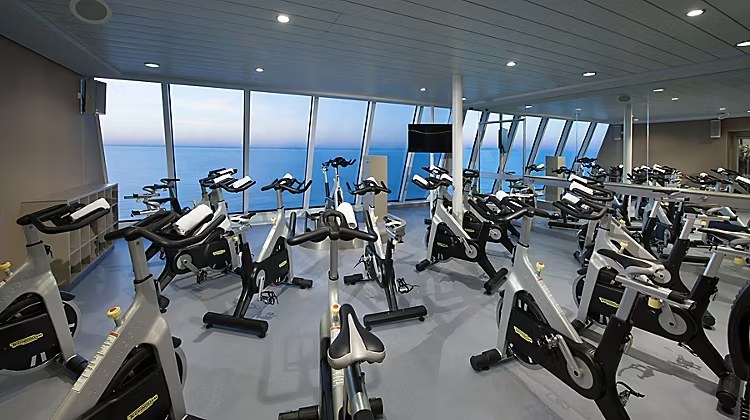
Some extreme experiences exclude guests quietly—not out of meanness, but safety. Stairs on tenders, hiking elevation, wet landings, and long cold exposures filter participants. Honest self-assessment prevents rescues that endanger crew and travelers.
Insurance and Evacuation—Non-Negotiable for True Extremes
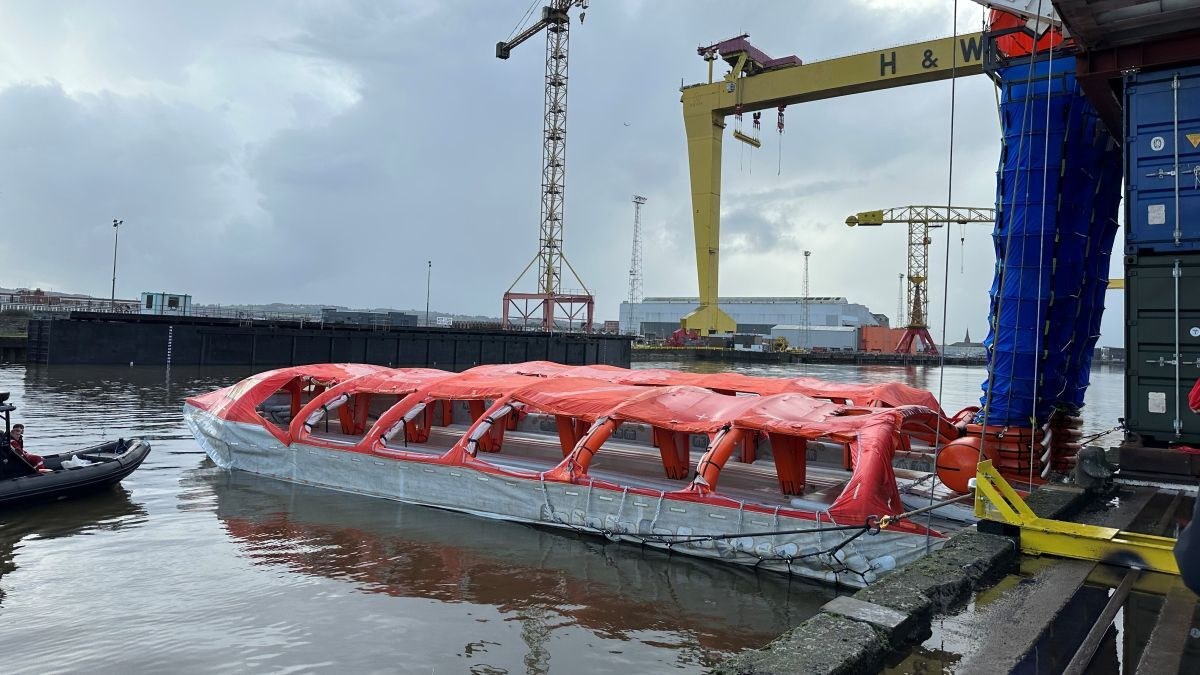
Medical evacuation at sea or in remote ports is expensive. Read policies for adventure activity exclusions—thrill rides and scuba may have fine print. Extreme travel is where insurance stops being paperwork and becomes infrastructure.
Sustainable Extremes—Enjoying the Edge Without Loving It to Death
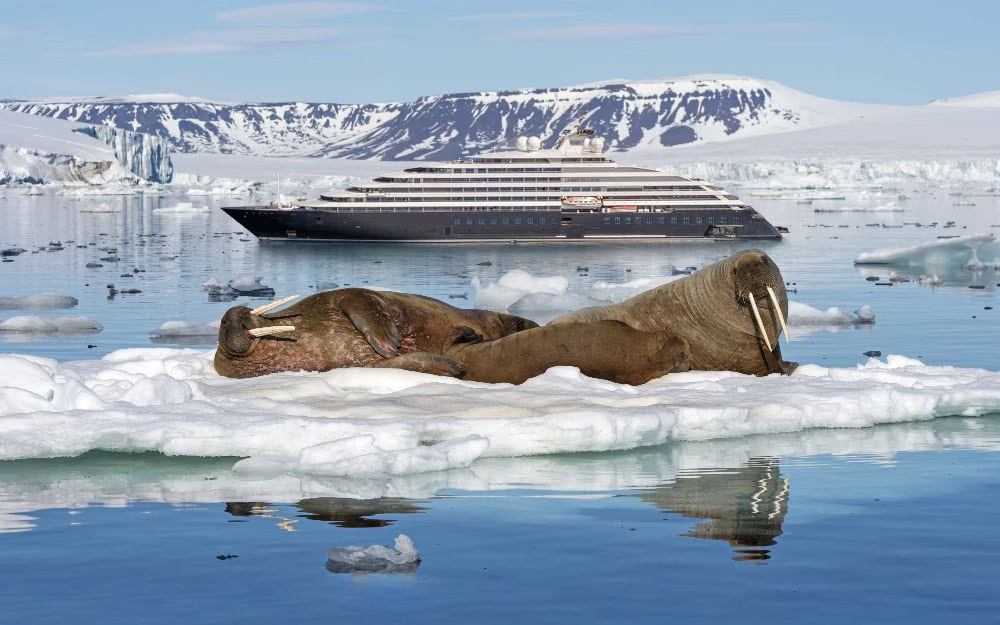
Wild places stay wild when rules are followed: distance from wildlife, strict biosecurity in islands, and respect for communities that host ships. Extreme travel should not mean extractive tourism—it should mean gratitude with discipline.
Planning Tools—Stories, Ships, and Ports in One Workflow

SeaDays helps travelers connect dots between fleet choices and real-world routing. Use ships for hardware, ports for dock realities, and SeaDays blog features for trip narratives that mention weather and motion honestly.
FAQ — Extreme Cruise Experiences

Q1: What is the most extreme cruise region for first-timers? A: “Extreme” is personal—many travelers find Alaska or Norwegian fjords intense enough; polar trips are a bigger step up in gear and motion.
Q2: Are zip lines and surf simulators safe? A: They are designed with safety systems—follow rules, and skip if medical conditions make staff uneasy.
Q3: Do I need special gear for expedition cruises? A: Often yes—layers, waterproof shells, boots, sometimes dry suit components depending on operator lists.
Q4: Will I get seasick on extreme routes? A: Possibly. Motion sensitivity varies—midship cabins, medication strategies with clinician input, and itinerary choices matter.
Q5: Are extreme cruises worth the price premium? A: If you value access and guidance in remote environments, yes—if you only want thrills, compare resort ship activities that cost less time and money.
Related Reading & Internal Links

- Compare cruise ships for expedition vs resort hardware.
- Research ports and regions before committing to remote routes.
- Read SeaDays articles on planning, gear, and real trip trade-offs.