Booking and travel day errors

One of the biggest first-time cruise mistakes is flying into the embarkation city on the same morning the ship departs.
Flight delays, cancellations, airport traffic, and baggage problems create real risks when there is no extra buffer before embarkation. Experienced cruisers usually arrive at least one day early, especially for international sailings or winter departures where weather disruptions are more common.
Another common issue is underestimating transportation time from distant airports to the cruise terminal. Some airports that appear “close” to the port may still require long transfers, heavy traffic navigation, or expensive transportation.
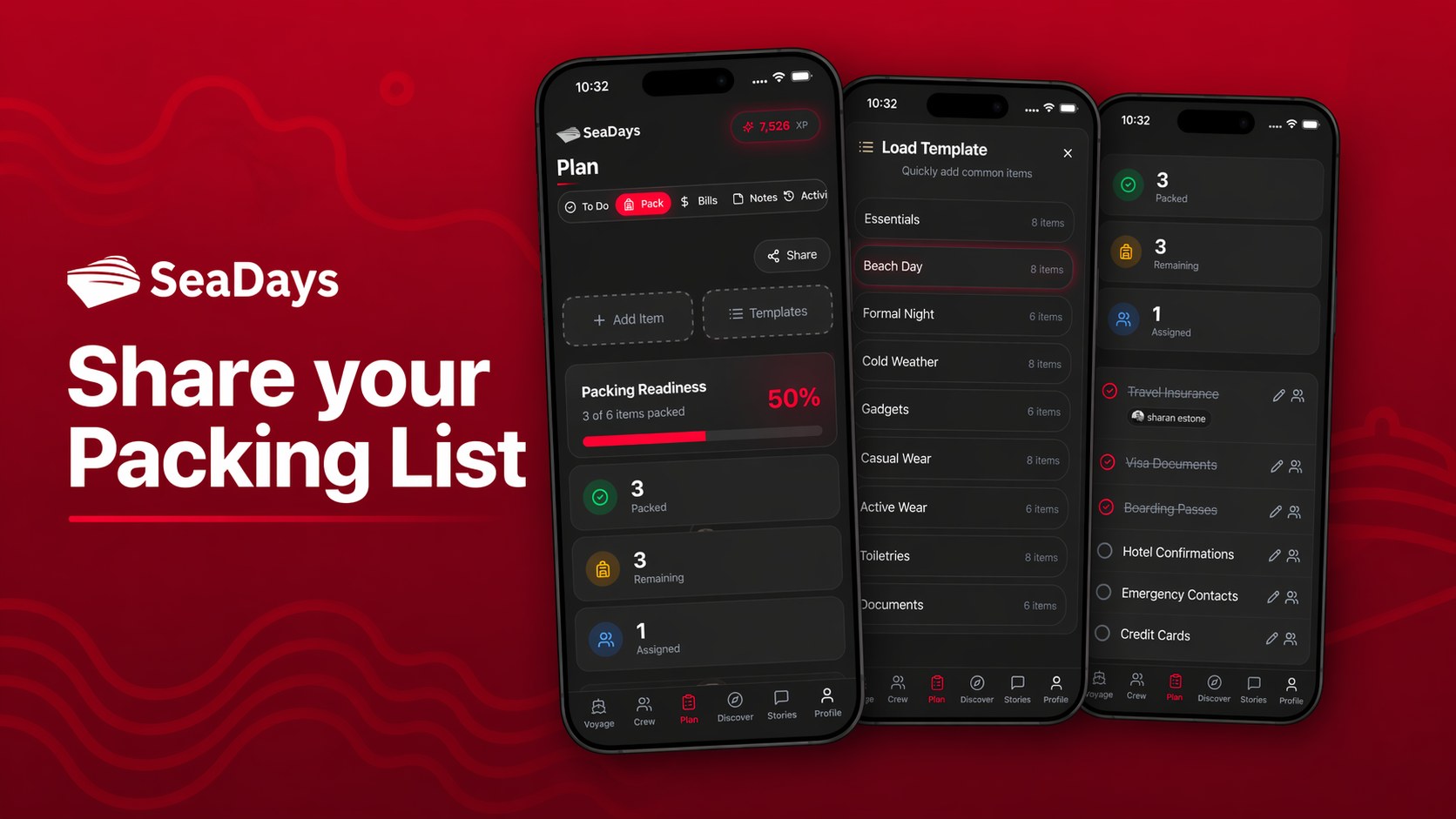
Packing prohibited items also catches many first-time passengers by surprise. Surge-protected power strips, certain appliances, and restricted luggage items are frequently confiscated during embarkation because they violate cruise-line safety policies.
Onboard spending surprises

Many first-time cruisers focus heavily on the cabin fare while overlooking how quickly onboard purchases can increase the total vacation cost.
Automatic gratuities, specialty dining, casino spending, Wi-Fi packages, bottled water, premium coffee, room-service fees, and spa treatments all add to the final onboard account. ATM withdrawal fees at sea can also be significantly higher than passengers expect.
Because charges accumulate gradually throughout the sailing, many travelers do not realize how much they spent until after disembarkation. Tracking expenses in a budget view during the cruise creates far better awareness than reviewing bank notifications after the vacation ends.
Social and planning gaps

New cruisers often underestimate how valuable pre-cruise communities can be.
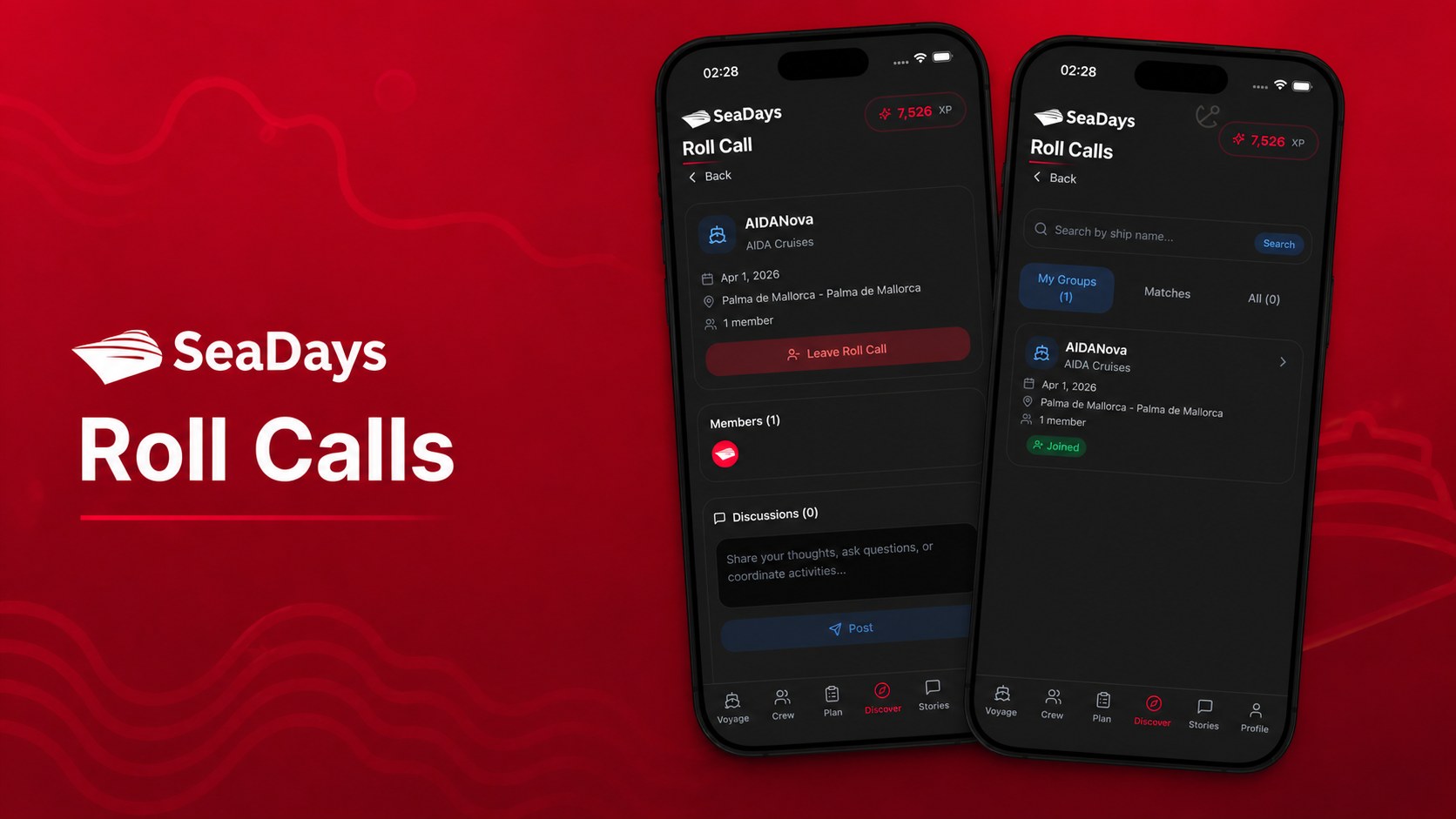
Passengers who skip roll calls sometimes discover too late that popular excursion groups, private tours, dinner reservations, and meetup plans are already full before embarkation day even begins. Joining conversations early gives travelers more opportunities to coordinate plans and ask useful itinerary-specific questions.
Using roll call chat before sailing also helps first-time passengers feel more comfortable onboard because they recognize names, travel groups, and familiar conversations once the voyage starts.
Specific questions usually work better than broad introductions. Travelers asking about excursions, port transportation, or dining tips typically receive far more useful responses.
What experienced cruisers do differently

Experienced cruisers usually rely on systems instead of scattered planning.
Instead of managing details through screenshots, emails, text messages, spreadsheets, and multiple apps, repeat passengers often keep their itinerary, budget tracking, excursion notes, roll calls, and travel documents connected in one place.
That approach reduces missed reservations, duplicate purchases, and last-minute confusion during embarkation week. The more organized the planning process becomes before sailing, the more the cruise actually feels like a vacation once onboard.