Party Ships vs Zen Cruises: Vibe Is a Product Feature
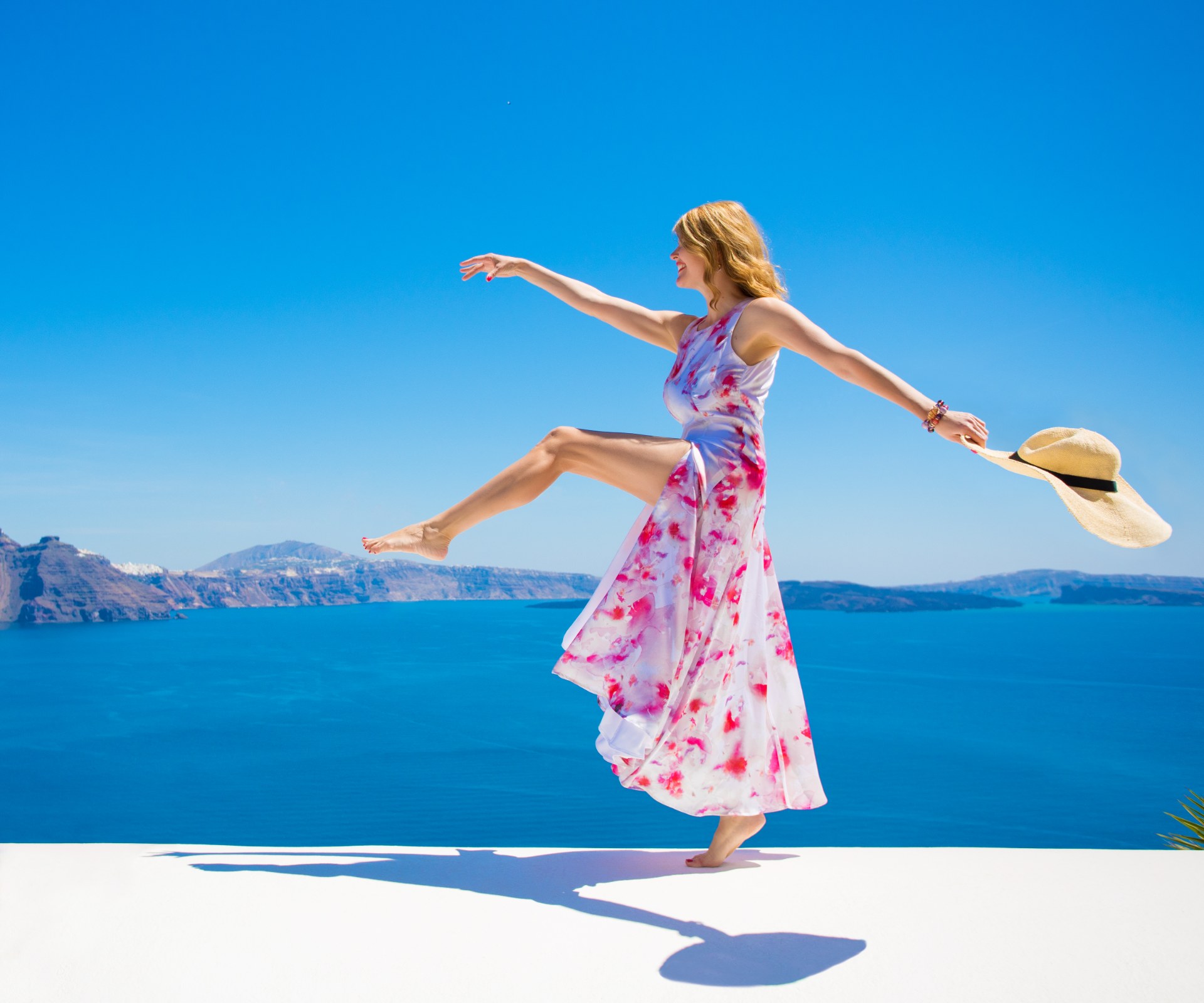
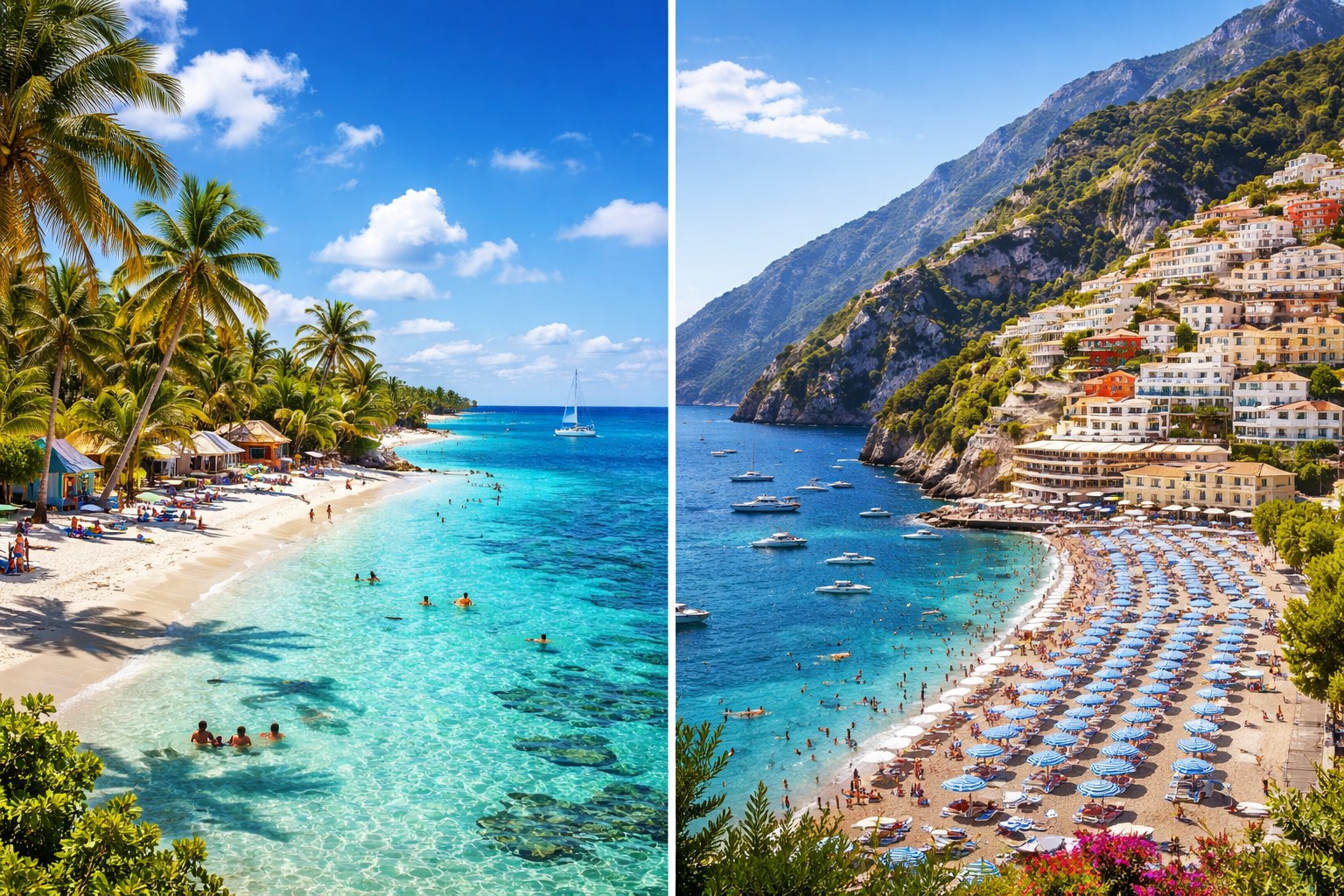
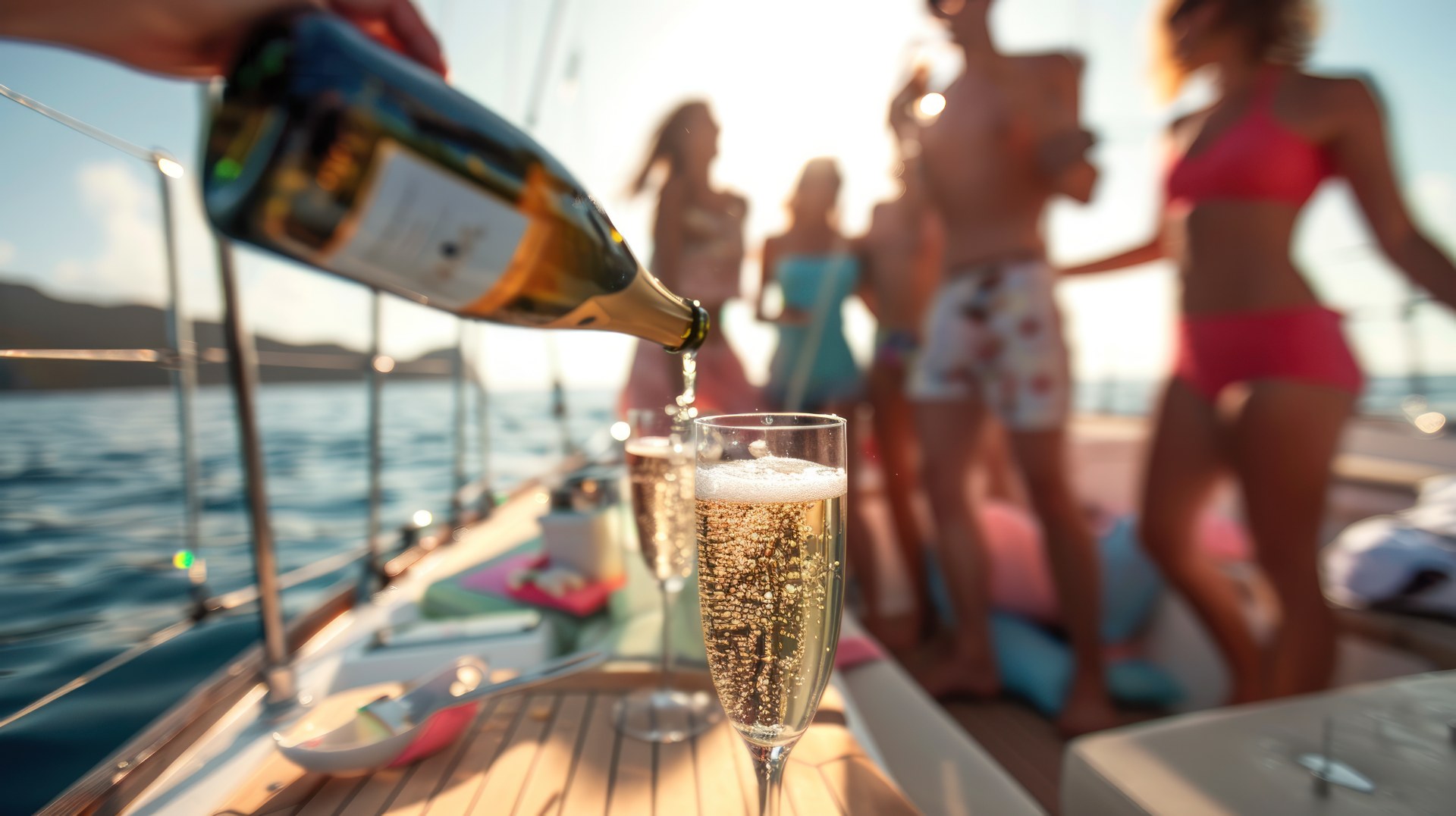
Party ships are not “bad,” and zen cruises are not “boring.” They are different contracts about sound, space, and social density. Party-forward sailings emphasize nightlife, pool energy, promotions that reward weekend crowds, and itineraries with short hops that keep bars full. Zen-forward experiences emphasize calm venues, adult zones, spa design, lecture culture, and itineraries where rest is not something you squeeze in after karaoke.
If you want help translating marketing language into deck-plan reality, SeaDays ship browsing is a strong first stop—class, age, venue mix—before you commit emotionally to a sail-away playlist you will hear for seven nights straight.
What Creates “Party Energy” Onboard (Beyond Alcohol)
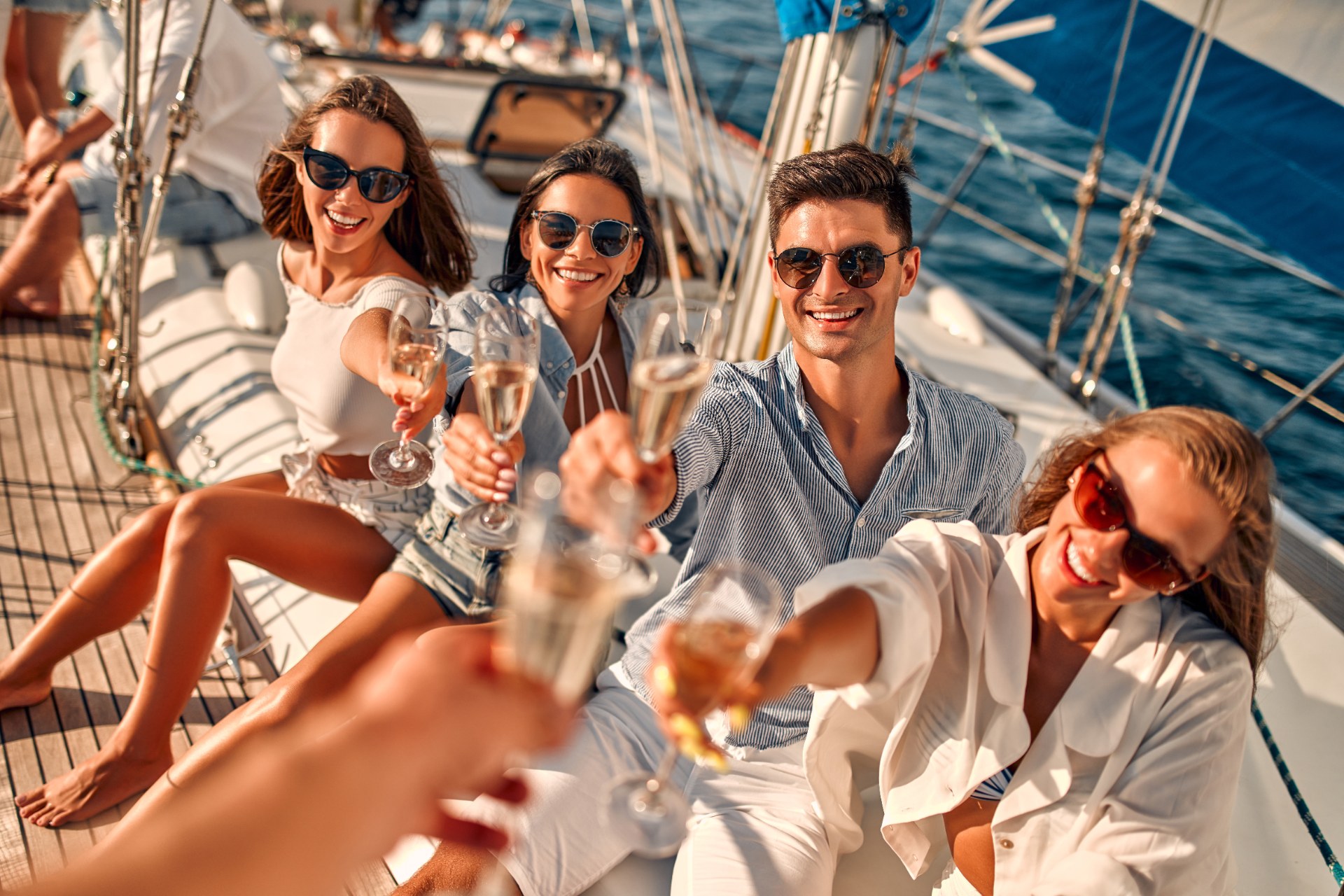
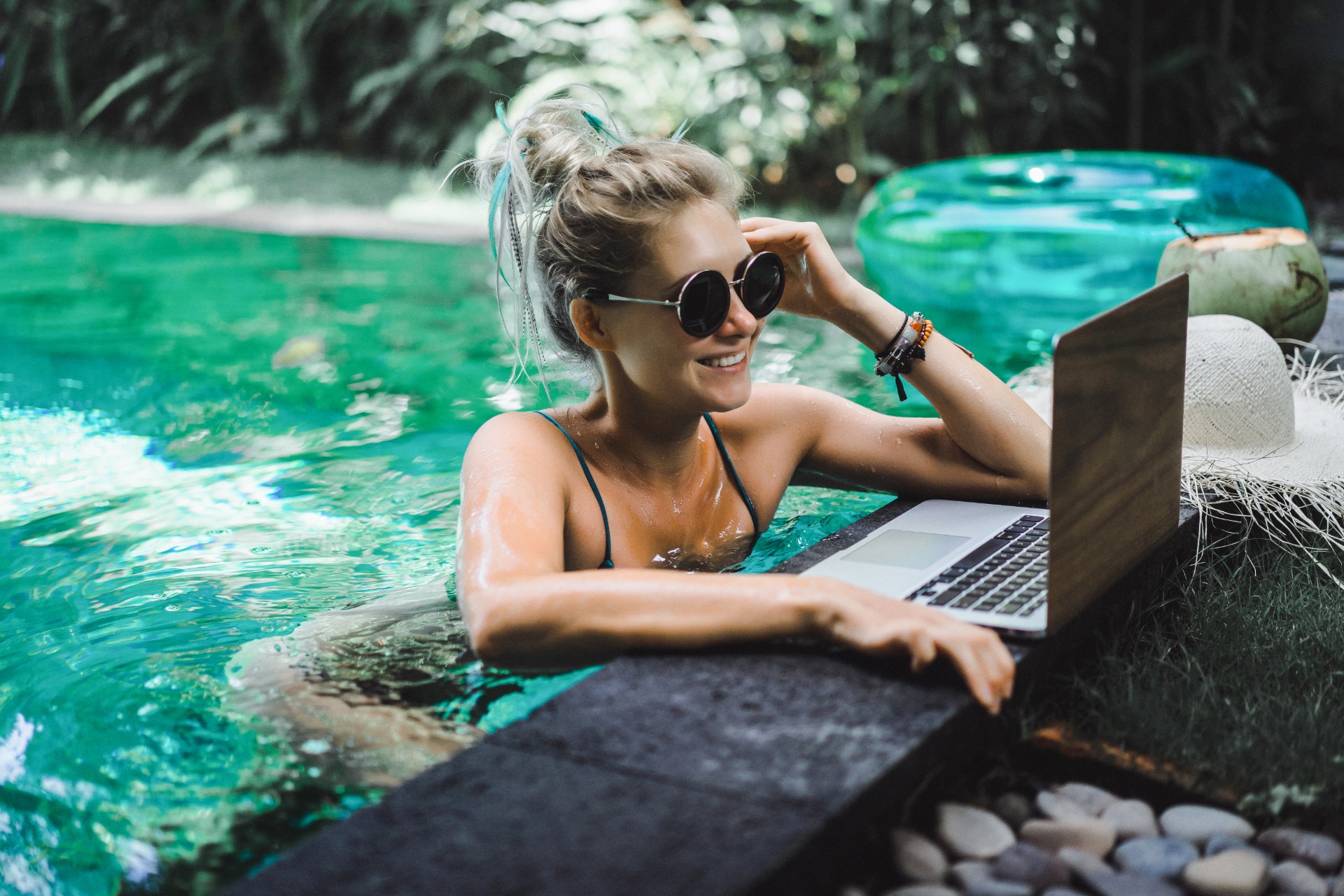
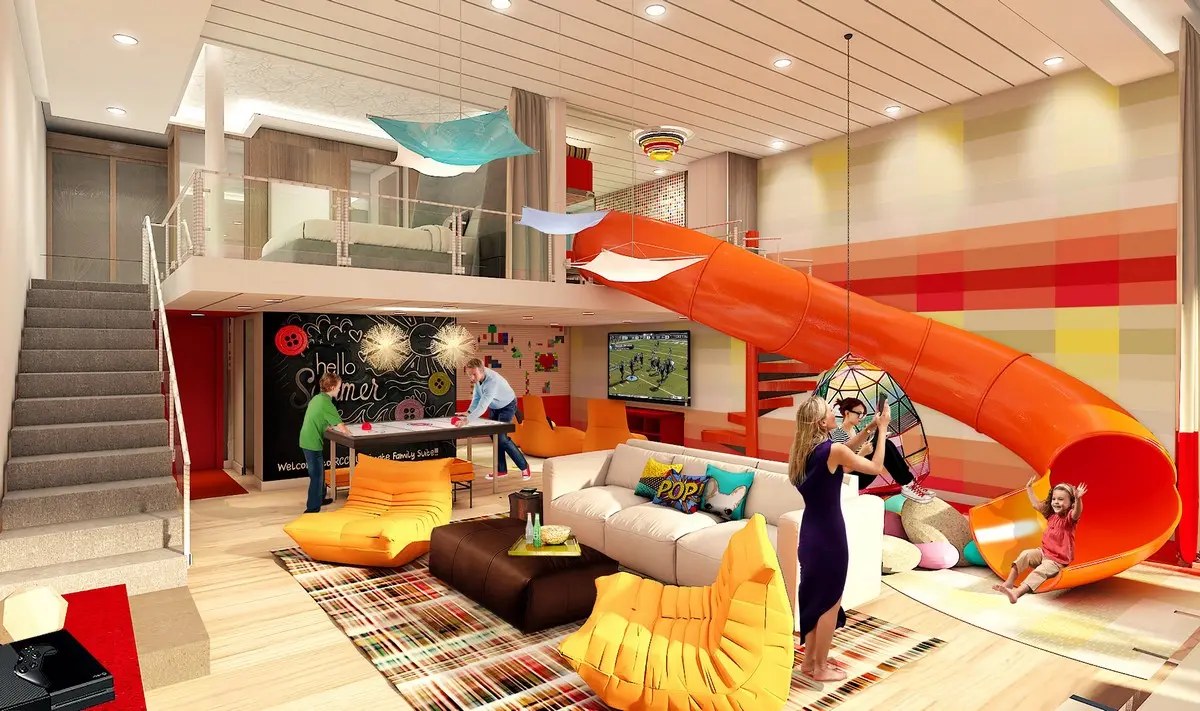
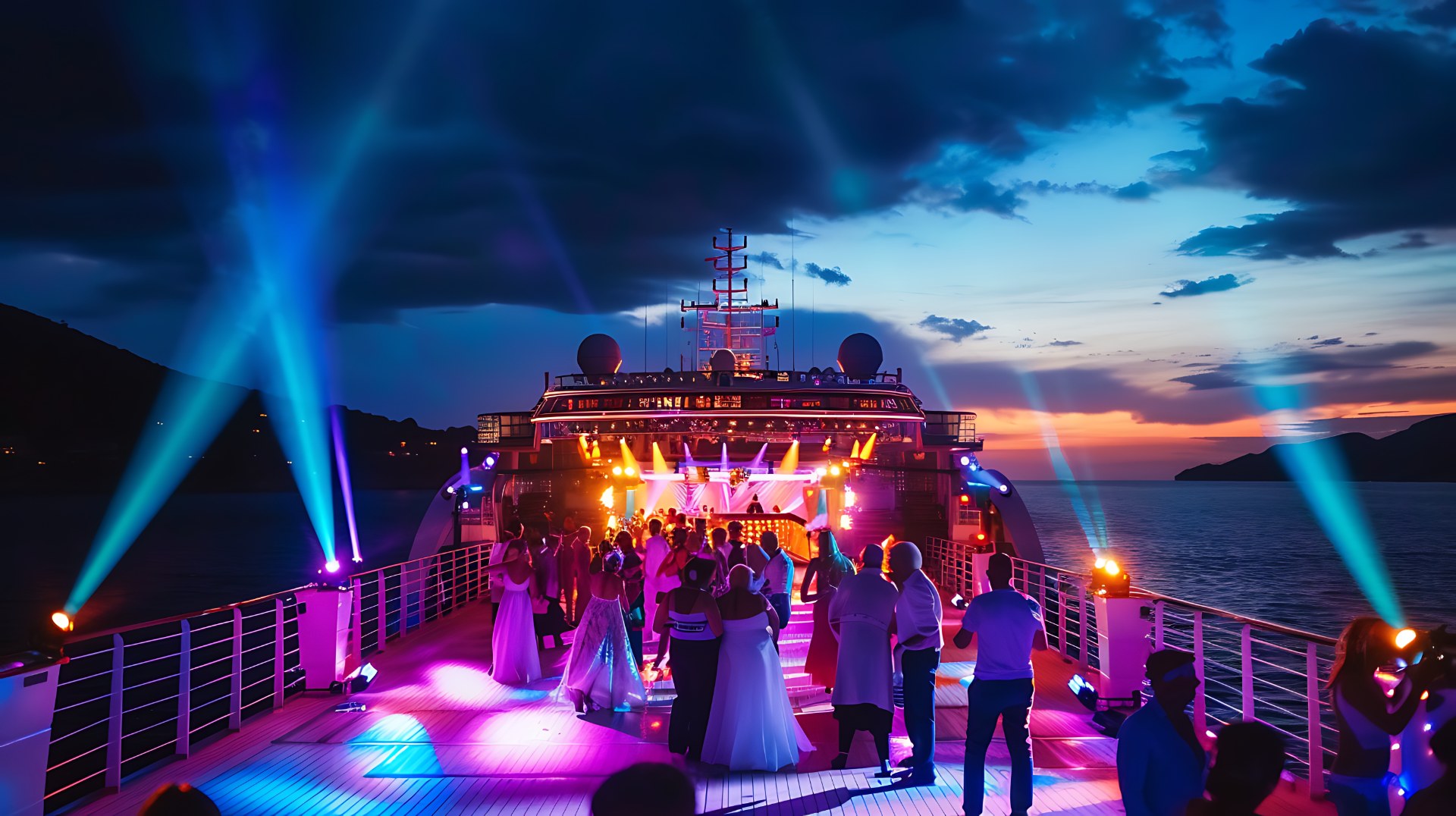
Nightlife is the obvious signal, but party ships also cluster design choices: open-air pool decks with live music schedules, promenade districts built for people-watching, casinos positioned as social hubs, and family programs that keep kids busy while adults lean into adults-only hours later. Sound travels through atriums; music bleeds into cabins near nightclubs—a vibe issue that shows up as “I could not sleep,” not “the DJ was morally wrong.”
Practical insight: if you need sleep, midship on lower decks often helps—but deck-plan discipline matters more than lucky guesses.
What Creates “Zen Energy” Onboard (Beyond Spa Brochures)
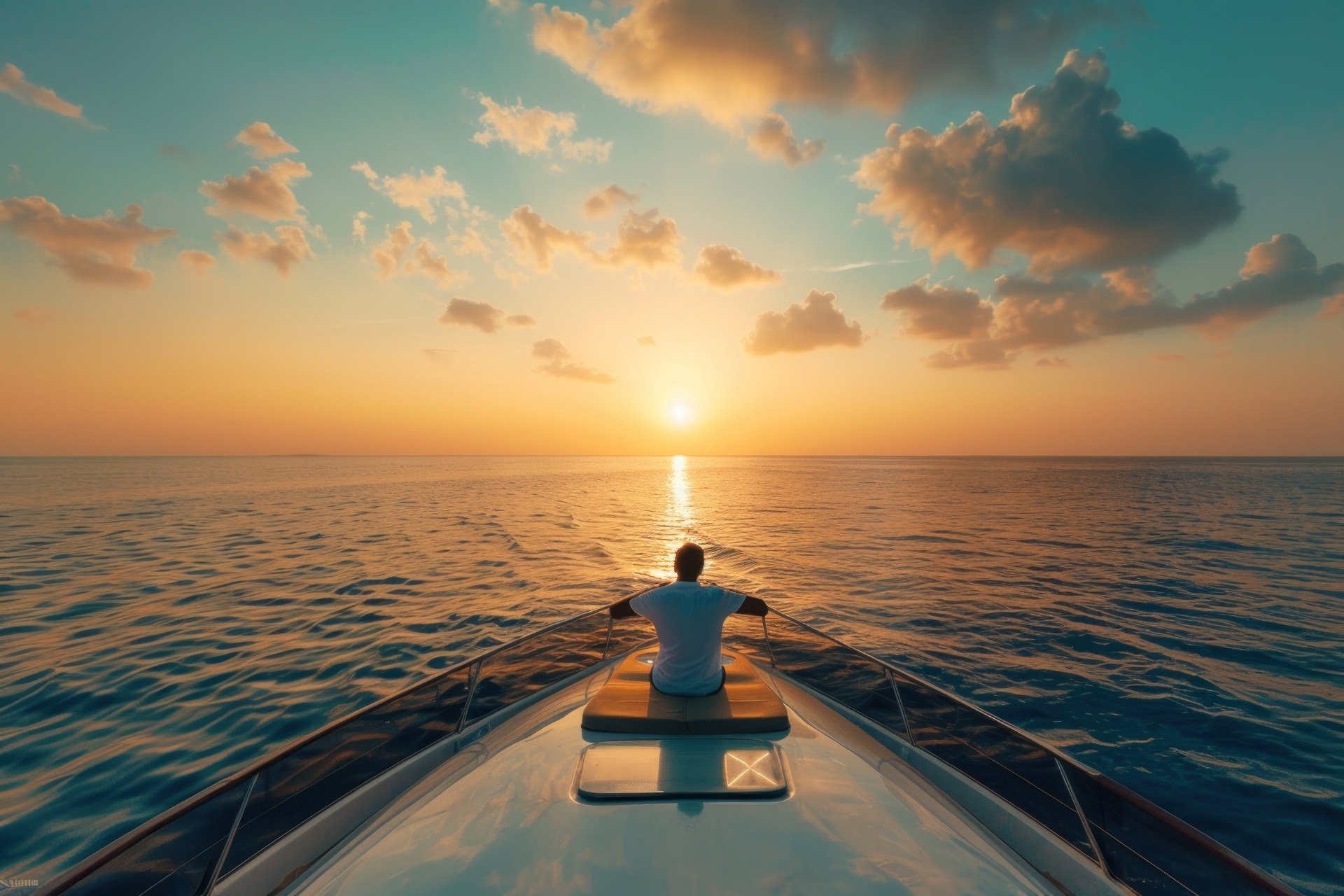
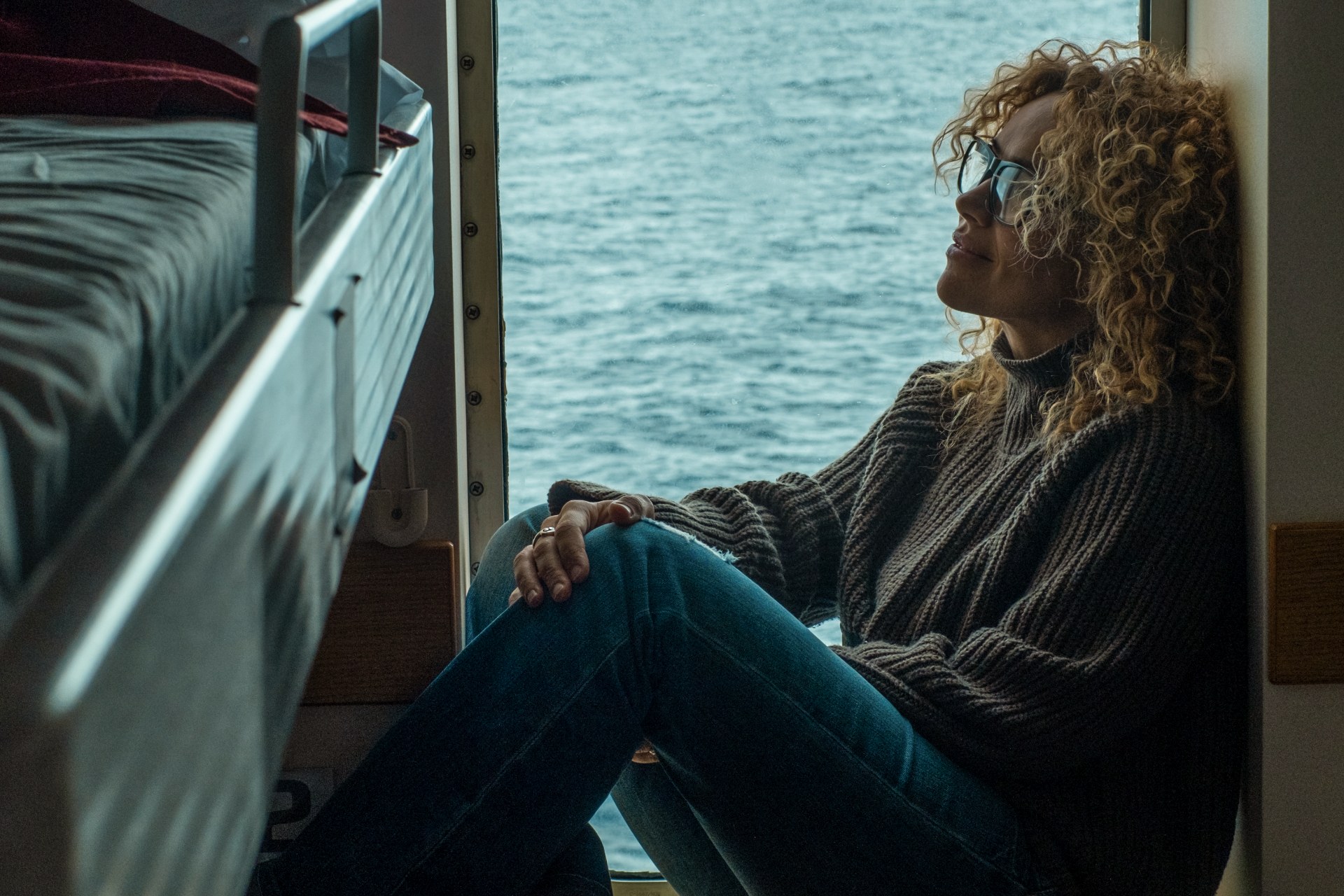
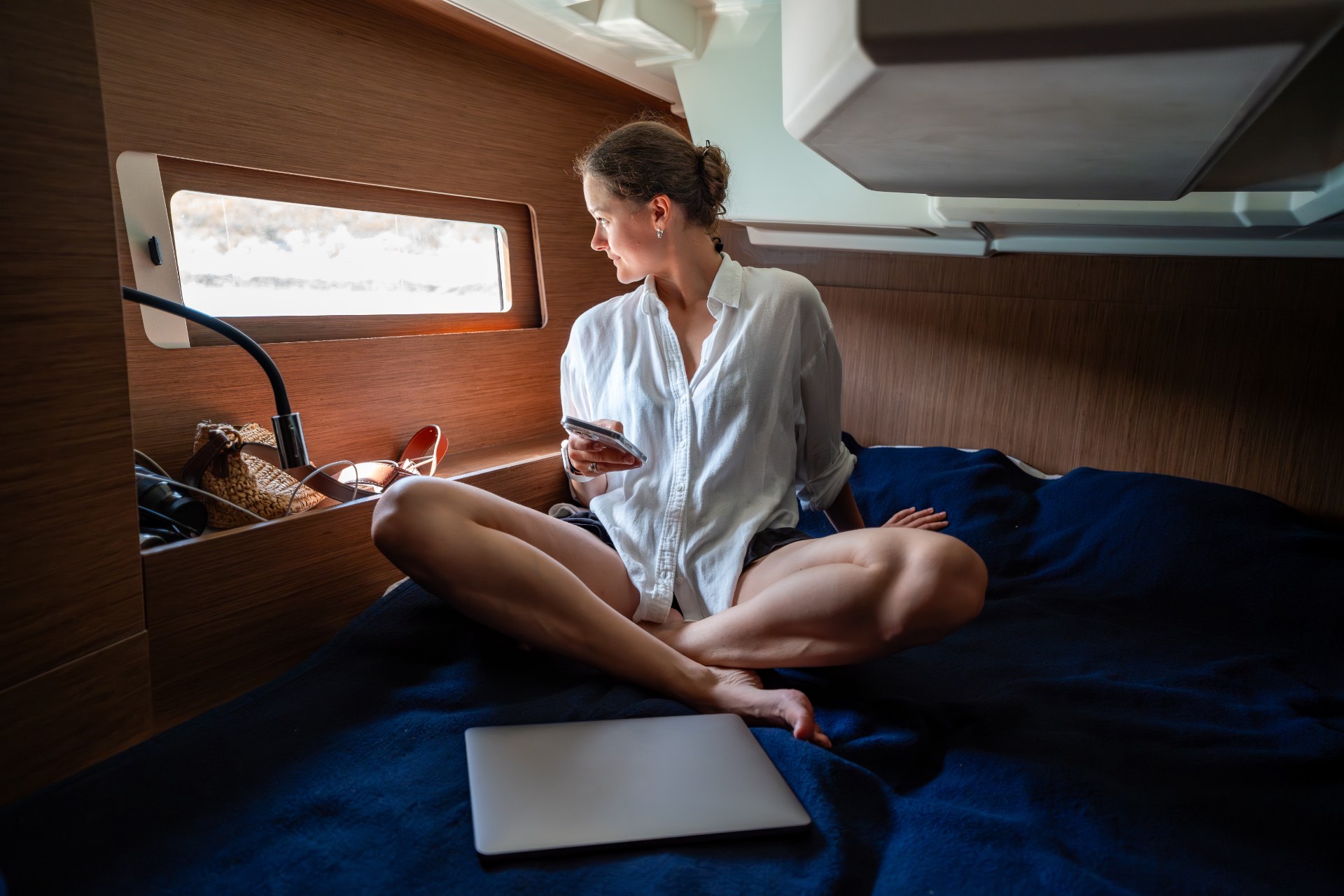
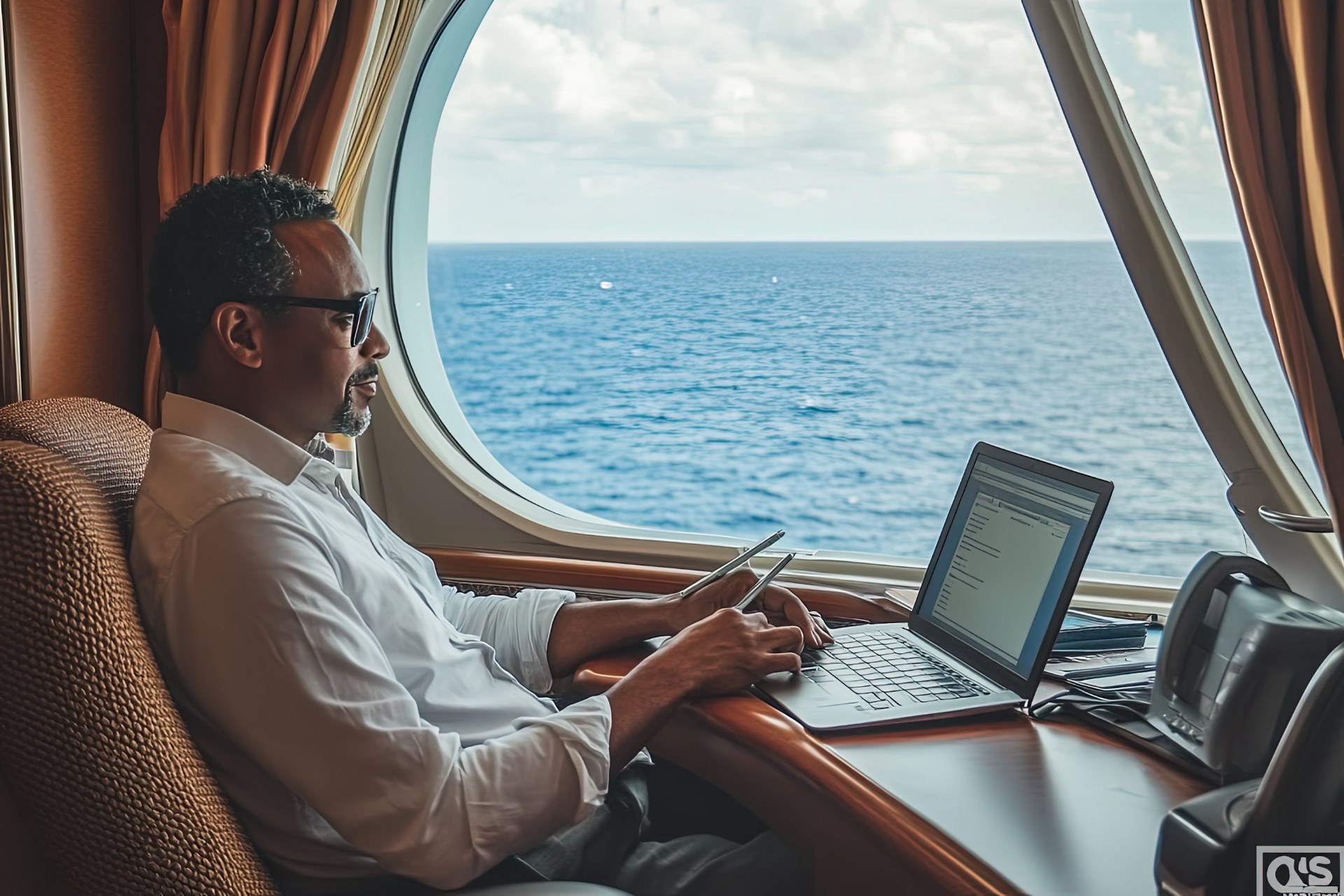
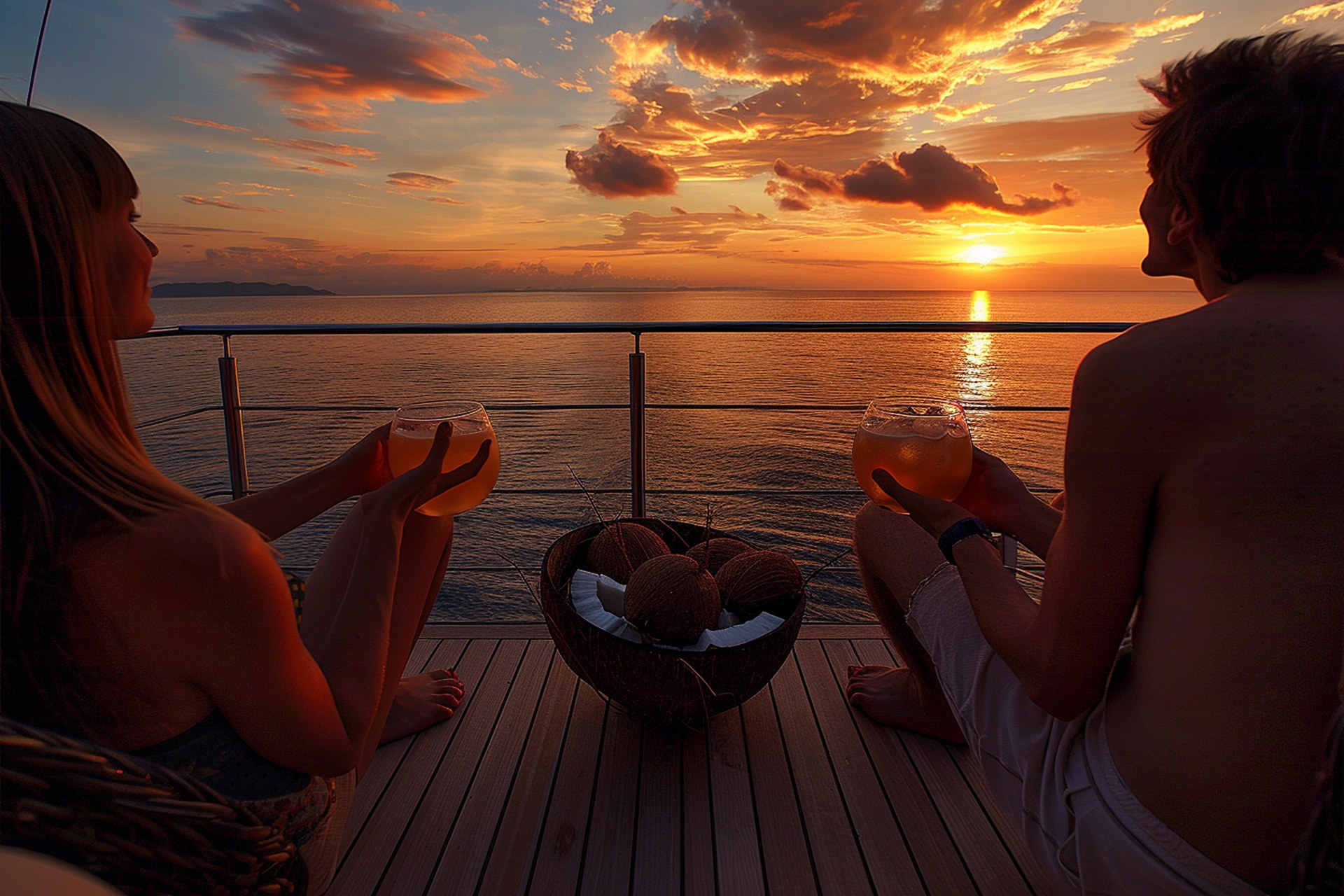
Zen cruises—whether luxury, premium, or adult-focused lines—tend to emphasize space-to-guest ratios, quiet outdoor areas, thermal suites, wellness programming, and dining that rewards slow meals. Zen is not only spa; it can be observation lounges, classical music, destination lectures, and itineraries with scenic hours that feel meditative even without yoga.
Bold truth: zen can become stiff if you crave play—the goal is fit, not purity.
Use these axes like sliders:
- Sound: quiet evenings vs live bands until late
- Crowd: anonymous mega-ship vs repeat-face small ship
- Schedule: freestyle spontaneity vs structured rhythm
- Stimulation: shows and slides vs reading decks and fjords
Party ships usually score high on sound and stimulation. Zen cruises usually score high on space and predictable calm—though small ships can feel intense socially in a different way.
Brand Families: Useful Shortcuts (With Exceptions)
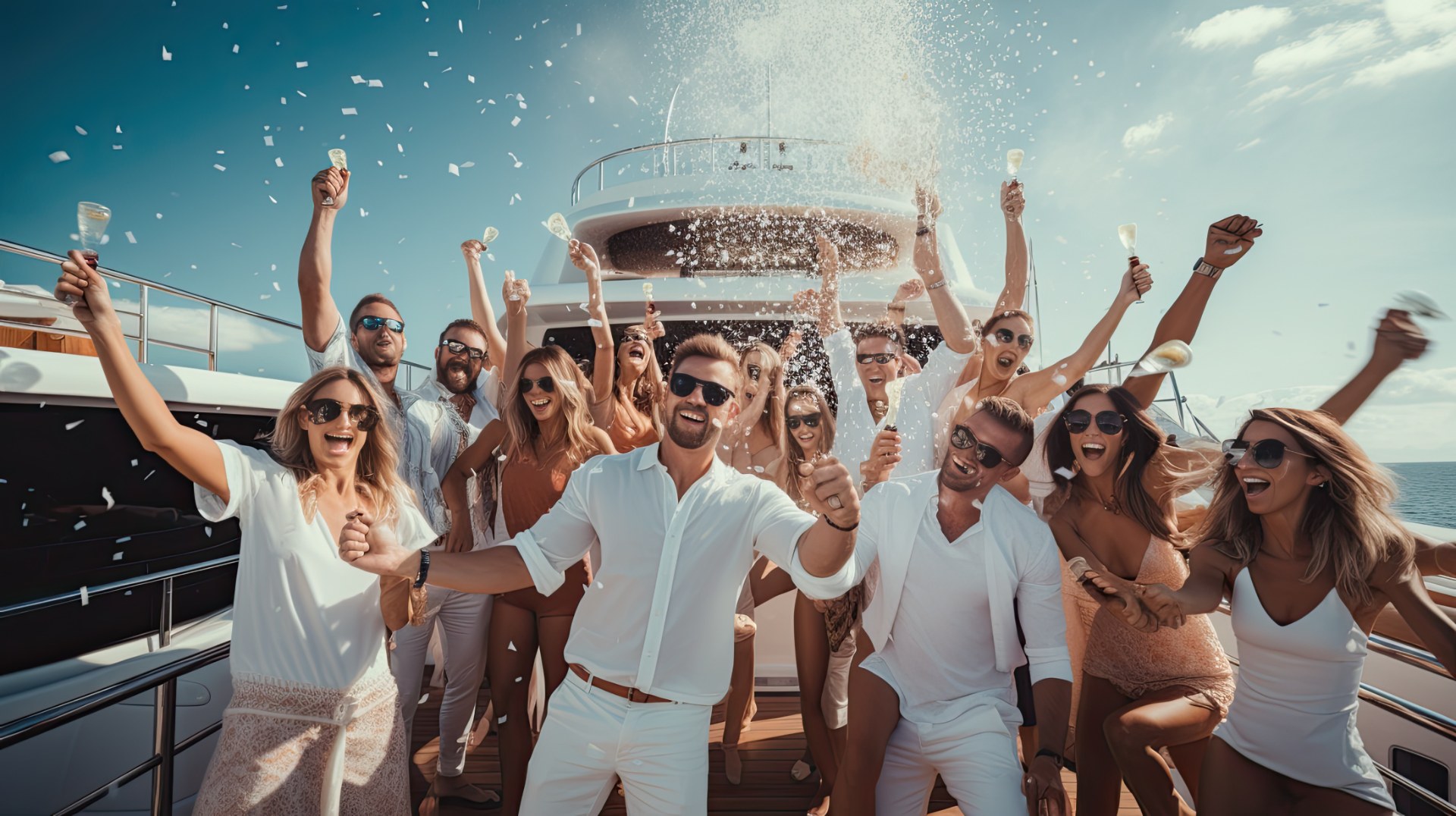
Mainstream mega-ships often skew high-energy—pools, Broadway-style entertainment, family density—though ship-within-a-ship suites can buy quiet. Adult-only brands market nightlife without kids, which is not the same as silent ships—Virgin-style energy can be party-leaning in a modern, club-inflected way.
Premium ocean lines often blend culture and calm—still lively at dinner, but less spring-break flash. Luxury lines can be zen—but sometimes formal evenings create social pressure introverts dislike.
This is why ship class beats logo: two hulls from the same company can feel like different planets.
Itinerary Shapes That Amplify Vibe
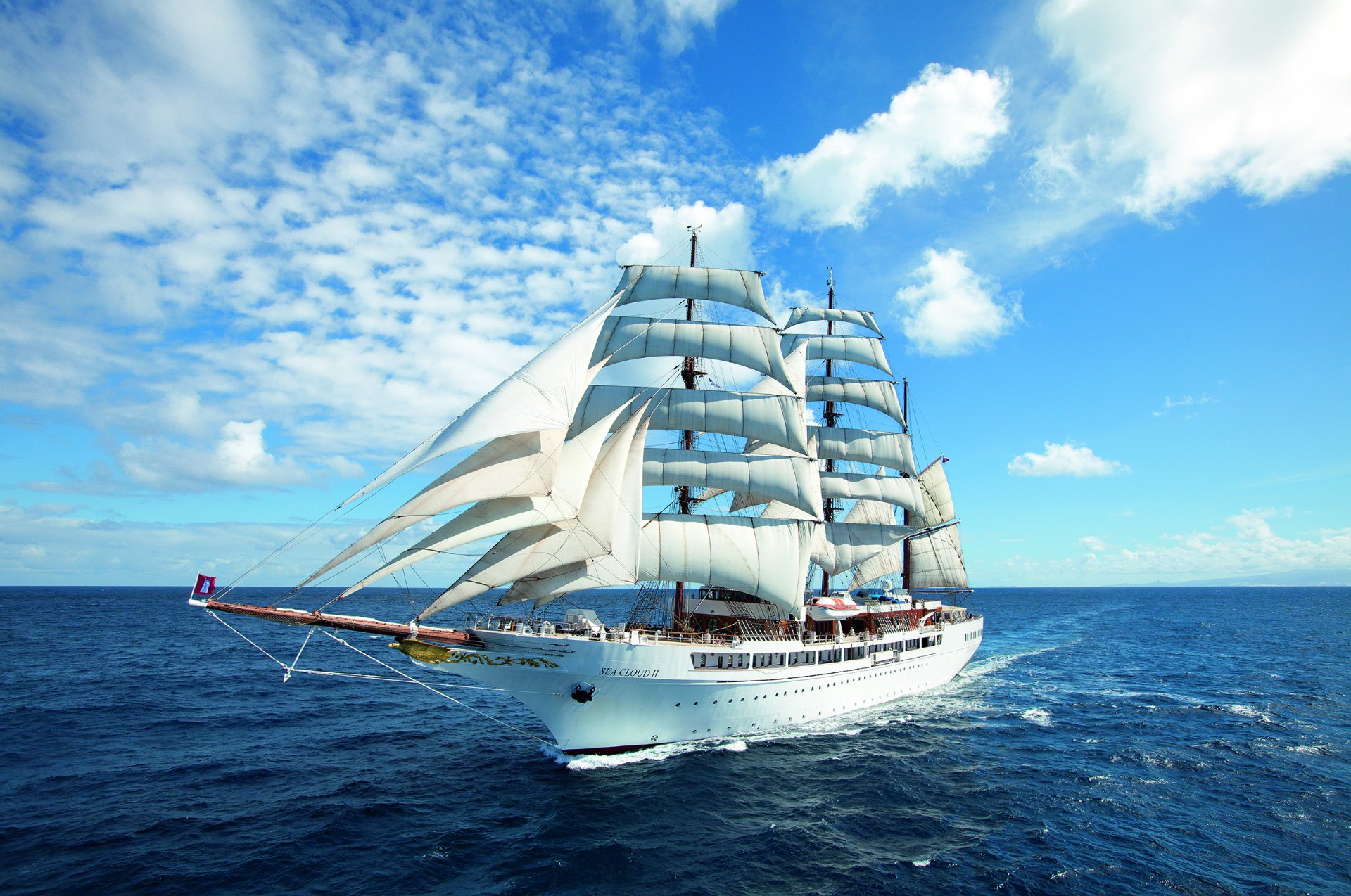
Short Caribbean hops can feel like weekend festival energy—fun if you want it, exhausting if you do not. Longer routes with sea days can feel zen even on bigger ships—if you use quiet venues intentionally. Expedition voyages skew toward lecture and landing rhythms—zen in nature, not spa music.
Use port planning to see whether your itinerary is go-go ashore or slow scenic days—vibe is not only onboard.
Social Reality: Friends, Couples, Solos, and Mismatched Groups
Group trips explode when one friend wants pool deck contests and another wants tea service. Solve it with split days—together for dinner, solo for afternoon—and cabin strategy that respects sleep. Couples benefit from explicit expectations: “We are choosing energy level X for this trip,” not “we will figure it out at sea.”
Watch for guarantee cabins under nightclubs, interior rooms if you need quiet to recover, and itineraries that stack late returns with early ports—fatigue feels like drama. Also watch alcohol math: party culture is expensive when tabs surprise you.
Finding Your Vibe: A Booking Checklist That Actually Works

Step 1: Name your ideal evening—show, quiet drink, dance, sleep. Step 2: Filter ships by adult zones, suite enclaves, music venue placement. Step 3: Read recent reviews for noise threads—persistent mentions are signal. Step 4: Choose itinerary length that matches recovery—three nights hit different than ten. Step 5: Budget off-ship zen: private balconies, spa passes if not included, excursions that avoid megabus stress.
For deeper planning mindsets—how travelers learn preferences over multiple sailings—see SeaDays blog posts after you shortlist lines.
FAQ — Party Ships, Zen Cruises, and Personality Fit
Q1: Can a big ship feel zen? A: Yes—if you choose quiet venues, avoid peak buffet hours, and pick cabin location carefully.
Q2: Are adults-only cruises automatically calm? A: Adults-only removes kid noise, not party culture—verify entertainment style.
Q3: What if my partner and I want opposite vibes? A: Split days, compromise nights, and consider ship sizes with multiple “worlds” onboard.
Q4: Is luxury the only zen option? A: No—premium lines and itinerary choices can deliver calm without luxury pricing—zen is partly behavior, not only fare.
Q5: How do I recover if I booked the wrong vibe? A: Change daily rhythm: room meals, spa, off-peak exploration, excursions that escape crowds—partial fixes beat sulking.
Related Reading & Internal Links

- Compare ship classes and venue mixes on SeaDays ships.
- Align port pace with energy using SeaDays ports.
- Read more travel psychology and cruise culture topics on SeaDays blog.