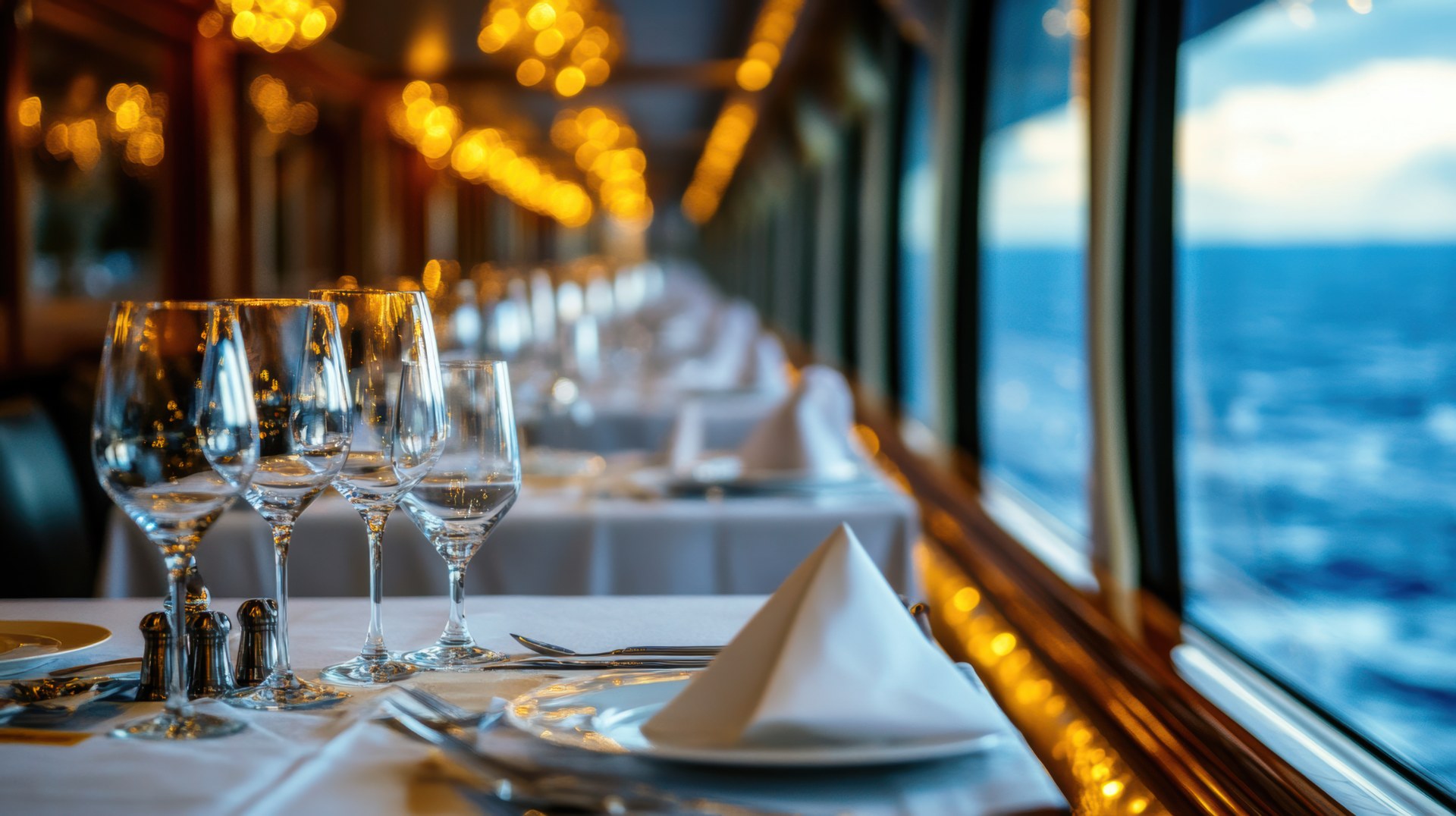
From Fixed Seating to Food Halls and Flex Time
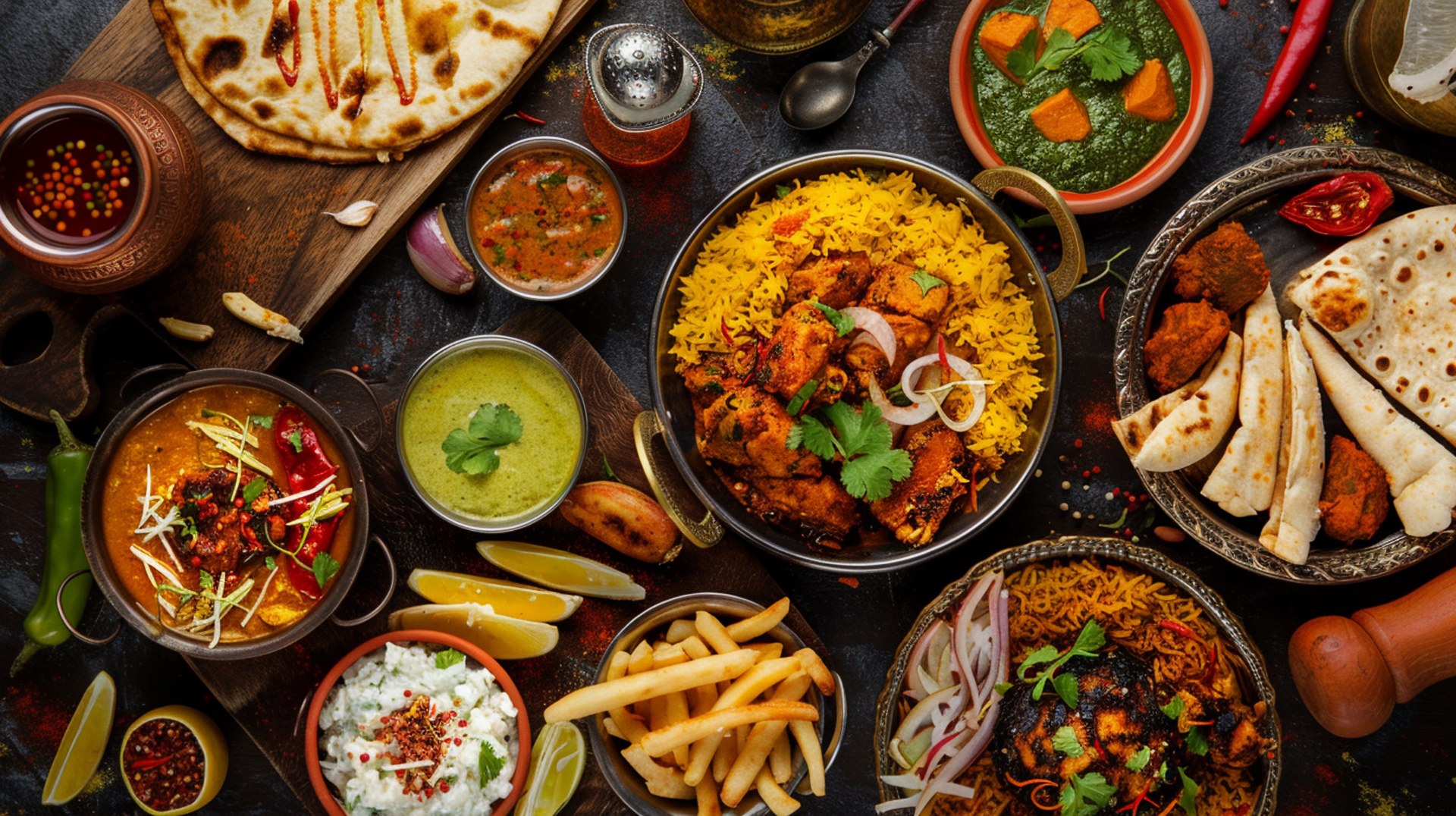
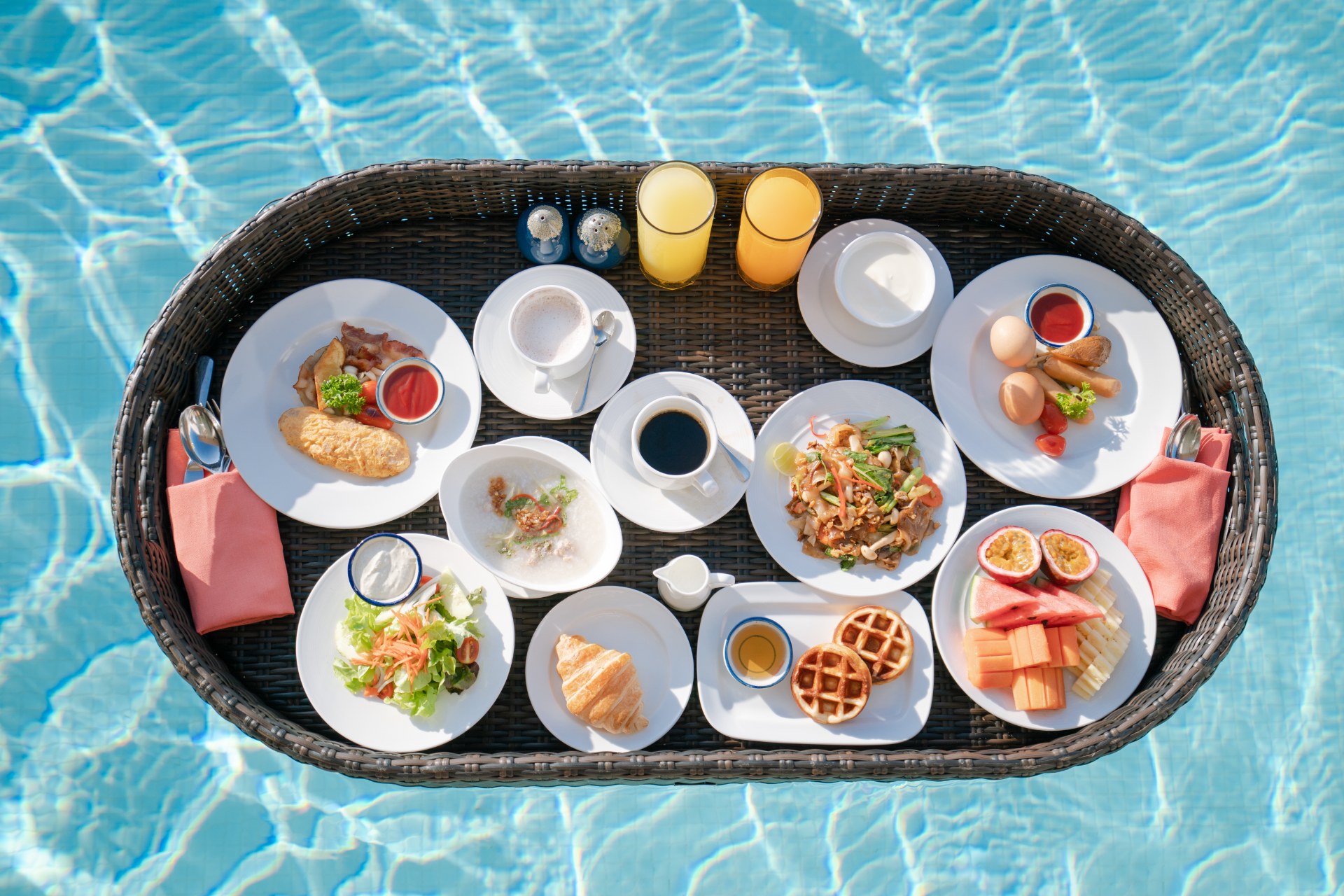
Traditional early/late seating still exists on some lines, but anytime dining, freestyle, and app reservations dominate newer fleets. Food halls (Celebrity’s Eden Café–style concepts, Carnival’s casual venues, NCL’s Indulge) mimic land-based markets with multiple cuisines—great for picky families, chaotic for decision-fatigued travelers.
Specialty Restaurants: Quality, Upcharge, and Booking Wars
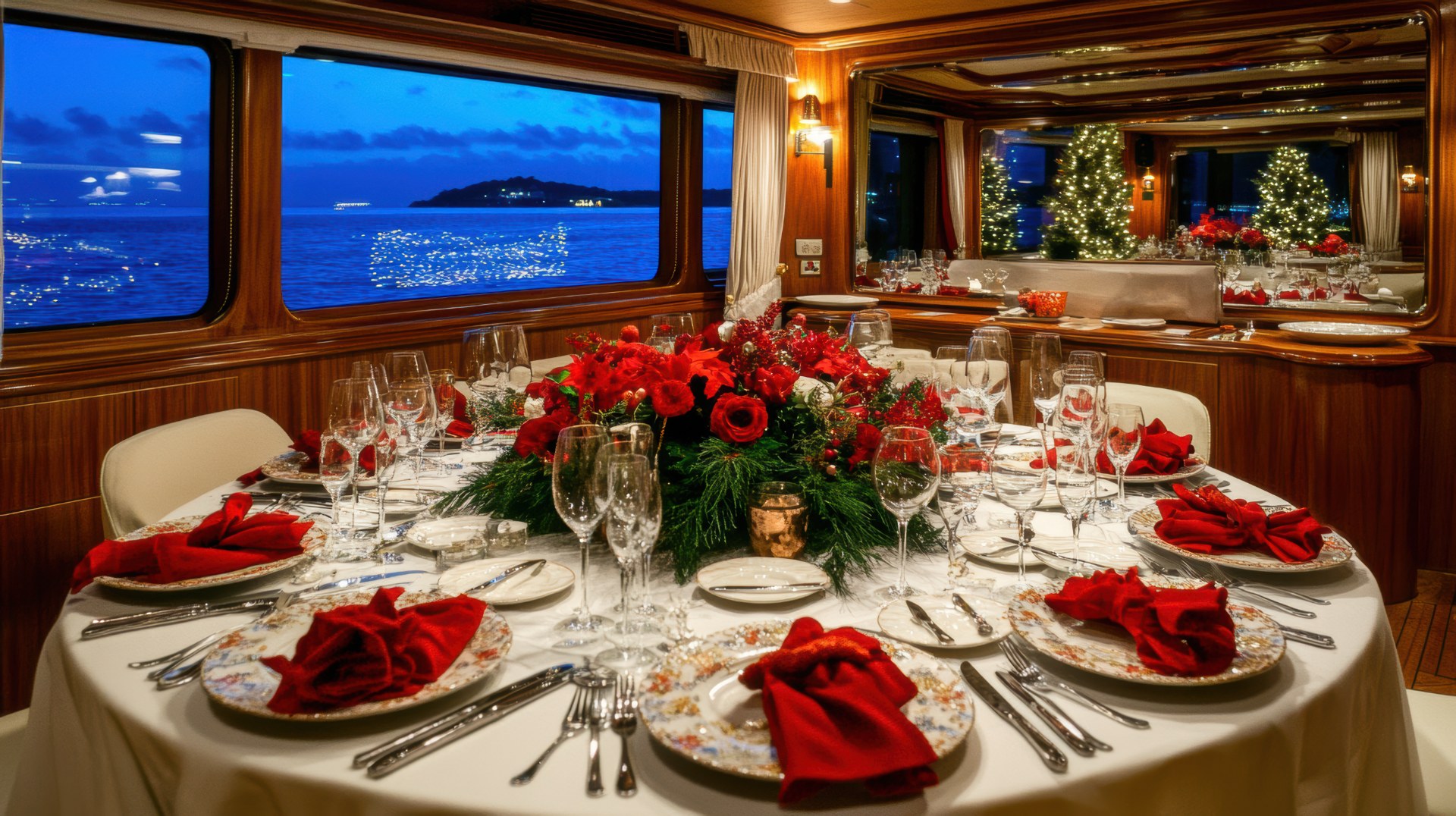
Steakhouses, sushi counters, Italian trattorias, and chef’s tables charge cover fees or à la carte prices—quality often exceeds main dining, but costs stack. Book embarkation day or pre-cruise; peak nights (formal, sea days) fill fastest. Package bundles (three- or five-meal deals) can save money if you would buy them anyway.
Inclusive Luxury vs Nickel-and-Dime Mass Market
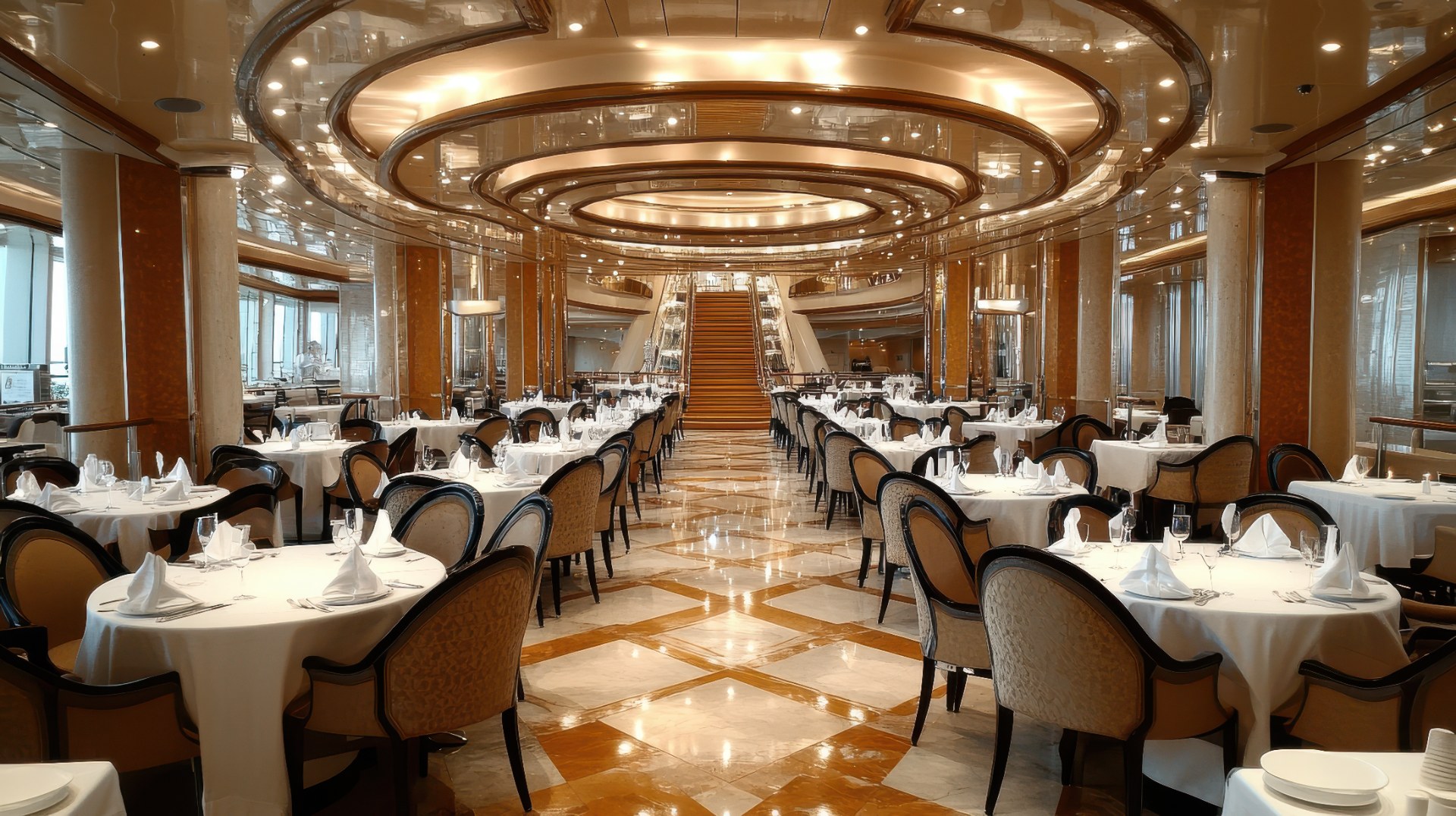
Luxury and ultra-luxury lines fold specialty dining into fares—simpler math, higher upfront price. Mass-market lines advertise low fares then upsell—track total spend. All-inclusive drink packages pair well with dining packages only if you consume enough to break even—model it honestly.
Dietary Needs: Vegan, Gluten-Free, Allergies, and Religious Diets
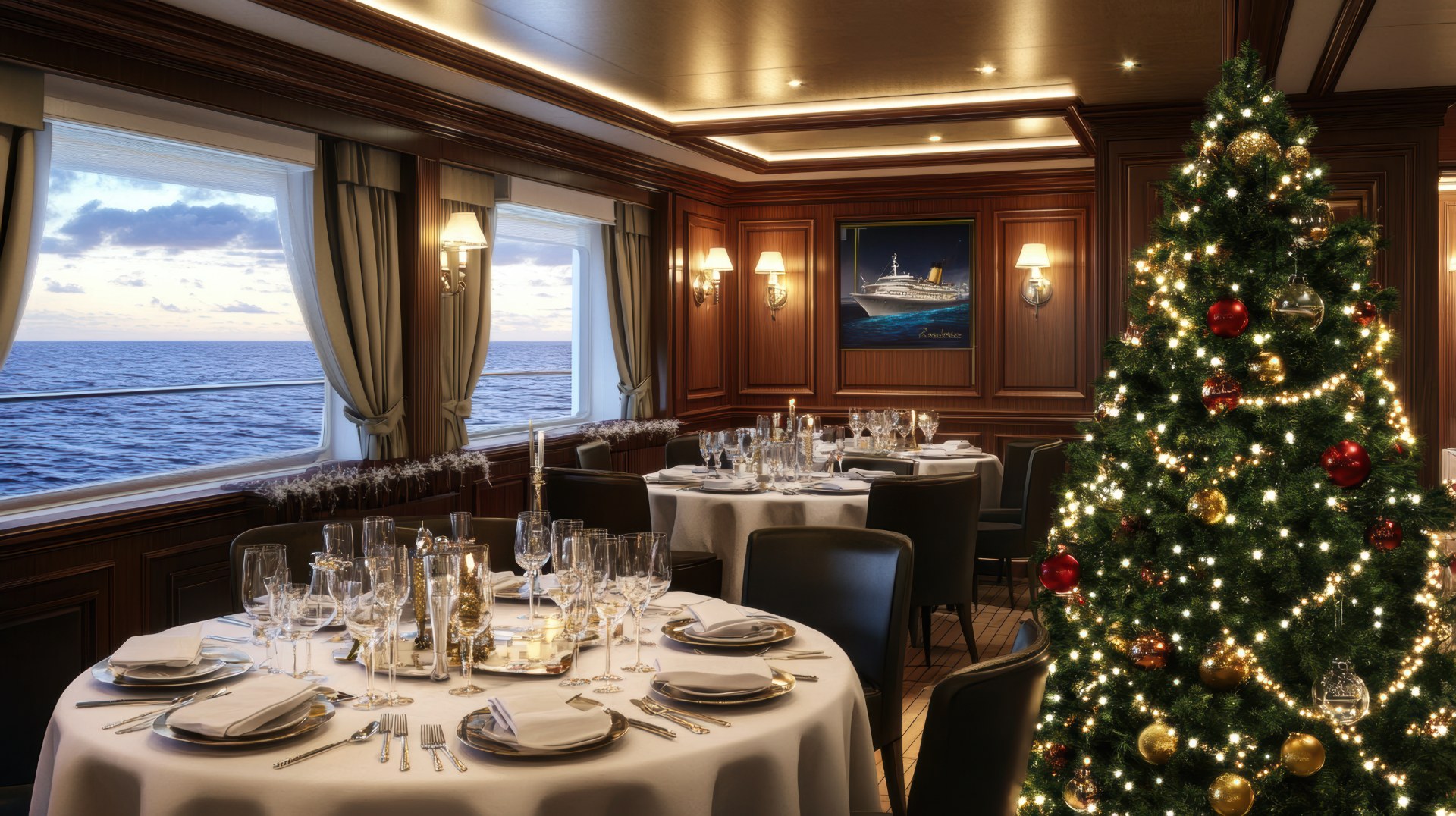
Major lines train kitchens on allergen protocols—notify the line weeks ahead and confirm embarkation day. Vegan options expanded dramatically—beyond salad, expect plant proteins and dairy-free desserts on many ships. Kosher and halal require advance planning; some lines offer pre-ordered meals or limited daily selections.
Spa cafés and lighter menus address guests who want indulgence without regret—still read portions; cruise calories add fast. Some lines publish nutritional info in apps—use it if tracking matters.
Technology: Apps, Kiosks, and QR Menus
Order-ahead apps reduce buffet lines; QR codes link to menus in specialty venues. Older guests may prefer human hosts—lines still staff maitre d’ desks—ask for help if apps frustrate.
Crew Labor and Fair Kitchen Culture
Behind every tasting menu is an understaffed galley on sea days—tip according to policy, say thank you by name, and avoid sending food back for ego reasons. Sustainable dining includes sustainable labor respect.
Port Days vs Sea Days for Dining Strategy
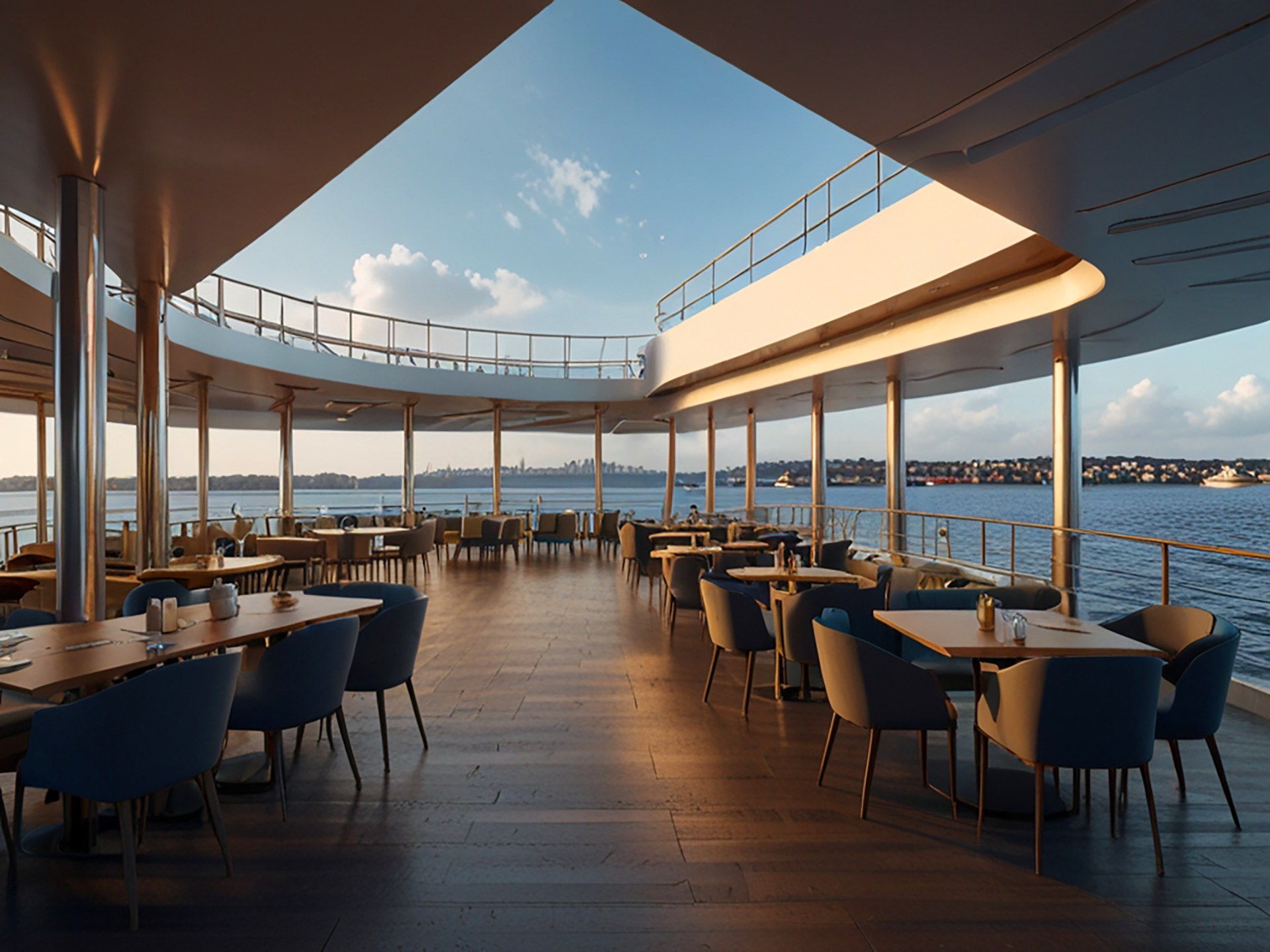
Port days: light breakfast, big local lunch ashore, light ship dinner—saves money and calories. Sea days: specialty lunch or chef’s table dinner—when you have time to linger. Balance so you never sprint from appetizer to show curtain.
More robotics in galleys for consistency, local ingredient sourcing in homeports, carbon-labeled menus on eco-forward brands, deeper plant-based defaults in main dining. Watch luxury expedition lines for field-to-table storytelling.
How to Eat Well Without Missing the Cruise
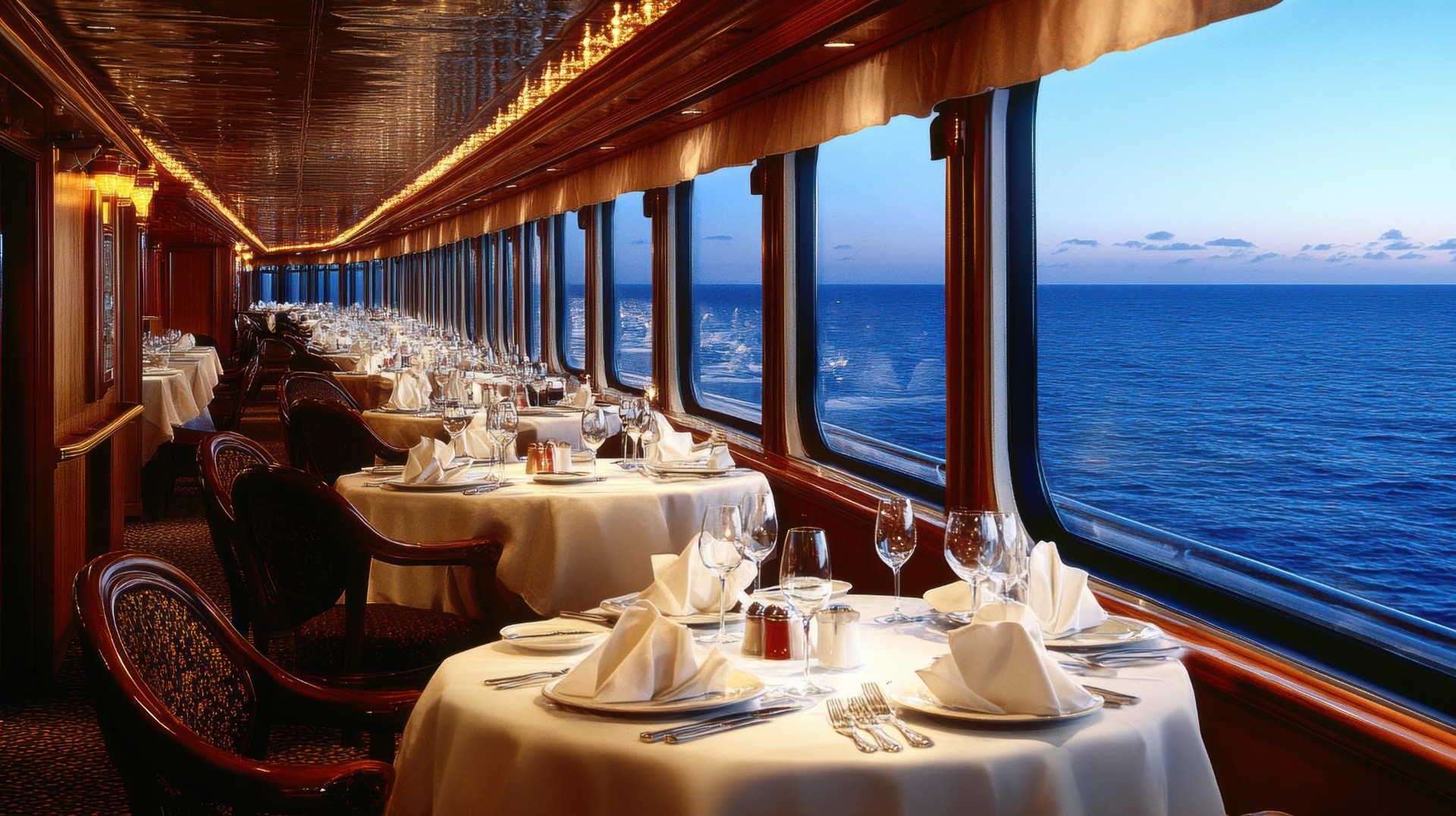
Pick your splurge venues early in the week, leave one night flexible for spontaneous invites, and remember the best meal might be sunset pizza on deck with people you just met—dining trends matter, but connection still defines the trip.