First Cruises Don't Have to Be Stressful

Cruising is one of the easiest ways to travel—once you know the basics. The cruise line handles lodging, meals, and transportation between destinations. Cruise travel is designed to be hassle-free.
Your job is to show up, relax, and enjoy. A few key first-time cruise tips will set you up for success and help you avoid common cruise passenger mistakes. By day two, you'll feel like a pro. Cruise planning for first-timers starts with these essentials.
Before You Book: Cruise Planning Basics

Research cruise lines and ships. Not all cruises are the same. Family cruises, adult-only cruises, luxury cruises—each offers different vibes. Cruise reviews and cruise community forums help. Match the cruise to your style.
Understand what's included. Cruise fares typically include meals, basic drinks, cruise ship entertainment, and accommodation. Excursions, cruise drink packages, spa, and specialty dining cost extra. Cruise budget accordingly.
Check passport and visa requirements. Some cruise itineraries require 6+ months passport validity. Cruise travel to certain regions needs visas. Cruise planning includes paperwork.
Pre-Cruise: Packing and Documents

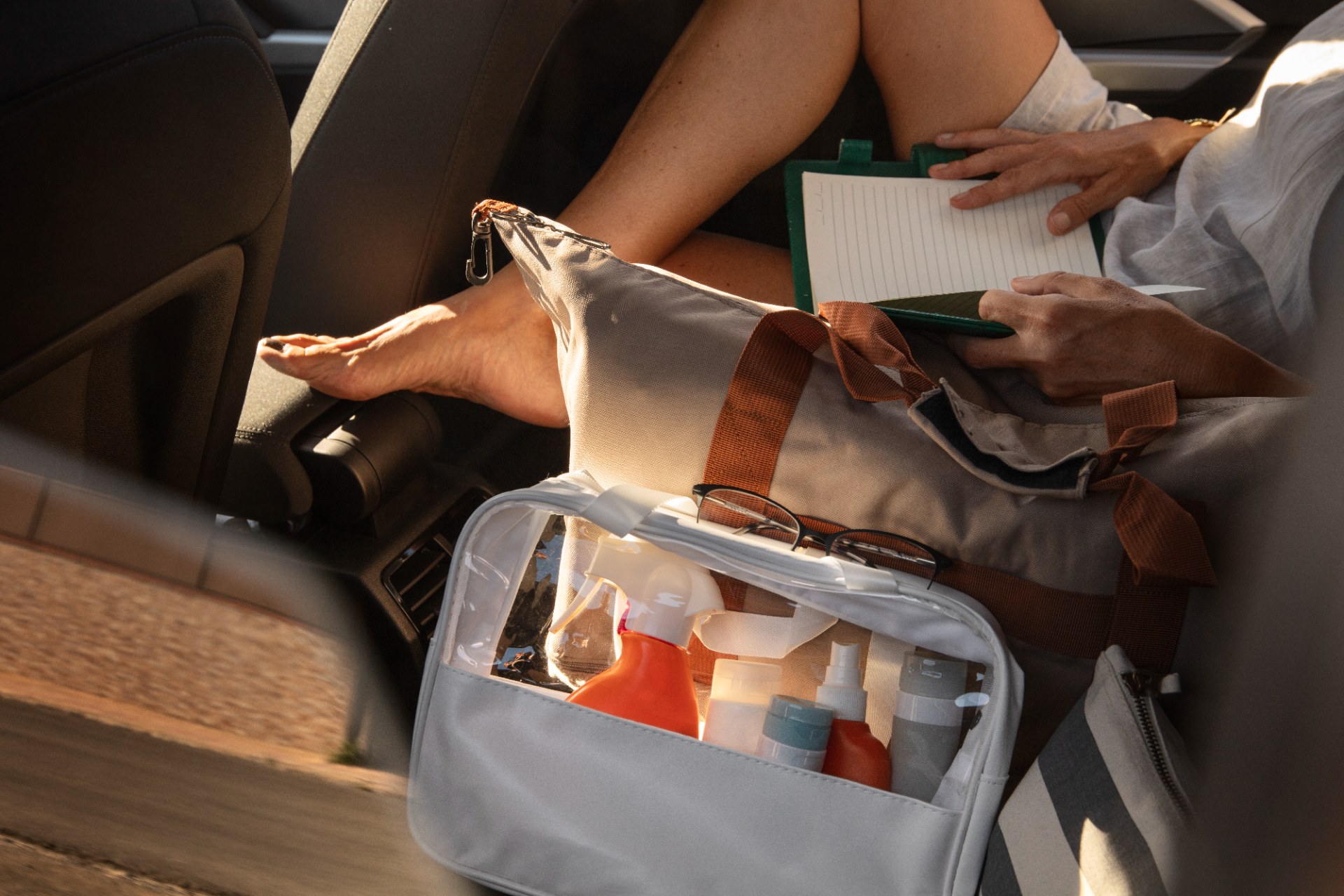
Pack a carry-on with essentials: meds, documents, swimsuit, change of clothes. Cruise cabin luggage delivery can be delayed. Be prepared for the first few hours. Cruise packing list tip: never put meds in checked bags.
Complete online check-in before you leave home. It saves time at the terminal. Do it as soon as it opens. Cruise tips: print or screenshot your boarding pass.
Arrive the day before if you're flying to the embarkation port. Flight delays can make you miss the ship. It's not worth the risk. Cruise travel 101.
Embarkation Day: First-Time Cruise Tips

Attend the muster drill. It's mandatory and important for cruise ship safety. Pay attention. Know your muster station. Cruise lines take this seriously.
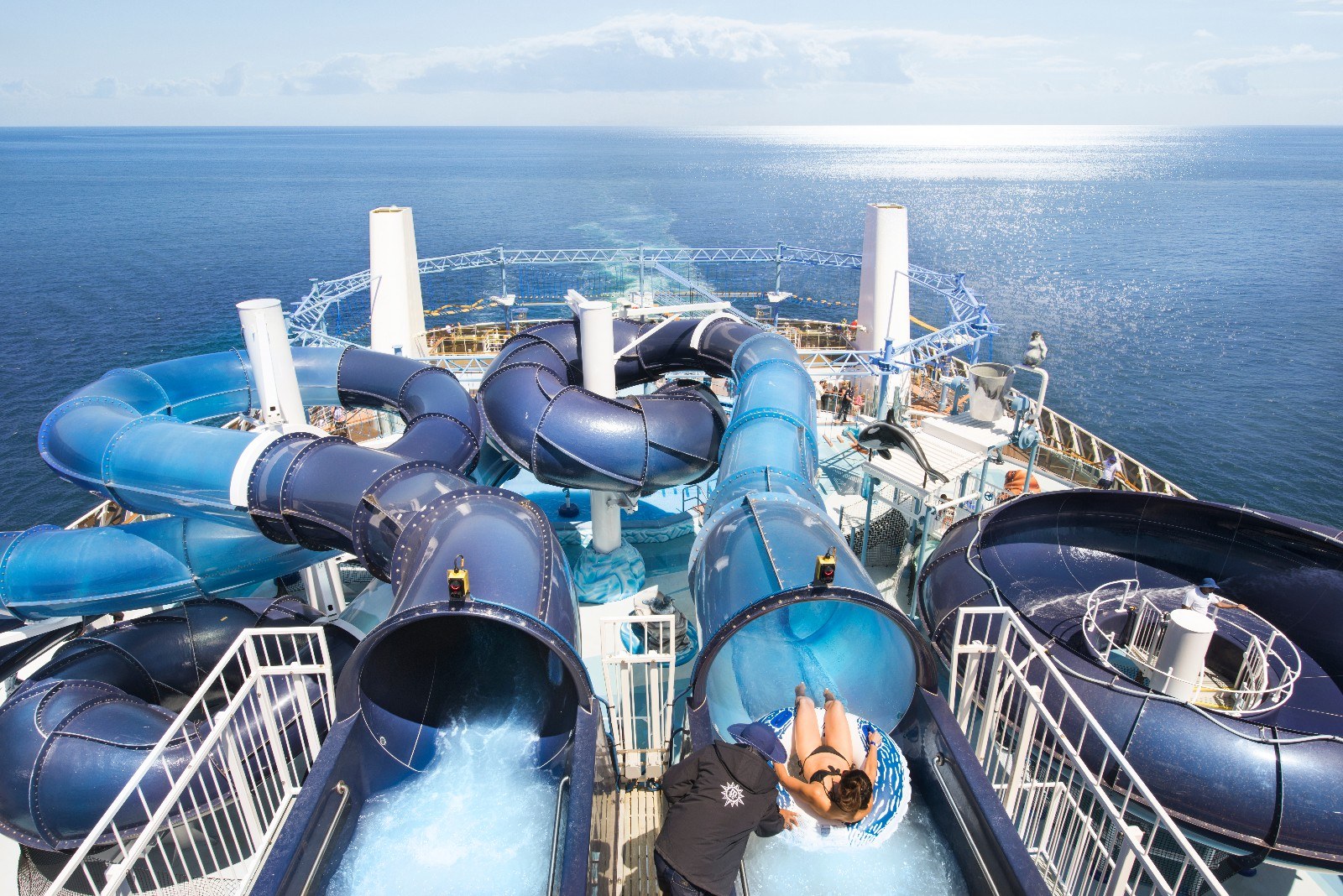
Explore the ship on day one. Find the main dining room, buffet, pool, and your cruise cabin's location. You'll thank yourself later. Cruise ships can be confusing—get oriented early.
Read the daily newsletter. It has everything you need for the next day: port times, all-aboard time, cruise ship entertainment, dining hours. Make it a habit. Cruise itinerary details change daily.
Budget and Expectations

Budget for gratuities. They're often automatic but add up. Plan for $15–20 per person per day on many cruise lines. Cruise costs include this. Cruise budget tip: factor it in upfront.
Don't overbook. Leave time to relax. You can't do everything. Sea days and port days both deserve downtime. Cruise tips from veterans: less is more.
A cruise planner app helps you track your cruise itinerary, cruise packing list, and important times. It's especially useful for first-timers who want to stay organized without stress.
By the end of your first cruise, you'll have your own cruise tips to share—and you'll probably already be planning the next one. Cruise travel is addictive.