Why Miami Dominates Cruise Volume
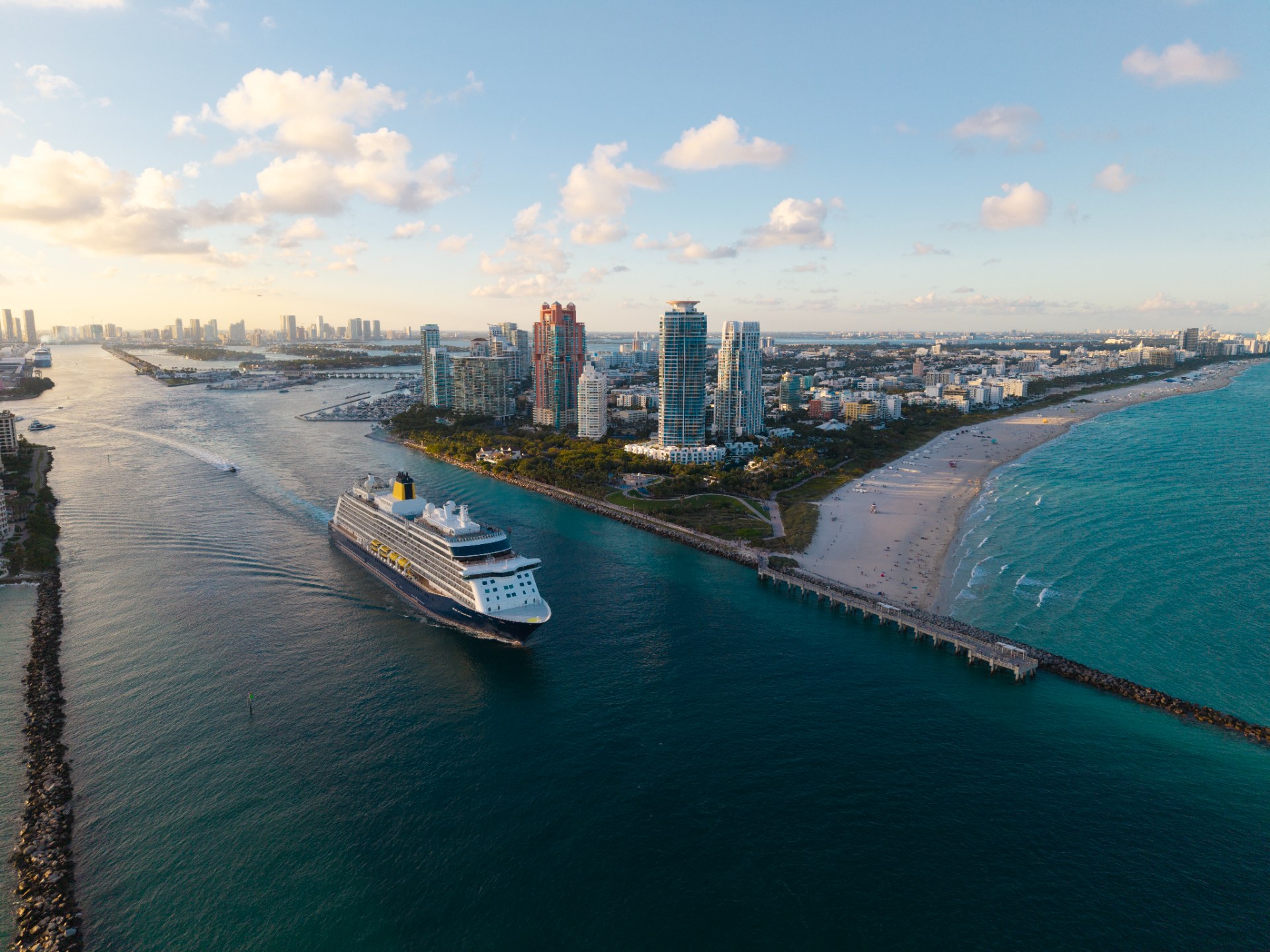
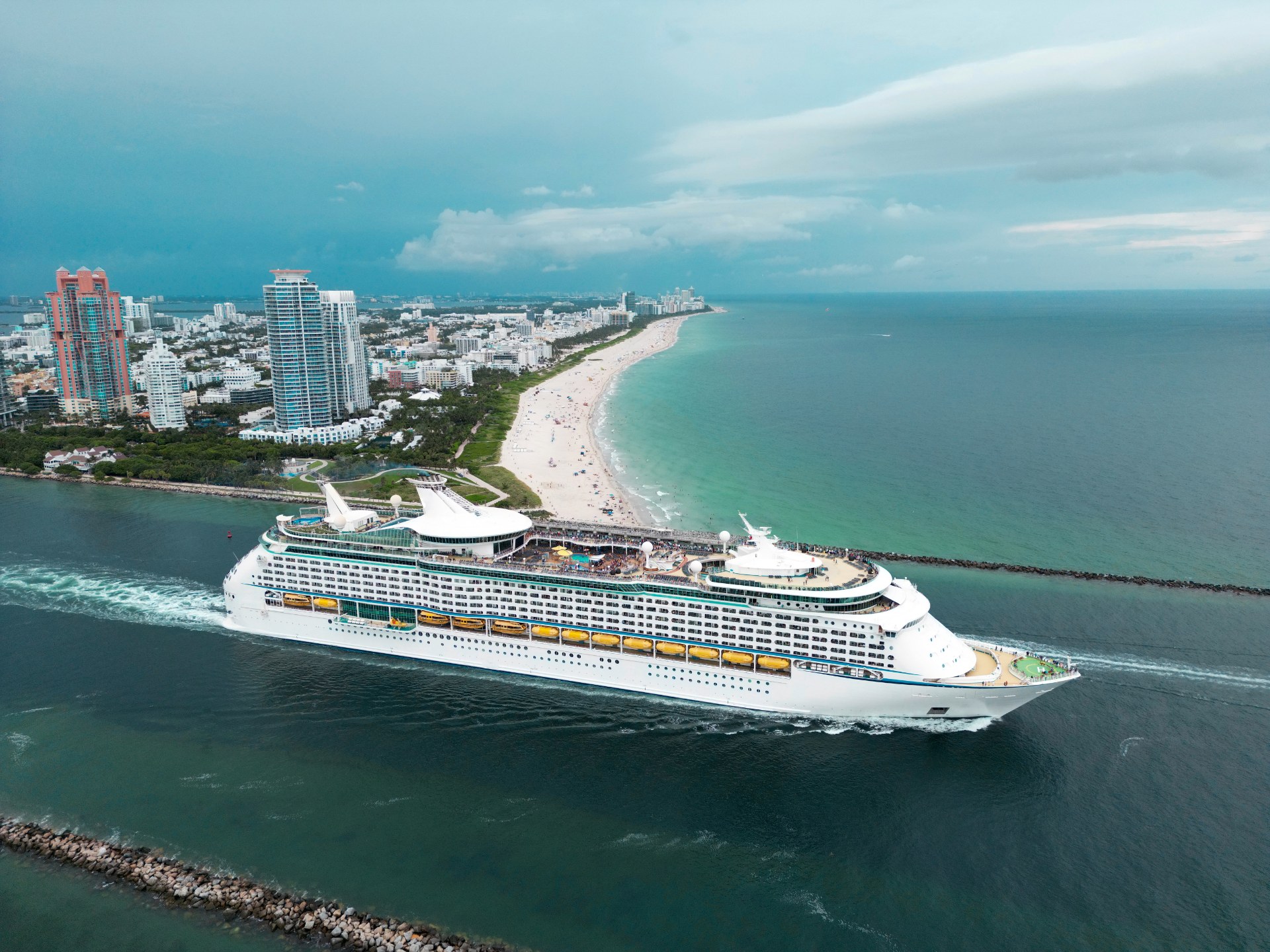
PortMiami sits on Biscayne Bay with modern terminals serving Royal Caribbean, Carnival, Norwegian, MSC, Virgin, Disney, and others. Proximity to Miami International Airport (MIA) and Fort Lauderdale (FLL) creates competitive air fares and frequent connections—critical for international fly-cruise guests.
Hotel density in Downtown Miami, Brickell, South Beach, and airport corridors supports pre-cruise stays ranging from budget chains to luxury towers. Cruise capital status also means traffic pinch points and peak season crowds at security and check-in.
Terminal Experience and Embarkation

Newer terminals (Royal Caribbean’s facilities, Virgin, MSC partnerships) feature biometric options, spacious queues, and clear signage. Older berths can feel tighter on simultaneous turnaround days.
Arrive inside your assigned window—early arrival may wait. Priority boarding via loyalty or suite status reduces stress. Parking garages and third-party lots exist; compare weekly rates vs ride-share drop-offs.
Transportation: Airports, Trains, and Roads

MIA to port rides range 15–45 minutes traffic-dependent. Brightline rail connects Miami stations to Fort Lauderdale and West Palm—useful for split city stays. FLL cruisers should budget extra transfer time or choose Port Everglades sailings to minimize cross-town risk.
I-95 and Dolphin Expressway congestion spike weekday rush—morning embarkation planning should include buffers.
Pre- and Post-Cruise Stays

South Beach delivers Art Deco iconography and nightlife; Brickell fits business travelers; Wynwood murals reward half-day art walks. Everglades airboat tours require half-day minimum—tight flight windows may exclude them.
Keys extensions (Key West, Islamorada) need overnights—same-day pre-cruise risky.
Comparing Miami to Nearby Alternatives
Fort Lauderdale (Port Everglades) mirrors many strengths with slightly different driving patterns—choose based on airfare and line homeport. Port Canaveral suits Orlando flyers and theme park add-ons. Tampa and Jacksonville serve niche itineraries.
“Best” hub = lowest total trip friction (flights + transfers + terminal comfort), not logo alone.
Port Miami remains top-tier for choice, air access, and vibrant pre-cruise culture. Pain points are urban traffic and peak crowds—mitigate with timing, loyalty perks, and realistic transfer buffers. For many travelers, yes, it is functionally the best Caribbean embarkation point—if logistics align.
Cruise Lines, Terminals, and Turnaround Logistics
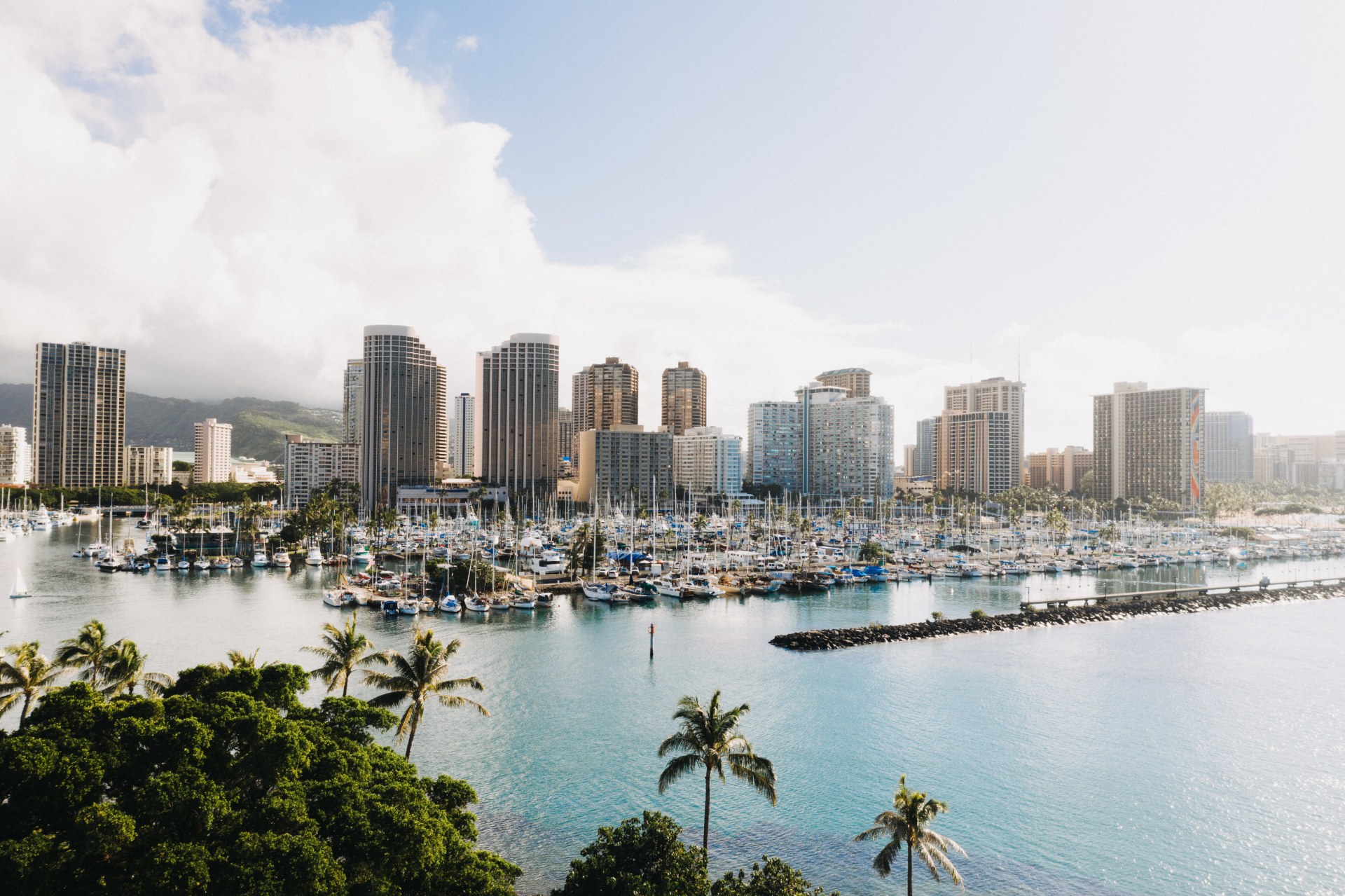
Royal Caribbean, Carnival, Norwegian, MSC, Virgin, Disney, and others allocate dedicated terminals or shared facilities with branded check-in experiences. Simultaneous mega-ship turnarounds stress road networks around Biscayne Bay—Uber surge pricing spikes embarkation morning. Consider water taxi or hotel shuttles where they reduce unknowns.
Luggage tags and digital apps speed flow, but still arrive inside your assigned window—early guests queue without gaining boarding priority unless status allows.
Hotels, Neighborhoods, and Multi-Day Staging
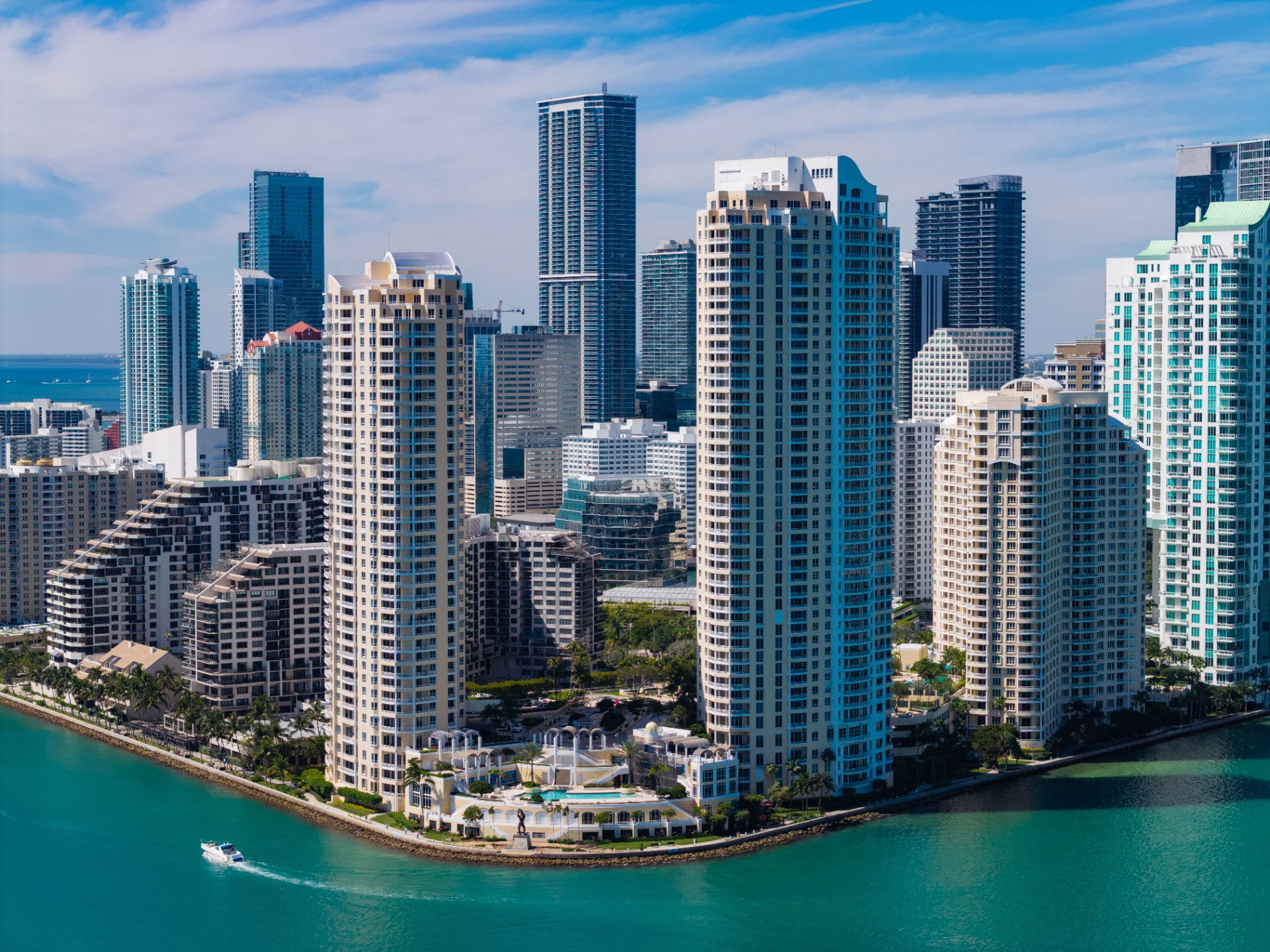
Brickell and Downtown hotels position business travelers close to port bridges; South Beach delivers Art Deco walks but adds beach traffic on weekends. Miami Springs near MIA suits late arrivals before morning embarkation. Family pools and suite kitchenettes reduce pre-cruise restaurant costs when feeding kids after flights.
Post-Cruise Flights and Disembarkation Morning
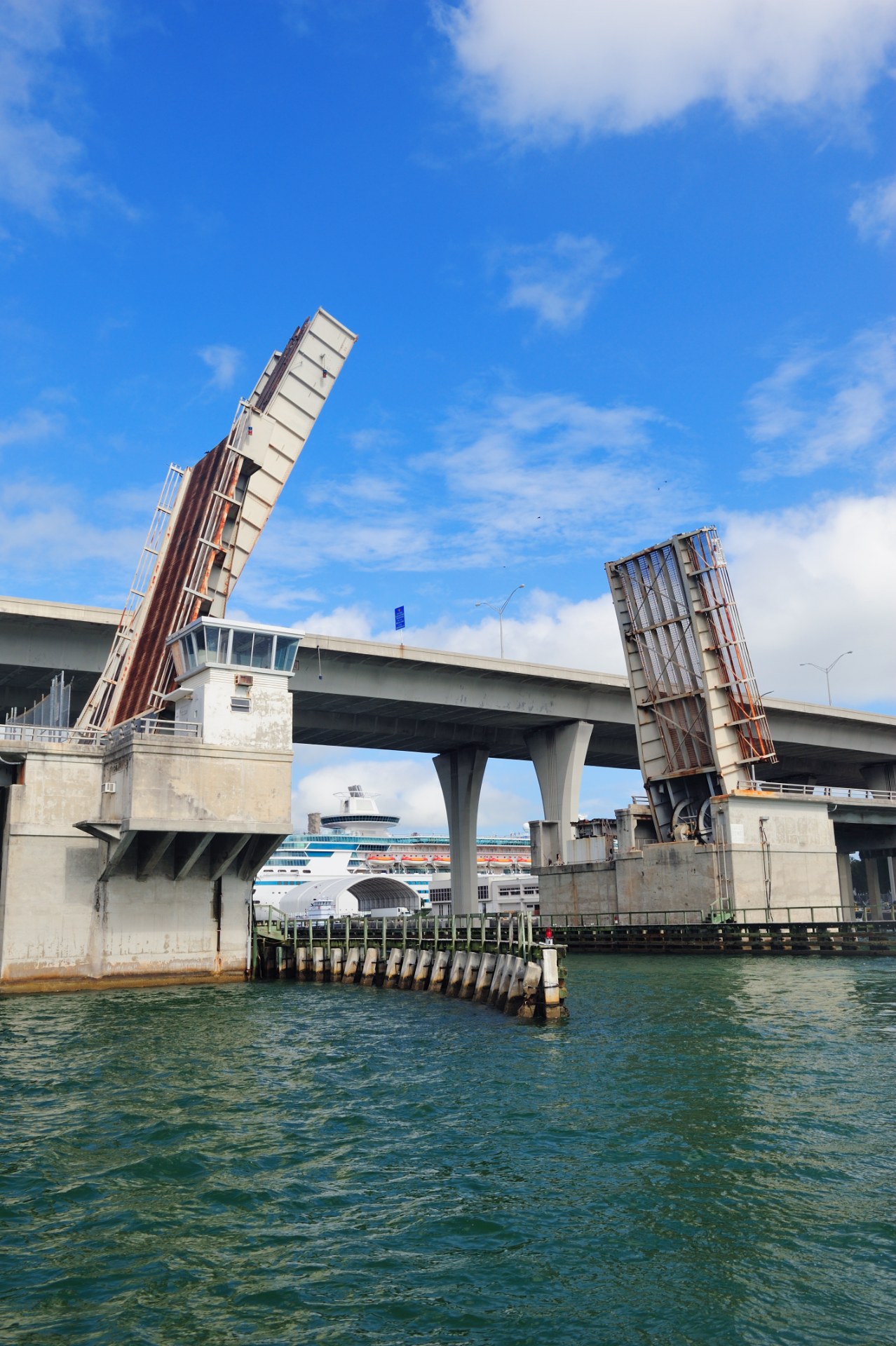
Self-assist walk-off versus checked luggage delivery changes how early you can reach MIA or FLL. Book flights noon or later unless you enjoy sprinting through customs. Global Entry speeds re-entry when returning from international segments that start in Miami.
Port Everglades (Fort Lauderdale), Port Canaveral, Tampa, and Galveston each trade different air markets and itinerary menus. Pick the port whose total door-to-gangway cost and time score best for your crew—Miami wins on raw choice, not on every individual metric.
Weather, Hurricanes, and Seasonal Strategy
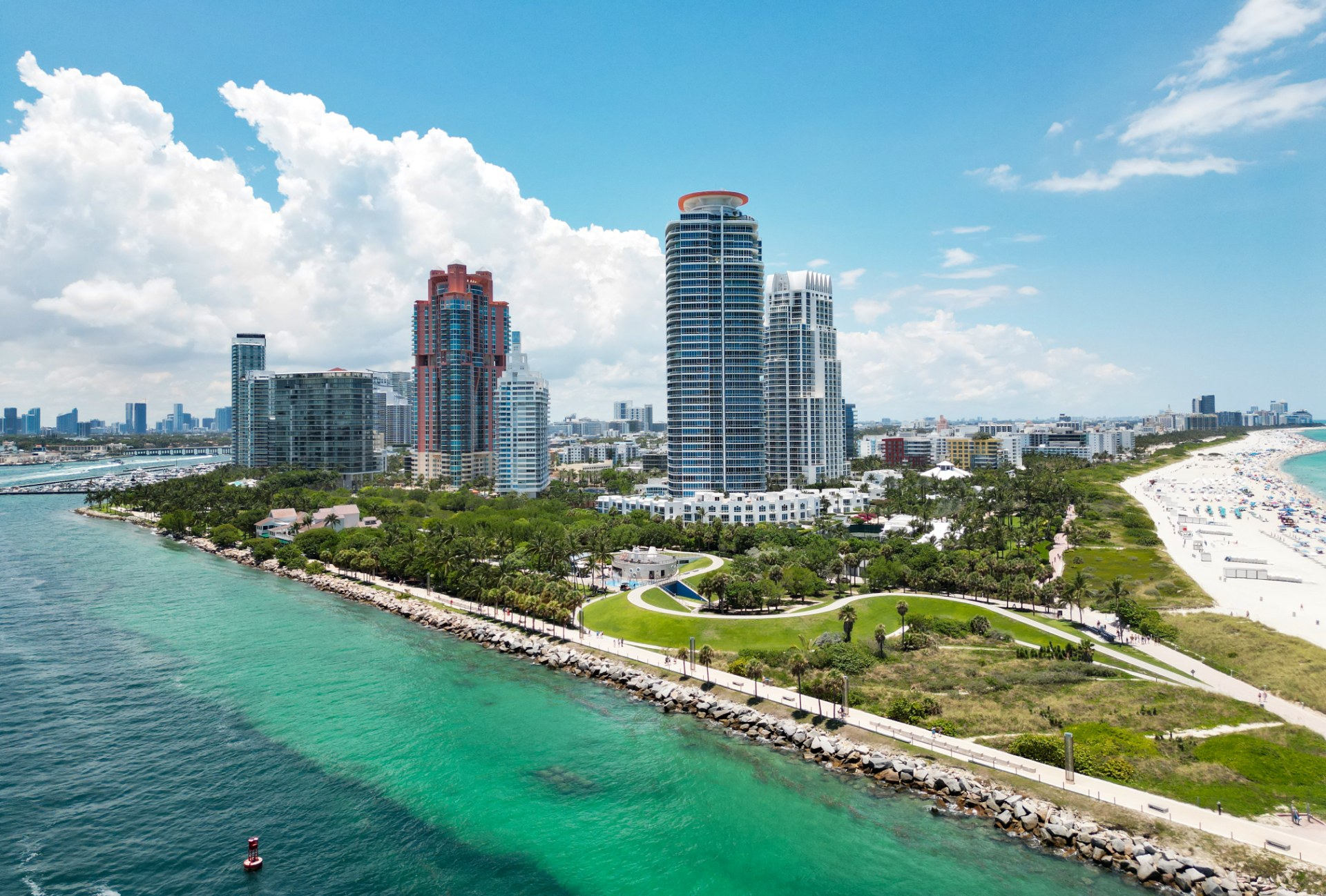
Miami embarkation runs year-round, but hurricane season (June–November) can reshape itineraries with little notice. Travel insurance covers some trip interruption scenarios when policies are well chosen—read named peril lists. Summer heat and humidity hit hard on open piers—hydrate before security lines in August. Winter cold fronts sometimes chill Florida more than new cruisers expect—pack a light jacket for evening deck watch even in January.
Parking, Ride Share, and Accessibility

Official port garages and third-party lots compete on weekly rates—compare Uber surge pricing against parking if you drive from nearby states. Accessible drop-off zones exist but require coordination with your line; call guest services ahead if you need wheelchair escort through terminals.
Business Travelers and Bleisure Extensions

Miami excels when you combine a cruise with a short work trip—Brickell hotels offer meeting rooms and fast WiFi before you board. Schedule buffer days between conferences and gangway times so flight delays don’t turn into missed ship scenarios.
Best for choice, frequency, and air lift—yes, often. Best for every traveler—no. Model your total trip costs, stress points, and pre-cruise preferences honestly. If Miami fits, lean into its energy; if not, another Florida port or Galveston might feel calmer even if the marketing headlines are quieter.
Logistics Math — Sample Door-to-Gangway Time Budgets

From MIA to PortMiami in light traffic, budget 45–90 minutes from baggage claim to terminal door including wait times. From FLL, add 30–60 minutes depending on I-95 mood. From downtown hotels, Uber may beat parking stress even when parking looks cheaper on paper—factor toll stress and walking distance in heat.
Group Travel, Weddings, and Corporate Charters
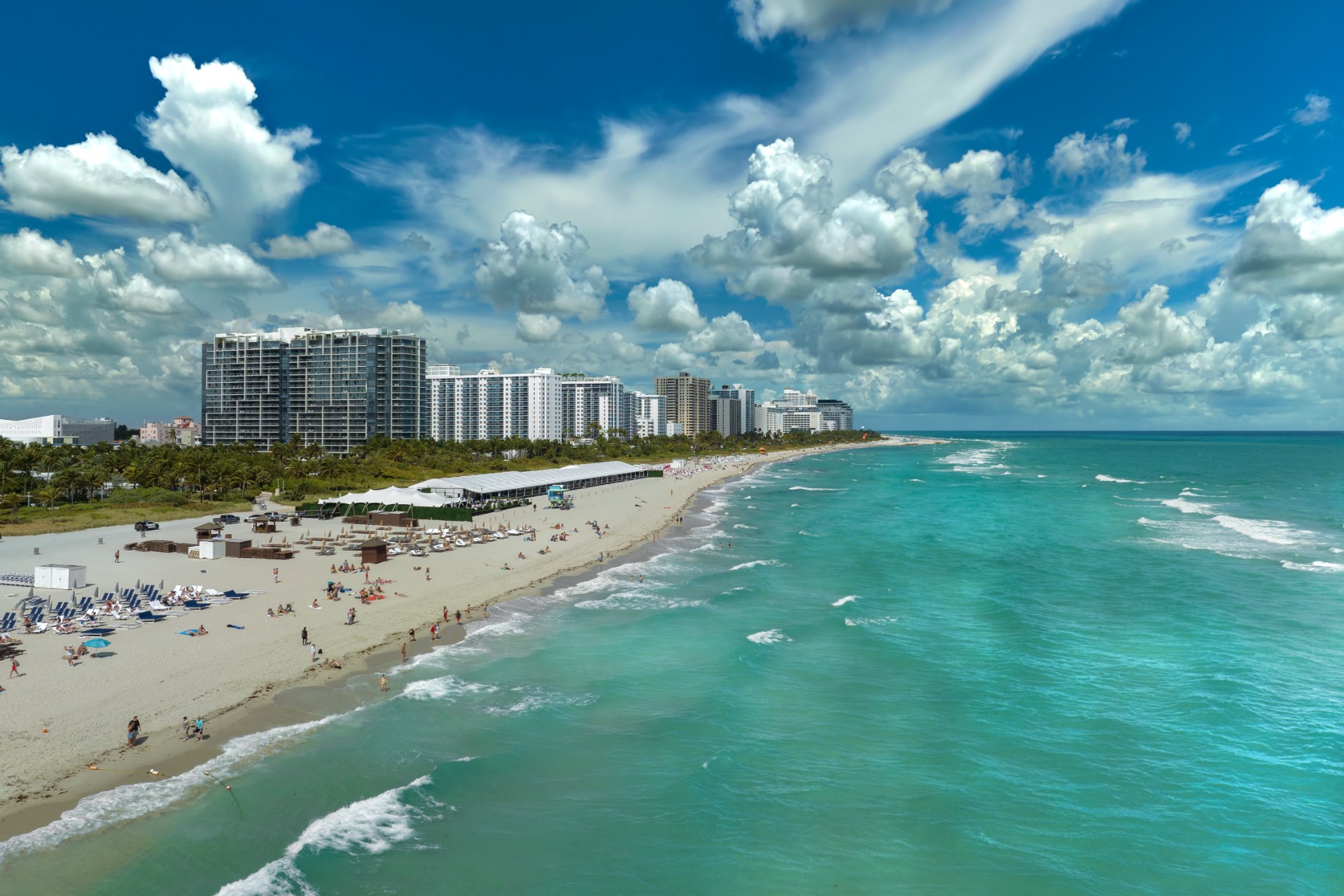
Miami hosts large groups well when you coordinate embarkation windows and luggage tags early. Wedding parties should confirm photography rules on piers and assign a point person for late guests. Corporate incentives often bundle hotel blocks; verify which terminal your line uses before printing signage.
Environmental and Local Community Context
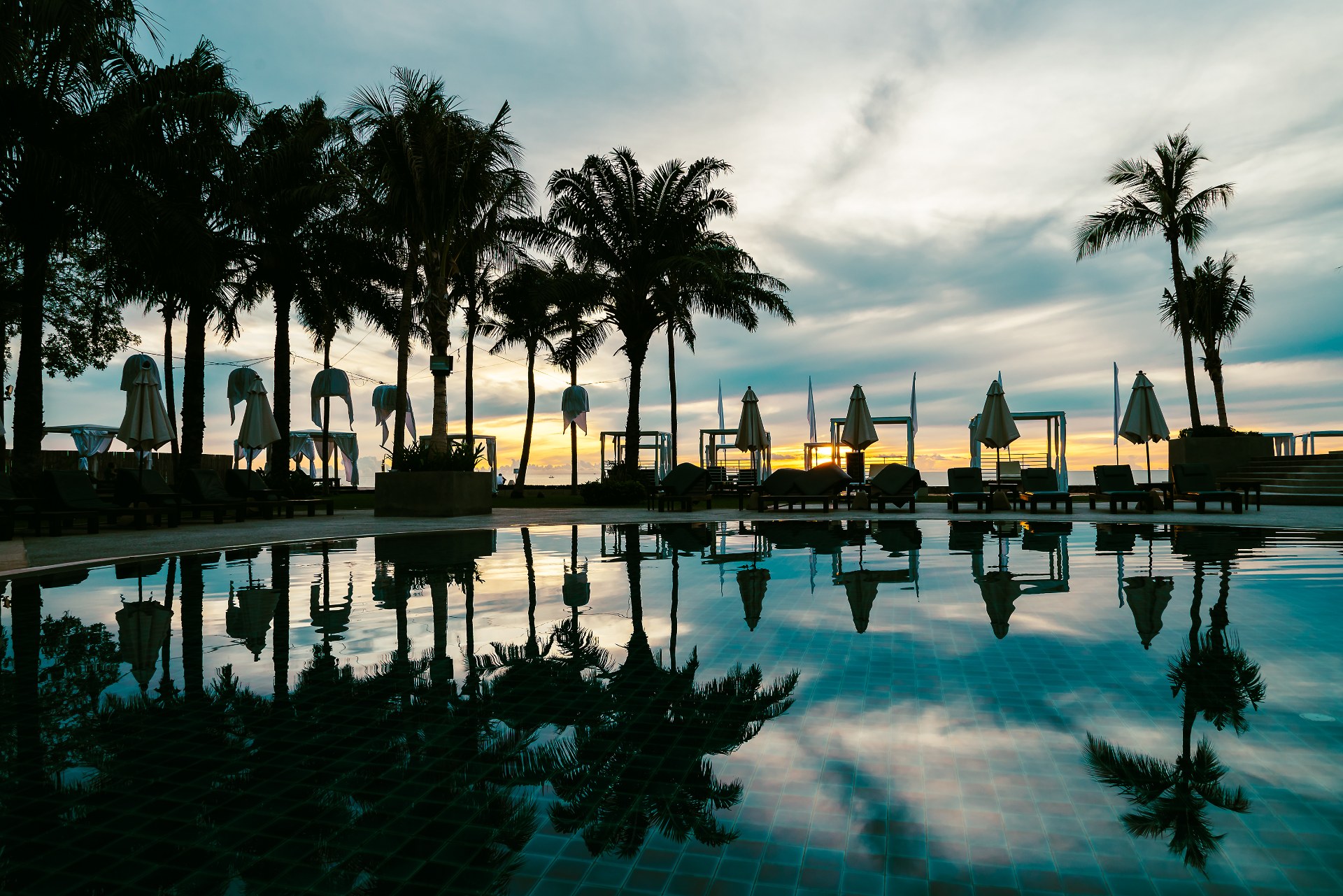
Port cities balance tourism jobs with noise and emissions from ships and trucks. Choose shore excursions that pay fair wages and avoid wildlife harm—your spending signals what should grow. Walking tours and local restaurants reduce bus idling while deepening cultural connection.
Flights confirmed? Hotel nights buffered? Parking or ride-share decided? Terminal known? Travel documents valid? Insurance purchased? If yes, Miami embarkation often feels like a festival with a gangway—enjoy the energy.
Miami as a hub — the full picture in plain language
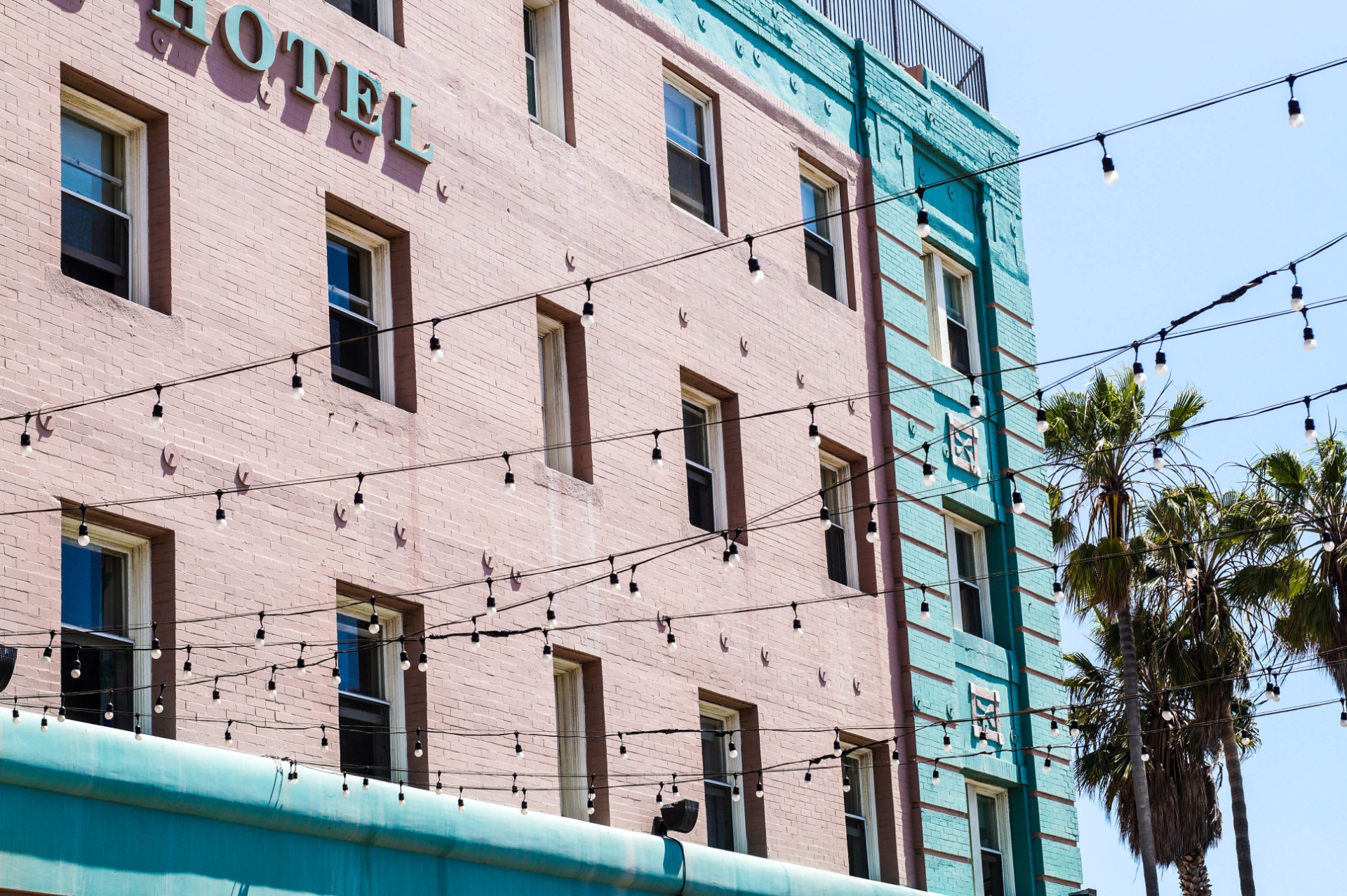
Miami works because it matches massive air lift with massive ship variety. You can fly economy from hundreds of cities, take a short ride to the port, and board a ship that matches your budget tier from value to suite luxury. Friction is urban and real: traffic, heat, crowds, and occasional terminal confusion when multiple mega-ships turn around the same morning. Mitigation is also real: time buffers, loyalty perks, clear terminal maps, and prepaid transfers when stress runs high.
Compare to other hubs honestly. Fort Lauderdale suits some air markets better; Port Canaveral pairs with Orlando tourism; Galveston serves central U.S. drive markets; Tampa and Jacksonville offer quieter embarkations with fewer itinerary choices. Miami wins on breadth, not on every individual metric. Pick the port that minimizes your specific friction points—distance to family, flight price, hotel cost, and parking stress.
Pre-cruise culture matters too. Miami delivers Art Deco, Cuban sandwiches, Wynwood murals, and beach walks if you arrive early. That softens embarkation anxiety and turns logistics into vacation before the gangway. If you skip that buffer, you may only see Miami through taxi windows—still pretty, but not the same as a slow coffee on a shaded terrace.
Environmental questions are valid too. Ports and ships keep investing in shore power, cleaner fuels, and waste management—progress is uneven but real. Your choices matter on the margin: shorter excursions with less idling, local guides who live year-round in destination communities, and respect for wildlife when snorkeling or swimming. None of that requires perfection—it requires caring enough to try.
Final verdict frame: Miami is often the best hub for travelers who value choice and can tolerate urban energy. It is less ideal for those who want small-town embarkation quiet or who live closer to another port with similar itineraries. Choose with data, not with hype.
Practical bookmark: save your terminal name and parking lot section in your cruise planner app so returning drivers are not guessing after a week at sea.
If you fly home same-day, pad two extra hours beyond what feels reasonable—Miami customs and baggage do not care about your optimism. Screenshot your terminal map the night before disembarkation. Smile at customs.