What Makes Mediterranean Cruising Different
Mediterranean cruises stack UNESCO heritage, food culture, and coastal geography into compact itineraries. Unlike some Caribbean routes, Mediterranean port days often involve long dock-to-city transfers—Civitavecchia to Rome, Livorno to Florence/Pisa, Civitavecchia traffic—so cruise planning must budget time, not just distance.
Peak season (June–August) brings heat and crowds at major sites. Shoulder months (April–May, September–October) offer milder temperatures and shorter lines—often the sweet spot for walking tours and outdoor dining.
Western Mediterranean Highlights
Barcelona: Sagrada Família requires advance tickets; pair with Gothic Quarter wandering if time permits. Montjuïc views reward photographers; tapas neighborhoods like El Born beat generic waterfront traps if you want local flavor.
Palma: Cathedral and old town lanes; bike rides along the shore if your all-aboard is generous.
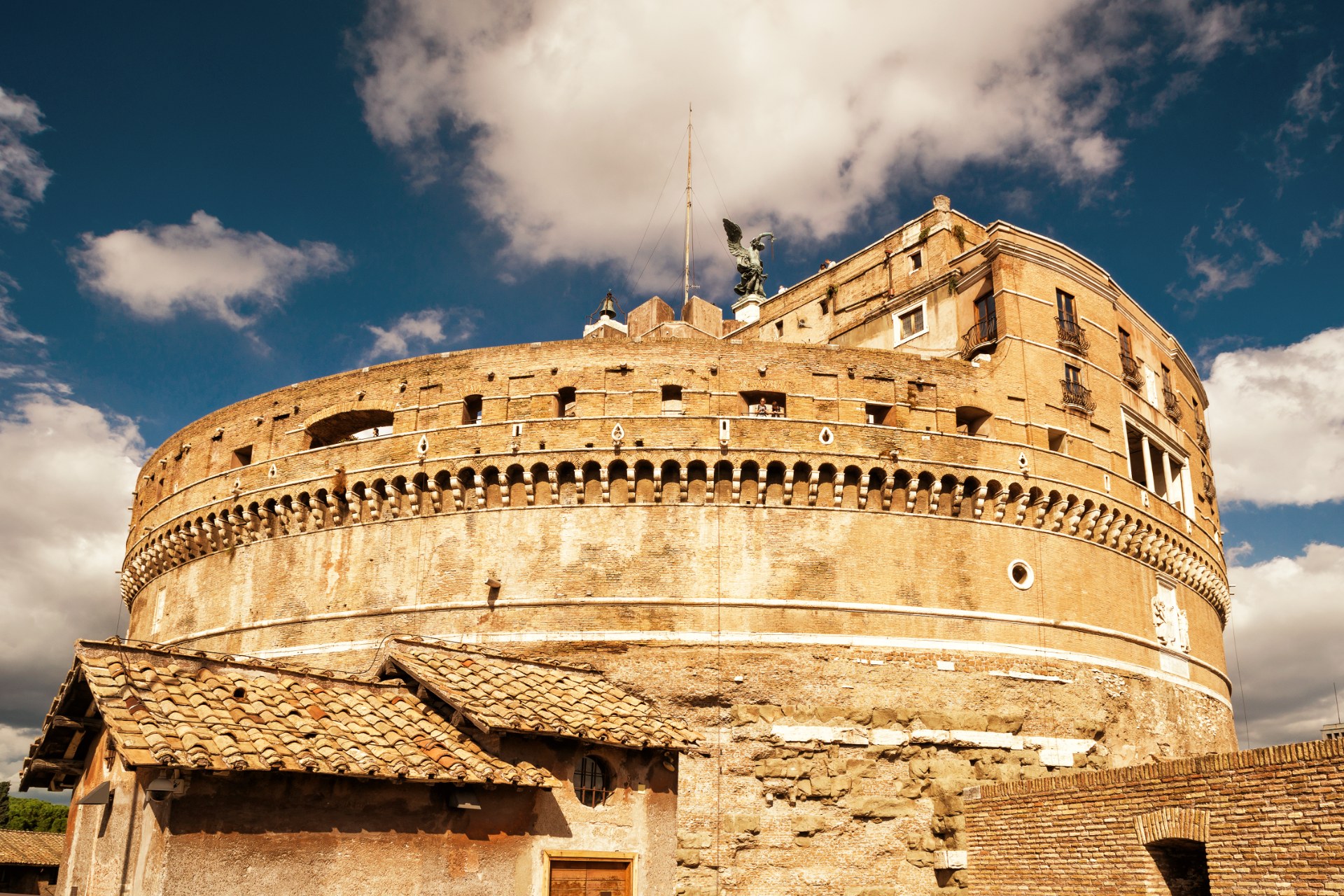
Rome (via Civitavecchia): Colosseum + Forum + Vatican is ambitious in one day—pick two anchors and book skip-the-line where possible. Trains run to Rome, but guided shuttles reduce miss-the-ship risk for first-timers.
Florence/Pisa (Livorno): Uffizi and Duomo climbs need timed entries; Pisa is a half-day leaning-tower photo if you prefer lighter pacing.
Southern Italy and the Greek Isles
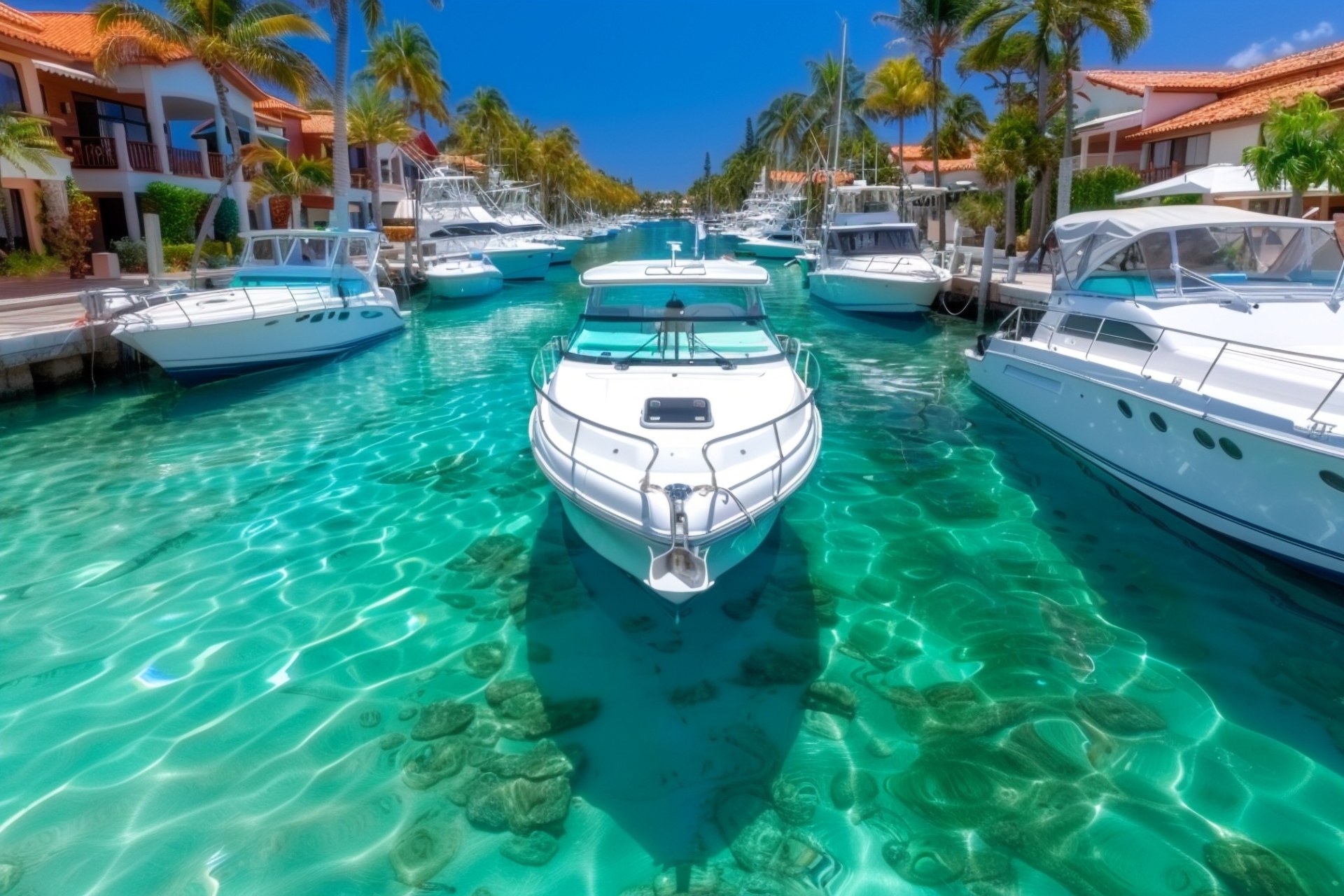
Naples: Pompeii or Capri—choose one; traffic is real. Naples pizza is a must if you stay local.
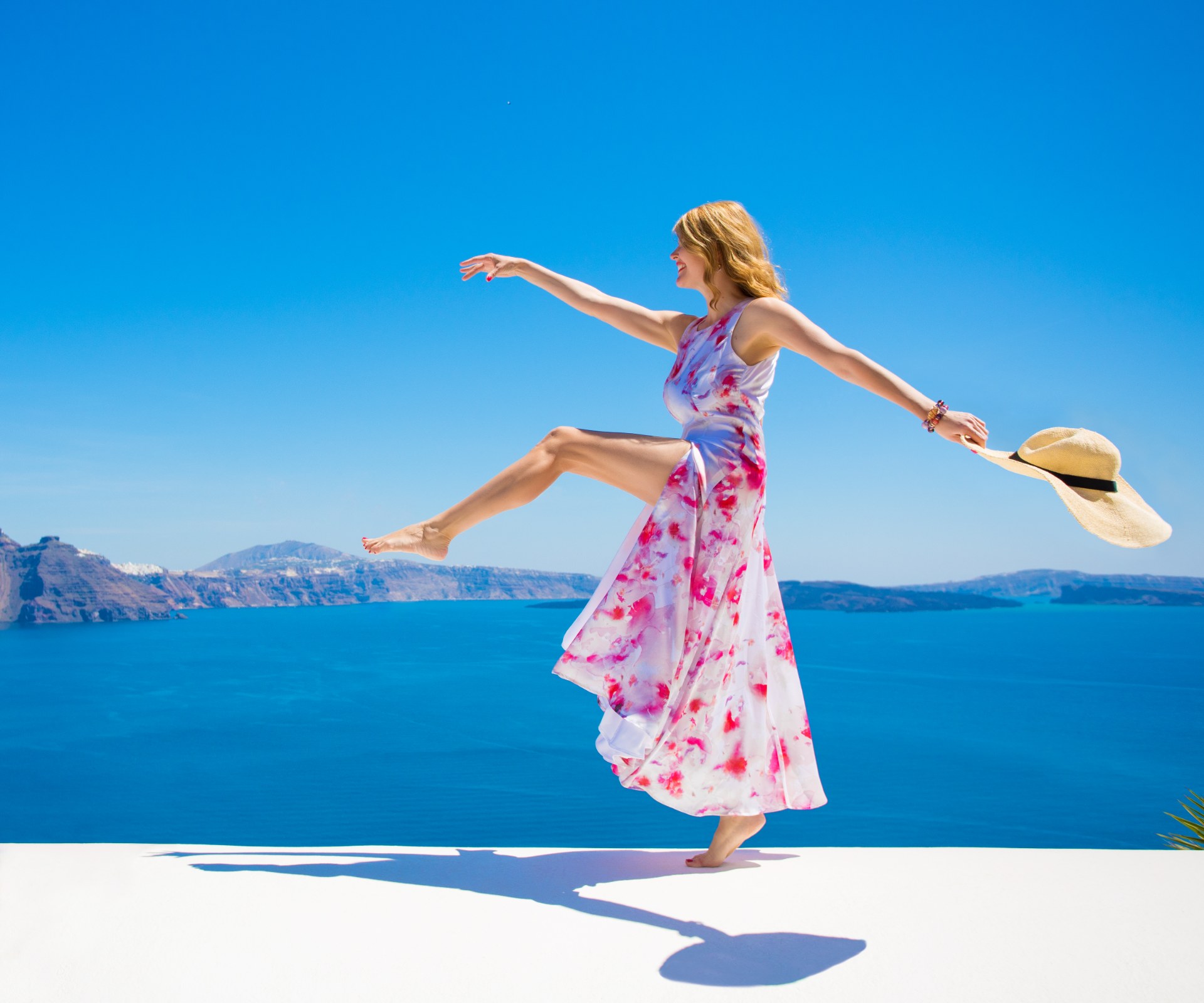
Santorini: Oia sunsets and caldera views—crowds peak; arrive early or embrace late ship departures if your itinerary allows.
Mykonos: beach clubs or Chora maze streets; wind can affect tender operations.
Athens (Piraeus): Acropolis and museum—start early to beat heat.
Dubrovnik: City walls walk and Stradun—Game of Thrones fans will recognize locations; crowds are heavy when multiple ships dock.
Adriatic and Eastern Med
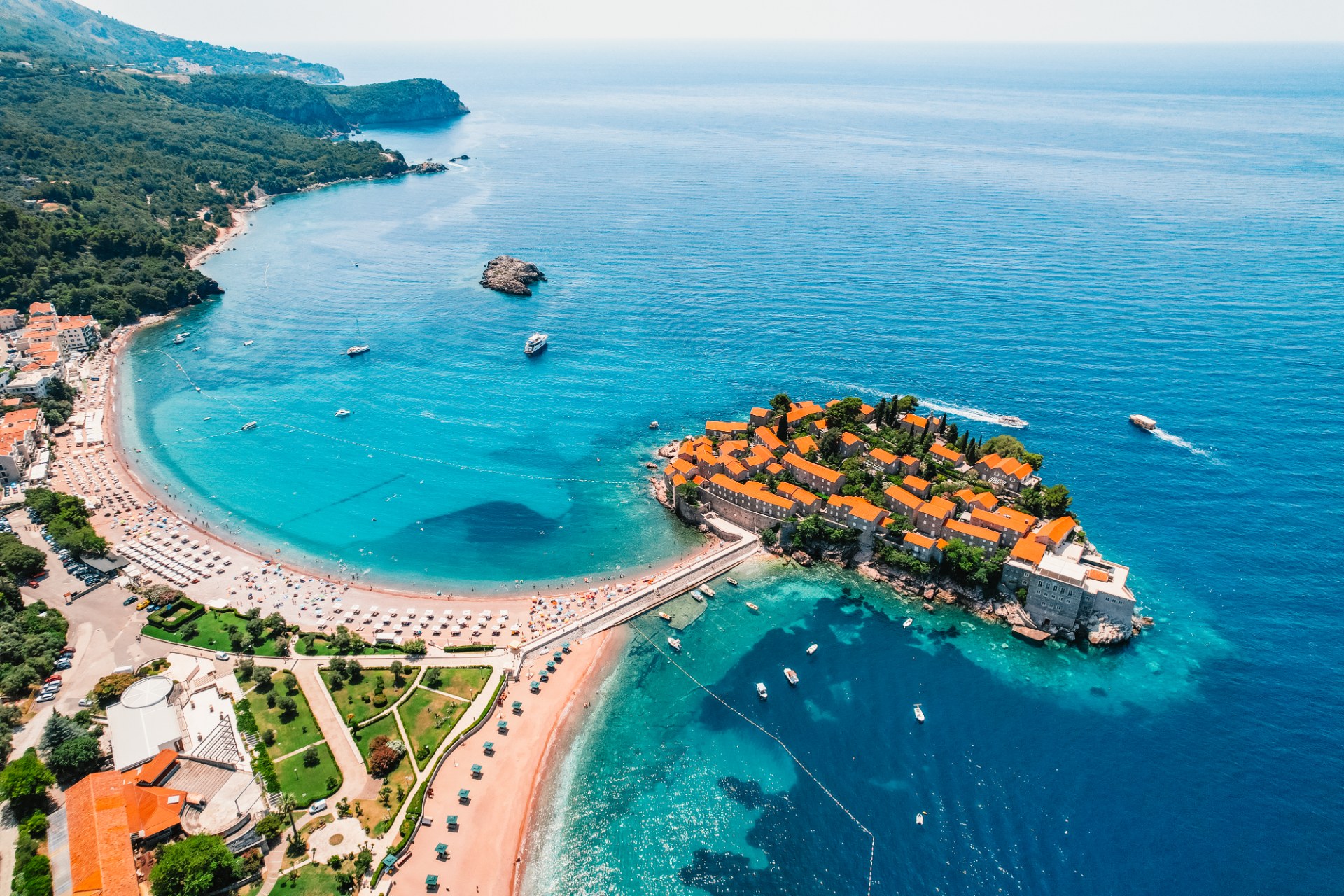
Kotor and Split deliver medieval harbors and mountain backdrops. Venice (when permitted to dock): St. Mark’s and Doge’s Palace—respect local overtourism rules and walk early.
Istanbul: Hagia Sophia, Blue Mosque, Grand Bazaar—traffic is intense; ship excursions often optimize routing.
Practical Port-Day Strategy
Rule one: prioritize two must-sees plus one meal experience. Rule two: carry cash for taxis where cards are unreliable. Rule three: download offline maps and screenshot all-aboard times.
Food safety: hydrate; choose busy locals kitchens. Pickpockets thrive in crowded tourist nodes—zip pockets and minimal valuables.
Mediterranean port sprints cause burnout. Alternate heavy culture days with lighter beach or café days. Sea days are your recovery—schedule spa or quiet deck time before the next walking intensive stop.
Travel insurance and excursion refund policies matter when strikes or weather affect ports.
Western Med Beyond Spain — France and the Italian Riviera
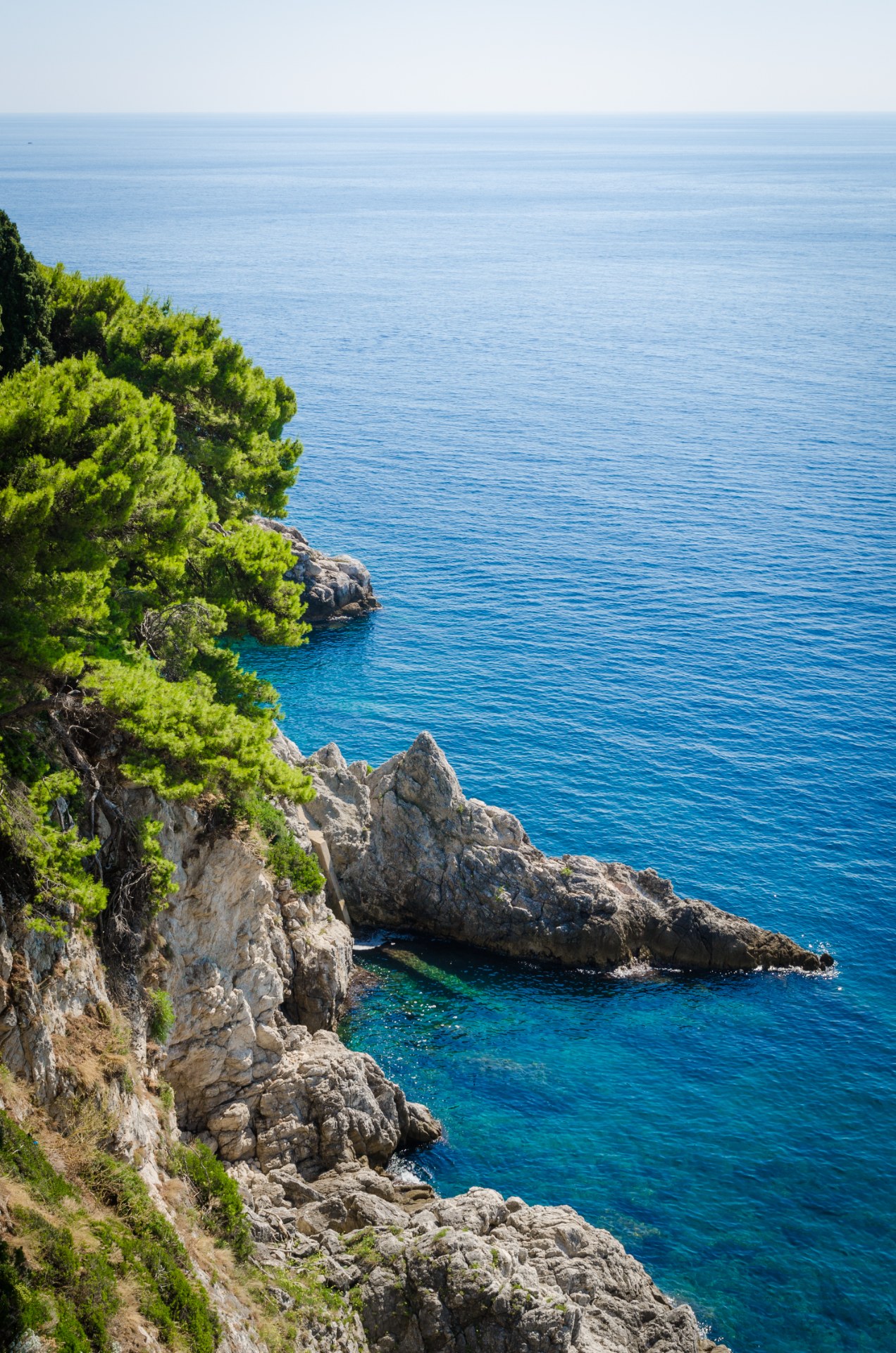
Nice and Villefranche (France) reward travelers with Promenade des Anglais walks, Matisse and Chagall museums, and day trips to Monaco or Èze for views that justify the cliff roads. Monte Carlo casino photos are classic, but verify dress codes if you enter gaming rooms. Traffic around the principality tightens when events like the Grand Prix reshape street access—check local calendars before booking independent taxis.
Genoa and La Spezia (Italy) open Liguria and Cinque Terre hiking trails—trains run frequently but crowds pack small villages by midday. Portovenere and Portofino deliver yacht-harbor glamour with steep pricing for waterfront meals. If your ship stays late, sunset aperitivo culture shines here—just track all-aboard against regional train delays.
Islands — Malta, Sicily, and the Balearics
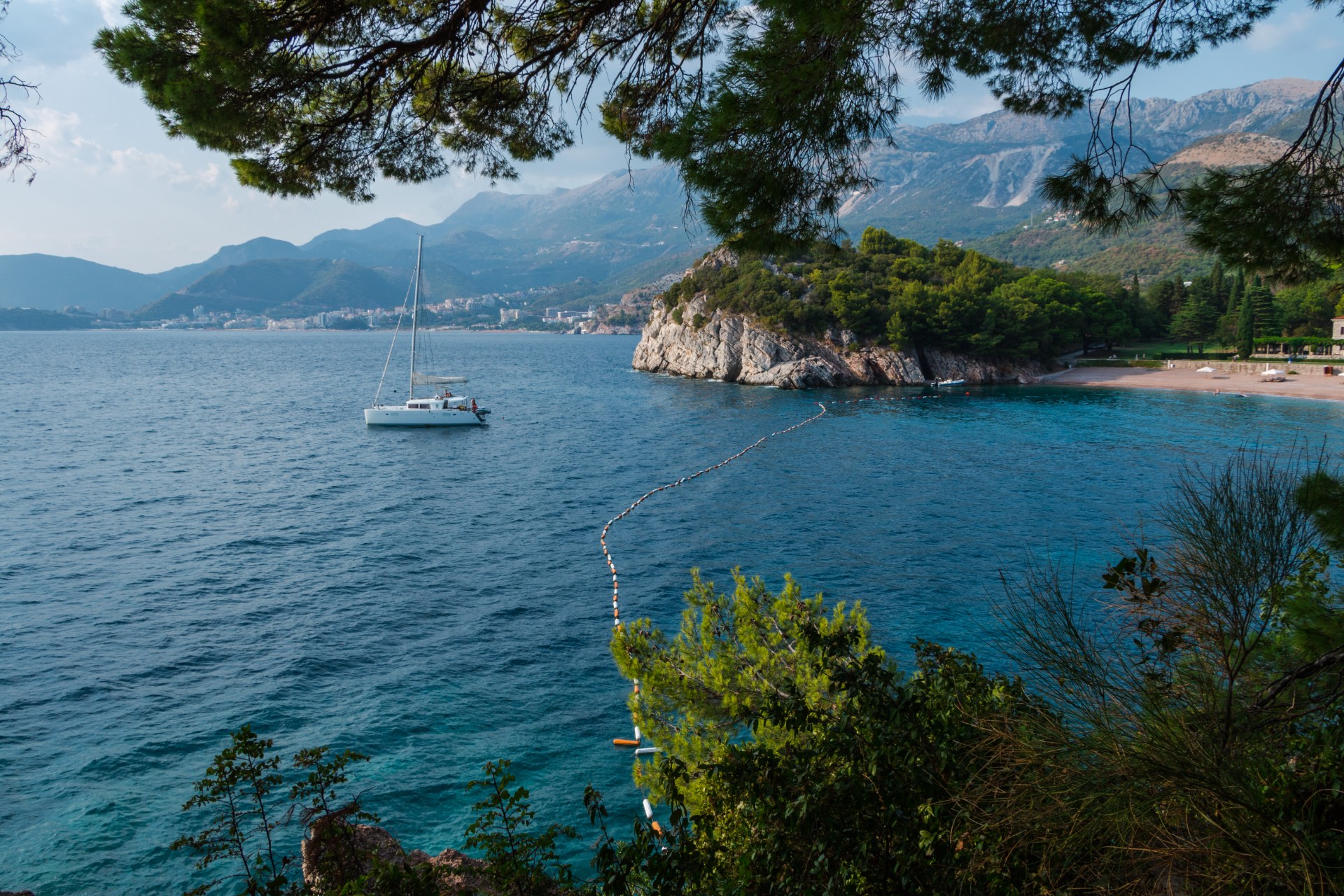
Valletta (Malta) compresses Knights of St. John history into walkable fortress streets. Mdina and Gozo require longer transfers—choose one anchor unless you book a full-day tour. Palermo or Messina (Sicily) pair Arab-Norman architecture with street food markets—arancini, cannoli, and granita for afternoon energy.
Palma already appeared above, but Ibiza and Mahón (Menorca) calls emphasize beaches and late nightlife respectively—family cruisers often prefer Menorca’s calmer bays while party seekers target Ibiza superclubs with caution about morning return times.
Money, Tipping, and Excursion Economics
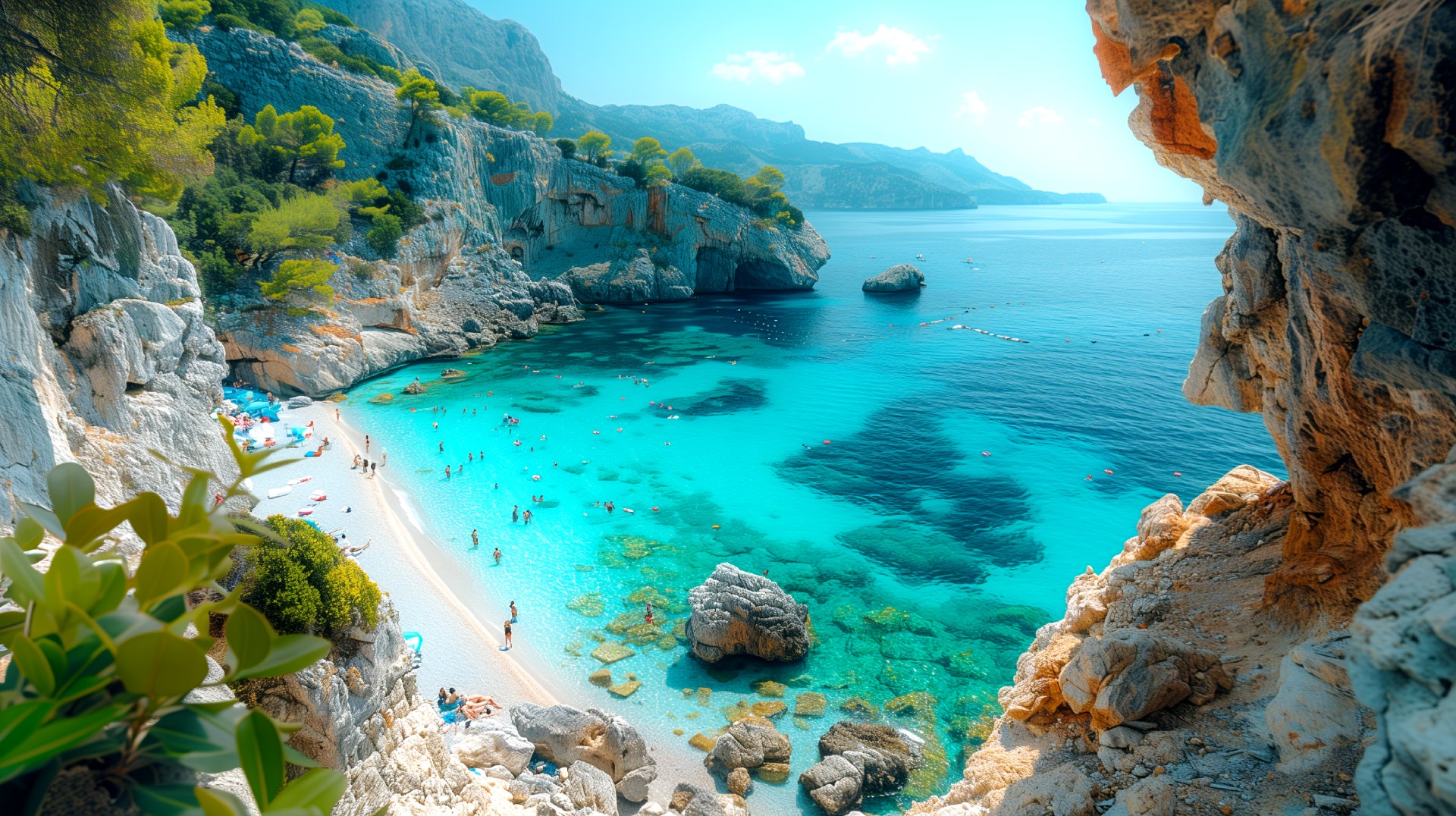
Euro zones dominate most western and eastern Med itineraries—carry small bills for cafés that prefer cash. Tipping culture varies: service charges may already be included in Spain and France; round up in Italy for exceptional table service. Ship excursions bundle logistics insurance but cost premiums—private guides split across families can beat per-person bus rates when you trust vetted operators.
VAT refund shopping matters only if you meet minimums and process paperwork before EU exit rules—cruise passengers on tight schedules often skip this hassle unless buying high-ticket items.
Golden hour near waterfronts beats midday harsh shadows on stone facades. Drones face strict rules near monuments and airports—assume no-fly unless you confirm local law. Dress modestly for religious sites and keep voices low inside churches during services. Overtourism pressure means your patience and small purchases from local vendors (not just global chains) help communities that host millions of cruise guests each year.
Use a cruise planner to log ticket QR codes, train screenshots, and embassy contacts—peace of mind frees attention for the Mediterranean’s light, not your inbox.
Eastern Mediterranean — Turkey, Cyprus, and the Aegean Beyond the Headliners
Kusadasi and Istanbul (Turkey) layer Byzantine, Ottoman, and modern city life. Ephesus from Kusadasi demands early arrival to photograph the Library of Celsus without bus congestion at midday. Istanbul rewards multi-day pre-cruise stays if your schedule allows—single port calls should focus on either Sultanahmet mosques and museums or Bosphorus angles, not both deeply.
Limassol (Cyprus) combines beach clubs with wine routes in the Troodos foothills—driving is on the left (UK legacy), so hire drivers if that unnerves you. Rhodes Old Town walls and Knights Street feel medieval-cinematic but shop prices near the port gate inflate for impulse buyers—walk inland two blocks for coffee calmer.
Heraklion (Crete) pairs Knossos with farm-to-table tavernas if you accept longer drive times. Corfu delivers Venetian arcades and olive oil tastings without Santorini-level crowding when multiple ships coincide.
Adriatic Depth — Slovenia, Montenegro, and Albania Calls
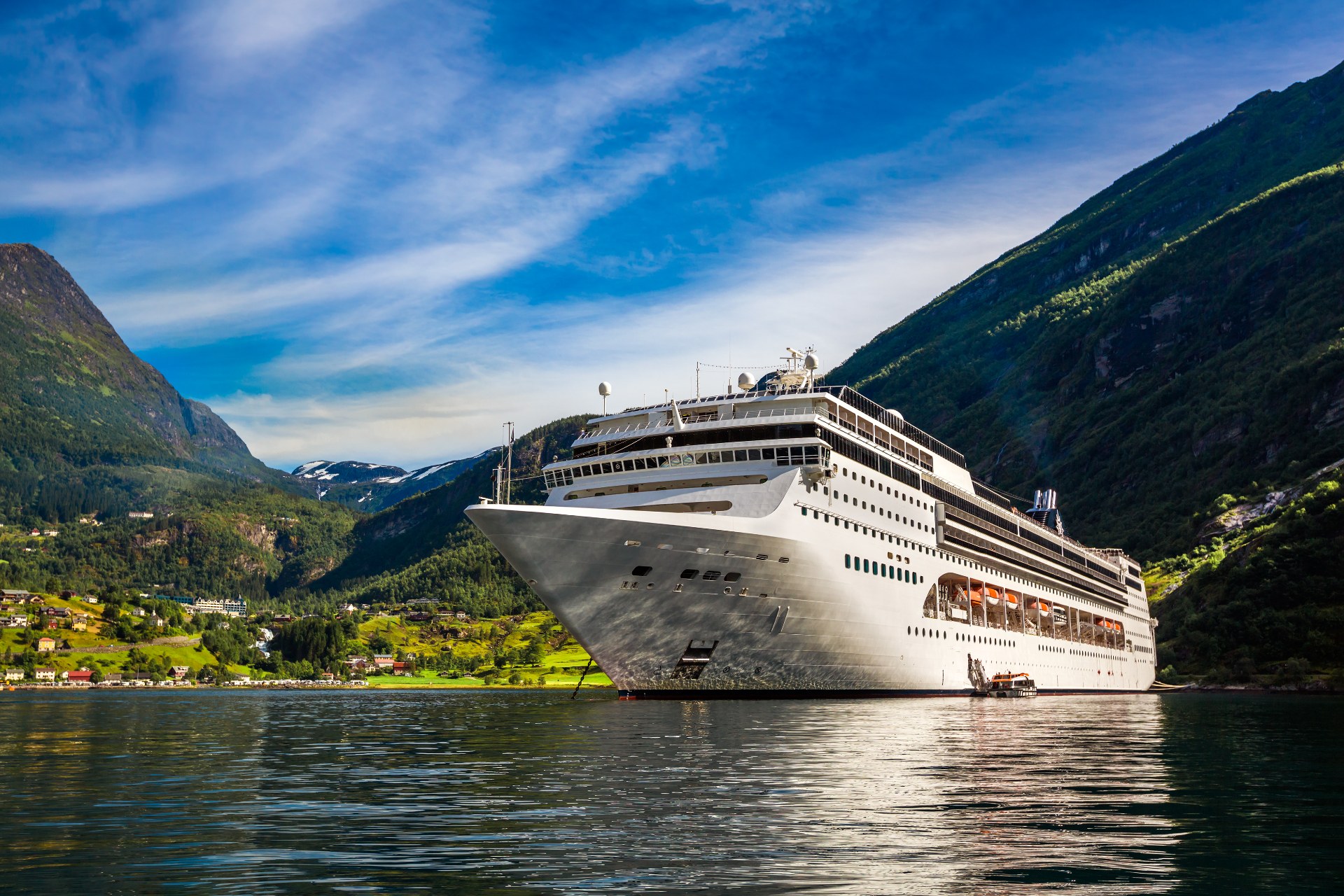
Koper (Slovenia) opens Postojna caves or charming Piran seaside if time allows. Kotor already featured above, but repeat cruisers note the Ladder of Kotor hike for sunrise views—bring water and knee friendly shoes. Durres or Sarande (Albania) calls remain less common but fascinating for archaeology buffs—verify security advisories and use reputable guides.
Sample Week-Long Routing Strategies
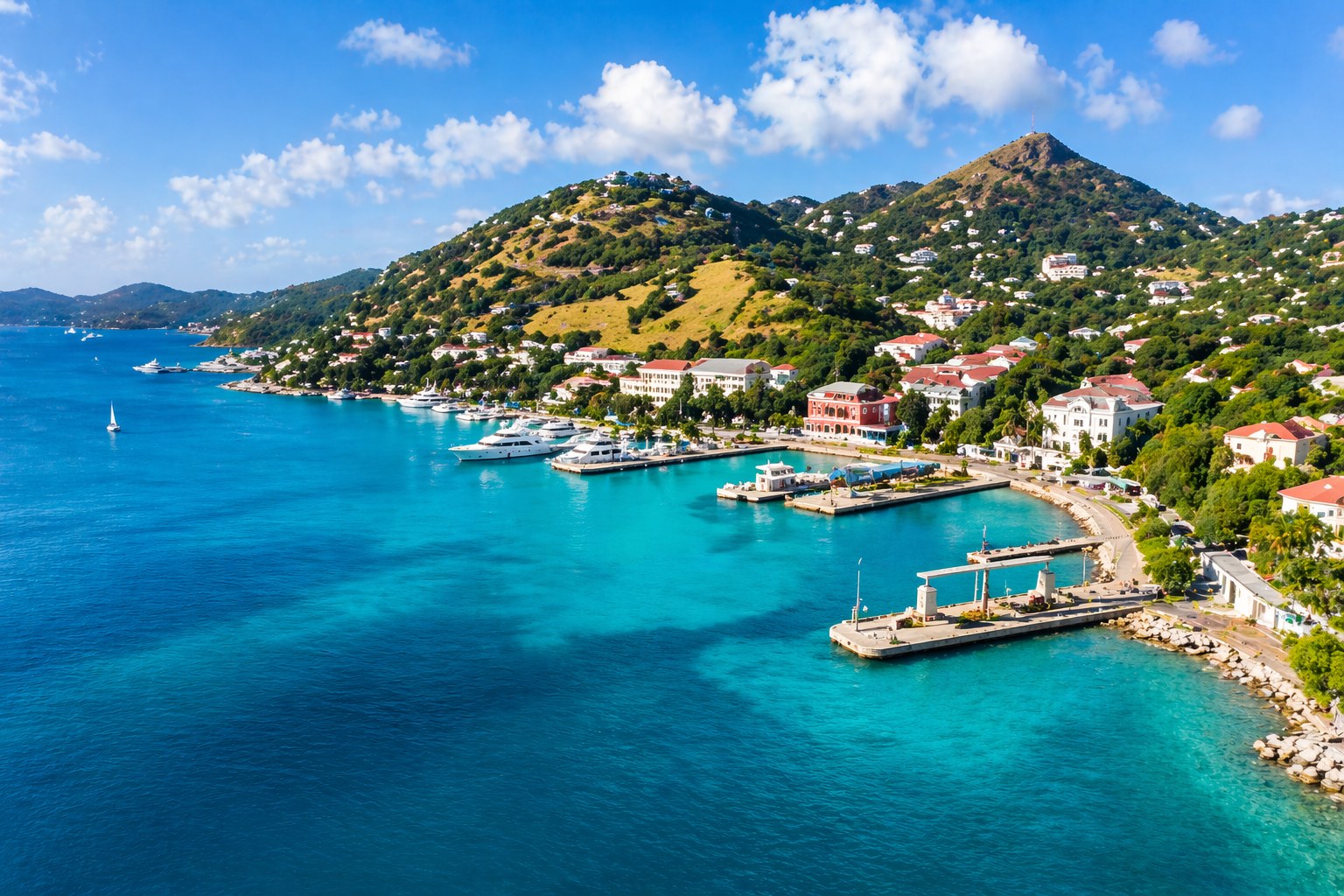
Western focus: Barcelona → Palma → Marseille/Nice → Genoa → Rome → sea day → Athens. Island focus: Piraeus → Mykonos → Santorini → Rhodes → Crete → sea day → Naples. Mix styles intentionally: culture heavy days followed by beach lighter days reduce fatigue.
Mediterranean labor actions can idle trains or museums without much notice. Carry printed tickets where QR systems fail, keep ship contact numbers, and know your insurance document hotline. High winds sometimes cancel Santorini tenders or reorder ports—flexible mindset protects your vacation investment more than rigid checklists.
After each port day, note what worked in your cruise planner so your next Mediterranean sailing compounds lessons into confidence.
Southern Med summer heat demands electrolytes, hats, and afternoon siesta logic—sightsee early, lunch slowly, return to the ship for pool recovery if your schedule allows. Older travelers and young children feel dehydration faster than fit hikers—plan shorter loops with more seated breaks. The best Mediterranean memories come from sensory details—scent of orange blossom, salt on breeze, church bells—not from rushing every UNESCO pin in one afternoon.
Repeat travelers often build a personal “greatest hits” list: one museum that rewards return visits, one neighborhood café where baristas remember your order, one viewpoint for sunset without tour buses. Layer those anchors across future cruises instead of repeating identical routes—the Med changes with seasons, strikes, and your own energy.
When you debate renting a car versus public transport, remember parking in historic cores is expensive and tight—trains and metros often beat stress even if they look slower on paper. Ship excursions still win for first-time cities where you fear missing the gangway deadline.
Closing Perspective — Mediterranean Cruising as a Skill
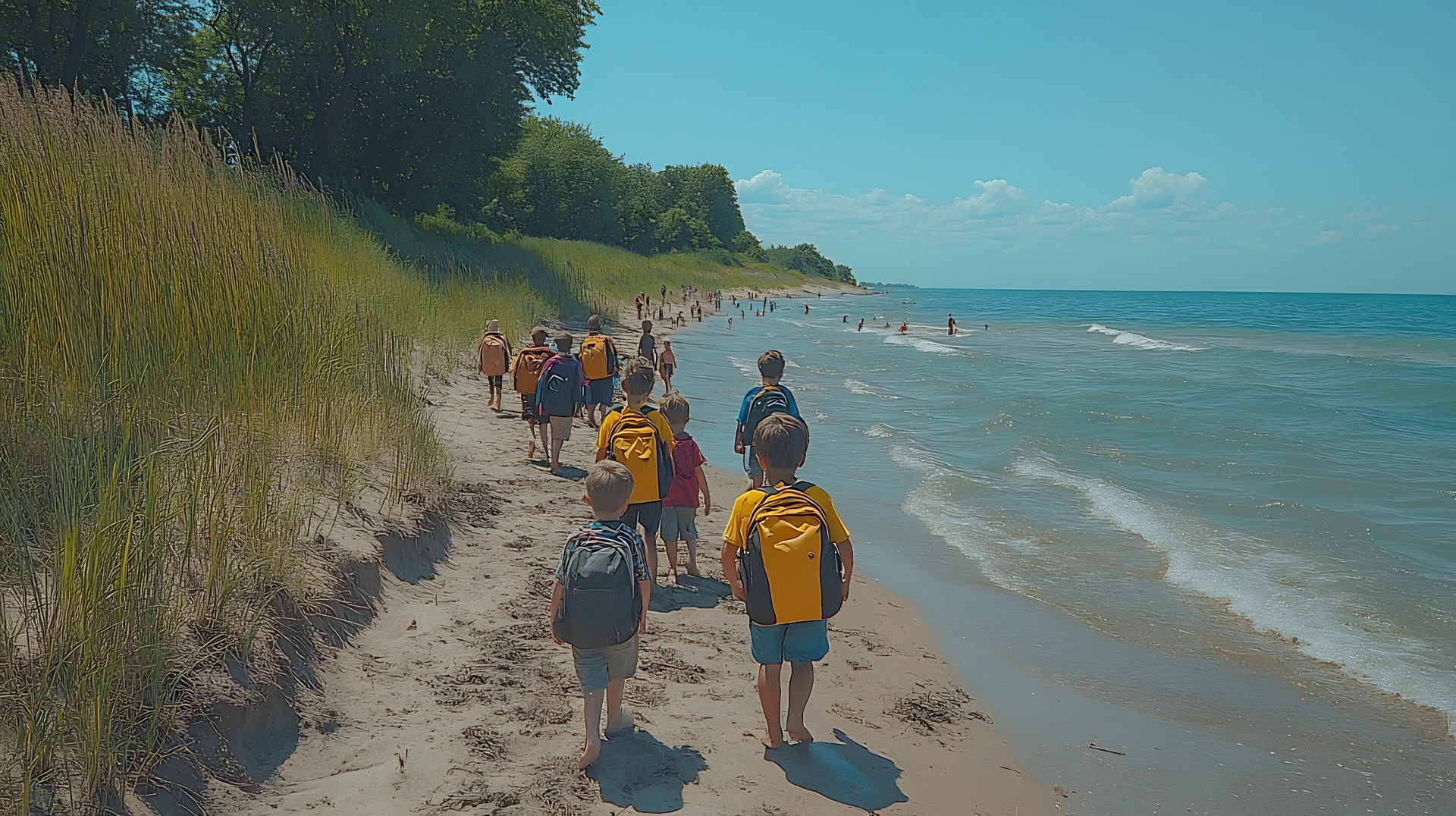
Every return trip teaches something: which sidewalk café actually brews espresso well, which museum ticket line moves fastest, which excursion operator communicates delays honestly. Capture those lessons in your cruise planner notes so your next Mediterranean sailing feels calmer than the first. The sea has not changed, but you have—that is the real upgrade.
Plan your next sailing with SeaDays and compare routes in the SeaDays blog.