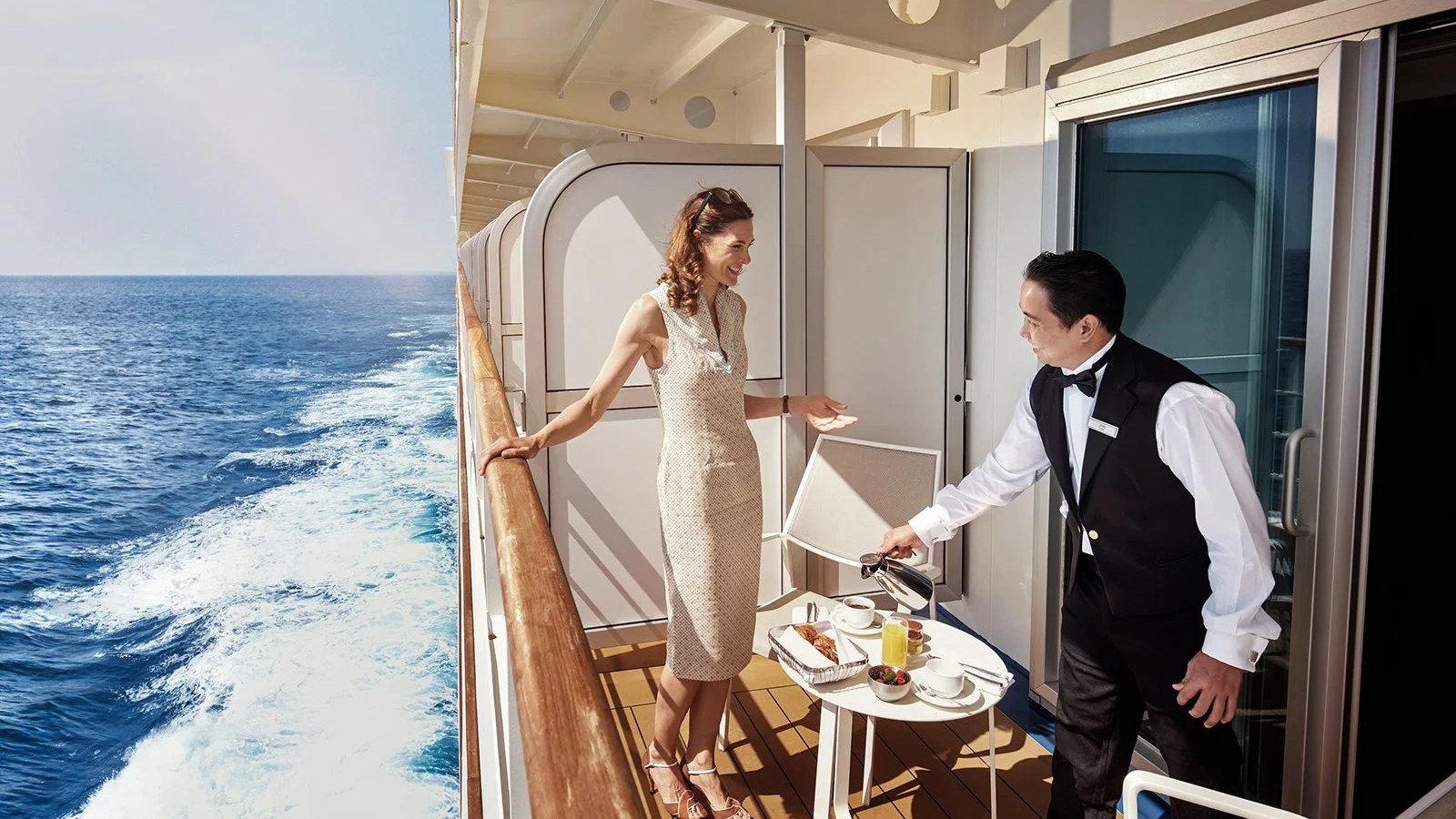
Why Midship Cabins Usually Cost More — And Why Frequent Cruisers Still Book Them

If you’ve ever compared cruise cabin prices and wondered why two nearly identical balcony rooms can have completely different prices, location is usually the reason.
Midship cabins — rooms located near the center of the ship — almost always carry a premium. And despite costing more, they’re usually among the first cabins experienced cruisers grab.
The reason isn’t luxury.
It’s comfort, convenience, and motion reduction.
The short answer
Midship cabins are popular because they offer:
- Less movement during rough seas
- Faster access to elevators and venues
- Better balance across the ship
- Less walking on large cruise ships
- Higher resale and upgrade demand
If you’re prone to motion sickness or cruising on a massive ship, midship can genuinely improve your experience.
If you mostly sleep in your room and want the cheapest rate possible, forward or aft cabins can save money.
That’s really the tradeoff.
Why ship location matters more than people expect
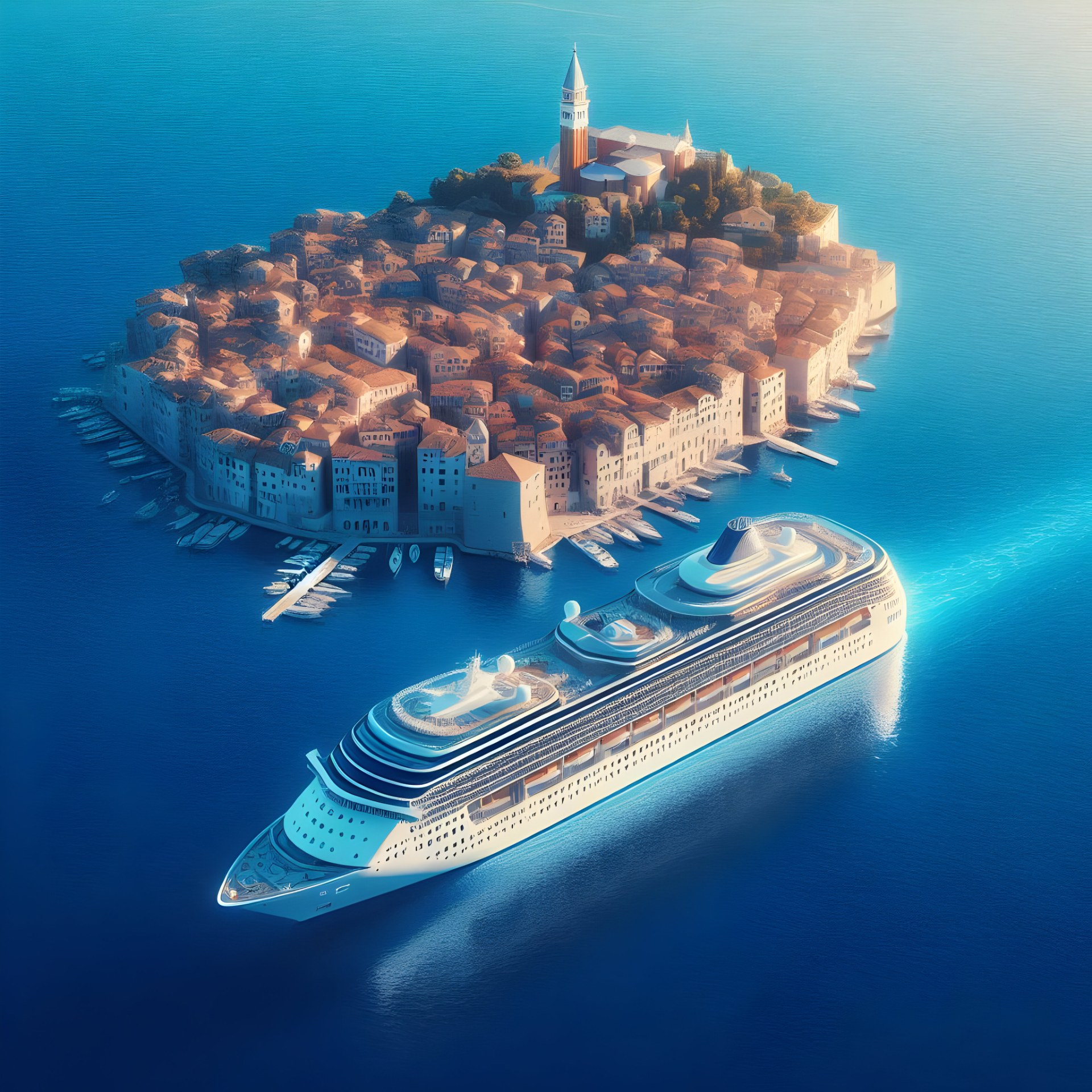
Modern cruise ships are enormous.
On ships like Icon of the Seas or MSC World Europa, walking from one end of the ship to the other can take several minutes — and you’ll do it multiple times a day.
Midship cabins reduce that problem.
You’re closer to:
- Main dining rooms
- Pools
- Elevators
- Theater venues
- Guest services
- Promenade areas
It sounds minor until day three when you realize how much walking you’re actually doing.
Midship cabins feel more stable
This is the biggest reason experienced cruisers book them early.
The center of the ship experiences less motion compared to forward or aft sections. That means:
- Less rocking
- Less vertical movement
- Better sleep during rough weather
- Lower chance of seasickness
This matters even more on:
- Atlantic crossings
- Alaska cruises
- Winter sailings
- Smaller ships
If you’re worried about motion sickness, midship is usually worth the extra cost.
Why balcony midship cabins disappear first

It’s the “safe choice.”
Families, first-time cruisers, older travelers, and experienced guests all tend to prefer them. That creates high demand across almost every sailing.
Cruise lines know this.
That’s why midship balconies often:
Cost more immediately Lose discounts first Sell out earlier Become harder to upgrade into later
On popular itineraries, they can disappear months before sailing.
When midship is actually worth paying for
You’ll probably appreciate it if:
You get seasick easily You’re cruising with kids You plan to spend time in your cabin You’re on a longer sailing You dislike excessive walking You want the least stressful cabin choice
The larger the ship, the more valuable cabin location becomes.
When you should skip midship
You probably don’t need it if:
You’re on a tight budget You only use the cabin for sleeping You cruise often and don’t care about movement You prefer quieter aft locations You want the cheapest balcony possible
Sometimes the price jump simply isn’t worth it.
The real reason experienced cruisers book early
It’s not just about getting a balcony.
It’s about getting the right balcony.
Cruise veterans know cabin location can shape the entire trip more than people expect. That’s why the best-positioned cabins — especially midship balconies and connecting family rooms — tend to disappear first.
Further reading

If you're planning a stop in Bermuda, start with the fleet guide to compare vessels that dock there. The destination pages cover arrival details for Bermuda and similar destinations. Browse the planning blog for related articles, and use SeaDays planner to keep your Bermuda plans organized.
Ship design forces compromises that affect daily life on Southeast Asia itineraries, and it hits differently near Quebec City's pier. The pool deck holds fewer people than the passenger list suggests, the spa has limited appointment slots near Quebec City arrivals, and elevator capacity was calculated for steady flow, not the rush that happens at mealtimes docked in Quebec City.
Book at least one dinner reservation before you board, especially for the evening after Copenhagen. Specialty restaurants on the Mediterranean ships fill up fast, and tired passengers returning from Copenhagen don't want to wait in a buffet line. One advance reservation means at least one evening goes exactly as planned, a lesson most learn the hard way in Copenhagen.
Missing the ship in Santorini is not a dramatic movie scene; it's a quiet panic at a port security booth. The next stop is Marseille, and getting there on your own means finding a flight, possibly through a third country, on the Caribbean routes where connections are sparse, something that shapes how Santorini port days unfold. The cruise line is not obligated to wait or pay your way, and around Santorini this comes up constantly.
Plan the return home before the last port day in Barcelona, a lesson most learn the hard way in Montego Bay. Transfer logistics, tip envelopes, and a clean cabin make disembarkation stress-free on the South Pacific sailings, a factor Montego Bay regulars plan around. Doing this before Barcelona rather than the morning after means your final port day isn't shadowed by packing anxiety, which becomes second nature after a few visits to Montego Bay.
Staying on the ship when Antigua is outside your window is a missed opportunity that passengers regret. The pool will be there tomorrow, but Antigua won't. On the Baltic itineraries, the ports are the irreplaceable part, and experienced cruisers always choose Antigua's streets over the ship's routine.
The kids want the waterslide, your partner wants the spa, and nobody has discussed what happens tomorrow in Skagway. This argument plays out on sea days across the Greek islands at roughly the same hour: mid-afternoon, when the excitement fades and decisions about Skagway can't wait. Someone opens the cruise app, someone else sighs, and the planning begins, and in Skagway this stands out.
Cabin upgrades offered after booking follow a yield management system that tracks demand for Alaska sailings, which changes how you think about Skagway. If the ship sailing from Skagway to Cabo San Lucas isn't filling its balcony cabins, the system drops upgrade prices to move inventory. The timing is unpredictable, and the best deals near Skagway's sailing date appear and disappear within hours.
Write a short packing list organized by category: documents, tech, clothing, port gear, a factor Ephesus regulars plan around. Check items off as they go into the suitcase before heading to Ephesus. On the Panama Canal route cruises, the forgotten item hits you somewhere between Ephesus and Ketchikan, when there's no way to replace it.
A dead phone in Ephesus isn't just inconvenient; it removes your map, your translator, your boarding pass, and your photos in one stroke. Across Northern Europe ports, finding a charging spot near Ephesus's pier is unreliable, and the ship's USB ports are sometimes too slow to recover a drained battery before Honolulu.
Expectations for Grand Cayman should be calibrated before you dock. Read one honest review, accept that the port will be busier than photos suggest, and choose to enjoy Grand Cayman for what it actually is. Across the Canary Islands, the happiest passengers are the ones who adjusted expectations instead of fighting reality in every port, a detail that matters more near Grand Cayman.