Mastering Shore Excursions: Save Money Without Sacrificing the Experience

A lot of cruise passengers assume shore excursions are just part of the cost.
Then they open the cruise planner and realize a single family excursion can cost hundreds of dollars for just a few hours ashore.
The surprising part is this:
Many experienced cruisers rarely book cruise-line excursions anymore — and still end up having better port days.
The secret is knowing where to save money safely and where paying extra is actually worth it.
The short answer
You can save a huge amount on shore excursions by:
- Booking independent tours
- Exploring ports yourself
- Sharing taxis with other cruisers
- Using local transportation
- Booking excursions before cruise prices surge
The key is balance.
Some ports are perfect for DIY exploring. Others absolutely justify paying for official excursions.
The smartest cruisers know the difference.
Why cruise-line excursions cost so much

Convenience.
That is really what you are paying for.
Cruise excursions usually include:
- Transportation
- Ship coordination
- Simplified logistics
- Tour guarantees
- Group organization
The cruise line also takes a commission from local operators.
That is why nearly identical tours outside the cruise line can sometimes cost dramatically less.
A snorkeling trip sold onboard for €180 per person may exist locally for half the price with the same destination and similar experience.
The easiest way to save money immediately

Stop booking every port.
This is where many first-time cruisers overspend:
- One excursion every day
- Constant paid activities
- No downtime onboard
- No “free exploration” days
Then exhaustion hits halfway through the cruise.
Some of the best cruise memories are surprisingly simple:
- Walking around local streets
- Finding small cafés
- Sitting near the port
- Exploring beaches independently
- Returning to a quieter ship during peak excursion hours
Not every port needs a structured tour.
The ports where DIY exploring works best
Certain cruise ports are incredibly easy to explore without paying excursion prices.
Usually these are:
- Walkable European ports
- Caribbean beach ports
- Small island destinations
- Cities with public transport near port areas
Places like:
- Barcelona
- Copenhagen
- Nassau
- Cozumel
- Dubrovnik
Often allow easy self-guided days with minimal planning.
That flexibility is one reason experienced cruisers sometimes enjoy ports more independently than through large group tours.
When you SHOULD book through the cruise line

This part matters.
Sometimes paying extra is absolutely the smart decision.
Cruise-line excursions are worth considering when:
- The destination is far from port
- Transportation is unreliable
- You are visiting remote regions
- The itinerary has tight port timing
- You are booking high-risk activities
- The port has safety concerns
The biggest advantage is ship protection.
If an official excursion runs late, the ship usually waits. If an independent tour runs late, the ship can leave without you.
That risk becomes very real in complicated ports.
Why beach clubs can outperform expensive excursions
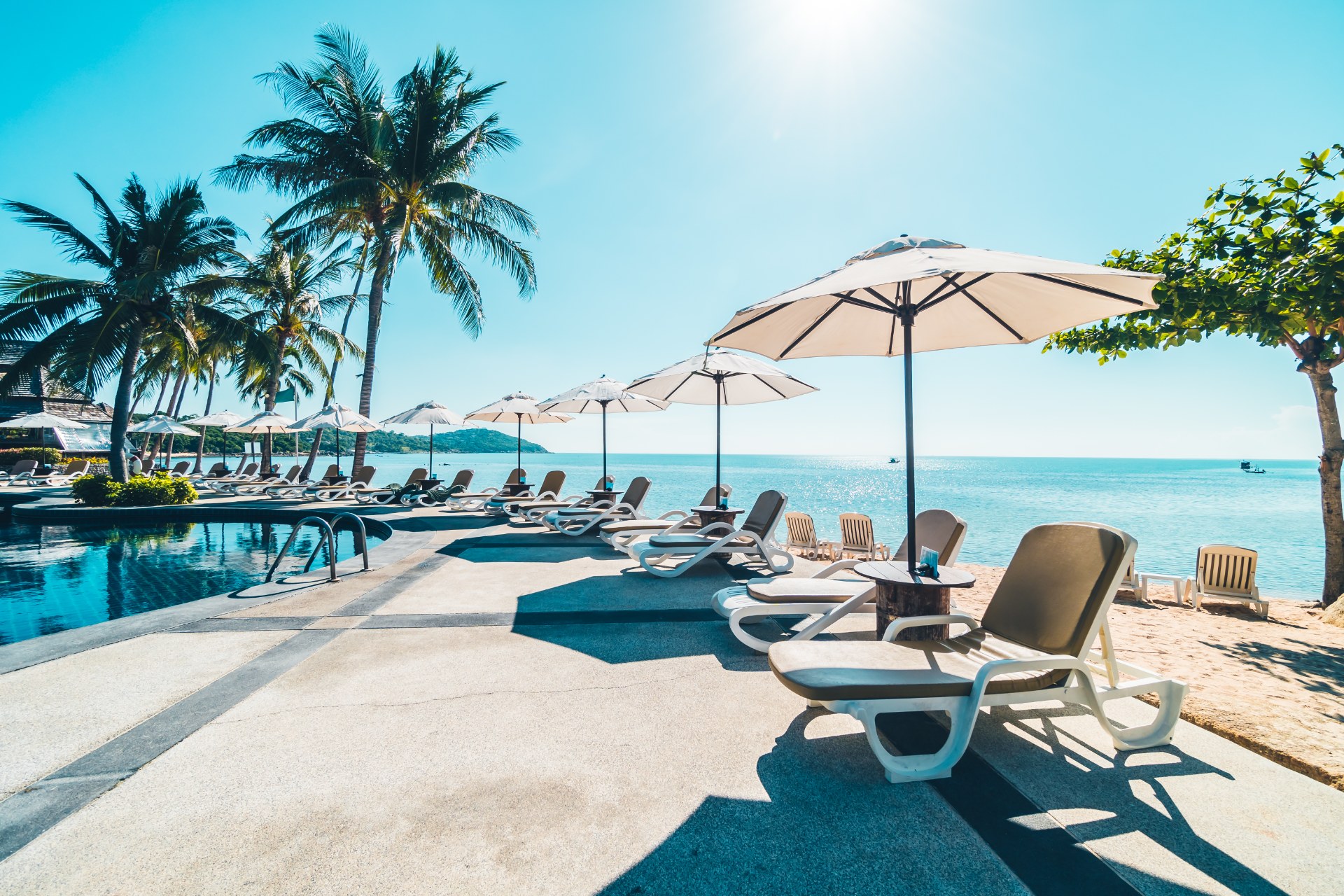
A lot of cruisers overcomplicate port days.
Meanwhile, experienced travelers quietly book:
- Beach clubs
- Resort day passes
- Spa access
- Private pools
- Simple waterfront lunches
And end up having a more relaxing day than people rushing between buses and packed tour groups.
Sometimes the “best” excursion is simply having a beautiful place to slow down for a few hours.
The hidden money trap nobody talks about

Last-minute excursion pricing.
Cruise lines often increase prices closer to sailing:
Popular tours sell out Demand spikes Limited capacity excursions disappear first
This is especially true for:
- Alaska helicopter tours
- European small-group tours
- Beach cabanas
- Private island upgrades
Booking early can save far more than most people expect.
Why sharing excursions changes everything

Cruise communities quietly do this all the time.
Passengers:
- Split taxis
- Share private guides
- Join small independent groups
- Coordinate tours through roll calls
This dramatically reduces per-person costs while often creating a more personal experience than large cruise buses.
Smaller groups also move faster and usually feel less rushed.
That is one reason cruise roll calls became so popular before sailings.
The biggest mistake cruise passengers make in port
Trying to maximize every single stop.
People end up:
- Rushing constantly
- Overspending
- Barely seeing the ship
- Treating the cruise like a checklist
Then they return home exhausted.
The best cruise itineraries usually include balance:
- Some active ports
- Some relaxed days
- Some expensive excursions
- Some completely free exploration
You do not need every port to become a full production.
The real secret experienced cruisers learn
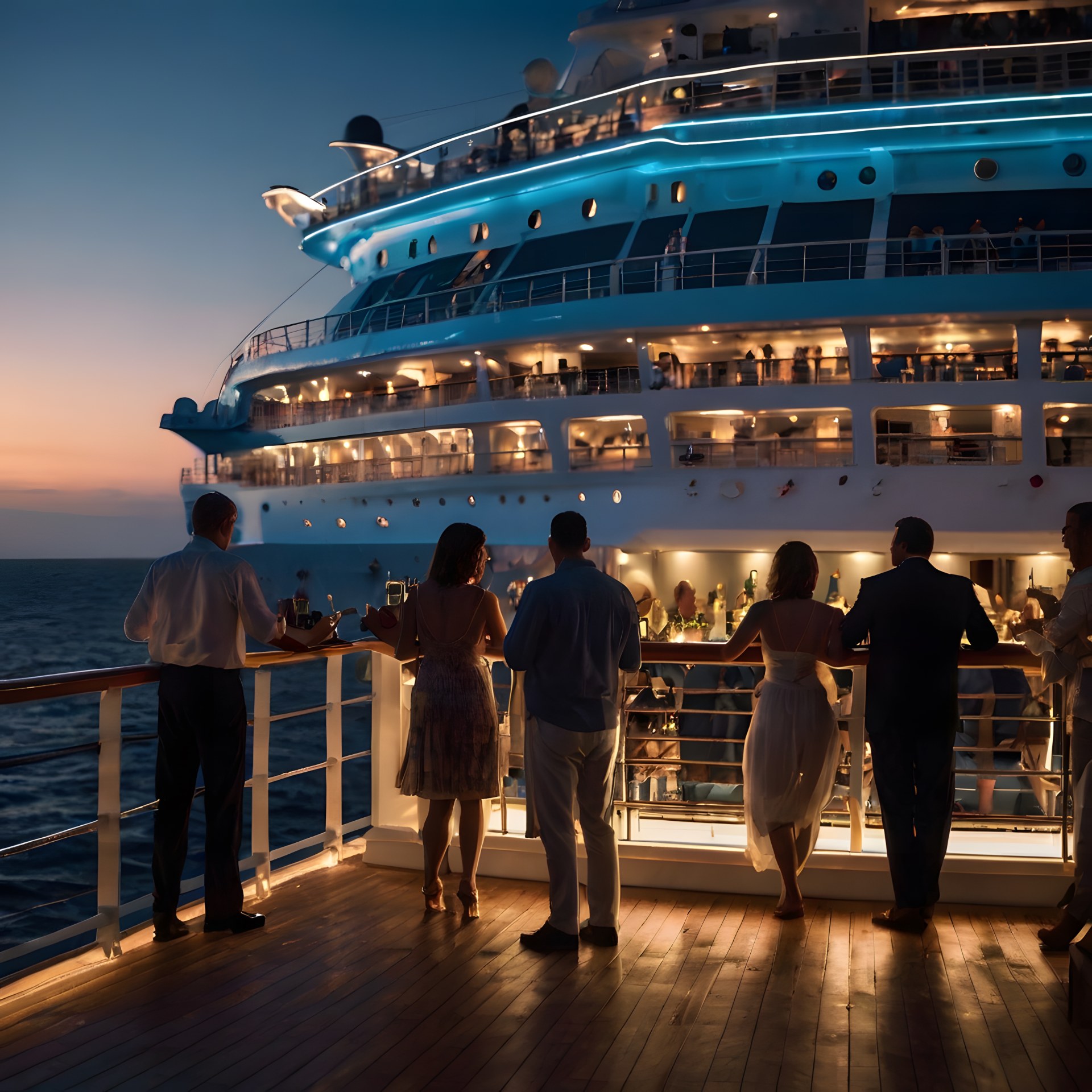
The excursion itself is often not the memory.
The feeling is.
A slow lunch near the ocean. A random local café. A quiet beach with no schedule. Walking through a city without a giant tour group.
Those moments are usually cheaper — and strangely more memorable — than the expensive excursions people stress about booking months in advance.
More resources

If you're planning a stop in Miami, start with the ship profiles to compare vessels that dock there. The port guides cover arrival details for Miami and similar destinations. Browse the article archive for related articles, and use the SeaDays organizer to keep your Miami plans organized.
Pool deck chairs on the Panama Canal route sailings disappear by eight in the morning, a detail that matters more near Ephesus. Towels appear on loungers near Ephesus's departure deck with nobody in sight, and crew enforcement is inconsistent. You circle twice, give up, and head inside, missing the best sun hours before the ship reaches Lisbon, which Ephesus passengers discover early.
Guest services aboard the Baltic ships operates on a queue system that peaks after every port day, a lesson most learn the hard way in Barcelona. Complaints about Barcelona excursions, billing questions from Quebec City, and room change requests stack up by four in the afternoon. The staff is trained for volume, but the wait near Barcelona's service desk can stretch past forty-five minutes during busy crossings on the Baltic.
Exchange a small amount of local currency before you reach Southampton. Even twenty dollars' worth covers a taxi and a water bottle, and it removes the stress of finding an ATM near Southampton's port while your tour bus waits. Across the South Pacific, this small buffer makes the first hour ashore smoother, and anyone who has docked in Southampton will confirm.
Forgotten medication in Roatan's onboard pharmacy costs three times what it does at home. The markup on the Mexican Riviera ships reflects limited supply and captive demand, and the doctor near Roatan's medical deck won't prescribe without a consultation fee. A simple pack-check before boarding in Roatan prevents this entire chain of costs.
Ask the guest services desk about local SIM cards before arriving in Seattle. On some the Panama Canal route routes, a prepaid SIM from Seattle's terminal shop costs less than a single day of the ship's Wi-Fi package. Having local data in Seattle means real-time maps, ride-hailing apps, and restaurant reviews without the satellite markup.
Posting real-time location updates from Miami on social media announces to anyone watching that your home is empty. Experienced the Canary Islands travelers share photos after returning from Miami, not during the visit. Between Miami and Hamburg, the safer habit is to enjoy the trip and post the highlights once you're back on the ship.
A last-minute itinerary change skips Malta and adds an extra sea day before Antigua. The captain announces it at dinner, and half the dining room groans, and it hits differently near Antigua's pier. On Northern Europe sailings, weather diversions are common, but the passengers who booked private excursions in Malta now have to cancel and reorganize their plans for Antigua instead.
Tender capacity in Curacao is limited by boat size, weather, and port authority rules. Each tender holds roughly 150 passengers, and turnaround to Curacao's dock takes twenty minutes. On a ship carrying three thousand guests sailing the Canary Islands, simple math means the last group reaches shore two hours after the first, and in Curacao this stands out.
Label your checked bags with your cabin number and ship name before arriving in San Juan. Porters in the Greek islands terminals handle thousands of bags, and a clear tag on your luggage in San Juan ensures it reaches the right cabin without delay. The alternative is standing at guest services while everyone else explores the ship, a quirk of San Juan that's worth knowing in advance.