
What “budget” and “luxury” actually mean on a cruise
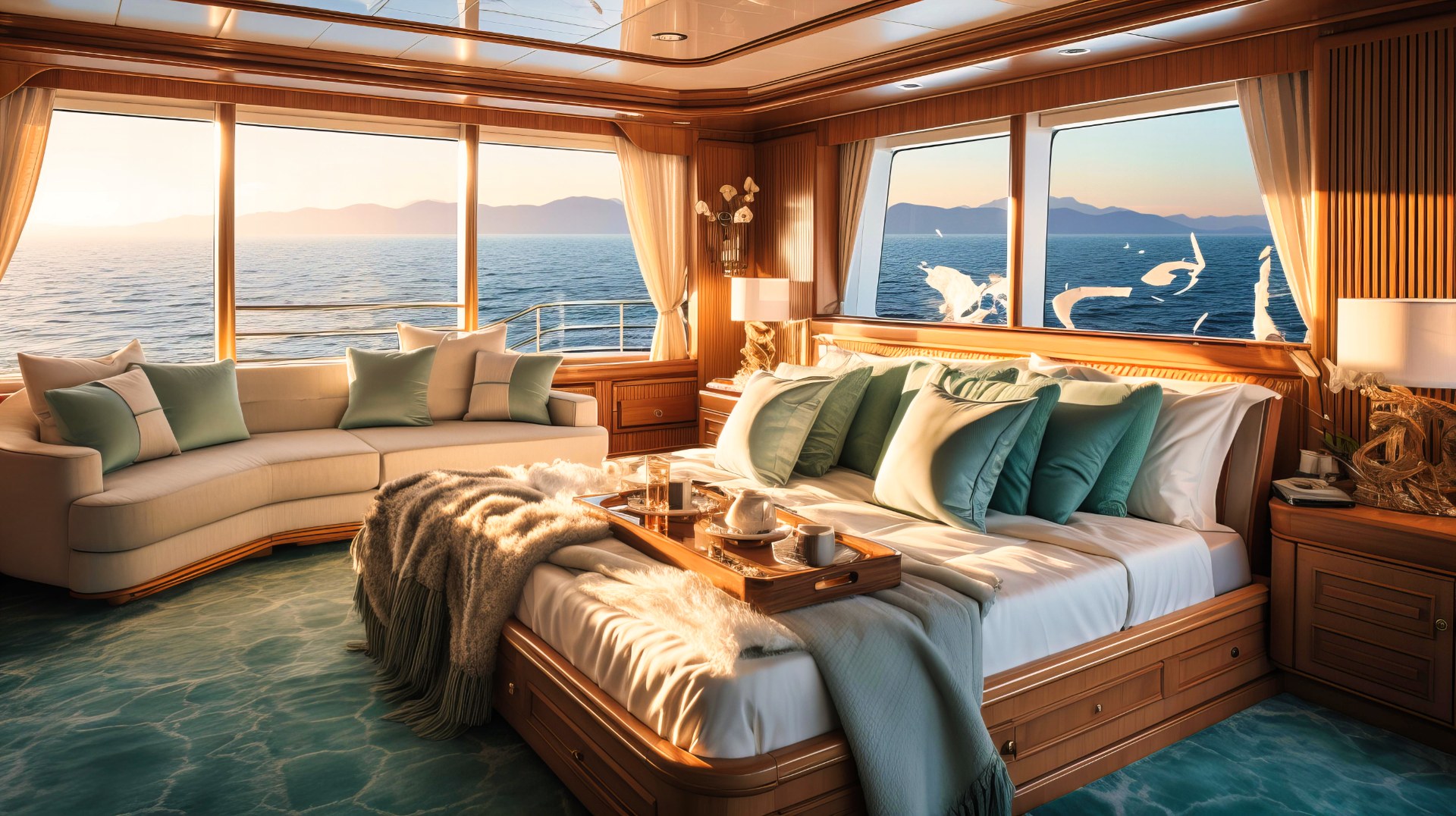
Budget and luxury are marketing words first. On a ship they usually mean different defaults for space, pace, and how much money you still spend after the fare.
A budget / mainstream cruise typically means denser ships, more included buffet and main-dining options, lively entertainment, and more à-la-carte decisions once you’re onboard (drinks, specialty dining, Wi‑Fi, photos). The fare looks lower; the vacation total depends on habits.
A luxury cruise typically means fewer guests for the ship’s size, more inclusions (often drinks, Wi‑Fi, gratuities, sometimes excursions), quieter public spaces, and higher staff-to-guest ratios. The fare looks higher; fewer surprise swipes is part of what you’re buying.
Neither lane is “the real cruise.” They solve different weeks. This page is the decision frame. For a deeper true-cost breakdown, see the companion guide [Complete Guide to Budget Cruise Vs Luxury Cruise](/blog/complete-guide-to-budget-cruise-vs-luxury-cruise/) and the stronger value piece [Luxury vs Budget Cruises: Is the Price Difference Worth It in 2026?](/blog/luxury-vs-budget-cruises-is-the-price-difference-worth-it-in-2026/).
The decision frame: what you’re really choosing

Ignore the brochure adjectives for a minute. Ask four fit questions:
1. Pace. Do you want a busy resort that happens to float, or a slower ship with fewer queues and less “event” energy? 2. Space and noise. Is cabin quiet, balcony usefulness, and uncrowded decks worth a higher fare to you—or are you fine trading space for itinerary and entertainment? 3. Onboard wallet. Will you buy drinks, specialty meals, and Wi‑Fi anyway? If yes, a “cheap” fare plus packages can close the gap fast. If you mostly use what’s included, budget often wins on math. 4. Port style. Short tender-heavy days and long independent walking tours reward different energy levels than spa-and-sail-away weeks. Match the ship’s culture to how you spend ashore—not the other way around.
Write one honest sentence: “This trip succeeds if ___.” If the blank is kids clubs and shows, lean mainstream. If it’s quiet mornings and fewer decisions at the bar, lean luxury or premium-luxury. If it’s see three countries for a set price, budget can be the smarter tool.
Who should lean budget vs luxury

Lean budget / mainstream when: you’re traveling with kids who need clubs and splash zones; you want big-production entertainment; you’re itinerary-first (ports matter more than suite life); you’re happy treating specialty dining and drinks as optional treats; or you’re testing cruising for the first time and don’t want to stack premium fares on an unknown preference.
Lean luxury when: you hate lines and loud pool decks; you value inclusions that remove daily decisions; you want higher staff attention and quieter public rooms; you’re celebrating something where friction matters more than saving $80 a day; or you’ve already done mainstream and know you spend more fighting crowds than enjoying them.
Premium mainstream / “upper mainstream” sits between: nicer cabins and restaurants without full luxury inclusions. Useful when you want better space but still want the big-ship theater and kids programs.
Couples, families, and solo travelers can land in any lane. The pattern that fails is copying a friend’s trip when your tolerance for noise, spend, and schedule is different.
Mistakes that make the comparison unfair

- Comparing fare only. Auto-gratuities, drink packages, Wi‑Fi, specialty dining, and transfers belong in the same spreadsheet—or you’re comparing fiction.
- Assuming luxury means “no crowds everywhere.” Popular ports still fill tenders and old towns. Luxury reduces shipboard friction more reliably than shore chaos.
- Buying budget, then living luxury habits. Unlimited drinks + three specialty nights + daily Wi‑Fi can erase the fare savings you celebrated at booking.
- Buying luxury for an itinerary you won’t use. If every day is a long independent hike and you’re barely onboard, you may be paying for inclusions you skip.
- Letting status language choose for you. “Budget” isn’t a moral failure and “luxury” isn’t automatically smarter. Fit beats label.
Fare vs vacation cost: where the gap shows up

Think in three timing stacks (same idea as folio timing, applied to lane choice):
- Pre-cruise: fare deposits, flights, insurance, prepaid packages. Luxury often bundles more here; budget leaves more optional.
- Onboard drip: drinks, specialty dining, Wi‑Fi, spa, photos. Budget ships can feel cheap daily until the cabin card is frictionless.
- Port days: taxis, tours, lunches ashore. These hit both lanes; ship exclusives don’t erase pier economics.
A practical habit before you book: estimate your likely onboard drip for your habits, not a stranger’s. If that number is high, luxury inclusions may be the calmer buy. If that number is near zero, a strong budget fare plus disciplined spending usually wins.
Use a [cruise budget planner](/cruise-budget-planner/) or Voyage Analytics-style category view after the trip so the next booking isn’t guesswork. Soft sell stays light: the decision frame is the product; the tool just keeps the stacks visible.
Tradeoffs in plain language
Budget / mainstream — upsides: lower entry fare; more entertainment variety; strong family infrastructure; easier to find deals; big-ship energy if that’s your vacation fuel. Budget / mainstream — downsides: more queues; more upsell moments; cabins and public spaces can feel packed; “included” sometimes means “basic, then pay to upgrade the day.”
Luxury — upsides: space and quieter rhythm; fewer daily payment decisions when inclusions are real; higher touch service; embarkation and dining often feel less like airport peak hour. Luxury — downsides: higher fare; fewer loud “wow” attractions on some ships; kids programs may be thinner; you can overpay if you wanted nightlife and production shows more than hush.
There is no universal winner. There is only a lane that matches the week you want.
FAQ

Is a luxury cruise always more expensive overall? Usually the fare is higher. Overall vacation cost depends on what the fare includes and what you buy anyway. A drink-heavy week on a budget ship can narrow or erase the gap.
Can first-timers start on luxury? Yes, if the quieter product is what they want. First-timers who want to sample “classic cruise energy” often learn more on mainstream—then upgrade later with eyes open.
What if my group disagrees? Split the difference with a premium-mainstream ship, or pick the lane that matches the person who hates the trip when it’s wrong (often the light sleeper or the one who pays the folio).
Should I use cruise line “best of” lists? Use them as catalogs, not verdicts. Run the four fit questions above against your sailing length, ports, and spend habits.