The Hook: “Worth It” Depends on What You Hate Paying For

Open any cruise forum and you will see two tribes talking past each other. One says mainstream ships deliver 80 percent of the fun for 40 percent of the price. The other says luxury cruising is cheaper than it looks once you add WiFi, drinks, gratuities, and specialty dining on a budget fare. Both can be right—because worth is not a universal constant. It is a function of crowd tolerance, time value, sleep quality, and how often you want to say “yes” without opening your wallet.
If your primary keyword belongs in the first paragraph, here it is plainly: luxury vs budget cruises is not a moral contest; it is a total-cost and total-comfort optimization problem. The price difference becomes “worth it” when it buys the exact frictions you would otherwise pay to avoid—lines, noise, scheduling stress, or surprise bills.
Define the Categories Without Marketing Smoke
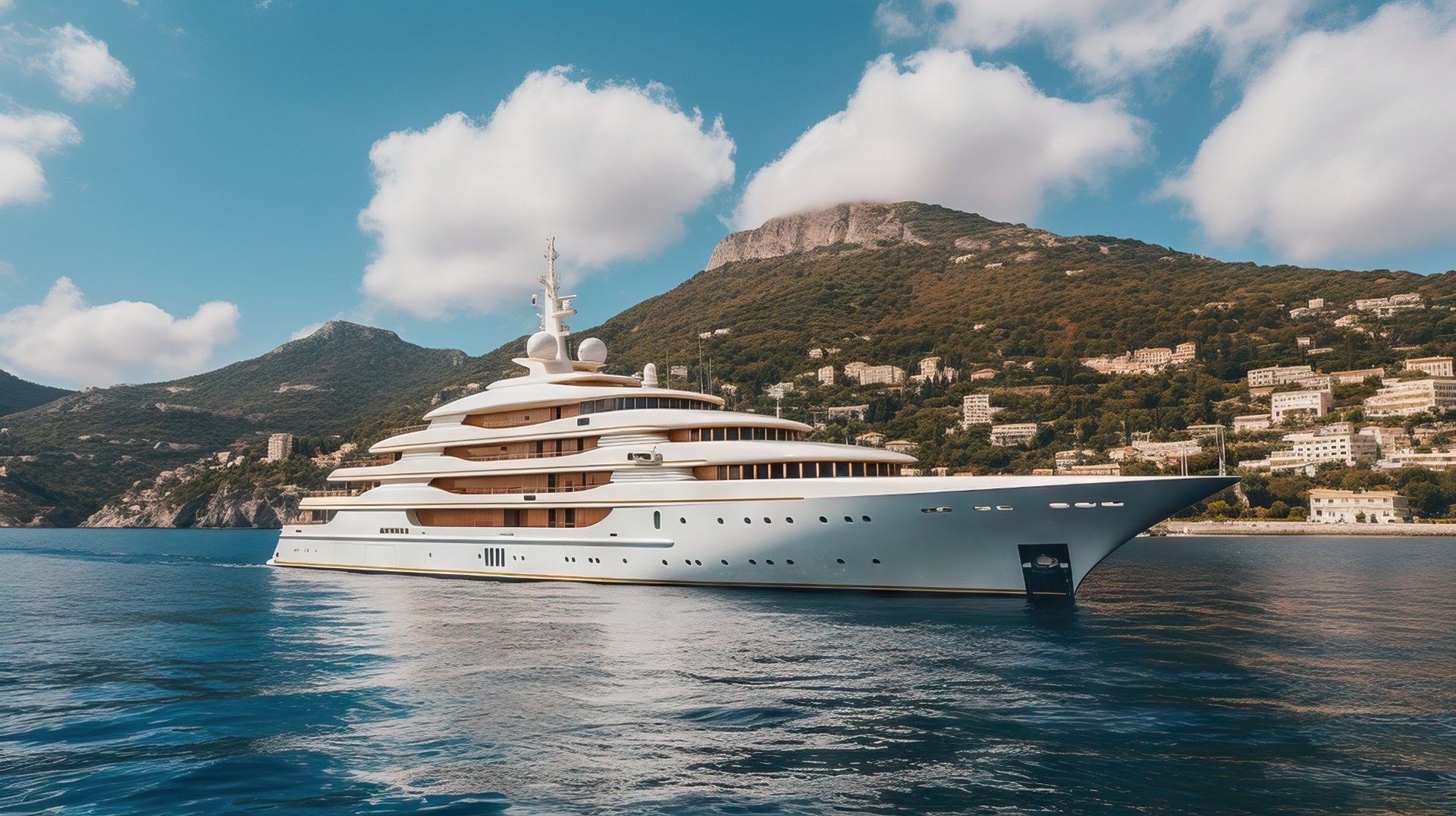
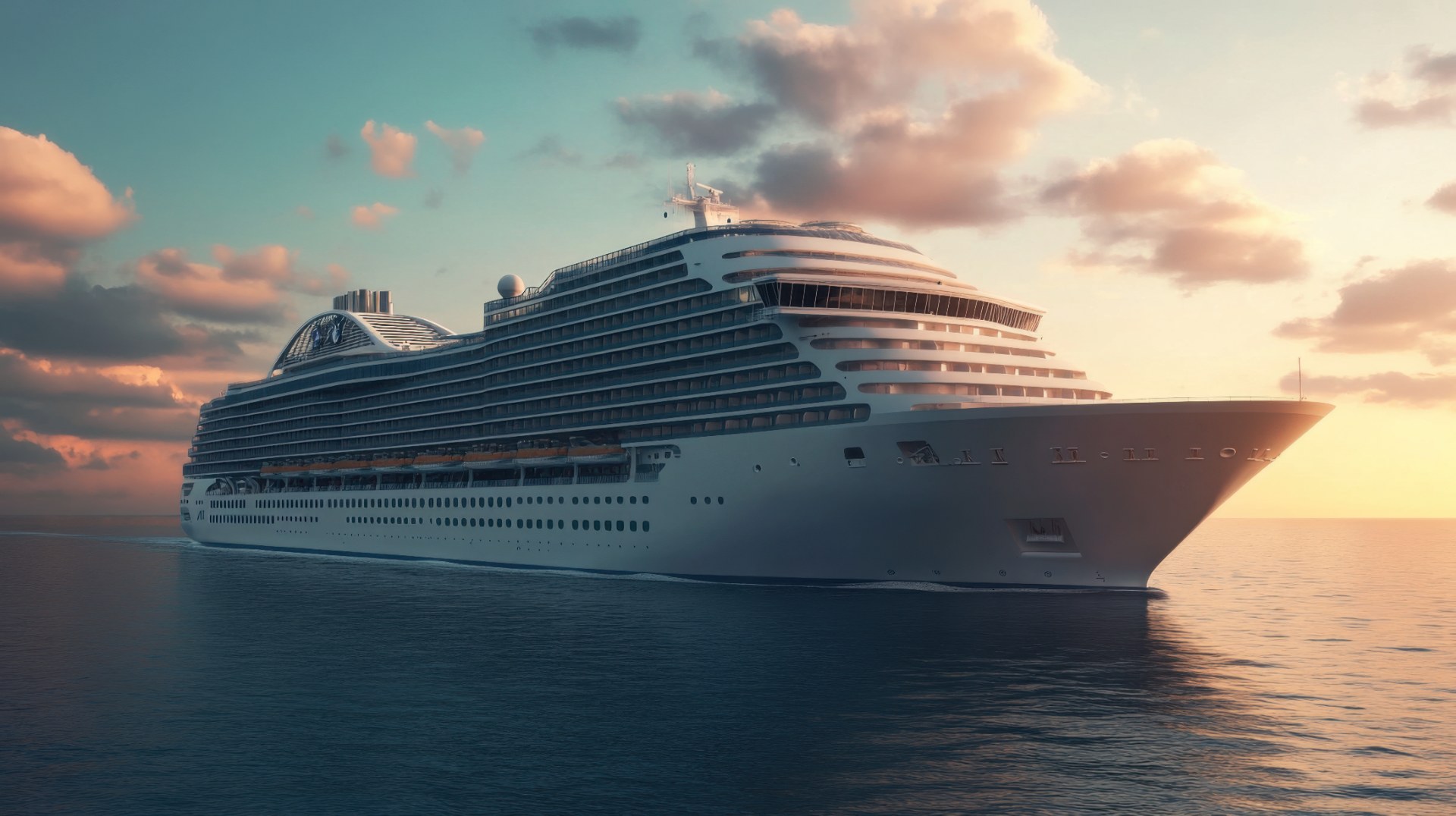
Budget cruising, in practical terms, often means lower entry fares, more upsells, larger ships, higher guest counts, and base experiences that are genuinely fun if you enjoy energy and variety. Luxury cruising often means higher space-to-guest ratios, more inclusive beverage and gratuity models (varies by line), more personalized service, and sometimes smaller ships—though “luxury” is not always small.
Premium sits between: not quite ultra-luxury, but often better dining breadth and service training than baseline mass-market. Many travelers accidentally book premium thinking they bought luxury, then feel underwhelmed—because expectations were priced in marketing, not line architecture.
What Budget Cruises Excel At (Besides Price)
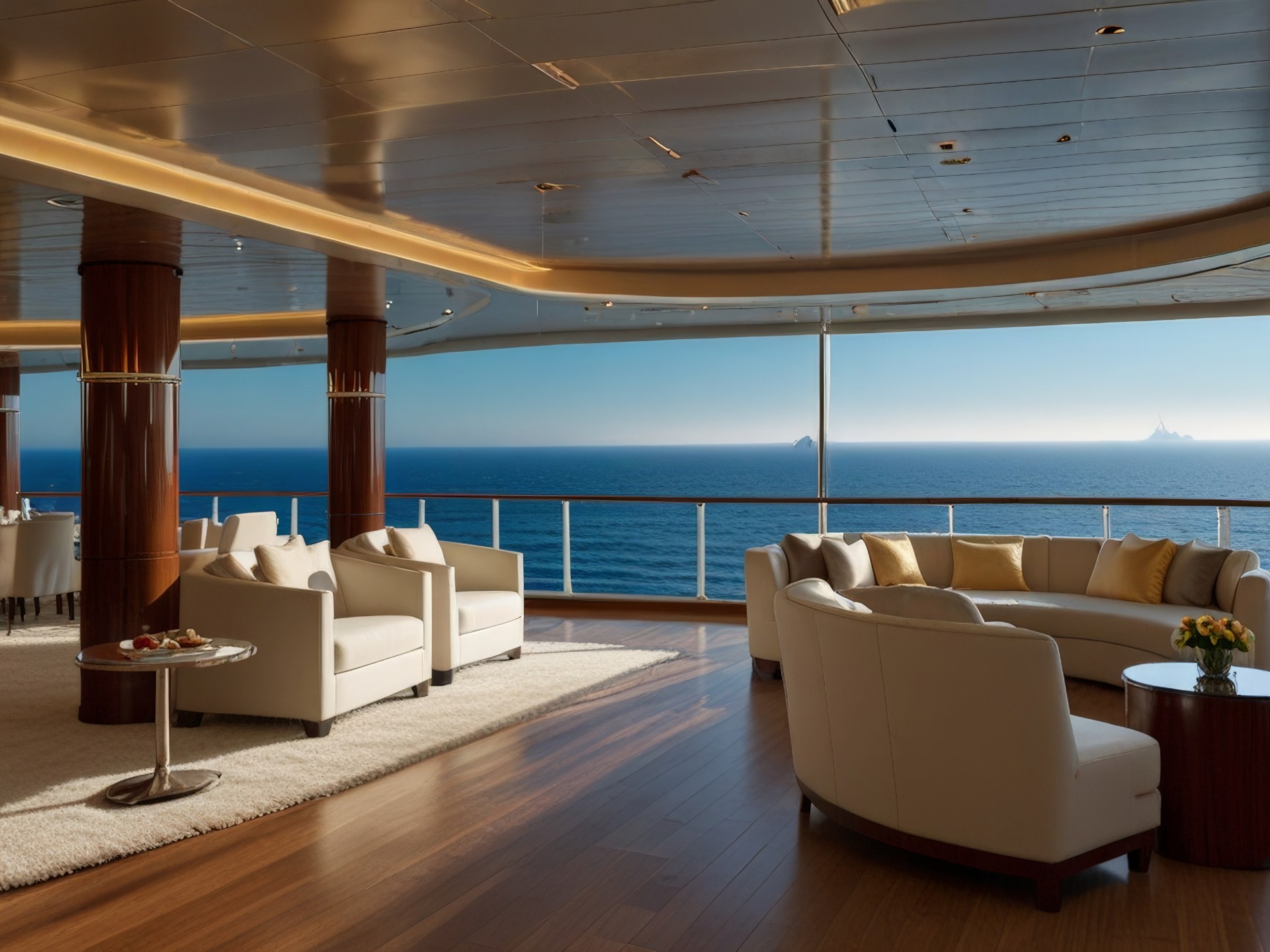
Variety is the killer feature: big theaters, multiple pools, extensive kids programming, and nightlife that runs late. If you want Broadway-style shows, water slides, and a constant hum of activity, budget platforms often win on pure entertainment density.
Deals also appear more frequently: promotions, balcony upgrades, and kids sail free-style incentives can reshape family math fast. The tradeoff is crowding at peak hours, upsell friction, and service inconsistency when crew ratios stretch.
What Luxury Cruises Actually Sell—Space, Time, and Friction Removal
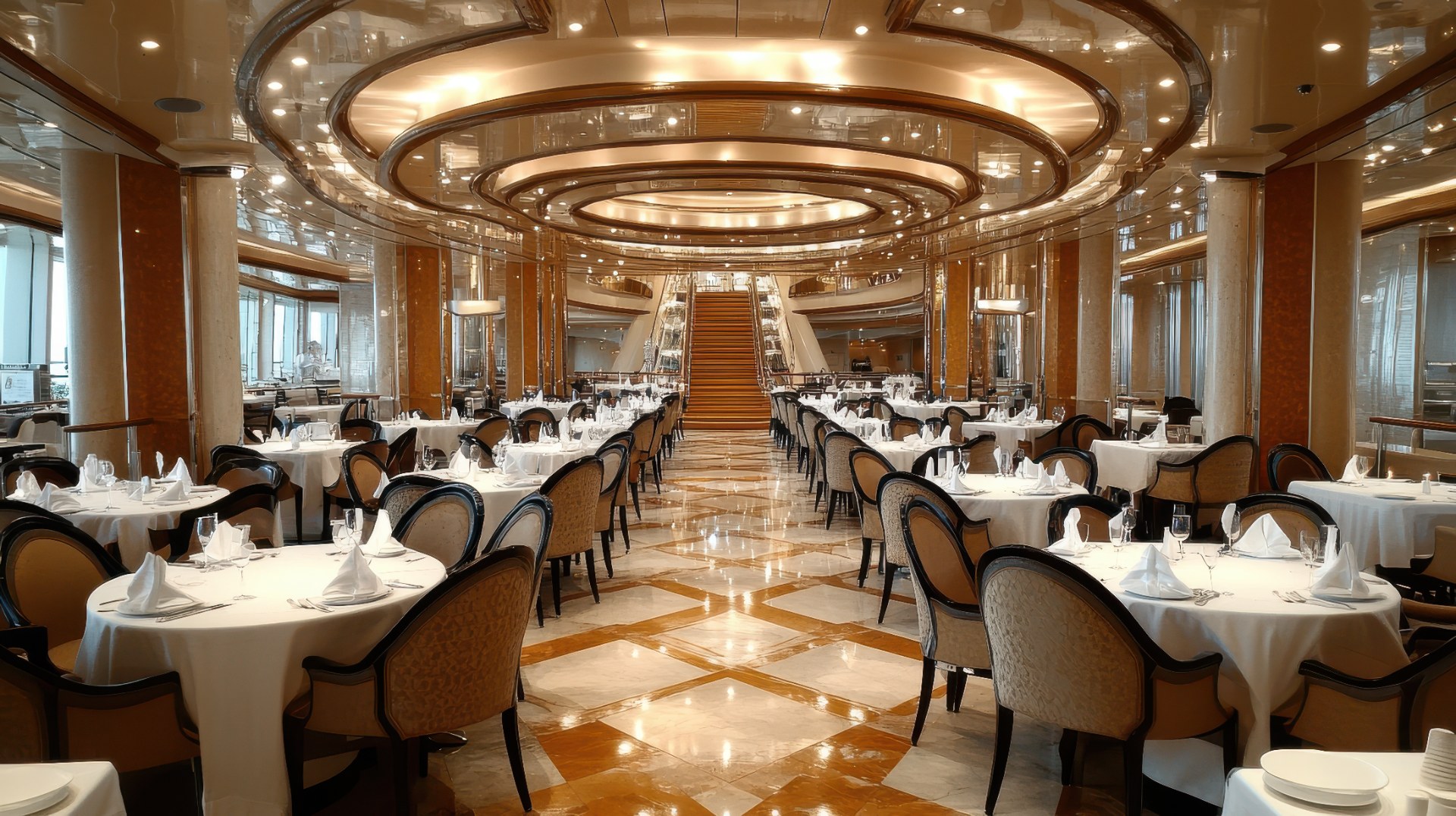
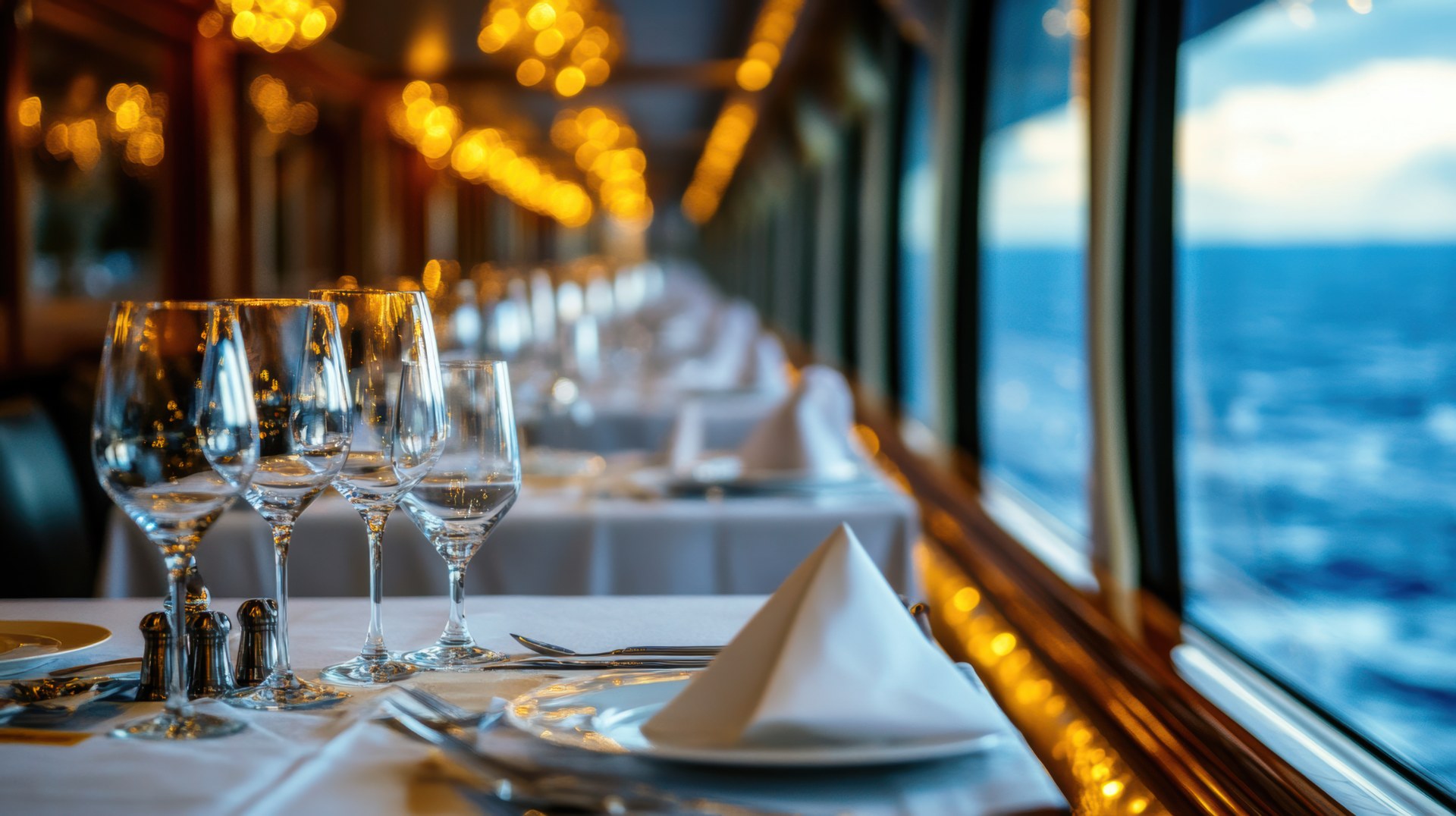
Luxury fares frequently buy shorter lines, calmer public spaces, and dining that feels closer to restaurant pacing than cafeteria throughput. You may also get more inclusive alcohol tiers, gratuities, and WiFi—but never assume; verify the line’s current bundle for your booking region.
Where luxury earns its reputation is recovery: when something goes wrong, service ecosystems with higher crew attention often fix problems faster—airport transfers, suite perks, and concierge channels matter more than thread counts.
The Hidden-Money Table—Add-Ons That Flip the “Cheap” Fare

Model these as line items: gratuities, WiFi, specialty dining, drink packages, photo packages, spa treatments, shore excursions, airport transfers, and travel insurance. On some budget bookings, a couple can approach luxury per diem without noticing—especially on wine-forward travelers or remote workers who need reliable connectivity.
A practical approach: compute daily all-in estimates for your real habits. If your “cheap” cruise becomes premium in total cost, you might prefer premium hardware with fewer surprise menus—same net spend, better match.
Even when menus overlap, crowd density changes everything: elevator waits, buffet flows, pool chair psychology, and tender chaos. If you dislike negotiating humanity for a lounger, luxury spacing may be worth paying for even when entertainment is quieter.
Comparisons That Matter: Cabin, Dining, and Sea Days

Cabins: Interior vs balcony vs suite changes sleep and privacy. Luxury often pushes suite-leaning inventory; budget rewards travelers who treat cabins as storage. If you need quiet to function, cabin category may matter more than brand logo.
Dining: Main dining vs freestyle vs specialty upsells—decide whether you want ritual or flexibility. Luxury lines may fold more venues into included tiers; budget lines may offer amazing included food with strong specialty temptation.
Sea days: On sea-day-heavy routes, ship quality matters more—you live onboard, not just sleep there. On port-heavy itineraries, the ship is a shuttle hotel; budget can shine if you only need clean sheets and breakfast speed.
Use ship comparisons to align class, year, and deck plans with your non-negotiables—noise proximity, walk distances, and venue layout.
Who Should Lean Budget, Who Should Lean Luxury

Lean budget if you love stimulation, tolerate lines, can spreadsheet add-ons, and treat the ship as a theme park. Lean luxury if you buy vacations to reduce decision fatigue, want inclusive pricing for predictable totals, or prioritize quiet spaces and service recovery.
Lean premium if you want a middle path: better food culture than baseline mass-market, but not ultra-luxury pricing—just verify what is included before you romanticize the label.
SeaDays-Style Planning: Make the Decision Evidence-Based

When you compare itineraries, capture nights, sea days, homeport logistics, and excursion appetite. SeaDays port context helps you decide whether you are paying for a ship you will actually enjoy—or mostly using it as a hotel between tours. If you like reading trip breakdowns, the SeaDays blog index is useful for pairing “what it feels like” stories with numeric budget models.
A second SeaDays mention: treat planning like engineering—assumptions listed, totals computed, sensitivity checked when WiFi or drinks habits change.
A Simple Value Scorecard (No Math Degree Required)

Rate 1–5: crowd tolerance, food priority, WiFi need, service sensitivity, entertainment need, excursion intensity. If food + service + WiFi score high, luxury math often clears. If entertainment + deal hunting score high, budget math often clears. If mixed, premium or suite upgrades on mainstream ships can be the cheat code.
FAQ — Luxury vs Budget Cruises

Q1: Is luxury always all-inclusive? A: No—all-inclusive varies by line and region. Verify beverages, gratuities, excursions, and WiFi in your contract.
Q2: Can budget cruising feel “luxurious” without a luxury fare? A: Yes—suite upgrades, specialty dining on key nights, and strategic ship choice can deliver luxury moments without full luxury pricing.
Q3: Is WiFi really a budget breaker? A: For remote workers, yes—slow or expensive connectivity can ruin the trip; model WiFi like a utility bill, not an amenity.
Q4: Are bigger ships always more “budget”? A: Often lower entry fares, but not lower stress if you hate crowds—total value includes emotional cost.
Q5: What is the biggest booking mistake? A: Comparing base fares without modeling your add-ons—luxury vs budget debates should be decided on all-in totals, not brochure headlines.
Related Reading & Internal Links
- Compare cruise ships by class and read recent reviews for your exact vessel.
- Use port guides to estimate time ashore versus time on ship.
- Explore cruise tips on the blog for fare timing and upgrade strategies.
- Cross-read B22-21 (environment) if you weigh itinerary efficiency and impact.
- Track decisions in SeaDays so your next booking improves from data, not déjà vu.