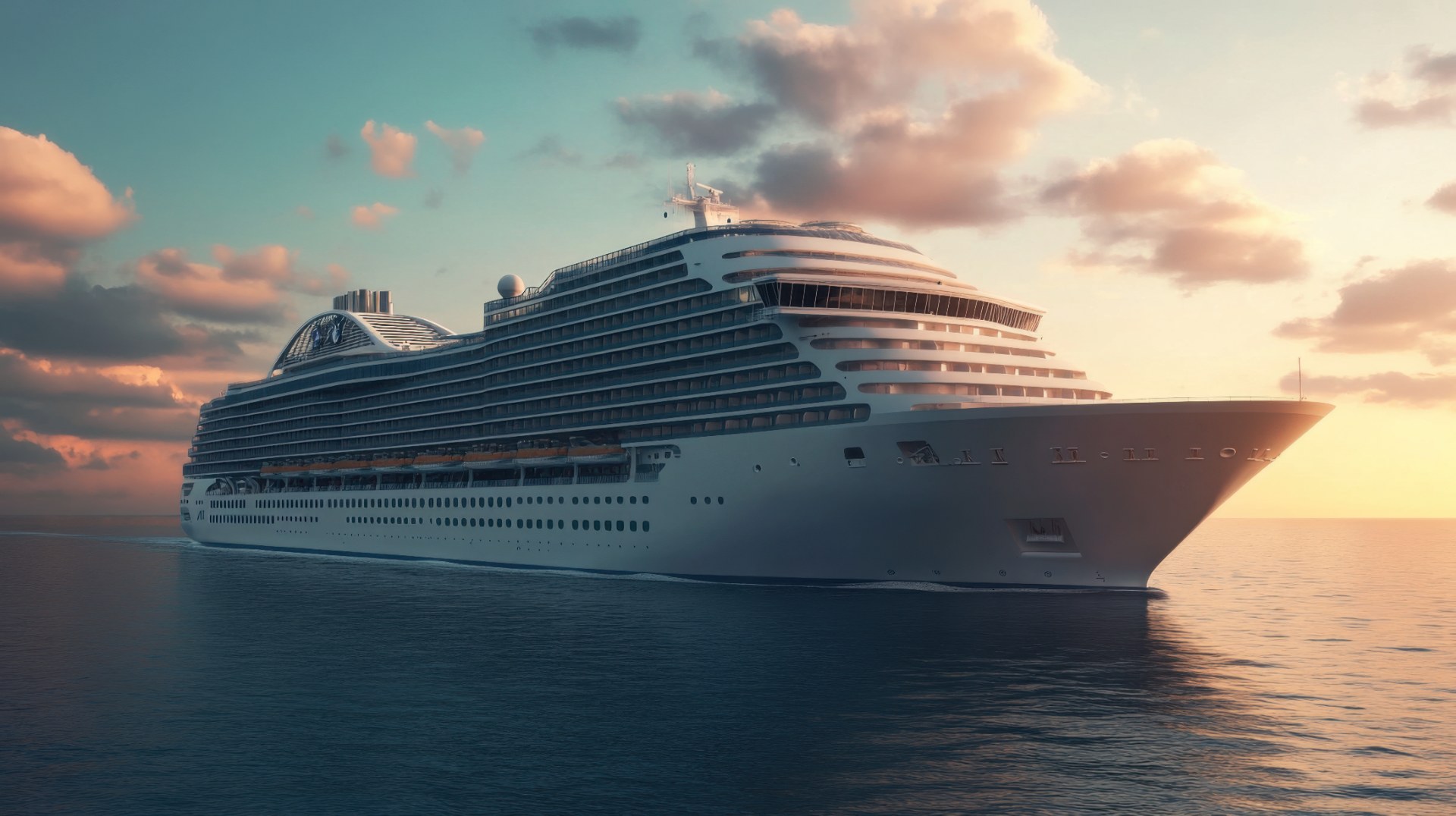
Budget vs luxury isn’t one price tag

A budget cruise fare and a luxury cruise fare are not two versions of the same product with different fonts. They package different bundles: how many guests share the ship, what the daily rate already covers, and how often the cabin card gets involved.
This guide is the cost and value layer—what tends to be included, where money leaks, and how to compare totals without pretending every line item is published as a neat table (prices vary by line, sailing, and season; treat ranges as planning lenses).
If you still need the “which lane fits me?” frame, start with [Budget vs Luxury Cruise: How to Choose](/blog/budget-cruise-vs-luxury-cruise-what-to-choose/). For a 2026-oriented value narrative, see [Luxury vs Budget Cruises: Is the Price Difference Worth It in 2026?](/blog/luxury-vs-budget-cruises-is-the-price-difference-worth-it-in-2026/).
How to compare true cost, not brochure fare

Build one column for each option you’re considering (budget sailing vs luxury sailing of similar length/region when you can):
1. Cruise fare (after taxes/fees as shown at checkout). 2. Known inclusions you’d otherwise buy: drinks, Wi‑Fi, specialty dining credits, gratuities, transfers, shore time. 3. Likely onboard drip for your habits (not the brochure couple who “barely drinks”). 4. Pre-cruise stack: flights, hotels, insurance, prepaid excursions. 5. Port stack: taxis, tours, lunches ashore—usually similar across lanes unless the luxury fare includes excursions.
Then compare estimated vacation totals, not fares. The useful question is: “For the week we want, which total buys less friction and fewer regrets?”—not “Which number looks smaller on day one?”
If two totals land within a few hundred dollars and one removes daily payment decisions, that removal is part of the value—not fluff.
Where luxury buys value (and where it doesn’t)

Luxury often buys real value when: you’d purchase a drink package + Wi‑Fi + several specialty meals anyway; you pay a stress tax for crowds and upselling; you use the quieter public spaces and higher staff attention every day; or inclusions cover transfers/excursions you’d book either way.
Luxury often fails the value test when: you’re barely onboard (port-intensive DIY days); you don’t drink and don’t need ship Wi‑Fi; you wanted mega-ship attractions more than hush; or you’re paying luxury rates for an itinerary where the ports—not the ship—are the product.
Budget often wins value when: entertainment and kids clubs are the core vacation; you’re disciplined about onboard spend; deal fares are deep; or you’re still learning what you like at sea.
Budget loses value when: your folio grows through convenience swipes; you hate waiting; or you “save” on fare then buy the ship back à la carte every afternoon.
Cost traps that fake either side

- Prepaid package blindness. Once a drink or Wi‑Fi package is paid, people stop counting it—then still feel “cheap” while the vacation total is already locked high.
- Gratuity amnesia. Auto-gratuities are real money whether they’re bundled or billed daily. Put them in the same model for both lanes.
- Comparing a sale fare to a rack luxury rate. Match like-for-like timing (shoulder season vs peak; balcony vs suite) or you’ll crown a fake winner.
- Ignoring cabin category. An obstructed budget balcony vs a luxury veranda isn’t a pure brand comparison—it’s also a space comparison.
- Port spend denial. Neither lane makes taxis free. If your trip is excursion-heavy, model shore costs explicitly or they’ll ambush the “winner.”
A practical cost stack by trip phase

Pre-cruise: deposits and final fare; flights; pre-hotel; insurance; any prepaid packages. Luxury may collapse several of these into the rate; budget leaves them optional and visible.
Embarkation week: specialty deposits, photo teases, spa consults—small numbers that train the cabin card. Budget ships often present more of these forks; luxury may already include the fork you wanted.
Sea days: the drip days. This is where drink math and Wi‑Fi habits dominate. Run beverage break-even with a [cruise drink calculator](/cruise-drink-calculator/) before you treat unlimited as automatic savings.
Port days: cash/card ashore. Independent touring can be cheaper than ship tours—or more expensive with bad timing. Lane choice doesn’t erase that.
After the sailing, log categories once (folio + cards). Voyage Analytics-style views help you see whether pre-cruise lock-in, onboard drip, or ports blew the plan—so the next budget-vs-luxury choice is evidence-based, not vibes.
Value scorecard without the marketing

Score each option 1–5 on what you personally pay for:
| Factor | Why it matters | |--------|----------------| | True total (fare + likely drip + pre-cruise) | The only money number that counts | | Inclusion fit | Bundles only help if you’d buy them | | Friction / crowds | Soft cost: energy and mood | | Cabin / public space | Soft cost: sleep and recovery | | Entertainment fit | Paid or included doesn’t matter if you won’t use it | | Port logistics | Transfers and tour style |
Add the scores. If a luxury option wins on friction and inclusions but loses on entertainment you care about, don’t force it—or pick a different itinerary. If a budget option wins on total cost but you know you’ll buy the ship back daily, price that honesty in before you book.
FAQ

Do luxury cruises include drinks and Wi‑Fi? Often yes on modern luxury and many premium-luxury products—but always verify the sailing’s inclusions list. “Luxury” is not a legal standard.
Are budget cruises actually cheap? The fare can be. The vacation is cheap only if your onboard and port habits stay light.
Should I book the cheapest balcony I see? Only after you model drip + transfers. A slightly higher fare with better inclusions or a calmer ship can be the lower-stress total.
How do I keep the comparison honest with a partner? Same spreadsheet, same assumptions, written habit guesses (“two specialty nights,” “Wi‑Fi daily,” “mostly water onboard”). Arguments happen when one person models monk habits and the other models vacation habits.