Solo vs group cruising is an operating mode
Solo and group cruises are the same ocean with different logistics. Solo means you own every choice—and every silence. Group means shared cabins or shared calendars—and committee friction.
Neither is automatically braver or cheaper. The useful question is which mode matches how you make decisions, spend money, and recover energy on a ship.
For Day-1 solo tactics (carry-on, eating alone, muster), see dedicated solo first-cruise guidance when published/linked from SeaDays; this page stays on the mode comparison.
How to choose solo, group, or a hybrid

Ask:
1. Energy. Do empty tables recharge you or drain you? 2. Budget shape. Solo often means single supplements or studio cabins; groups can split transfers and tours—or multiply specialty dining. 3. Decision speed. Groups miss ships in committee. Solo travelers miss ships by over-optimizing alone. Both need a clock rule. 4. Purpose. Celebration with people vs reset without negotiation.
Hybrid options: sail solo but join a sailing Roll Call meetup for optional company (sailing chat / Roll Call coordination sits on Basic Monthly and higher—use it for prep, not as a pier panic channel); travel as a couple inside a larger friend group with separate hard-return agreements; book connecting rooms but keep independent port mornings.
Write the mode in one sentence before you book cabins: “This week is solo reset” or “This week is shared logistics with three friends.” Cabin and dining choices get easier after that.
What works better solo vs in a group

Solo tends to work better when: you want flexible dining times; you’re fine with studio/solo lounges if offered; you like spontaneous port plans; you don’t want to negotiate showtimes.
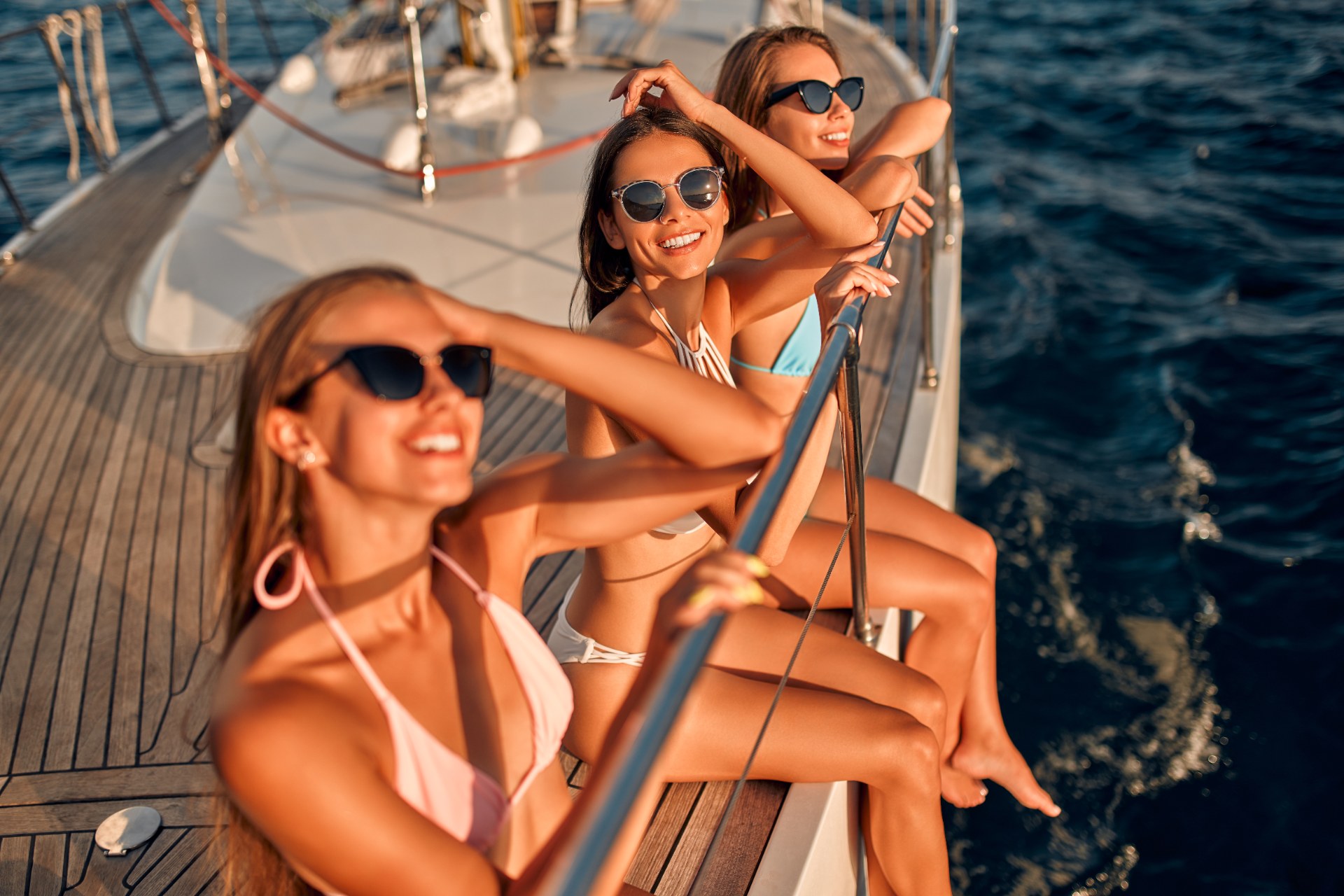
Group tends to work better when: you share transfers and tour costs; someone wants a built-in dinner companion; you’re coordinating kids across cabins; you already communicate well under time pressure.
Practical picks:
- Solo: prioritize cabin sleep quality and a simple Day-1 checklist over “forced friendliness.”
- Group: name a timekeeper before every port; agree hard return times when you plan the day—not at the gelato shop.
- Either mode: keep muster, documents, and carry-on essentials non-negotiable.
Mistakes unique to each mode
Solo mistakes: overfilling the day so you never rest; assuming you’ll “figure dining out” without a backup plan; skipping Roll Call or meetups you’ll actually like out of pride; treating single supplement sticker shock as the whole cost story without modeling onboard drip.
Group mistakes: no named timekeeper; four people, four port dreams, one tender queue; shared payment confusion; expecting the ship to glue a fraying friendship together.
Shared mistake: copying someone else’s mode. A loud group trip is not a template for a solo reset—or the reverse.
Money and timing differences that actually show up
Solo cost pattern: higher per-person cabin cost (supplement or studio premium) possible; lower peer pressure to specialty-dine nightly; transfers can be pricier alone unless you share ad hoc.
Group cost pattern: split vans and private tours can win; dining and drink packages multiply; one person’s upsell can become everyone’s folio story.
Timing: groups need earlier assembly times before all-aboard. Solo travelers still need buffers—especially tenders—but they can move faster once decided.
Log spend by category after the trip so the next mode choice isn’t folklore. Light SeaDays use: port notes + who the timekeeper is (groups) or a solo Day-1 checklist beside the sailing plan.
Tradeoffs in plain language
Solo — upsides: full calendar control; easier dining flexibility; socializing on your terms. Solo — downsides: single-supplement risk; self-managed logistics; quiet moments that can feel loud if you didn’t choose them on purpose.
Group — upsides: shared costs and memories; built-in dinner company; safer-feeling shore days for some travelers. Group — downsides: compromise tax; slower exits from ports; conflict when tastes diverge.
Pick the tradeoffs you’ll still accept on day five—not the ones that sound good at booking.
FAQ

Is solo cruising awkward? It can be at first meal. It rarely stays awkward if you have a simple plan for Day 1 and permission to eat alone without performing.
Do groups always save money? Only if they actually share big-ticket items and don’t multiply packages. Four drink packages are not a discount.
Can I start solo and join people later? Yes—Roll Call meetups (paid sailing-chat access on Basic Monthly+), classes, and shared excursions work well when you opt in without outsourcing your hard return time.
What if my group is uneven (couple + singles)? Separate some port blocks on purpose. Forced togetherness all day is how resentment boards the ship.