Large Passenger Numbers and Ship Design
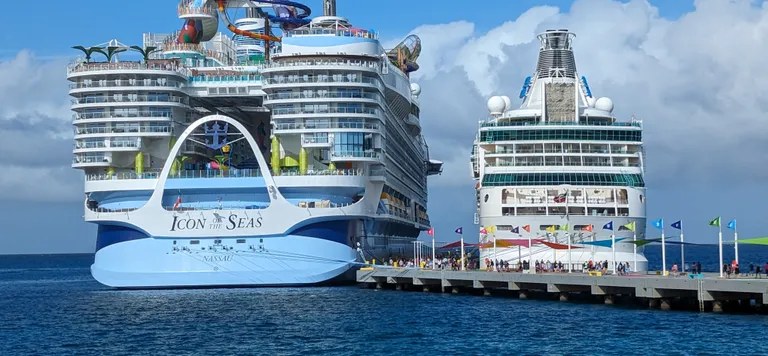
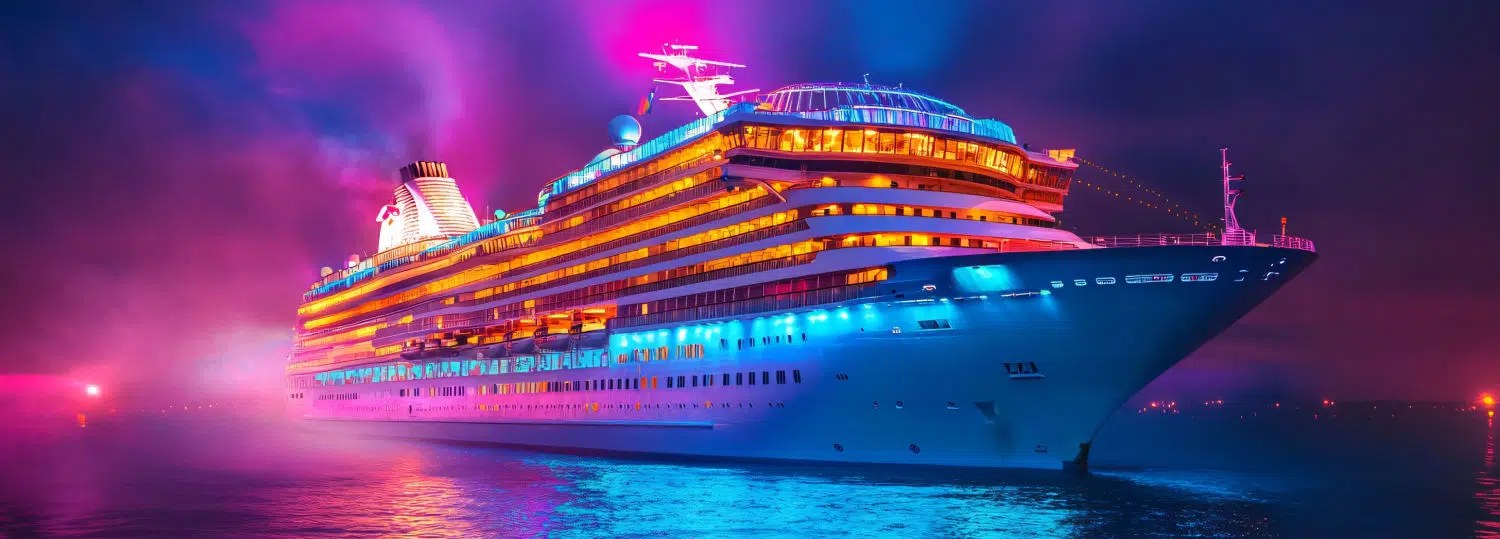
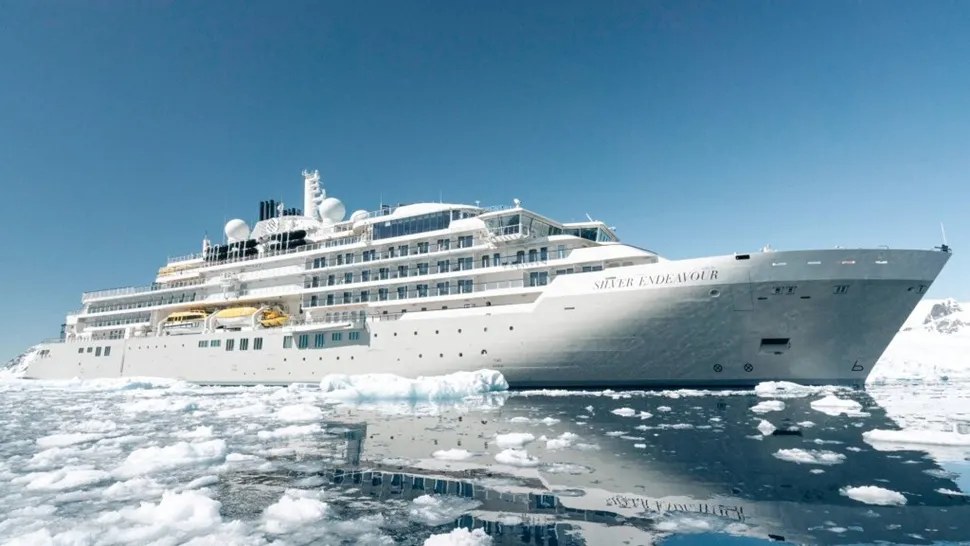
Modern cruise ships can carry 4,000 to 6,000 passengers across 15 to 20 decks. Unlike a hotel where guests spread across a city, a cruise concentrates movement into restaurants, theaters, embarkation terminals, and pools at predictable hours. Elevators are sized for building codes and comfort—not for "everyone at once."
Ship design clusters key venues: main dining rooms often sit midship on a few decks; theaters are typically lower aft or forward; buffets are high and open early. That funnels traffic into the same elevator banks. During peak movement, each car fills quickly, and stops on intermediate decks multiply wait times.
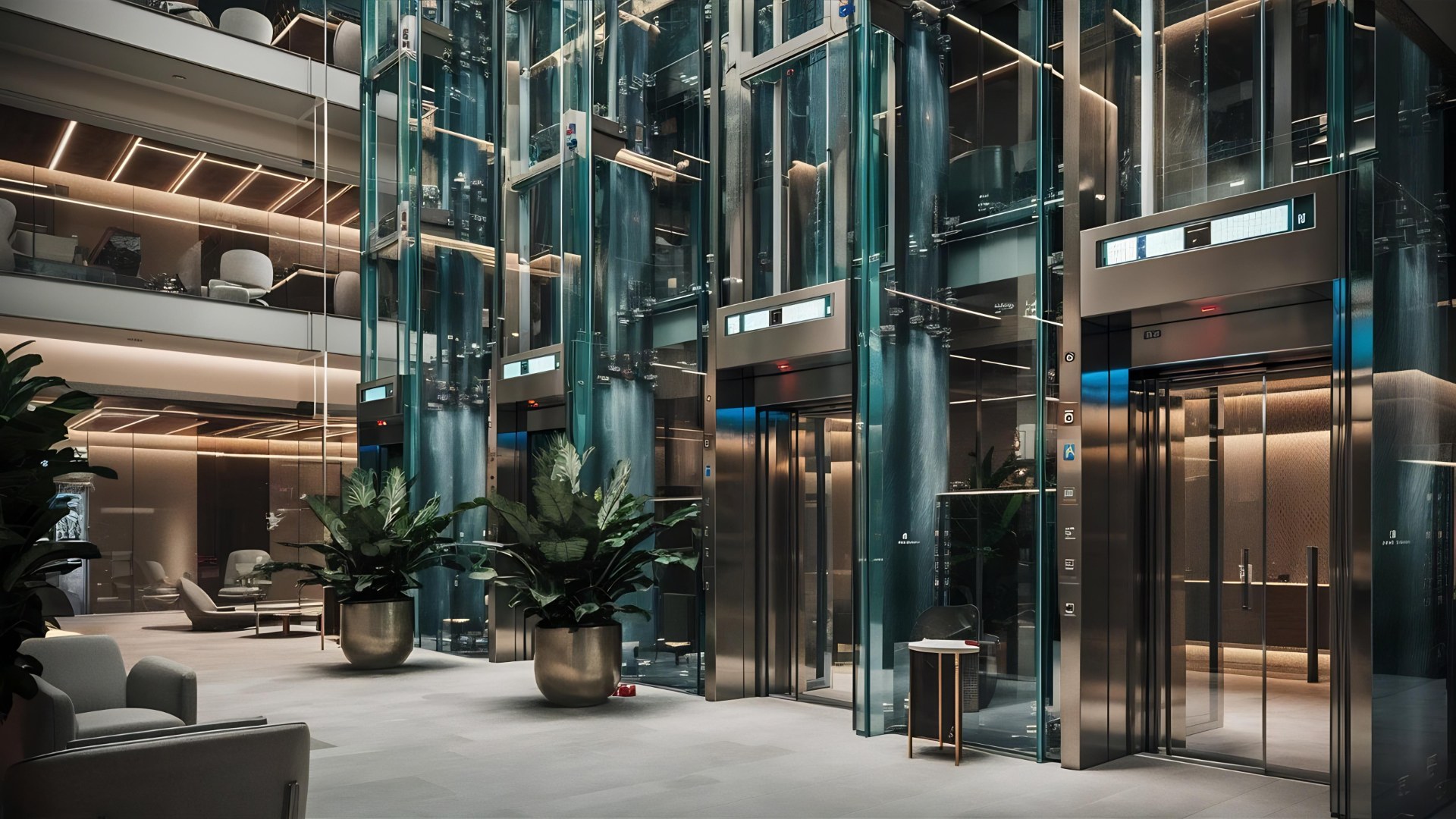
Elevators share the same midship, forward, and aft banks—everyone heads to dining, shows, and gangways at similar times. Physics and human behavior create queues: everyone wants to move between the same two decks simultaneously.
Peak Elevator Times

Elevators are busiest during:
• Dinner hours—first seating and second seating (or anytime dining rushes just before showtimes) send thousands toward main dining and specialty restaurants at once. • Show times—when theater doors open and when audiences exit together, lobbies and elevator banks flood. • Embarkation day—guests explore the ship with luggage, find cabins, and attend muster; many have never learned the stairwell shortcuts yet. • Disembarkation morning—self-assist guests and timed groups all aim for the same decks at roughly the same hour. • Port mornings—excursion meetups cluster at gangway levels; tours often depart within a narrow window.
Sea days amplify pool deck traffic. Sunrise lounger runs and midday lunch rushes stack on top of normal circulation. The buffet and pool bar create vertical traffic spikes that land on the same elevator banks.
Accessibility, Crew, and Layout Quirks
Crew members use elevators too—during service hours, galley carts, housekeeping trolleys, and luggage handlers share the cars. Operational traffic is part of keeping the ship running.
Some ships have elevators that do not stop on every deck—or banks that serve only certain deck ranges. Guests who assume "all elevators go everywhere" can end up in the wrong lobby, adding to congestion. Mobility needs are real: many passengers rely on elevators for wheelchairs, walkers, or scooters. Cruise lines prioritize accessibility, but peak times still create waits for everyone.
Walk one or two flights of stairs when you can—often faster than waiting for a car that stops every deck. Use midship stairs for short hops; save elevators for long vertical moves (e.g., deck 3 to deck 16) or when carrying bags or drinks.
Board on a half-deck landing when possible—some stair towers connect faster than waiting behind a full lobby queue. If mobility is a concern, plan buffer time before fixed appointments (shows, dining reservations) so you are not racing the elevators at peak. Wrong-deck syndrome: double-check the deck before pressing the button. Cruise ship layouts can be disorienting; pressing the wrong floor adds unnecessary stops for everyone. Cruise tips from veterans: learn your cabin's relationship to stairs vs elevators on day one. A cabin near midship stairs might feel closer to the pool than one near aft elevators—even if the elevator ride seems shorter on paper.