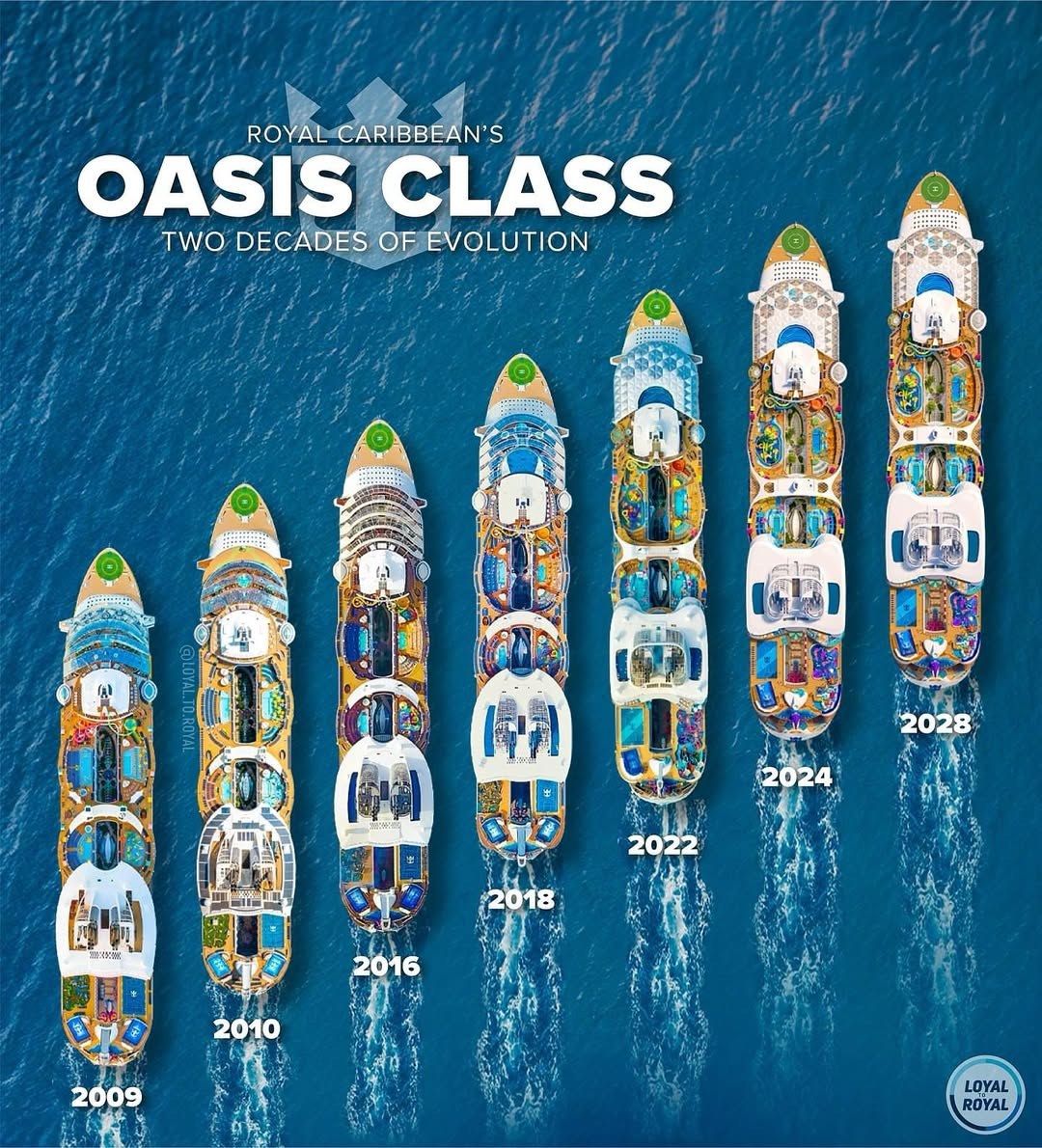
What “Oasis Class” Actually Means
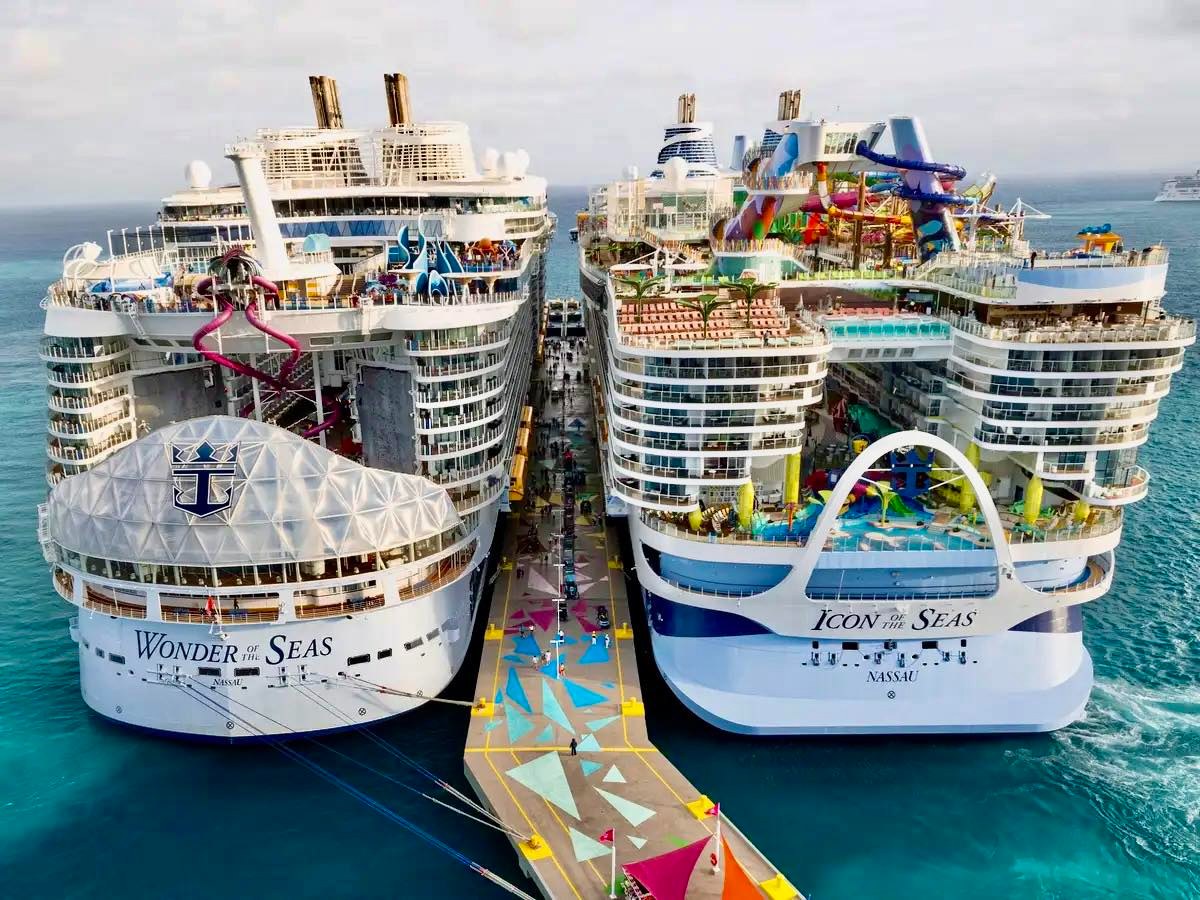
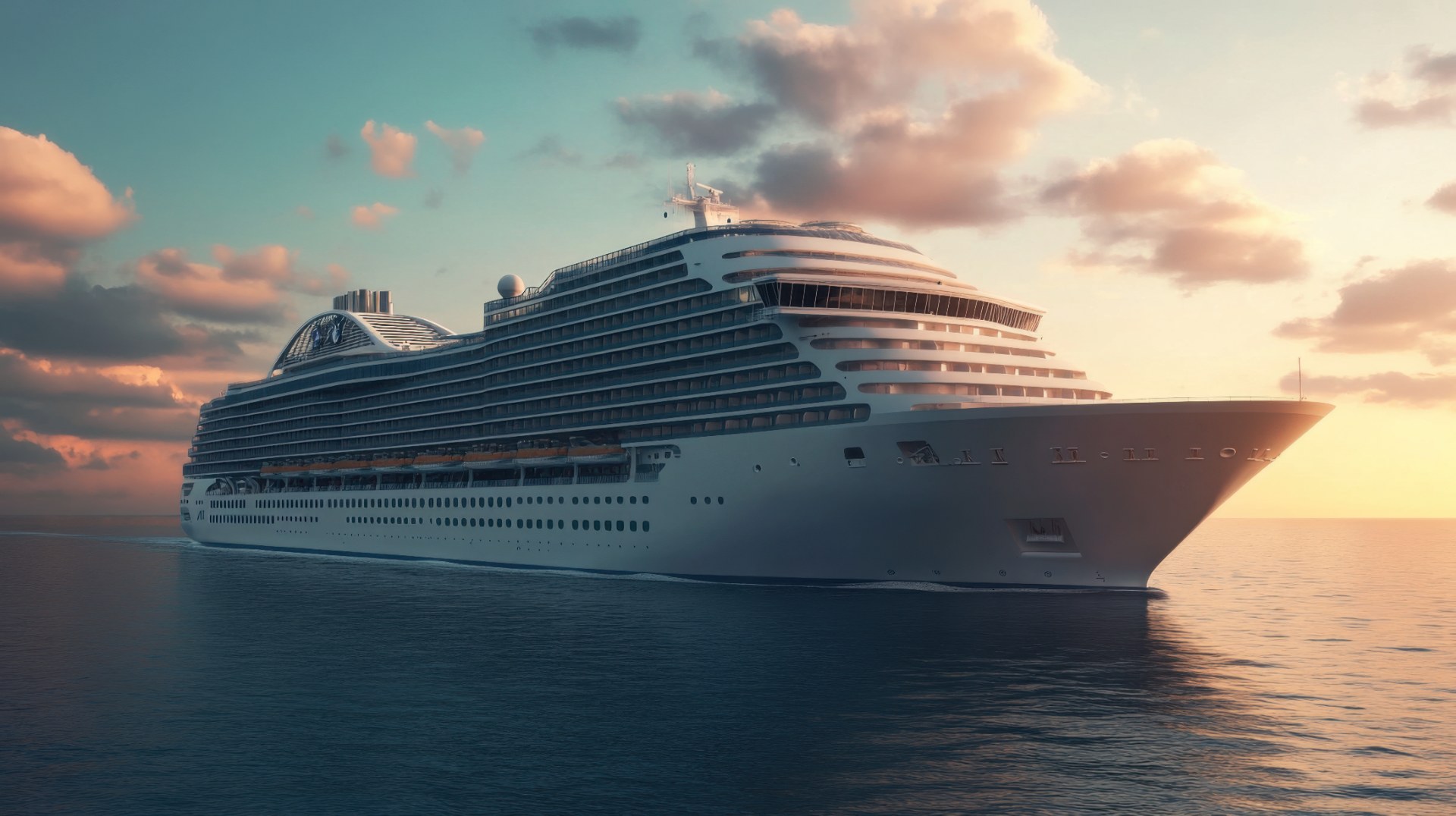
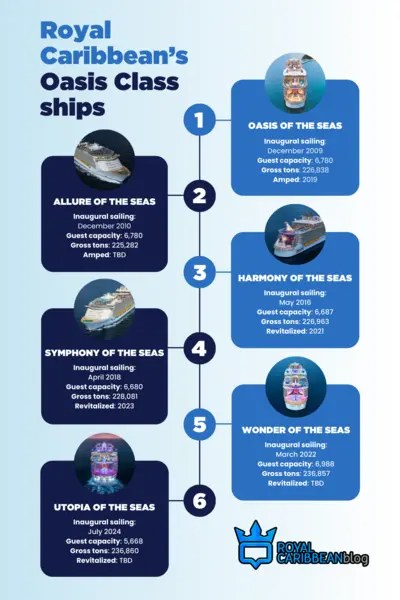
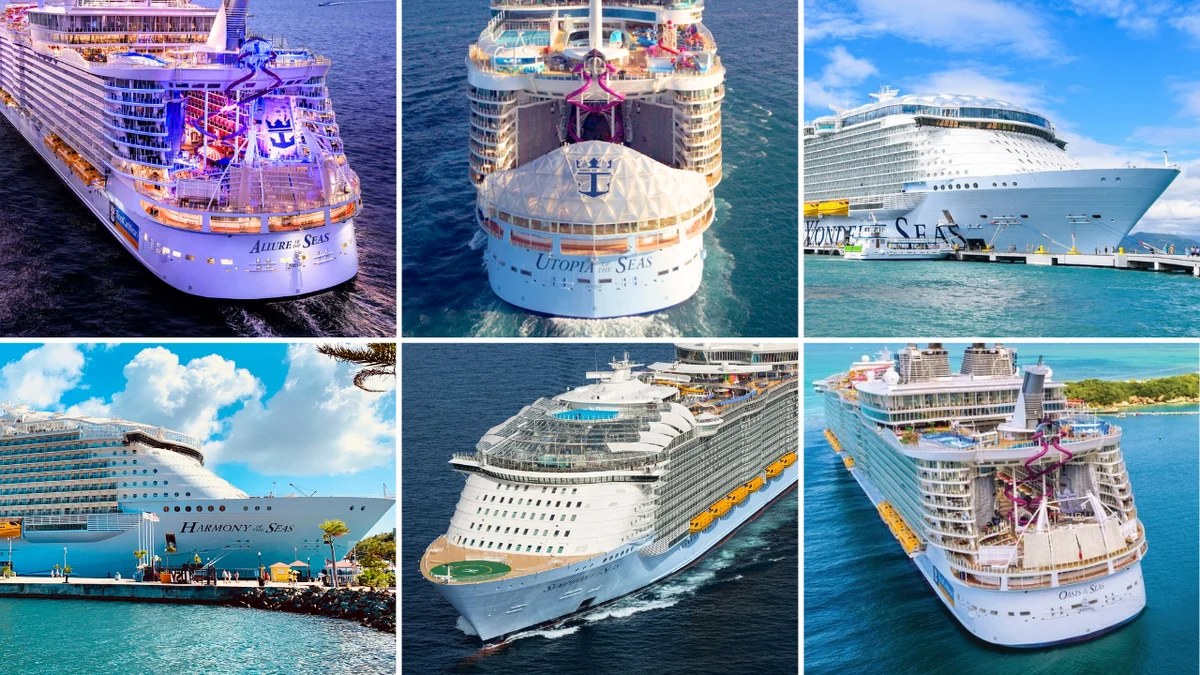
Oasis-class ships (Oasis, Allure, Harmony, Symphony, Wonder, Utopia) share a split superstructure: open midship courtyards (Central Park, Boardwalk) flanked by tower blocks. Stability feels strong for size thanks to wide beams and weight distribution.
Neighborhood concept reduces crowding psychology—you can hide in quiet parks while thrill riders queue aft. Luxury in this context is not butler service for every guest—it is spatial variety and premium suite enclaves (Royal Suite Class) that approximate high-end experience.
Ship-by-Ship Differences That Matter
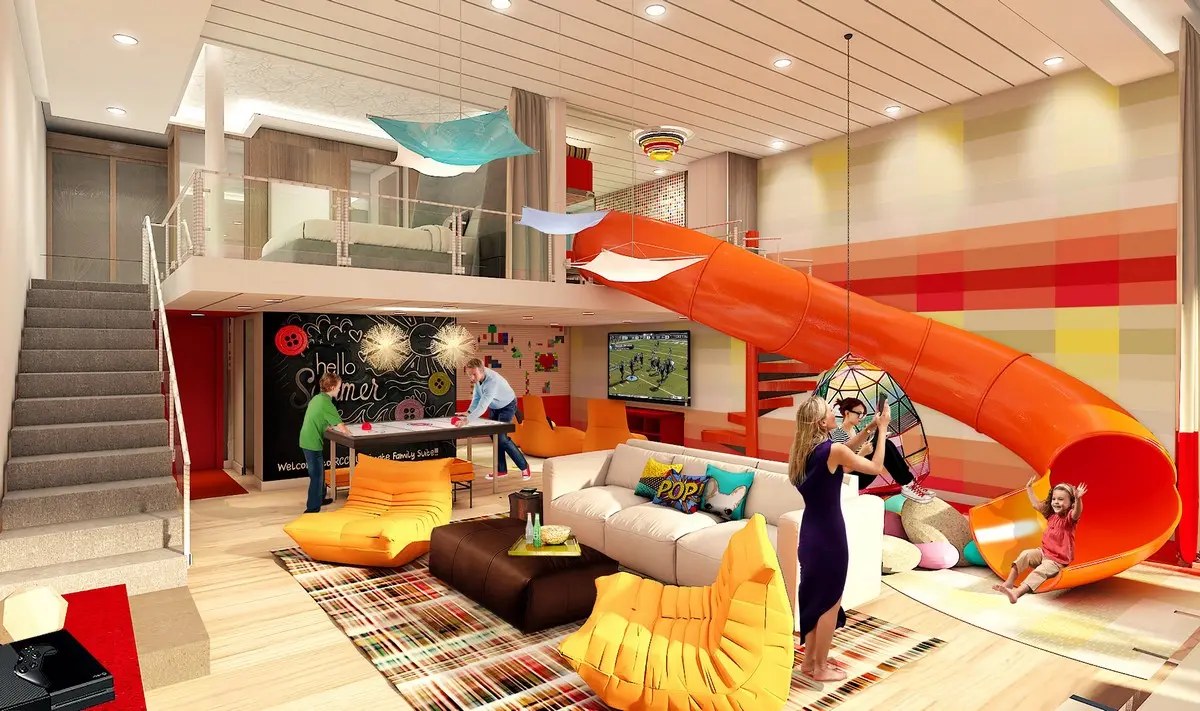
Oasis and Allure are older hulls with refits adding venues—check recent drydock notes for new restaurants and tech. Harmony introduced Ultimate Abyss slide and expanded water play. Symphony tuned entertainment spaces; Wonder added Wonder Playscape family zones and updated suite sun decks.
Utopia targets short Caribbean loops with energy optimized for repeat weekenders. Deck plans remain familiar—loyal guests navigate fast.
Suites, Star Class, and the Luxury Layer
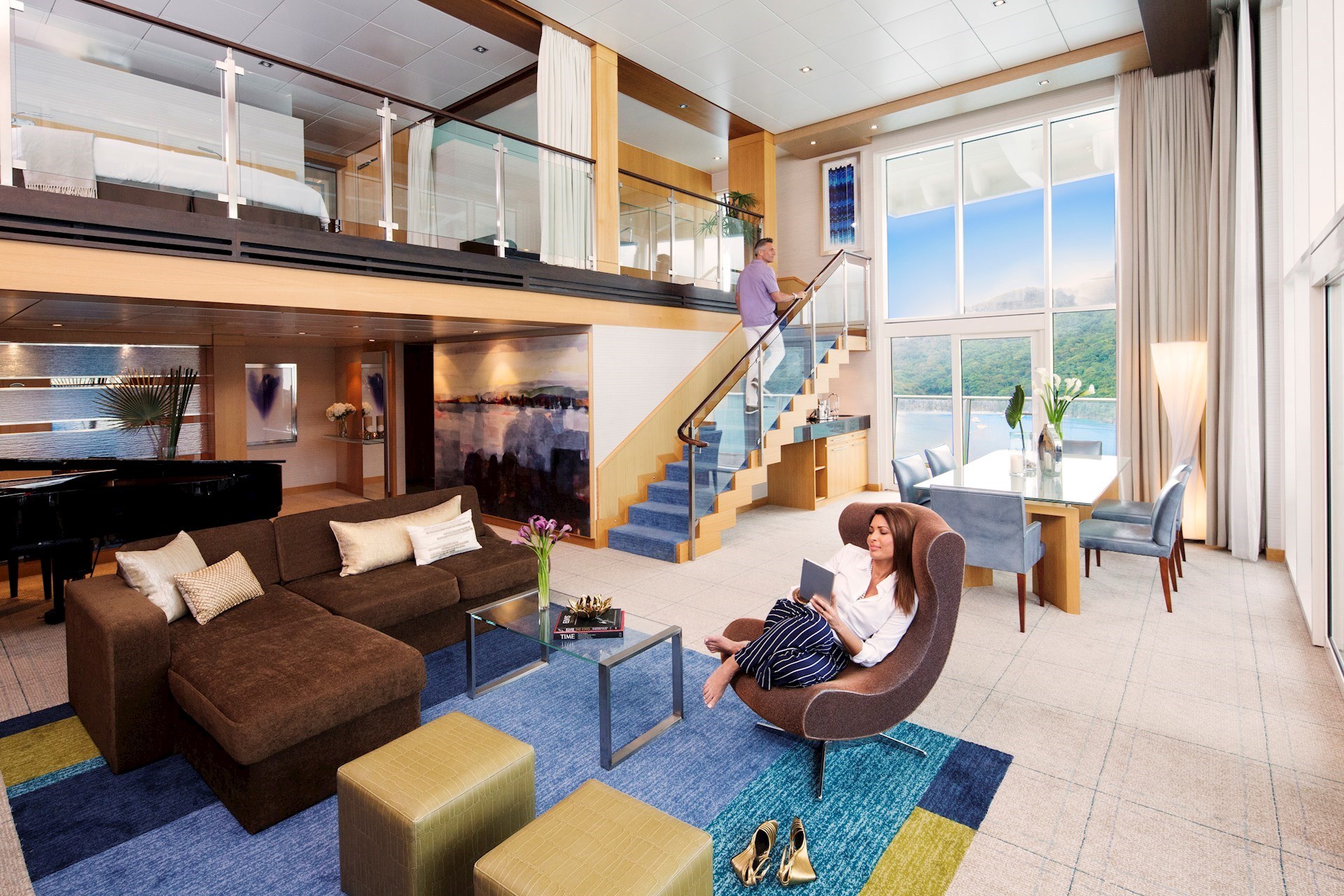
Royal Suite Class unlocks Coastal Kitchen, exclusive lounges, and Genie service on Star tier—closest to true luxury within brand. Sky and Sea tiers add dining privileges and internet packages depending on promotion.
Icon-class siblings compete for newest hardware, but Oasis-class still delivers massive theater shows and park serenity when timed well.
Dining as a Premium Strategy
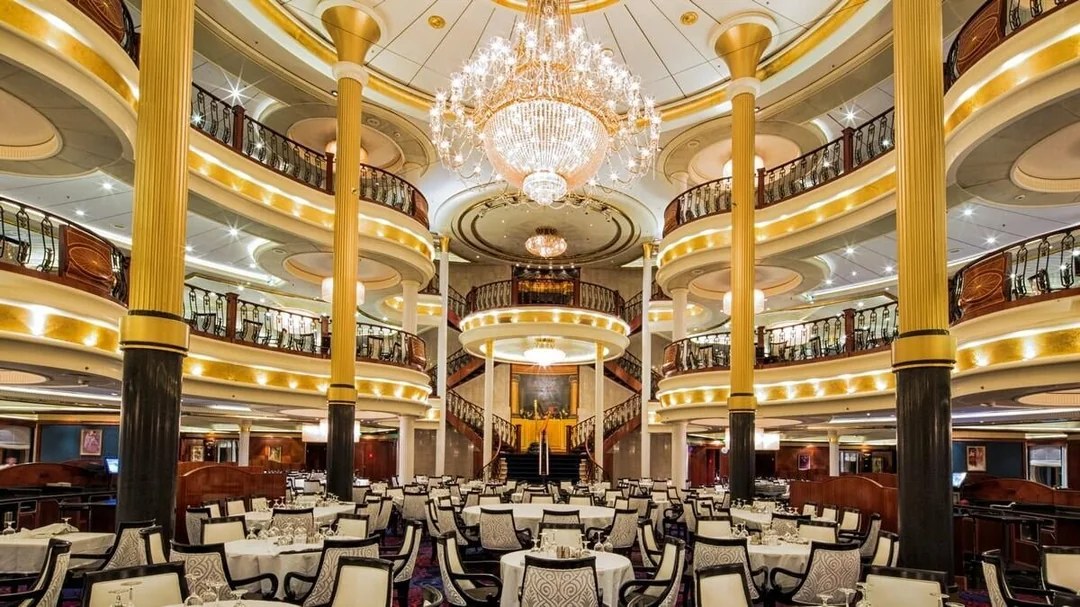
Specialty venues (150 Central Park, Chops, Izumi, Playmakers, new concepts post-refit) spread demand. Book pre-cruise; revisit reservations on embarkation day. Main dining traditional vs My Time dining affects pacing—pick what reduces stress.
Windjammer peak hours hurt relaxation—eat early or late, or use smaller venues when open.
Entertainment and Crowd Management
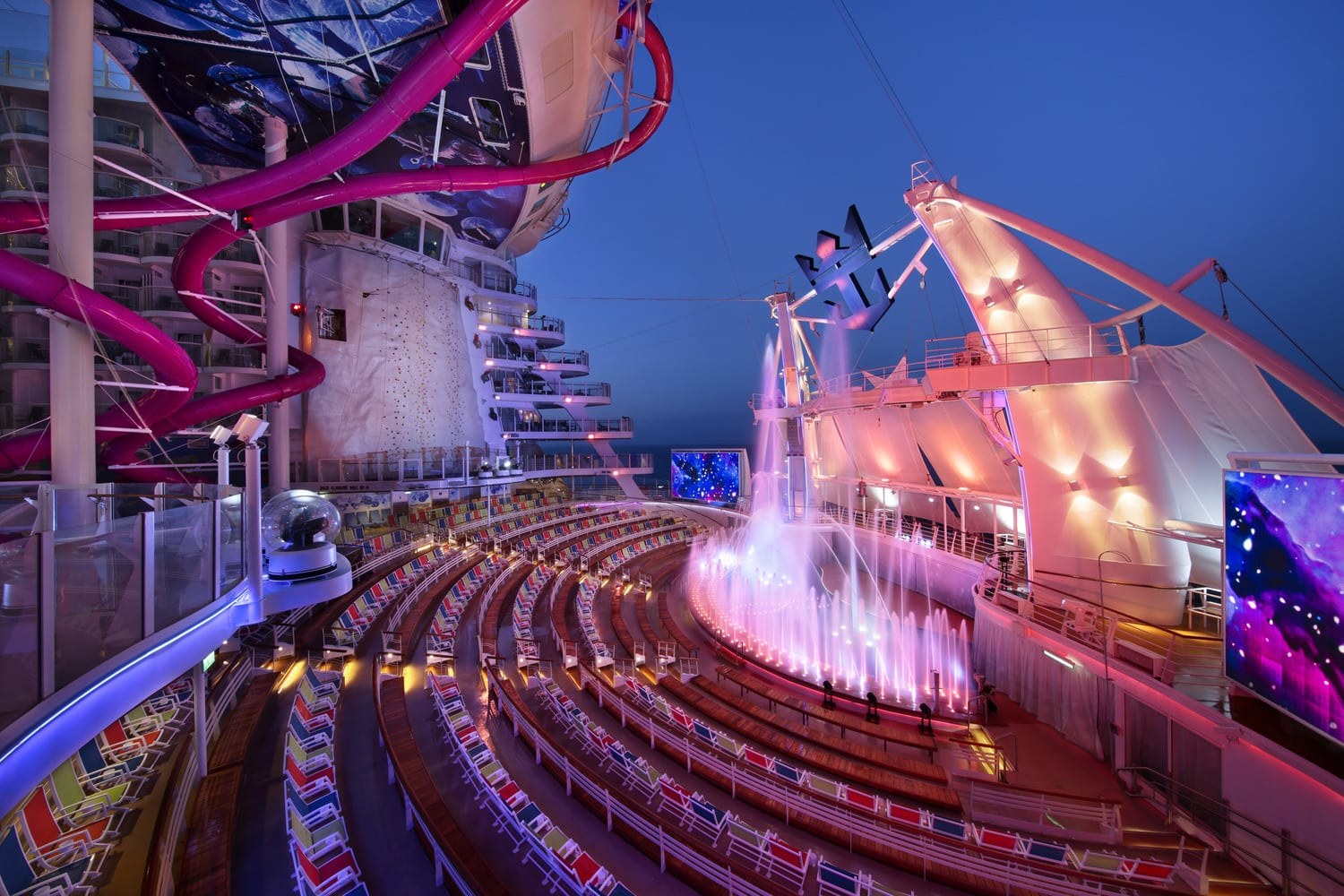
AquaTheater acrobatics, ice shows, and Broadway titles vary by ship—reserve where required. Pools crowd on sea days; Solarium (adults) offers quieter water features on some ships.
Zip lines, carousels, surf simulators define brand fun—luxury seekers pair these with spa thermal suites (extra fee) and suite deck quiet.
Choose Oasis-class if you want maximum choice, strong kids programs, and big production value. Skip if you dislike crowds and won’t buy suite tier or strategic venue timing.
Compare Icon-class for newest tech and beach clubs—Oasis-class often prices lower per day on older hulls.
Deep Dive — Neighborhoods, Thrill Rides, and Quiet Corners
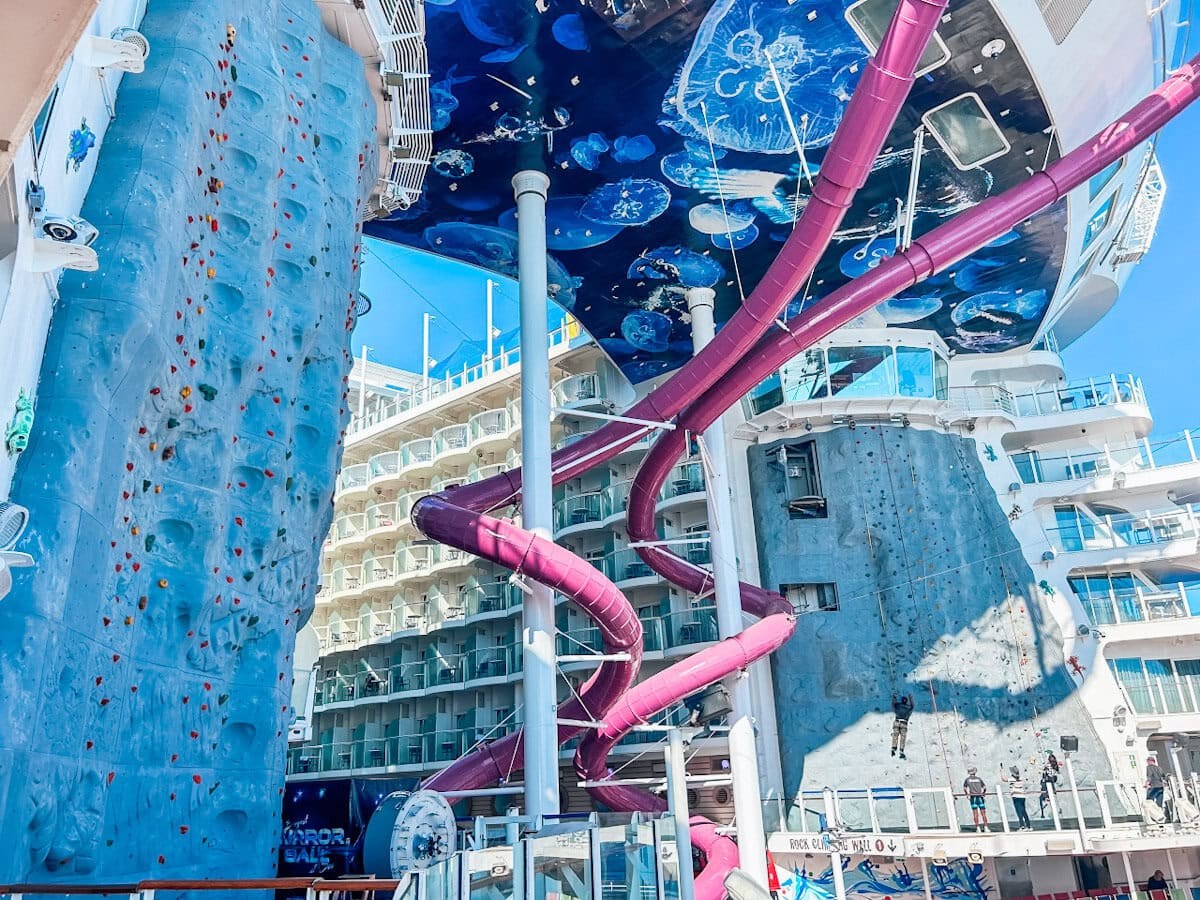
Central Park loft restaurants feel removed from pool chaos—book brunch windows when shade temperatures cooperate. Boardwalk carousels and hot dog shacks skew nostalgic family energy opposite the zip line and Ultimate Abyss thrill cluster aft. Royal Promenade parades and pub music fill evenings when Broadway houses between shows.
Suite guests on Star class access Coastal Kitchen for breakfast and dinner without main dining room queues—worth modeling against specialty cover charges you already planned. Genie service on top tiers coordinates hard-to-get reservations—still subject to venue capacity.
Caribbean vs Mediterranean Deployments
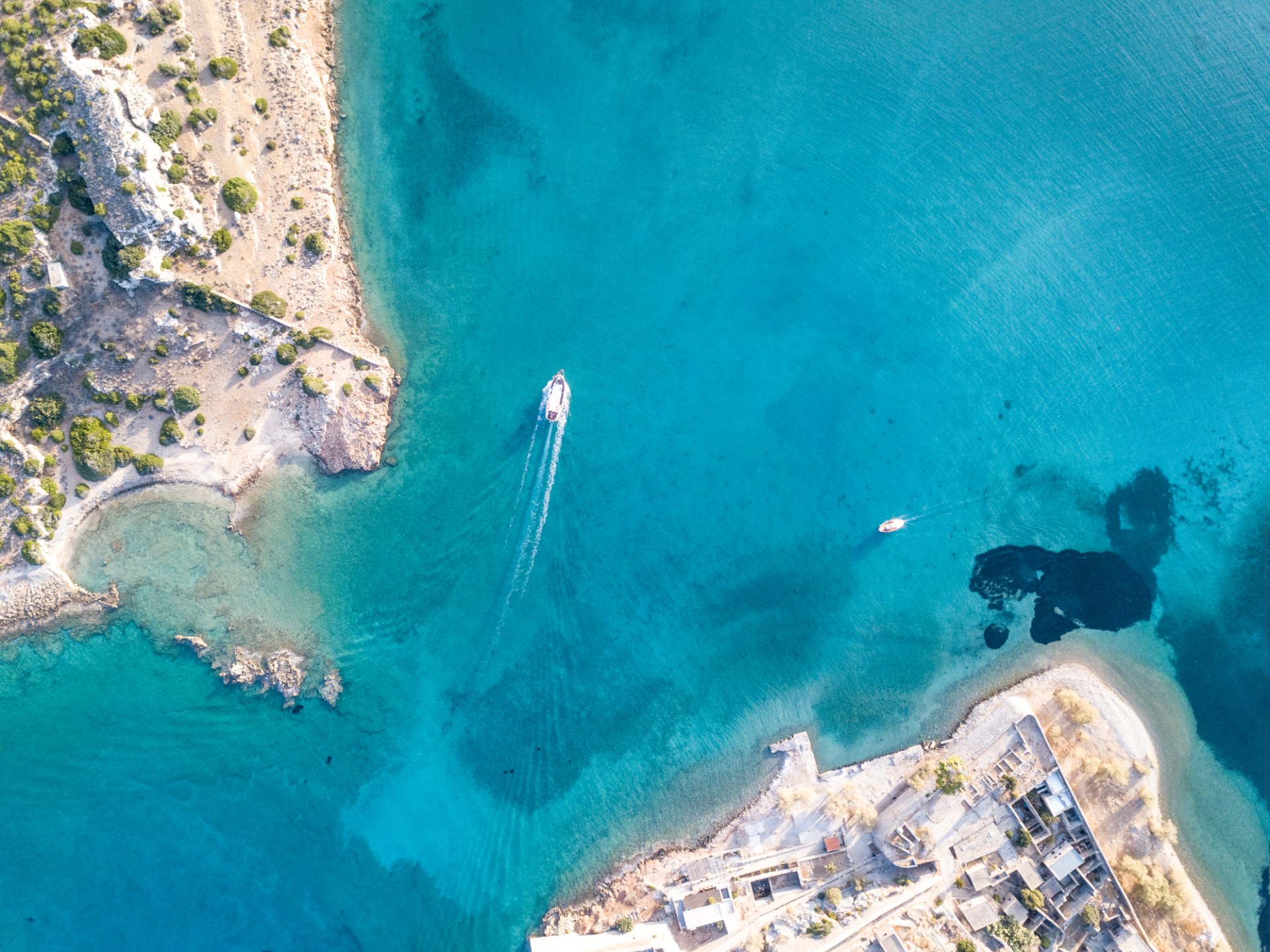
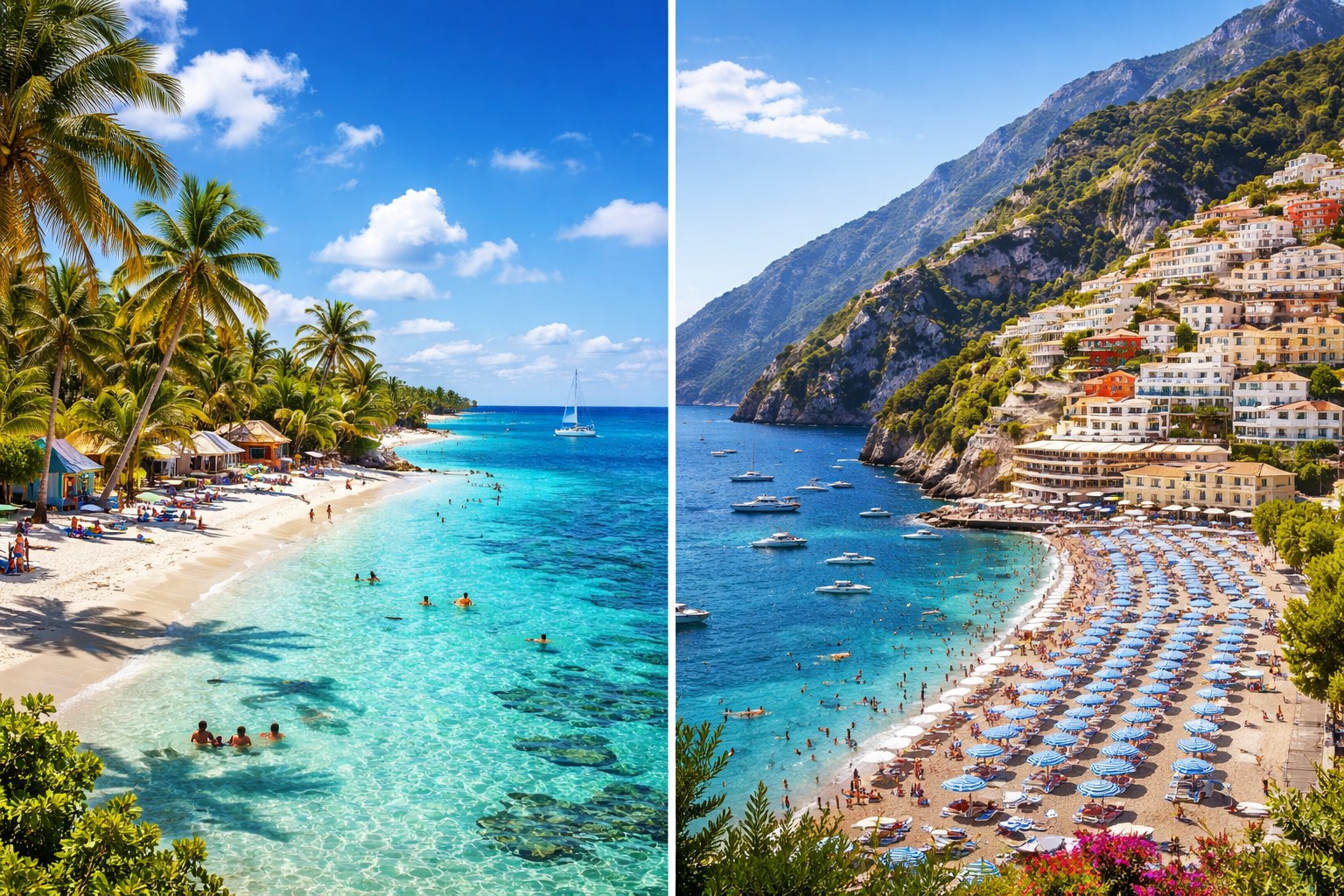
Oasis-class ships rotate between Florida homeports and sometimes European summer seasons when brand strategy shifts. Caribbean itineraries maximize pool time and private island stops; Med routes emphasize longer port days and cultural excursions—your Oasis experience changes with the map even if the deck plan looks identical.
Refits, Wear, and “Ship Age” Perception
Older Oasis sisters receive drydock upgrades to venues, carpets, and technology—read post-refit reviews before assuming a 2010 launch feels dated. Wear shows first in elevator cosmetics and pool cushions—minor annoyances unless they signal deferred maintenance, rare on Royal’s core fleet.
Comparing Oasis to Quantum and Icon Families
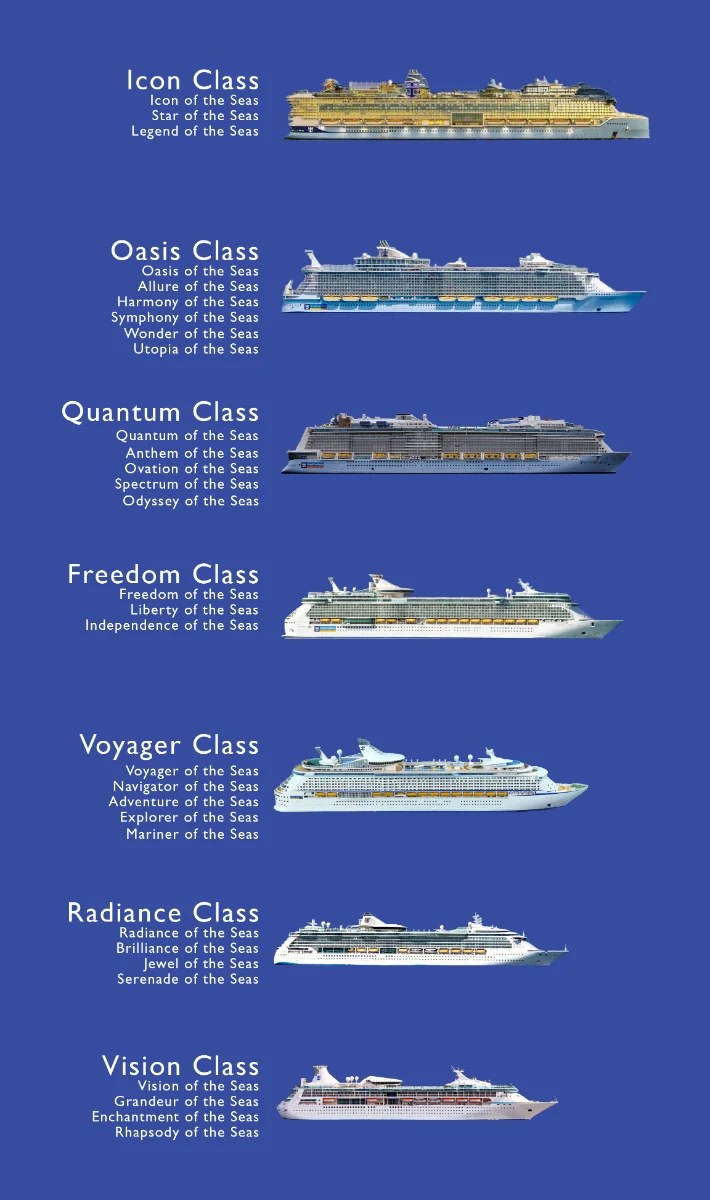
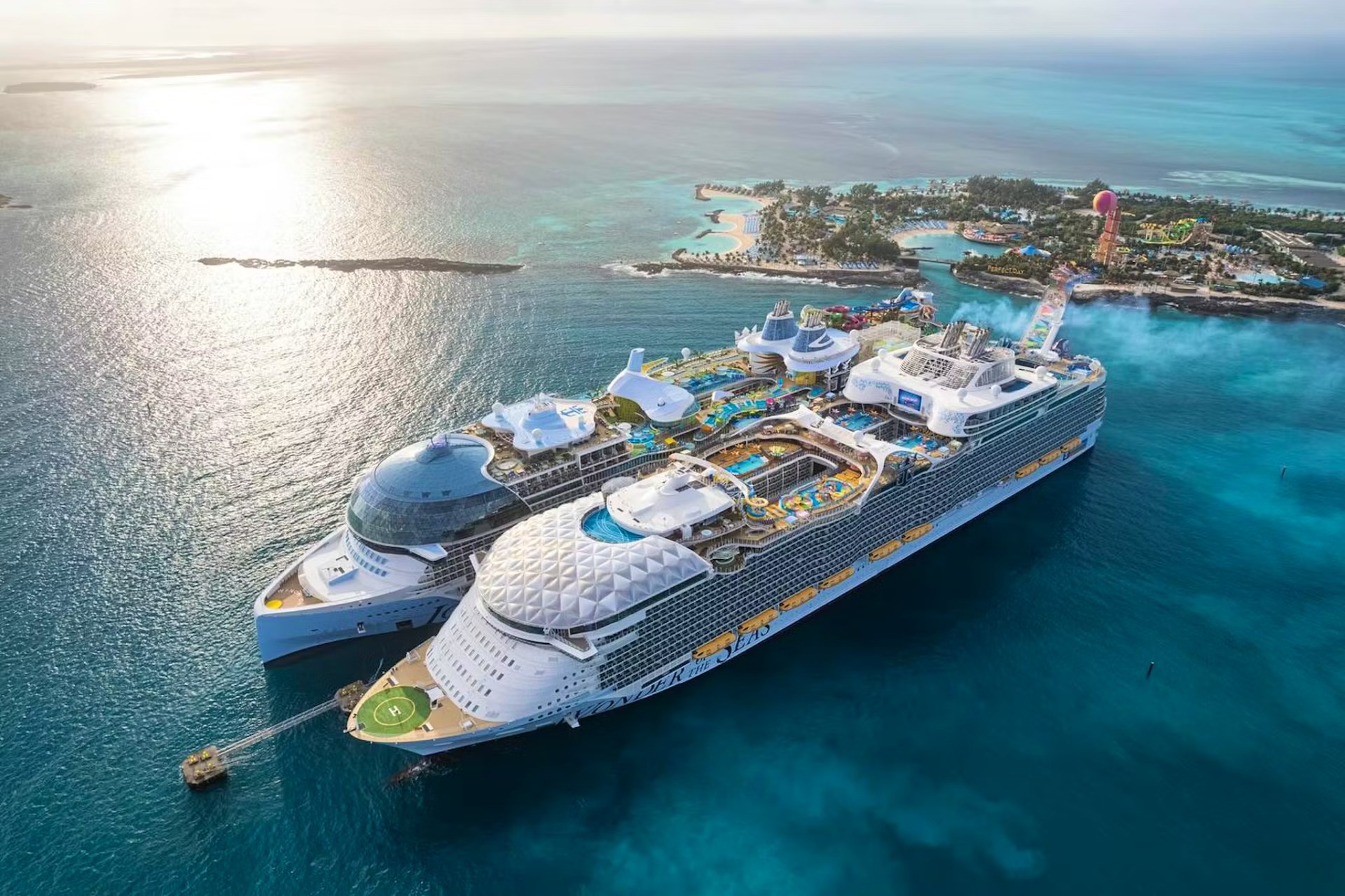
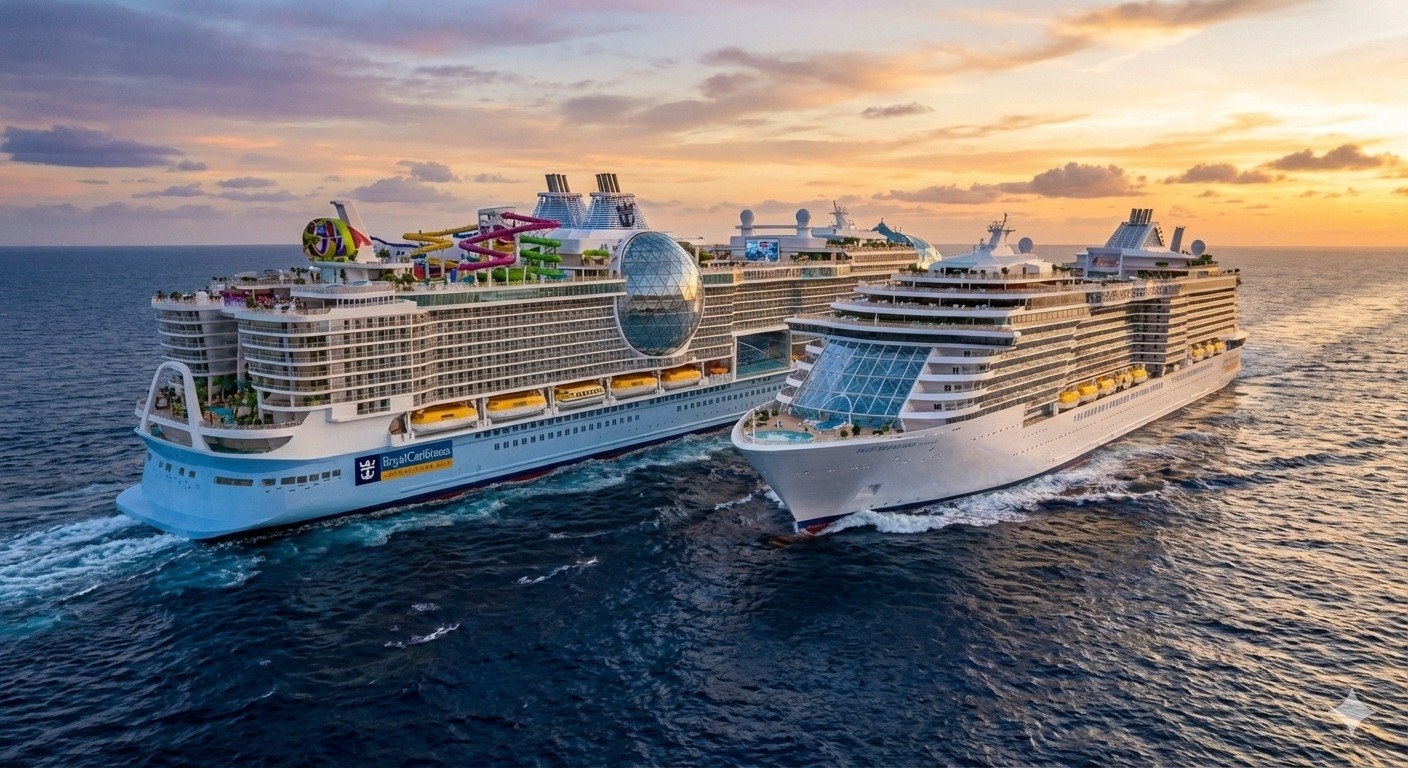
Quantum-class ships emphasize Two70 venues and indoor activity spaces suited to cooler climates; Icon-class adds Thrill Island and beach club concepts. If you debate Oasis versus Icon, decide whether classic neighborhood layout or newest energy efficiency matters more per dollar.
Families, multigenerational groups, entertainment seekers, and first-time mega-ship curious travelers fit best. Couples wanting intimacy without suite budgets should book adults-only zones and late dining to escape peak crowds. Use a cruise planner to map shows, meals, and shore excursions without overprinting every hour—spontaneity still works on Oasis-class if you know your escape valves.
Money, Math, and “Luxury” on a Mass-Market Ship
Luxury-adjacent cruising on Oasis-class often means buying priority rather than minimalism: suite access, specialty dining bundles, thermal spa passes, and internet tiers that let you ignore the crowd psychology for hours at a time. None of that is mandatory—thousands of guests love Oasis-class on base fares with clever timing alone. The difference is whether you mind queues psychologically or physically; if waiting drains your vacation, budget for shortcuts up front instead of impulse-buying onboard after a frustrating pool deck afternoon.
Fare types matter: non-refundable rates save money if your dates are fixed and insurance covers covered cancellation reasons. Refundable deposits buy flexibility for families watching school calendars that shift. Kids sail free promotions sometimes exclude taxes and fees—model total invoice before celebrating. Gratuities may be prepaid or added daily—either way, they belong in your budget spreadsheet next to flights and parking.
Sea Days, Port Days, and Energy Management
Sea days on Oasis-class feel like theme park days without exit gates—thrilling for some, exhausting for others. Schedule downtime in Central Park benches, library corners, or suite balconies if you booked one. Port days split the ship—some venues close or reduce hours, but popular pools can still crowd when half the guests stay aboard. Morning spa appointments on port days sometimes discount—ask at the spa desk early in the cruise.
Photo Spots, Social Media, and Crowd Angles
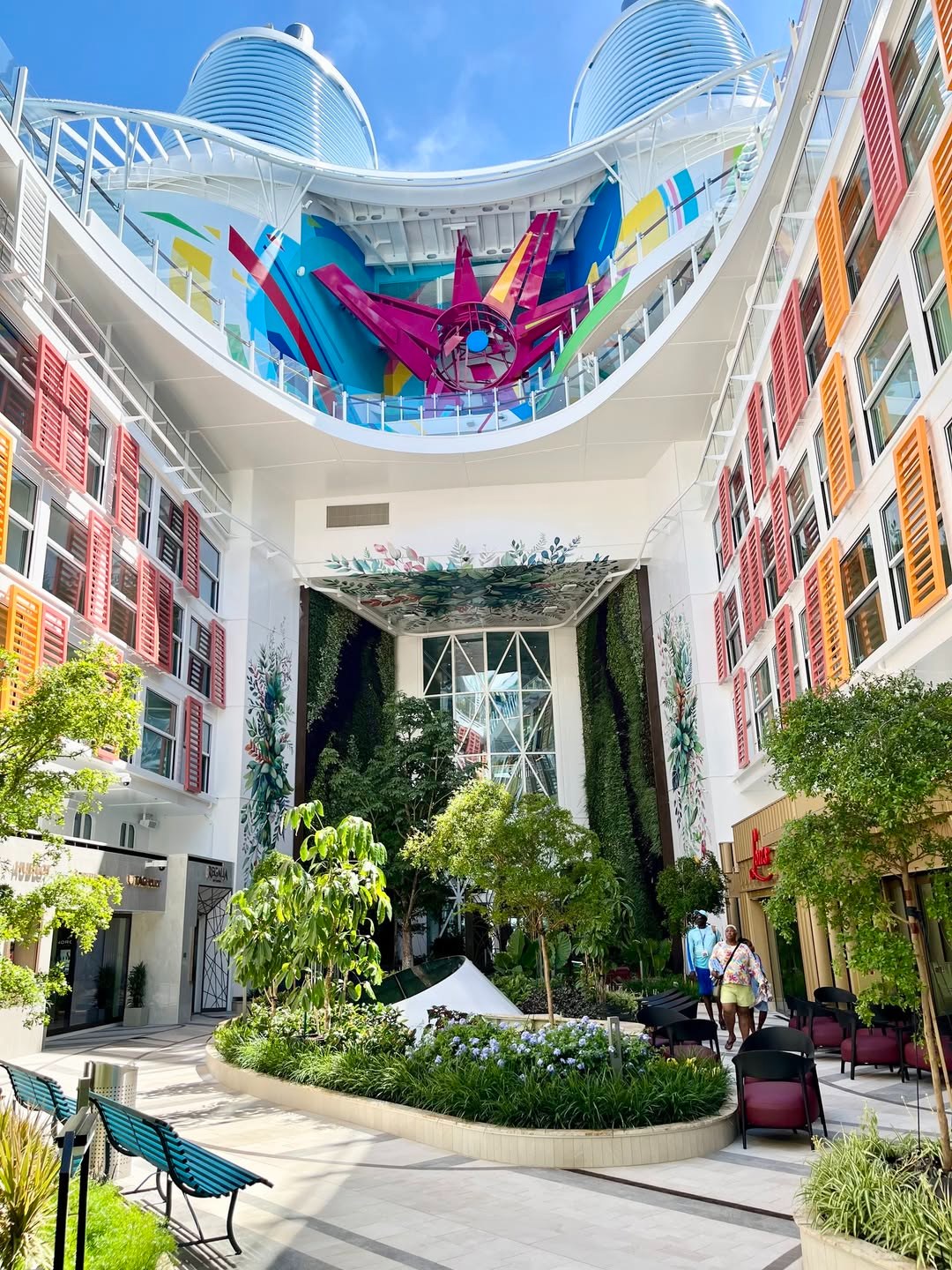
Helicopter pads, aft wake views, and Boardwalk neon earn likes, but respect crew ropes and safety signage when chasing shots. Sunrise on the outer deck often beats sunset crowds for clean horizons. Interior Promenade wide angles need fast lenses or phones with night mode when light drops.
It is not a small luxury yacht with unlimited quiet. It is not all-inclusive unless you buy packages that say so. It is not immune to crowds at peak hours. If those tradeoffs sound like dealbreakers, you may prefer premium lines or suite enclaves on smaller ships—but if you want maximum entertainment density per dollar, Oasis-class remains a benchmark in 2026.
Extended FAQ — Oasis-Class in Plain Language

Is Oasis-class good for first cruisers? Often yes, because variety masks mistakes—you can pivot if one venue disappoints. Is it good for introverts? Only with a plan for quiet zones and off-peak dining. Do I need drink packages? Only if math says so—track two days of actual receipts on an early cruise to calibrate. Are balconies worth it? On sea-day-heavy trips, usually yes; on port-packed weeks, maybe not. Will I feel the ship move? Less than on smaller hulls, but weather still happens—pack remedies if you are sensitive.
How early should I book shows and dining? As soon as your booking window opens in the app—popular times vanish fast on spring break and holidays. What if I miss a reservation? Join waitlists, visit guest services, and stay flexible—specialty venues sometimes seat walk-ups late at night. Can I avoid kids without paying for a suite? Partially—adults-only solariums, late hours in quiet lounges, and inside cabins away from pool decks help, but this is still a family-forward product on most sailings.
Bottom line: Oasis-class delivers scale and choice. Luxury arrives when you buy priority and protect downtime—not when you expect the ship to feel empty for free.
Quick Reference — Oasis-Class Snapshot Table (Conceptual)
Think of Oasis and Allure as original neighborhood blueprints, Harmony and Symphony as thrill and entertainment iterations, Wonder as family-forward tweaks, Utopia as short Caribbean loops with weekender energy. Names on hulls matter less than refit year, homeport, and the specific shows installed this season—verify those three before you pay.
If you love Royal Caribbean but not crowds, invest in suite tier or shoulder-season dates before you abandon the brand—Oasis-class can feel almost private if you engineer quiet corners deliberately.
Last mile: on embarkation day, note which elevator banks near your cabin feel fastest—small observations save hours across a week without feeling like optimization.
If you still feel lost on day two, open the ship app map and trace one loop from cabin → pool → dining → theater → cabin—muscle memory beats perfect deck plans. Stay curious.