Cruise Ship Horns and Navigation Rules
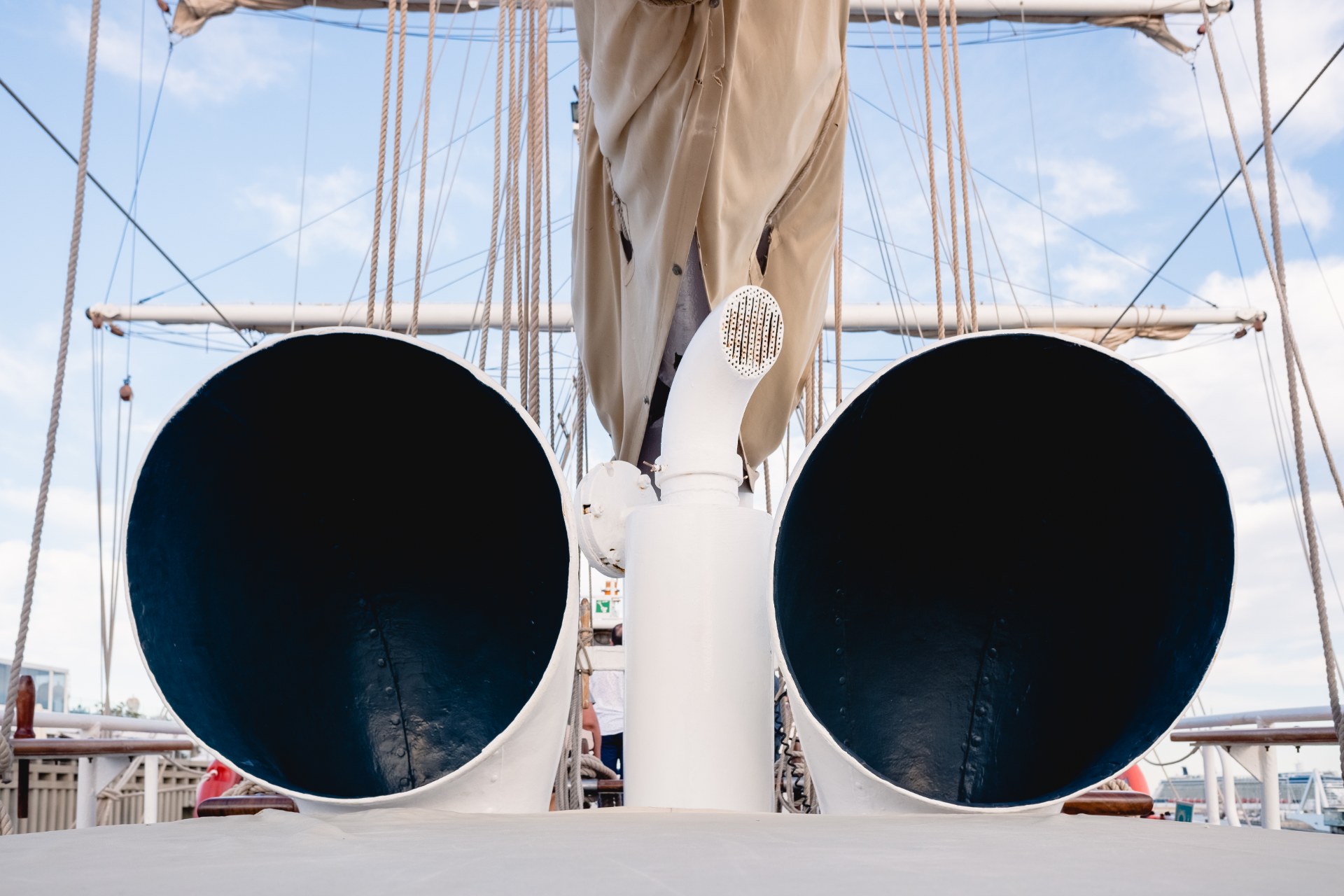
Ship horns—properly, whistles on modern vessels—are audible signals defined by international navigation rules. The Convention on the International Regulations for Preventing Collisions at Sea (COLREGs) prescribes sound signals for power-driven vessels, crossing situations, overtaking, and working near anchorages.
Cruise ships use horns to warn other traffic, confirm maneuvers in restricted visibility, and communicate with tugs and pilots in busy harbors. A cruise ship leaving a berth may signal intent when backing into a turning basin or when visibility is limited—even on a sunny day if spray or terrain blocks sightlines.
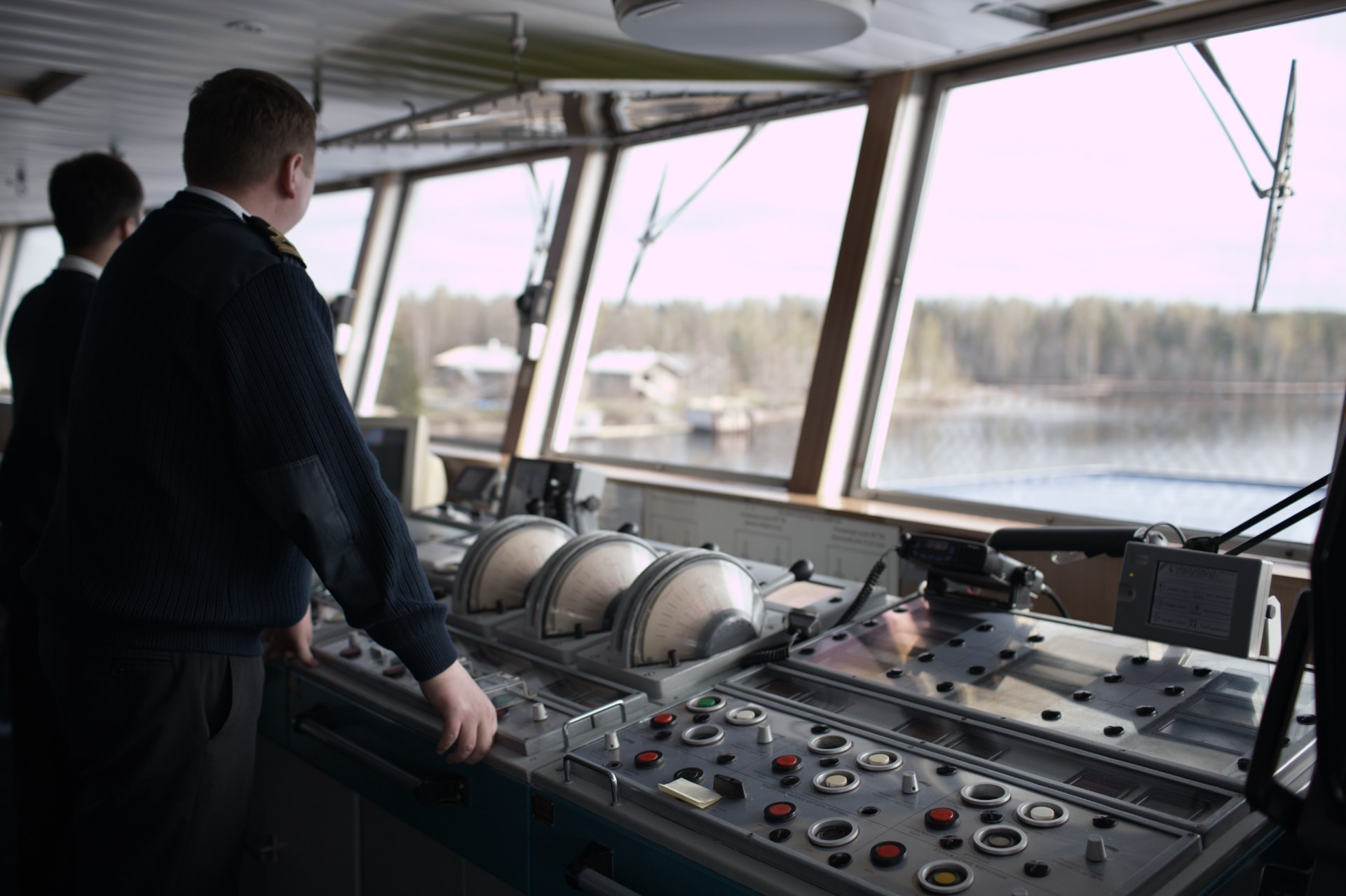
Pilots coordinate with bridge teams; tugs may use whistle signals to acknowledge line tension or engine orders. What sounds like "one long blast" to a passenger is often a precise maneuver cue to others nearby.
Common Horn Signals

Signals you might hear include:
• Departure sequences near pilot stations or traffic lanes—announcing the ship is getting underway. • Warning blasts if another vessel's movements are unclear or a collision risk exists. • Fog signals in reduced visibility—rhythmic patterns that differ from maneuvering blasts and help other ships locate you. • Backing signal—three short blasts when the ship is reversing.
Do not assume every sound is ceremonial; treat loud signals as operational communication first. Bridge officers use horns to comply with COLREGs and protect safety.
Technical Details and Traditions
Cruise ship horns are low-frequency and loud—designed to carry over wind and engine noise. They are tested regularly and must meet regulatory standards. Guests on upper decks hear them clearly; cabins on lower decks may hear them muffled.
Despite the serious role, many guests love the drama of a horn echoing across a harbor—especially on sail-away parties. Cruise lines sometimes pair departures with music on deck; the horn punctuates the moment the ship commits to open water. It is part safety signal, part emotional "we're off"—a sound you will remember long after the pier fades.