Disney Cruise Line vs Royal Caribbean for families
Disney Cruise Line and Royal Caribbean both market heavily to families, but they solve different problems. Disney builds the vacation around character-driven storytelling, youth clubs with strict age bands, and rotational main dining with the same service team each night. Royal Caribbean builds around scale: larger ships on average, Adventure Ocean youth programming across the fleet, and big-ticket attractions on specific classes (water coasters, surf simulators, and similar features vary by ship).
This comparison stays at the line level and calls out ship-specific features where it matters. Before you book, confirm youth-club hours, nursery availability, and cabin layouts on the exact ship and sailing—those details change by hull and itinerary.
At-a-glance comparison
| Topic | Disney Cruise Line | Royal Caribbean |
|---|---|---|
| Core family pitch | Disney characters, shows, and youth clubs integrated with the brand | Adventure Ocean kids program on all ships; largest ships add major thrills |
| Drop-off kids clubs (published ages) | Oceaneer Club & Lab: 3–10 and toilet-trained during reserved hours; Edge: 11–14; Vibe: 14–17 | Adventure Ocean kids groups from age 3; teen spaces are separate. Confirm the sailing, because Royal’s own pages do not use one identical age split everywhere |
| Infant / toddler care | “it’s a small world” nursery: generally 6 months–3 years; ages 1–3 on Transatlantic, Panama Canal, and Hawaii sailings. Fee and reservation; every current ship | Royal Babies & Tots nursery drop-off for 6–36 months on select ships, with a published hourly fee. Not a fleet-wide nursery |
| Main dining style | Rotational dining with same wait team; kids’ menus in main restaurants | Main dining rooms plus flexible My Time Dining on many sailings; wide buffet and casual options |
| Entertainment | Disney-produced stage shows, deck parties, character appearances | Production shows, live music, and ship-dependent attractions (e.g. large water complexes on Icon/Oasis-class ships) |
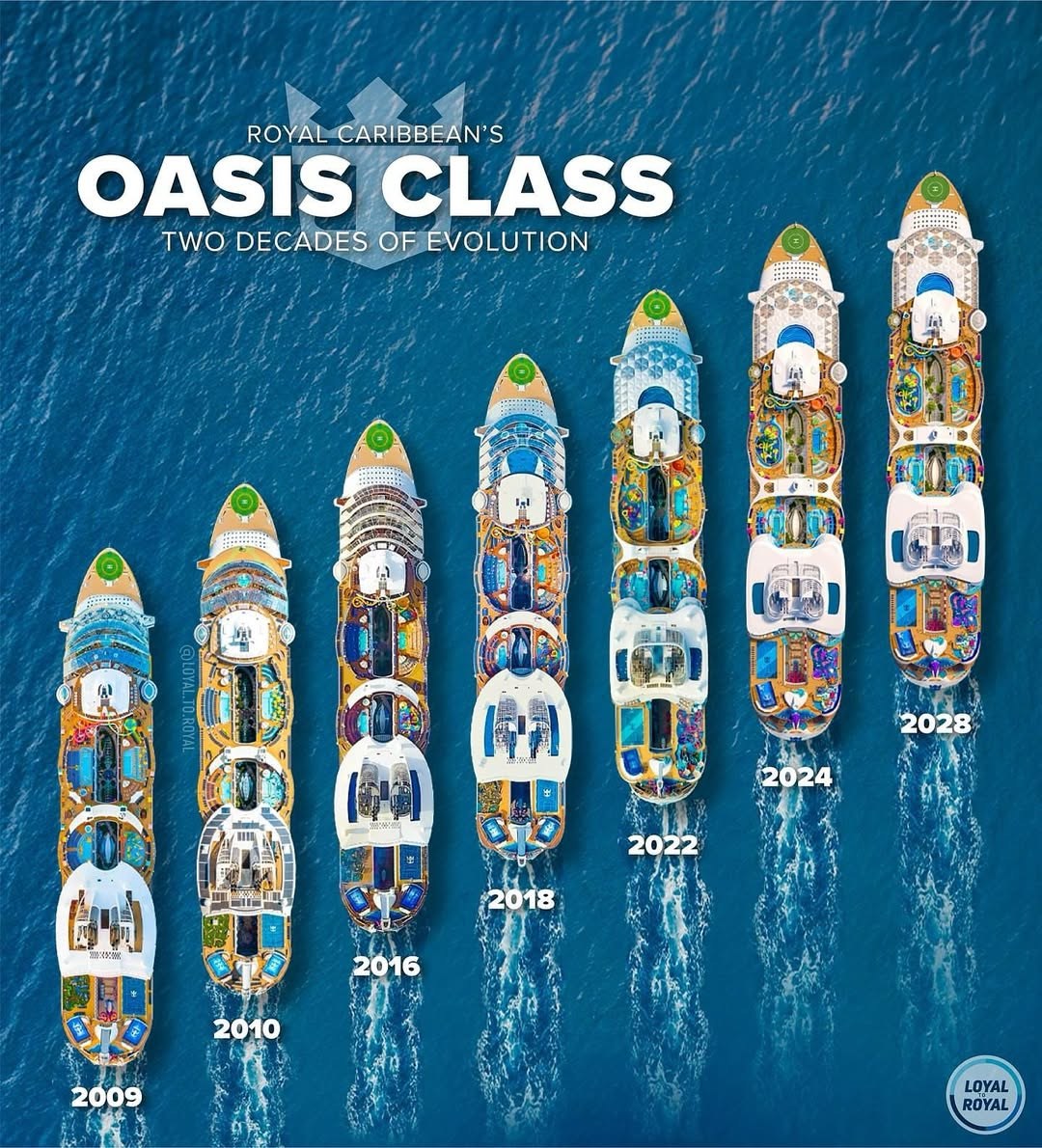
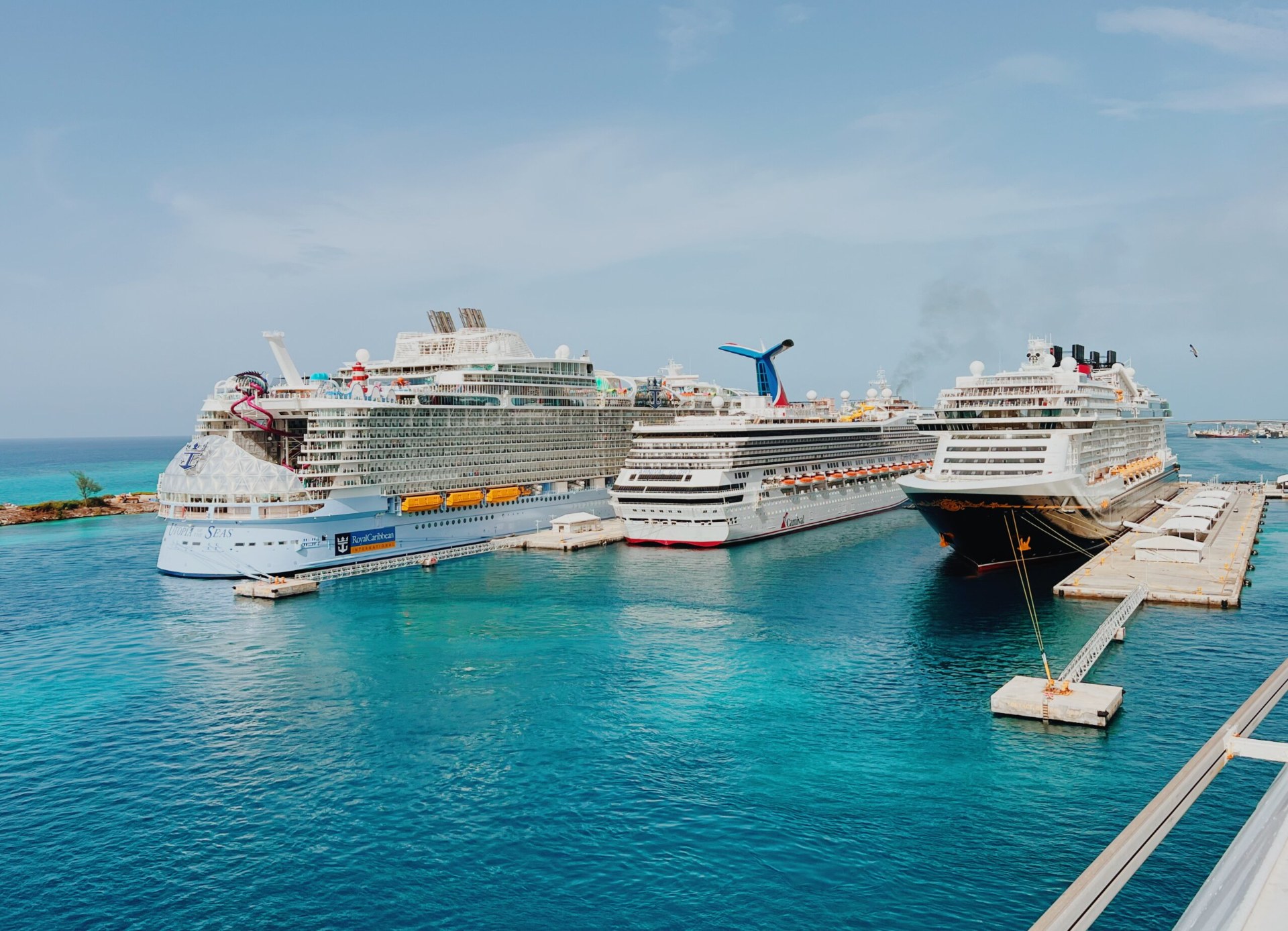
| Ship size range | Smaller family ships to larger Wish-class hulls—verify deck plans per ship | Mid-size to world’s-largest cruise ships—attractions cluster on newest classes |
Children’s clubs and age suitability
Disney Cruise Line
Disney publishes age bands in its youth FAQs, not as a single marketing slogan:
- “it’s a small world” nursery — supervised care, generally for children 6 months to 3 years. On Transatlantic, Panama Canal, and Hawaii itineraries the published range is ages 1 to 3. Disney says the nursery is on every ship, space is limited, and you should reserve. It is a paid service.
- Oceaneer Club and Oceaneer Lab — during reserved programming, children ages 3 to 10 who are fully toilet-trained. The two spaces are connected. Open House times allow other guests in, including children who do not meet the reserved-hours rules.
- Edge — tween lounge for guests ages 11 to 14. This is a youth venue, not a ship name.
- Vibe — teens-only lounge for guests ages 14 to 17.
Age is checked against the day of sailing. Deck location and theme change by ship (Magic and Wonder versus Wish, Treasure, Destiny, and Adventure), so read the deck plan for your hull.
Royal Caribbean
Royal Caribbean’s kids and teens page describes complimentary Adventure Ocean programming and splits younger guests into Aquanauts (3–5), Explorers (6–8), and Voyagers (9–12), with a separate teen band listed there as 13–17. A different Royal Caribbean family guide still describes Voyagers as 9–11 and teens as 12–17. Treat the booking for your ship as the authority when those pages disagree.
For the youngest guests, the same kids page says Royal Babies & Tots nursery drop-off covers ages 6–36 months on select ships, with a published hourly fee of $9–12. An Australia-market page adds that nursery drop-off is not offered on Adventure of the Seas, Explorer of the Seas, or Jewel of the Seas. Do not plan a port day around drop-off until your ship’s planner shows nursery hours.
Registration, open hours, and capacity limits apply on both lines. Arrive early on embarkation day to review the daily schedule and sign-up process for your sailing.
Entertainment and activities
Disney leans on character meet-and-greets, themed deck parties, and Broadway-style shows tied to Disney stories. That experience is consistent across the fleet in spirit, though show titles and venues differ by ship generation (classic ships vs Wish-class, for example).
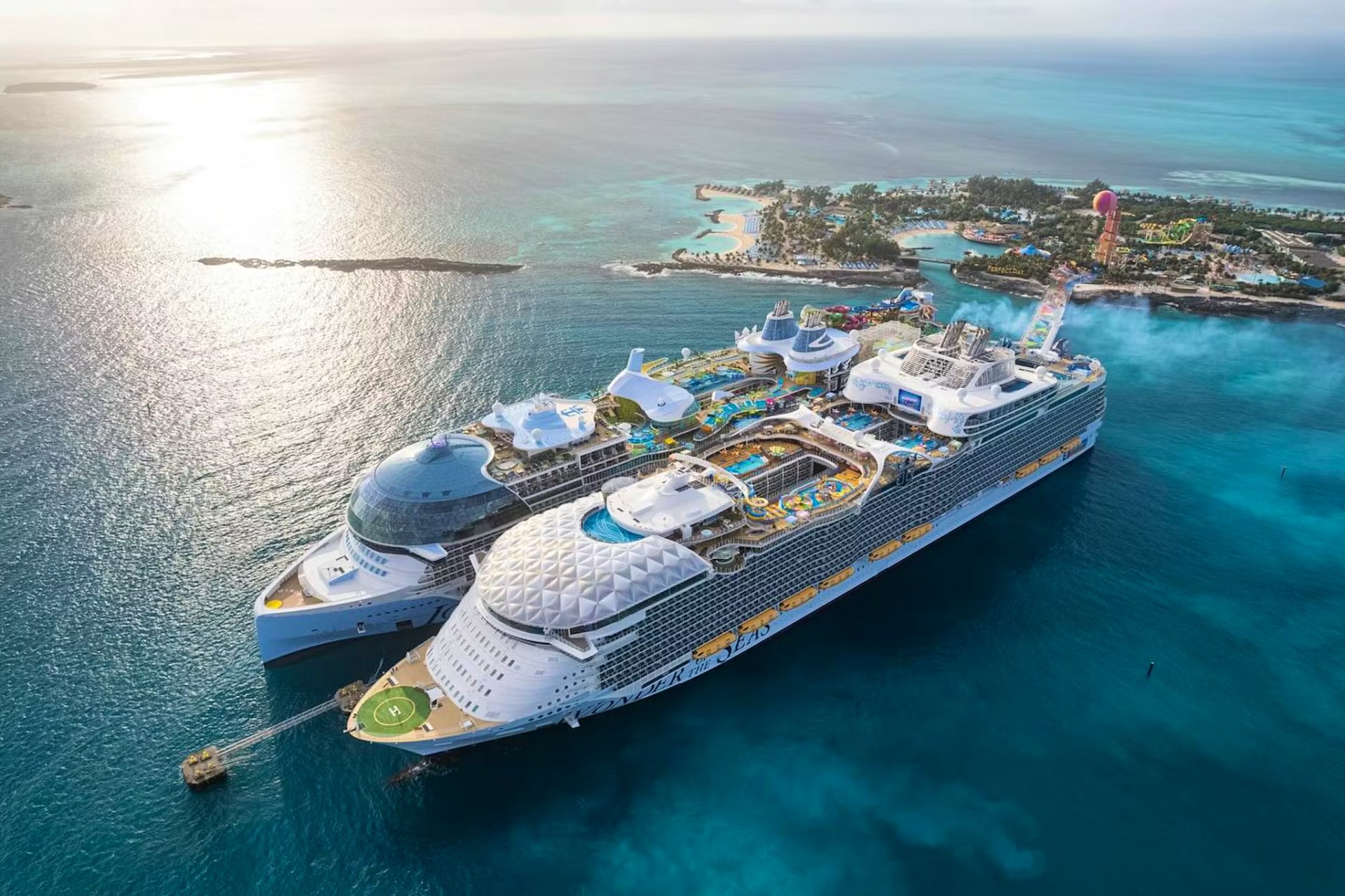
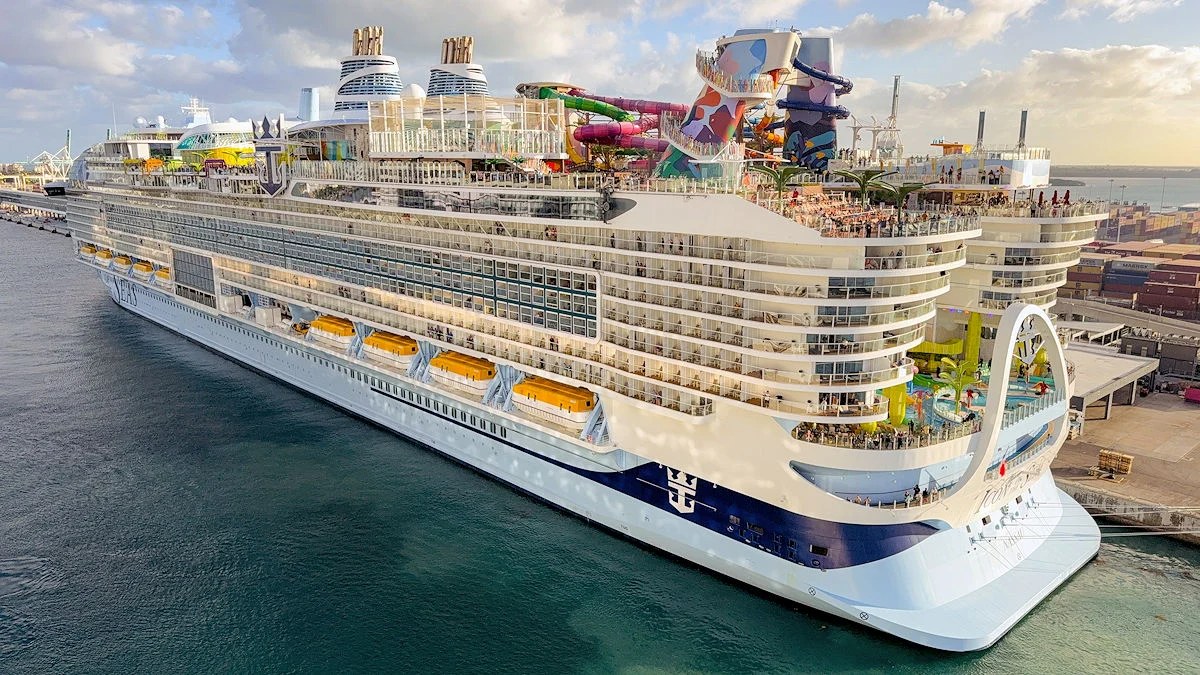
Royal Caribbean emphasizes large-scale entertainment and active attractions on its biggest ships. Surf simulators, zip lines, and large water parks are not on every Royal Caribbean vessel—they are class- and ship-specific. If your children care about a particular attraction, identify the ship that carries it (for example, Icon-class or Oasis-class ships for the largest water complexes) rather than assuming “Royal Caribbean” as a whole.
Both lines offer pools and family-friendly deck time; quiet hours, adult-only areas, and height or age restrictions for thrills still apply—read the daily planner for your sailing.
Dining with children
Disney Cruise Line uses rotational dining in its main restaurants: you rotate among assigned restaurants while keeping the same wait staff, which helps servers learn allergies and preferences. Children’s menus and quick-service options (location and names vary by ship) support picky eaters; specialty dining and character meals may require reservations and extra cost.
Royal Caribbean offers main dining rooms plus Windjammer buffet venues, casual spots, and many specialty restaurants on larger ships. My Time Dining and traditional seating options depend on ship and booking; children’s menus are available in main dining. Neither line includes all specialty venues in the base fare—budget for add-ons if your family wants steakhouses, hibachi, or similar.
Practical tip: if you rely on early kid bedtimes, check whether your dining rotation or reservation window fits—or ask about earlier seating when you book.
Accommodation and space
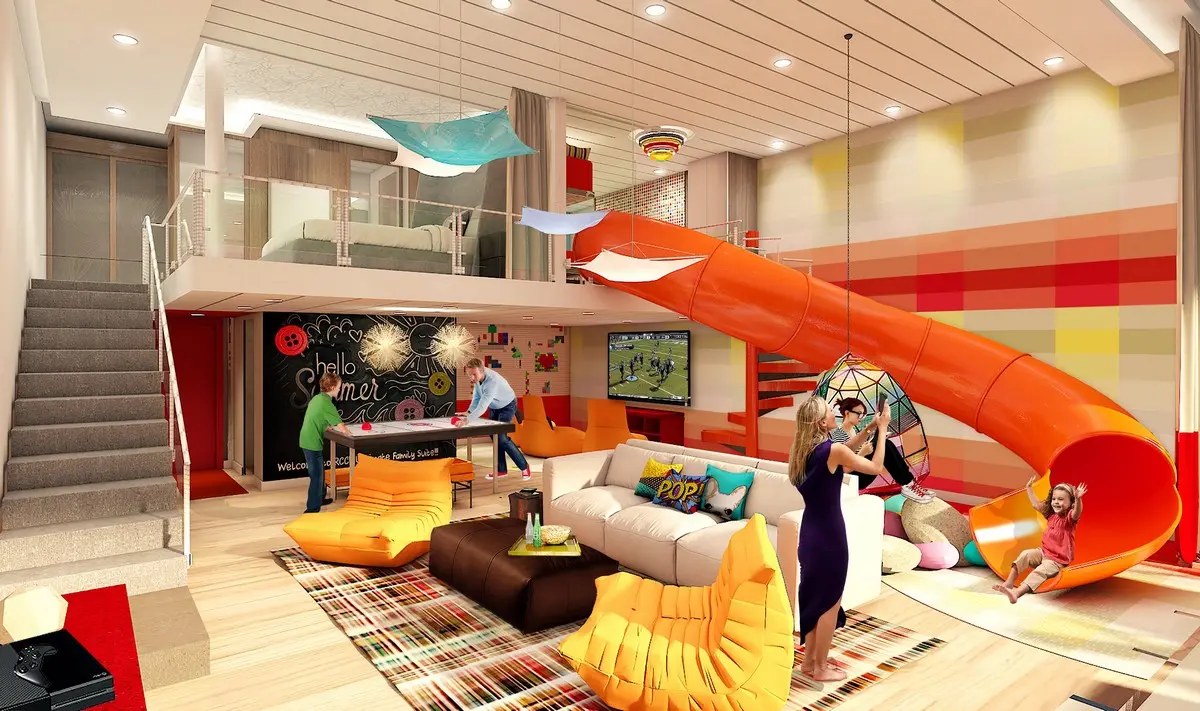
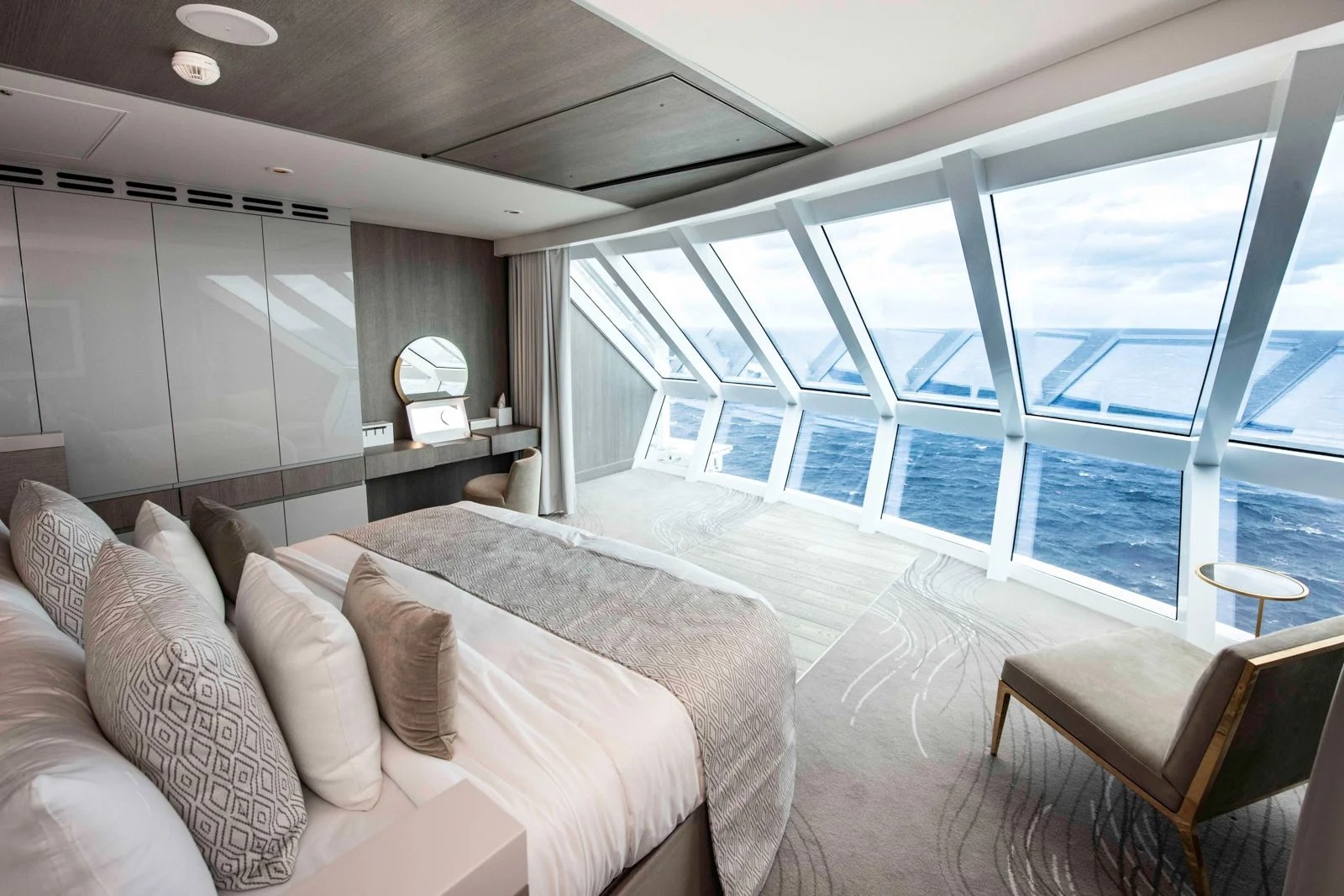
Both lines publish connecting rooms and cabins that sleep more than two in selected categories. Layouts are ship-specific: compare the deck plan and the occupancy printed for that category, not the marketing name. Limited family-suite categories on Royal Caribbean’s largest ships sell out early; Disney’s newer ships also publish family-oriented categories that older ships do not share.
When comparing fares, match occupancy and cabin square footage, not just the category name. A balcony that sleeps four on one line may feel tighter than a family suite on another—and the price gap can be large.
Practical guidance by family type
- Toddlers (under 3) — Disney’s nursery is published as available on every ship, with a fee, a reservation, and a narrower age band on some ocean-crossing itineraries. Royal Caribbean’s drop-off nursery is select-ship only. Compare the fee and the hours on your sailing before you book a port day that needs childcare.
- Elementary-age kids (about 5–10) — Disney’s Oceaneer spaces and character pipeline are the differentiator; Royal Caribbean wins when the ship itself is the playground (climbing, slides, big teen-adjacent energy on mega-ships).
- Tweens and teens — Disney’s Edge/Vibe clubs vs Royal Caribbean teen lounges: compare whether your kids want structured Disney social programming or more independent hangout space on a larger vessel.
- Multigenerational groups — Royal Caribbean’s size can mean more simultaneous activities but more walking; Disney’s smaller ships can be easier to navigate but may feel crowded on school-holiday sailings. Pick itinerary length and cabin configuration first.
Balanced conclusion
Choose Disney Cruise Line when character entertainment, rotational dining, and the Oceaneer club model are worth a premium for your children’s ages. Choose Royal Caribbean when ship-scale activities and Adventure Ocean fit your kids—and you have verified the specific ship has the nursery, suite, or attractions you need.
Neither line removes the need to plan port days, allergies, or bedtime routines. Use official deck plans and the cruise planner for your sailing, and compare total price with the extras you will actually buy (excursions, specialty meals, nursery hours, and Wi‑Fi).
Official sources
Checked 20 October 2026 against the cruise lines’ own pages. Policies and fees change by ship and sailing.
- Disney — Oceaneer Club and Lab ages (3–10, toilet-trained)
- Disney — Traveling with little ones (nursery ages and itinerary exceptions)
- Disney — Edge (11–14) and Vibe (14–17)
- Disney — Rotational dining
- Royal Caribbean — Kids, teens, and nursery fee note
- Royal Caribbean — Family guide (alternate age bands)