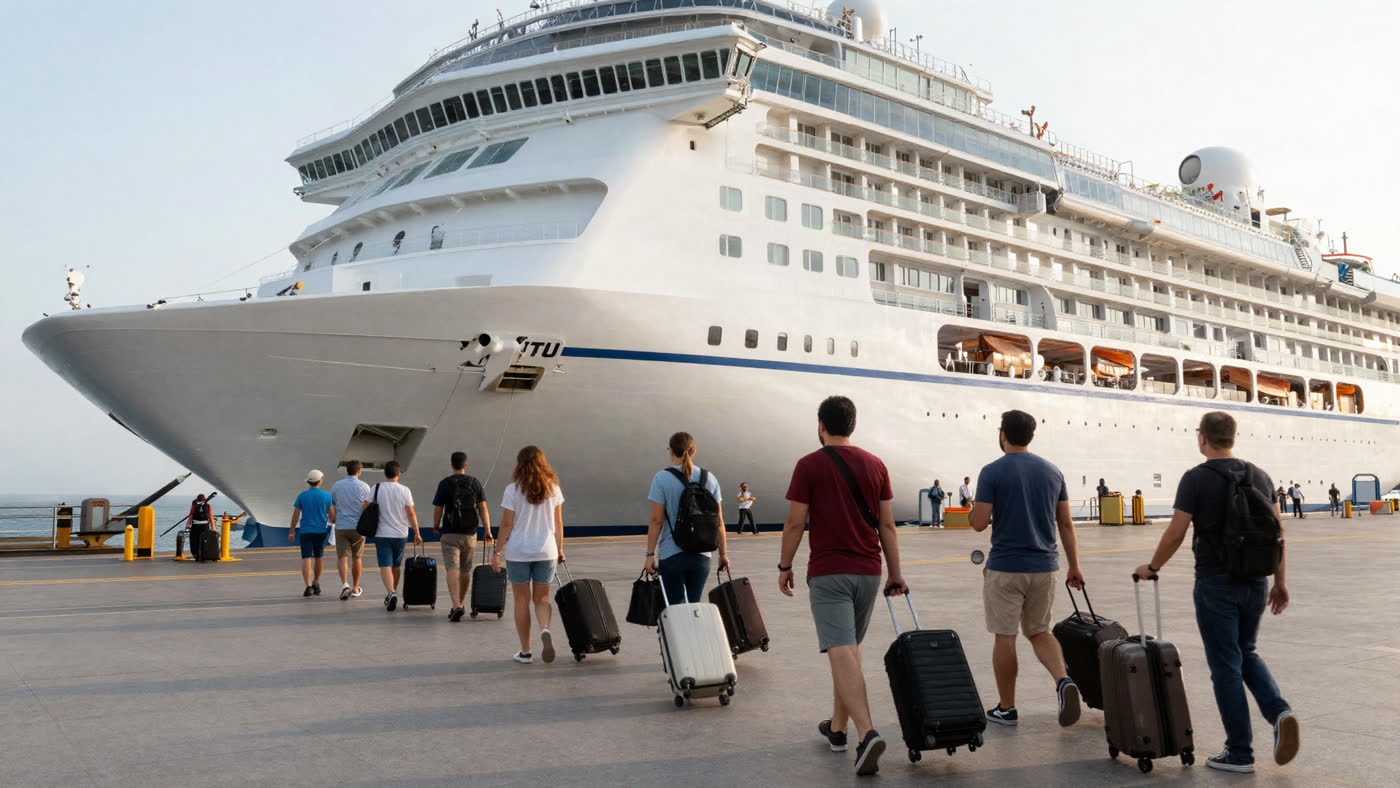
Embarkation day looks neat on the cruise line’s email: arrive at X, board by Y, sail at Z. On the ground it feels like a moving queue with luggage, security, and a lot of “wait here until they call your group.” First-timers overpack the carry-on, underpack the documents, and treat the arrival window like a hard appointment instead of a soft corridor.
Here is the real shape of the day—from curb to cabin door—and what to prep the night before so it stays boring in a good way.
The myth of a clean “boarding time”
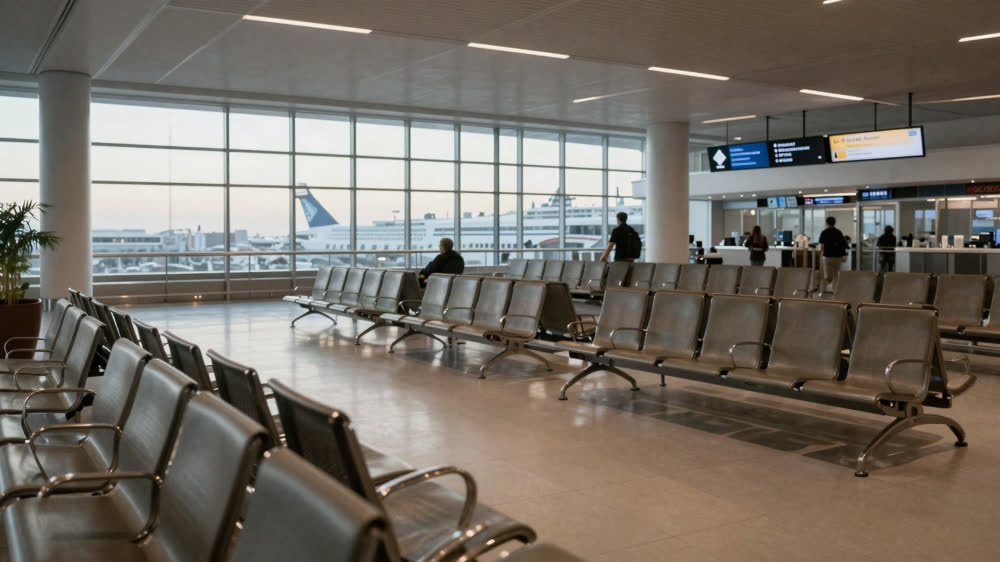
Your boarding window is a slot, not a reserved seat. Lines stagger arrivals so the terminal does not collapse at noon. Show up near the front of the window if you want more afternoon on the ship; show up later if you prefer a shorter curb-to-gangway wait. Neither is wrong—they trade different kinds of waiting.
What is wrong is treating embarkation like airport boarding with one hard cut. Miss the last boarding call and you have a real problem. Arrive two hours early for a midday slot and you mostly get more standing. Aim for the middle of your assigned window unless your line’s app or email tightens it for that sailing.
Also confirm local port time the night before—especially after a flight or time-zone hop. A “noon” window means noon where the terminal is, not where your hotel Wi‑Fi still thinks you live.
Night-before prep that decides how smooth the day feels
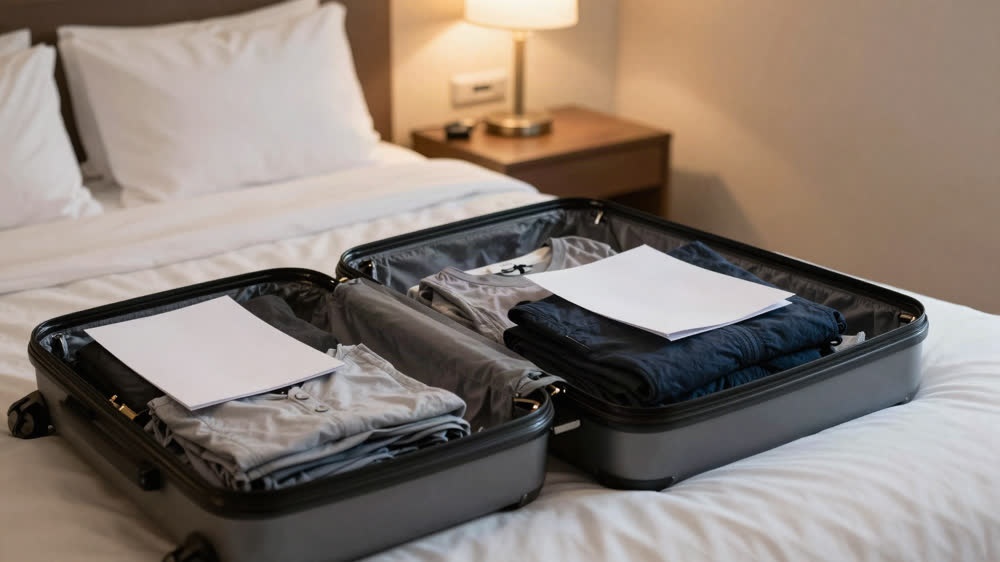
Embarkation goes sideways less from “bad terminals” and more from missing paper and a useless carry-on.
Documents in one place you can open without digging. Booking confirmation / boarding pass (app or print), government ID for every traveler, any required travel authorizations, and the card you’ll register for the onboard account. Slim folder or pouch—with you, not in a hold suitcase.
Carry-on as Day 1 survival kit, not overflow luggage. Checked bags may not reach the cabin until late afternoon. Pack: swimsuit or change of clothes, medications, chargers, a light layer, valuables, anything you’d hate to lose for six hours. Leave “just in case” bulk for checked bags.
Know the itinerary shape before you board. You don’t need a minute-by-minute plan—just which ports matter, whether Day 1 is a late sail or a long sea afternoon, and roughly when muster sits. A light pass through a cruise planner the night before beats improvising while hungry in a terminal line.
Arrival logistics locked. Hotel checkout, transfer pickup, parking address, or rideshare curb. First-timers lose calm reaching the terminal more often than at security.
Terminal: curb → check-in → security → holding
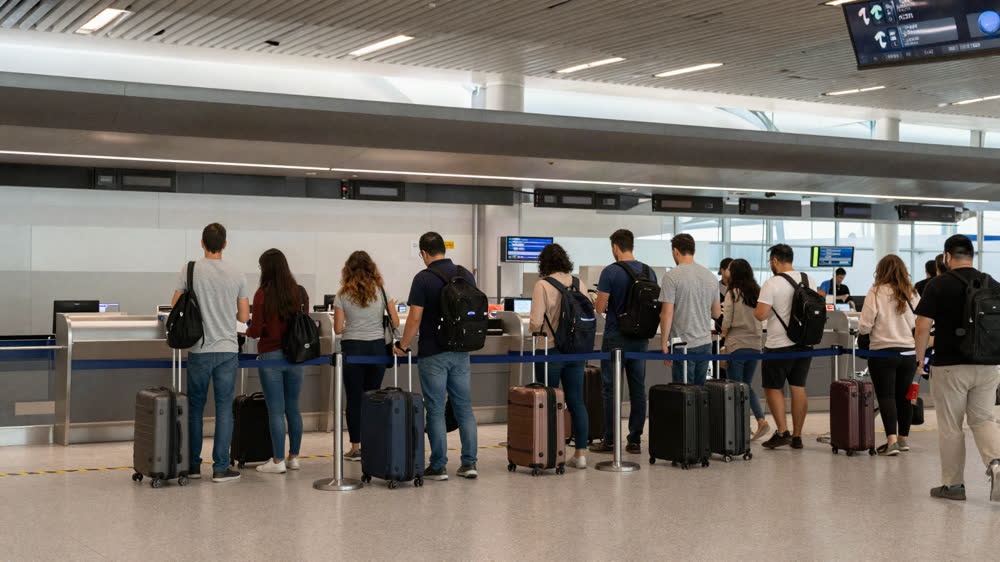
Expect a sequence, not a single desk.
Curb and porters. Hand off checked luggage near the entrance (small cash for tips helps). Keep carry-on and documents with you. Watch bag tags; this is not the moment to multitask with ship photos.
Check-in / security. Verify identity, get your cabin card (or confirm the digital one), then airport-style screening. Keep the document pouch open. Answer name and sailing questions cleanly—staff have heard every joke already.
Holding / boarding groups. After security you may sit until your group is called. Bathroom, water, a snack if you skipped breakfast. Don’t wander so far you miss the call. When they call your section, move. Crowd rumor is how people stand up three times for the wrong group; if the line’s app shows live boarding status, trust that more than the murmur.
Gangway to cabin: the first 30–60 minutes
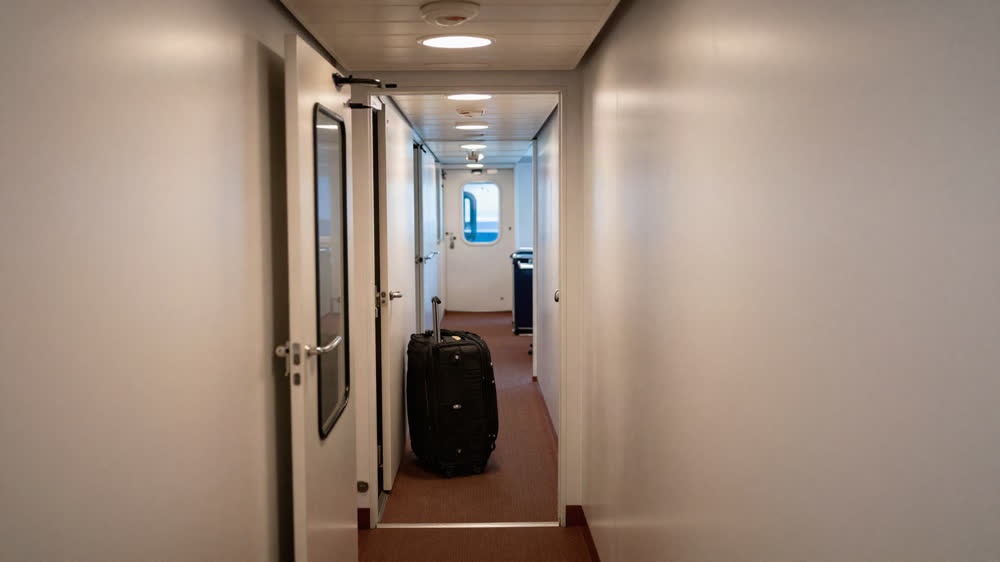
Crossing the gangway feels like vacation finally started. It is also where first-timers burn the afternoon.
Find the cabin, drop the carry-on, leave. Room may or may not be ready. If it opens: drop bags, check the safe, breathe—then go. Full unpack while lunch is still calm is a trade most people regret by 2 p.m. If the cabin is closed, keep the carry-on and head for food.
Eat something real. Embarkation lunch is free and finite in the pleasant sense: later, everyone is hungry and lines stretch. Specialty dining can wait until you know the layout.
Do muster when called—don’t negotiate with it. Note your station, listen for the all-clear, then resume wandering. Skipping to “save time” is the wrong kind of first-timer efficiency.
Light orientation only. One loop: atrium, buffet / main dining cues, pool deck, muster station again if unsure. Cabins, food, and safety are the Day 1 non-negotiables; the rest unfolds on sea days.
Checked luggage often arrives in waves through the afternoon. Late bags are common—not a crisis—if the carry-on held the essentials.
First-hour moves that prevent a messy evening
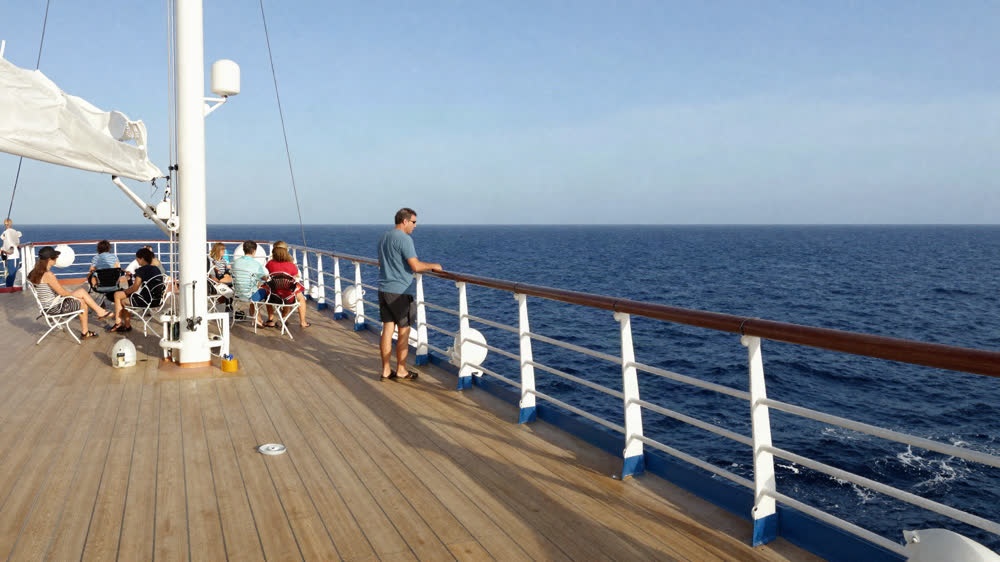
Once lunch and muster are done, protect the rest of Day 1 with three small decisions.
Handle must-have reservations early if walk-up or remaining specialty slots still exist. Do it before sail-away fog. Wi‑Fi and drink package choices can wait an hour; dinner timing often cannot.
Confirm sail-away time and where you want to be. Top deck, quiet cabin nap after travel, or a low-key lounge—pick one so you are not herding a tired group through elevators when everyone else has the same idea.
Leave detailed port planning for tomorrow. Embarkation brain is tired brain. If you already mapped the itinerary before the trip, you can afford to coast tonight.
Mistakes that stretch terminal-to-cabin into a slog
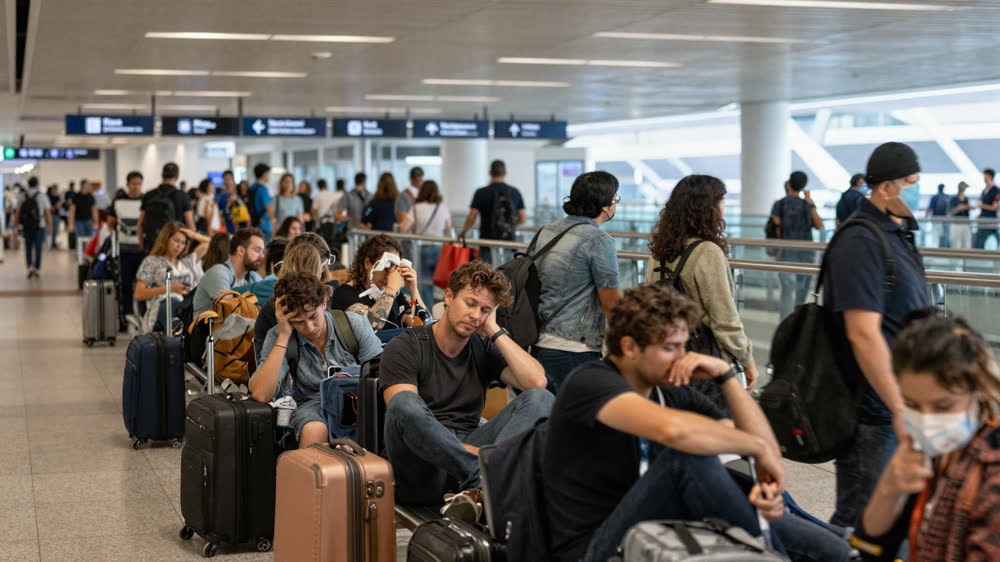
Treating the arrival window like a hard flight departure. Middle of the slot is usually enough. Extremely early arrivals mostly buy more terminal time.
Packing the carry-on like a second suitcase. If you can’t lift it comfortably through security and up a gangway, it is fighting you.
Documents scattered across phones, emails, and a partner’s bag. One pouch. One person knows where it is. Screenshot boarding passes offline before terminal Wi‑Fi dies.
Racing to unpack while the buffet is still easy. Cabin nesting feels productive. Eating and completing muster while the ship is calm is productive.
Ignoring transfer buffers. A “short” hotel-to-terminal hop expands when every rideshare in town is also doing embarkation runs. Build margin.
FAQ
What if my cabin isn’t ready when I board?
Normal. Keep the carry-on, eat, complete muster, explore lightly. Rooms open in batches; hovering outside a closed door does not speed housekeeping. Return when other guests on your deck start disappearing into rooms—or when you get a ready notice.
Do I need to print everything?
Not always—many lines are app-first—but offline screenshots or one paper backup for the lead traveler still help when cellular data dies in a terminal basement. Bring physical government ID regardless.
How early is too early?
Hours ahead of your window with no invitation to come earlier usually means waiting outside or in a long pre-check line for little gain. Calm breakfast nearby beats a medal for curb presence at dawn. Goal: on-time inside the window.
Keep embarkation prep in one place before you leave for the port
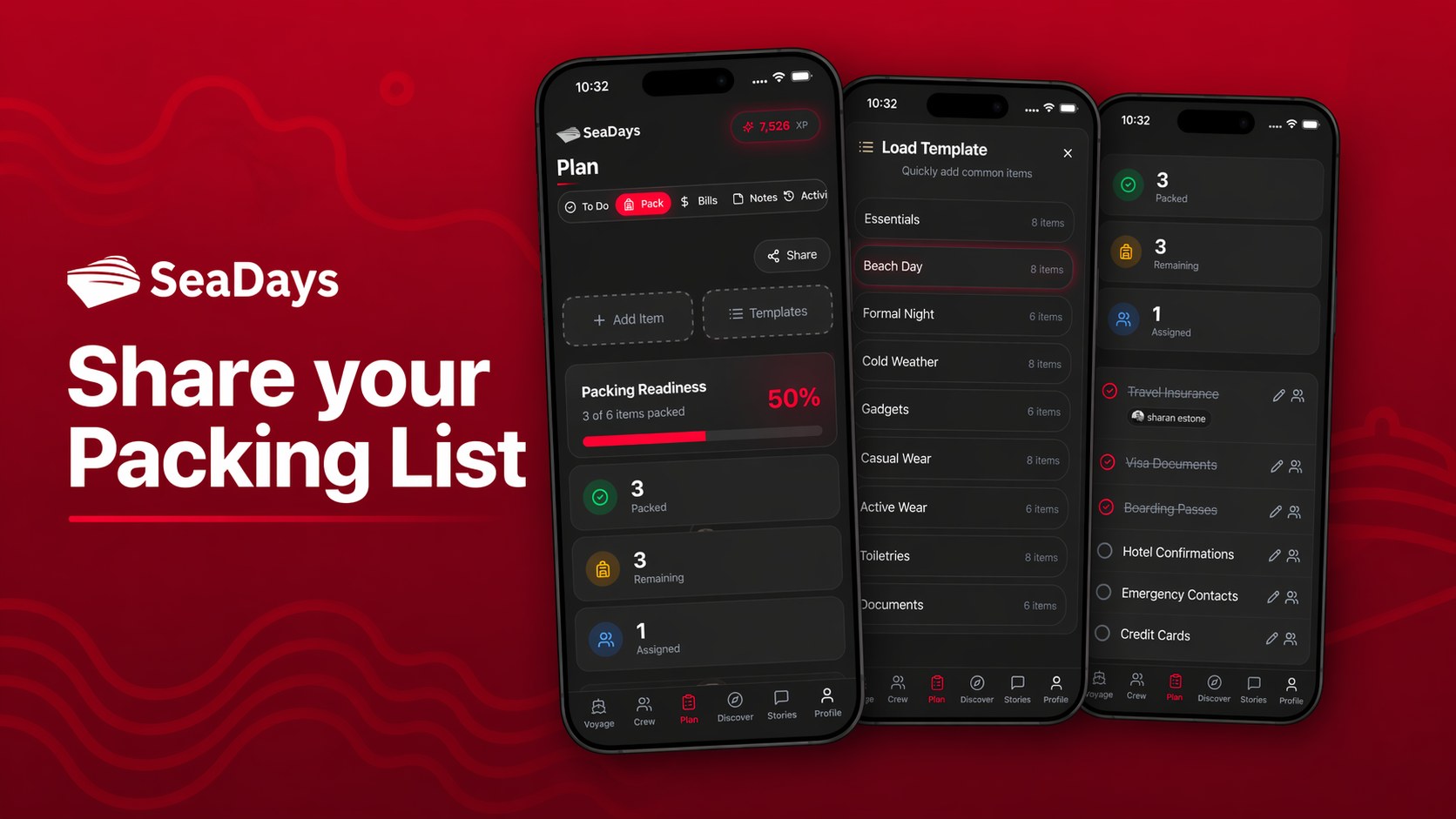
The calmest embarkation days start the night before: documents together, carry-on actually useful, itinerary shape known, arrival timing realistic. In SeaDays, build that into a sailing checklist before you leave the hotel—mark what is packed for the carry-on, pin the day’s timing notes, and keep your cruise-line booking screenshots or downloads with the checklist so you are not hunting email in a dead-signal stairwell. SeaDays does not host the line’s boarding passes; it holds the checklist and trip notes so your own offline copies stay easy to find. Open the cruise planner, attach the sailing, and run the checklist once while you still have Wi‑Fi; embarkation morning should be execution, not archaeology.