The fear shows up at lunch on the first port day
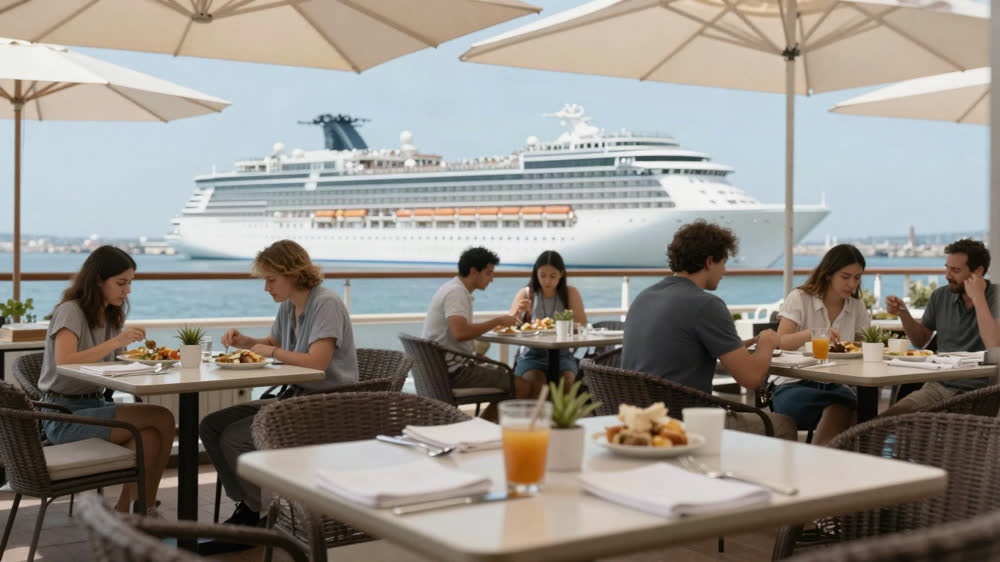
The old town is prettier than the photos. Someone suggests “one more street.” A taxi queue looks longer than it did this morning. Suddenly the only question left is whether the ship will still be there when you get back.
Missing the ship is rare for people who treat time as a plan, not a vibe—but embarkation-week stories are enough to make first-timers twitchy. Good. A little twitchy is useful. What helps more is a buffer system you set before the gangway: different rules for pier vs tender, a hard return time earlier than all-aboard, and one person whose only job is the clock.
This is not about booking a ship excursion in every port. It is about enough margin that an independent café stop does not become a chase scene. For broader shore planning, see Cruise port days: how to make the most of your time ashore. For money and timing traps on first sailings, see First-time cruise mistakes that cost money.
Pier docking vs tender ports: your buffer is not the same length
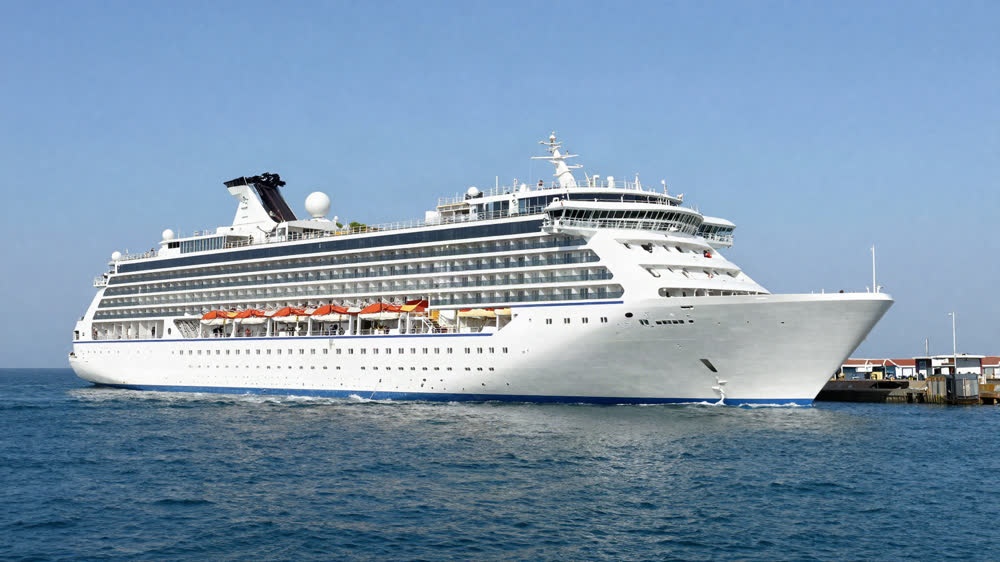
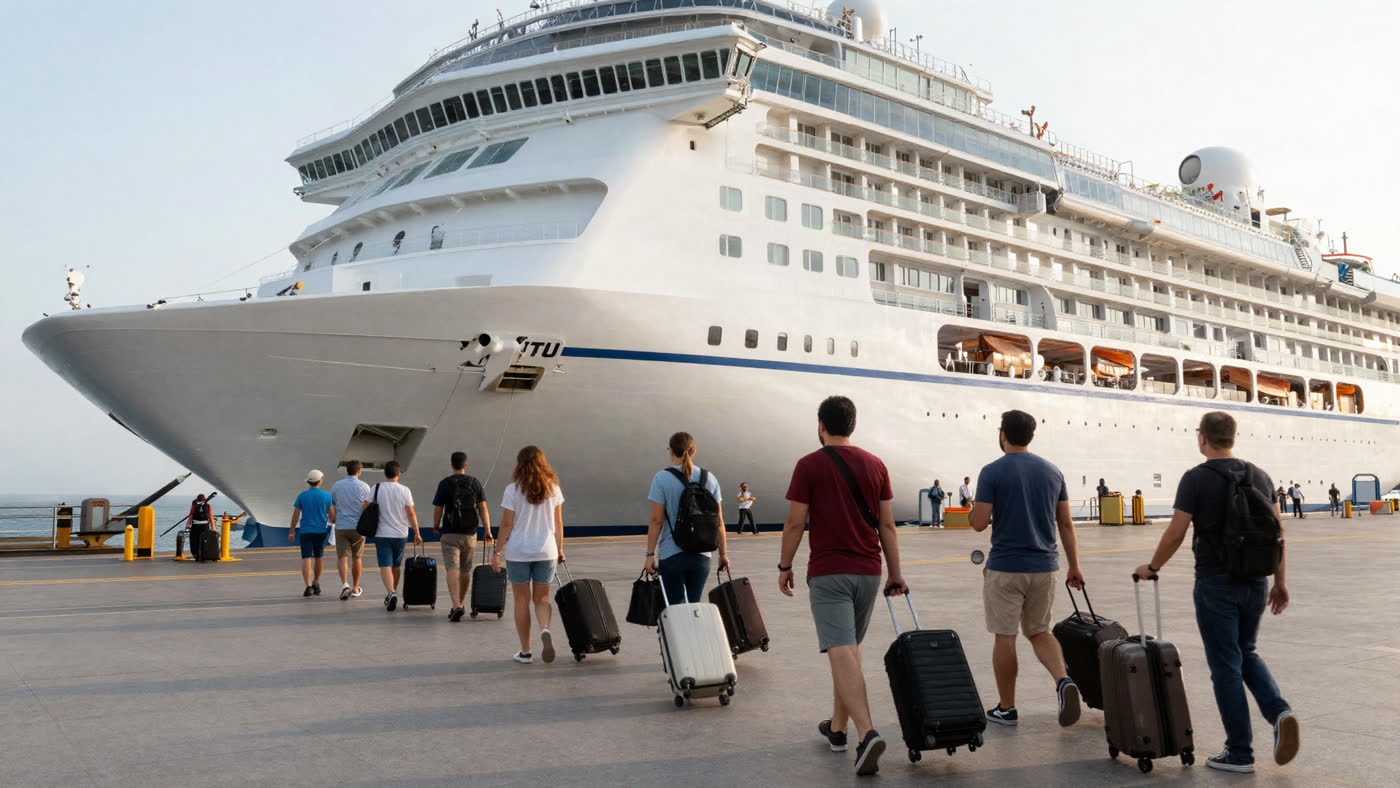
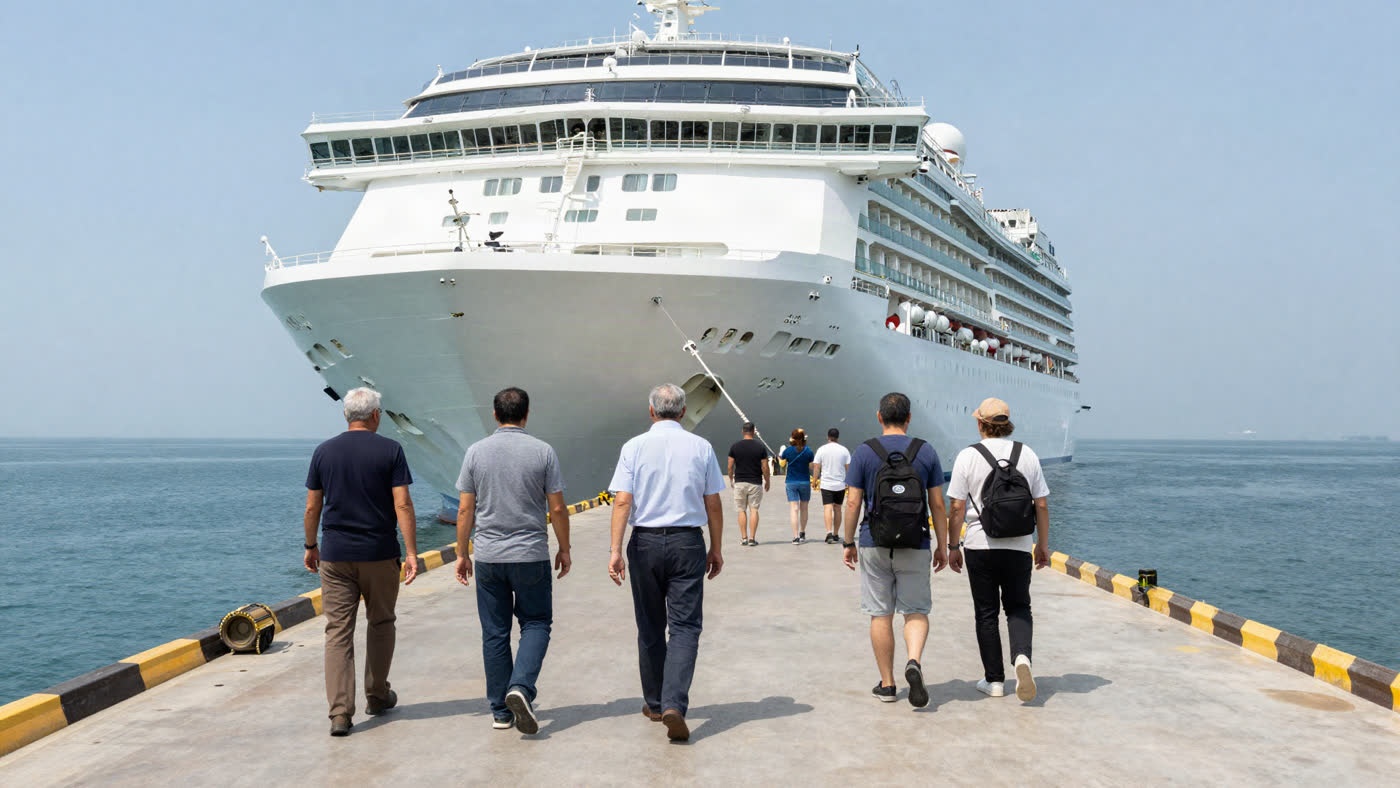
When the ship ties up at a pier, the return path is usually walkable: pier, terminal, security, gangway. Delays still happen—shuttles, photo lines, a wrong turn in a cruise-adjacent shopping maze—but the last mile gets familiar fast.
Tender ports are different. The ship anchors offshore. You ride smaller boats both ways. Wind, swell, and boarding queues can stretch the end of the day even when your watch says you left “plenty early.” There, the buffer is not a nice-to-have; it is the plan.
Practical split:
- Pier / walk-off ports: aim to be near the terminal 45–60 minutes before all-aboard—earlier after a long taxi, ferry, or multi-stop day.
- Tender ports: treat the tender line as a second activity. Reach the pickup with a full extra cushion beyond that 45–60 minute habit. “Back at the pier” and “back on the ship” are not the same moment.
If a call is short and tendered, keep the afternoon light on purpose: one excellent stop plus a calm return beats a packed checklist.
Hard return times: all-aboard is not sail-away

Printed itineraries love round numbers. A port might look like “8:00 a.m. – 5:00 p.m.” That is not your free window. Guests may not clear off right after arrival. All-aboard is often earlier than departure—sometimes by half an hour or more. Departure is when the ship leaves; all-aboard is when you must already be onboard.
Work backward from all-aboard, not from sail-away photos on the upper deck.
1. Write down the official all-aboard time from the daily newsletter or app for that day (it can change). 2. Subtract your personal safety cushion (the near-terminal habit above, plus extra for tenders or long transfers). 3. That earlier clock is your hard return time—when the group turns toward home, even if the gelato place looks inviting.
Ship time is the only time that counts. Local clocks, taxi dashboards, and phone auto-zones can disagree with the ship. Confirm ship time before you leave, set a reminder to that clock, and ignore anything that argues with it. Plenty of near-miss stories start with “I thought I had another hour.”
Independent and DIY days put return risk on you. That is fine with margin; it is not fine when the plan ends at all-aboard on the nose. Ship-sponsored excursions are timed around the sailing’s schedule and can buy peace of mind on complicated or distant days—they are a tool, not a moral requirement.
Name a timekeeper before you clear security

Groups miss ships in committee. Nobody wants to be the killjoy who says “we leave now,” so everyone waits for someone else—until the taxi becomes a negotiation with traffic.
Before you step ashore, pick one timekeeper. Their job is boring and sacred:
- Know the hard return time and all-aboard time.
- Carry a charged phone (and ideally a small battery) plus a photo of key documents if needed.
- Start the walk, taxi, or tender process at hard return without a group vote.
- Keep ship name, pier/tender info, and port agent contacts offline or screenshot-ready.
Everyone else can chase photos. The timekeeper owns the clock. Rotate the role across ports so nobody is permanent buzzkill—but never leave a port day without a named owner.
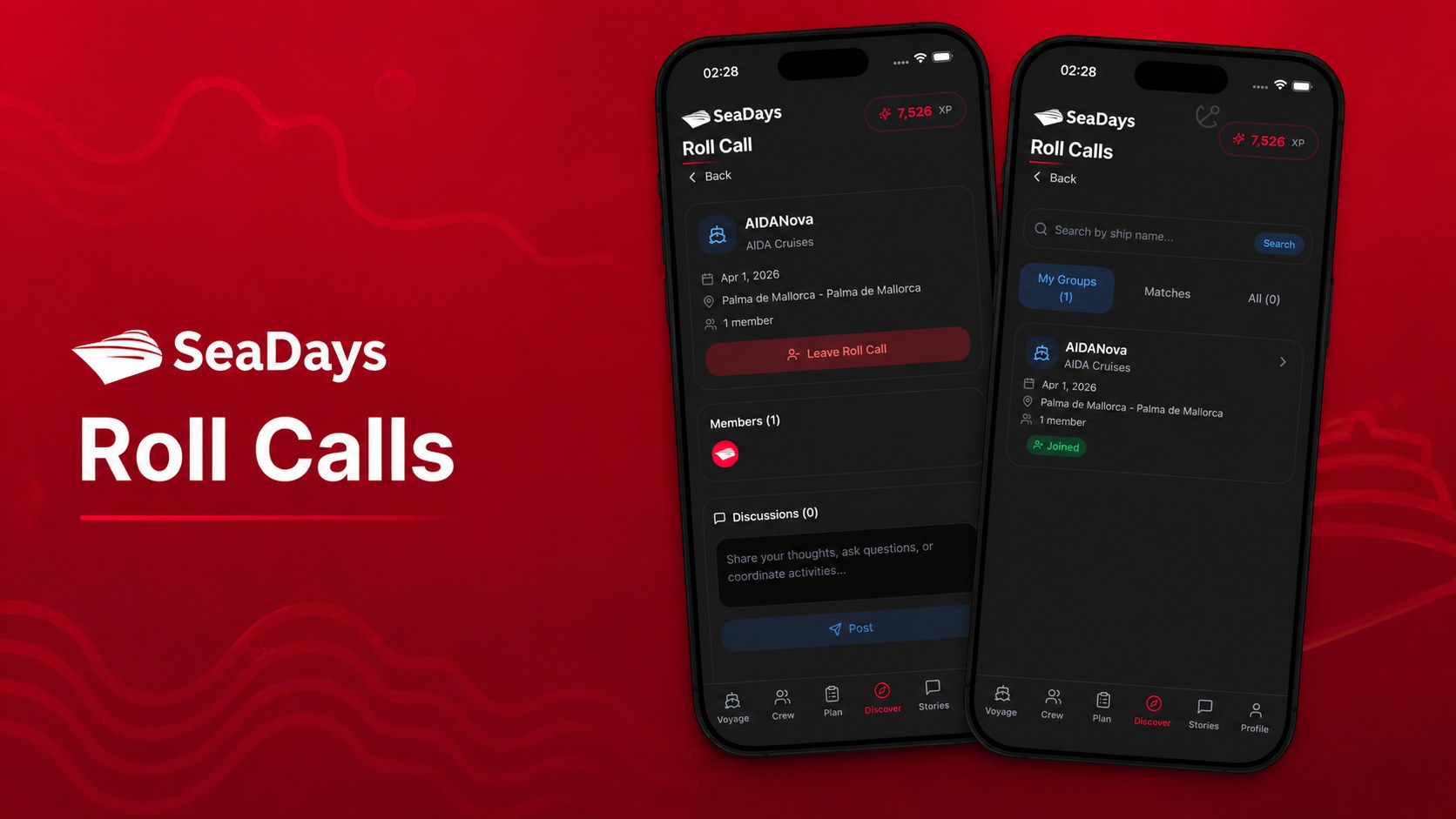
If you are coordinating with other cabins—shared vans, a small independent tour, “meet at the fountain at 2:15”—say the hard return time out loud when you book the plan, not when you are already late. A sailing [Roll Call](/blog/how-cruise-roll-calls-help-you-meet-people-before-embarkation-day/) is a natural place to align before embarkation-week chaos; sailing chat for coordinating with your voyage sits on Basic Monthly (and higher), so treat SeaDays Roll Call as prep, not as a panic channel from the pier.
Mistakes that shrink the buffer to zero
Patterns that turn a cushion into a sprint:
- Planning to the brochure end time. Sail-away is not all-aboard. Build from the earlier number.
- “We’re close—one more stop.” Close on a map is not close with traffic, a bathroom stop, and security.
- Assuming phone time equals ship time. Especially after overnight zone changes or ports near a boundary.
- Long-distance DIY with no reverse commute. The morning taxi is calm; the afternoon rush is where buffers die.
- Dead phone, no cash, no Plan B. A backup battery and a little local currency for taxis are unglamorous and useful.
- Treating tender lines like pier walks. If the ship is offshore, your day ends at the tender queue, not the souvenir stall.
These are logistics, not vibes. Prep them the night before when the daily newsletter posts tomorrow’s times.
FAQ
What happens if someone actually misses the ship?
Cruise lines do not wait for late independent guests. Guests who miss all-aboard typically have to reach the next port on their own (travel, lodging, re-boarding), which is why the buffer exists. Exact procedures vary by line and itinerary—ask guest services before a high-risk DIY day if you need line-specific clarity.
Is a ship excursion the only “safe” option?
No. Ship excursions reduce timing risk on complex days. Walkable ports and short, well-buffered DIY plans are fine for many first-timers. Match structure to distance and tender status, not to fear alone.
How early is early enough?
Be near the terminal 45–60 minutes before all-aboard on pier days; add meaningful extra cushion for tenders, long transfers, or unfamiliar cities. Your hard return time is earlier than that terminal goal.
Should families split up ashore?
Only with a shared hard return time, a rendezvous point, and a timekeeper (or one per subgroup). “See you back at the ship” is not a plan.
Does staying onboard in a port “waste” the cruise?
No. Short calls, tender chaos, bad weather, or pure tiredness are valid reasons to enjoy a quiet ship. Missing the ship to prove you used every pier is worse.
Keep port notes beside your sailing plan

The buffer system works when tomorrow’s all-aboard time, tender vs pier reality, and hard return time sit next to the rest of the day—not in a screenshot graveyard three apps away.
In SeaDays, put port notes beside the sailing plan for each stop: all-aboard time, whether it is a tender, the hard return time the group agreed on, and who the timekeeper is that day. When plan and notes live together, the night-before check is a two-minute review instead of a scavenger hunt through the newsletter, chat threads, and camera roll. Prep the notes before you go ashore; do not invent them in a taxi when the clock is already loud.
That is the whole game for first-timers: not paranoia, not a rigid tour every day—just enough structure that “one more street” never gets to vote against the ship.