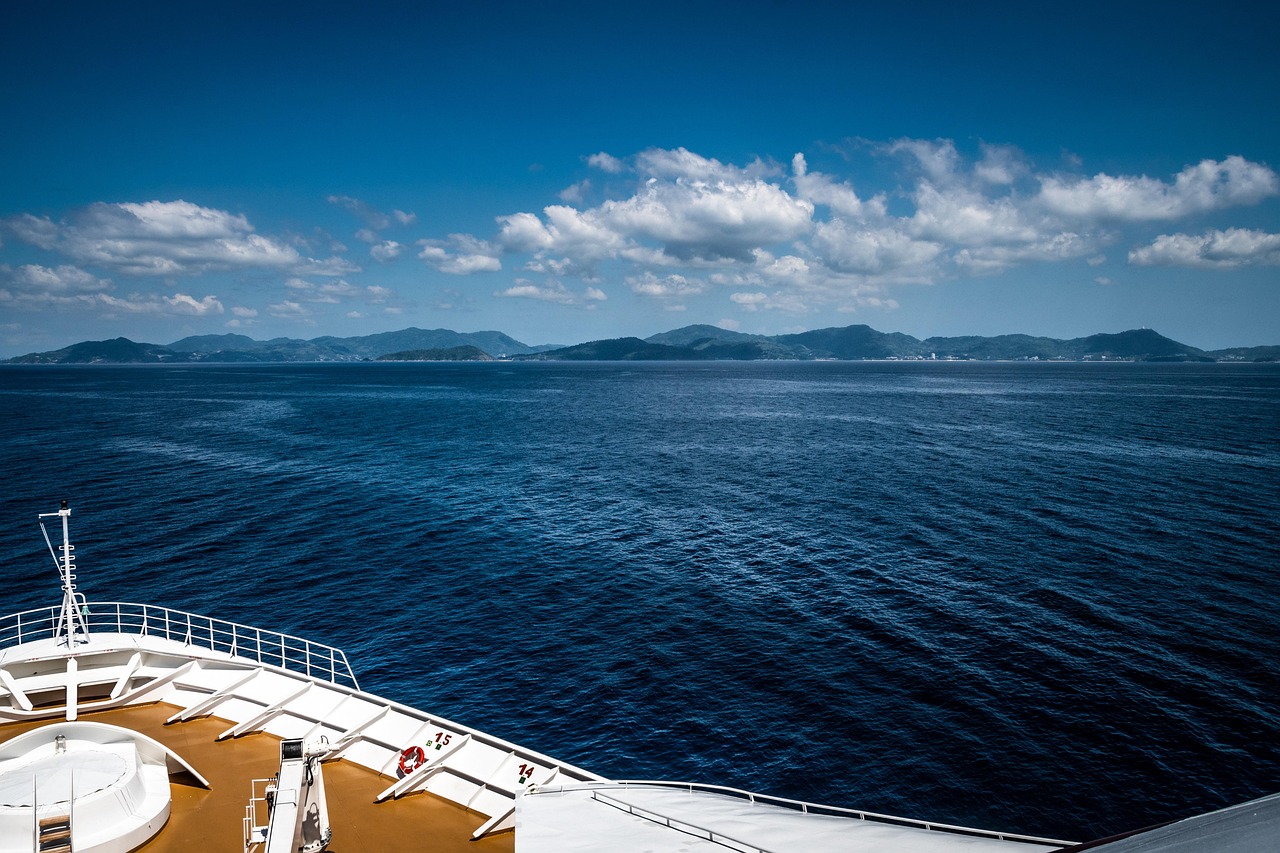
What is a sea day on a cruise?
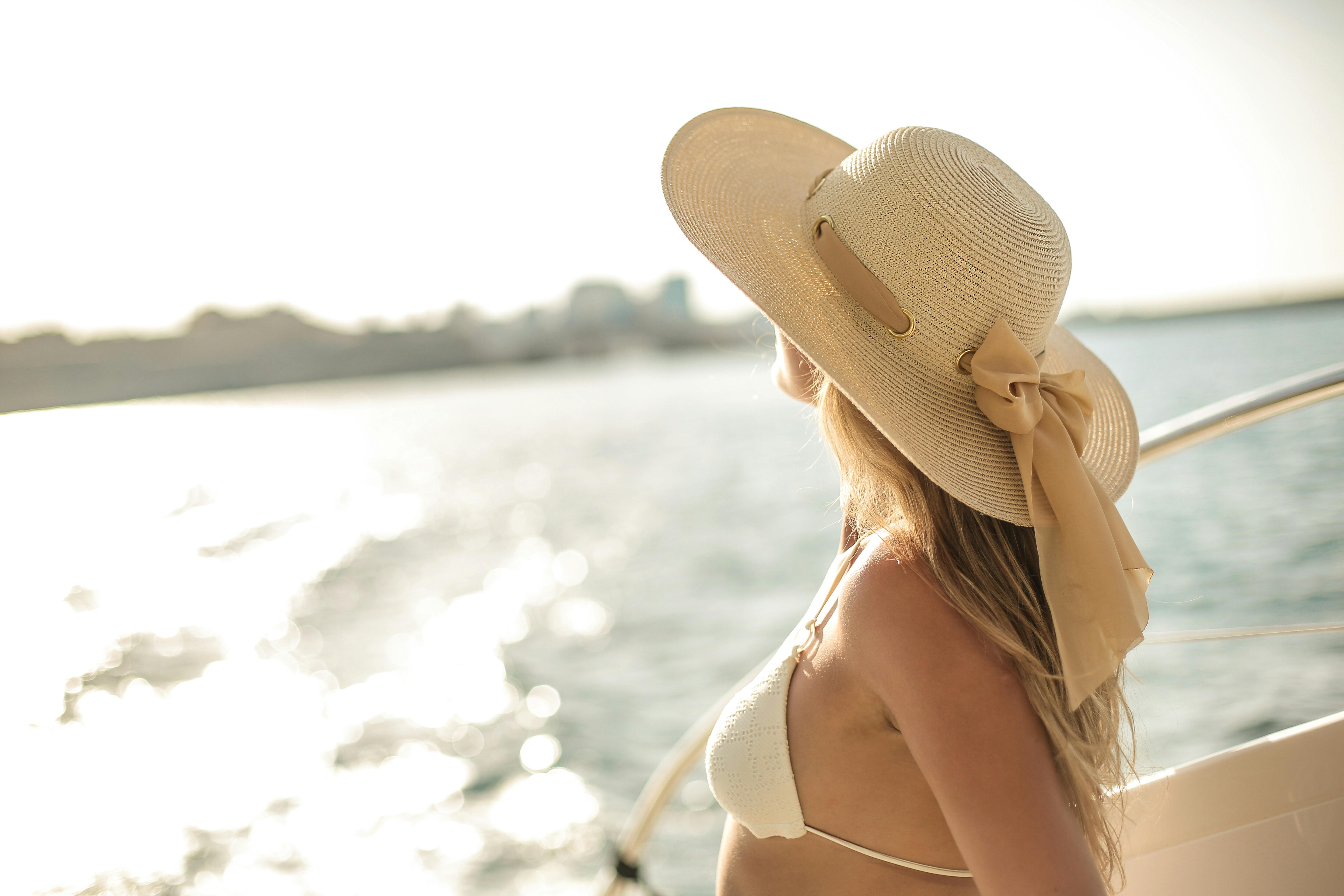
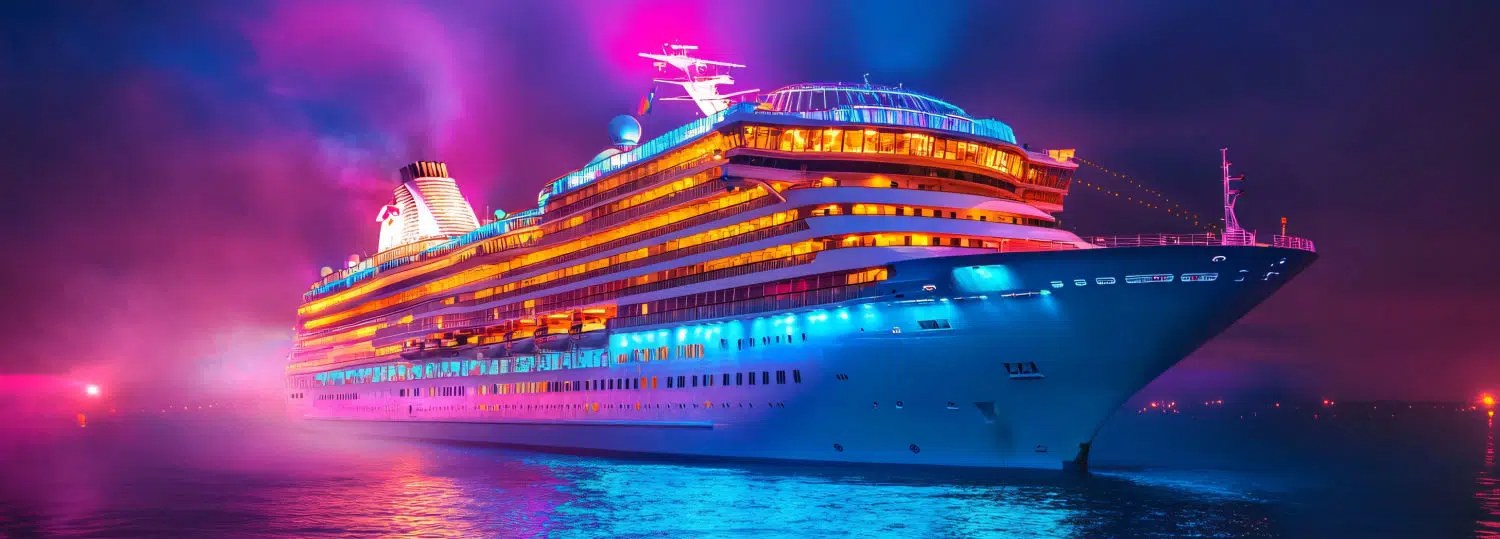
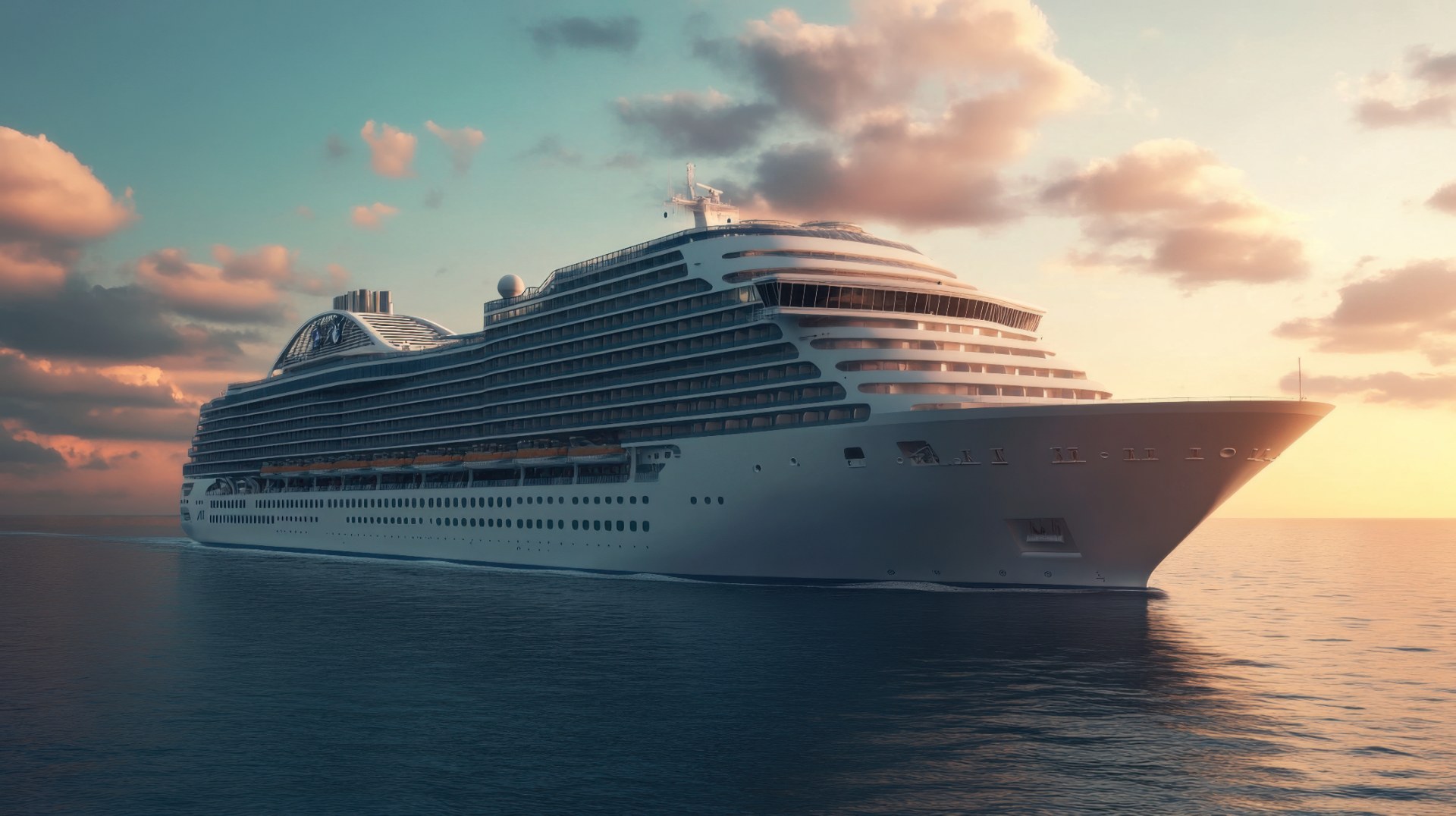
A sea day is a day when the ship is underway and does not call at a port. Passengers stay onboard. The itinerary is still moving—often overnight between two ports, or across a stretch of open water that takes a full day or more.
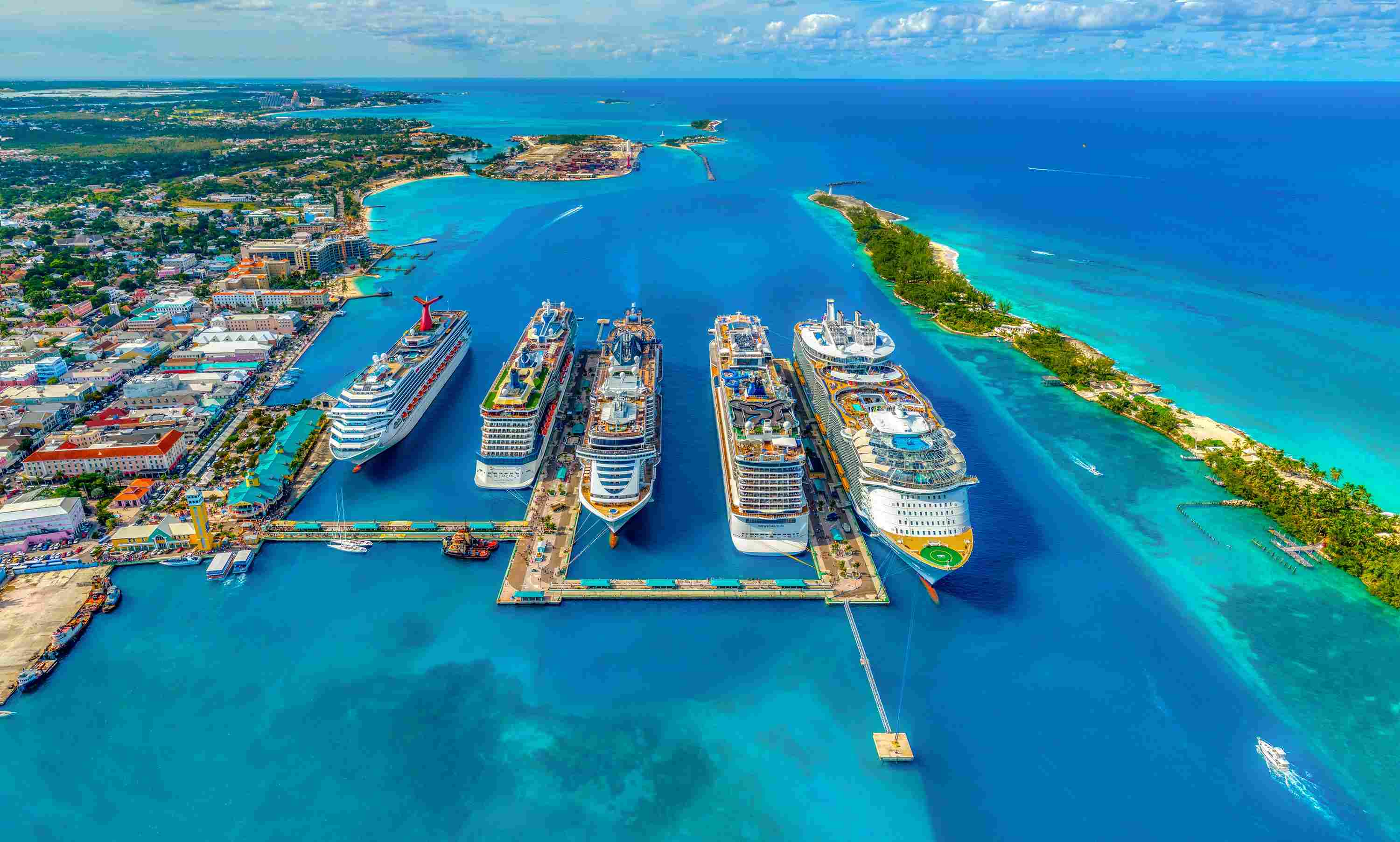
Sea days are the opposite of port days, when the ship is alongside (or at anchor) and guests can go ashore. Most mainstream cruises mix both. Transatlantic and repositioning sailings can string several sea days together.
The ship still runs on a published daily program: meals, activities, shows, and safety information. You do not “stop traveling” on a sea day; you travel while using the ship as the destination.
What happens onboard
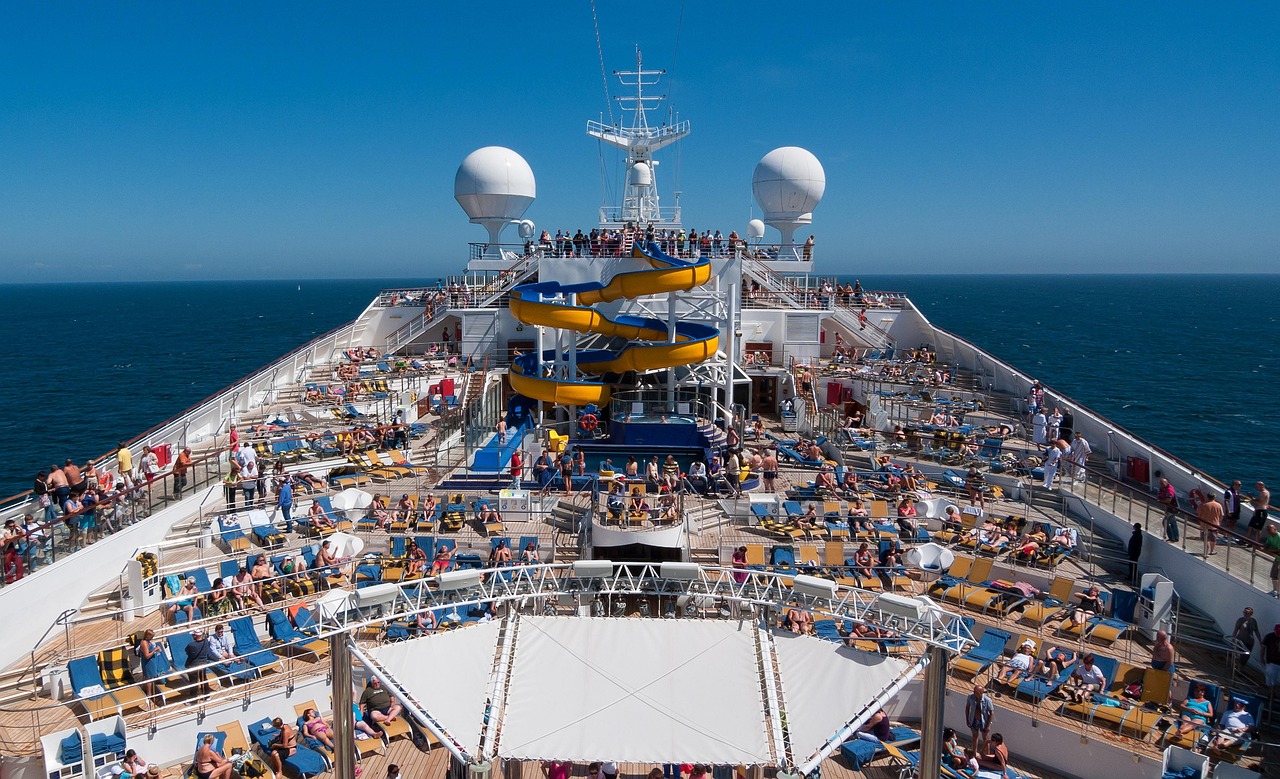
Crew keep hotel, dining, and entertainment operations running. Guests can use public spaces that may be quieter than on embarkation day: pools and sun decks (weather permitting), the buffet and main restaurants, the theater, gym, spa (often extra-cost), shops, and lounges.
Expect a daily planner—paper, cabin TV, or the line’s app—listing times for trivia, classes, kids clubs, and evening shows. Exact offerings depend on the ship and sailing. Do not assume every vessel has the same venues.
A typical sea-day rhythm
Schedules vary by line, but many guests fall into a loose pattern:
- Morning: breakfast, a walk on deck, gym, or a quiet lounge with coffee.
- Midday: pool or indoor public rooms, lunch, and optional classes or spa appointments.
- Afternoon: reading, trivia, kids club pickup, or a nap before dinner.
- Evening: main dining or specialty restaurants, a production show or live music, then late-night lounges if you want them.
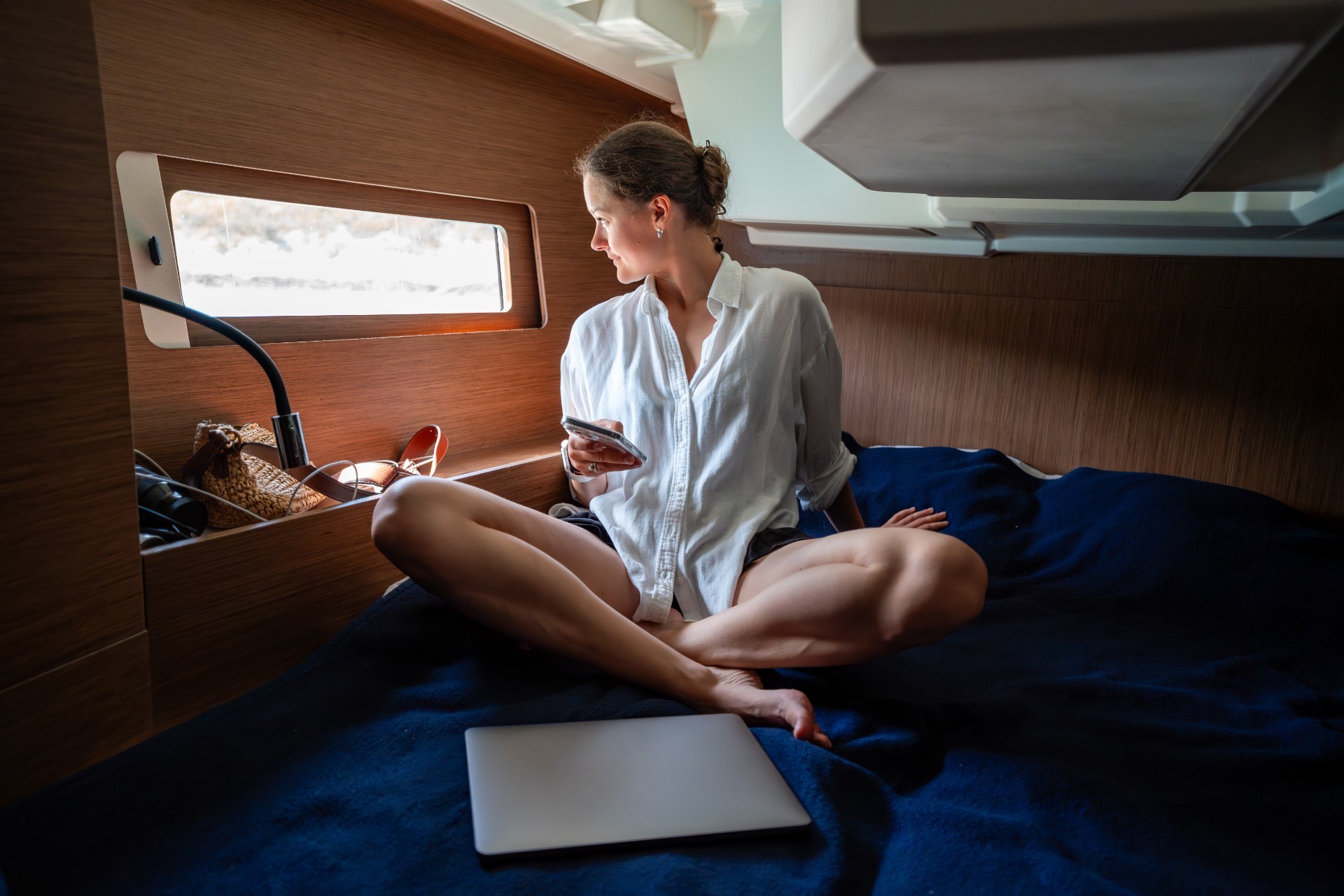
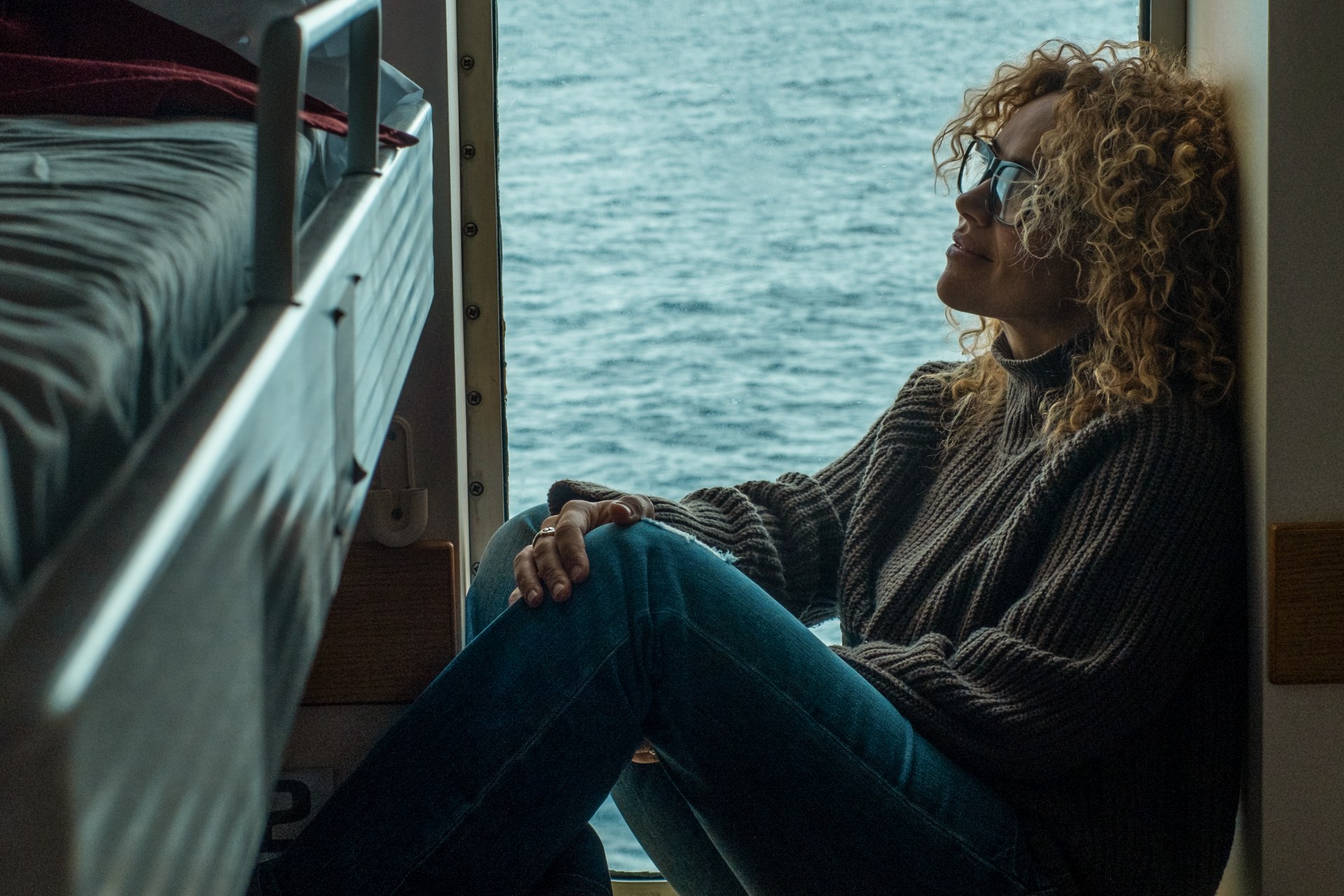
There is no required itinerary. Some travelers treat a sea day as a full spa-and-show day. Others barely leave the cabin balcony. Both are normal.
What passengers can do
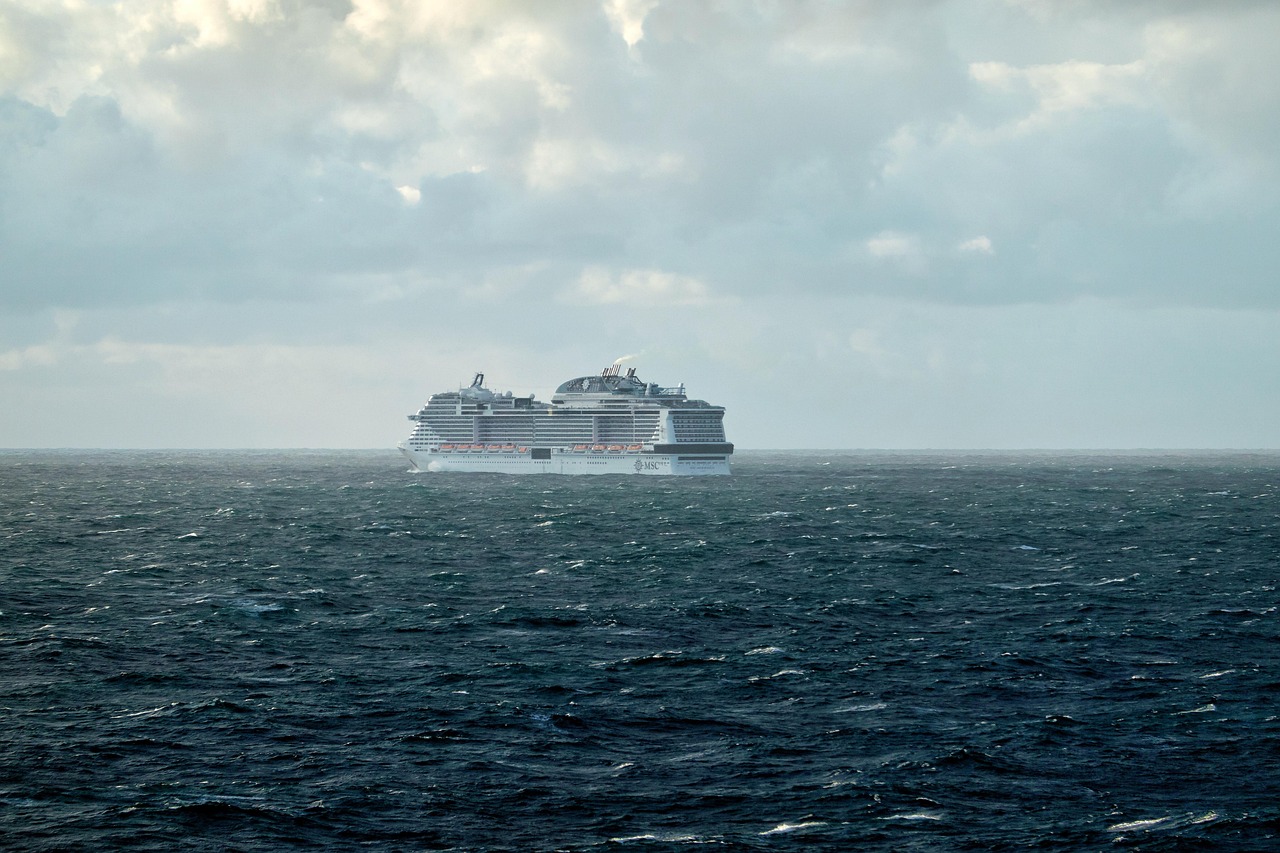
Common sea-day options, when the ship offers them:
- Pools, whirlpools, and sun decks (more crowded in warm weather and on the first sea day after embarkation).
- Main dining rooms, buffet, cafés, and extra-cost specialty restaurants.
- Theater shows, live music, comedy, and movies—check the daily program.
- Fitness classes and the gym; spa treatments are usually priced separately.
- Kids and teen clubs on family-oriented ships, with age bands set by the line.
- Shops, photo galleries, and onboard talks. Some talks are sales presentations; read the description.
For a longer activity list, see Sea Day Activities: What to Do When You're Not in Port.
Family considerations
Sea days can be easier than port days with young children: no all-aboard countdown, no tender queues, and clubs that often run fuller programs at sea. Confirm age limits and signup rules on embarkation day. Bring a simple cabin kit (sunscreen, light layers, a quiet activity) so you are not dependent on a single crowded pool.
Dining on a sea day
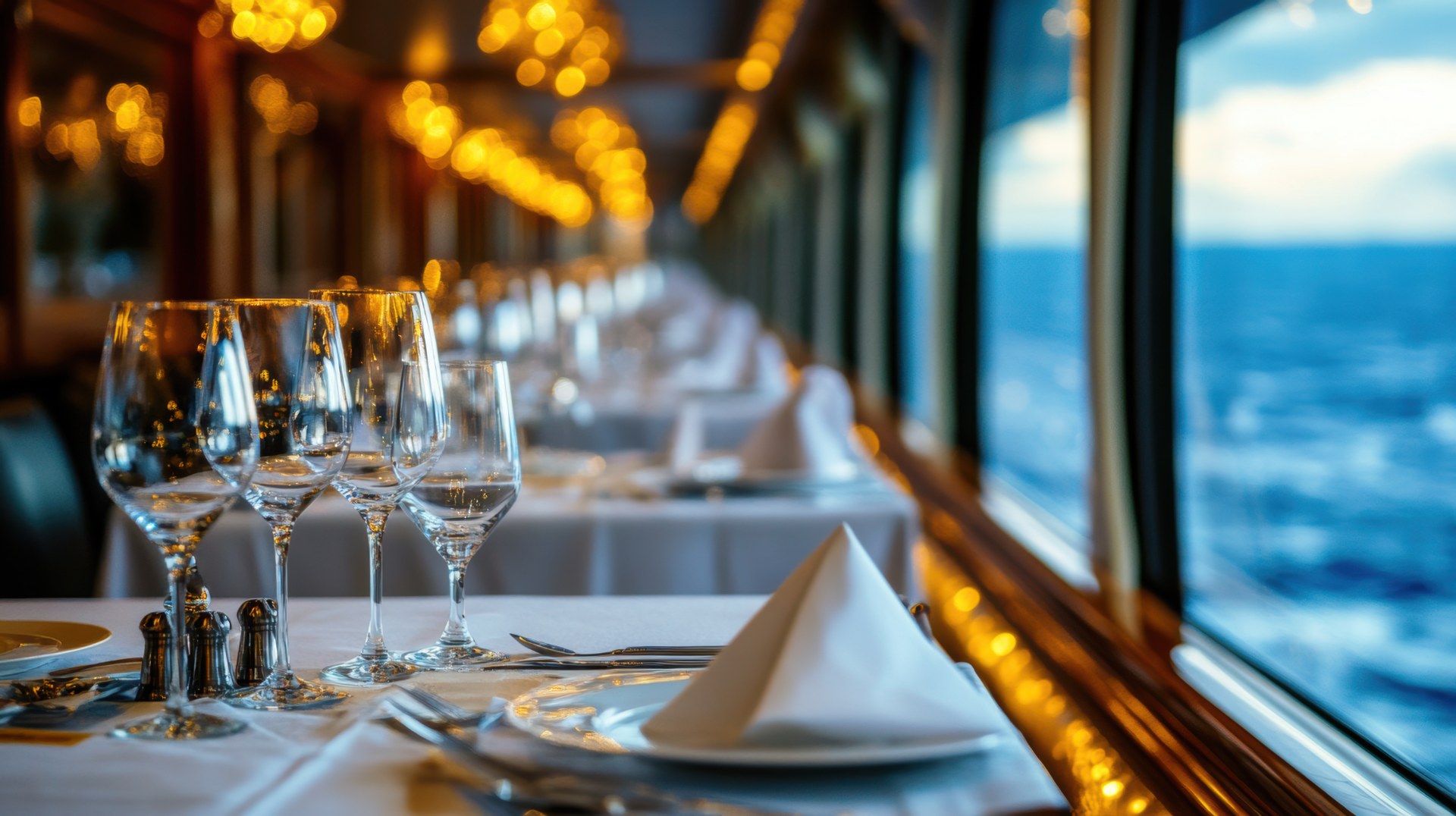
Most lines keep included dining open on a similar schedule to port days. Specialty restaurants may be easier to book at sea because fewer guests are ashore. If you care about a specific seating time, reserve early in the cruise rather than waiting for a sea day. Dietary needs should be flagged with dining staff at the start of the sailing—not invented here as a ship-specific menu promise.
Are sea days relaxing or busy?
Both. A sea day removes shore logistics, which many guests find restful. The same day can feel busy if you stack trivia, a show, a specialty dinner, and a late lounge. Crowds concentrate around the pool in good weather and around the buffet at peak meal times. If you want quiet, look for indoor lounges away from the pool deck and eat slightly off-peak.
For a comparison of rest versus exploration, read Port Days vs Sea Days.
What to pack for sea days
You do not need a separate suitcase, but a few items make sea days smoother:
- Layers and a light jacket—open decks are windier than the cabin.
- Reef-safe sunscreen and a hat if you plan to sit outside.
- Non-slip shoes for wet pool decks.
- A small bag for the spa or gym if you use them.
- Motion-sickness precautions if you are sensitive; open water can feel different from a sheltered port approach. Choose a midship, lower cabin if that is a concern, and follow your clinician’s advice—not generic internet dosages.
See also Cruise packing list: what to bring and what to leave home.
Planning tips
- Read the next day’s program the night before so you are not deciding everything at breakfast.
- If the sailing has only one sea day, treat popular spa slots and specialty dining as limited—book early.
- Keep ship time on your watch or phone. Sea days still have show times and dinner seatings.
- Use a sea day to rest before a long port day, or to catch up after a late-night arrival.
- Track how many sea days you have actually sailed. The SeaDays app can log voyages, ships, and sea-day counts in one place.
Frequently asked questions
Is a sea day the same as a day at sea?
Yes. Cruise programs use both phrases. It means the ship is not scheduled to dock or tender guests ashore that day.
Can you get off the ship on a sea day?
No. There is no port call. You remain onboard until the next scheduled arrival.
Do shops and the spa stay open?
Usually yes, on a published schedule. Hours can differ from port days. Check your daily program rather than assuming 24/7 access.
Are sea days cheaper onboard?
Not automatically. Some lines discount spa treatments on port days (when fewer guests are onboard) rather than on sea days. Drink packages, Wi-Fi, and specialty dining follow the fare you already bought—not a special sea-day price list.
How many sea days should a first-time cruiser look for?
There is no required number. Short Caribbean loops may have one sea day or none. Transatlantic crossings have several. Choose based on whether you want more time ashore or more time using the ship. Browse ship guides and port guides together so the mix matches your trip.